
Ended
Still Life Small Deaths
Jun 12 – Jul 25, 2026
Hannah Beerman, Ohan Breiding, HyeGyeong Choi, Dana DeGiulio, Angela Dufresne, Elizabeth Glaessner, Erin Johnson, Haley Josephs, Justine Kurland, Le'Andra LeSeur, Siobhan Liddell, Sig Olson, Catalina Schliebener Muñoz, Pamela Sneed, Shauna Steinbach, A.L. Steiner, Rachel Stern, Sara Stern, Willa Wasserman
The Greek word xenos (ξένος) from which my name is derived, means stranger, guest, or foreigner. In ancient Greece, xenia (ξενία) denotes the sacred covenant of hospitality: the reciprocal bond between host and guest, an ethical obligation to welcome the stranger. The term later lends itself to a genre of Roman wall painting depicting modest provisions offered to guests: fruit, flowers, bread, seafood, meat, and other material assurances of welcome (see Norman Bryson, Looking at the Overlooked, 1990). Still life, or nature morte, has always attended to the quotidian, to the small deaths that structure daily existence: the cut flower, the killed game, the fruit ripening toward decay. Yet embedded in its earliest iterations is a latent question about belonging: who is welcomed, who is nourished, who is permitted to share in the earth's abundance.
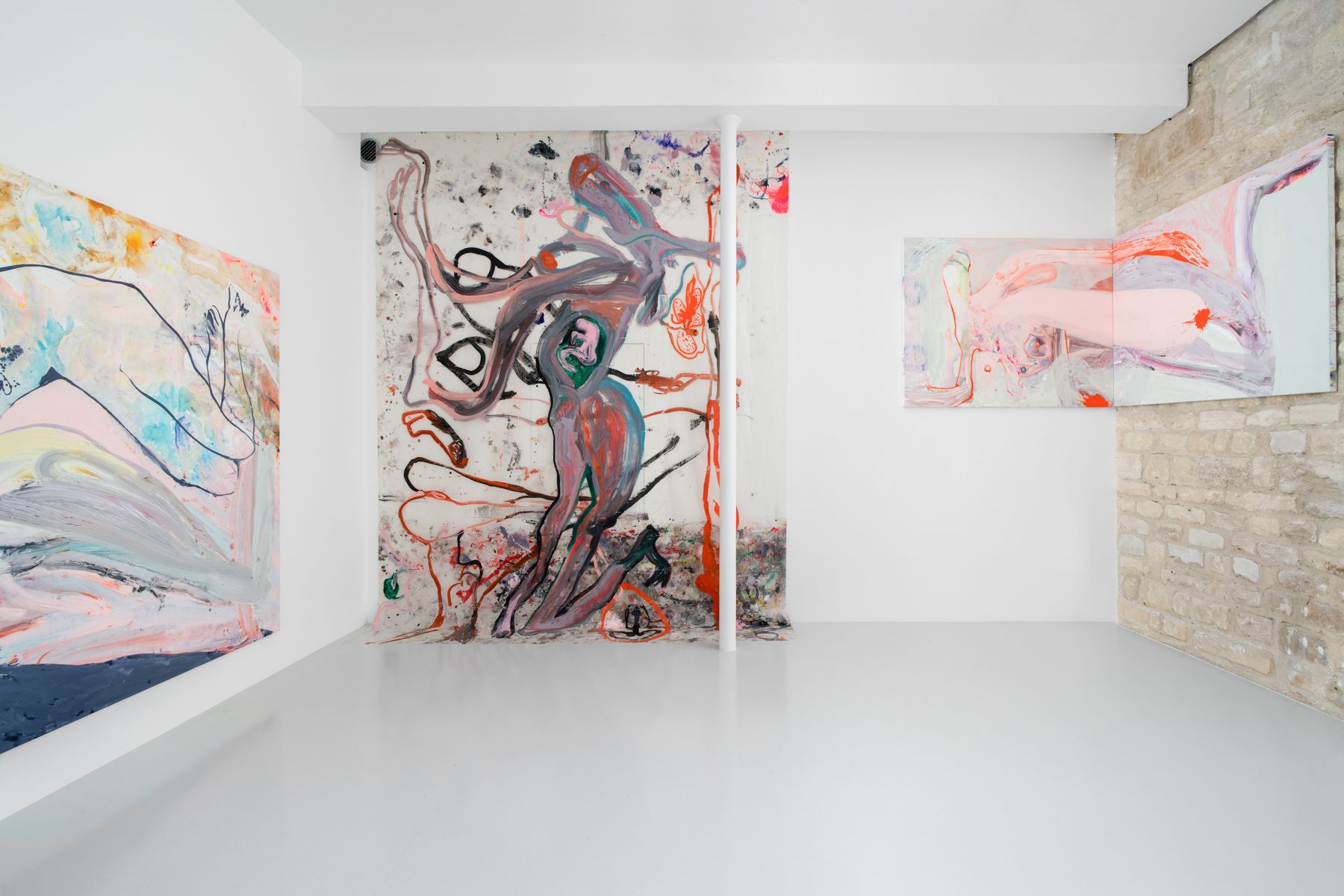
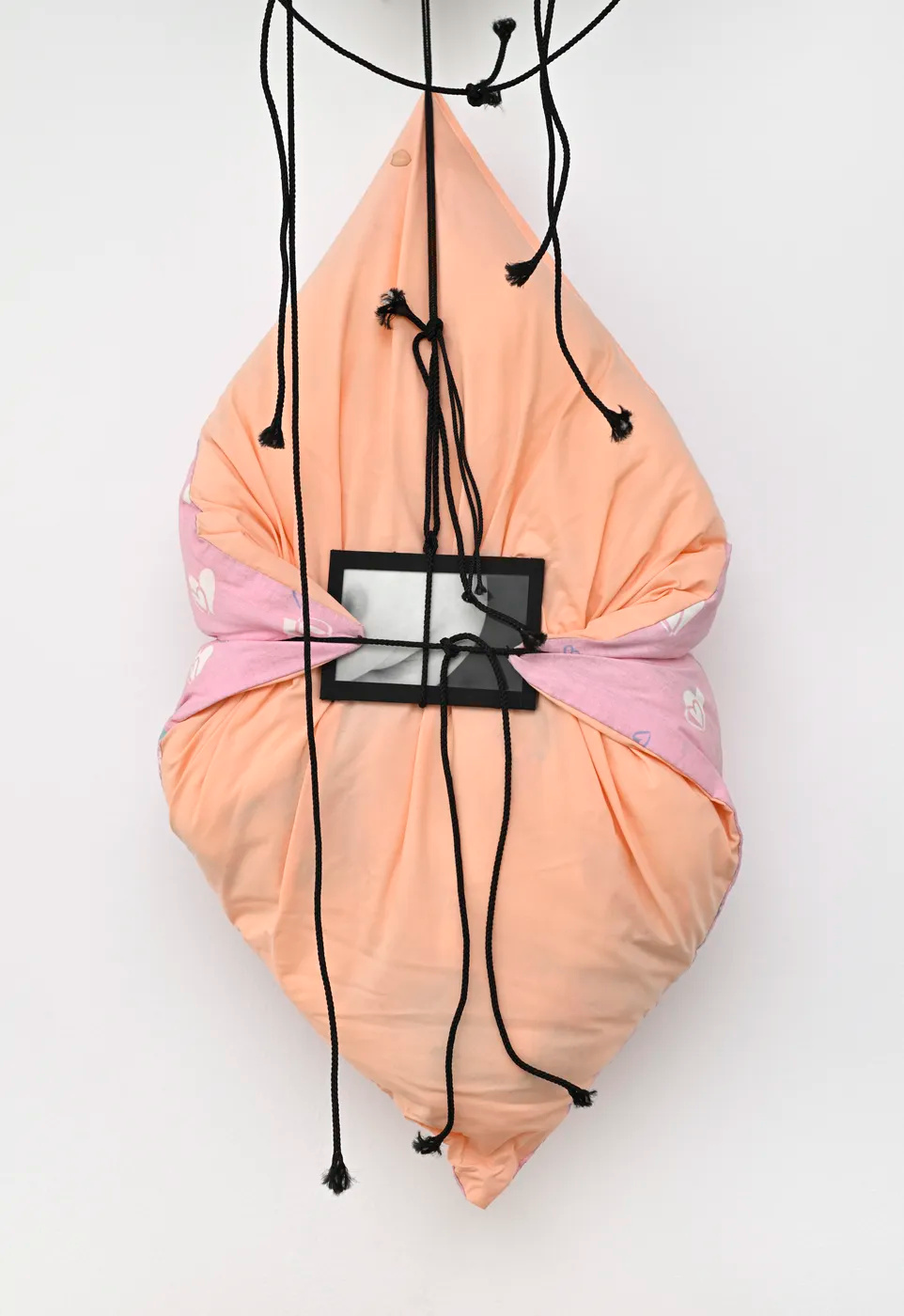
This exhibition brings together my own community of largely New-York based queer artists working in and against the still life tradition to ask what xenia might mean now. In an era of resurgent xenophobia, of borders hardening against human movement as ecosystems collapse under extraction and neglect, what does it mean to depict the natural world? What does nature morte mean when the phrase has slipped from painting genre to lived reality? The works gathered here approach still life not as passive arrangement but as a site of relation, care, and crisis, attending to what it means to offer and receive welcome in a world of shared precarity.
— Ksenia M. Soboleva