
Exhibition · MASA
Intervención/Intersección
May 5 – Jun 24
19 images · swipe
About the show
To make an appointment, please visit: bit.ly/3mcoxmc
Adolfo Riestra, Alma Allen, Ana Pellicer, Brian Thoreen, EWE Studio, Frida Escobedo, Héctor Esrawe, Hollie Bowden, Isamu Noguchi, Jose Dávila, Mario Garcia Torres, Marrow, Martin Ramirez, Miguel Calderón, Pia Camil, Panorammma, Pedro Reyes, Ruben Ortiz Torres, Tania Candiani, Tomás Díaz Cedeño, Vissio, Xavier Loránd
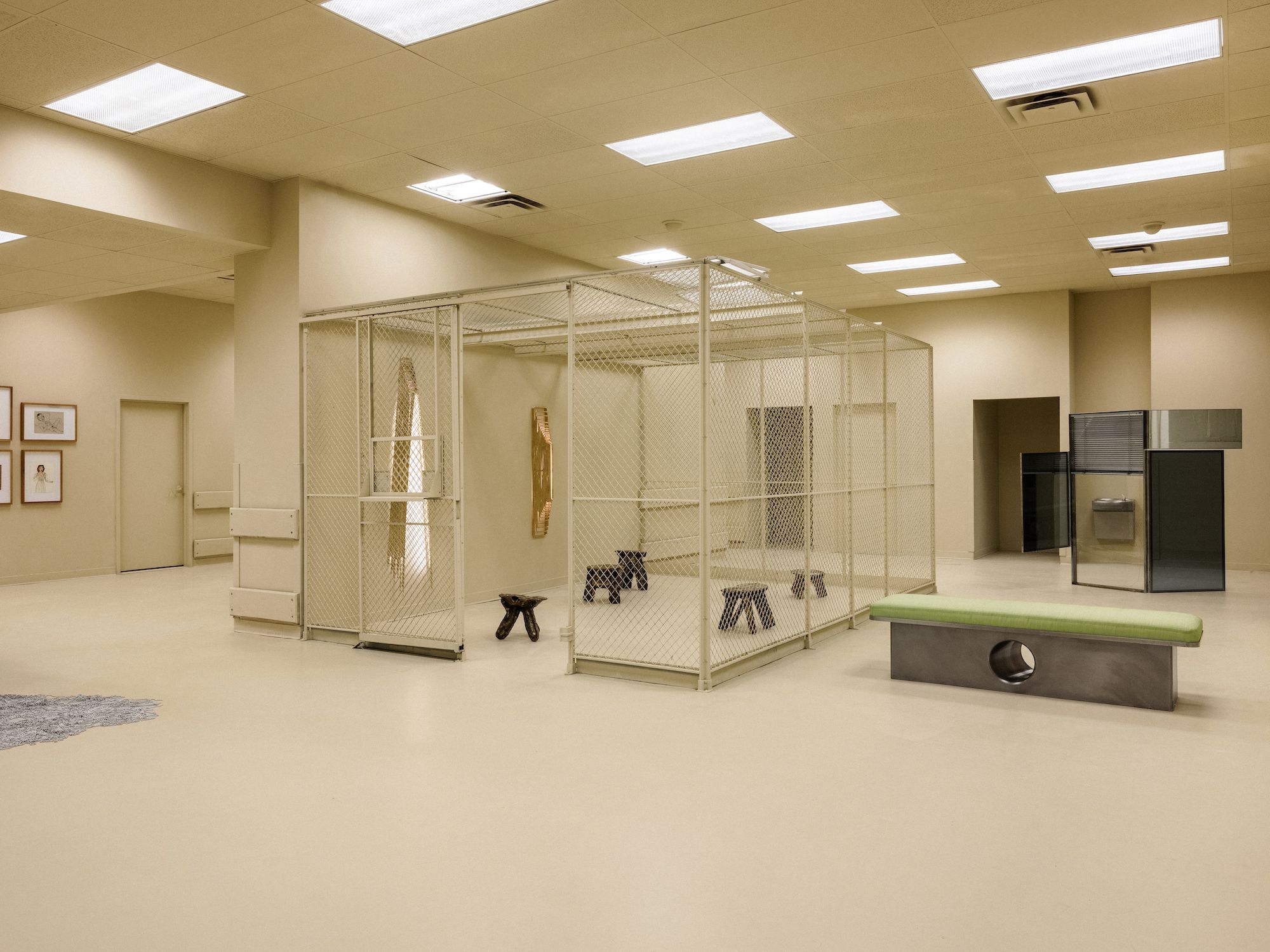
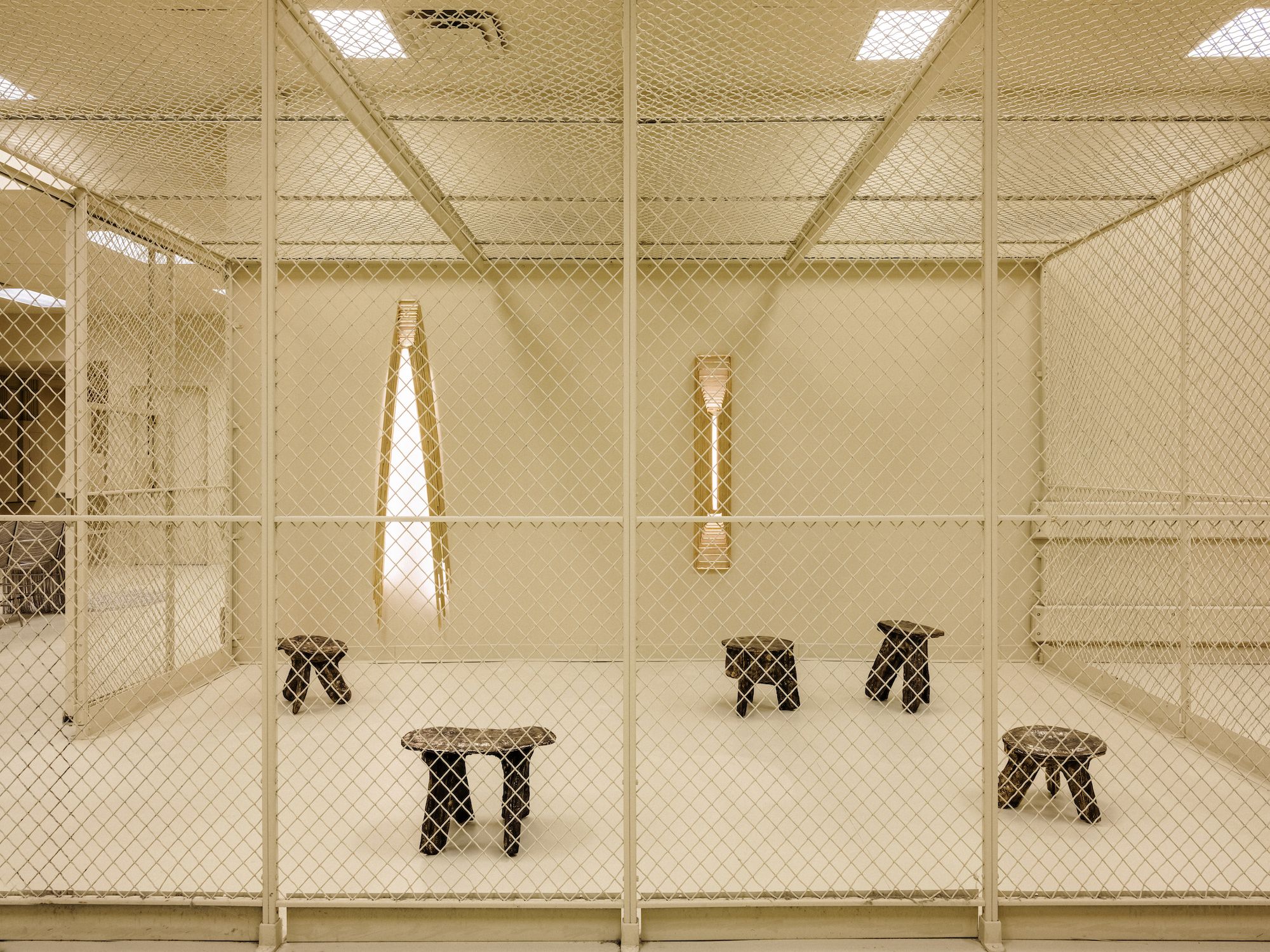
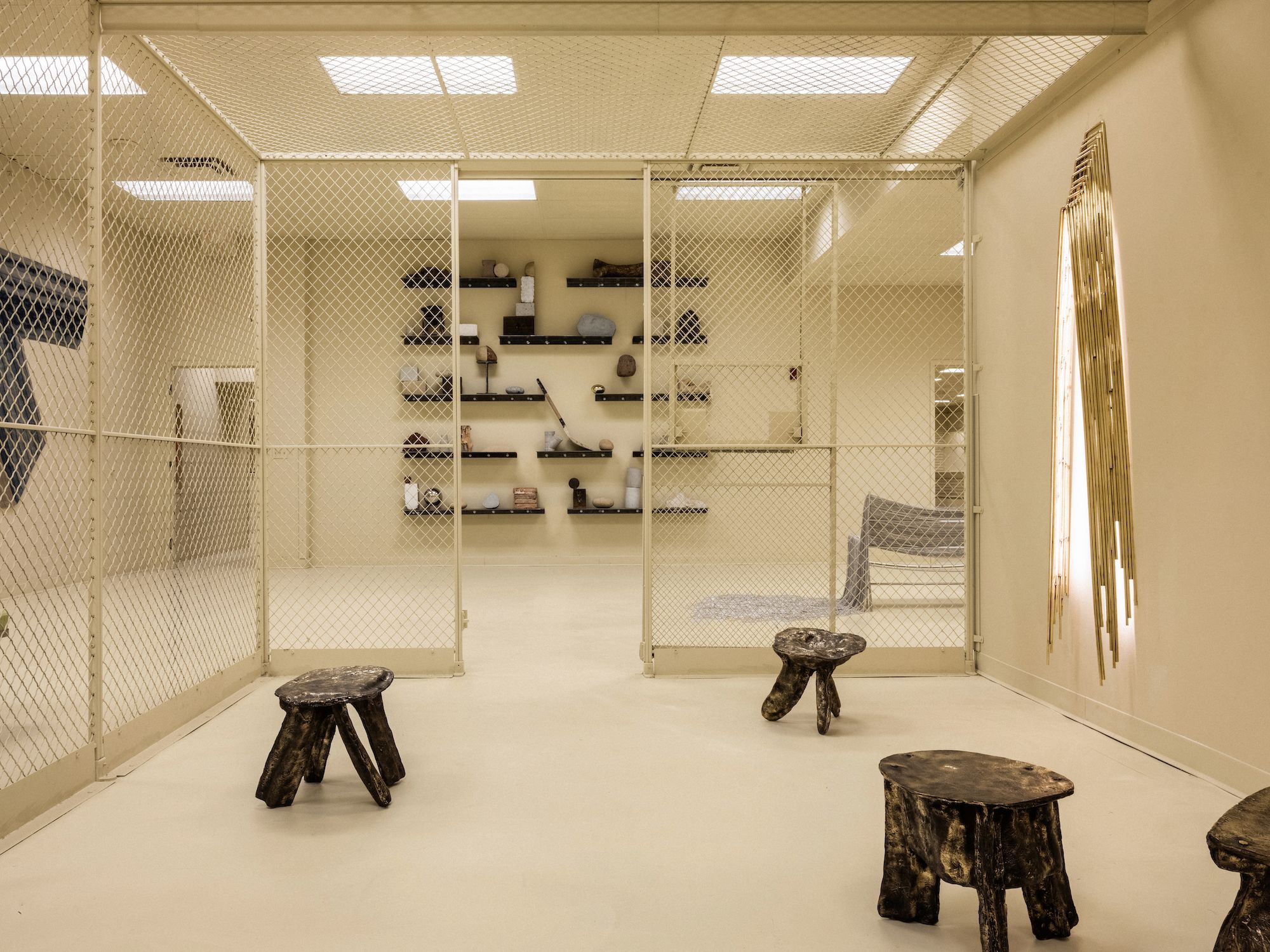
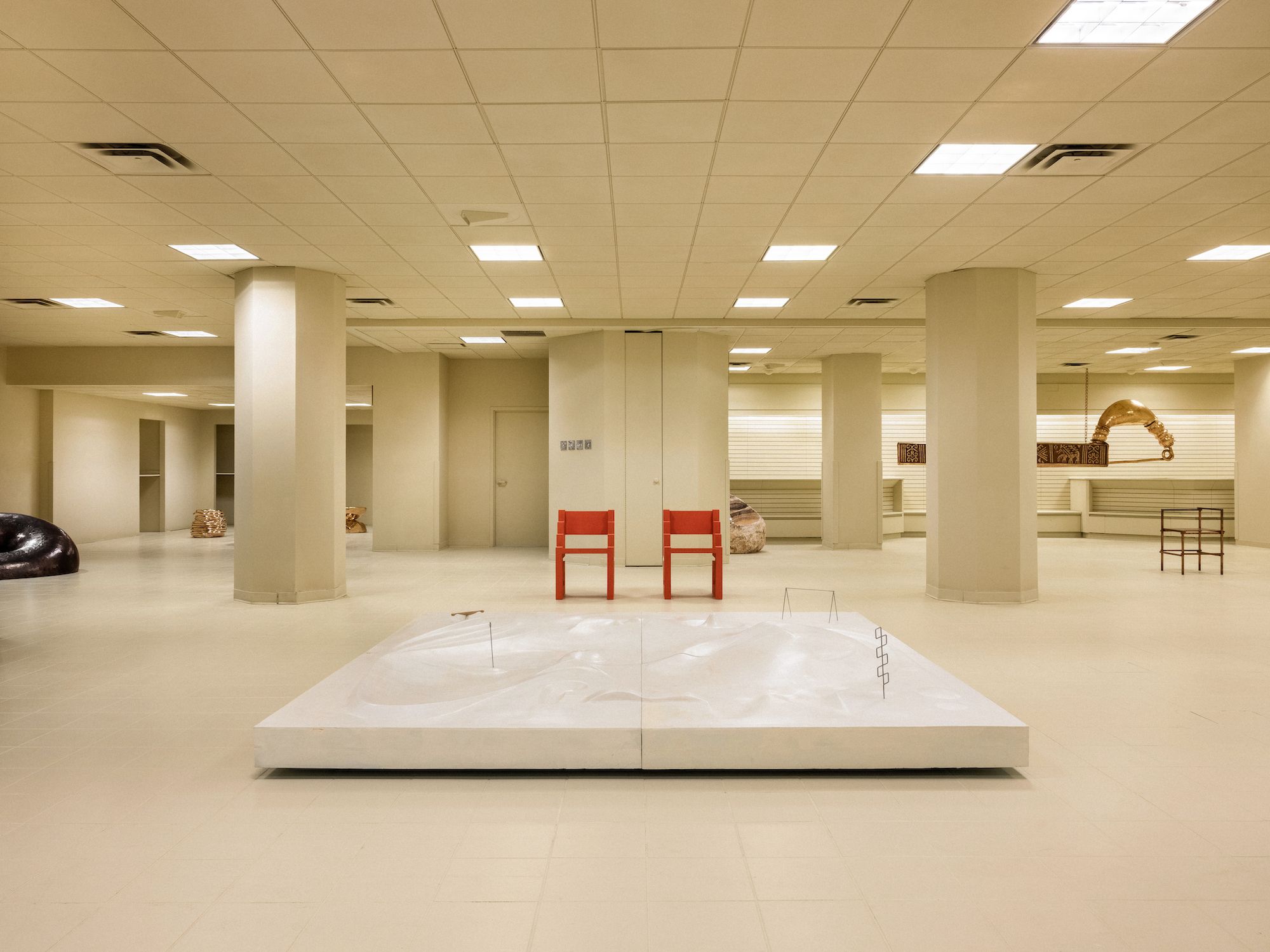
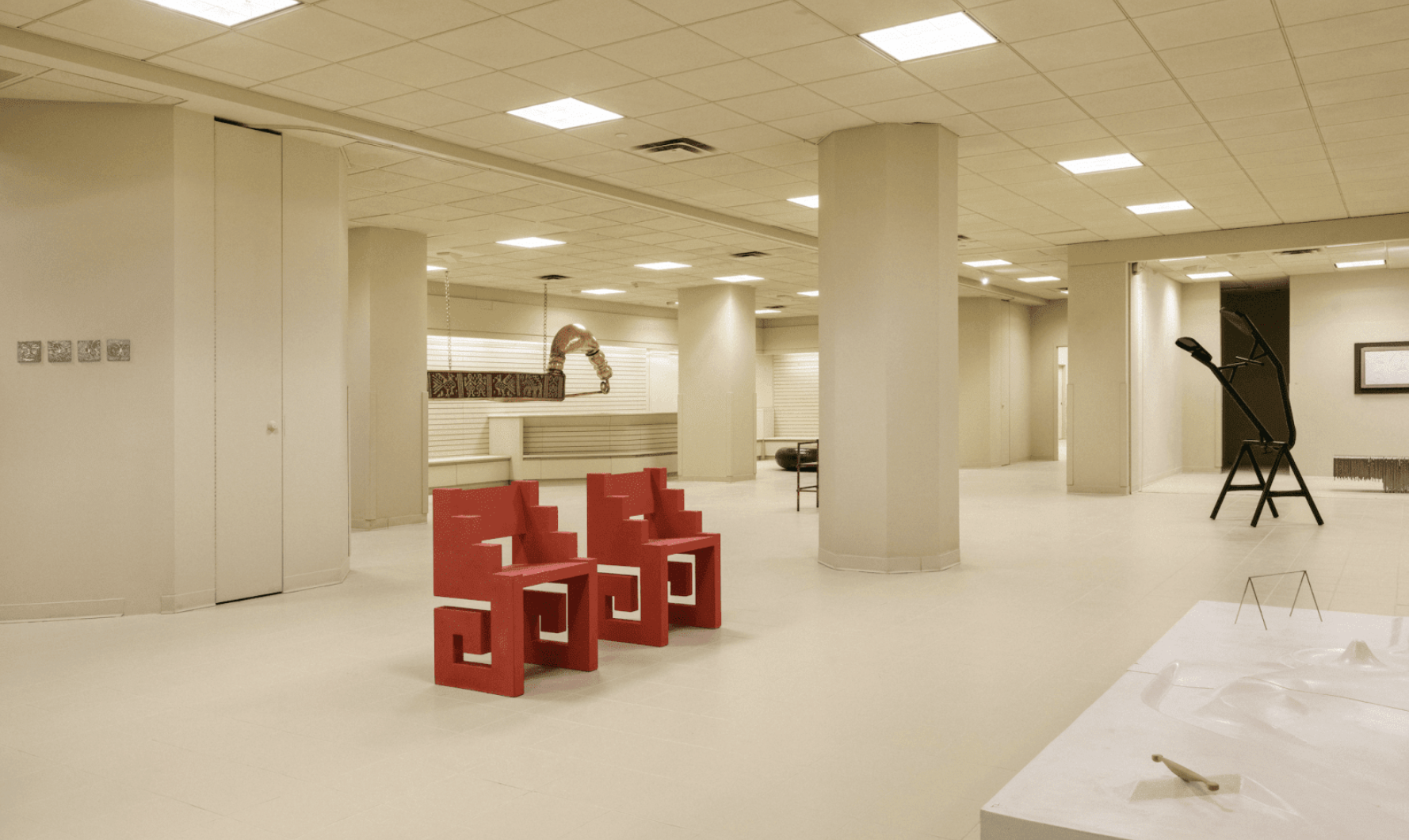
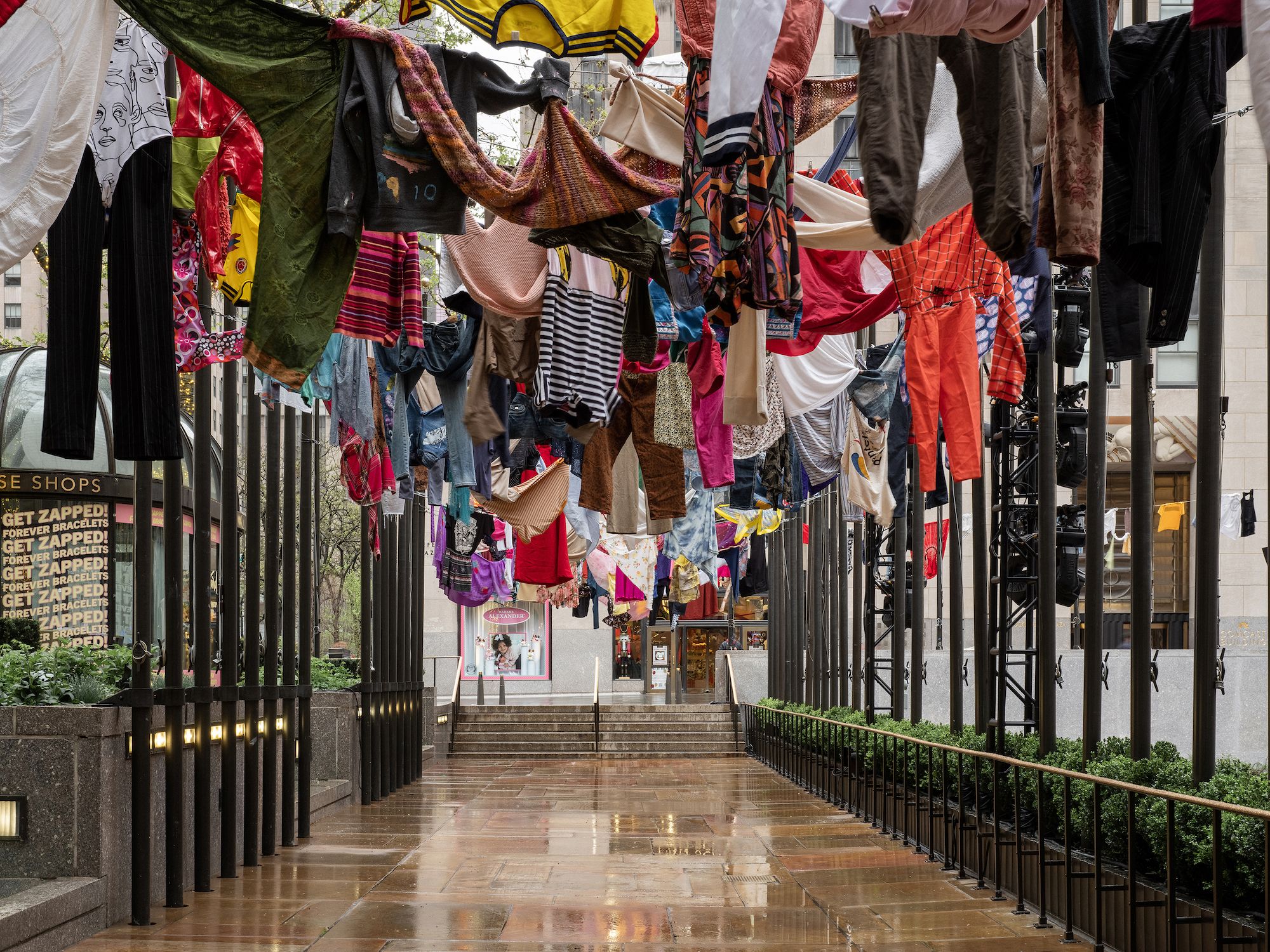
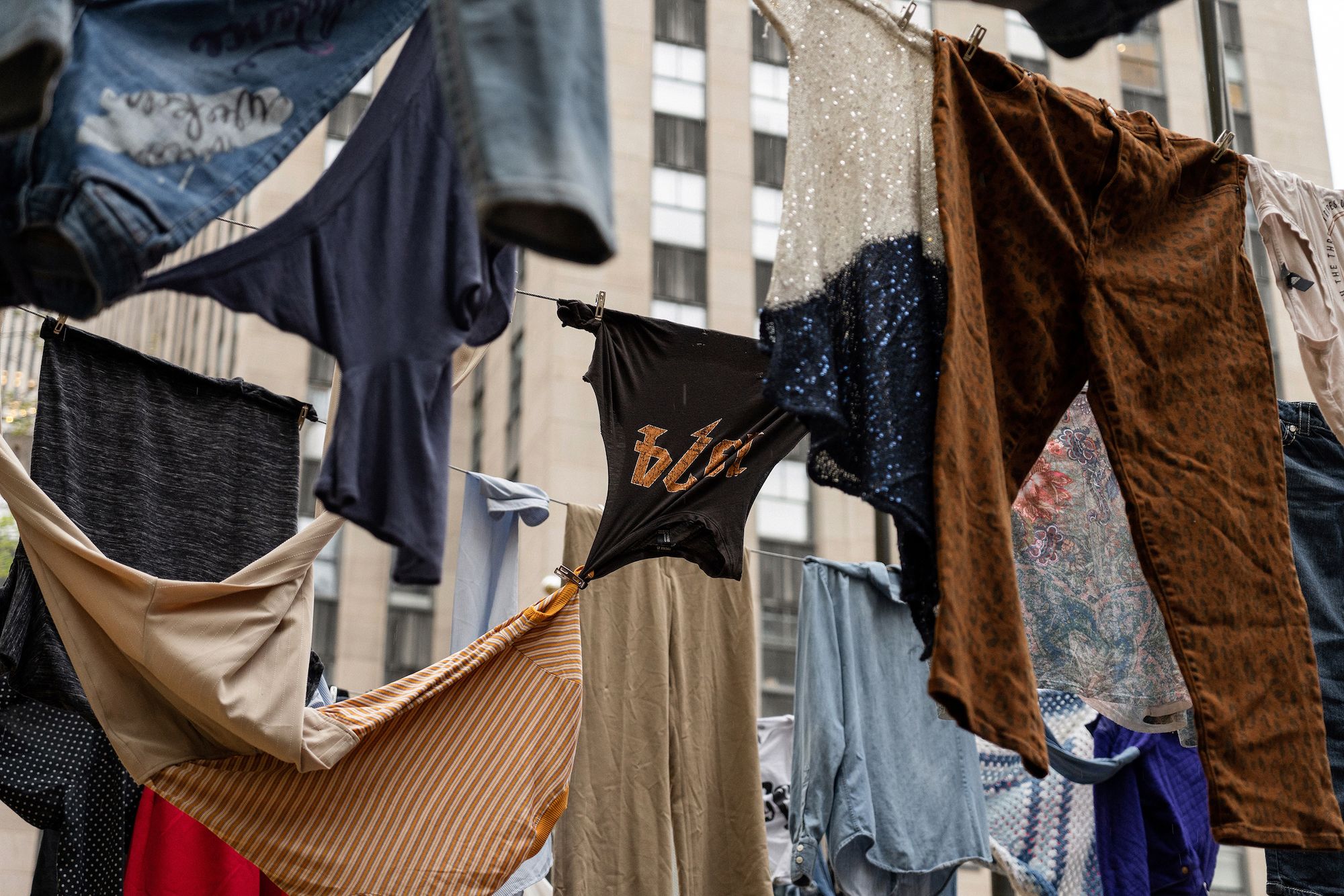
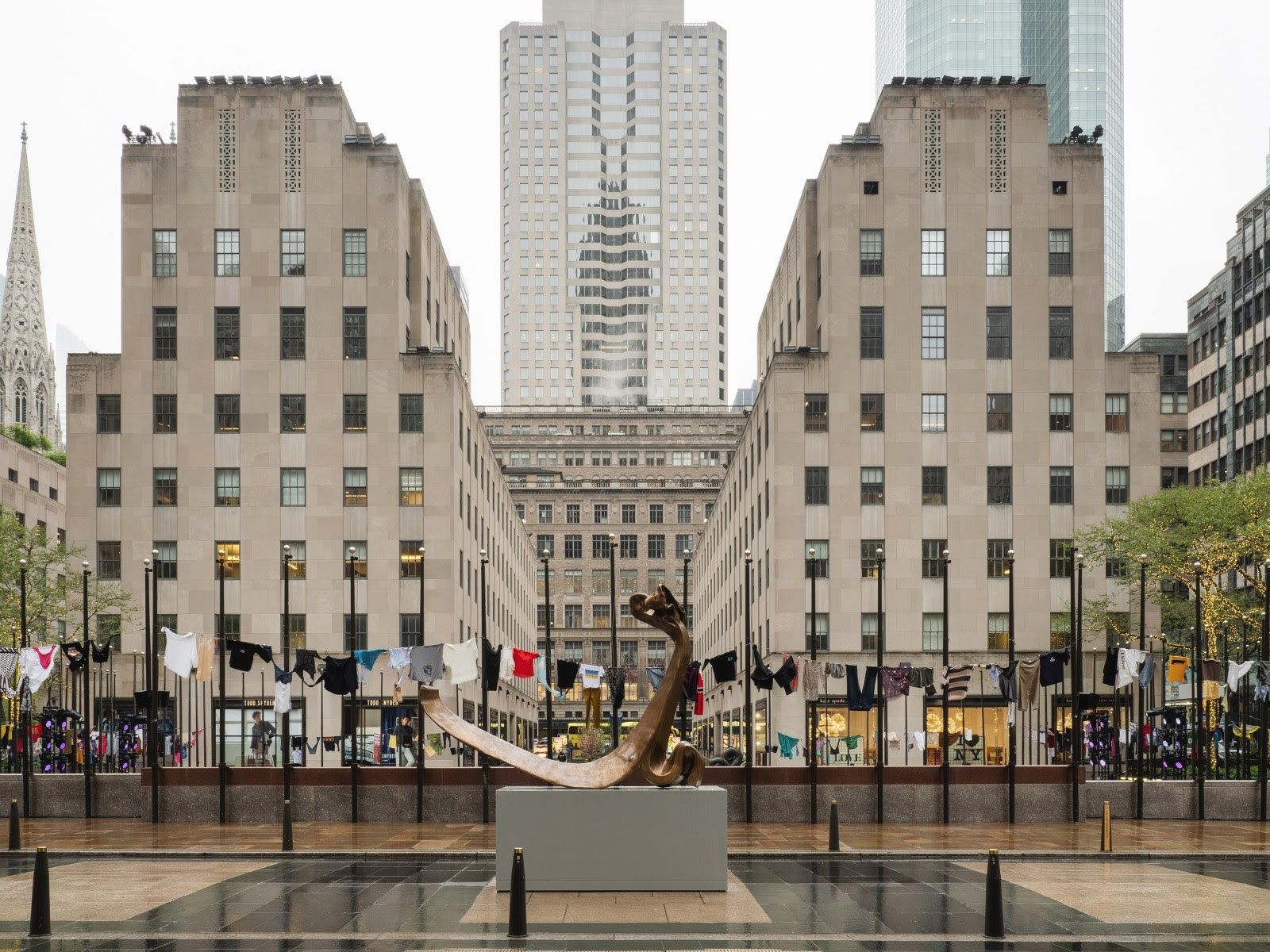
Mexico City-based exhibition platform MASA presents its first New York exhibition, in the former federal post office on the Rink Level and Center Plaza of Rockefeller Center. Presenting new, functional work by exclusively Mexico-based or Mexican artists, architects, and designers, alongside significant historical works that complicate and extend the Mexican canon “Intervención/Intersección” also features a public installation by Mexican artist Pia Camil. Along the flagpoles surrounding The Rink, Camil’s site-specific artwork “Saca Tus Trapos Al Sol” (“Air Out Your Dirty Laundry”) flies a multi-strand clothesline of over 700 items of used clothing donated by Mexico City residents, creating a community portrait of personal expression and care.
Founded in Mexico City in 2018, MASA has established itself as an unconventional gallery at the intersection of design and art. Exhibitions have been presented in a dilapidated Mexico City mansion, the oldest private medical clinic in Oaxaca, and most recently, an empty skyscraper in the heart of Roma. For their exhibition at Rockefeller Center, curated by ongoing collaborator Mexico City-based curator and writer Su Wu, MASA draws on the iconic site’s long history of creative and intellectual exchange between Mexico and the United States. While many of the works – both contemporary and historical — exist in conversation with the 20th-century Mexican canon, the specific selection is intended to allow a broadening of the narrative to include lesser-known intimacies, unrealized ambitions, or stories of immigration. Paired with newly commissioned work made in Mexico, “Intervención/Intersección” issues a challenge to conventional understandings of the public and monumental established by the Mexican masters, instead showcasing how work of intimacy, process, and personal history might find rousing public expression in both design and art.
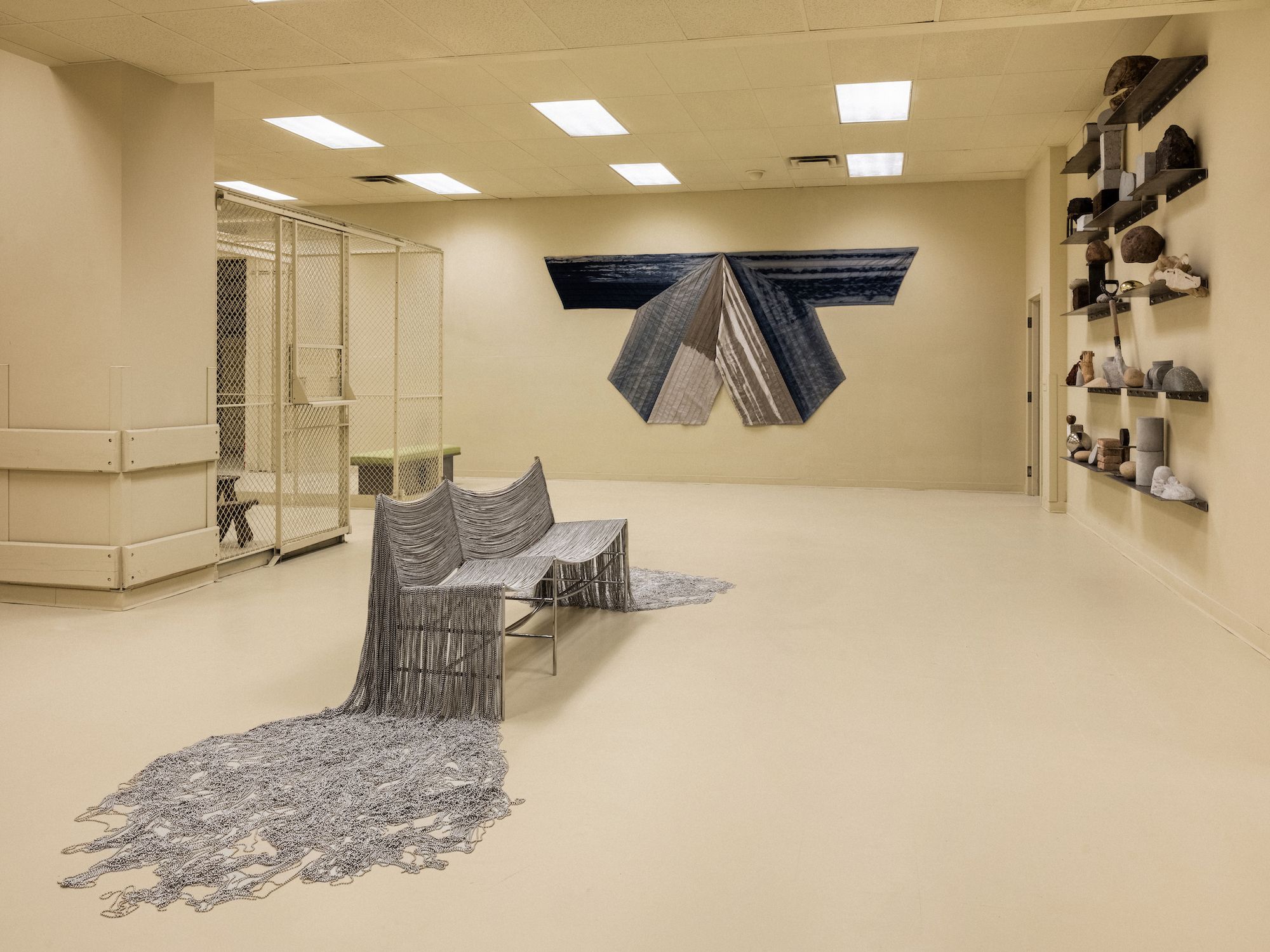
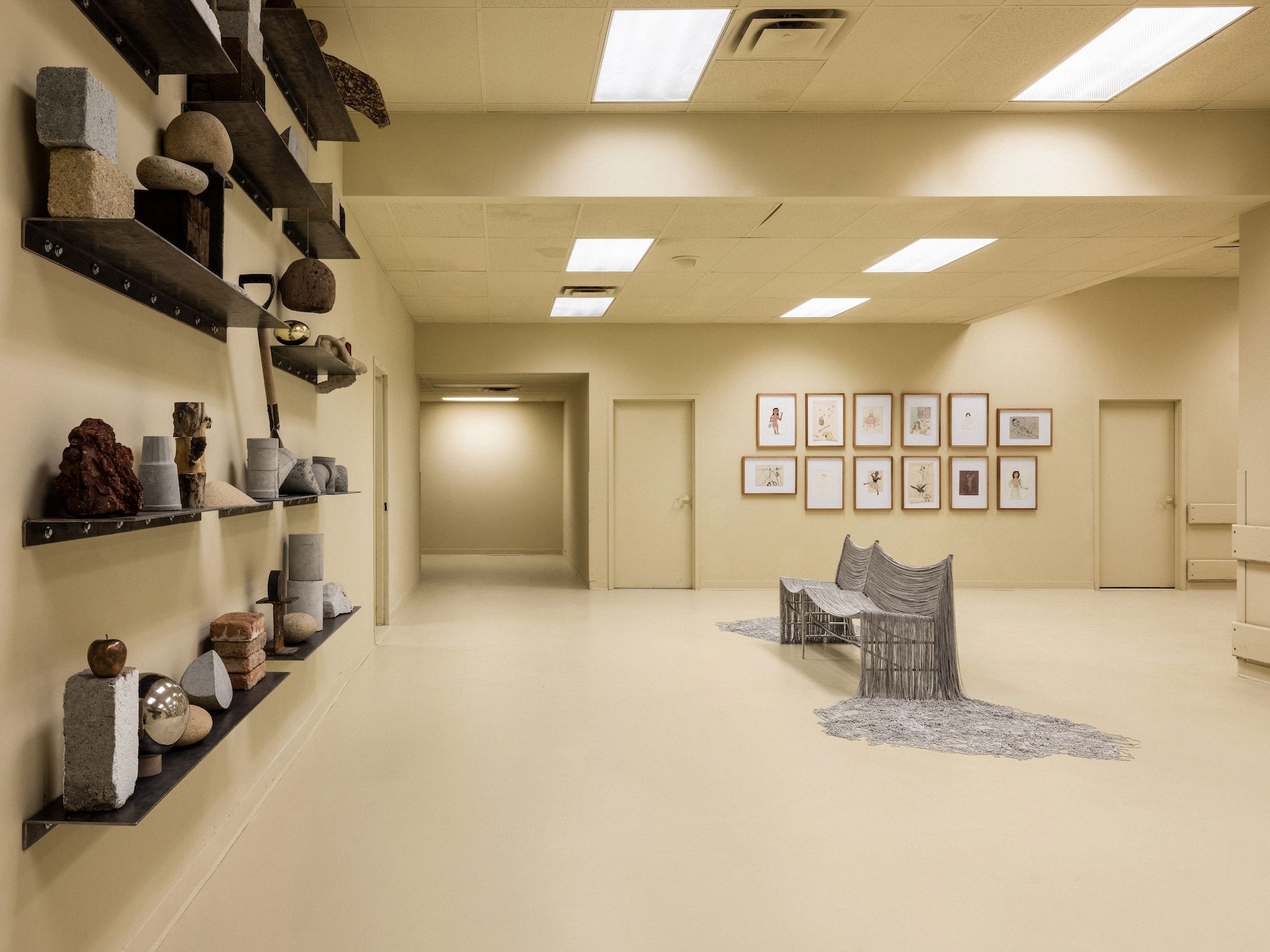
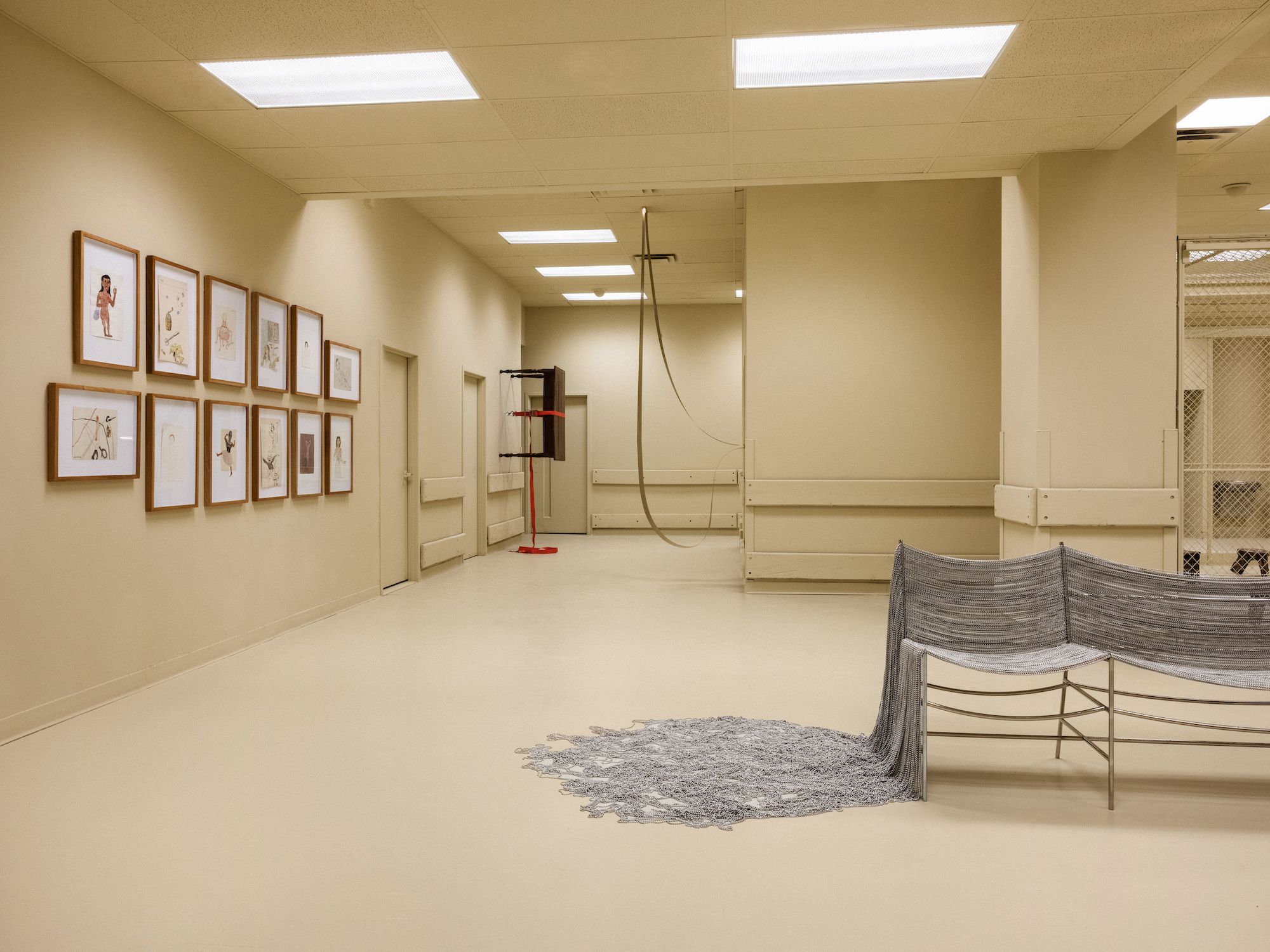
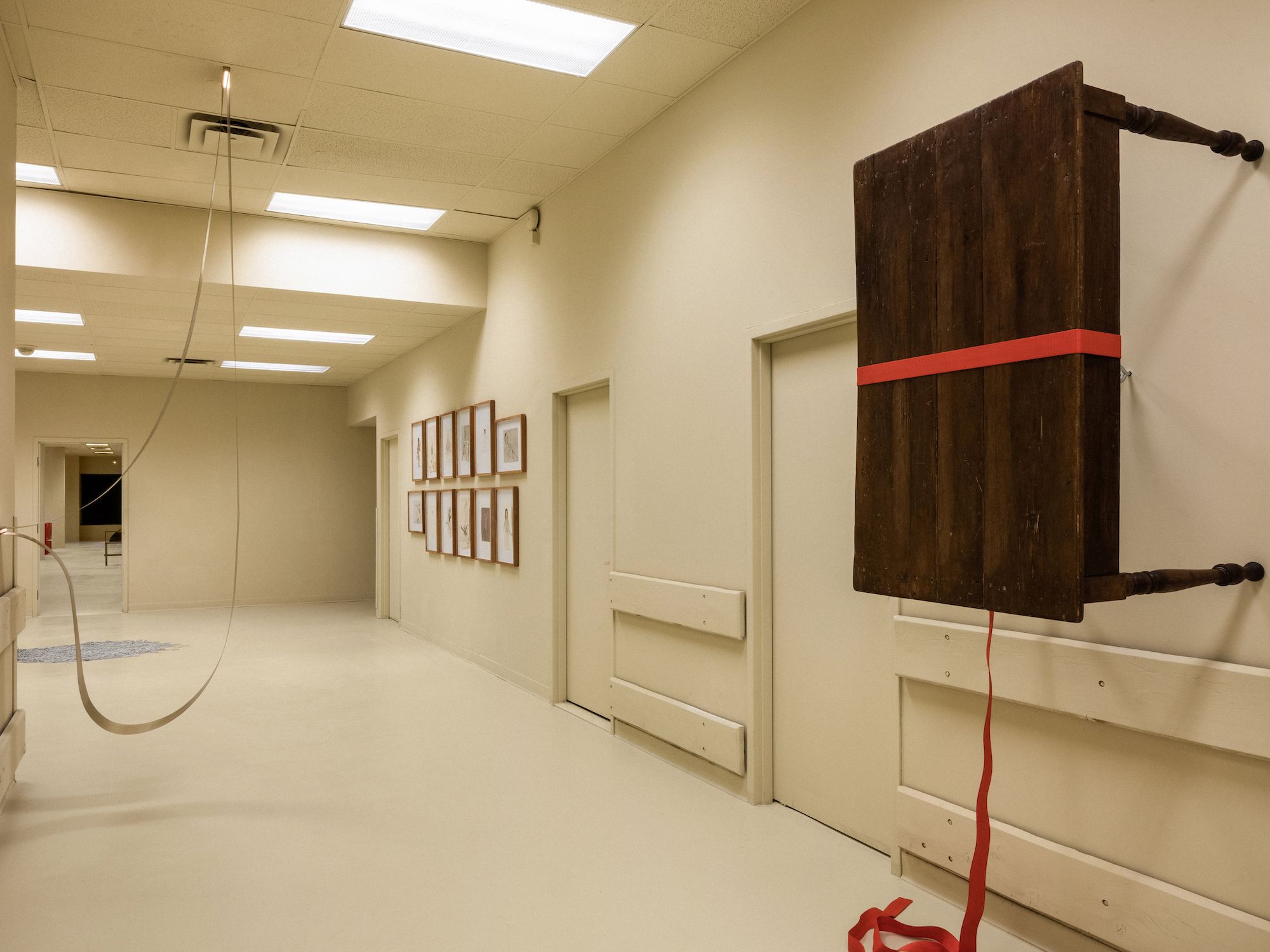
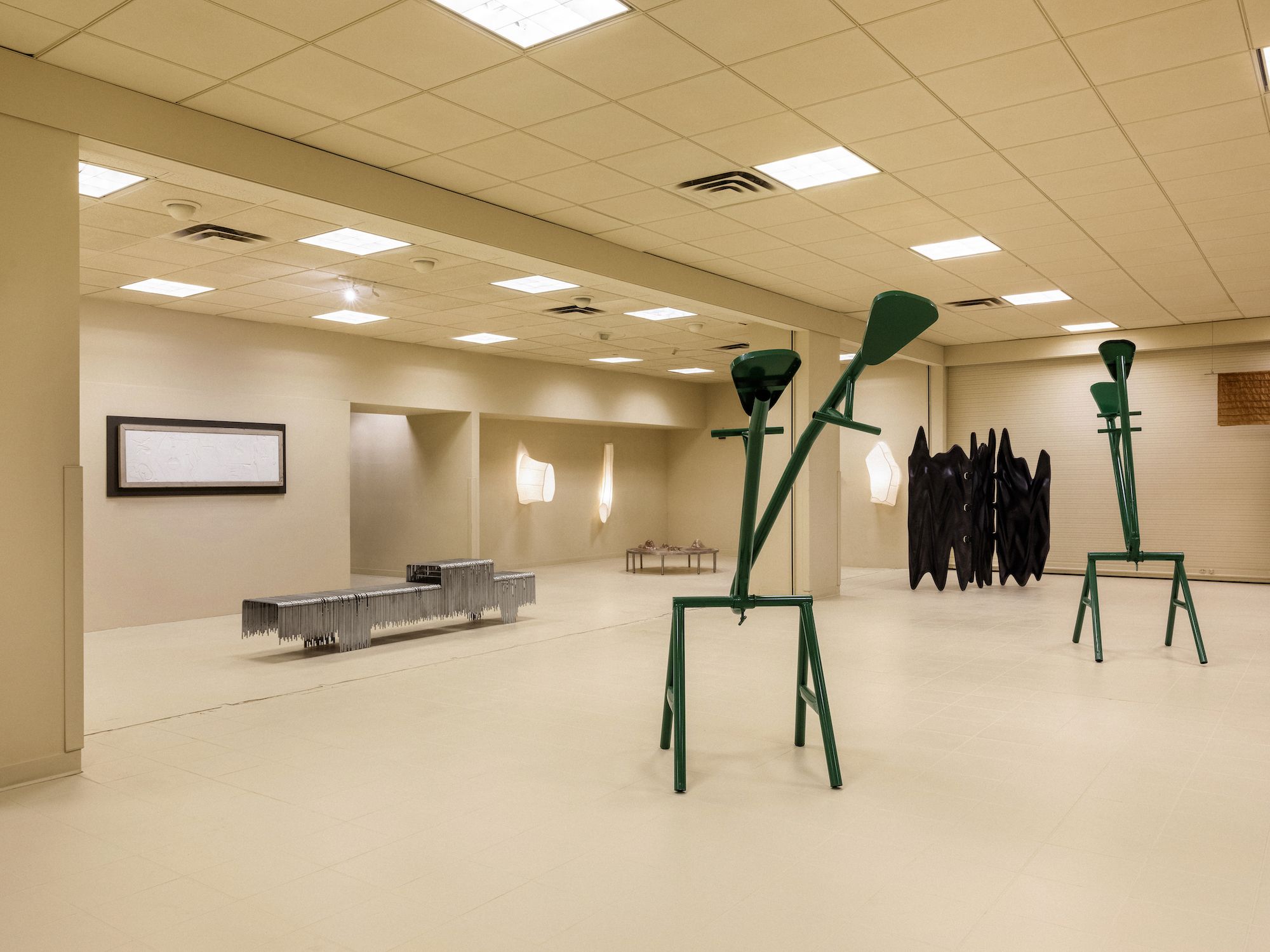
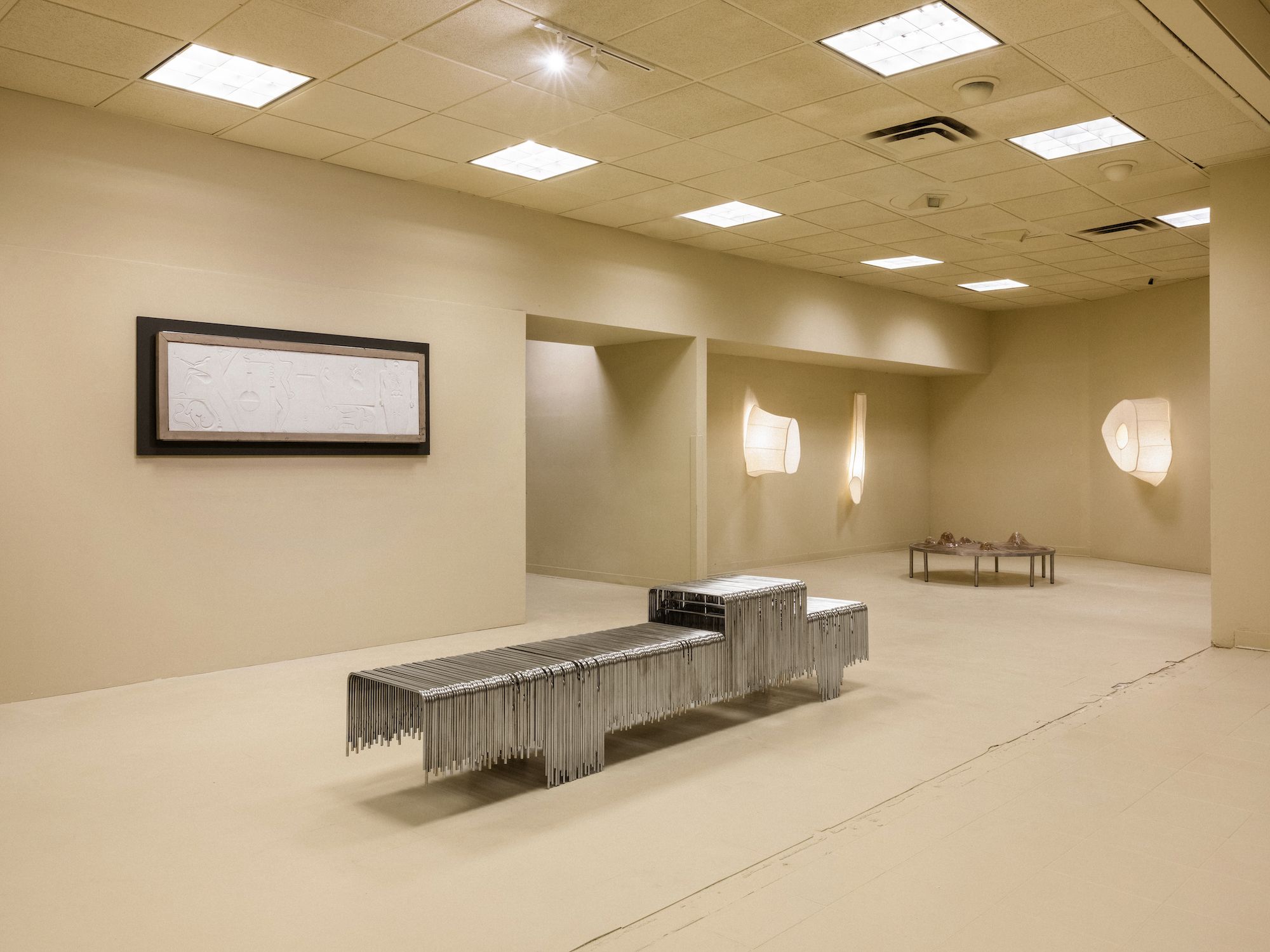
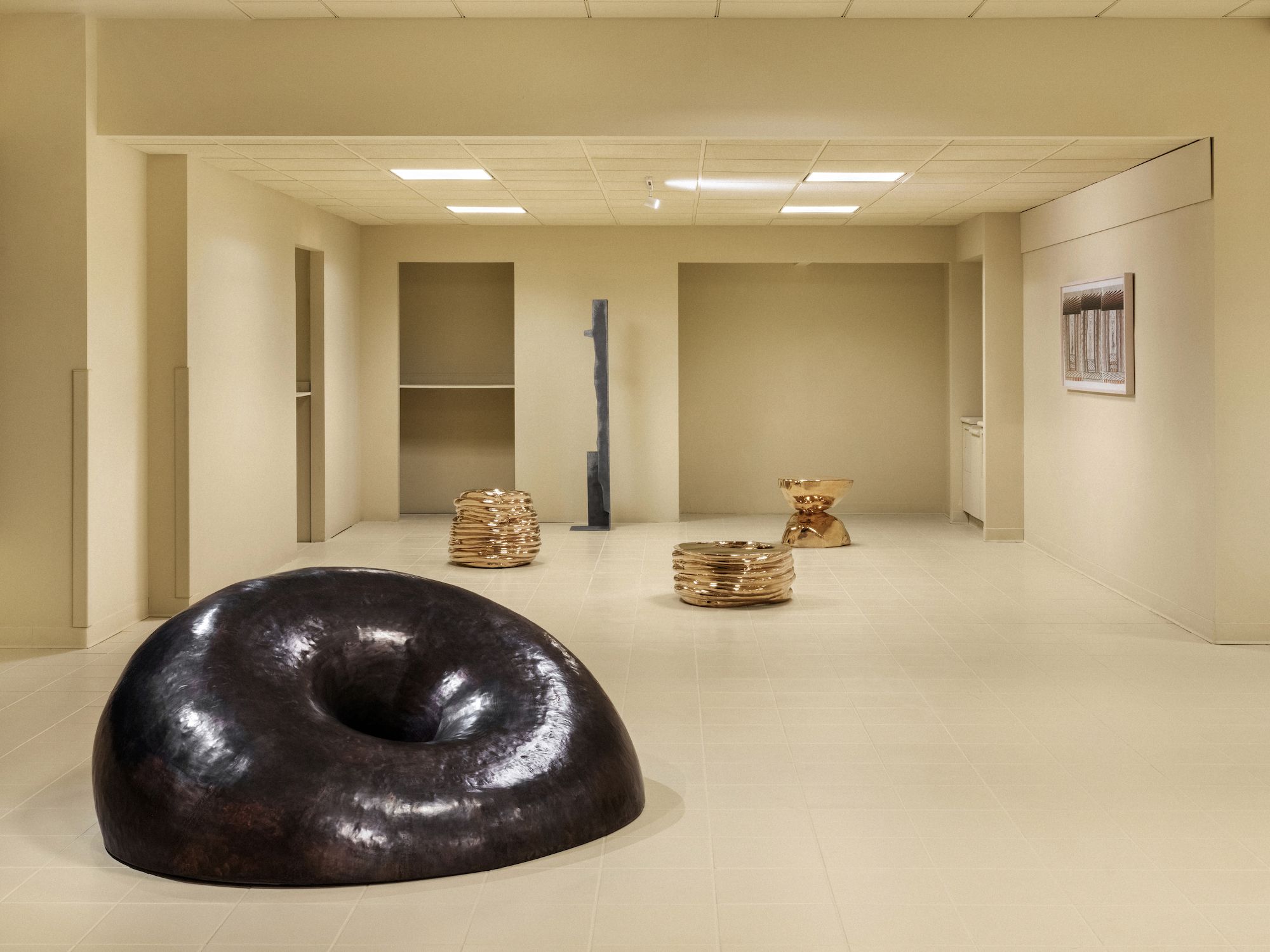
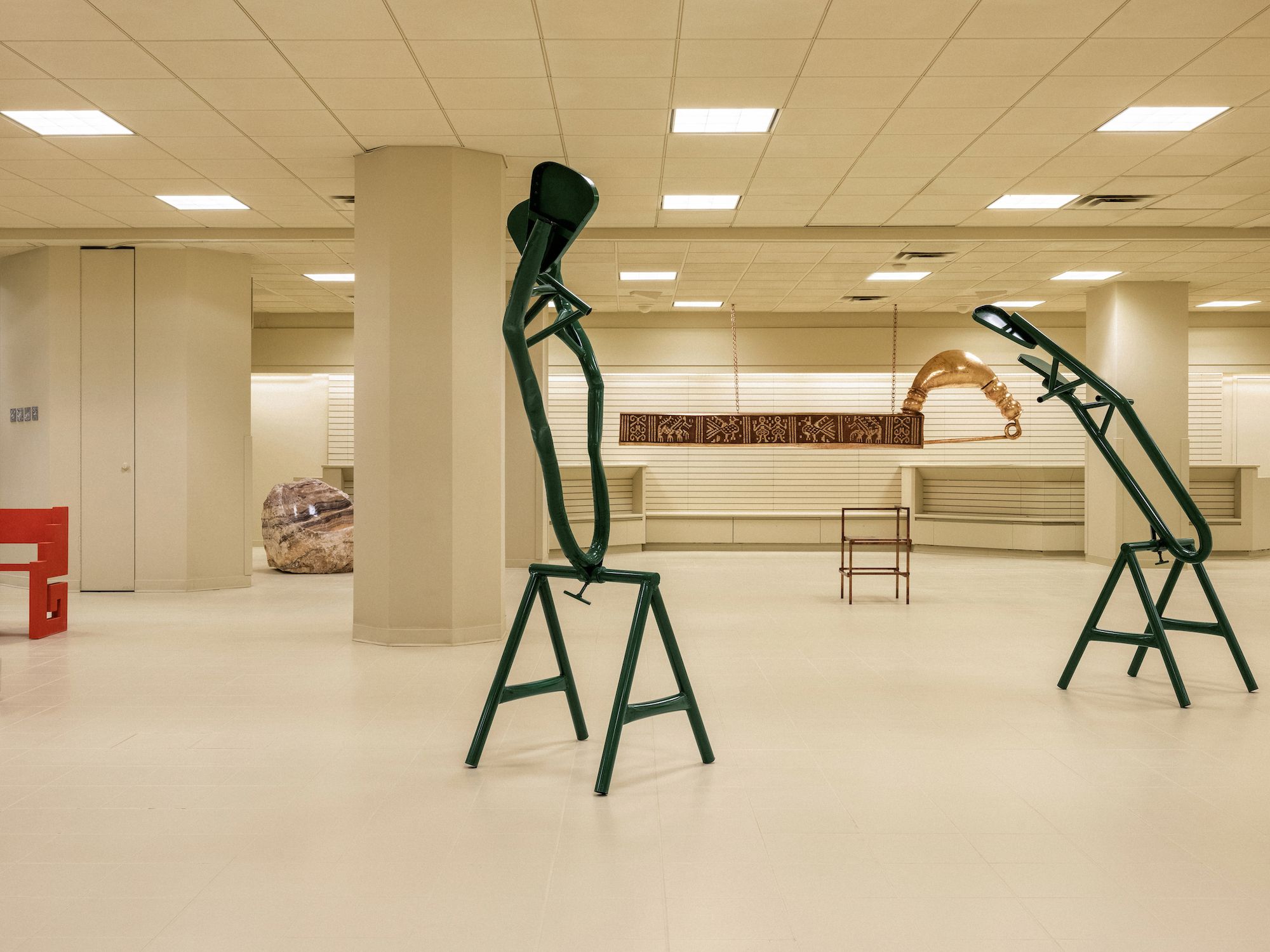
Among the works being shown are a bench made of overflowing chain links by architect Frida Escobedo that reconfigures a material of bondage into an object of support; hammered copper works by designer Brian Thoreen made in the state of Michoacan that lend cosmic form to traditional technique; and “Empathy For Other Creatures,” a new series of seesaws intervened by one of Latin America’s leading conceptual artists, Miguel Calderon, that create a new center of balance.
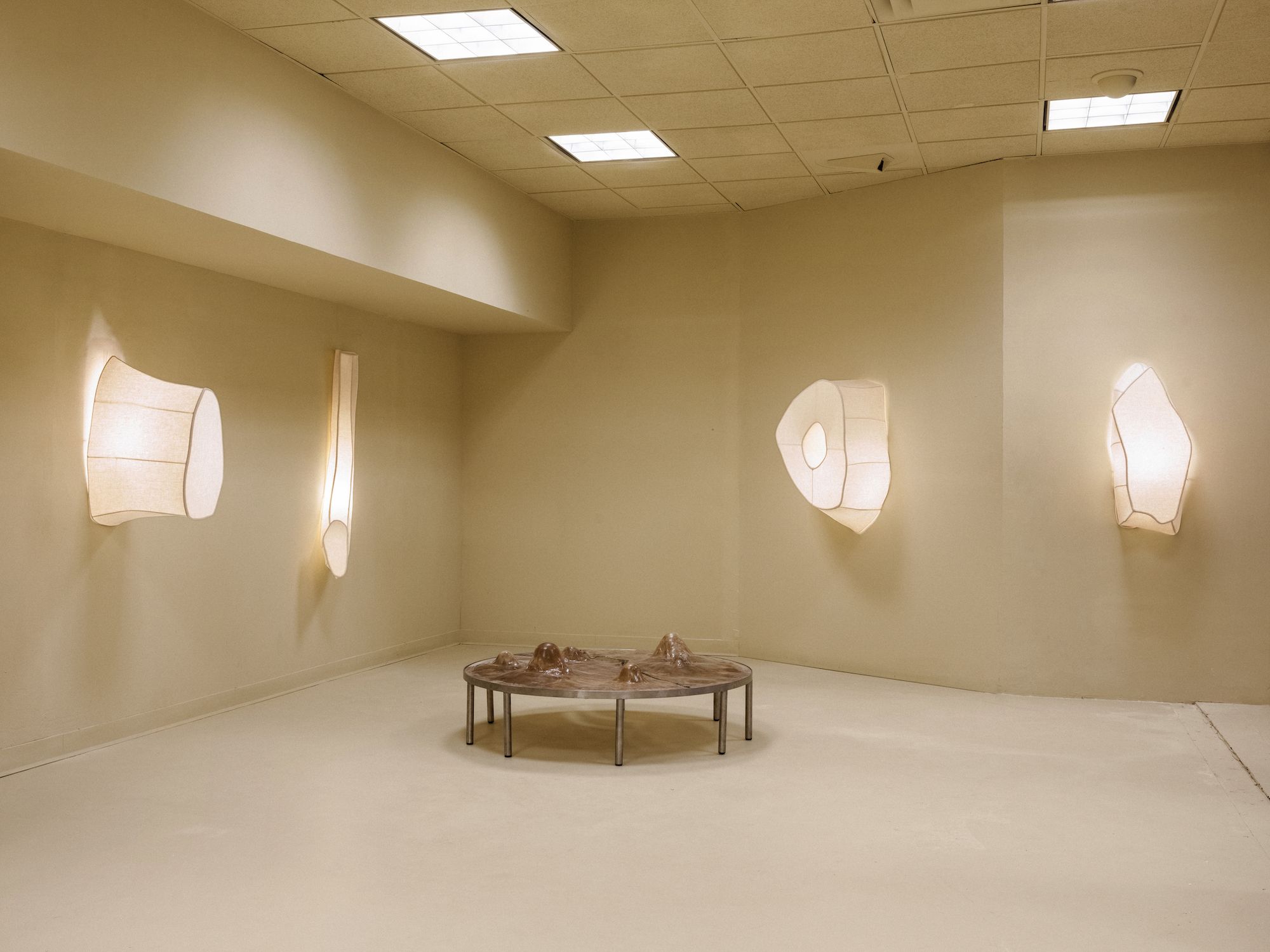
MASA also presents work by emerging Mexican designers, some exhibiting for the first time in the United States. Xavier Loránd transforms sound waves from his home state of Veracruz into a dimensional and abstracted folding screen that attaches synesthetic memory to the classic room divider. The design project Marrow, founded in 2021 by Rafa Prieto and Loup Sarion, transforms bone remnants lovingly collected aler dinner parties into glowing lamps and a meditaKon on discard and aesthetic activation. And in a deft reimagining of a material more commonly used for drum heads, Mexican design group Panorammma, founded by Maika Palazuelos, creates a rawhide table for MASA of surprising viscerality.
Other works by Mexico-based artists and designers in the exhibition include car hoods damaged in cartel violence repaired with the Japanese method of “kintsugi” by artist Ruben Ortiz Torres, a large-scale performance-created textile work by Tania Candiani, as well as pieces by Jose Davila, Pedro Reyes, Héctor Esrawe, and Tomás Díaz Cedeño, who created small light switch covers from melted down scrap metal collected in Mexico City that he considers mini murals.
Drawing on the artist’s longtime personal exploration of bodily held memory, Alma Allen’s large-scale “Not Yet Titled” bronze work made at the artist’s Tepoztlán, Mexico foundry will be installed outdoors on the Center Plaza in front of 30 Rockefeller Plaza alongside onyx chairs by Mexican artist Mario Garcia Torres that derive a specific concavity from the scoop shape of the iconic Acapulco chair, and sculptural Simbolo benches by EWE.
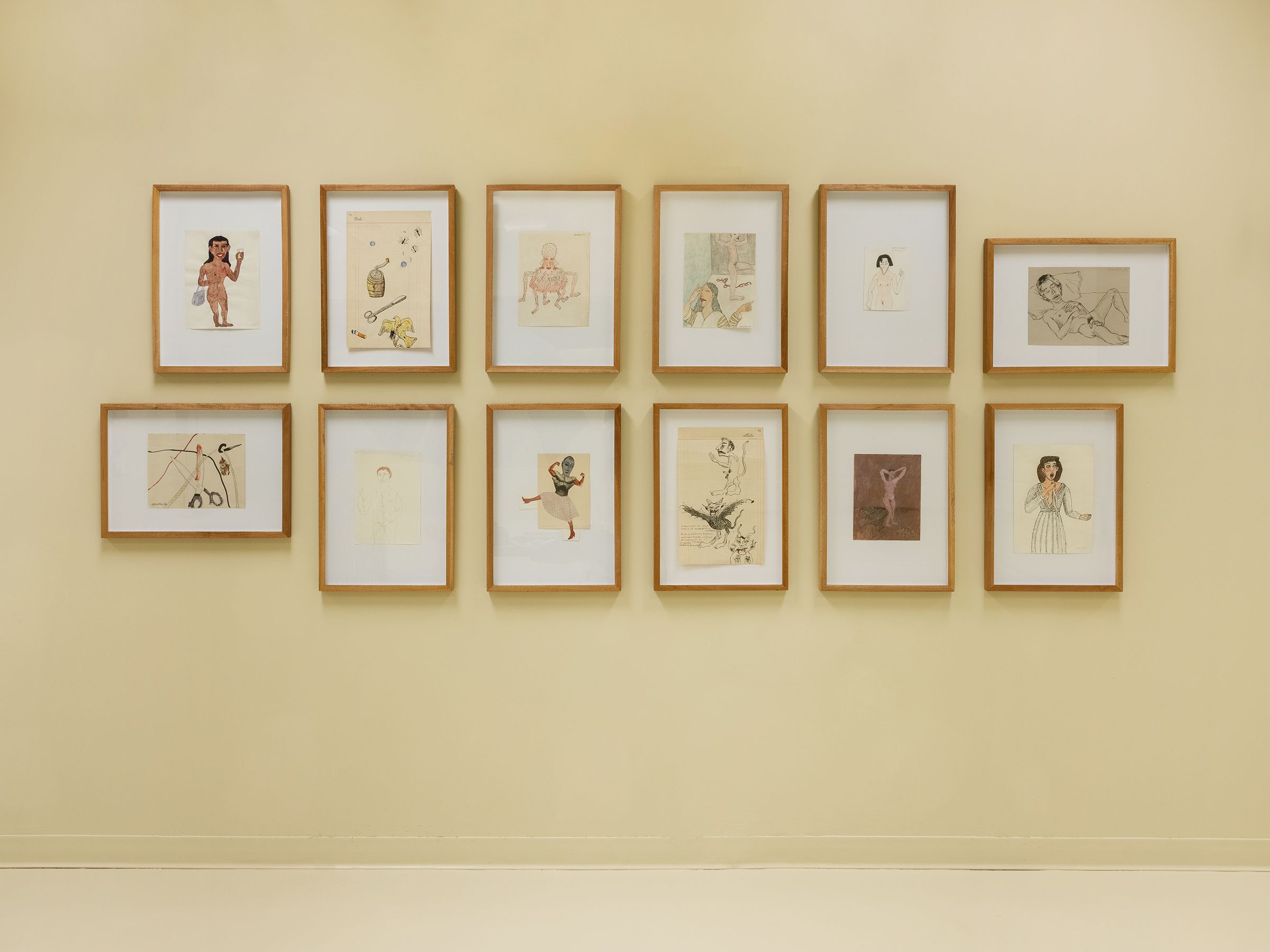
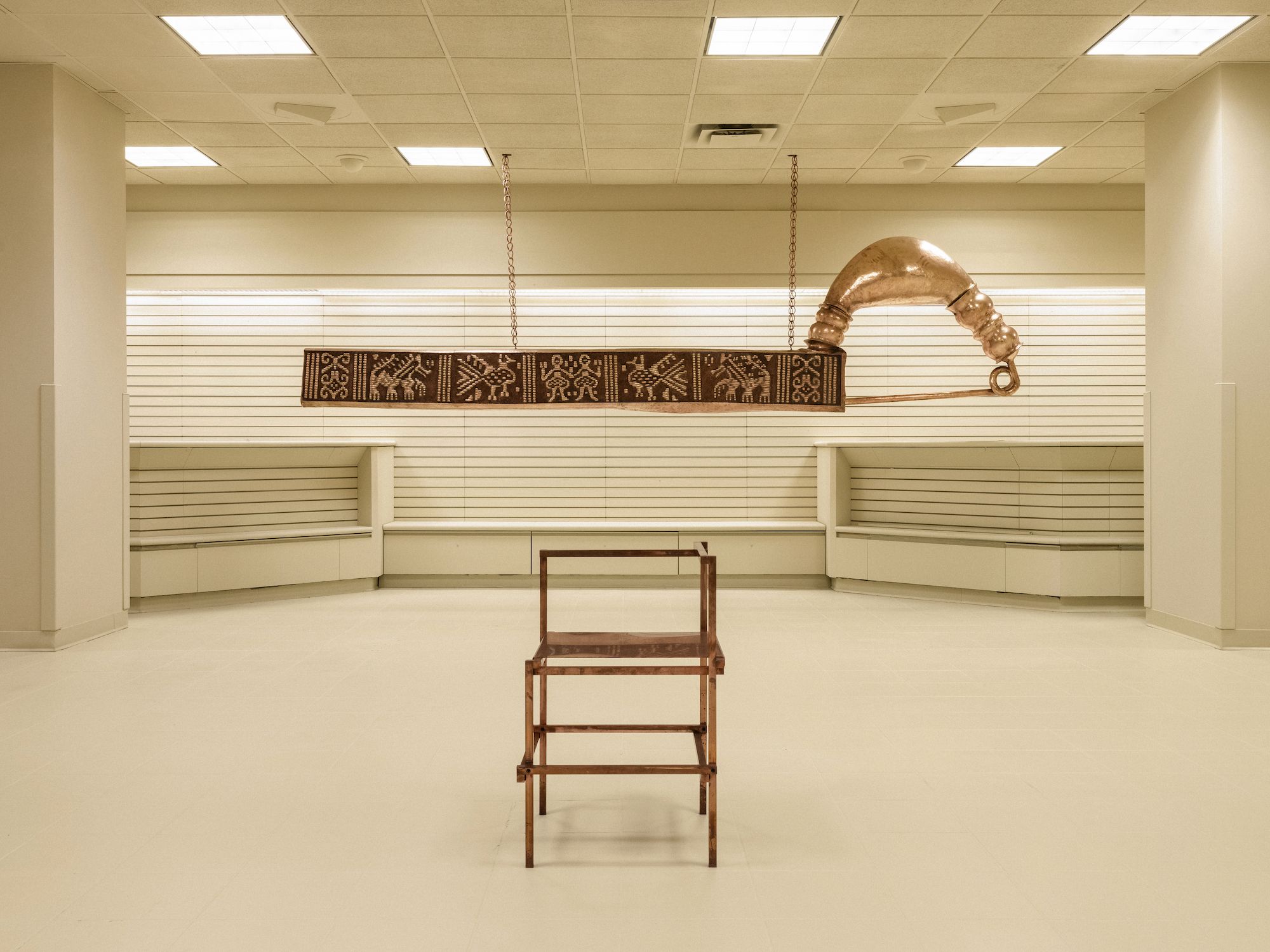
The contemporary works are presented with pieces from influential 20th-century artists who similarly traveled — as in the works in this exhibition — between Mexico and the United States, and particularly celebrates artists whose work existed in conversation with 20th-century Mexican art movements, while also shiling these dominant legacies. MASA is honored to present a series of little-seen erotic drawings by the Mexican artist Adolfo Riestra, who died in 1989 of AIDS-related complications, showing an exuberant perspective on the everyday, rarely depicted by his contemporaries. An original 1937 plaster relief by Isamu Noguchi that the artist carved for an unrealized mural – shortly predating Rockefeller Center’s “News” (1938-39) at 50 Rockefeller Plaza – alludes in its depictions of bodies to the iconography in the work of Frida Kahlo, with whom Noguchi had just left a romantic entanglement in Mexico. A triptych by Martin Ramirez, the self-taught artist born in Jalisco, Mexico, who traveled to California at the last turn of the century to work on railroads, shows the scale and insistent dedication of a master, created concurrently with the heyday of Mexican murals but in a mental institution on scraps of available material such as paper bags, and for deeply personal reasons instead of public acclaim. And in a large copper brooch by artist Ana Pellicer, who studied art in New York and has lived in the state of Michoacan for the last 50 years, is a celebration of the dedication of a lifetime of work pushing material and social boundaries.
For “Saca Tus Trapos Al Sol” (“Air Out Your Dirty Laundry”) Pia Camil replaces the 193 flags in Rockefeller Center, that usually display the 193 flags of the countries of the United Nations, with a clothesline of personal items collected in exchange with Mexico City residents. Known for using worn clothing as a material in her large-scale works to question ideas about identity, border, and politics, “Saca Tus Trapos Al Sol” marks Camil’s largest public work to date, flying more than 700 items of used clothing as personal banners of memory and value. Gathered in Mexico City, the articles of clothing are imbued with their former owners’ stories, recorded during the exchange. Among them, stories of summer love, memories of heartbreak and loss, even tales recounted by Ukrainian refugees who recently arrived in Mexico City.
Taken together, the contemporary and historical works in “Intervención/Intersección” extend the conversation about place, friendship, and creative porosity explored in the inaugural MASA exhibition in Mexico City in 2019, also curated by Su Wu. In the long continuum of aesthetic, technical, and intellectual movement between Mexico and the United States, MASA’s exhibition identifies enduring moments of crossed paths, crossed wires, and star-crossed lives that transcended borders and citizenship, in the objects that gloriously entangle where we come from and where we have chosen to be.
MASA is a nomadic gallery, blurring the line between art and design. To show, to curate, to write, to build, to question, to provoke, to inquire, to educate: these are the desires. With a physical, digital, and conceptual presence, MASA challenges convention and presents ideas on a global stage. Aiming to open and stimulate a dialogue around material culture, MASA curates exhibitions offering work with integrity, direction, and value. MASA was founded in Mexico City in 2018 by curator and creative director Age Salajoe, architect Hector Esrawe, and designer Brian Thoreen, all practitioners themselves, along with collectors Roberto Diaz Sesma and Isaac Bissu. Their backgrounds in art, design, and architecture are reflected in MASA’s presentation of design at its boundaries.
About MASA
MASA began as a nomadic project, staging site-specific exhibitions across Mexico City in unexpected and evolving settings.
More about MASA →