Ended Jul 22
Eva Koťátková
Blankets, Monsters, Anna and the World
Apr 29 – Jul 22, 2022
More from Eva Koťátková on Gallop
[Please scroll down for German version / Für Deutsch bitte scrollen Sie nach unten]
Blankets
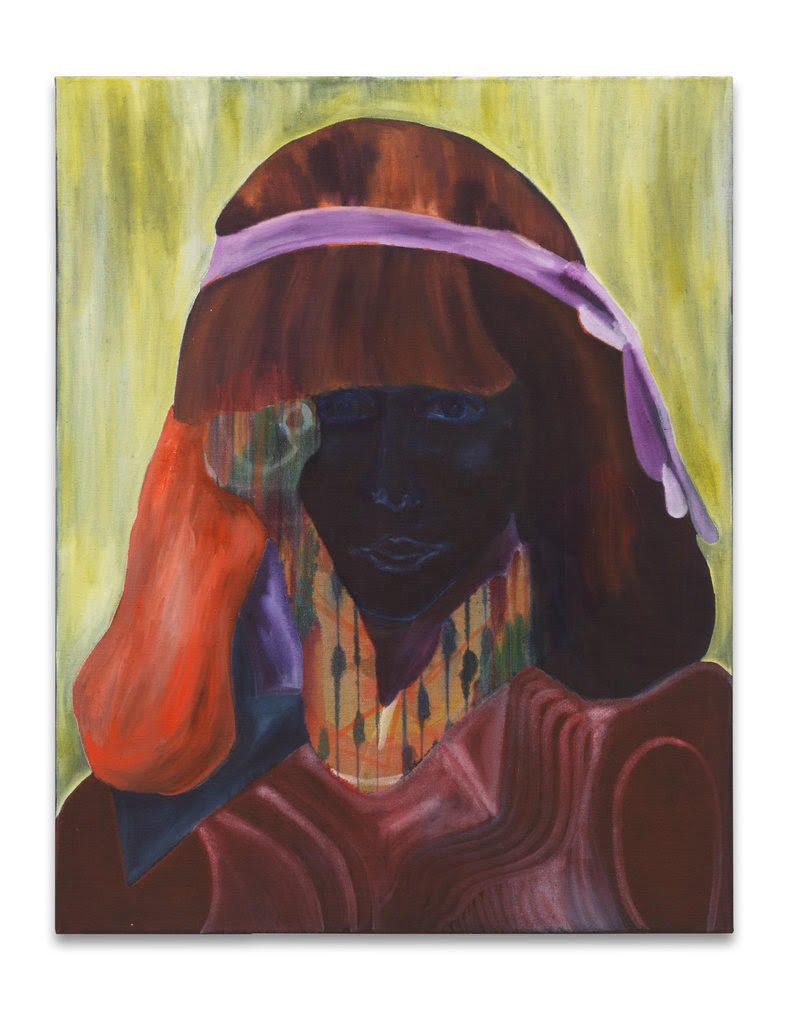
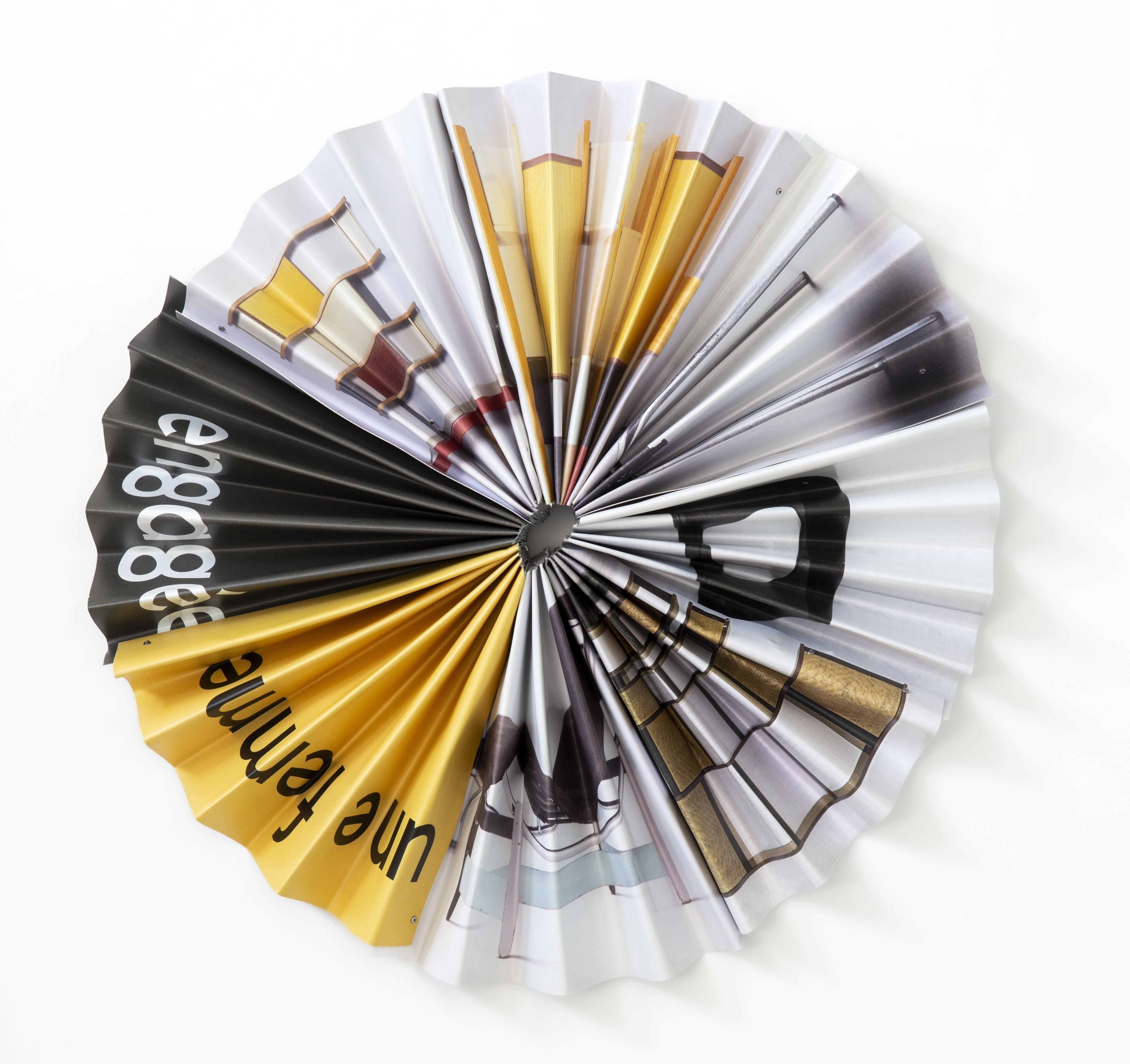
Anna cannot bear to sleep covered. She resists contact with the blanket as if it is something that irritates her skin or weighs on her body, as if they had placed a boulder on her. She sleeps restlessly; in her sleep she has to rescue dragons because otherwise they would exterminate them. On the other hand, she likes throwing blankets over herself during the day. She has no problem sitting or standing under them, she enjoys speaking through them (she likes the effect the material has on her voice). When she was having fevers, she would get wrapped in a cold, wet blanket and wet socks. Her temperature always dropped quickly and came back just as quickly as soon as the blanket warmed up. Anna likes moving blankets, as well as tablecloths or towels, onto the floor. From them she creates zones where you can and cannot step. She marks out safe places with them. She wraps the injured and sick in blankets. She makes blankets into curtains and partitions, and refuges from danger and the unwanted gazes of others. She looks at her surroundings through the blankets as if she were in a protective fog.
Monsters
One of them lives in our entryway. Anna feeds it cookies so that it leaves us alone at night. Anna distinguishes between the monsters in the night, those that fly past the windows, and those with us during the day. Those we encounter normally, they’re a part of our world. We can fight against them and Anna often prepares to do so. Then there are monsters within that cause us to act differently than we would like. Anna often complains about her head. She says someone’s always talking to her there and that it makes her tired. Nightmares sometimes wake her up at night. A monster inside Anna tells her to do things she doesn’t want to do. For the daytime ghosts, the ones who live off the fact that someone else doesn’t have a home, food or a decent job, she suggests cages. Putting them out in a cage, in a public place, where they can see what damage and suffering they have caused is said to contribute to their being rehabilitated sooner.
Anna and the World
Anna believes in a world outside the classical hierarchies. Why should a dog, a bird or a cow not have the same rights? She has designed a flying rescue station that would take care of those who need help but do not get it – people refuse to hear their calls. Anna watches nature documentaries to familiarize herself with the inhabitants of this world that we do not usually encounter. She doesn’t like the moderators’ commentary, she only wants to watch the animals. Anna occasionally says, with a slightly mischievous smile and in situations where she needs to explain an action, that she is not human and seems to think that a life outside the normative categories and identities associated with life in a human body would suit her (and probably many of the rest of us) much better. When she can, she spends time under the table or on the ground. In this zone outside our field of vision, it seems the body can still move with relative freedom. She doesn’t know how to read, but she already perceives the world through the normative properties of language, such as what word is appropriate when. She enjoys playing with words, every week she has a different favourite that she exhausts through overuse. It gives her pleasure to use them in contexts where they don’t usually appear. If she sees the world as a sphere, then that sphere has a number of eyes, that watch, close, or sleep, ears that listen to sounds or stories and mouths (whether they are mouths, muzzles or beaks) that attempt to communicate with others. She divides objects into those that can be used to do something (when they don’t behave as needed, she gets angry at them – empathy hasn’t set in here yet) and those that need to be cared for – those that are there to be hugged. She has an invisible button at home that controls the house, which can then travel around the world at will. Thus the house is constantly in motion, every day in a different place, without even consuming energy. Anna likes the philosophy of non-growth – she looks for new uses for things that are already there. We practice “what if” every day. We do battle with institutions every day. Anna’s world is under constant threat and there will be more and more of those who will try to disrupt, educate and normalize. How do you talk with someone like Anna about violence that has no justification, about a world based on exploitation and oppression, and at the same time foster hope for change? How can we unlearn, together with Anna, looking at the world through binary categories that distance us from each other and enclose us in categories of normal and different, healthy and sick, useful and useless…? How can we – from under the table – effectively prepare for the world outside, without losing our hiding and dreaming places in the future?
—Eva Koťátková
*****
Decken
Anna kann nicht zugedeckt schlafen. Gegen den Kontakt mit der Bettdecke wehrt sie sich, als ob sie ihre Haut reizt oder schwer auf ihrem Körper lastet, als hätte man einen großen Felsklotz auf sie draufgelegt. Sie schläft unruhig, sie muss im Schlaf Drachen retten, weil die sonst ausgerottet werden. Tagsüber wirft sie sich die Decken aber gerne über. Ewig lang kann sie darunter sitzen oder stehen, spricht auch gern durch sie hindurch (sie mag das, was der Stoff mit ihrer Stimme macht). Als sie mal Fieber hatte, wurde sie in ein nasses kaltes Bettlaken eingewickelt, dazu nasse Socken. Das Fieber sank blitzschnell und kam genauso schnell zurück, sobald das Laken wärmer wurde. Anna verfrachtet gerne Decken, aber auch Tisch- und Handtücher auf den Boden. Baut daraus Zonen, die man betreten darf oder auch nicht. Mit ihrer Hilfe schafft sie sichere, umgrenzte Orte. Wickelt Verwundete und Kranke darin ein. Aus Decken macht sie Vorhänge und Trennwände, Schutzhöhlen gegen unerwünschte Blicke anderer, gegen alles, was gefährlich ist. Durch Betttücher hindurch betrachtet sie ihr Umfeld wie durch einen Schutznebel.
Monster
Ein Monster lebt bei uns im Flur. Anna füttert es mit Keksen, damit es uns nachts in Ruhe lässt. Anna unterscheidet zwischen Nachtgespenstern, welchen, die draußen vor dem Fenster schweben, und solchen, die tagsüber hier um uns sind. Denen begegnen wir normalerweise nicht, sie sind Teil unserer Welt. Wir können sie bekämpfen und das plant Anna häufig. Dann gibt es innere Gespenster, die machen, dass wir anders handeln als wir wollen. Anna beschwert sich häufig über ihren Kopf. Sie sagt, dass dort ständig jemand mit ihr spricht und dass sie das müde macht. Manchmal wird sie nachts von Albträumen geweckt. Ein Gespenst, das in Anna drinsteckt, sagt, sie solle Sachen tun, die sie nicht tun will. Für die Taggespenster, solche, die davon leben, dass jemand anders keine Heimat hat, kein Essen oder keine menschenwürdige Arbeit, entwirft sie Käfige. Wenn man die nämlich im Käfig rauspackt in den öffentlichen Raum, wo sie sehen, wieviel Leid und Schaden sie anrichten, trägt das angeblich zu ihrer schnellen Besserung bei.
Anna und die Welt
Anna glaubt an eine Welt jenseits aller klassischen Hierarchien. Warum sollte ein Hund, ein Vogel oder eine Kuh nicht gleiche Rechte haben? Sie hat eine fliegende Rettungsstation entworfen, die für diejenigen sorgen soll, die es brauchen, aber keine Hilfe bekommen – deren Rufen die Menschen nicht hören wollen. Anna schaut Tierfilme, um Bewohner dieser Erde kennenzulernen, denen wir normalerweise nicht begegnen. Die Kommentare der Moderatoren mag sie nicht, sie will nur die Tiere sehen. Manchmal, in Situationen, in denen irgendein Handeln erklärt werden muss, sagt Anna mit leicht schelmischem Lächeln, dass sie kein Mensch sei. Und dann scheint es, dass ein Leben jenseits all der normativen Kategorien und Identitäten, die mit dem Leben in einem menschlichen Körper verbunden sind, weit besser zu ihr passen würde (so wie wahrscheinlich auch zu vielen von uns anderen). Wann immer es geht, verbringt sie Zeit unter dem Tisch oder auf dem Boden. Anscheinend kann sie in dieser Zone außerhalb unseres Blickfelds den Körper noch relativ frei bewegen. Sie kann nicht lesen, betrachtet aber die Welt schon durch normative sprachliche Kategorien, dadurch, welches Wort passend ist. Gern spielt sie mit Wörtern, hat jede Woche andere Favoriten, die sie so lange und exzessiv benutzt, bis sie durch sind. Gern verwendet sie die Wörter in Kontexten, in denen sie normalerweise nicht auftreten. Wenn sie die Erde für eine Kugel hält, hat diese Kugel unzählige Augen, die schauen, zufallen oder schlafen, unzählige Ohren, die Geräusche und Geschichten hören und unzählige Münder (Münder, Schnauzen oder Schnäbel), die sich um Kommunikation mit anderen bemühen. Gegenstände teilt sie ein in welche, mit deren Hilfe man etwas tun kann (wenn die sich nicht so verhalten, wie es sein soll, wird sie wütend, hier ist die Empathie noch nicht entwickelt), und in welche, um die wir uns kümmern müssen - die zum Umarmen da sind. Zu Hause hat sie einen unsichtbaren Knopf, mit dem sie das Haus steuern kann, das kann dann nach Belieben durch die Welt reisen. Anna gefällt die Philosophie des Nichtwachstums – für die Dinge, die schon da sind, sucht sie neue Verwendungsmöglichkeiten. Jeden Tag trainieren wir „was wäre wenn“. Jeden Tag kämpfen wir gegen Institutionen. Annas Welt ist ständig bedroht, und diejenigen, die versuchen werden, sie zu stören, zu erziehen und zu normieren, werden immer mehr. Wie kann man mit jemandem wie Anna über Gewalt sprechen, die unbegründet ist, über eine Welt, die auf Ausbeutung und Unterdrückung beruht, und dabei die Hoffnung auf Veränderung bestärken? Wie kann man gemeinsam mit Anna verlernen, die Welt in binäre Begriffe einzuteilen, die uns voneinander trennen, die uns in Kategorien wie normal und anders, krank und gesund, nützlich und unbrauchbar einsperren …? Wie kann man sich unter dem Tisch effektiv auf die Welt da draußen vorbereiten, ohne in der Zukunft um die Schutzhöhle gebracht zu werden?
—Eva Koťátková