Ended Jan 18
Smith
Dami
Nov 9, 2024 – Jan 18, 2025
[Scroll down for French version / Veuillez trouver ci-dessous la version française]
Smith is an artist and researcher who blurs genders, disciplines and forms and offers curious works in the etymological sense of cura: curiosity and care about the world around us, from land to sky, from human beings to more-than-human beings, from the visible to the invisible. Photography, video, performance and sculpture, as well as thermal imaging cameras, neon lights, hybrids, mutations and an exploration of other states of consciousness come together in a fluid work of art that incorporates cosmic dimensions from dreams and beyond.
With Dami, Smith is pursuing his artistic and metaphysical quest through spiritual techniques (cognitive trance, meditation and Amazonian medicine), interstitial bodily states (gender transitioning and the experience of weightlessness), voluntary hybridisation (skin implantation of extraterrestrial or electronic material) and collaboration with artificial and animal intelligence – in order to describe, differently, our relationship with otherness, the beyond and all that runs through us, escapes us and outlives us. Trance and transcendence join forces in this experimental work that explores other states of the body and other states of consciousness. ‘Transition’, ‘passage’ and ‘transit’ are vital in the creative process.
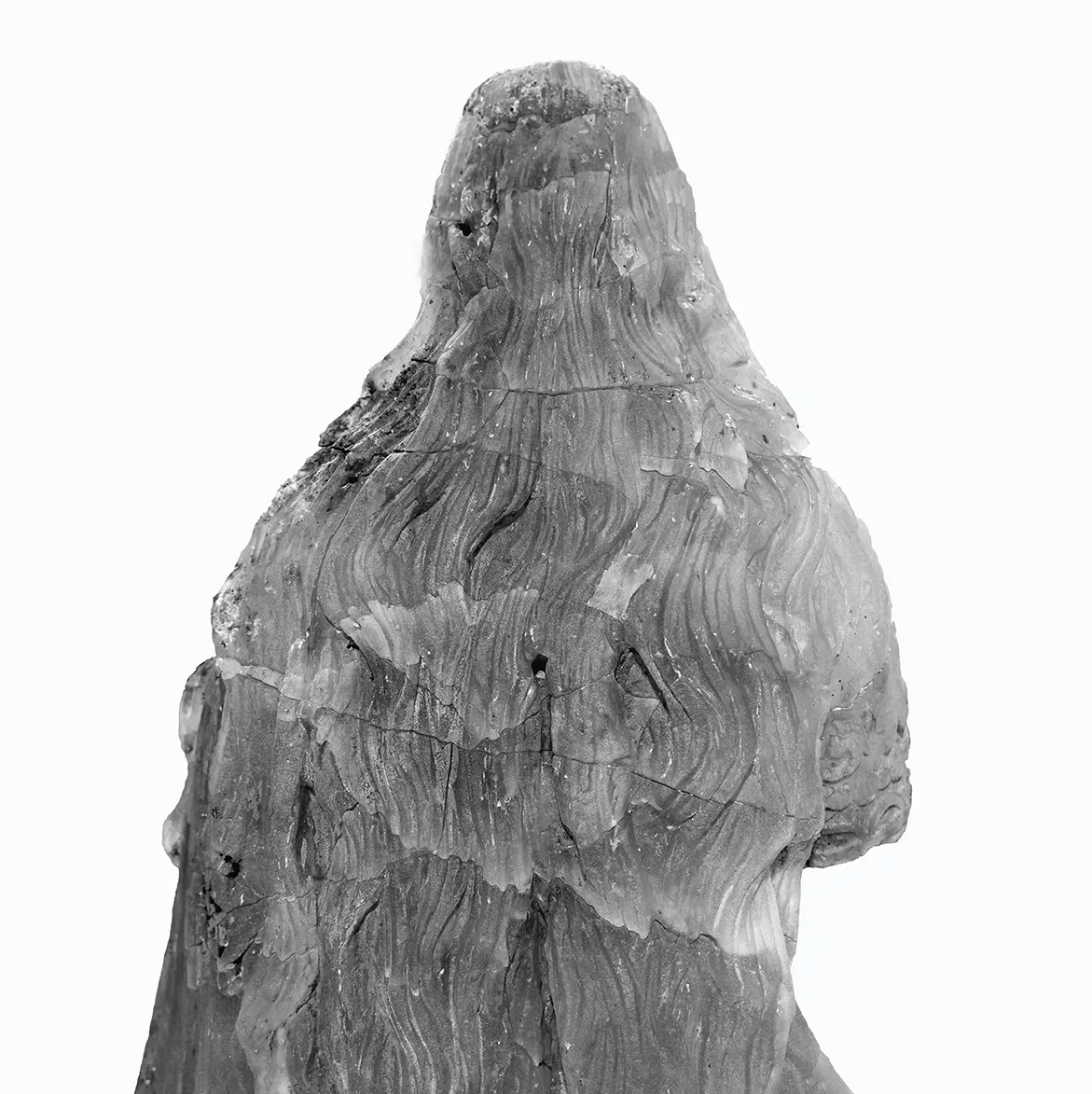
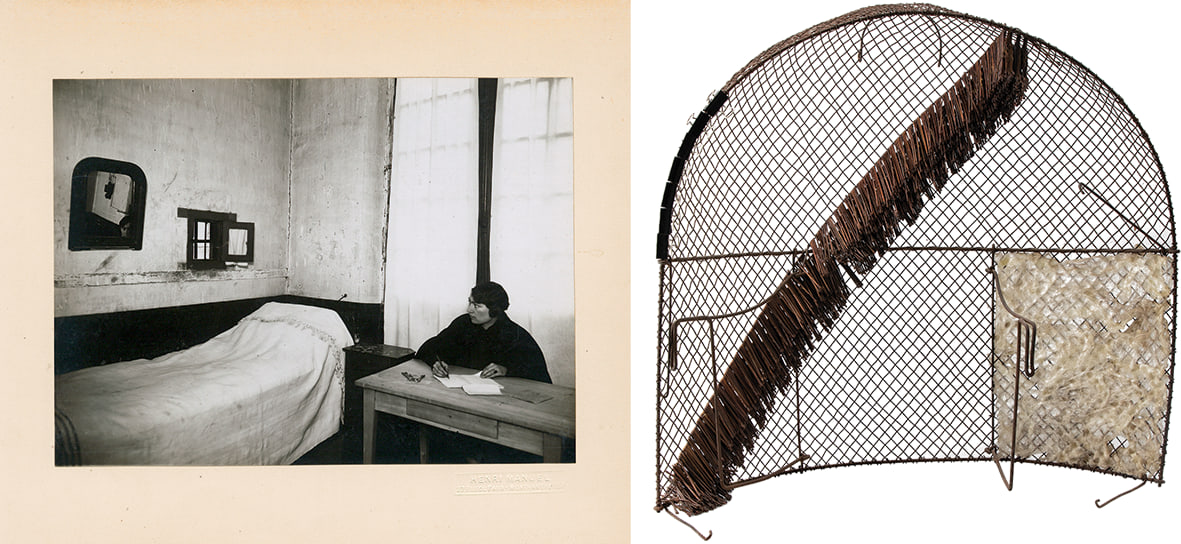
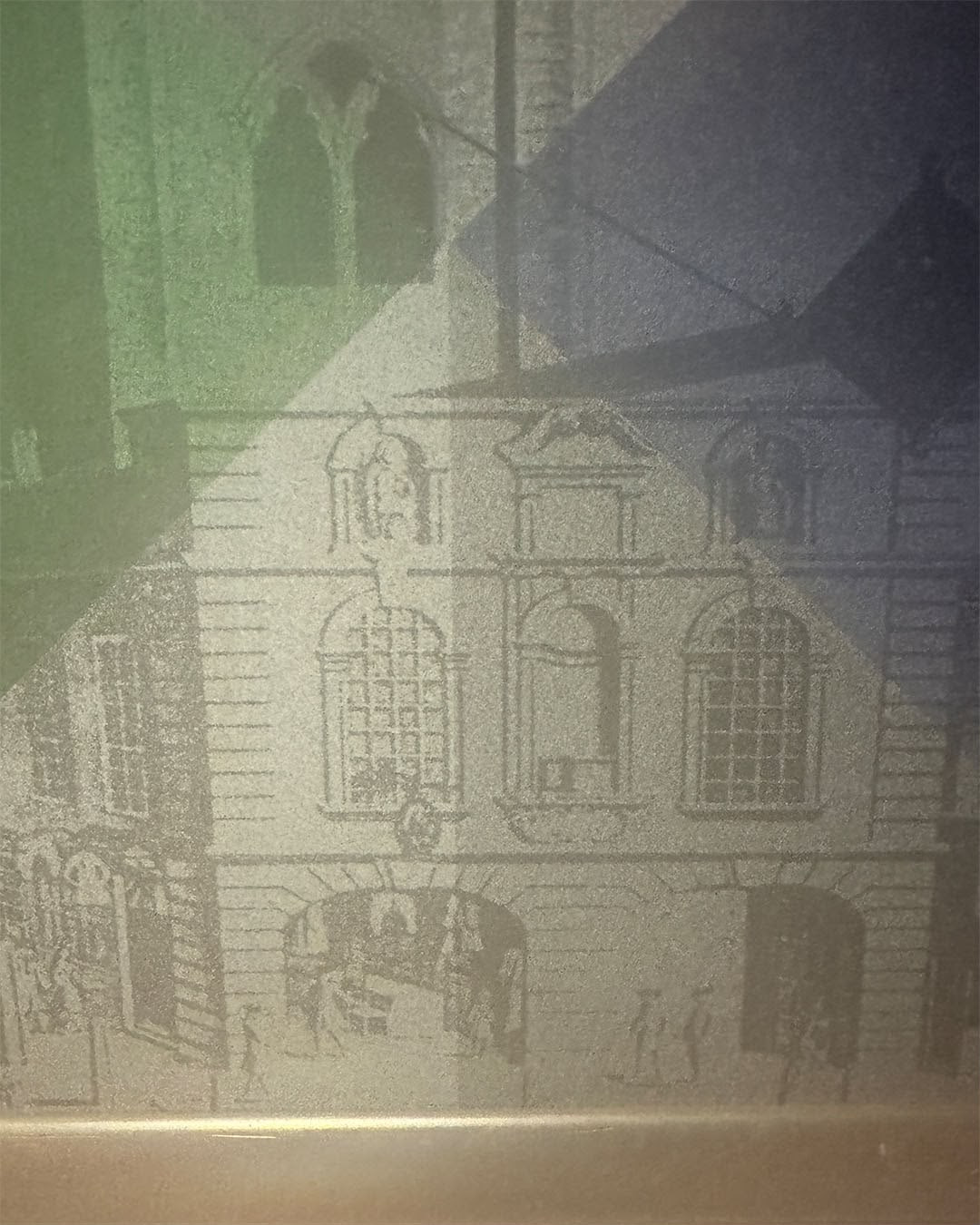
Smith’s interdisciplinary projects are always introduced with photographic prologues – his original language. For his first exhibition at Galerie Christophe Gaillard in Paris, the artist is presenting the beginnings of Dami in the form of three original photographic series: Les maîtresses, Travelogue and Fulmen, as well as extracts from Signes and Photino.
This new project-world takes its name from the vocabulary of the Panoan-language peoples of Amazonia: the word dami denotes the visions of astonishing metamorphic figures that appear upon drinking Ayahuasca, a decoction that is central to Amazonian medicine. The visionary apparition of dami symbolises an encounter between the spirit of creepers and, by extension, the spirit of the forest and the world. In Brazilian Amazonia, dami is also a variant of the pronunciation of daime, which means ‘gift of God’. This etymological meaning corresponds to the artist’s first name, so it forms a starting point for this project that is at once autobiographical and psychogeographical. With this perspective, exploring a place is the same as exploring oneself because each space is always inhabited by our own ghosts. ‘Experience proves that deviation is a good replacement for Mass, offering a more effective way to communicate with all energies’ (Chtcheglov, Formulaire pour un urbanisme nouveau, 1958).
Smith was first known for his portraits, but he now focuses on landscapes, which he approaches as if they were an alternative form of portraits. His new photographs are part of interstitial spaces populated with non-human entities and with diffuse, vast, ecstatic, ancestral and disembodied energies, which he sees as portals that invite a shift of gaze: the Médoc, Peruvian Amazonia, the deserts of California, Arizona and Nevada, and Bardsey Island in Wales. By combining use of photography, thermography, creation in a non-ordinary state of consciousness and the crossing of metamorphic landscapes, these images seek to reveal another way to relate to landscapes, disrupting the order of things to establish ‘the cosmic vision [...] as political thought’ (Édouard Glissant, Philosophie de la relation, 2009). Dami continues the approach that Smith began with Désidération, illustrating new attitudes to adopt in our world of disaster in order to envisage desirable futures:
‘Wide open here’, the only method, in my view, that makes it possible to relate to transcendence: [...] to turn to that which goes beyond all things. Wide open here: that is the world henceforth, that is our world.
—Jean-Luc Nancy in L’adoration (Galilée, 2010).
*****
Artiste-chercheur troublant les genres, les disciplines et les formes, Smith propose des œuvres curieuses, au sens étymologique de cura : curiosité et soin à l’égard du monde qui nous entoure, du terrestre et du céleste, des êtres humains et plus qu’humains, du visible et de l’invisible. La photographie, la vidéo, la performance et la sculpture mais aussi caméras thermiques, néons, hybridations, mutations et explorations d’autres états de conscience, s’articulent en une œuvre fluide qui incorpore les dimensions cosmiques du rêve et de l’au-delà.
Avec « Dami », Smith poursuit sa quête artistique et métaphysique à travers sa pratique de technologies spirituelles (la transe cognitive, la méditation, la médecine amazonienne), d’états corporels interstitiels (transition de genre, expérience de l’impesanteur), d’hybridations volontaires (implantation cutanée de matériaux extra-terrestres ou électroniques), et de collaborations avec les intelligences artificielles et animales - pour conter autrement notre rapport au tout-autre, à l’au-delà, à ce qui nous traverse, nous échappe, nous dépasse et nous survit. Transe et transcendance se relient dans ce travail expérimental qui explore d’autres états de corps et de conscience. La « transition », le « passage », le « transit » sont essentiels dans son processus créatif.
Les projets indisciplinaires de Smith sont toujours introduits par des prologues photographiques - sa langue d’origine. Pour sa première exposition à la Galerie Christophe Gaillard Paris, l’artiste présente les prémices de « Dami » sous la forme de trois séries photographiques inédites : “Les maîtresses”, “Travelogue” et “Fulmen”, ainsi que des extraits de “Signes” et “Photino”.
Ce nouveau projet-monde emprunte son nom au vocabulaire des peuples amazoniens de langue pano : le mot dami désigne les visions de figures métamorphiques étourdissantes se manifestant lors de l’ingestion d’Ayahuasca, décoction centrale dans la medicina amazonienne. La manifestation visionnaire des dami symbolise la rencontre avec l’esprit de la liane, et, par extension, de la forêt, du monde. En Amazonie brésilienne, dami est également une variante de la prononciation de daime, signifiant « don de Dieu ». Cette étymologie correspond au prénom de l’artiste, marquant ainsi un point de départ à la fois autobiographique et psychogéographique pour ce projet ; dans cette perspective, explorer un lieu revient à s’explorer soi-même, chaque espace étant toujours déjà habité par nos propres fantômes. « L’expérience prouve qu’une dérive remplace avantageusement une messe, offrant un moyen plus efficace de communiquer avec l’ensemble des énergies » (Chtcheglov, Formulaire pour un urbanisme nouveau, 1958).
D’abord reconnu pour ses portraits, Smith se tourne aujourd’hui vers des paysages qu’il aborde comme une forme alternative de portraiture. Ses nouvelles photographies s’inscrivent dans des espaces interstitiels peuplés d’entités non-humaines, d’énergies diffuses, vastes, extatiques, ancestrales et désincarnées, qu’il perçoit comme des portails invitant à un déplacement du regard : le Médoc, l’Amazonie péruvienne, les déserts de Californie, d’Arizona et du Nevada ou l’île de Bardsey au Pays de Galles. Articulant l’usage de la photographie, de la thermographie, l’acte de création en état de conscience non-ordinaire et la traversée de paysages métamorphiques, ces images espèrent révéler une autre façon de se relier au paysage, perturbant l’ordre des choses pour ériger « la vision cosmique [...] en pensée politique » (Edouard Glissant, Philosophie de la relation, 2009). « Dami » prolonge la démarche initiée avec « Désidération », imageant de nouvelles façons d’être, de nouvelles attitudes à adopter dans notre monde désastré, pour y envisager des futurs désirables :
“Ici grand ouvert”, seule méthode à mes yeux qui permet de se relier à la transcendance : [...] s’adresser à ce qui excède toute chose. Ici grand ouvert : c’est le monde désormais, c’est notre monde.
—Jean-Luc Nancy in “L’adoration” (Galilée, 2010).