
Ended
Fibration III: Anxiety and Hope
Sep 4 – Oct 25, 2025
Aheneah, Mona Bozorgi, Danie Cansino, Jen Clay, Cian Dayrit, Lesley Dill, Kimberly English, Jeanne Jaffe, Adela Goldbard, Johanna Herr, Elektra KB, Faith Ringgold, Aminah Robinson, Manju Shandler, Perach Philo, Halley Zein
L'Space Gallery is pleased to present Fibration III: Anxiety and Hope, the third installment of its annual fiber art series, curated by gallery director Lili Almog. The exhibition showcases sixteen contemporary artists working at the intersection of textile, storytelling, and resistance.
This third edition of Fibration centers on the emotional tension between upheaval and optimism, a timely reflection on a world shaped by war, migration, political rupture, and shifting identities. Subtitled Anxiety and Hope, the exhibition invites viewers into an immersive environment where softness collides with sharp critique, and threads become instruments of resistance.
In a world increasingly defined by uncertainty and upheaval, Fibration III: Anxiety and Hope invites viewers to slow down, look closer, and feel deeply. The annual Fibration exhibition turns its gaze toward the emotional turbulence of our time, centering fiber arts as a site of embodied resistance, resilience, and radical care.
The show brings together a diverse group of contemporary artists who use fiber not simply as a medium, but as a message. Textile practices such as quilting, weaving, and embroidery, once relegated to the domestic and dismissed as "women's work," are reimagined here as potent tools for personal storytelling, political critique, and collective healing. These artists challenge the long-standing divisions between "high art" and "craft," reclaiming softness as strength and tradition as innovation.
Threads of Protest, Identity, and Resilience: Among the featured works, several artists engage textiles as direct acts of political witness and protest. Mona Bozorgi's Threads of Freedom series transforms protest selfies from the Iranian women's uprisings into silk textiles—meticulously unspun and rewoven by hand. "Dismantling and remaking their photographs became my form of protest," says Bozorgi, who reframes fabric as a site of transnational solidarity and remembrance. Elektra KB presents After the Fire, a textile-based environment drawing on Latin American futurism, speculative feminism, and myth-making. Exploring reproductive justice and therapeutic healing, Elektra treats fiber as a means of world-building and resistance against erasure.
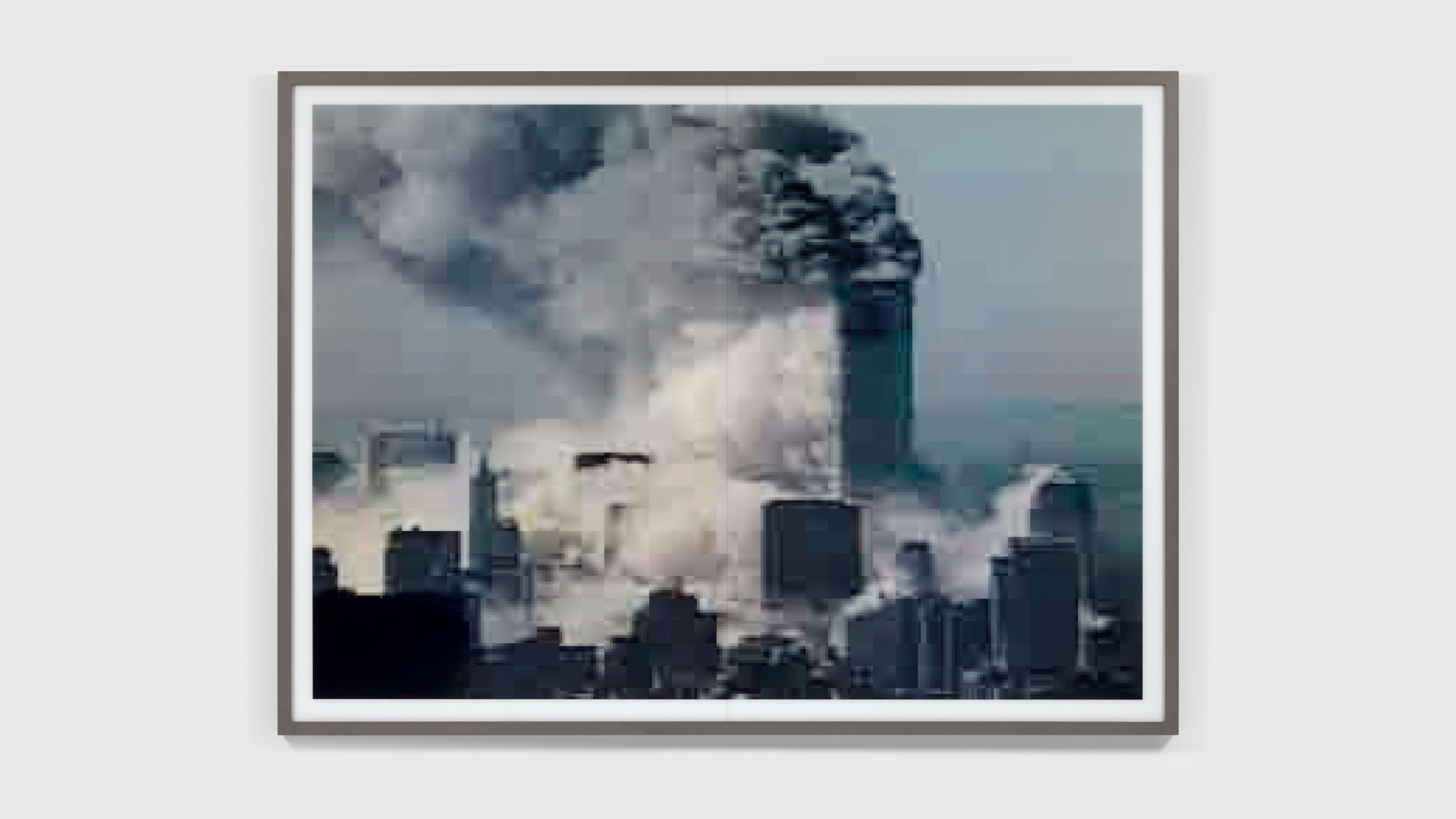
Adela Goldbard's Black Smoke (2025), a needle-felted depiction of burning tires—iconic symbols of protest across the Global South—invokes collective trauma and state violence through a painstaking, tactile process that contrasts with the immediacy of photographic documentation. Cian Dayrit (Philippines) collaborates with Henry Caceres in No Flag Large Enough: Continuum (2025), combining embroidery, metalwork, and cartographic motifs to challenge institutional narratives of power, colonialism, and control.
Interior Worlds: Memory, Vulnerability, and Home: Several artists in the exhibition explore domesticity and the psyche. Halley Zien dissects the illusion of comfort with Et tu, Bubaloo?, a large-scale stitched installation of a fragmented home interior evoking betrayal and emotional unrest. Using stitched textiles and layered painterly surfaces, Zien draws viewers into spaces that feel at once familiar and estranged.
Jen Clay's I'm All Torn Up (2024) engages horror and science fiction through soft sculpture, scent, and text. Her plush, friendly monsters lure viewers in, only to confront them with quiet existential dread—reminding us that fabric, like flesh, can house both comfort and vulnerability. Manju Shandler's mixed-media compositions navigate memory and transformation, blending collage, brushwork, and figuration into deeply felt visual poems that speak to impermanence and inner life.
Craft as Innovation, Materiality and Aesthetic Force: While the exhibition speaks to deep emotional and political terrain, it also celebrates the sensory pleasures and technical complexity of fiber art. In Soft Spears (2025), Portuguese artist Aheneah constructs 100 soft white spear forms, both peaceful and menacing, from repurposed fabric and biomaterials, challenging the binary between softness and strength. In Union of Carbon and Cerebrum, Kimberly English interrogates myths of progress and dominion through hand-woven denim that blurs the line between structure and collapse. Johannah Herr's maximalist installations use tufted rugs and wallpaper to critique U.S. state violence and neoliberal aesthetics. Danie Cansino, working from East L.A., captures Latinx life with intimacy and reverence.
Narrative Legacy: Language, Memory & the Sacred Text: Fibration III honors the long-standing connection between textiles, storytelling, and spiritual introspection. Faith Ringgold's iconic narrative quilts explore the intersections of race, gender, and autobiography, and Aminah Robinson's reflections on Black American history and longing for liberation. Lesley Dill bridges poetry and fiber in ethereal, text-inscribed fabric works where language becomes voice, body, and aura.