
Exhibition · Tommaso Calabro
Harold Stevenson
Harold Stevenson
May 1 – May 31
10 images · swipe
About the show
Tommaso Calabro is pleased to open its pop-up gallery in New York. The gallery hosts two exhibitions: one dedicated to the American artist Harold Stevenson (1929-2018) and one showcasing the work of the contemporary Italian painter Aldo Sergio (1982). The gallery space is in the heart of Chelsea.
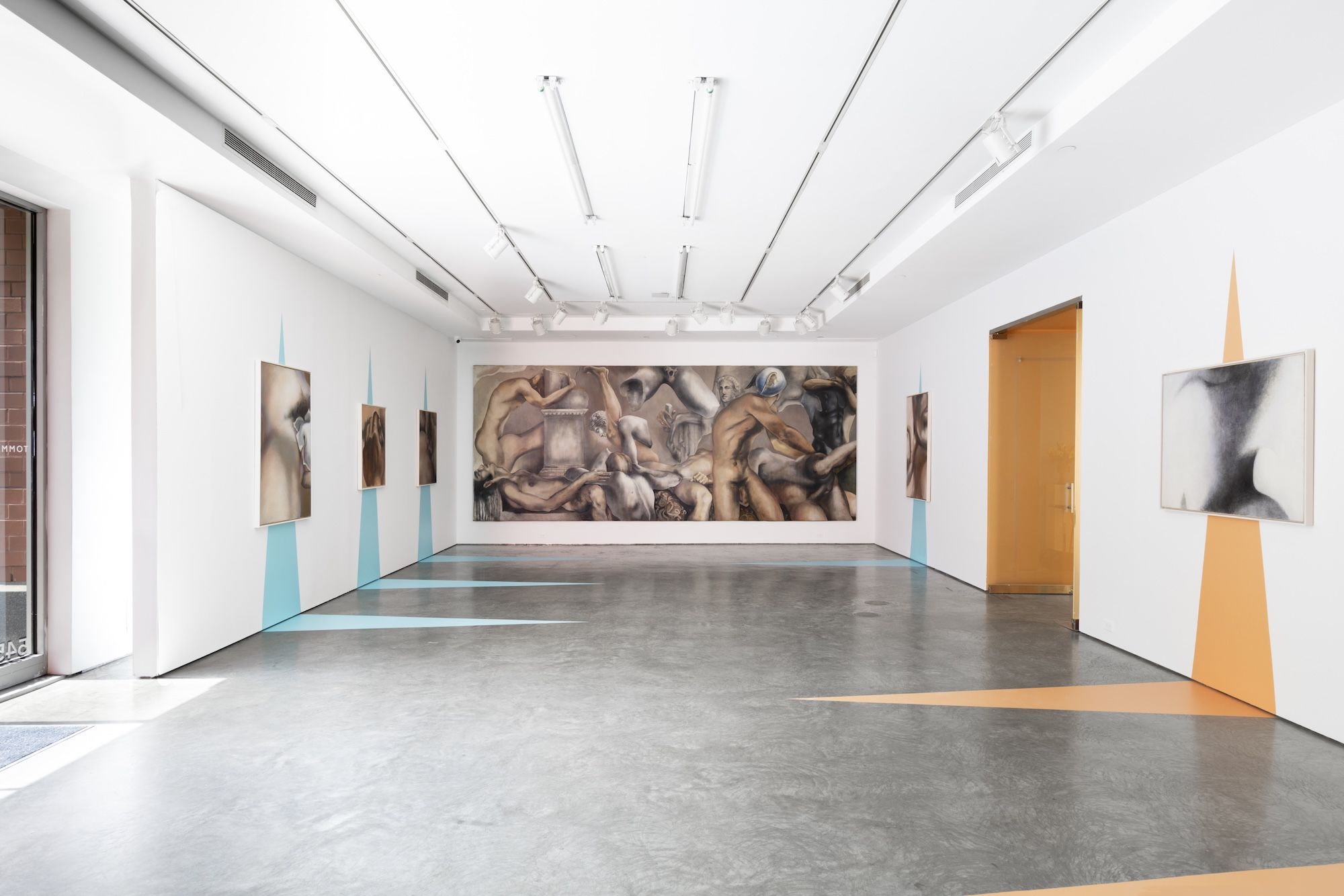
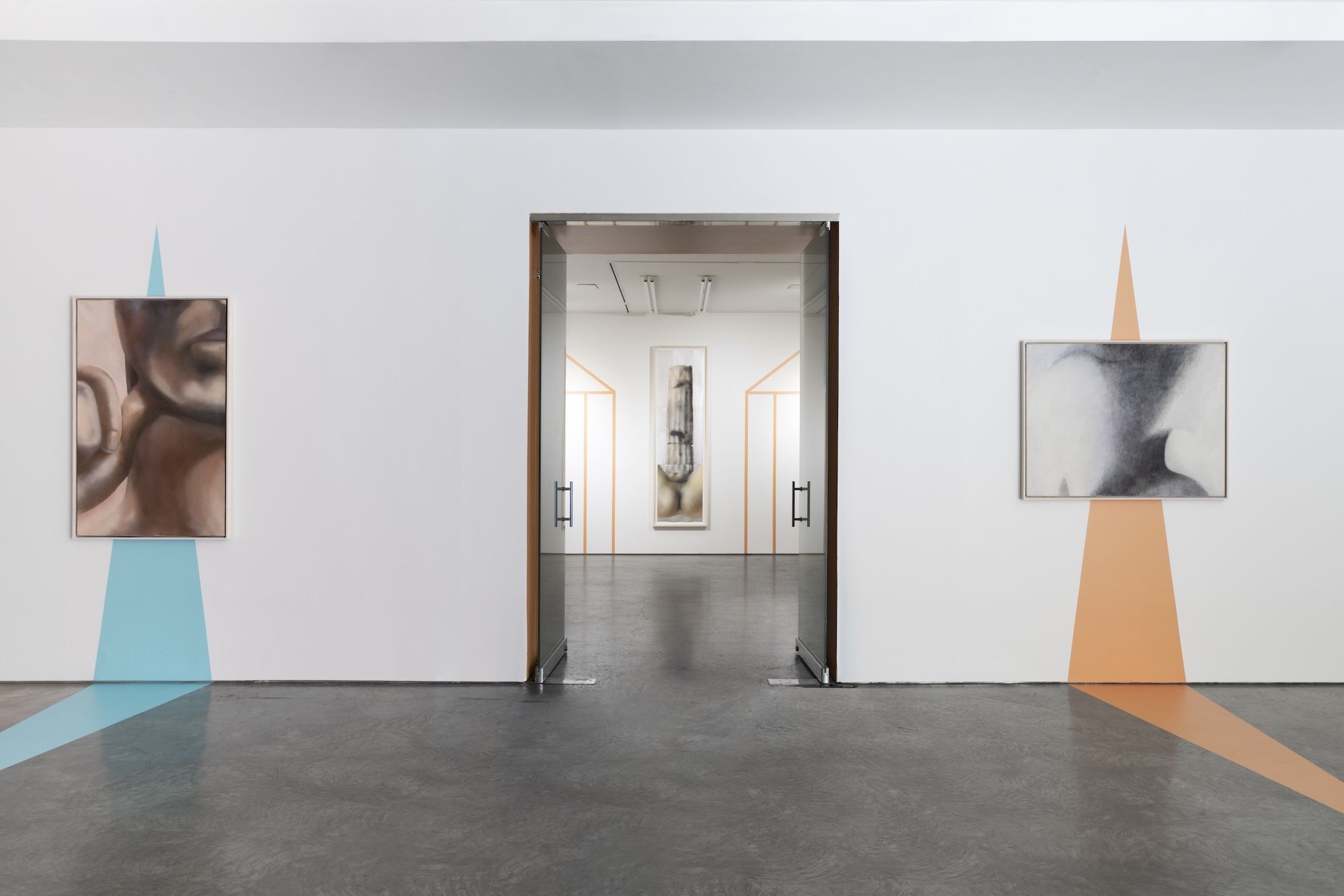
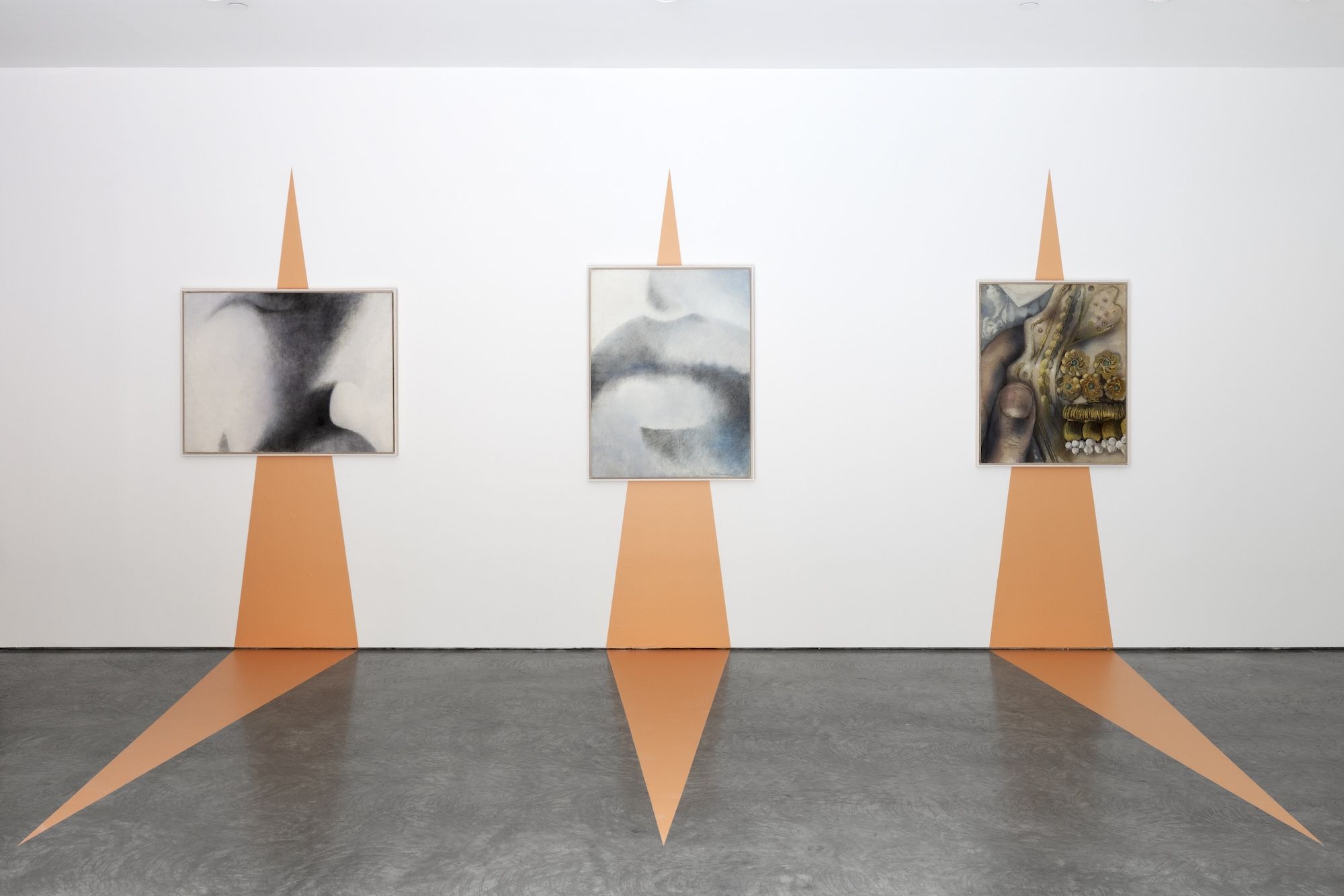
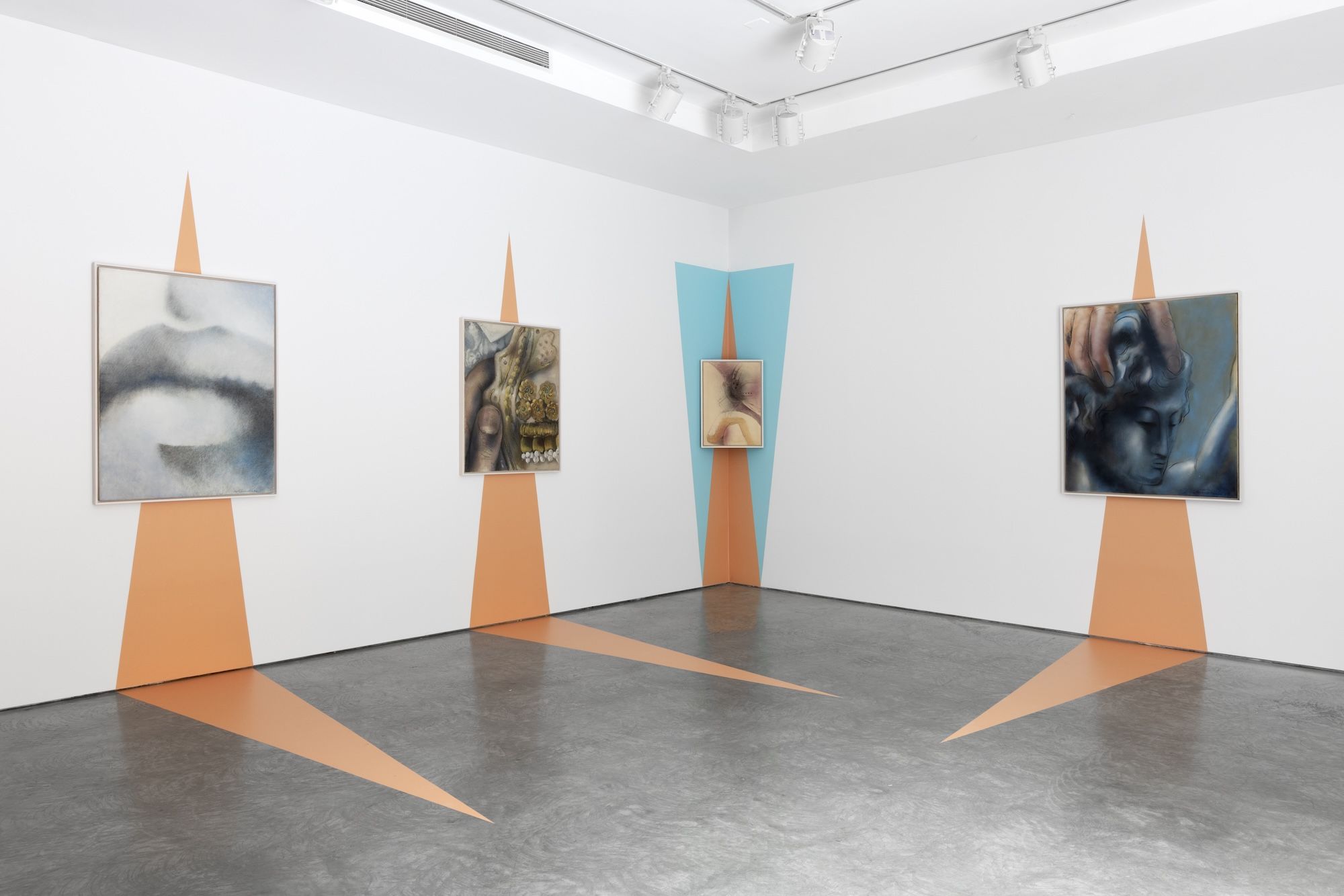
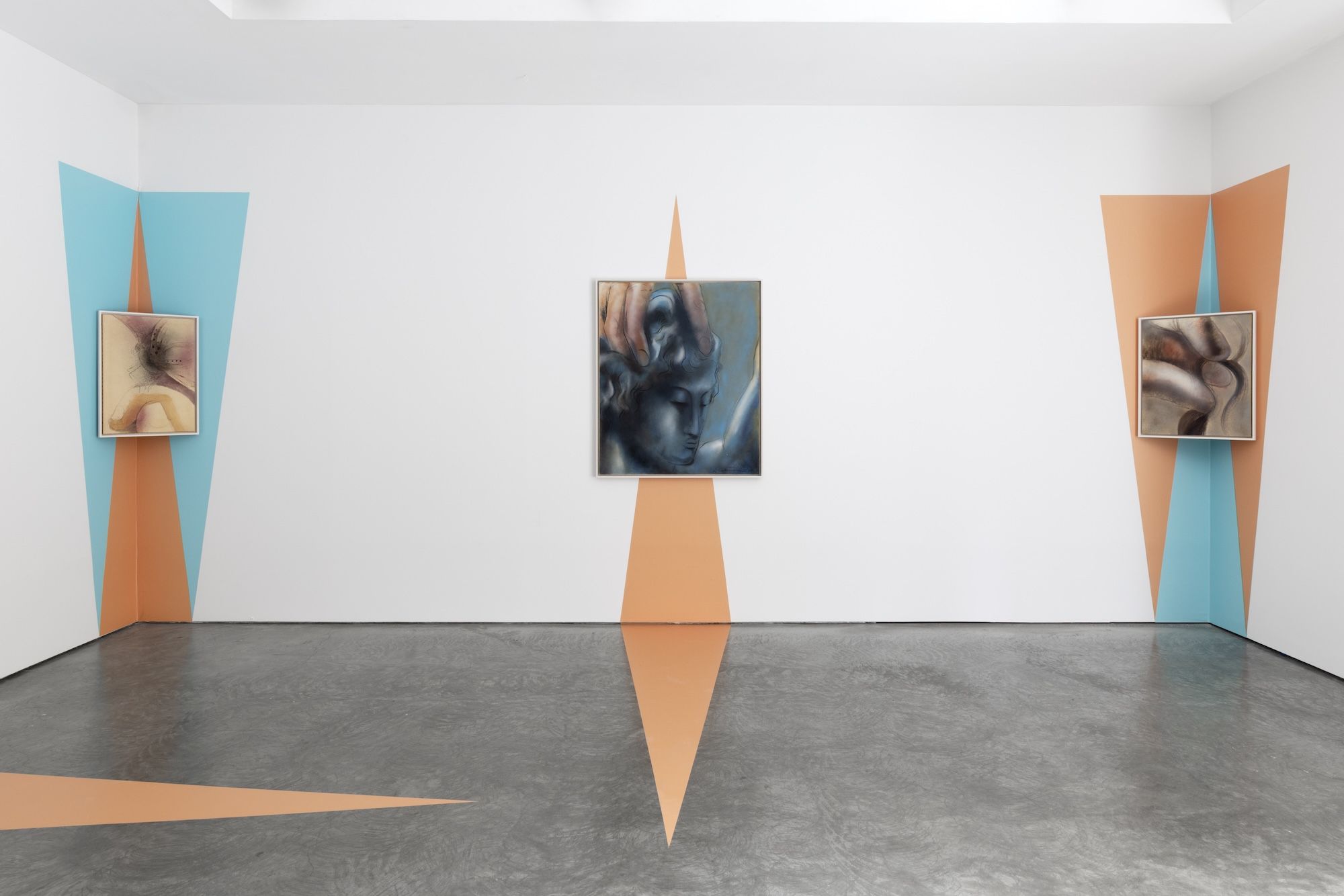
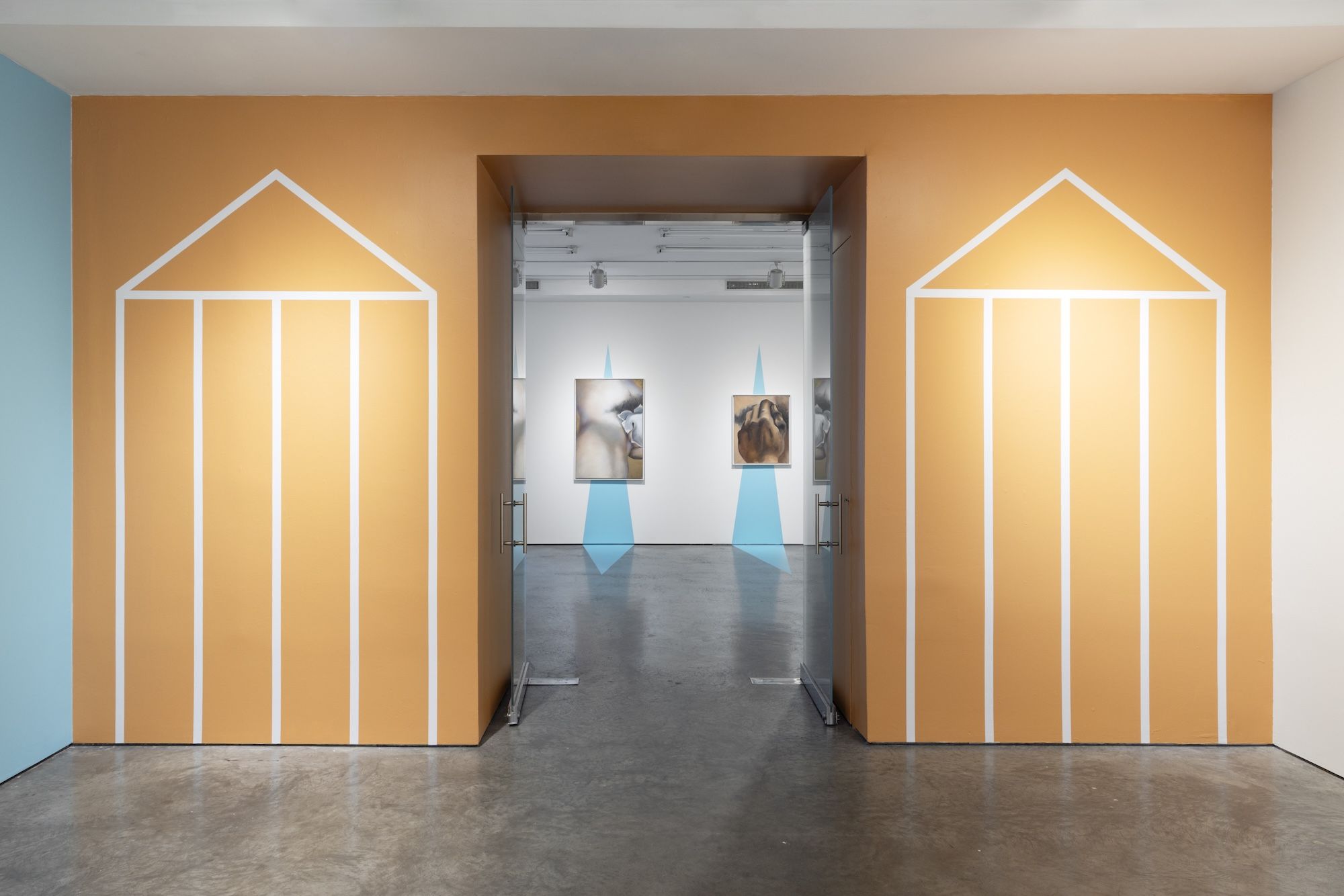
After presenting the first monographic exhibition of Harold Stevenson in Italy at its Venice gallery in 2024, Tommaso Calabro expands research on the American artist by unveiling in New York a new selection of works, executed between the late 1950s and the 1970s, within an exhibition design by Filippo Bisagni.
A parallel exhibition of Stevenson's work is on view at Andrew Kreps Gallery, curated with Schwartzman&., includes works made between 1962 and 2004 and demonstrates the myriad ways in which Stevenson used the body as a tool for communication.
A key figure in post-war avant-garde culture, Harold Stevenson is remembered for his provocative paintings of male nudes and depictions of enlarged body parts. His work challenged conventions of representation, positioning him among the most daring artists of his time.
From his arrival in New York in 1949, Stevenson became deeply embedded in the city's artistic circles, forming close ties with Andy Warhol and exhibiting alongside leading figures of the era. The 1960s marked a period of artistic maturity for the artist, who decided to move to Paris. With the support of influential gallerists as Alexander Iolas and Iris Clert, he gained recognition through significant solo and group shows across Europe and the US. In Venice, a city that was an important source of inspiration for him, Stevenson met Peggy Guggenheim and participated at the Piccola Biennale (1962) and the Biennale Flottante (1964), both organized by Iris Clert. In 1962, Stevenson’s work was included in the groundbreaking New Realists exhibition at the Sidney Janis Gallery in New York alongside Andy Warhol, Claes Oldenburg, Robert Indiana, James Rosenquist, and Roy Lichtenstein. The artist later returned to Venice in 1968 – tightening his connection to the lagoon city – to create a series of glass sculptures together with Gino Cenedese in Murano.
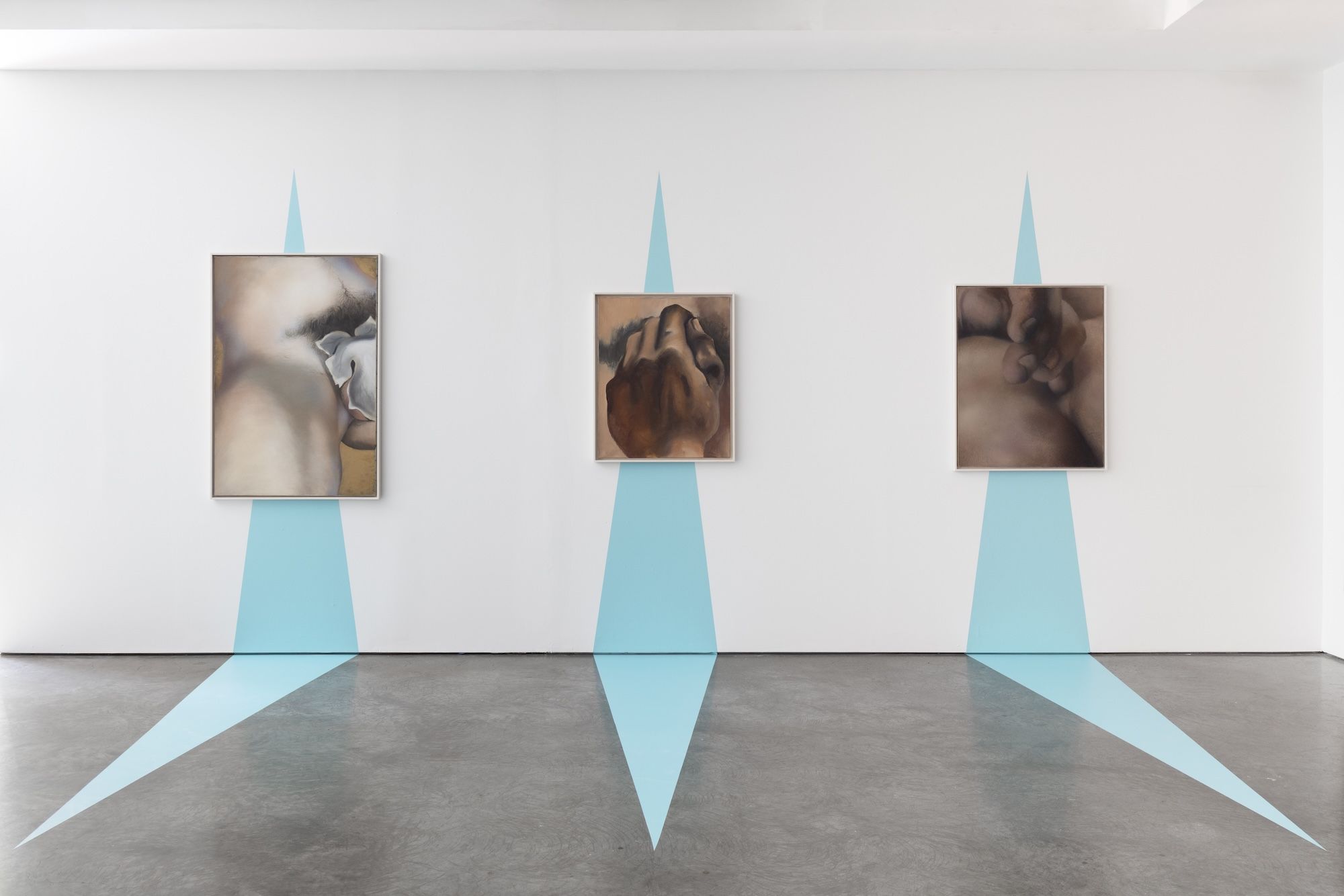
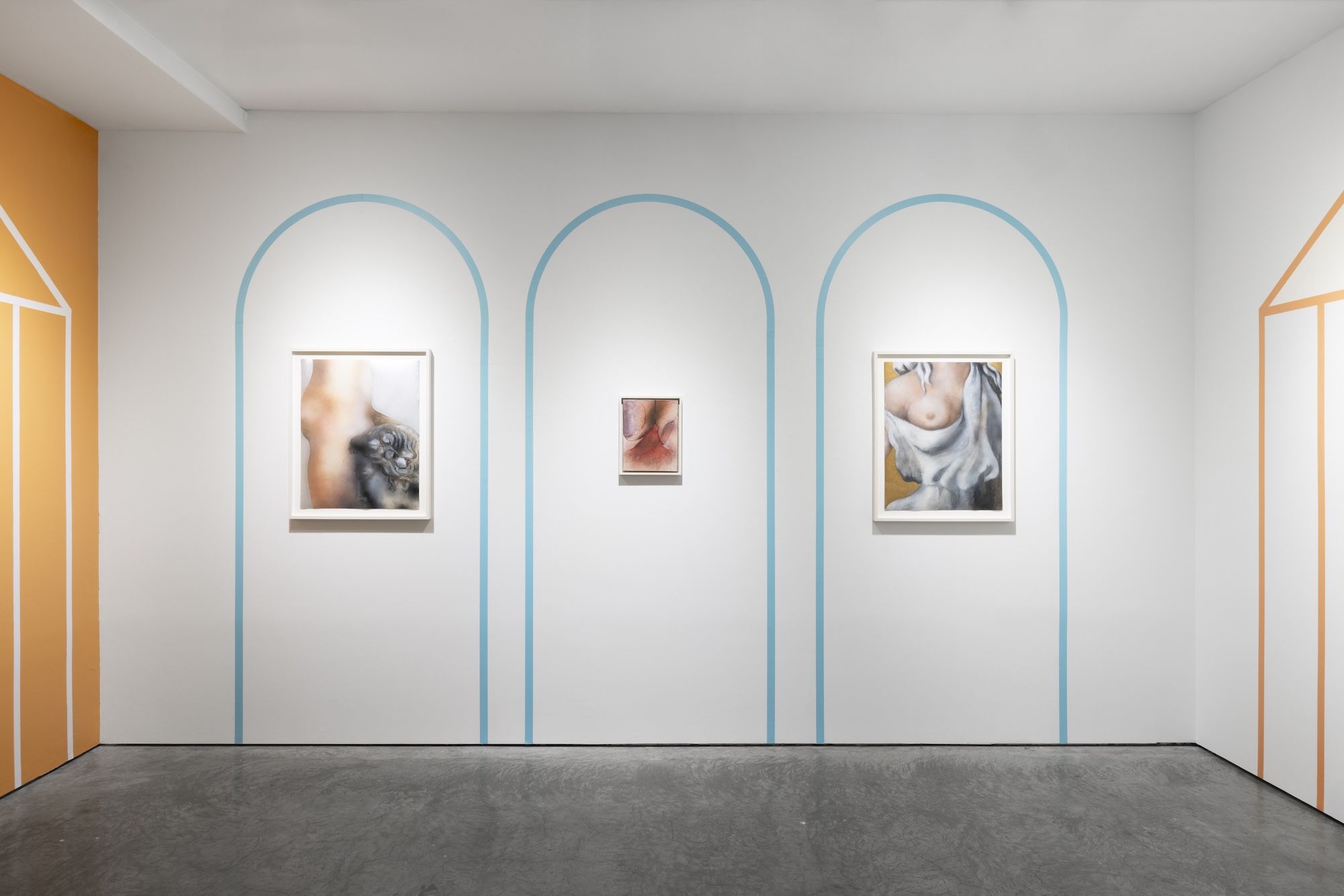
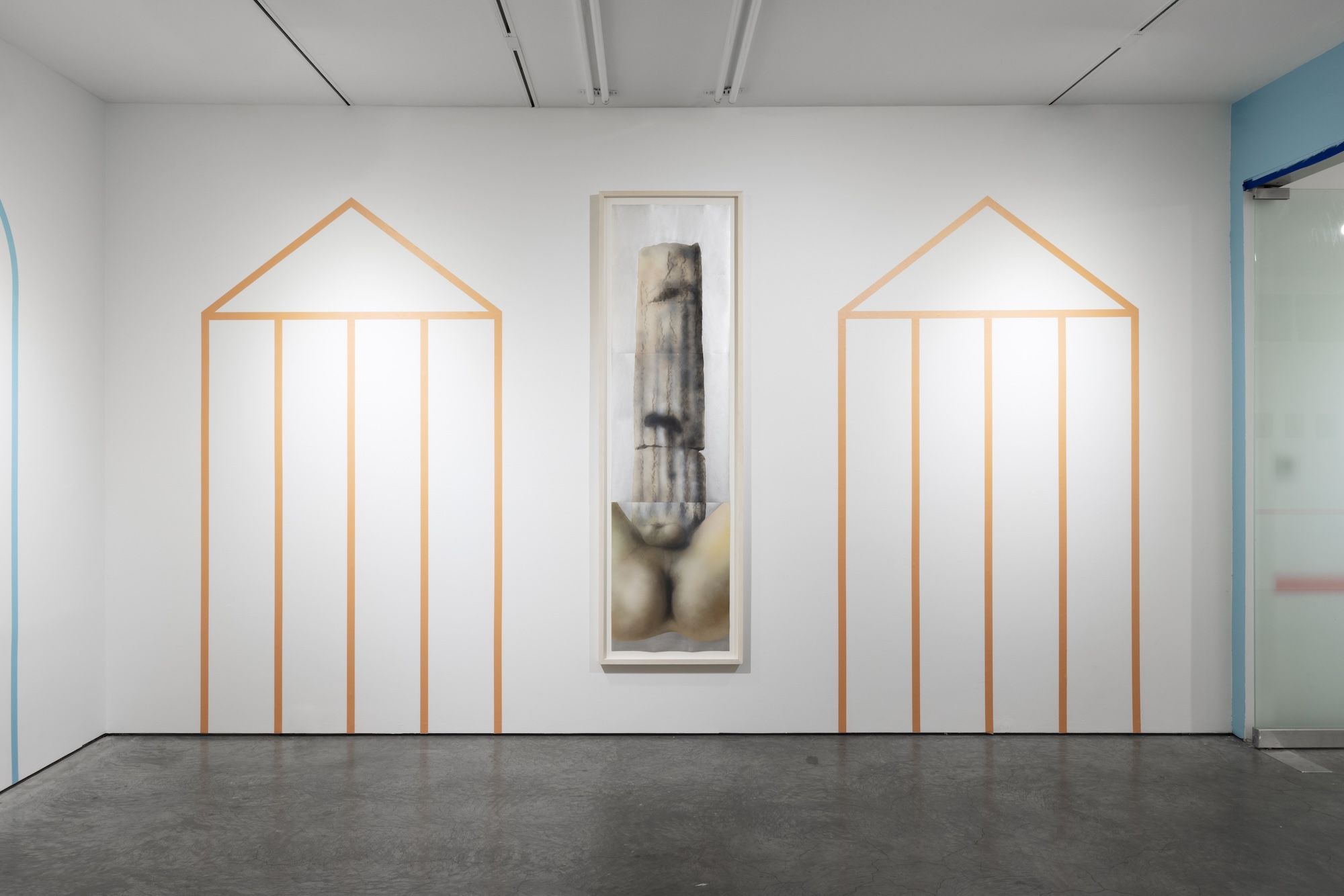
In New York, Tommaso Calabro presents a curated selection of paintings and works on paper executed between the late 1950s and the 1970s. Throughout his career, Harold Stevenson's work was dominated by the male figure – often nude and lavishly rendered. Over time, his realist, figurative style evolved, incorporating references to Greco-Roman and Egyptian archetypes such as columns, capitals, busts, and ruins.
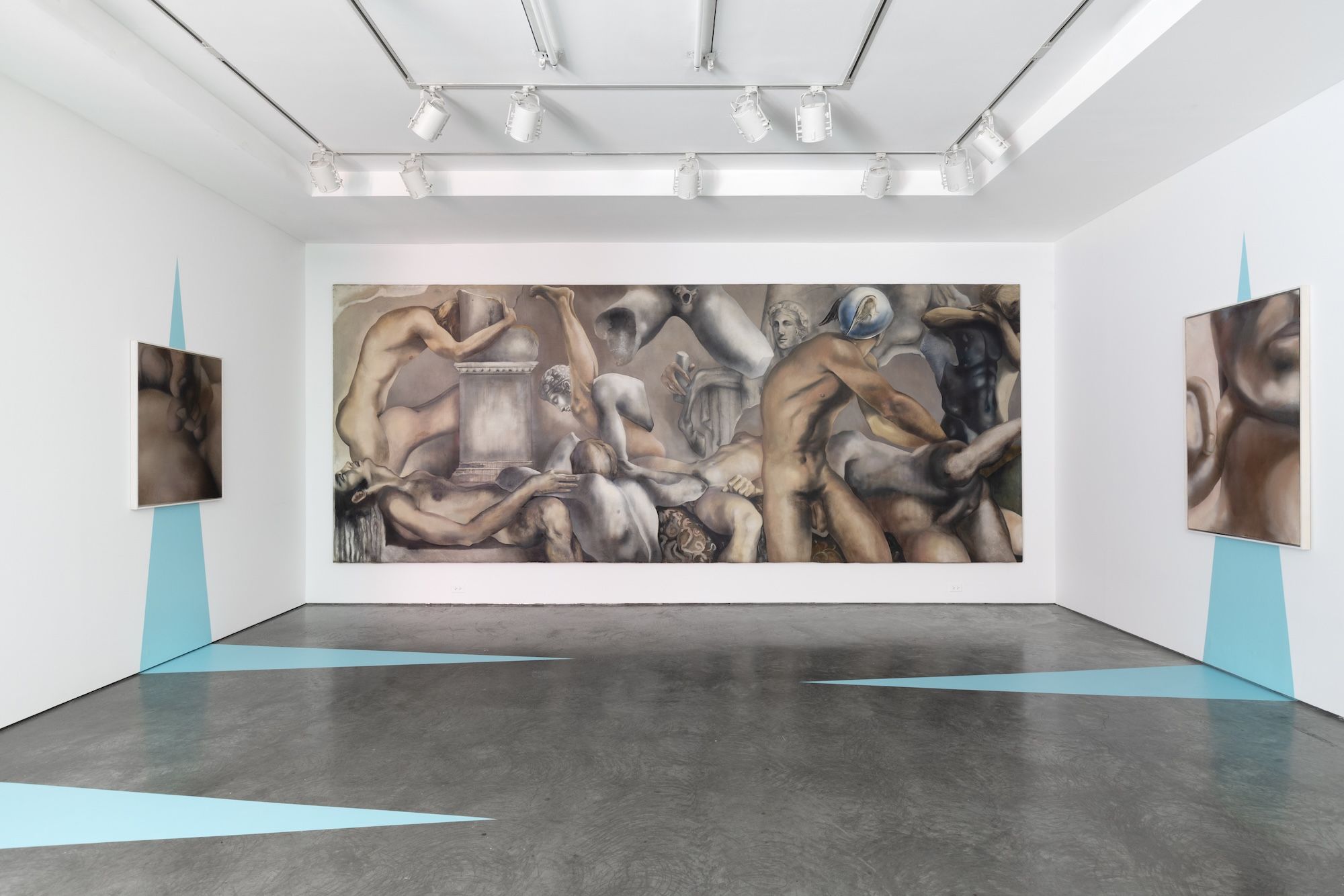
At the heart of the exhibition is Altar of Peace (1972), a monumental painting first shown in 1973 at the Alexander Iolas Gallery in New York. One of Stevenson's most politically charged works, Altar of Peace reflects on the horrors of the Vietnam War, drawing parallels to the brutality of ancient conflicts and questioning the cyclical nature of human struggle.
The exhibition design, curated by Filippo Bisagni, draws inspiration from Stevenson's own theatrical approach to composition and form. The exhibition set-up proposes to present and enhance Stevenson's works within a graphic framework that sketches in a stylized manner certain well-defined elements: these are geometric shapes and iconographic elements that resonate deeply with the artistic imagination cultivated by the American painter.
Stevenson's works are held in major institutions, including the Solomon R. Guggenheim Museum (New York) and the Hirshhorn Museum and Sculpture Garden, Smithsonian Institution (Washington, DC), as well as numerous public collections in the US and internationally.
This exhibition offers the opportunity to engage more deeply with an artist who not only defied societal norms through his fearless exploration of the human form but also expanded the boundaries of intimacy, identity, and representation in contemporary art, affirming his place as a visionary ahead of his time.