
Ended
Sovereign Acts III
Mar 24 – Jul 17, 2026
Rebecca Belmore, Lor Blondeau, Demian DinéYahzi, Martine Guttierez, Robert Houle, James Luna, Alan Michelson, Kent Monkman, Shelley Niro, Cara Romero, Jeff Thomas, Hulleah J. Tsinhnahjinnie
Guest curated by Wanda Nanibush (Anishinaabe), Helen Frankenthaler Visiting Professor in the PhD Program in Art History
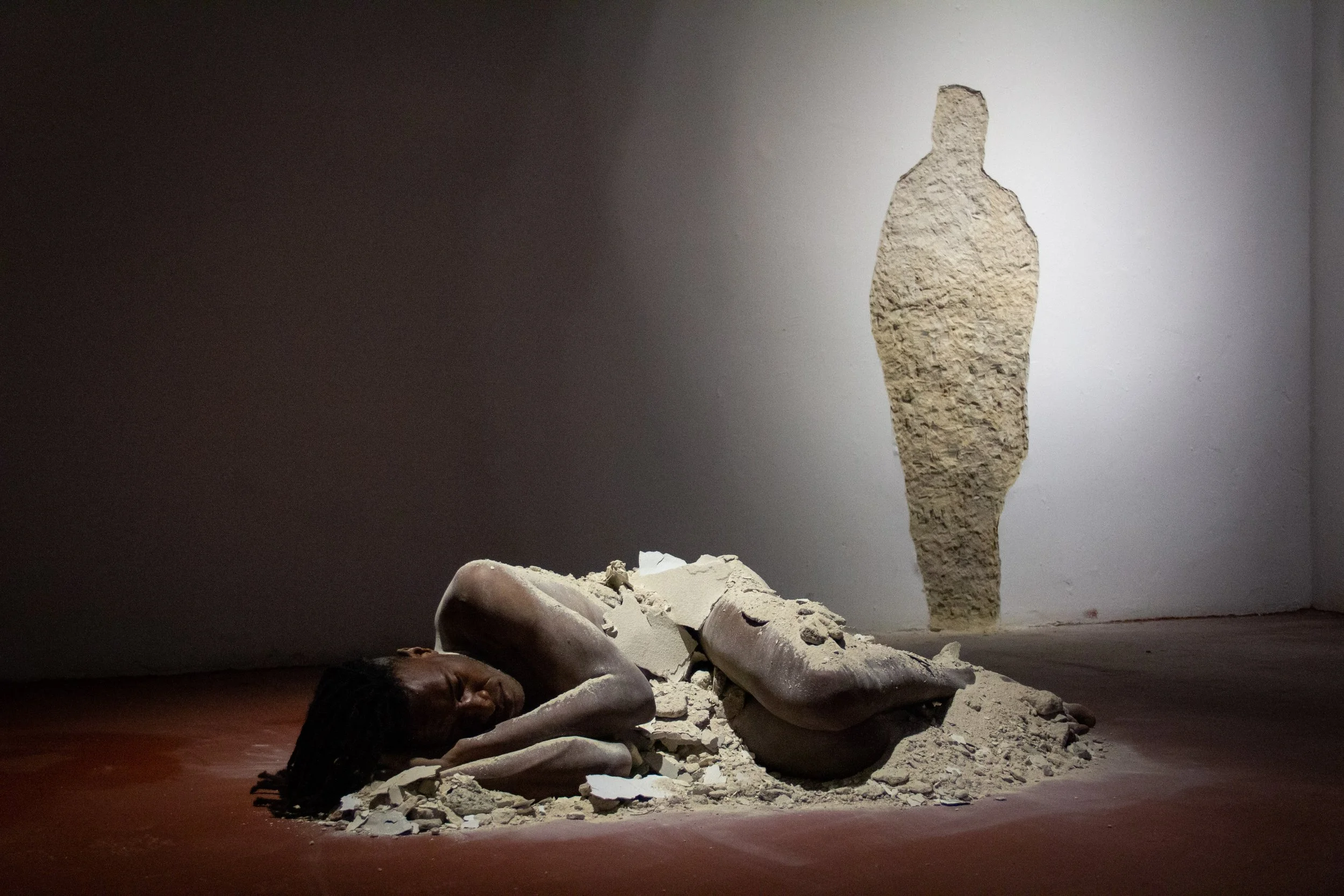
Sovereign Acts III is the latest iteration of ongoing research into the relationship between performance, identity and contemporary Indigenous art. Contemporary artists take up this relationship by creating self representations in theatre, music, powwow, ceremony, and visual arts. In Sovereign Acts III, the artists—Rebecca Belmore, Lori Blondeau, Demian DinéYahzi, Martine Gutierrez, Robert Houle, James Luna, Alan Michelson, Kent Monkman, Shelley Niro, Cara Romero, Jeff Thomas, and Hulleah Tsinhahjinnie—create performances, photographs and installations to challenge ideas of normative and static identity. They use a variety of aesthetic strategies, including reenactment, remixing, memorialization, mimicry, parody, masquerade, and portraiture, underscoring the interdisciplinary nature of Indigenous art. At the heart of Sovereign Acts is a recuperation of captive and stage performers’ agency from the 1500s to the 1960s and their place within art history.
Sovereign Acts started with a conversation between Wanda Nanibush and acclaimed performance-based artist Rebecca Belmore (Ojibwe). Belmore told her that she believed performance art began in the seventeenth century with a Mi’kmaq hunter Silmoodawa (also spelled Silmutewey) who performed for his European captives. While his audience looked on, Silmoodawa was asked to kill and eat a deer. But he went beyond his instructed performance and defecated in front of his audience; for Belmore, this is the moment when he became a performance artist. The extension of his performance to its logical end turned the audience’s expectations of savagery against them: instead of titillating, it offended their sensibilities. But it also inverted the binary of civilized versus savage: wasn’t it more savage to take this man prisoner and make him perform?