Ended May 23
John Miller
Civic Center
Apr 1 – May 23, 2022
More from John Miller on Gallop
Where should I go?
What should I do?
The state of things as they actually exist…
… as opposed to an ideal representation of them.
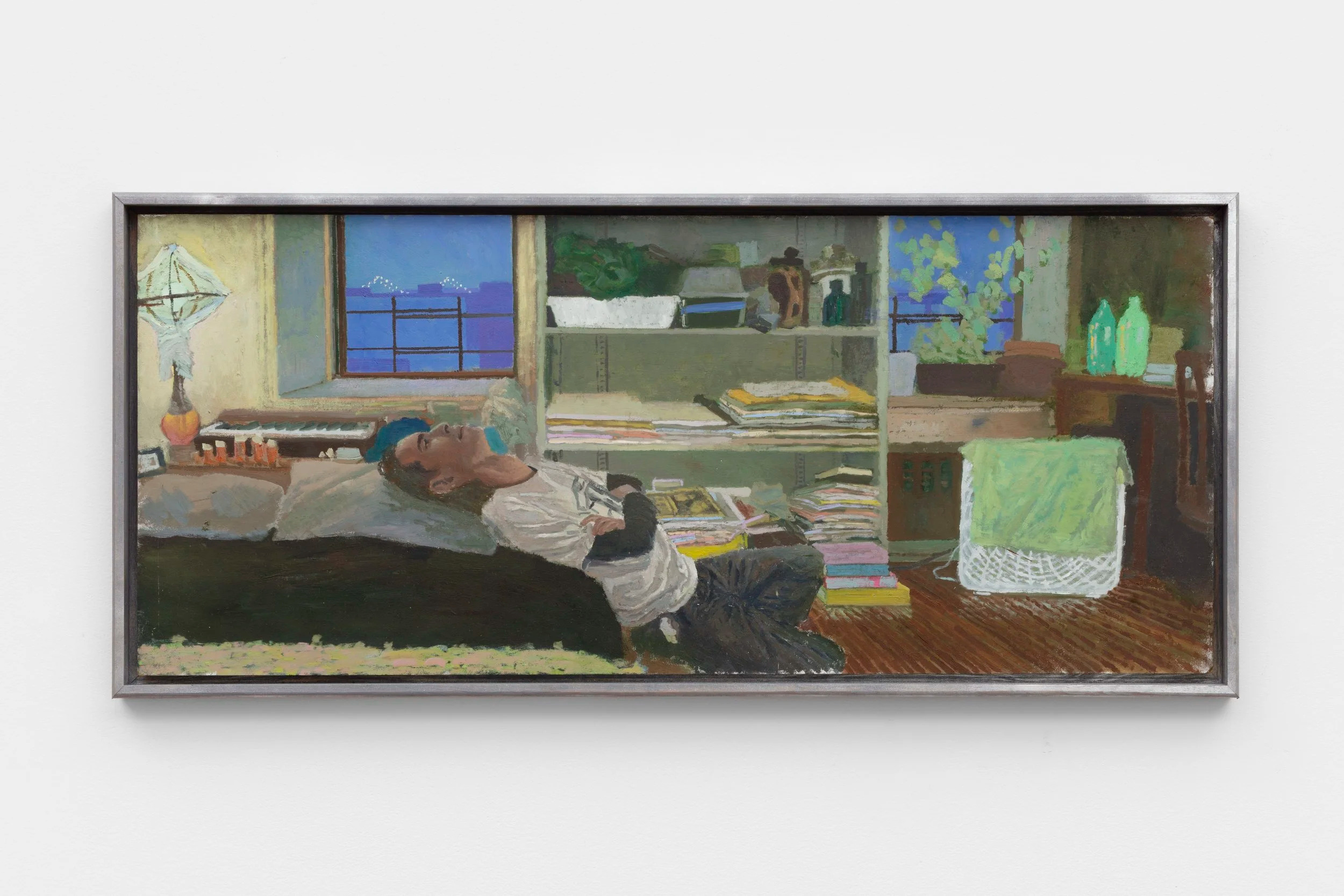
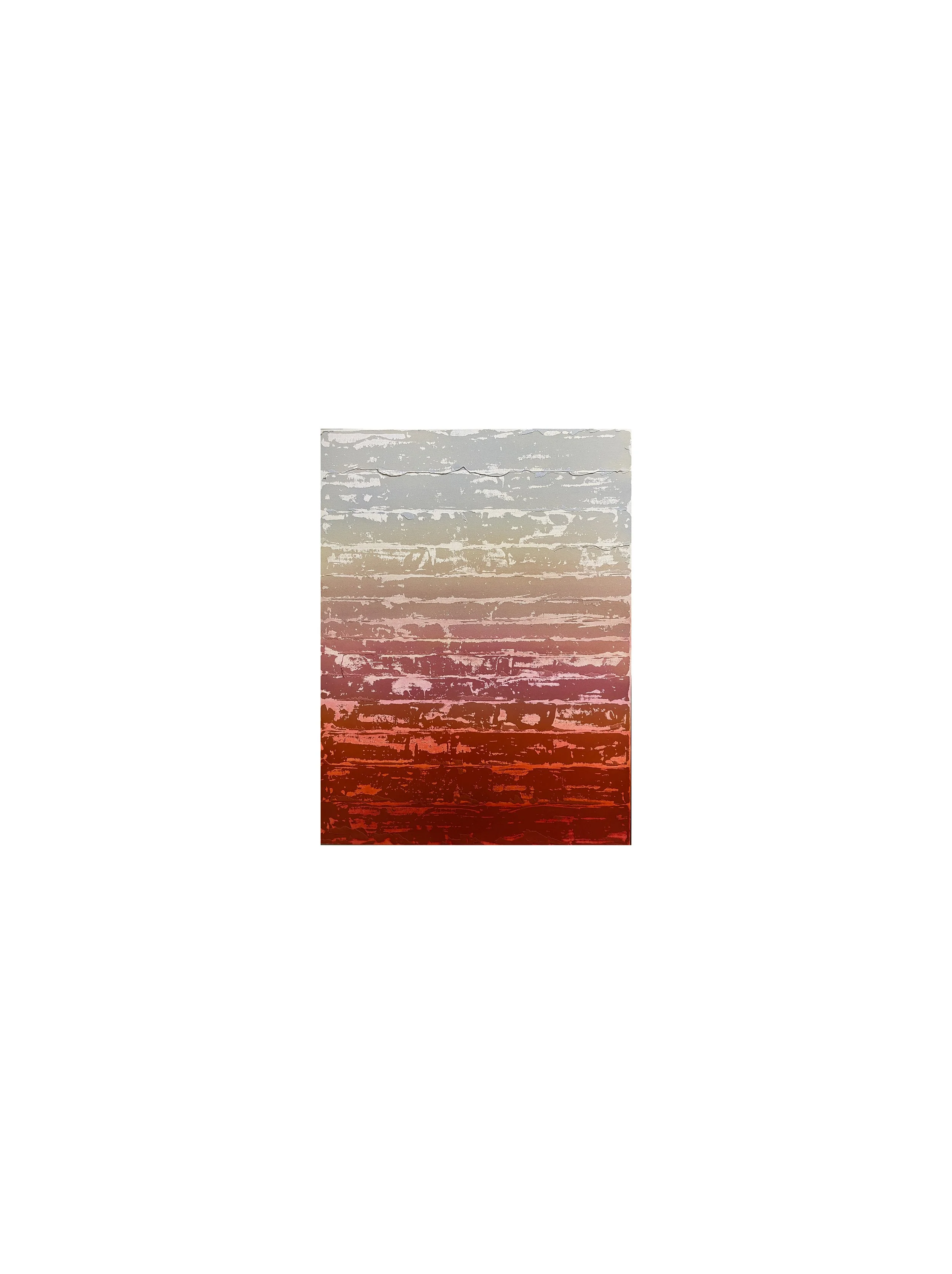
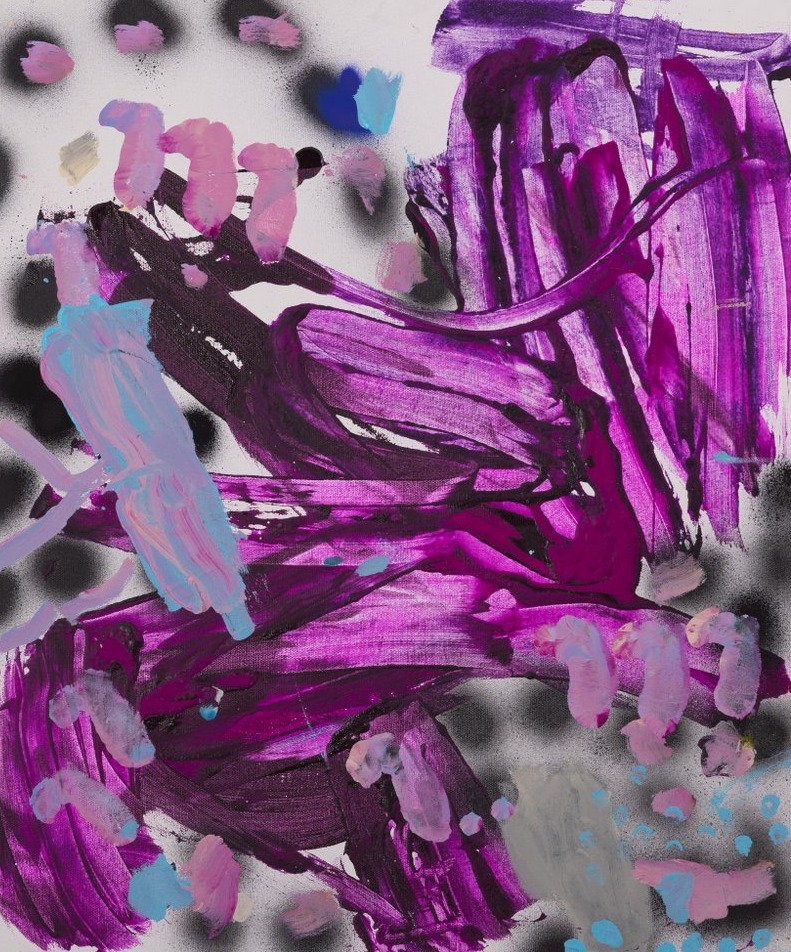
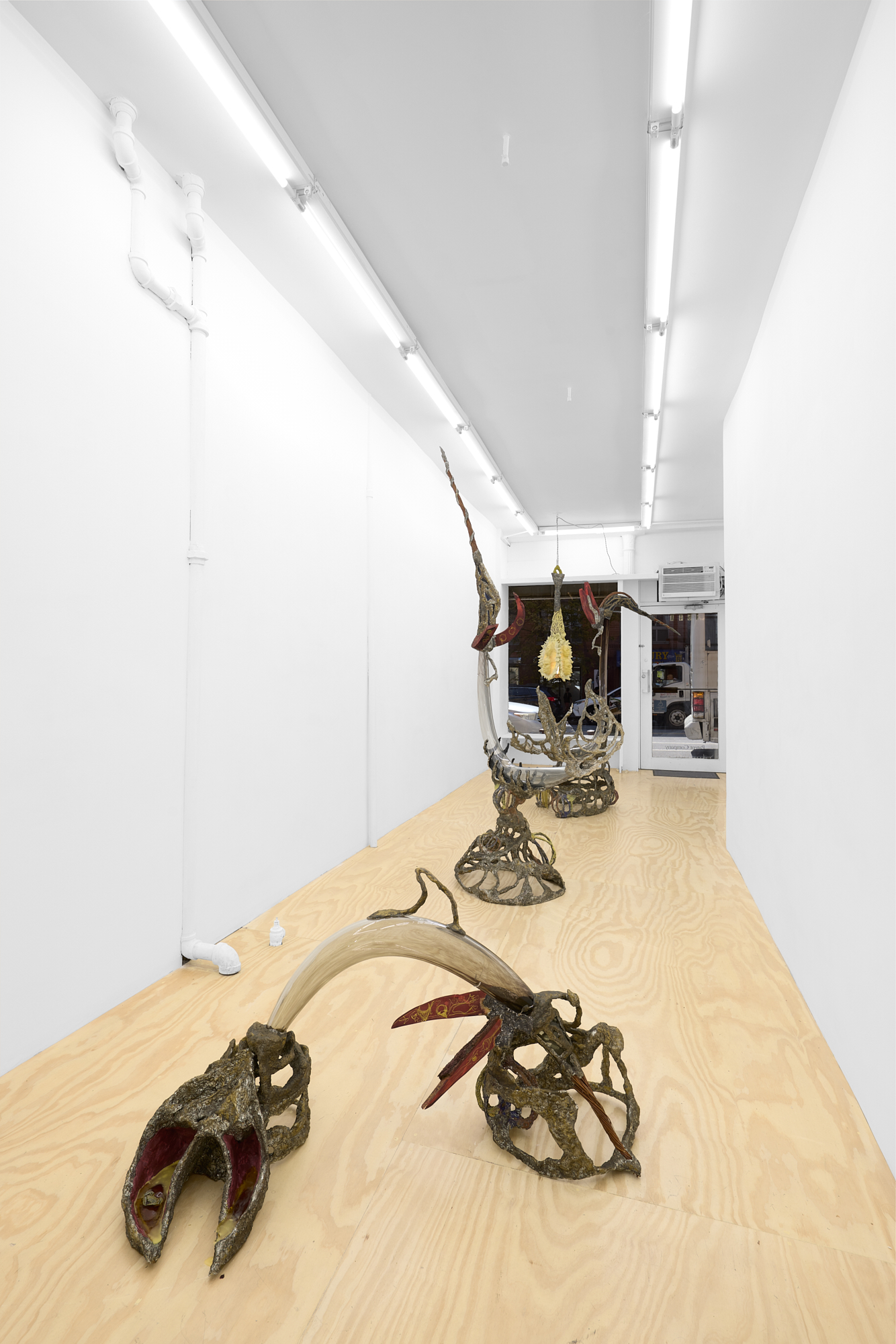
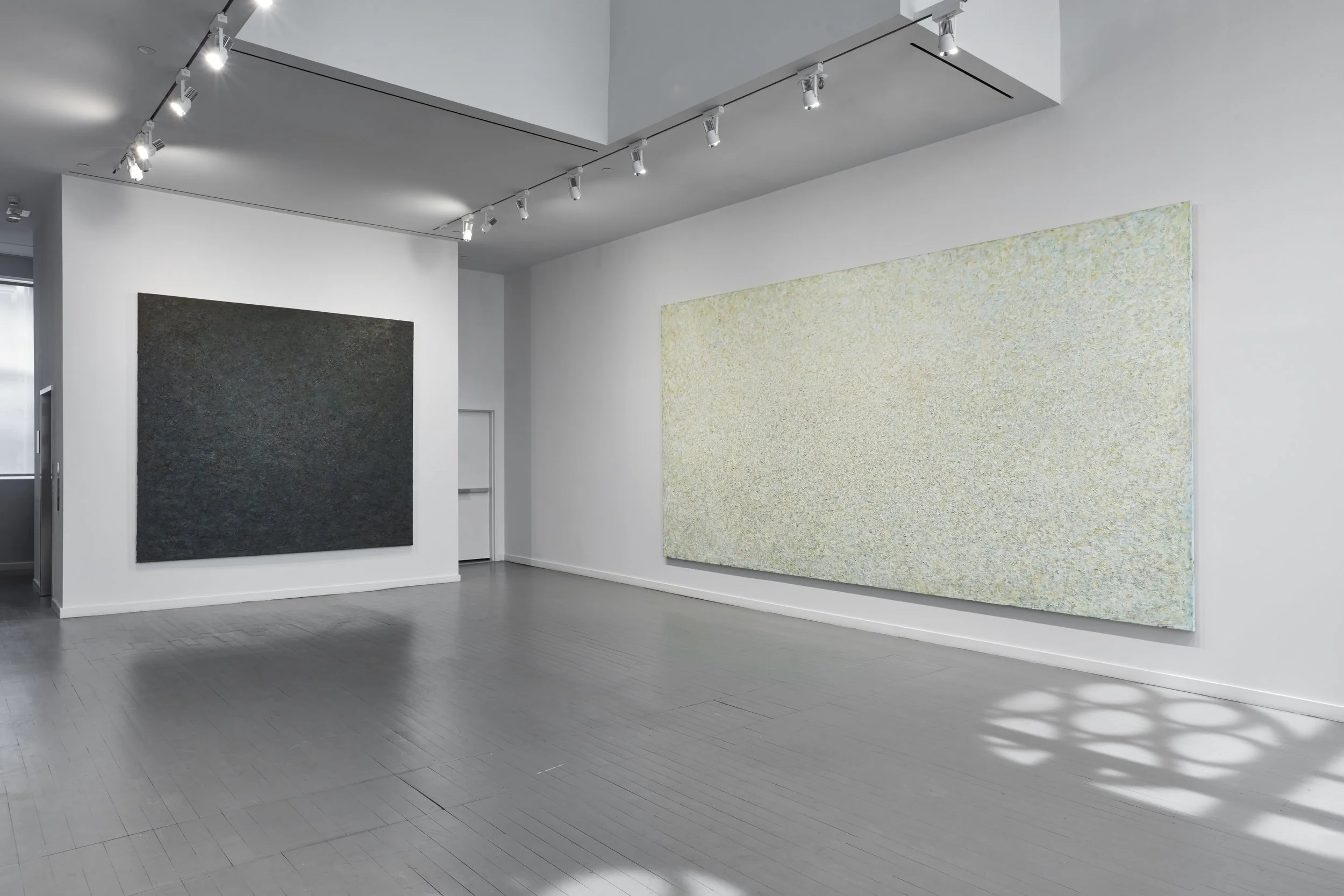
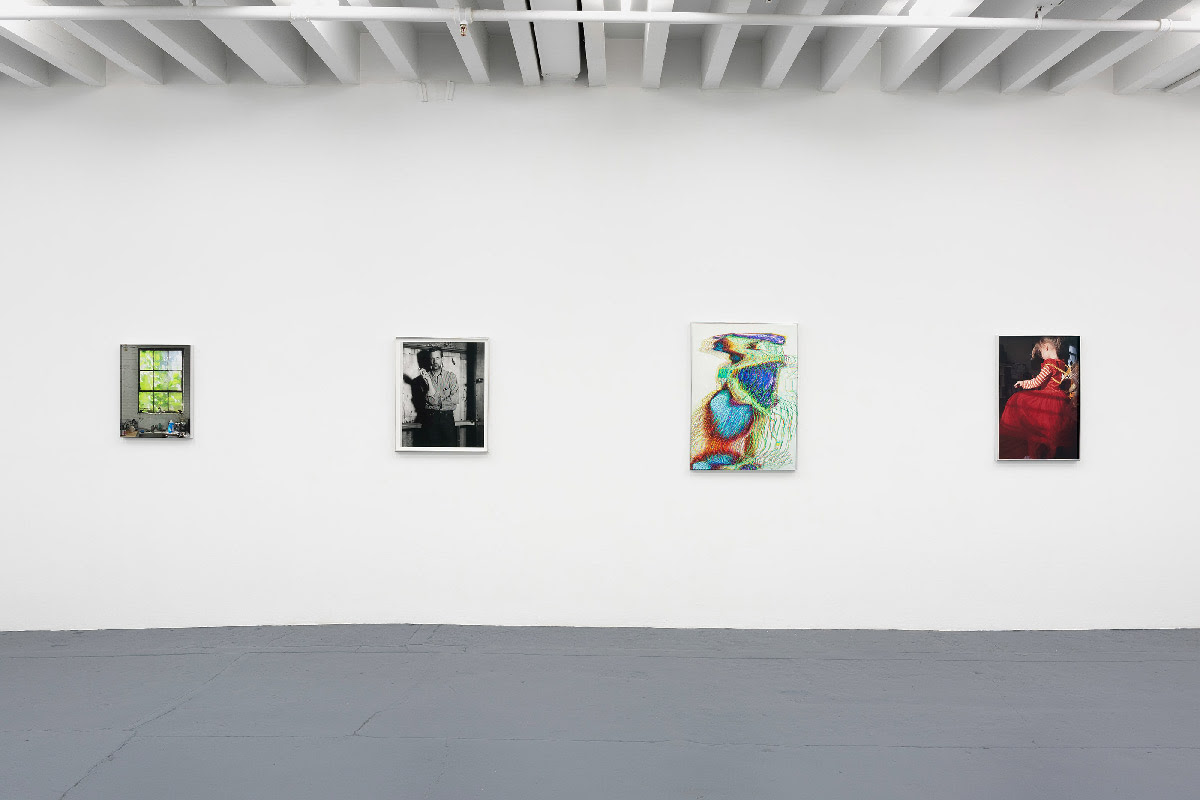
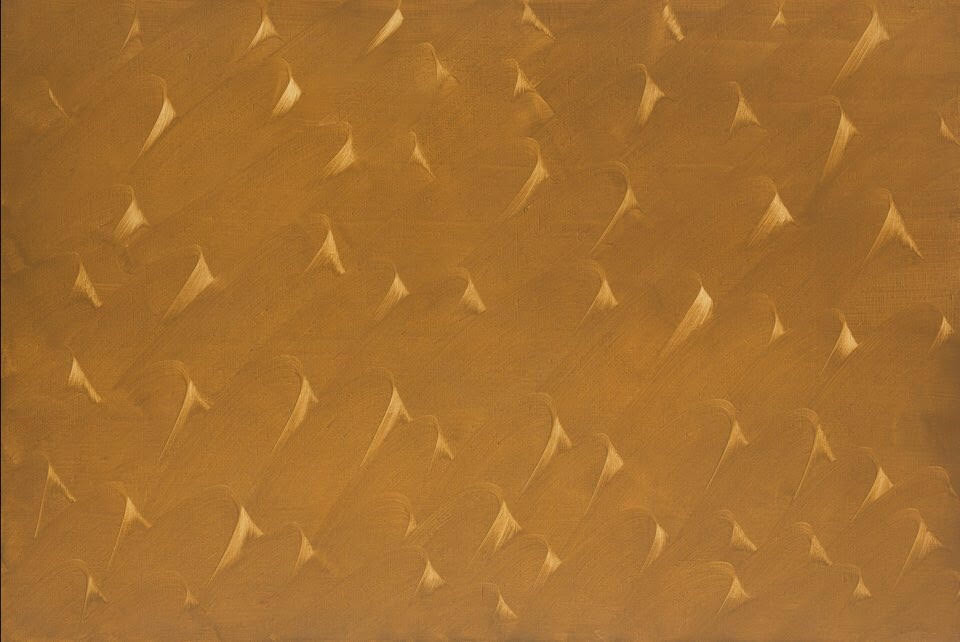
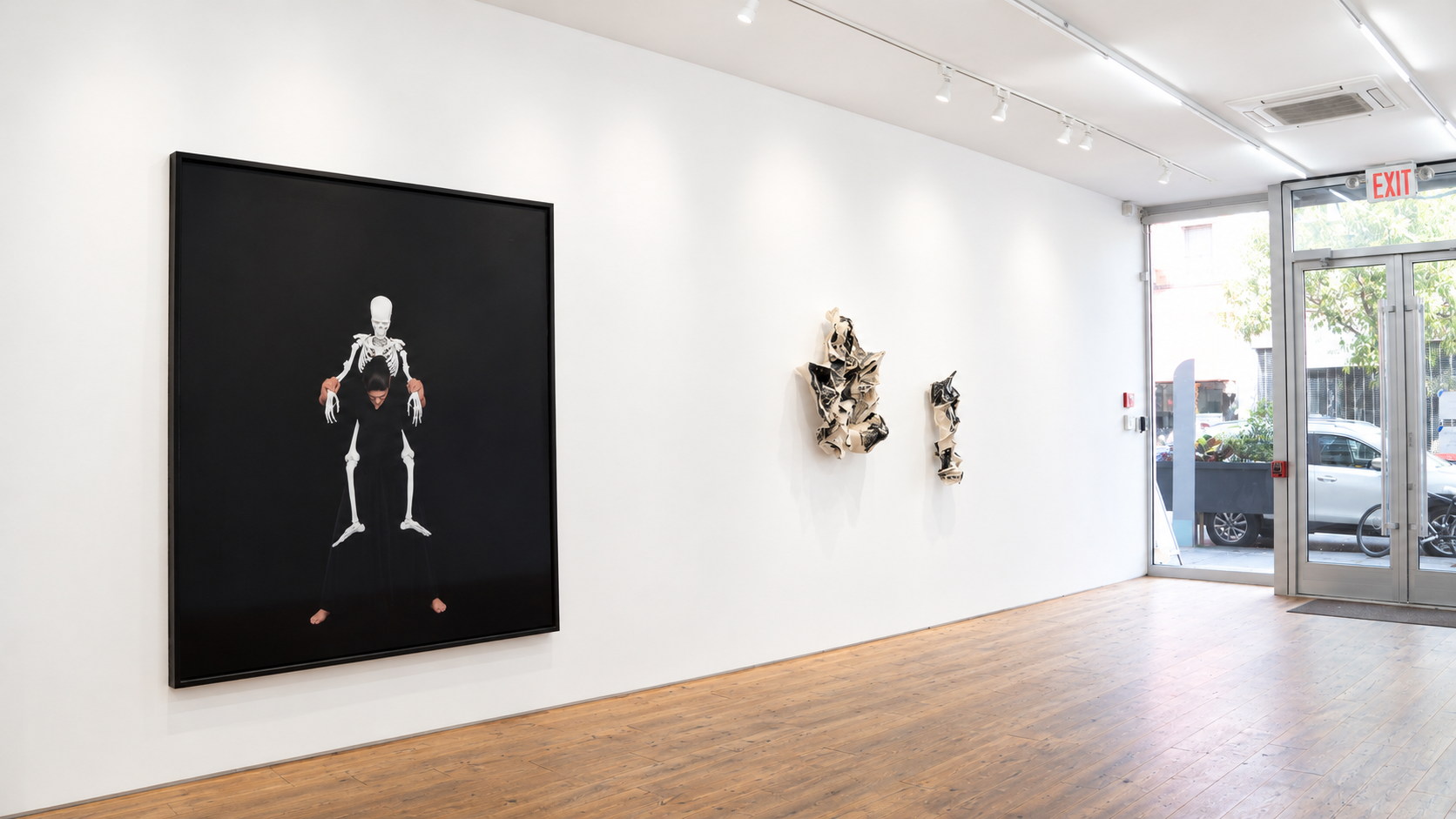
Maxwell Graham/Essex Street is pleased to present John Miller's exhibition Civic Center. In his new series of paintings, wall reliefs, a slide show, carpet works, and a large-scale wallpaper installation, Miller brings the Civic Center district just slightly north to the Lower East Side.
John Miller has surveyed the varied panorama of social life since his first solo exhibition at White Columns some 40 years ago. His work has represented reality television, dating advertisements, lunch breaks, rock and roll, Angela Davis, sports, fruit, and Yvonne Rainer -- with whom he once studied. Miller freely uses diverse materials and media. Likewise, he resists a singular authorial trademark or style. And yet, his work is widely influential, and there is no mistaking the sensibility of something approximating John-Millerism. One of the only subjects which never appears in his work is Miller himself. Perhaps because Miller questions art's claim to transcend its subject matter, this consistently steady mode of impersonality has come to define his practice. His work conforms neither to the mocking irony of postmodernism nor the overweening authenticity of modernity. How better to dispassionately portray the real than to minimize these sentiments?
Civic Center examines New York City's eponymous district, which in the 19th century was a slum called Five Points. Many New York neighborhoods are named by location, such as the Upper East and West Sides. Delineations that form a portmanteau, such as Soho, Nomad, and Tribeca, appeal especially to the real estate industry. Other neighborhoods bear the names of long-deceased industrialists and invaders such as Columbus, Sutton, Rockefeller, Hudson, Stuyvesant, Cooper, Astor, and Carnegie. Rarest are the neighborhoods named for their purpose, such as the Meatpacking and Diamond Districts. Civic Center is one such neighborhood. It includes City Hall, One Police Plaza, the Metropolitan Correctional Center, the United States and New York County Courthouses, and even a local field office of the Federal Bureau of Investigation. It might not be famous, like Broadway or Wall Street, but Civic Center is where the city is governed. It is also where we might most closely follow the city's rule(s).
Civic Center is where so many protests in the past years have begun and where they have ended. It is where even the hulking Tilted Arc was defeated and destroyed by civil servants. This exhibition attempts to expose a tacit version of the civic that aims not so much to serve citizens as it does to surveil and control them. As Miller wrote long ago, "what normal public space is has vanished."
John Miller was born in 1954 in Cleveland, Ohio, and lives and works in New York and Berlin. In the 1970s, he studied at the Rhode Island School of Design, the Whitney Independent Study Program, and the California Institute of the Arts. Miller has had solo institutional exhibitions at Kunsthalle Bielefeld; Schinkel Pavillon, Berlin; Museum im Bellpark Kriens; ICA Institute of Contemporary Art, Miami; Neuer Berliner Kunstverein; Museum Ludwig, Cologne; Kunsthalle Zürich; Musée d'Art Moderne et Contemporain, Geneva; Le Magasin, Centre National d'Art Contemporain, Grenoble; and the Kunstverein Hamburg. He participated in the 1985 and 1991 Whitney Museum of American Art's Biennial and the 2010 Gwangju Biennale. In 2011 the Museum Ludwig in Cologne awarded Miller the Wolfgang Hahn Prize. Miller's criticism has appeared in Artforum, October, Texte zur Kunst. JRP and Les Presses du Réel published compilations of his writing as The Price Club: Selected Writings, 1977-1996 in 2000 and The Ruin of Exchange in 2012. John Miller is currently Professor of Professional Practice, Department of Art History at Barnard College/Columbia University.