Through Feb 20
Lubaina Himid
Low Key Shrines: French Paintings and German Ceramics
Nov 12, 2026 – Feb 20, 2027
Closes Feb 20. Get a reminder before it closes.
 or scan for the iPhone app
More from Lubaina Himid on Gallop
Lubaina Himid has spent five decades making art that subverts the monument, granting the dignity of depiction to those otherwise sidelined from the historical record. A vanguard of the Black Arts Movement in the 1980s, Himid is among Great Britain’s most celebrated artists and its current representative to the Venice Biennale. In Low Key Shrines, she presents a new body of work that examines acts of commemoration, reinventing the public landmarks and domestic altars built to honor the dead.
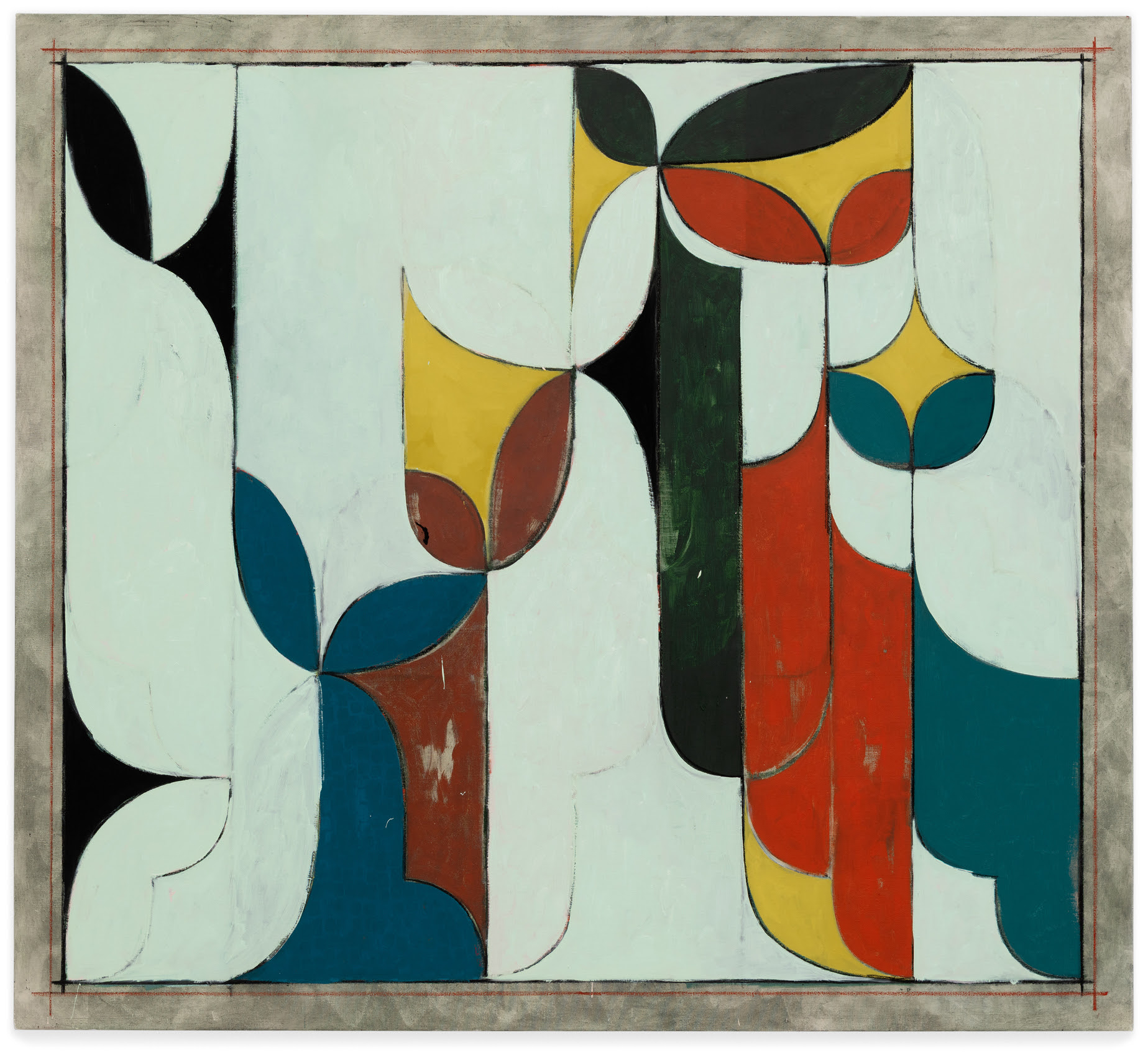
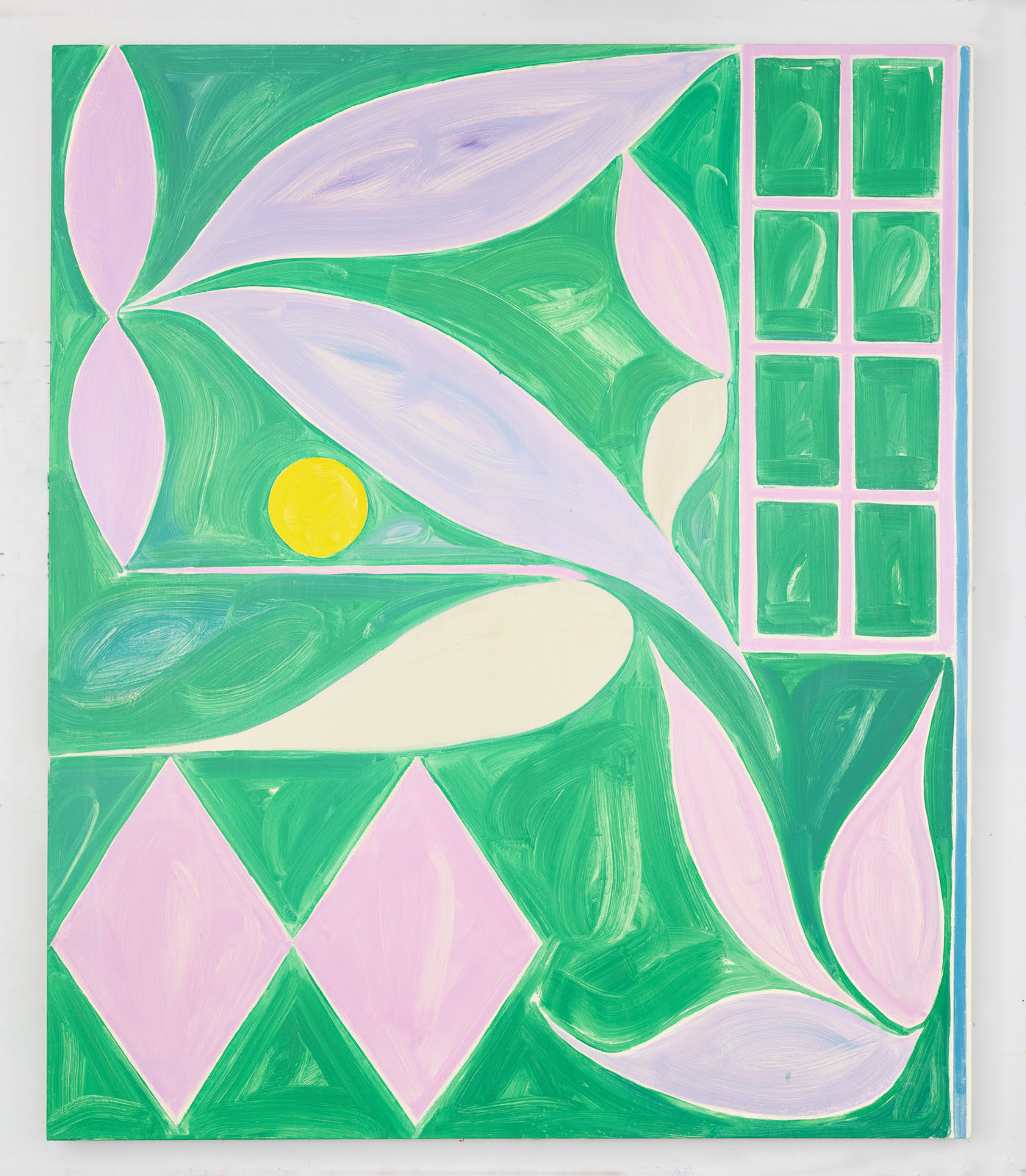
Himid’s latest paintings transform the grid into a series of rectangular niches: some emptied, others strewn with items of felt significance. The artist’s home and studio have long contained ad hoc arrangements that resemble modest shrines— small vignettes of inherited or tender things that make lost loved ones feel near. Himid paints the objects that fill her alcoves with a miniaturist’s eye for the telling detail: the weave of basketry, a flower’s calyx, the sawtooth edge of a postage stamp. Personal effects thus take on a talismanic function, acting as intercessors that hold and mediate our grief.
These private reliquaries are also welcome foils to grand civic monuments “to men and conflict,” which Himid notes have all but erased the contributions of the African diaspora. For her, the myth of imperial progress is best countered not by toppling statues but by raising new ones, asserting the centrality of Black subjects in cultural arenas historically denied to them. Her cardboard assemblages balance portrait busts atop boxes painted like fluted columns, their triumphal architecture humbled by found materials that tout their own impermanence. And in a suite of drawings called Studies for Monuments, impeccably dressed men confront dated pillars to colonial power, defying the memorials’ entrenched politics with stylized self-possession.
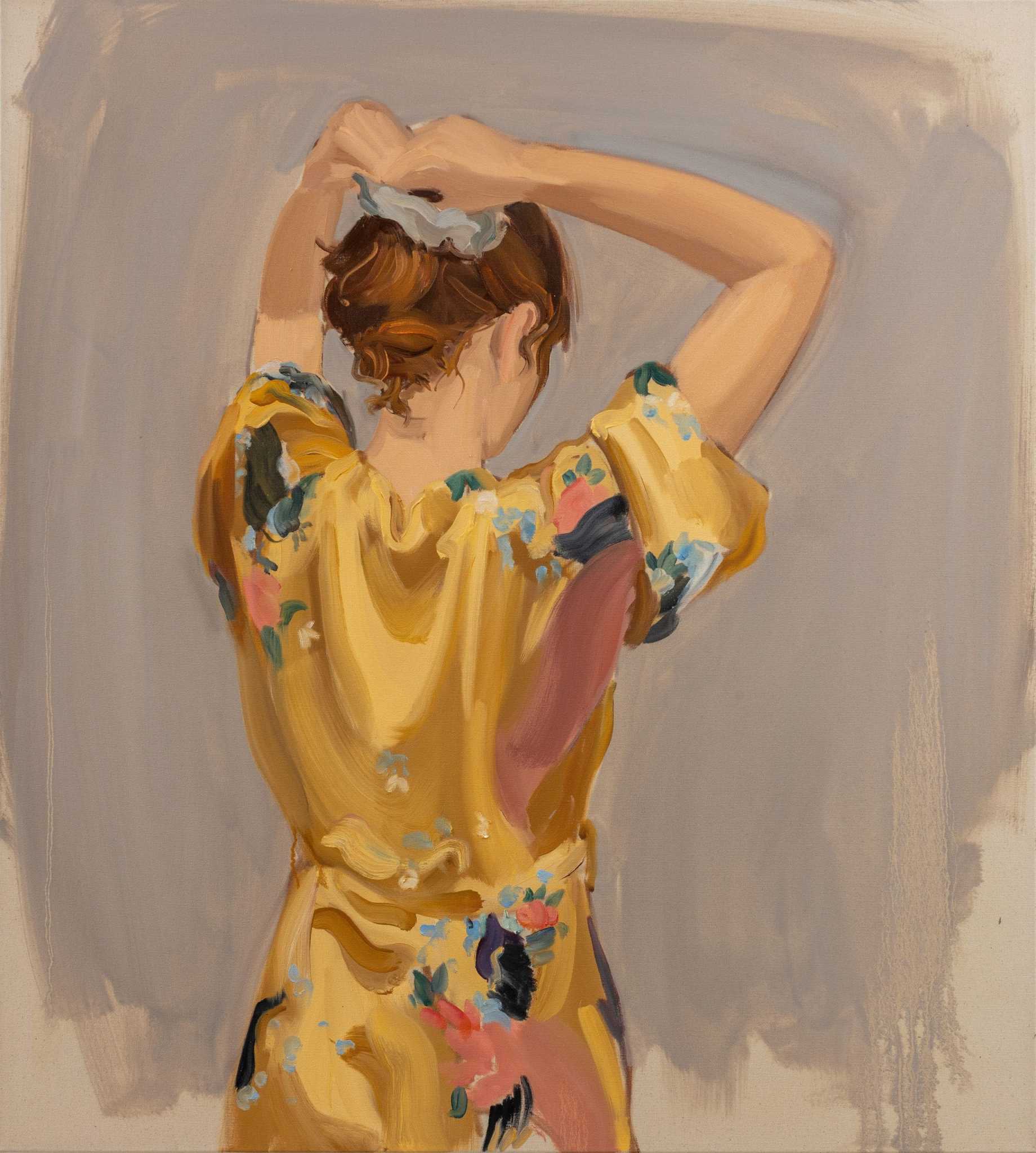
Himid’s deft collages use pages torn from books on the French School of painting and German porcelain, deaccessioned from her local university library due to lack of student use. That neglect mirrors the reputational decline of the art movements themselves, which were once canonical but are now largely ignored. Himid subjects these markers of aristocratic taste to her own sly interventions, weighing how the passage of time can inflect what is deemed valuable and worthy of preserving. That salvage impulse takes a more elegiac form in her paintings on discarded furniture, including partial figures on the interiors of wooden drawers. Opening a drawer invites a chance encounter, an airing out of hidden depths. Himid describes these containers as ideal vessels for “lost or forgotten lives, ” places to safeguard the “memories of people whose names no one bothered to write down.”
Lubaina Himid, CBE (b. Zanzibar, 1954), lives and works in Preston, England. She is representing Great Britain at the 61st Venice Biennale, on view through November 22. Himid received the Turner Prize in 2017 and was the subject of a major survey at Tate Modern in 2021–22. Other recent solo and two-person exhibitions (with Magda Stawarska) include concurrent presentations at Musée d’Art Moderne and Chapelle Saint-Louis de la Salpêtrière, Paris (2026); Kettle’s Yard, Cambridge (2025); Mudam, Luxembourg (2025); UCCA Center for Contemporary Art, Beijing (2025); FLAG Art Foundation, New York (2024–25); Greene Naftali, New York (2024); The Contemporary Austin (2024); Sharjah Art Foundation, UAE (2023–24); Glyndebourne Opera Festival, East Sussex, UK (2023); Musée cantonal des Beaux-Arts, Lausanne, Switzerland (2022); Tate Britain, London (2019); Frans Hals Museum, Haarlem, The Netherlands (2019); CAPC Bordeaux, France (2019); New Museum, New York (2019); Spike Island, Bristol, UK (2017); and Modern Art Oxford, UK (2017).
Her work is in the collections of the Baltimore Museum of Art; Hammer Museum, Los Angeles; Hessel Museum of Art, Annandale-on-Hudson, New York; Museum Ludwig, Cologne; National Museums, Liverpool; Pérez Art Museum Miami; Rhode Island School of Design Museum, Providence; Royal Academy, London; Solomon R. Guggenheim Museum, New York; Tate, London; and the Victoria & Albert Museum, London, among others.