
Ended
Valerio Nicolai
Sep 9 – Oct 7, 2023
Campoli Presti is pleased to present Valerio Nicolai’s first exhibition with the gallery.
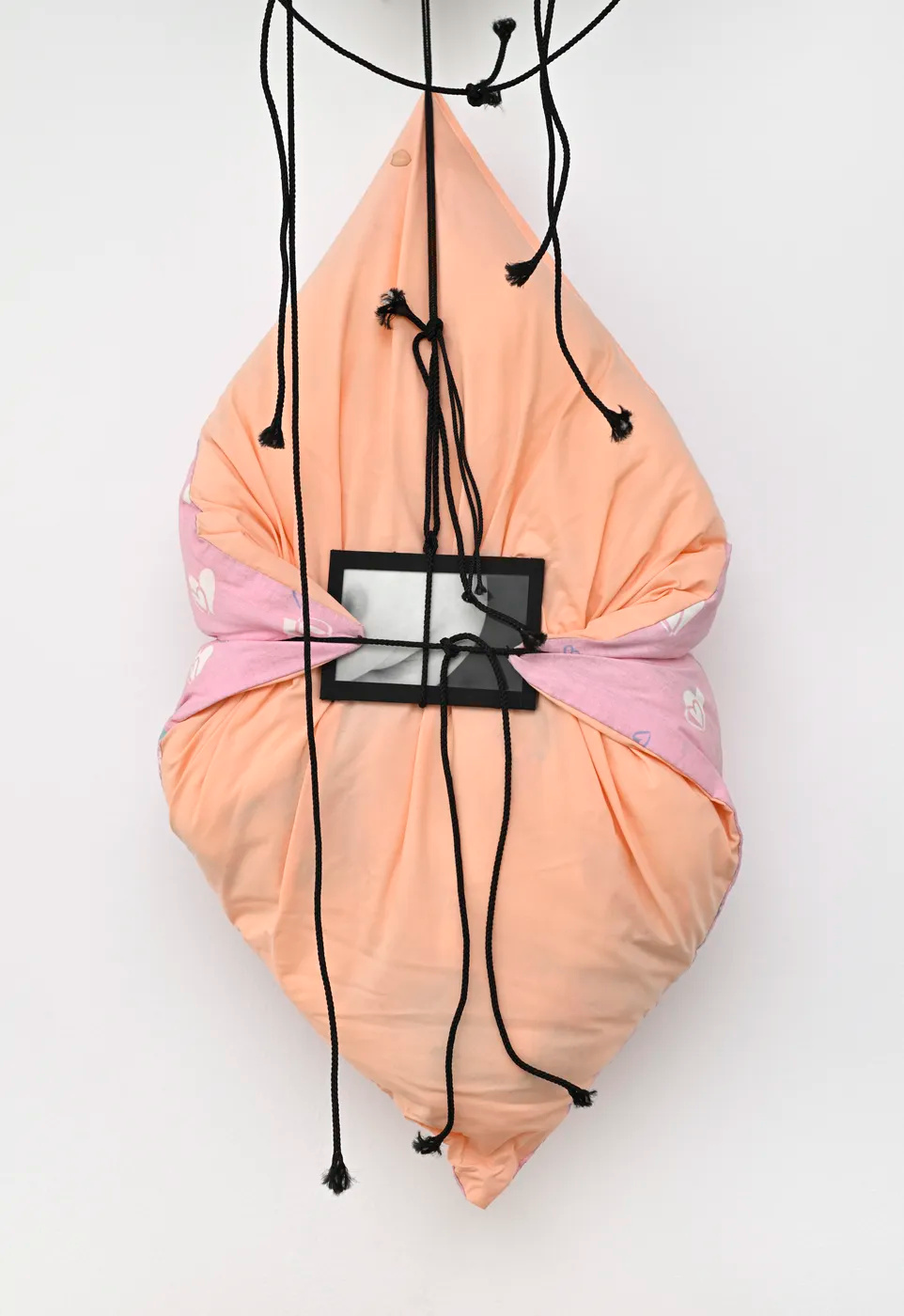
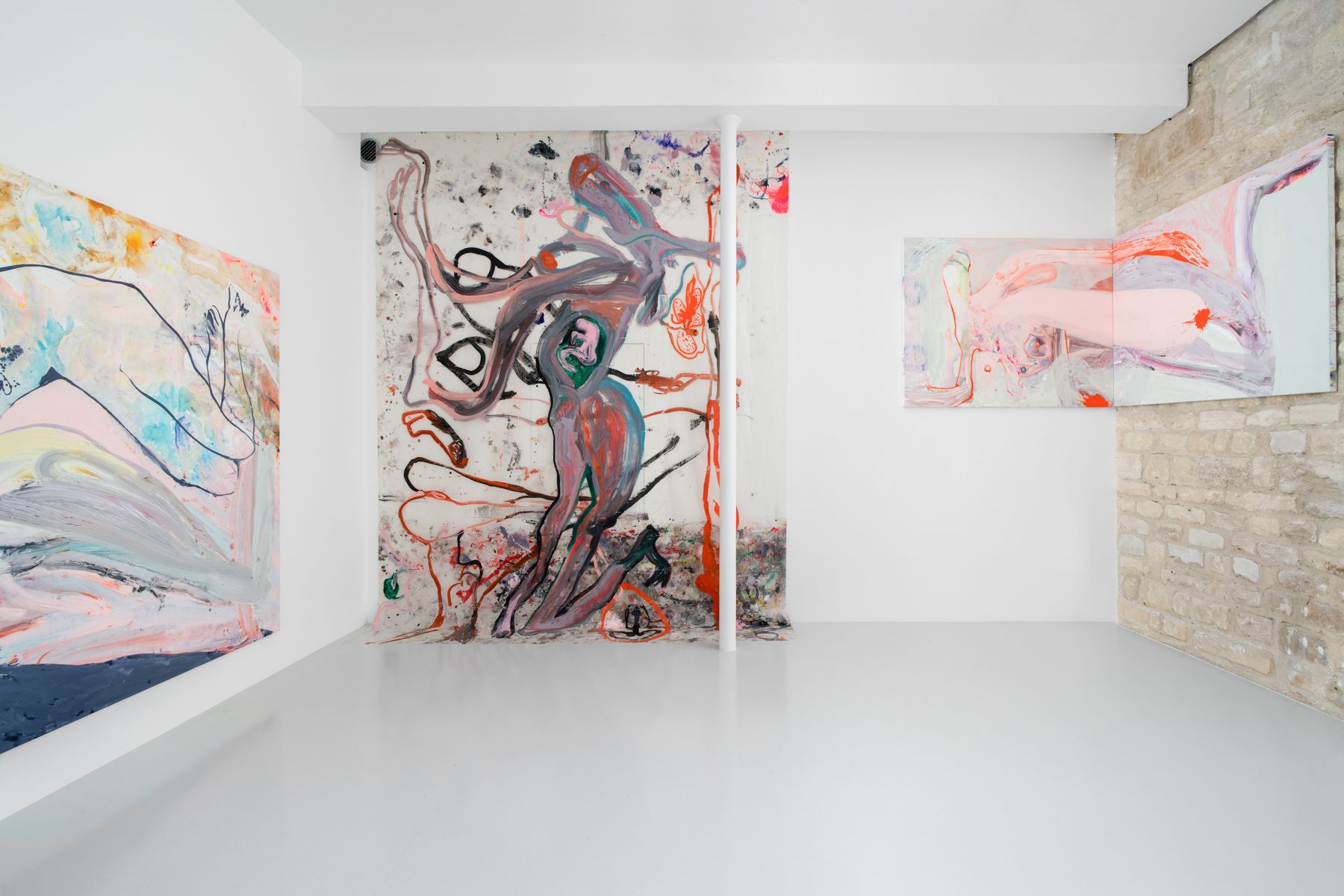
Valerio Nicolai uses the space of painting to confront art history’s consecrated subject matters with elements of the prosaic and the everyday. The traditional still life, a tool for both deadpan description and ambiguous symbolism, is declined into contemporary commonplace objects, images and banal situations. Drama and humor end up inhabiting his fictional scenes, building a tension between glorified artistic topics and the realistic, absurd way they can come into existence. Either through painting, drawing or sculpture, his work continues the derisive conceptual strategy of Gino de Dominicis or Piero Manzoni through the use of the most ordinary or grotesque motifs (like Mare di Merda / Sea of Shit, 2017) to convey a critical but also empathic view of the function of art.
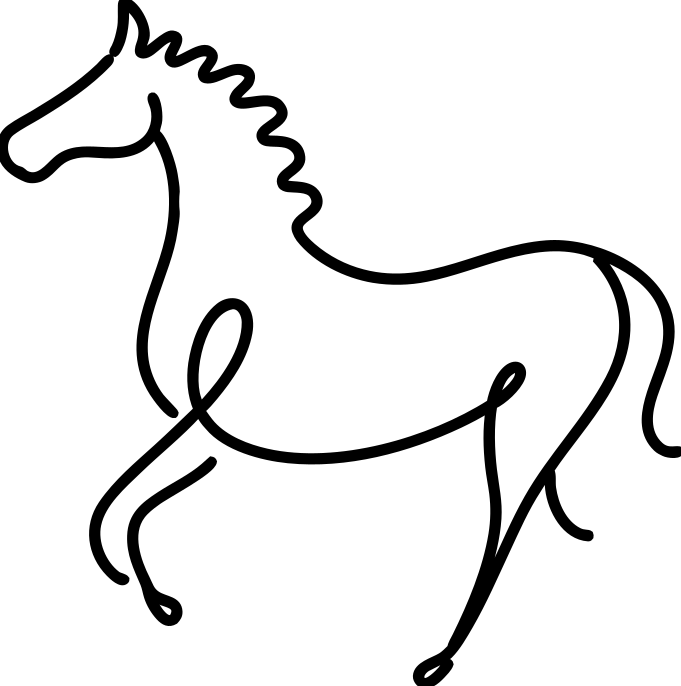
By approaching scale in playful manner, the works can be experienced both as grandiose moments of contemplation or as straight punchlines. Monumental paintings of monumental horses, a longtime symbol of death, take possession of the confined exhibition space, while the horses themselves attempt to occupy the picture plane and find their place next to washing machines depicted in varying angles. Hinting at painting’s virtuous transparency techniques, some of the inside drums are meant to be visible from the outside, multiplying possible viewpoints and inviting the viewer to adopt an inescapably awkward position. The ridiculously smaller “Mare di Merda” paintings contrast the magnitude of the noble, classic subject of the sea to an ironic expression used when one finds themselves in big trouble.
Behind these confined spaces - either the boxy shape of a washing machine, or the drawers, cabinets and chambers of the first floor - there is an allegory of the tomb and the different ways in which funerary architecture can organize and give access to the unknown. The figure of the castle is used as a tool to shape the artist's layering of thoughts ideas, doubts and mental processes involved in the process of painting. Caught up in afterthought, both conceptual and formal, the artist's doubts and indecisions explain the shape the castle takes. Connected by different patterns of support such as spirals, ladders, stairs, and ramparts, Nicolai’s imagery drifts inside a contained space that is wavering and at times paranoid, but where all elements can transition from the crude to the poetic, from the mundane to the eternal.
Valerio Nicolai (Gorizia, IT 1988), lives and works in Milan. He studied at Accademia delle Belle Arti in Venice. Upcoming projects include: 'Pittura Italiana oggi', curated by Damiano Gullì, Triennale, Milan; 'PickPocket', curated by Massimiliano Scuderi and Renata Lucas, Fondazione Zimei, Teatro Michetti Pescara; solo show, curated by Alessandro Zechini, Museo Osvaldo Licini, Ascoli Piceno. Nicolai was awarded the Licini Prize in 2023.
Recent solo exhibition include : 'Sole con le code', Clima, Milan (2022); Birthmarker, Galeria Madragoa, Lisbon (2021); 'Amarena', Clima, Milan (2019); 'Heart’s rock and Potato’s spirit', Las Palmas Project, Lisbon (2018); 'Prospettiva di una matrioska', smART Foundation, Rome; 'Processo a porcospino', Clima, Milan (2017); 'Trasformazione permanente di un mago in formica', Treti Galaxie, Turin (2016).
Recent group exhibitions include : Panorama Monopoli, curated by Vincenzo De Bellis, (2022); 'Expectations', curated by Fondazione Zimei, Pescara (2022); 'Movie Buff', curated by Alfredo Aceto, All Stars, Lausanne, 'Sul Disegno e la Pittura (Ne Usciremo)', curated by Renato Leotta, Galeria Madragoa, Lisbon, Basta, Palazzo Monti, Brescia (2021); 'Stasi Frenetica', curata da Ilaria Bonacossa, GAM Torino; Quadriennale Arte 2020, Roma; Art Residency - Port Tonic Art Center; 'Swamp Horses', Spirit Vessel, Espinavessa (2019); 'straperetana' 2018, curated by Saverio Verini, Pereto (AQ) (2018); 'Trigger Party', curated by Andrea Magnani e Zoe De Luca, Marselleria, Milan (2018); 'Shit and Die', curated by Maurizio Cattelan, Palazzo Cavour, Turin (2014).