Ended Jan 11
Annie Leibovitz
Stream of Consciousness
Nov 2, 2024 – Jan 11, 2025
More from Annie Leibovitz on Gallop
Annie Leibovitz: Stream of Consciousness presents a group of works by the distinguished American artist. Foregoing a linear timeline or conventional thematic constraints, the exhibition is conceived to reveal glimpses into Leibovitz’s highly associative thought processes, creating a fluid visual dialogue among photographs that aren’t anchored in the moment they were made. Stream of Consciousness includes landscapes, still lifes and portraits.
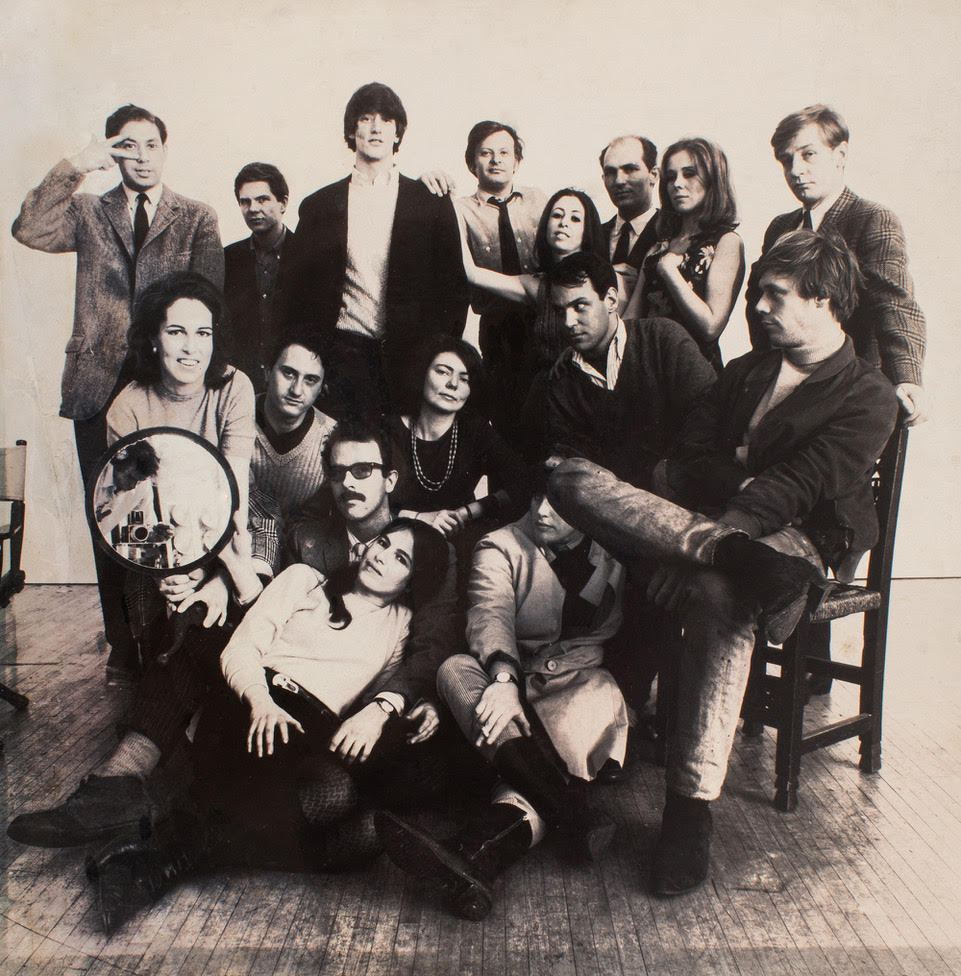
Annie Leibovitz was born in 1949 in Connecticut. She bought her first camera in the summer of 1968, when she was a student at the San Francisco Art Institute, and her early works are punctuated by images of the Bay Area landscape and photographs shot during drives the artist often took on the highways between San Francisco and Los Angeles. She switched majors from painting to photography, and while still a student, in 1970, she approached Rolling Stone magazine—just three years after its inception—with a few of her pictures. Some of them were published, thus beginning her career as a photojournalist and embarking on what would develop into a symbiotic relationship between the young photographer and a magazine famous for reflecting the American zeitgeist. Leibovitz’s first major assignment was for a cover story on John Lennon.Leibovitz became Rolling Stone’s chief photographer in 1973, and by the time she left the magazine, she had amassed 142 covers and published photo essays on scores of stories, including the 1975 Rolling Stones tour. Moments of freedom and an unyielding imagination fed the evolution of Leibovitz’s photography. The monumental body of work taken during her thirteen-year tenure at Rolling Stone blurred the lines between celebrity and civilian, interviewer and interviewee, artist and subject, dissolving the boundary separating Leibovitz from those captured in her photographs. Documenting fellow reporters and photographers in addition to their subjects, Leibovitz highlighted those hidden behind the camera and brought them to the forefront.