Ended Aug 25
Interior Resonances: 10th Anniversary Show
Jul 13 – Aug 25, 2023
Heather Dewey-Hagborg, Tamar Ettun, Alina Grasmann, Milford Graves, Yvette Janine Jackson, Remy Jungerman, Nina Katchadourian, Dana Kavelina, Victoria Keddie, Jacob Kirkegaard, Nate Lewis, Dindga McCannon, Daniel Neumann/CT::SWaM, Aura Satz, Kazumi Tanaka, Pascale Marthine Tayou, Jan Tichy, Summer Wheat
Curated by Regina Basha
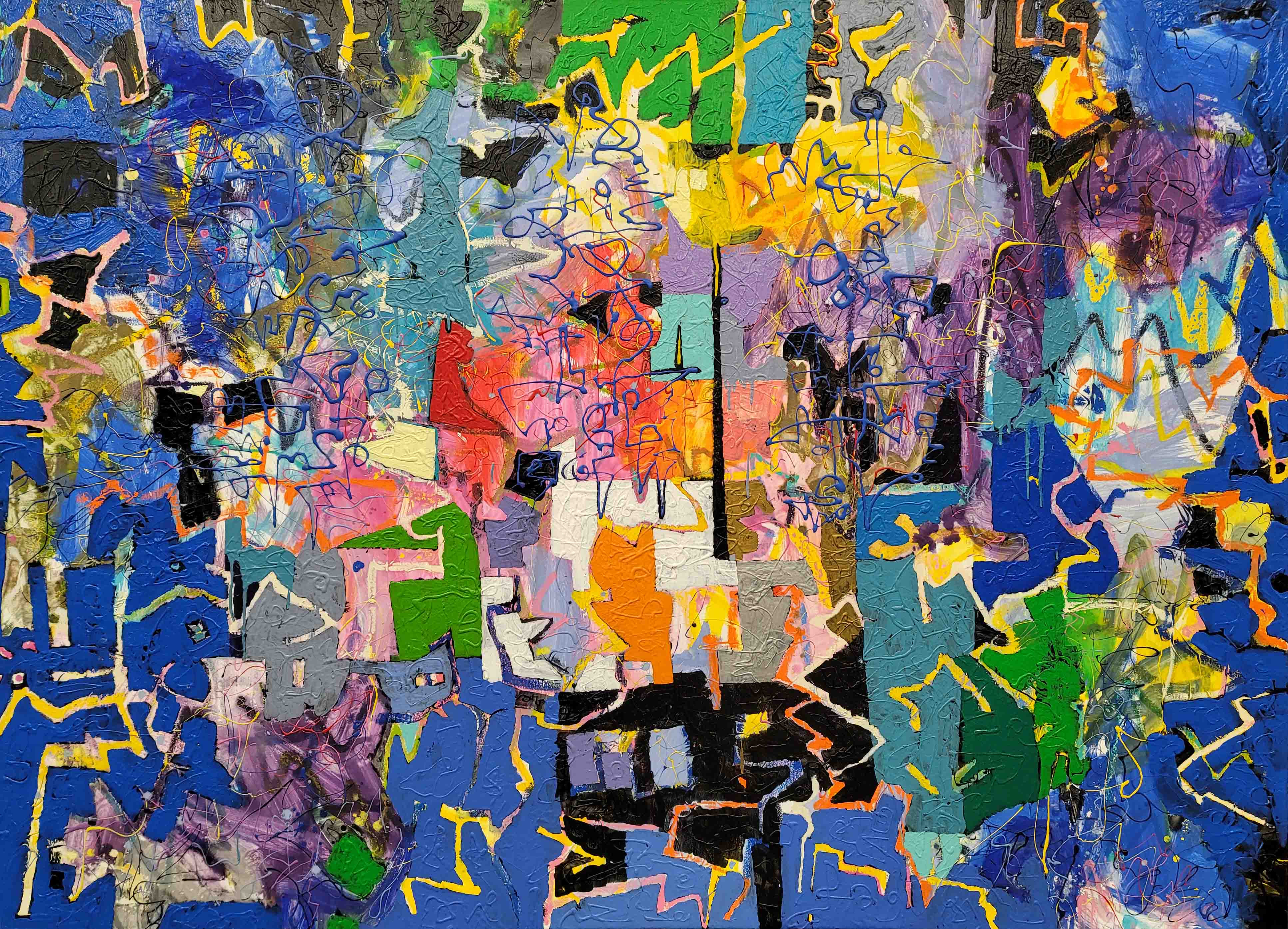
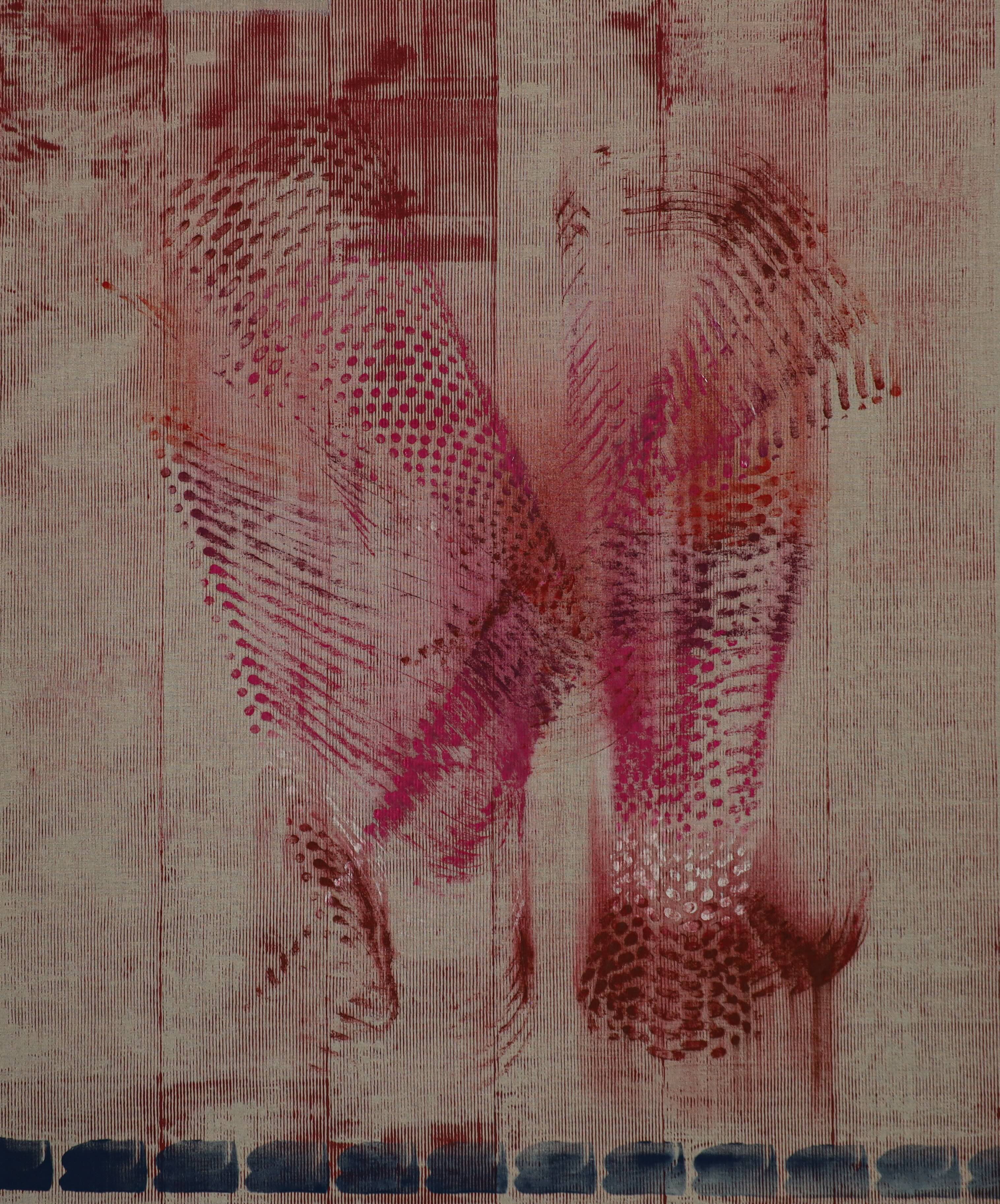
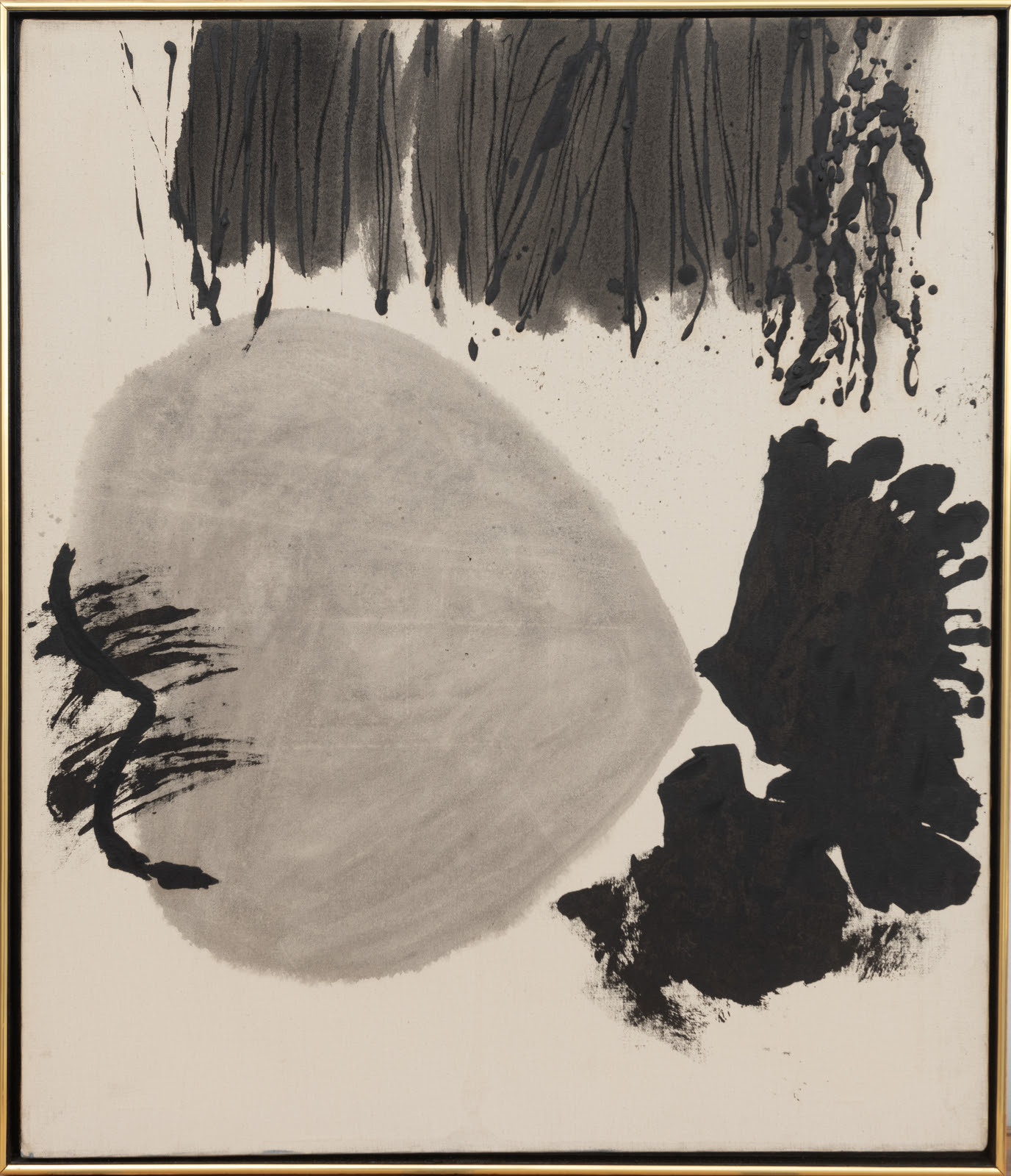
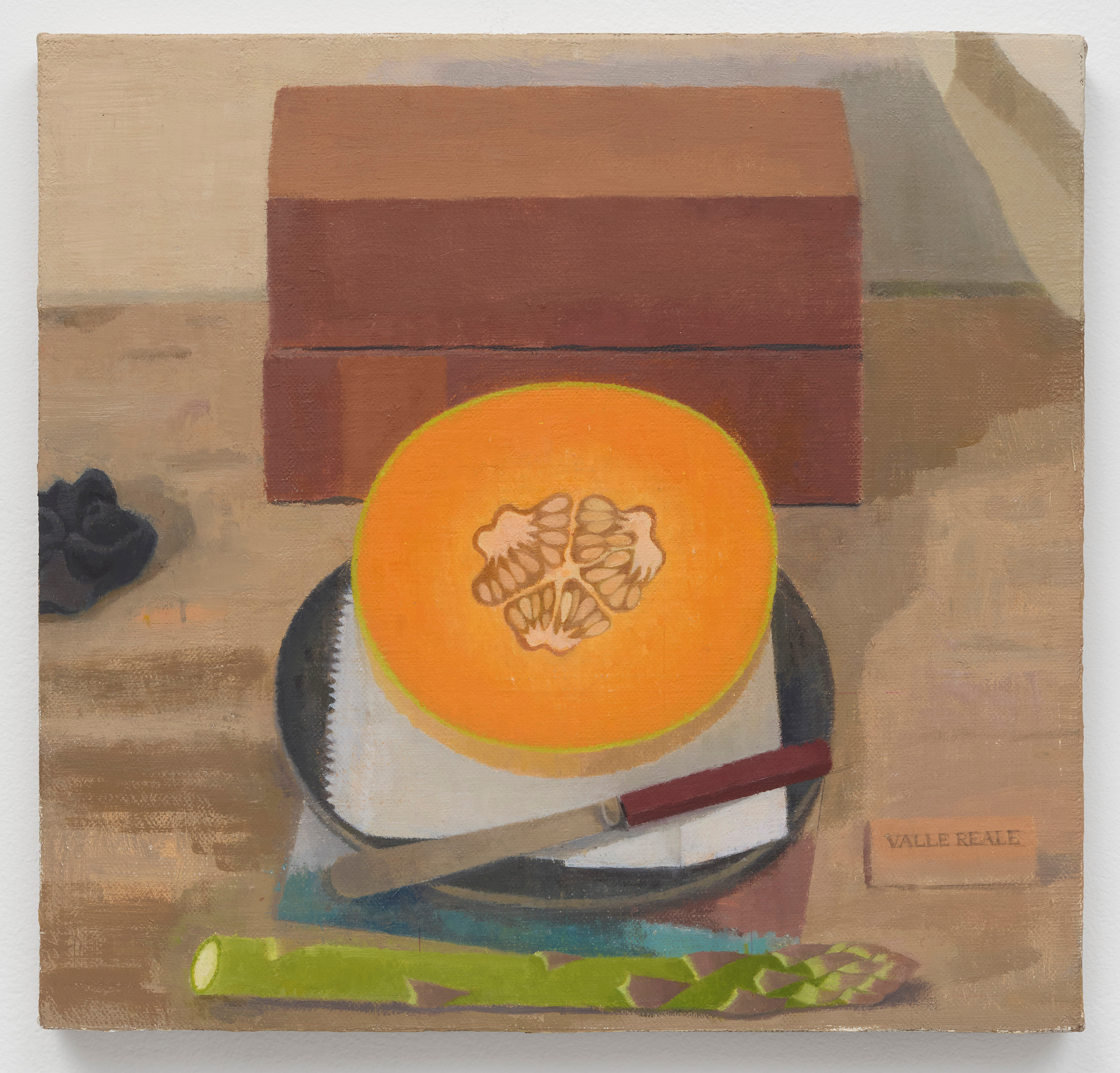
It has been 10 years since the first show at Fridman Gallery. From the beginning, the gallery aimed to show emerging artists working in painting, sculpture and installation; often giving the artists space to create new work and experiment and guest curators room to explore ideas. The 10th anniversary show consists of three distinct but related parts:
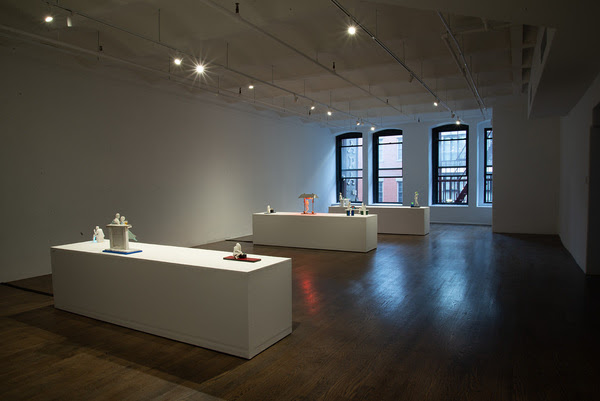
Interior Resonances: an exhibition of sculptures, prints, and paintings in the gallery’s main space. Curated by Regine Basha.
CT::SWaM’s "Plasticity Office" in the gallery’s showroom. Designed by sound engineer, artist and curator Daniel Neumann.
A microcinema in the gallery’s downstairs media room featuring an ongoing montage of past performances, interviews, and a weekly screening series.
Nate Lewis is recognized for his intricate works on paper, which combine elements of photography, printmaking, sculpture and drawing. Lewis sculpts patterns and textures akin to cellular tissue and topography. Rather than serving as a medium, the paper is transformed into the subject. Handmade from pulp, they are microcosms of fundamental life forces – water, pressure, matter and chance.
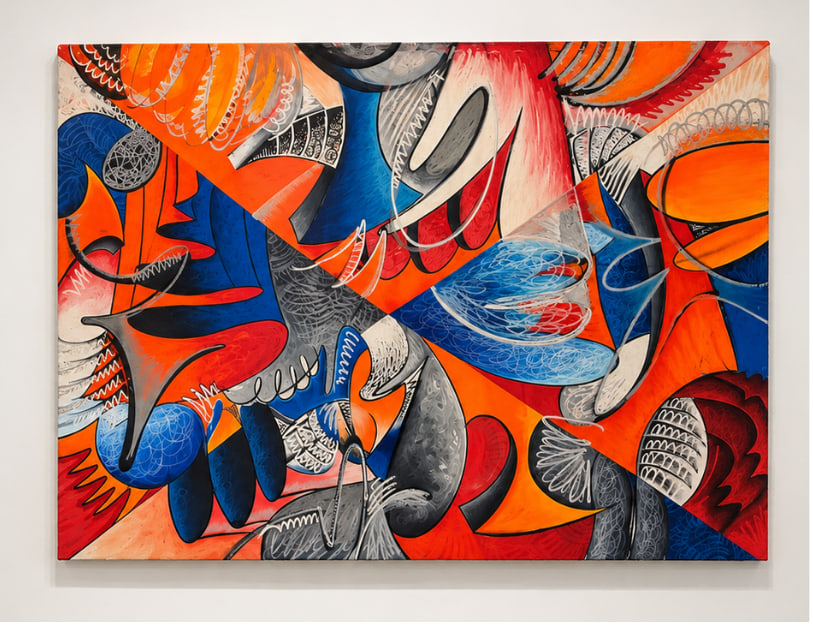
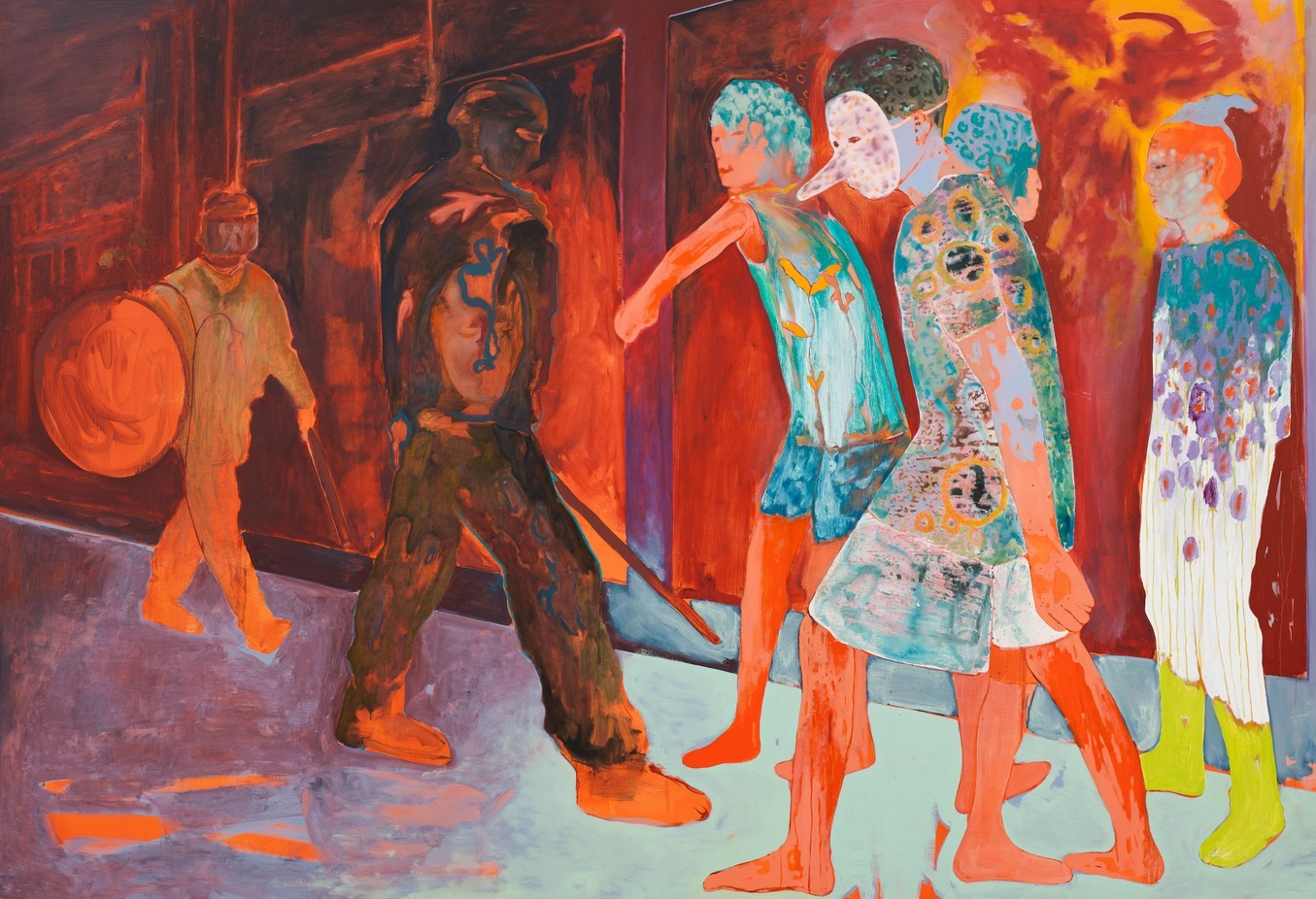
Summer Wheat’s paintings and sculptural forms are characterized by expressive structure and color that challenge the limits of material and process. She centers her subject matter upon the figure and narrative, and utilizes innovative painting techniques to create rich, fiber-like surfaces.
Pascale Marine Thayou’s work is characterized by its variability, since he confines himself in his artistic work neither to one medium nor to a particular set of issues. His work is deliberately mobile, elusive of pre-established schema, heterogeneous. It is always closely linked to the idea of travel and of coming into contact with what is other to self, and is so spontaneous that it almost seems casual.
Dana Kavelina's works address military violence, historical and individual trauma, and memory.
Milford Graves was a visual artist, drummer, healer, computer programmer, martial artist, and professor of music. His spirit defined the sounds of free jazz, a musical style that became a symbol of Black empowerment. Graves’ artworks combine the various elements of his genre-bending practice: sculptures, drawings and paintings of energy flows connecting body and mind, often incorporating musical instruments and anatomical studies.
Kazumi Tanaka makes intricate works that are meditations on memory and loss. Tanakas works features tiny musical instruments incorporating animal skulls, seashells, wood, the artist's own hair and other materials.
Aura Satz works in film, sound, performance and sculpture, in order to conceptualize a distributed, expanded and shared notion of voice. She explores various sound technologies, and ways in which these might resist standardization, generating new soundscapes, and in turn new forms of listening.
Dindga McCannon's mixed-media paintings, quilts, and works on paper focus on the stories of women: iconic public figures, unknown heroines, family, and friends from Harlem.
Remy Jungerman explores the intersection of pattern and symbol in Surinamese Maroon culture and 20th Century Modernism, utilizing West-African textiles and kaolin clay. In bringing seemingly disparate visual languages into conversation, Jungerman’s work challenges the established art historical canon.