Ended
Poetry as Politics: Seeing Beyond the Object
Mar 20 – Jun 28, 2025
Noah Purifoy
John Outterbridge
David Hammons
Betye Saar
Timothy Washington
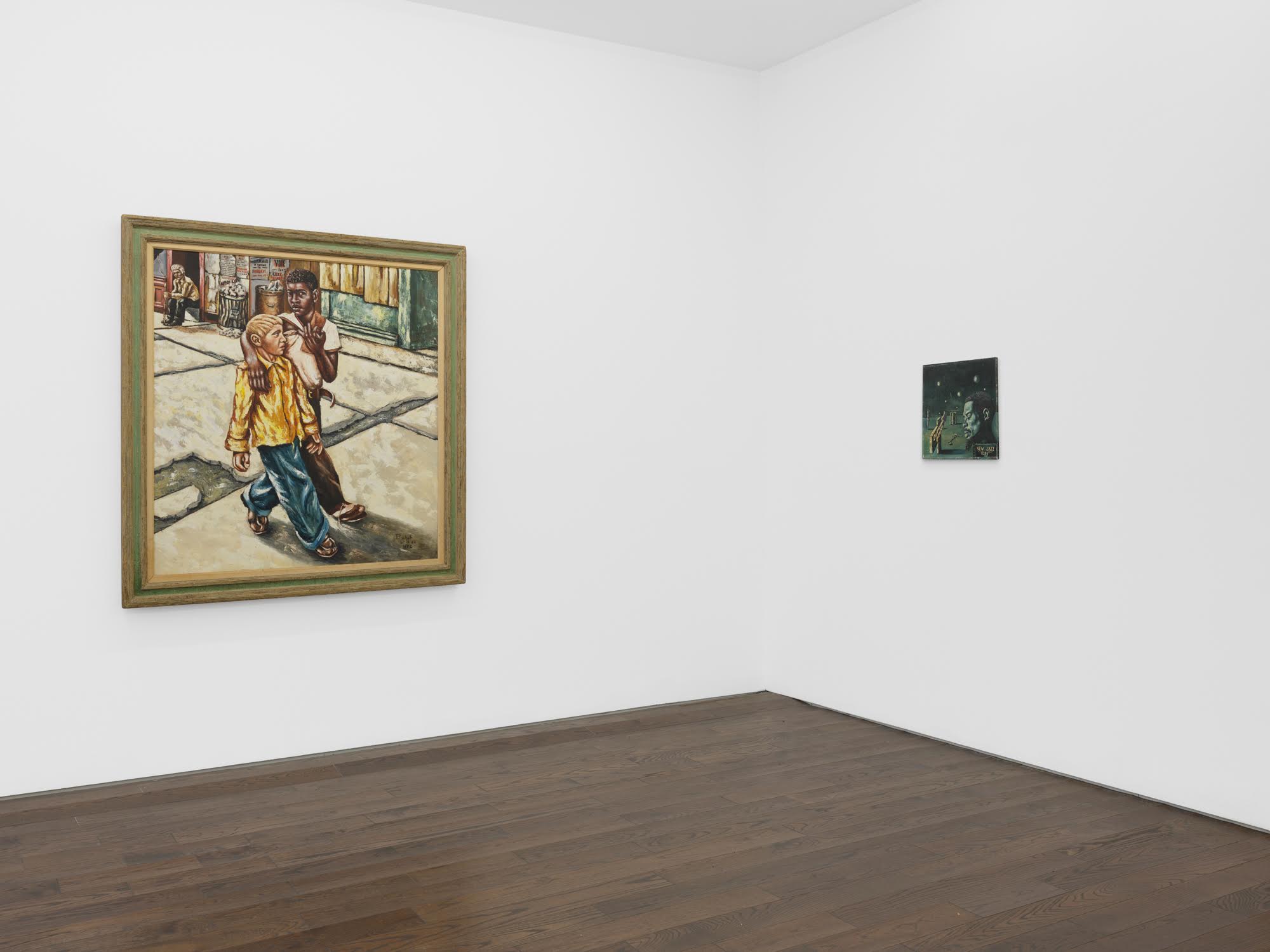
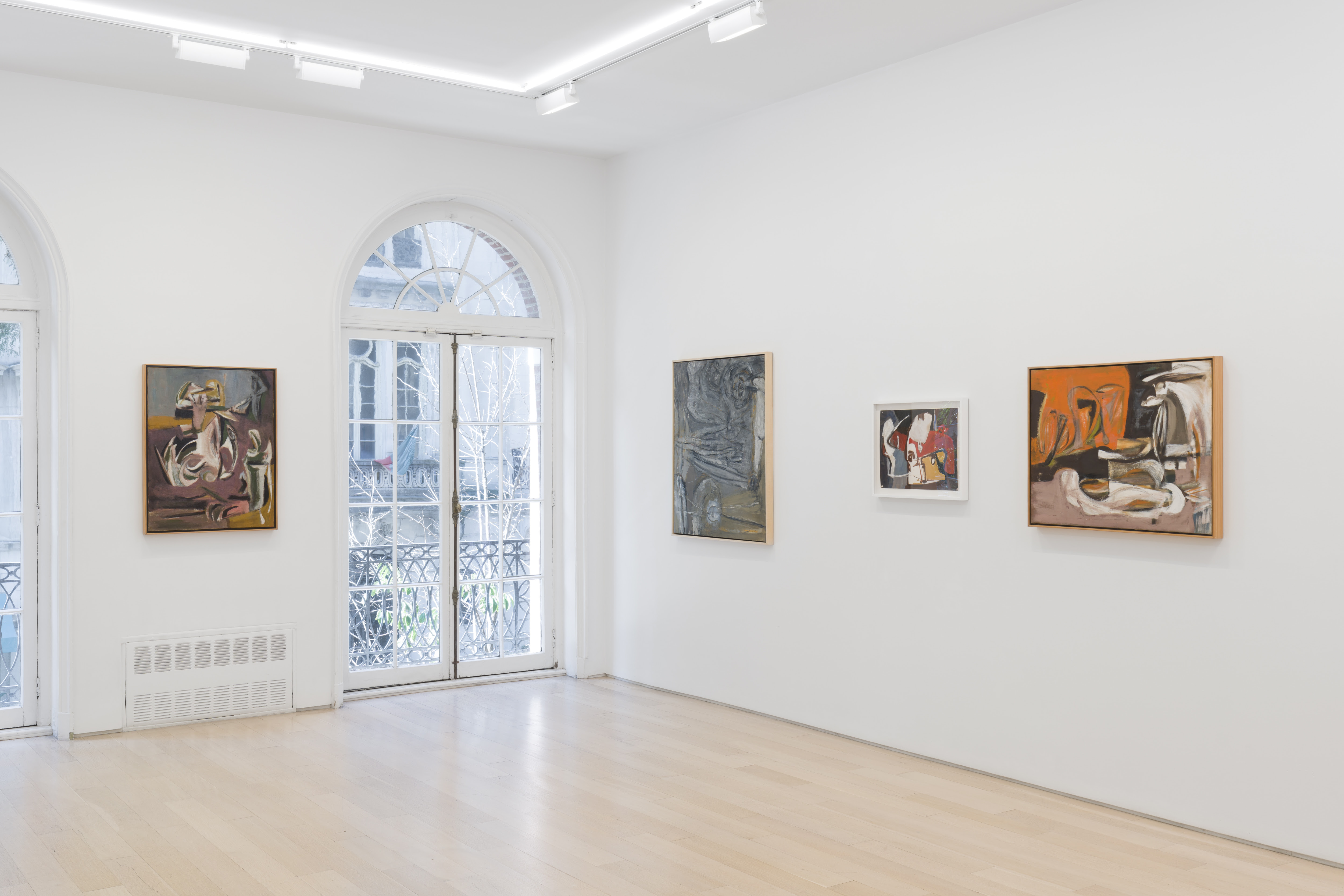
Tilton Gallery is pleased to present an exhibition of works by Noah Purifoy and a few of his contemporaries who are kindred spirits in their attitudes and philosophy towards art making. The exhibition centers on Purifoy's signature assemblages and includes works never before exhibited in New York. Works range from his important early 1965-66 Watts Remains from the rare group of works made for the exhibition 66 Signs of Neon in response to the 1965 Watts Rebellion to indoor and outdoor works from his period in Joshua Tree. Additional artists include John Outterbridge, David Hammons, Timothy Washington, John Riddle, Daniel LaRue Johnson, Varnette Honeywood, Betye Saar, and Donald Stinson. Many of these works also have rarely, if ever, been shown.
Noah Purifoy and the artists in his circle in Los Angeles from the mid-sixties on, many of whom worked primarily in assemblage, believed in the power and poetry of art to effect change and to propel thought beyond the art object to move attitudes in real life and political thinking. Purifoy has stated: "When you do art, you see beyond the object. That effort of seeing beyond the object is also present in human relations." He believed that art is a powerful tool for social change and that creativity and activism go hand in hand. John Outterbridge also spoke often about the wrongs of the world and the power of art to touch people and shape change. These artists turned philosophy into the poetry of art. Works are rarely overtly political, but the artists wove their understanding of history and of their present world, their beliefs, and their hopes into constructions, sculptures, and collages made from discarded fragments. Materials include found pieces of metal, carved wood, fabric, and repurposed objects and partial objects of every kind. Never didactic, much is left up to the viewer, allowing the strength of the artworks to speak for itself.
Direct activism was reserved for real life and channeled into impacting arts education and creating institutions and cultural centers for their community. Purifoy was Founder and Director of the Watts Towers Arts Center from 1964 to 1975 where he created programs in the arts for the youth of the Watts community. He then sat on the California Arts Council for ten years from 1976 to 1987, promoting the arts and art education around the state. Outterbridge was Co-Founder and Artistic Director of the Compton Communicative Arts Academy in nearby Compton from 1969 to 1975. It was not only a haven for the community but a center for art, poetry, music, dance, and theatre. He then succeeded Purifoy as Director of the Watts Towers Arts Center from 1975 to 1992. He was a panelist for the California Arts Council and for the National Endowment for the Arts and a member of the Advisory Committee for the Getty Institute for Arts Education, all from 1978 to 1980. Other artists participated in different degrees in the activism of the times.
This group of artists worked at the height of the Civil Rights Movement and Black Arts Movement and impacted their contemporaries and generations to come. Not only did many of these artists teach formally, but they were generous in sharing their beliefs, and many younger artists were impacted by their elders' deep thinking. Their influence continues to the present; the Hammer Museum's most recent Made in L.A. 2023: Acts of Living found inspiration in the work and life of Noah Purifoy.
Noah Purifoy (b. 1917, Snow Hill, Alabama) died in 2004 in Joshua Tree, California. He had a Bachelor of Science from the Alabama State Teachers College, a Master's in Social Service Administration from Atlanta University, and a Bachelor of Fine Arts from the Chouinard Art Institute. His works are included in the collections of prominent museums including the Whitney Museum of American Art, the Museum of Modern Art in New York, and several others. Purifoy's work was included in the travelling exhibition Now Dig This! Art and Black Los Angeles 1960-1980 at the Hammer Museum and MoMA PS1 in 2011-12 and in Soul of a Nation: Art in the Age of Black Power, organized by the Tate Modern and travelled to five other venues in 2018-20, including The Broad in Los Angeles. He was given retrospectives in 1997 by the California African American Museum and in 2015 by the Los Angeles County Museum of Art. Both exhibitions are accompanied by in-depth catalogues. Extensive documentation on Purifoy can be found both in the Now Dig This! catalogue and in Tilton Gallery's L.A. Object & David Hammons Body Prints. Tilton Gallery included Purifoy's work in their exhibition of the same name in 2006. He has had solo shows at Tilton in 2018 and 2023.