Ended Nov 15
Jef Geys
N°. 83 Montre Bracelet Transparente or Doorkijkuurwerk (Transparent Wrist Watch or See Through Time Piece) and Other Works
Oct 21 – Nov 15, 2020
Essex Street/Maxwell Graham is proud to present their third exhibition with Jef Geys (1934 Leopoldsburg – 2018 Balen, Belgium).
Jef Geys was one of the most important Belgian artists of the last 50 years.
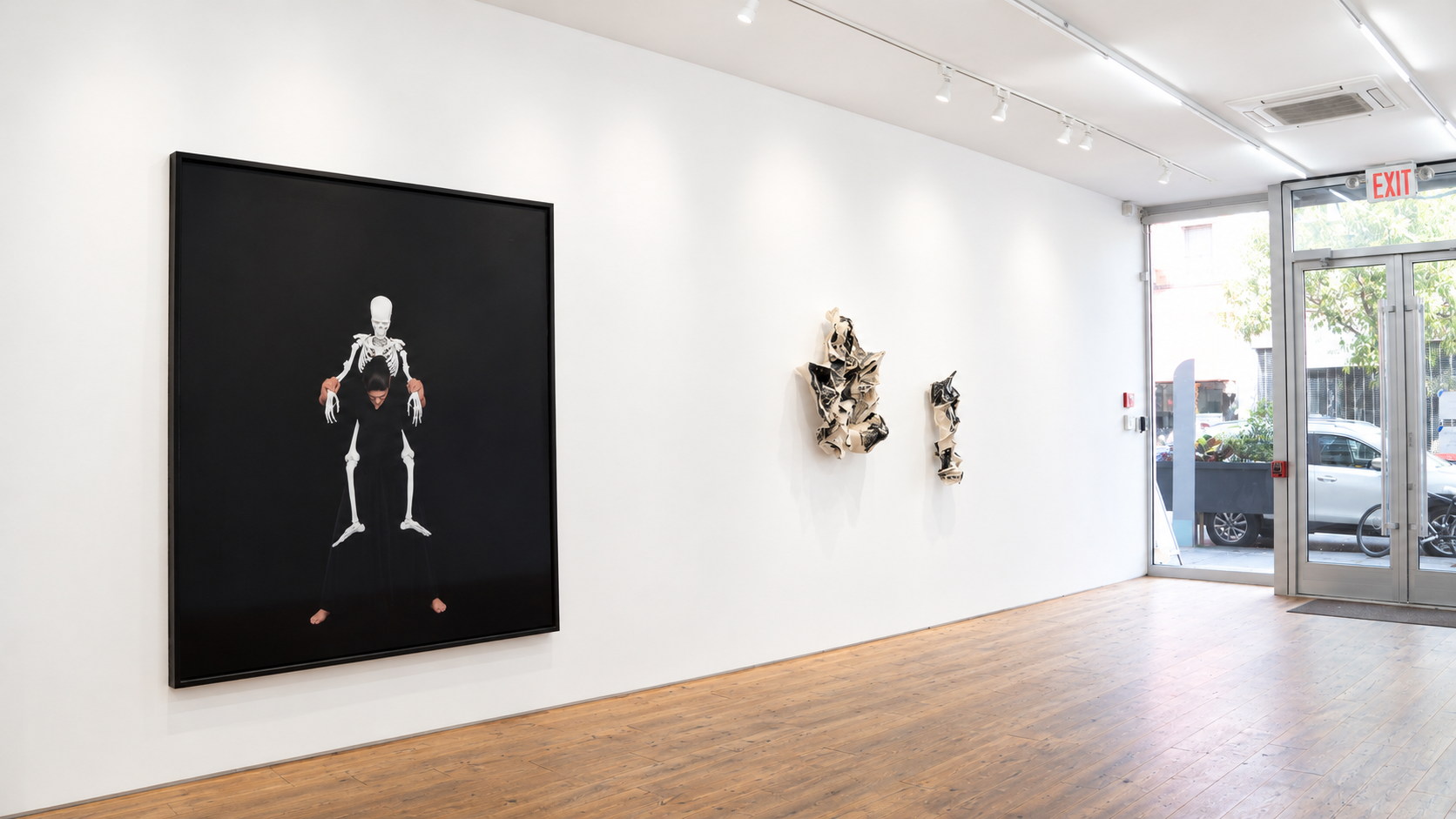
The exhibition contains three bodies of work, each contains another, as well as other works.
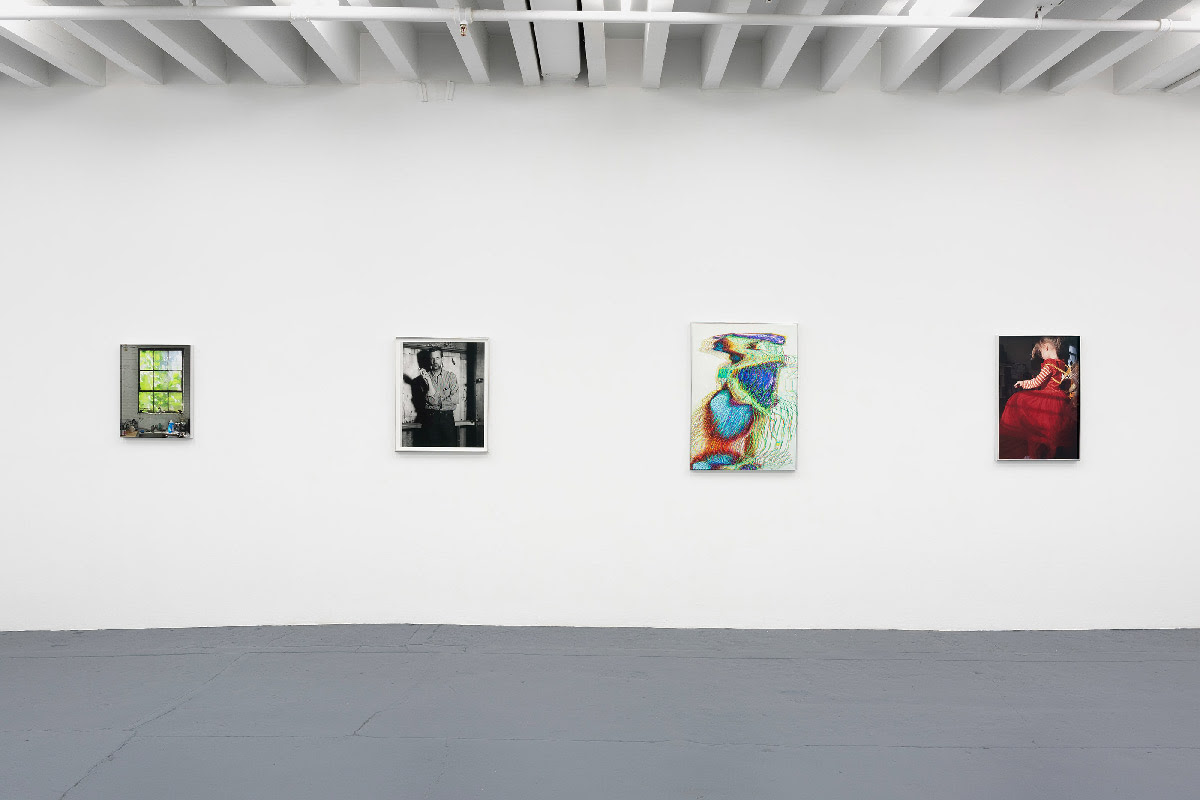
The central work of the exhibition is No. 83. Montre bracelet transparente (Transparent Wrist Watch) or Doorkijkuurwerk, (See Through Time Piece) from 1967. This work also contains the most important work in all of Geys’ work, the worklist. Geys first published a worklist in the March 27, 1971 edition of his local newspaper, the Kempens Informatieblad, Special Edition Balen. [1] This first worklist was arranged into four sections: 1. Constructies (Constructions), 2. School (School), 3. Mensen – Relaties, (People - Relationships), 4. Museum (Museum). The first subcategory in 1. Constructies (Constructions) was 1.A. Jeugdfotos – Familie (Childhood photos – Family.)
In 1967 Geys built a watch with his own hands and labor. [2] It is a transparent wrist watch. It is a see through time piece. It sits in a setting held by three screws alongside two proofs of its authenticity. One proof is a worklist with N° (Number), Sujet (Subject), Genre (Material), Annee (Year), and Nbre (Number). The first work in this worklist is N° 97, Tour 69, 1969. [3] The sixteenth work in this worklist is highlighted and is the work which contains this worklist. It is N° 83, Montre bracelet transparente (Transparent Wrist Watch), 1967. The other proof is a photograph of a young Jef Geys wearing the work. In the background of this photograph are two screws.
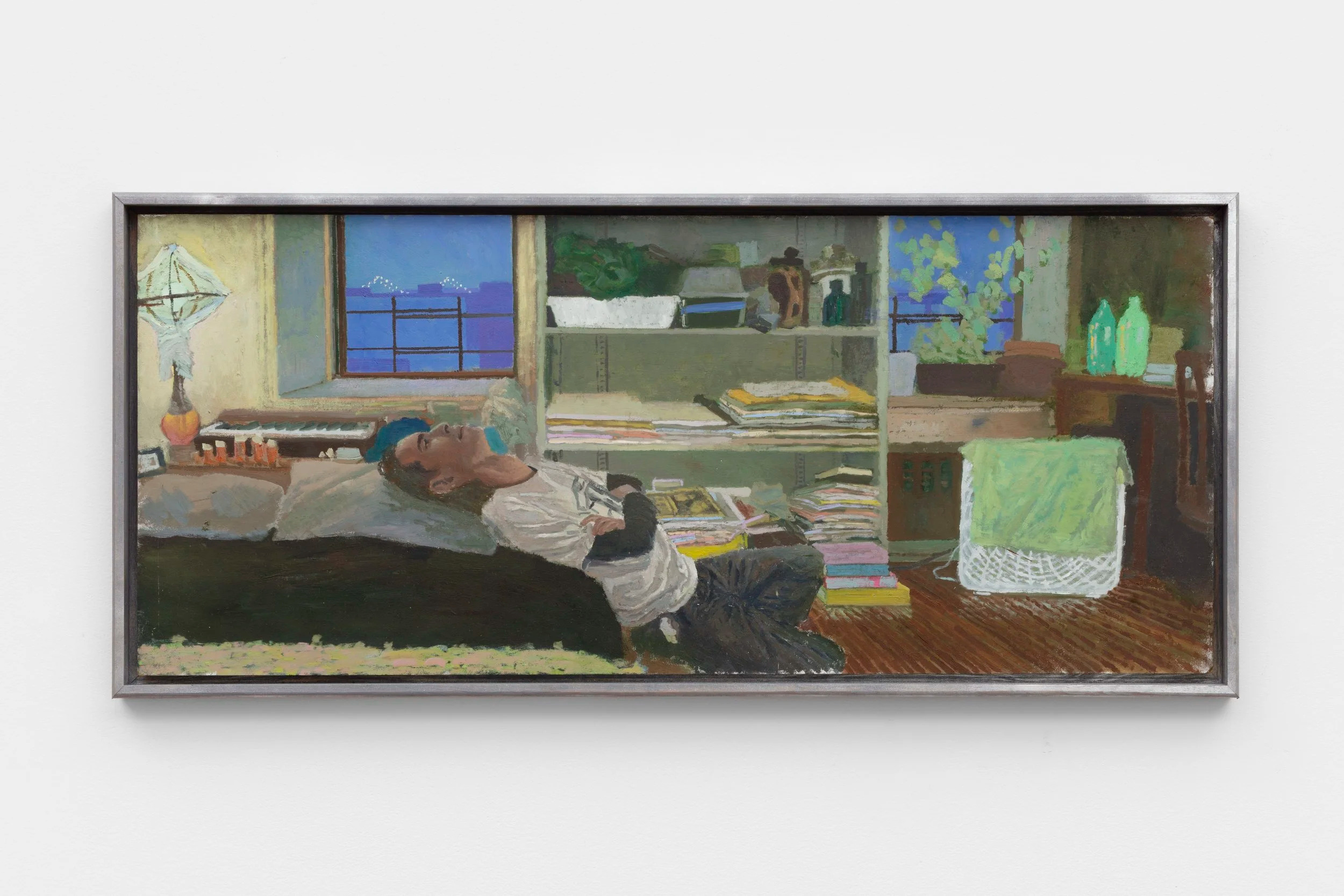
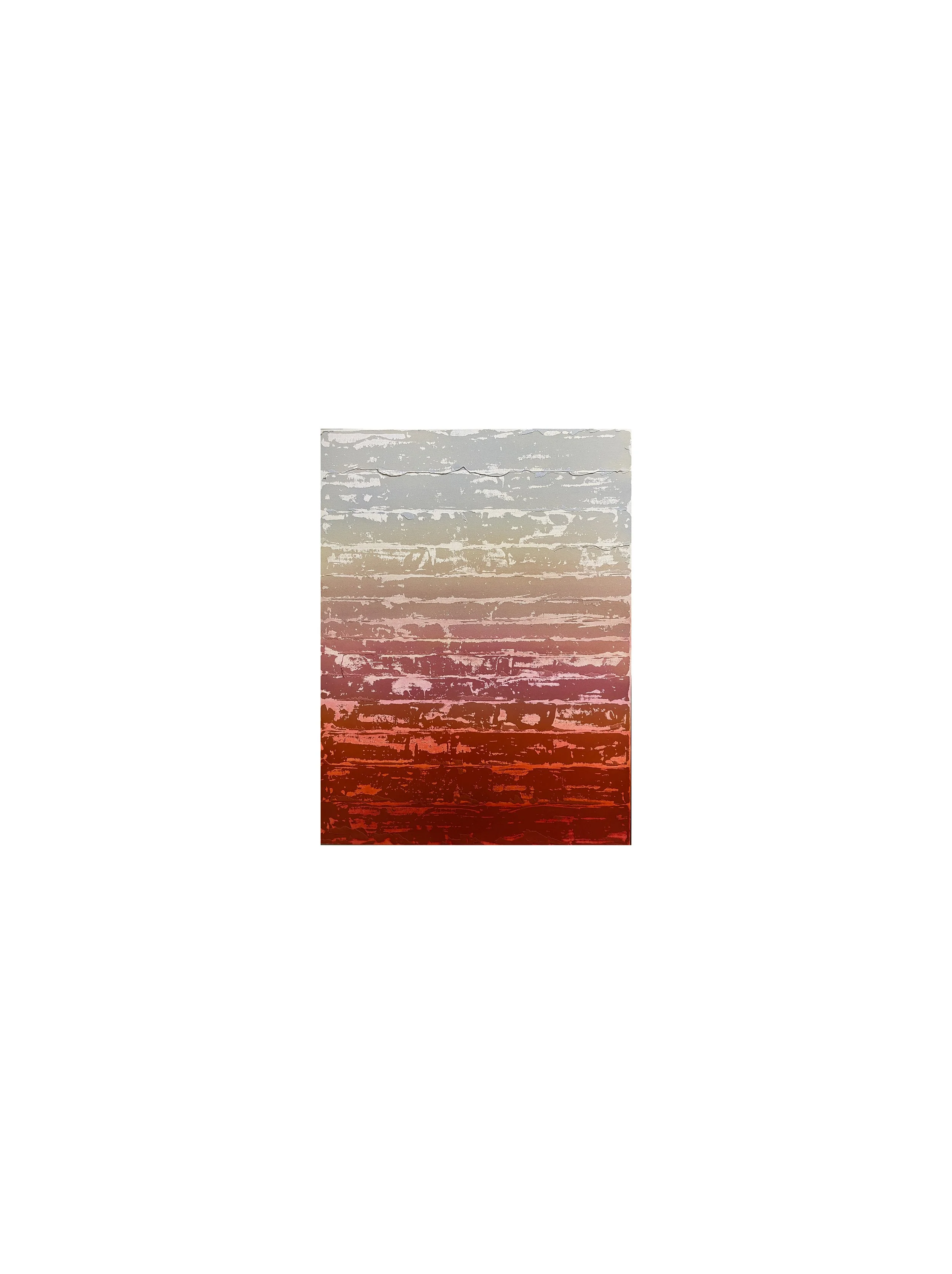
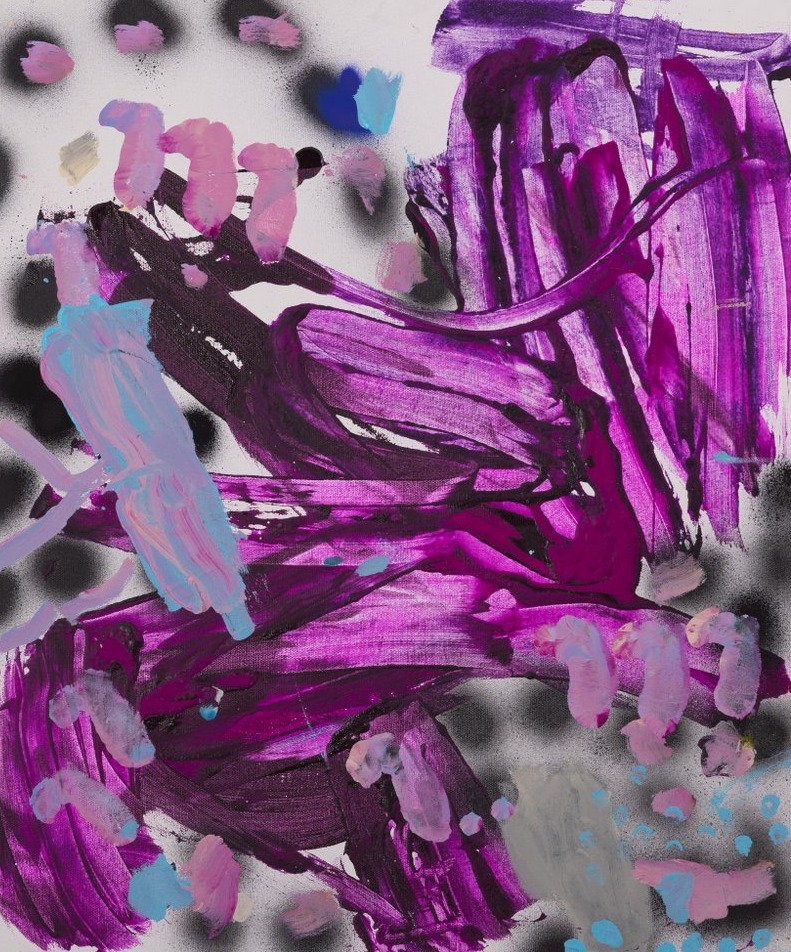
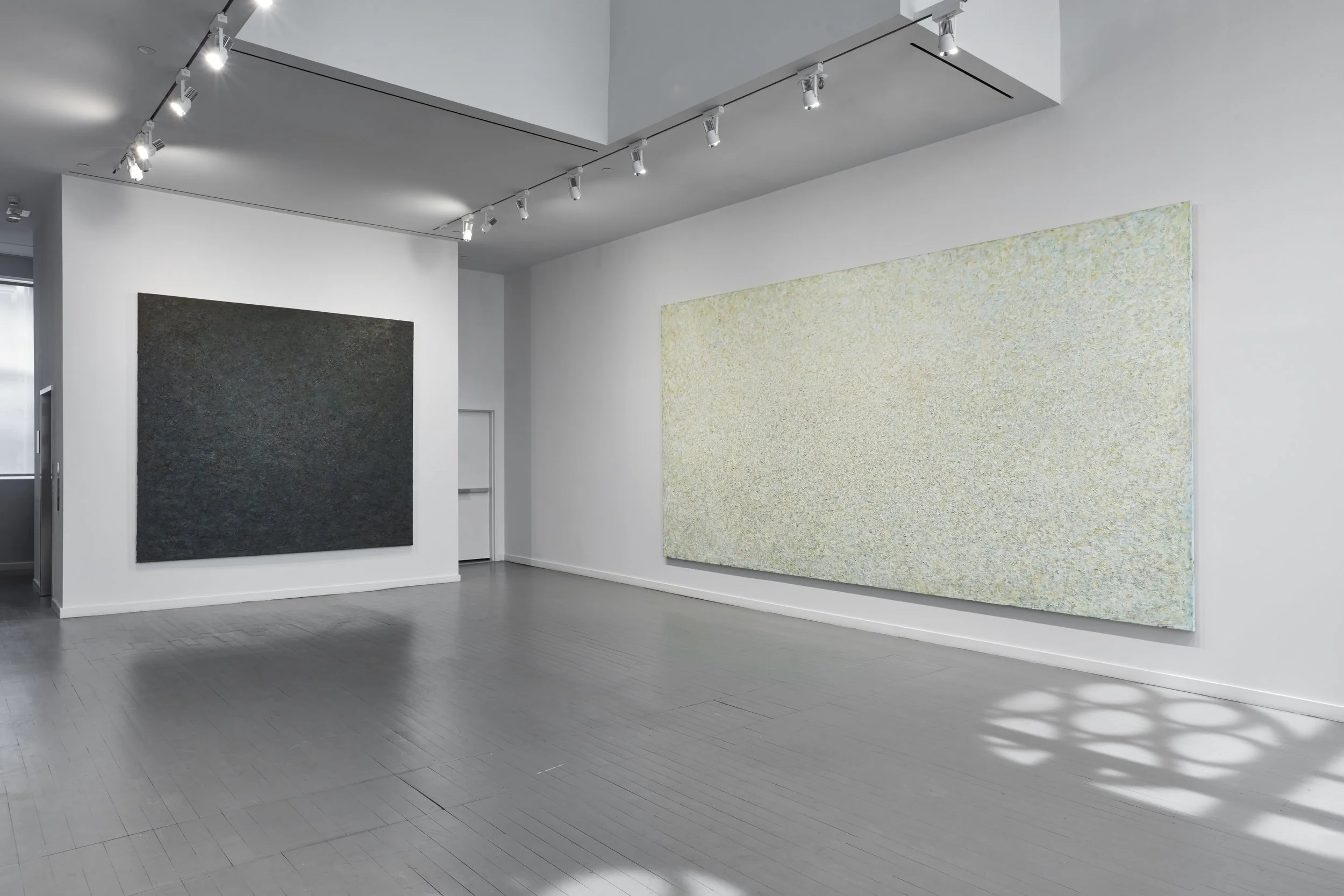
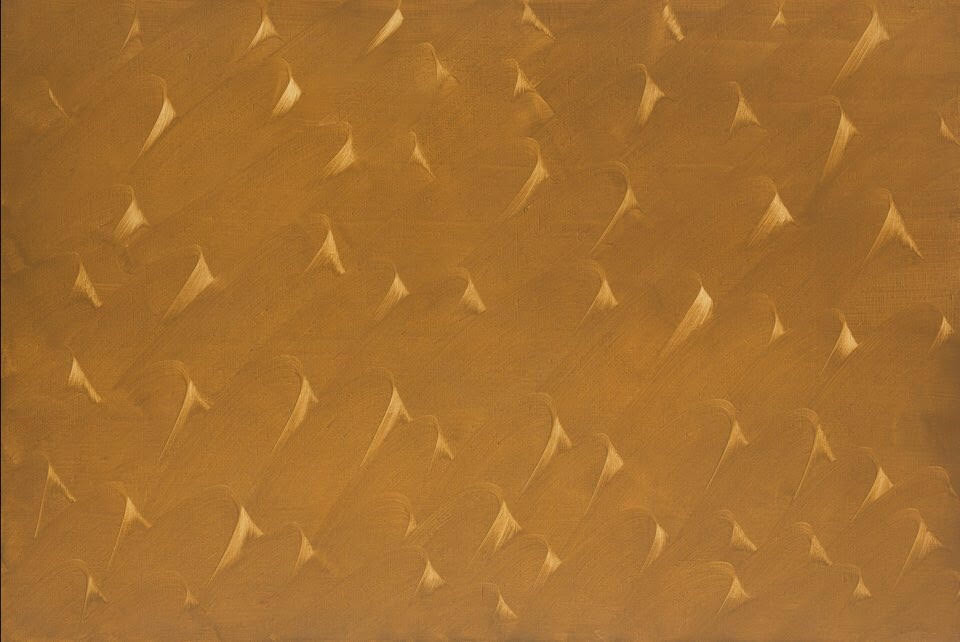
There are eleven paintings in the exhibition. [4] One painting N° 14. Black with Cirkel, 2017 was included in Jef Geys’ first exhibition with the gallery in 2017. It was also included in Jef Geys’ second exhibition with the gallery in 2017. It is a Bubble Painting. [5] [6] It contains another painting inside it which is a Black Painting. Jef Geys made the first Black Painting in 1959. It is Zwart schilderij met zwaantjes (Black painting with swans), 1959. Each and every Black Painting contains another painting inside it. Many of the Black Paintings in the exhibition contain paintings by Martin Douven. Martin Douven (1928 Netherlands – 1973 Leopoldsburg, Belgium) was a self taught painter who, starting in the 1950s, developed an assembly line technique for art production, eventually employing over one hundred and twenty men and women who produced thousands and thousands of paintings each week. Their paintings depicted every possible subject including reproductions of well-known masterpieces.
There are two more worklists in the exhibition. One is a unique collage mounted by the artist on panel, which contains works from 1947 to 1985. The other is a print of five pages in an edition of twenty five, each page signed by the artist in a different color, which contains works from 1947 to 1974. N°. 83 appears on both. On one worklist N°. 83 is Montre bracelet transparente (Transparent Wrist Watch). On the other worklist N°. 83 is Doorkijkuurwerk, (See Through Time Piece).
Jef Geys worked as a public school teacher in Balen from 1960–1989, teaching children aged ten to fifteen. During this time he also exhibited original works in the classroom from Fontana, Lichtenstein, Warhol, and Rauschenberg and even took his students on a class trip to visit the studio of Broodthaers. He once made a work in the series of Names, by hanging a banner baring the name of one of his then current students on the classroom wall. In 1984 he organized an exhibition at the school drawn from the collection of the Museum of Ghent, including works from Old Masters through stanley brouwn. That exhibition, for instance, is included in his worklist.
Jef Geys represented Belgium in the 53rd Venice Biennale in 2009. His work was included in Documenta 11 in 2007, Skulptur Projekte Munster in 1997, and the 21st Bienal de Sao Paulo in 1991. He has had institutional one or two person exhibitions at De Vleeshal, Middelburg, The Netherlands (1987); Palais des Beaux-Arts, Brussels, Belgium (1992); Middelheim, Antwerpen, Belgium (1999 & 2014); Kunstverein Munchen, Munich, Germany (2001); Kunsthalle Lophem, Loppem-Zedelgem, Belgium (2003); Van Abbemuseum, Eindhoven, The Netherlands (2004); Institut d'art contemporain Villeurbanne/Rhone-Alpes, Villeurbanne, France (2007 & 2017); Bawag Foundation, Vienna, Austria (2009); Museum of Contemporay Art Detroit, Detroit, Michigan (2010); Jakob Smithmuseum, Mol, Belgium (2011); MuHKA Museum voor Hedendaagse Kunst Antwerpen, Antwerp, Belgium (2011); Royal Museum of Fine Arts of Belgium, Brussels, Belgium (2012); CNEAI, Chatou, France (2012, 2014 & 2016); Culturgest, Lisbon, Portugal (2012); Cubitt, London, UK (2013); Les Bains-Douches, Alencon, France (2014 & 17); S.M.A.K., Gent, Belgium (2015); CAPC musée d'art contemporain de Bordeaux, Bordeaux, France (2016); and Centre d'art contemporain / Passages, Troyes, France (2017); Linden, Düsseldorf, Germany (2017); Établissement d'en face, Brussels, Belgium (2017); NTU Centre for Contemporary Art Singapore, Singapore (2018); Museum of Contemporary Arts of the Wallonia-Brussels Federation, Boussu, Belgium (2018); Yale Union, Portland, Oregon (2018); BOZAR, Brussels, Belgium (2019); Künstlerhaus Bremen, Bremen, Germany (2019). This is at least his seventh exhibition in New York following Galerie 3A (2015), Alex Zachary/Peter Currie (2013), Carriage Trade (2011), and Orchard (2007).
Next Geys will have one person exhibitions at the Bergen Kunsthall, Norway and Kunsthalle Bern, Switzerland.
1 - Since the late 1960s Geys had been the editor and publisher of his local newspaper, the Kempens Informatieblad, initially interspersing the news with his own work. Since 1971 an edition of the Kempens Informatieblad accompanied most of his exhibitions.
2 - In 1977 Geys built a house with only his own hands and labor using salvaged material, and then lived there for some months.
3 - In 1969 Geys spent the summer following Eddy Merckx, a Belgian, who won the Tour De France for the first time. In 1968 Geys spent the year following a young bicyclist and his family.
4 - Many if not all of these paintings were included in the 2011 exhibition Martin Douven - Leopoldsburg - Jef Geys, at MuHKA Museum voor Hedendaagse Kunst Antwerpen, Antwerp, Belgium
5 - Every piece remains in the bubble from its previous exhibition. The works must remain in bubble forever. They can never be unwrapped.
6 - This particular Bubble Painting, was the only one in the 2017 exhibition to have been previously exhibited as a Bubble Painting, at Galerie Greta Meert in Brussels, in 2012. In this earlier exhibition the work was titled and dated as Zwart met interieur (Black with interior), 2011.