Ended Apr 20
Influence/Confluence: Japan and American Printmaking
Mar 14 – Apr 20, 2024
Richard Diebenkorn, Helen Frankenthaler, David Hockney, Willem de Kooning, Brice Marden, John McLaughlin, Wayne Thiebaud
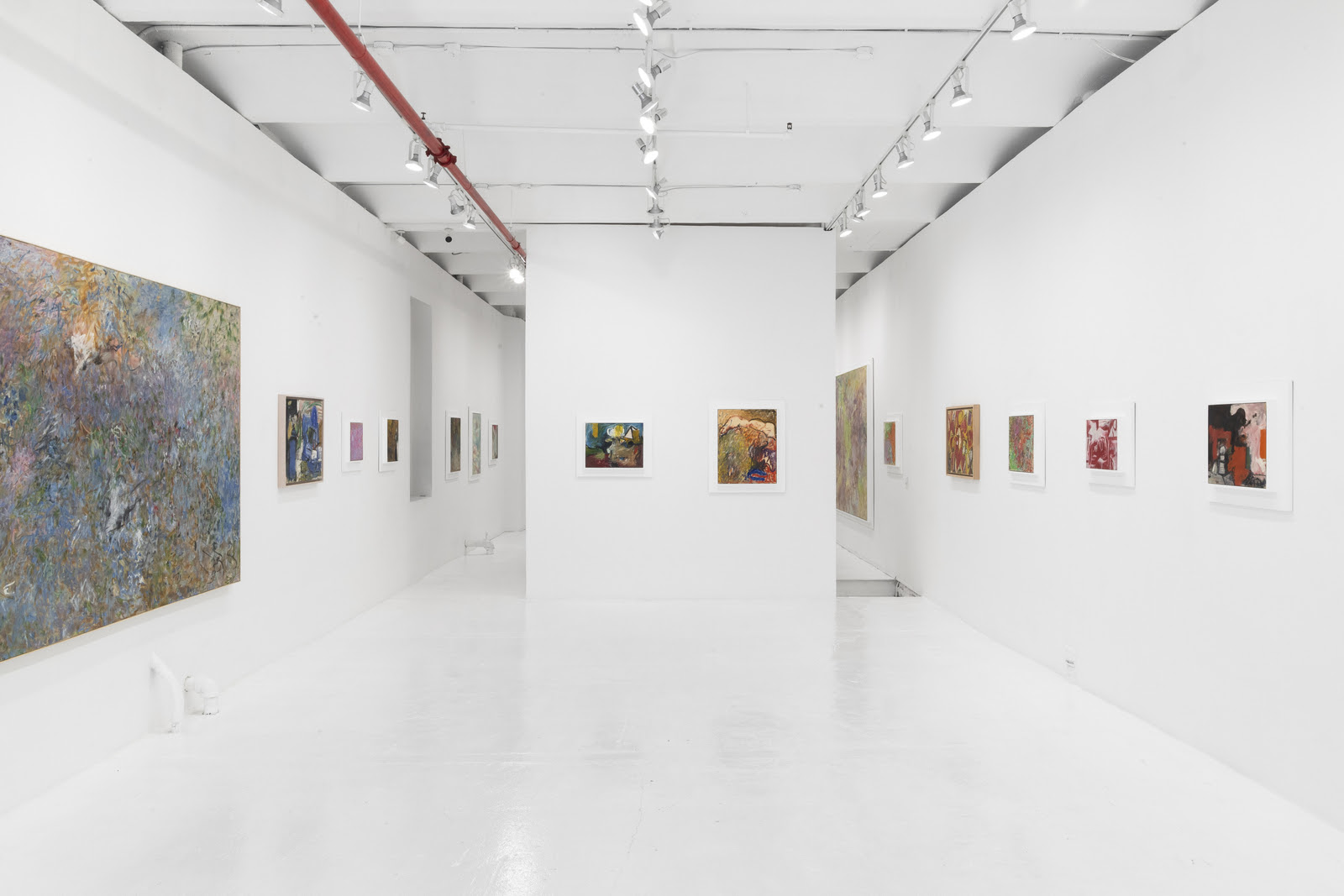
Susan Sheehan Gallery is pleased to present Influence/Confluence: Japan and American Printmaking, an exhibition exploring Japan’s influence on many important American contemporary printmakers. Ranging from John McLaughlin’s meditative geometries, Helen Frankenthaler’s Ukiyo-e style woodcuts, and Brice Marden’s calligraphic etchings, the exhibition showcases how Japanese sensibilities inspired the graphic processes, subject matter, and aesthetic priorities of a generation of post-war printmakers in America.
When looking toward the intellectual and artistic engagements between Japan and American art from the 1960’s to the 1990’s, the selected prints reveal extraordinary threads of transpacific thought and process. Many of the artists, including Richard Diebenkorn (1922-1993) and Helen Frankenthaler (1928-2011), looked directly towards traditional Japanese woodblock techniques, especially in the Ukiyo-e style, for aesthetic and technical inspiration. Translated directly, ukiyo-e means “floating world”, a sentiment that is reflected in both artists’ depictions of transitory states in their woodcuts.
Helen Frankenthaler’s body of woodcuts occupy a unique space in her oeuvre and in the history of postwar art more broadly. Bringing techniques associated with watercolor and sumi ink into American modernist surfaces, Frankenthaler achieved a singular delicacy and evanescence through the merging of color and wood. Embracing the underlying aesthetic frameworks found in Ukiyo-e woodcuts, Frankenthaler developed her own contemporary abstract vocabulary inspired by the sensibilities of Japanese art and philosophy.
Collaborating with presses in Japan, artists including Wayne Thiebaud (1920-2021) and Diebenkorn worked closely with Japanese master printers on traditional block-cutting techniques. Translating Diebenkorn’s additive marks to the subtractive nature of cutting, the Japanese block cutters replicated every bit of happenstance, the erratic bleeds of color, the thickening and thinning of a brushed line, even as edges became harder and textures flatter. The upper right rectangle in Diebenkorn’s Ochre (1983) suggests the cartouches in Ukiyo-e style woodcuts while the recumbent white bracket shape may even reference specific Japanese landscapes such as Mount Fuji.
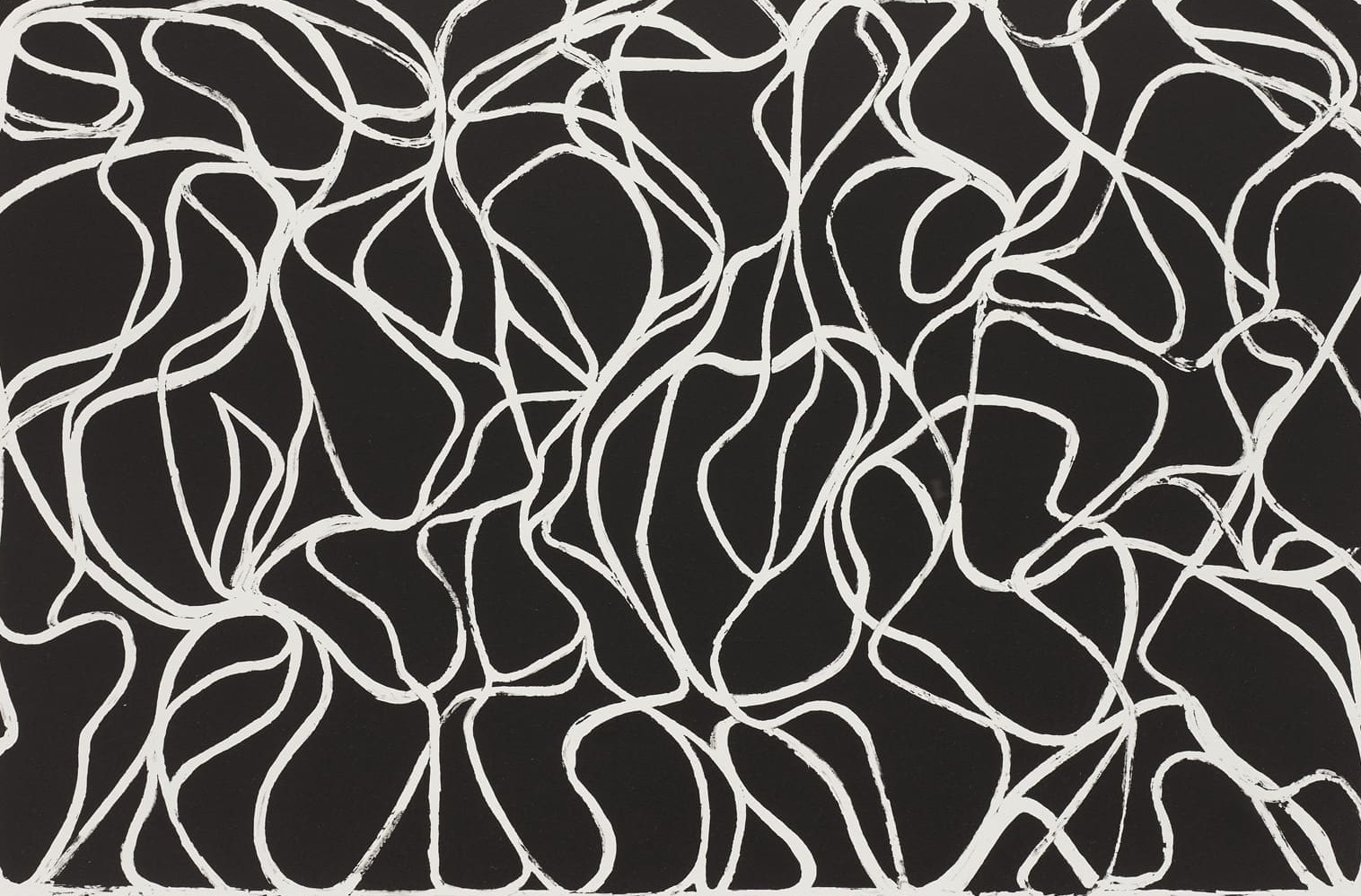
Other artists such as Brice Marden (1938 – 2023), Willem de Kooning (1904-1997), and John McLaughlin (1898 – 1976) were inspired by Zen philosophies and teachings, investigating its foundational ideas in varying visual aesthetics. De Kooning’s lithographs portray loose, gestural brushwork, seamlessly combining elements of calligraphy and sumi ink painting with abstract expressionist tendencies. Inspired by the 1984-85 exhibition Masters of Japanese Calligraphy, 8th-19th Century, co-organized by New York’s Japan House and Asia Society, Marden produced his Etchings to Rexroth (1986), a portfolio of 25 etchings. Marden’s interest in Chinese poetry and calligraphy further informed his works, following organizing principles of the written Chinese language to arrange his compositions of fluid, calligraphic lines, presented in the series Han Shan Exit #1-6 (1992). Straying from the expected postwar language of Abstract Expressionism, John McLaughlin’s strict geometric style reflects his personal experiences of living and being stationed as a language officer in Japan and various East Asian countries, which heightened his sensitivity toward Japanese customs and values. The visual stillness, simplicity, and geometry in McLaughlin’s prints represent the artist’s meditations on Japanese philosophies of emptiness, presence, and nature.
The works in this presentation attest to the varied and profound engagement these prominent American printmakers had with Japanese art and thought, revealing understated nuances in the history and practice of printmaking and postwar American art as a whole.