Ended Mar 8
Agustin Fernandez
Paintings And Works On Paper
Jan 25 – Mar 8, 2015
More from Agustin Fernandez on Gallop
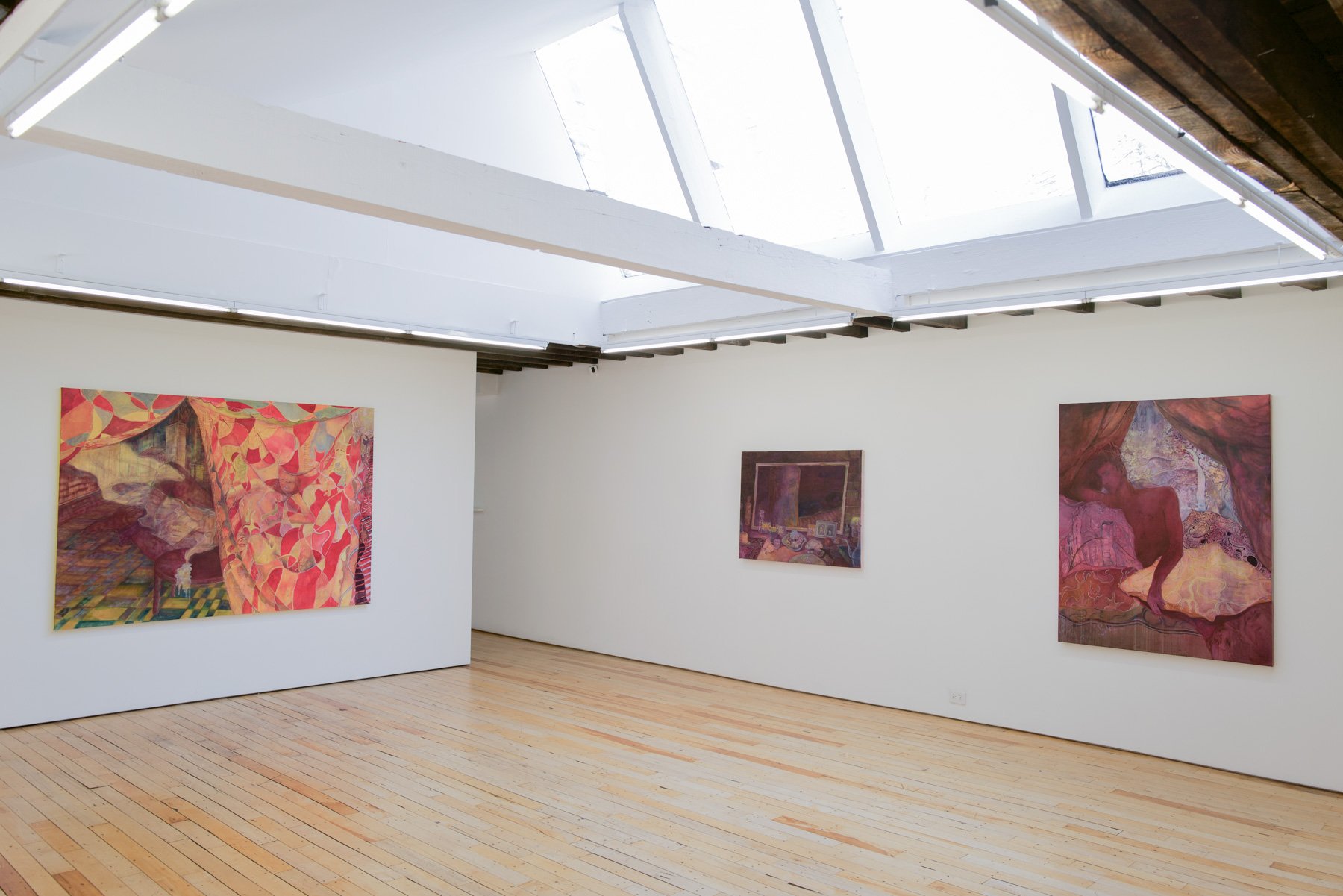
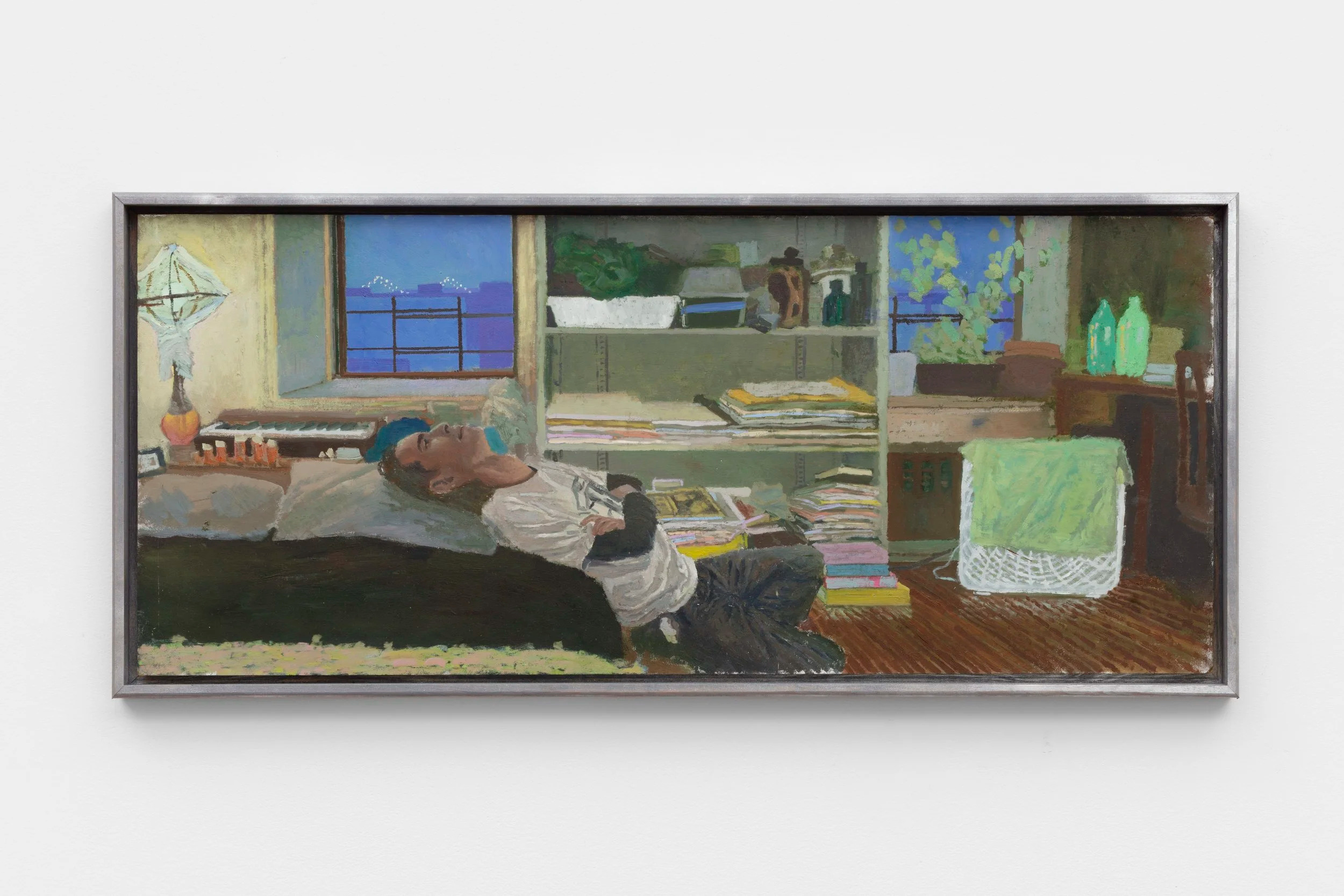
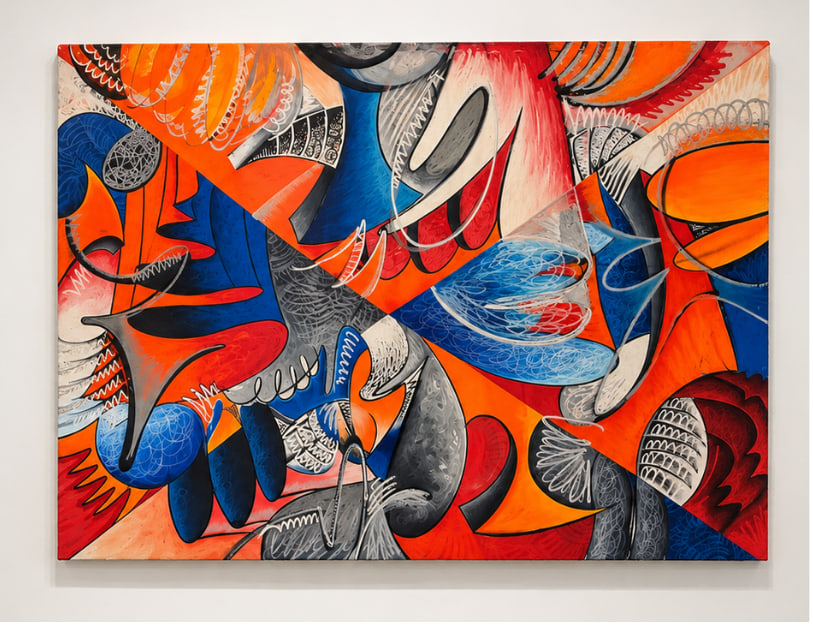
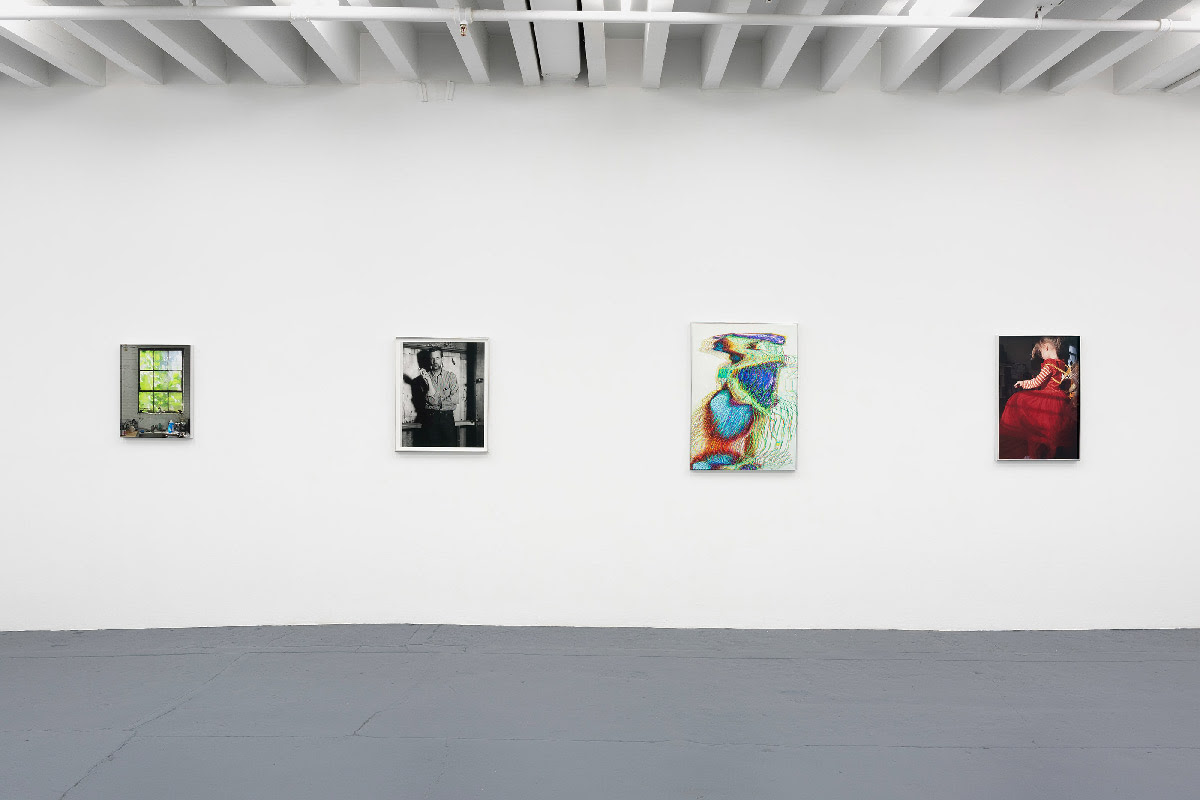
The Mitchell Algus Gallery presents an exhibition of paintings and works on paper by Agustin Fernandez.
Like many post-war artists working outside the United States, the Cuban expatriate Agustin Fernandez (1928-2006) embraced contemporary modernist styles – reductive abstraction, pop, new realism – but projected them trough a surrealist lens. Europeans (e.g. Konrad Klapheck, Domenico Gnoli), Britons (Francis Bacon), Japanese (Tetsumi Kudo), expatriate Americans (Harold Stevenson, Irving Petlin), and Latin Americans (Fernando Botero, Agustin Cardenas) all reformulated aspects of surrealism in contemporary terms. Critically this work was problematic – in the parochial precincts of New York’s avant-garde even artists as revered as Francis Bacon were seen as compromised, if not retardataire. Only recently has this consensus begun to change.
Agustin Fernandez’s paintings knowingly addressed contemporary issues in abstraction by raising the specter of trompe l’oeil, slyly recognizing, then negating the picture plane’s overriding literalness. Rather than stripping the surface of external signification, giving it merely the base qualities of texture and color, Fernandez exposes the metaphorical body of painting as a corporeal and acculturated object. He negotiates not a Greenbergian truce, but a Freudian compromise. In this manner Fernandez’s work aligns itself with the coolly prosaic imagery of neo-dada (Johns) and op (Riley), but turns up the heat. If Fernandez’s art ran counter to the self-conscious grain of New York taste, his rigorous and elegant iconography found a sympathetic audience in Sam Wagstaff and Robert Mapplethorpe with whom Fernadez showed at the Sam Hardison’s Robert Samuel Gallery (an important, if under-recognized, venue that in the late 1970s gave visibility to the work of Mapplethorpe, Peter Hujar, Tom of Finland and Charles Henri Ford).
Born in Havana, Cuba in 1928, Agustin Fernandez studied art and philosophy at the University of Havana where he was a classmate of Fidel Castro’s. Traveling to New York in 1949 Fernandez took classes at the Art Students League with George Grosz and Yasuo Kuniyoshi. He abandoned his academic studies in 1951 to pursue art full time, showing in Cuba, Spain, the United States and Latin America, receiving an Honorable Mention at the Såo Paulo Bienal in 1956. In 1959, after playing an active role in the civic resistance movement against Fulgencio Batista, Fernandez received a scholarship from the General Cultural Division of the Revolutionary Government that allowed him to travel to Europe. Settling in Paris, he showed at the legendary Surrealist venue, the Galerie Furstenberg, then directed by André Breton’s wife Simone Collinet. (Work shown at the Galerie Furstenberg is in the collection of the Museum of Modern Art.) In Paris Fernandez was close to other Latin American artists, particularly Matta and Wifredo Lam. Leaving Paris in 1968 the artist moved with his family to San Juan, Puerto Rico and then, in 1972, to New York. Agustin Fernandez spent the next 35 years working in New York where he died in 2006 at the age of 78.
The current exhibition is Agustin Fernandez’s second solo show at the Mitchell Algus Gallery (the first was in 2005). Fernandez has had recent museum exhibitions of drawings at The Patricia and Philip Frost Art Museum, Florida International University and The Snite Museum of Art, University of Notre Dame, and, in 2014, a career retrospective at The American University Museum, Katzen Arts Center in Washington DC.