
Ended
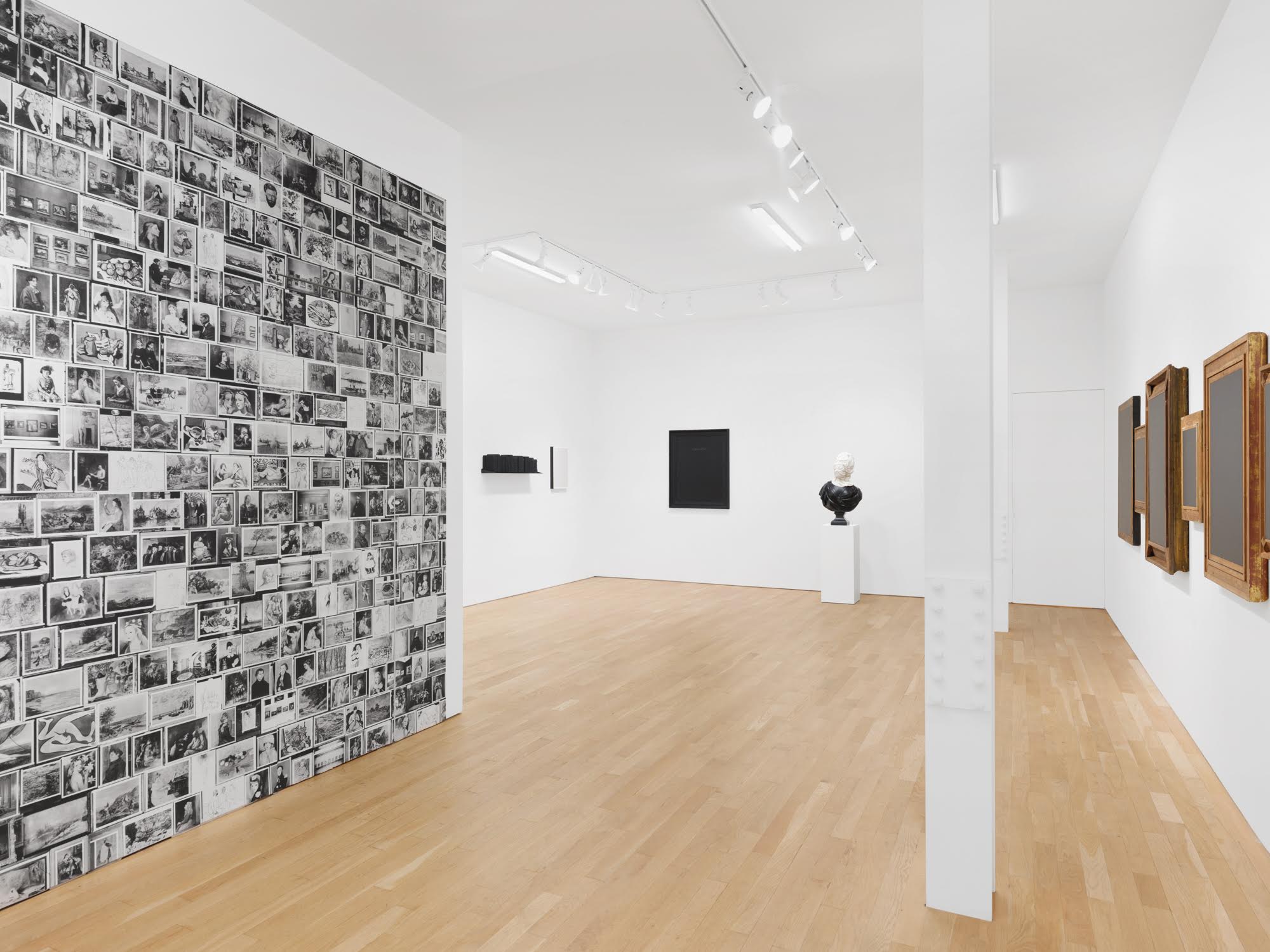
Don’t You Miss Us
Jul 18 – Aug 16, 2024
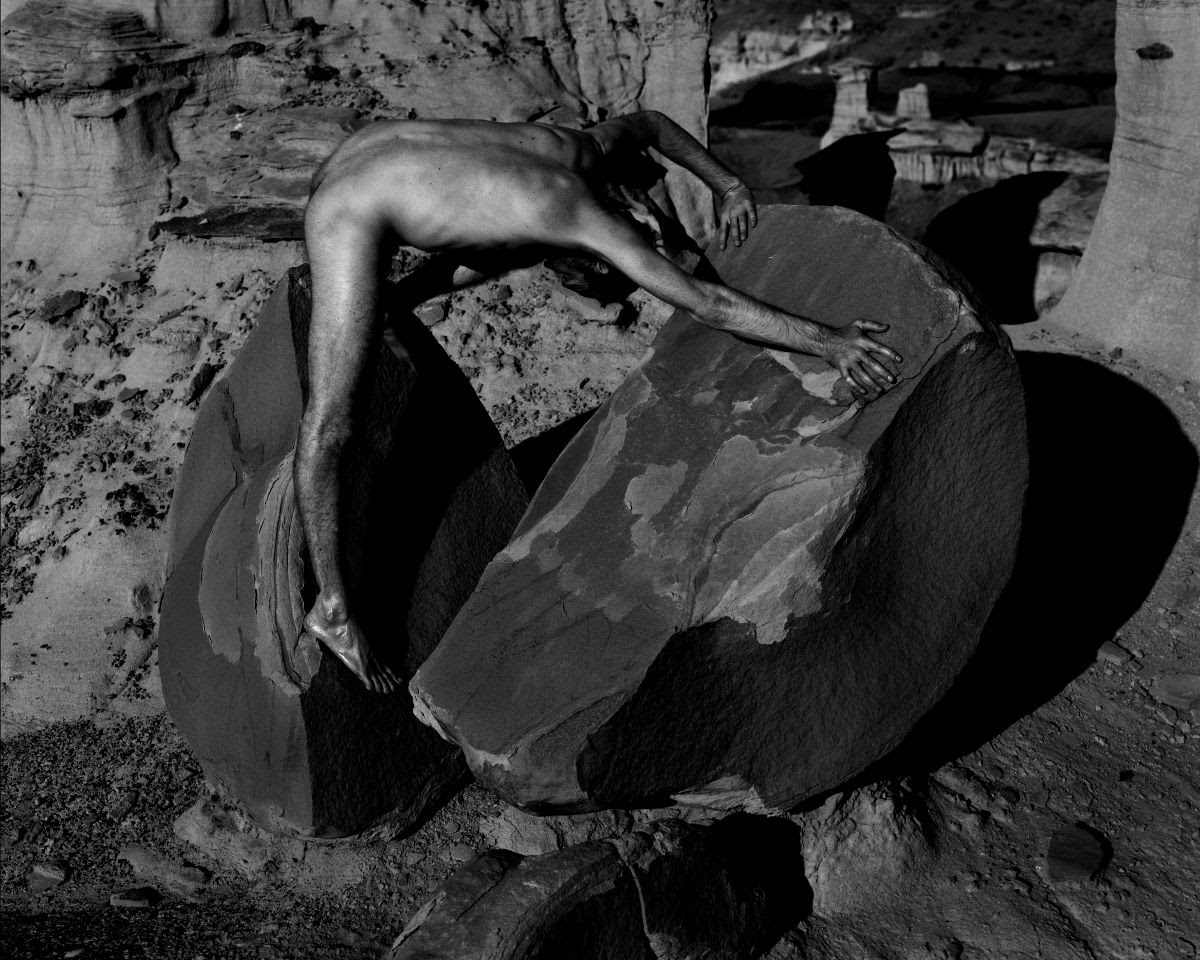
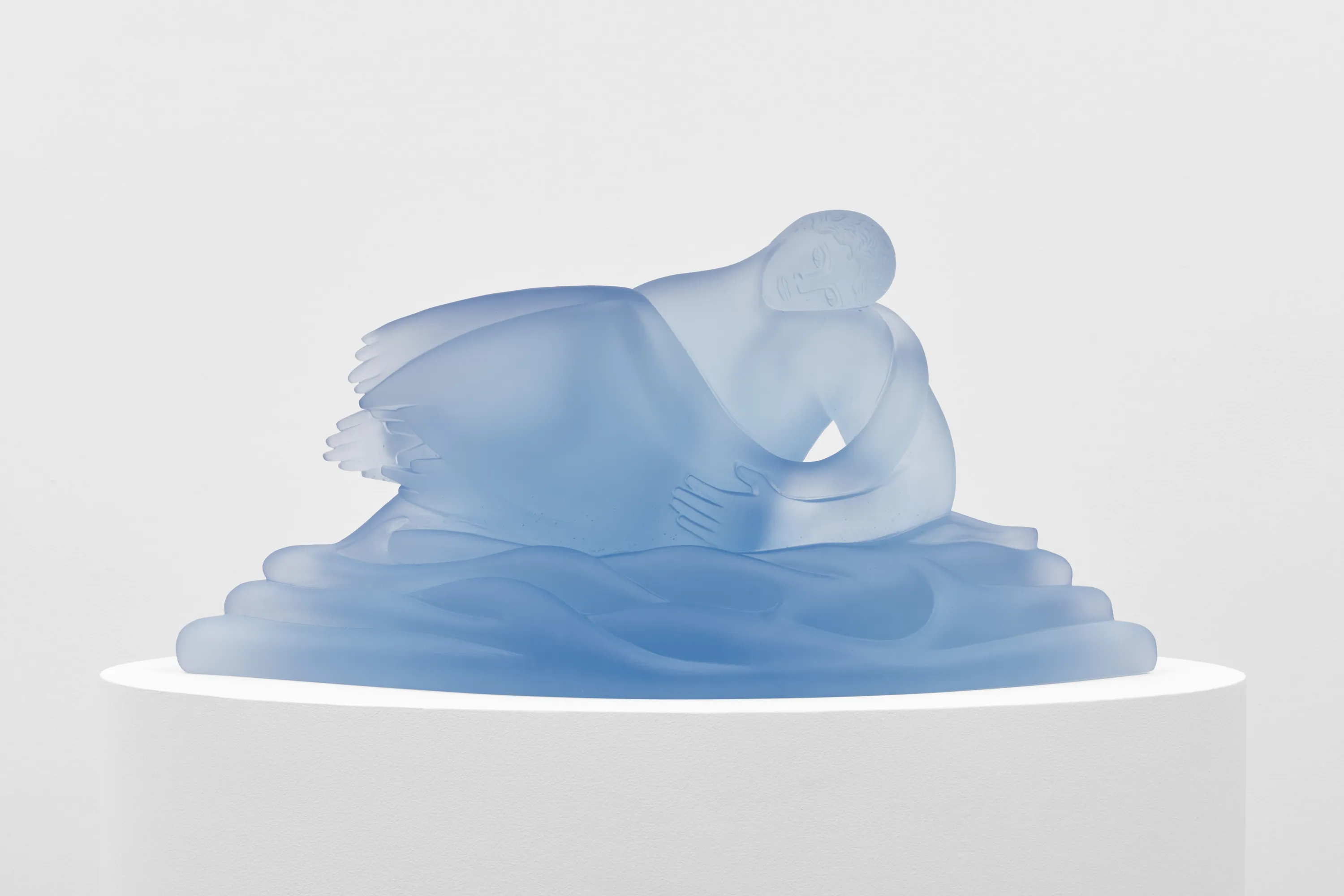
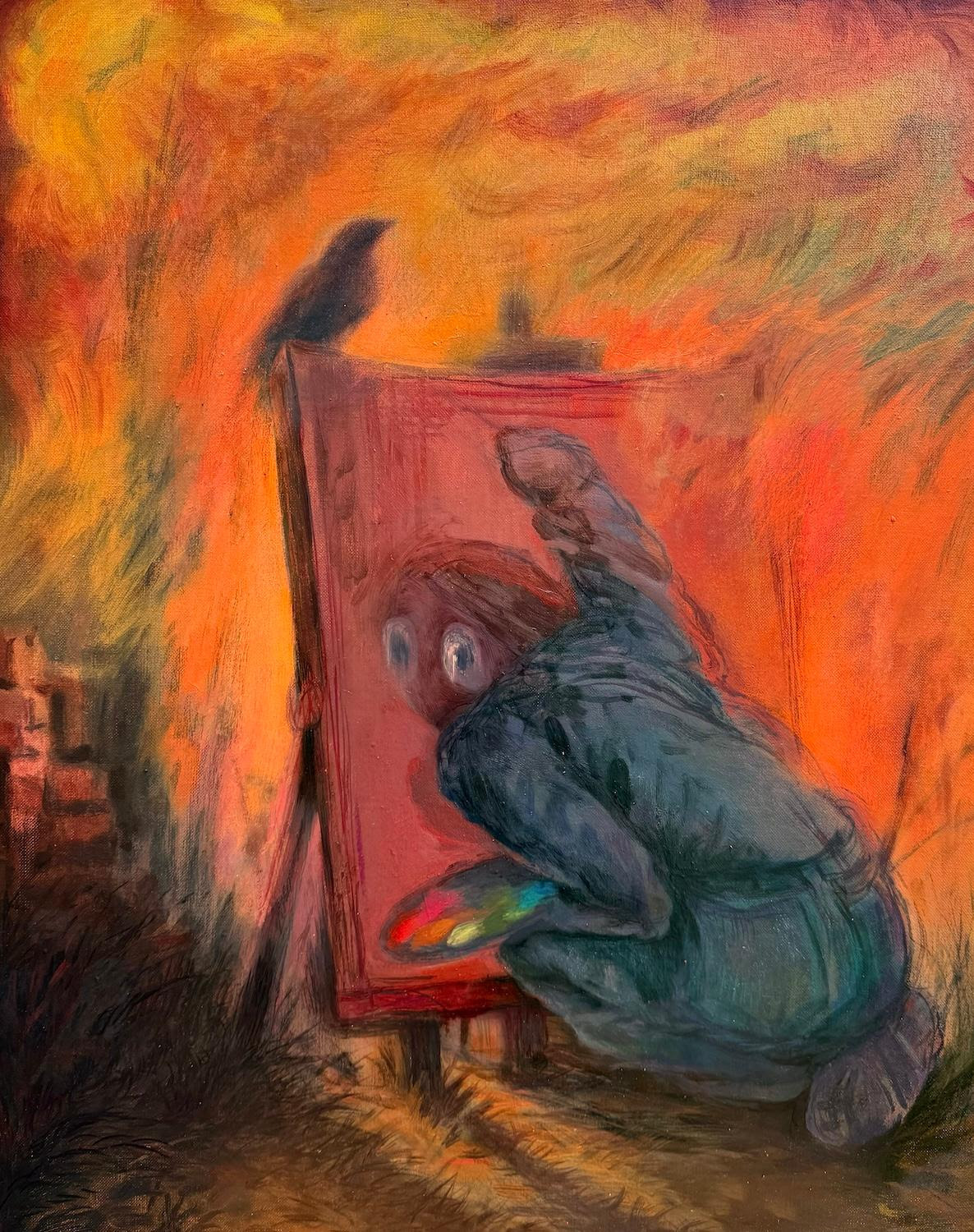
Emma Amos, Camille Billops, Brianna Rose Brooks, Lex Brown, Vivian Browne, Addoley Dzegede, Ines di Folco, Margo Humphrey, Devin N. Morris, Alison Saar
“When Europe and the East look at this country, they steal our rap and hiphop, our blues, jazz, and country-western, our graffiti, movies, and pop performances, our sneaker-wearing, hard-working women, and our prejudices. Who says the mainstream is the blue chip artist? The mainstream is me, baby-darling.
“Why am I so concerned since I am one of those people who seemed to be in many places at once? Because usually, when you see me, you’ll also see Howardena Pindell, Faith Ringgold, Vivian Browne, Camille Billops, Clarissa Sligh, Deborah Willis, Lorna Simpson, and maybe Tyrone Mitchell, Mel Edwards, Jackie Whitten, Al Loving, Houston Conwill, Terry Adkins, Bill Hutson, James Little, Giza Endesha Daniels, James Andrew Brown, Howard McCalebb, and the other hardworking black artists who gather in support of each other. But we know that most gatherings of artists, curators, dealers, and critics at museums, galleries, art societies, and socials are without us. Don't You Miss Us When We're Not There?”[1]
To conceive of the history of art by marginalized activist-artists is to conceive of a chain-like structure: each link is interlocked with the other, and each is equally as necessary as the next for the thing to stay together. I look at the CVs of the older women in Deli Gallery’s intergenerational exhibition Don’t You Miss Us?, and I see a constellation of acts of solidarity. These women would not and did not wait for the mainstream to pay attention to them to show their work, or to show each others’ work. They exhibited, often, in self-organized shows across New York City and beyond, in non-traditional or non-for-profit spaces like the Port Authority, the Henry Street Settlement, or university galleries. They showed in cooperative or specialized, now-legendary galleries like Kenkeleba Gallery, Just Above Midtown, SOHO20, or Cinque Gallery. Their exhibitions and their work were inherently political and locked into the margins, made so by the circumstances of the society they lived in as Black women. They made it all happen themselves, for each other, for us, because no one else was going to do it for them. The so-called “missing” Black woman artist was always here, vibrantly existing, under our nose the whole time.
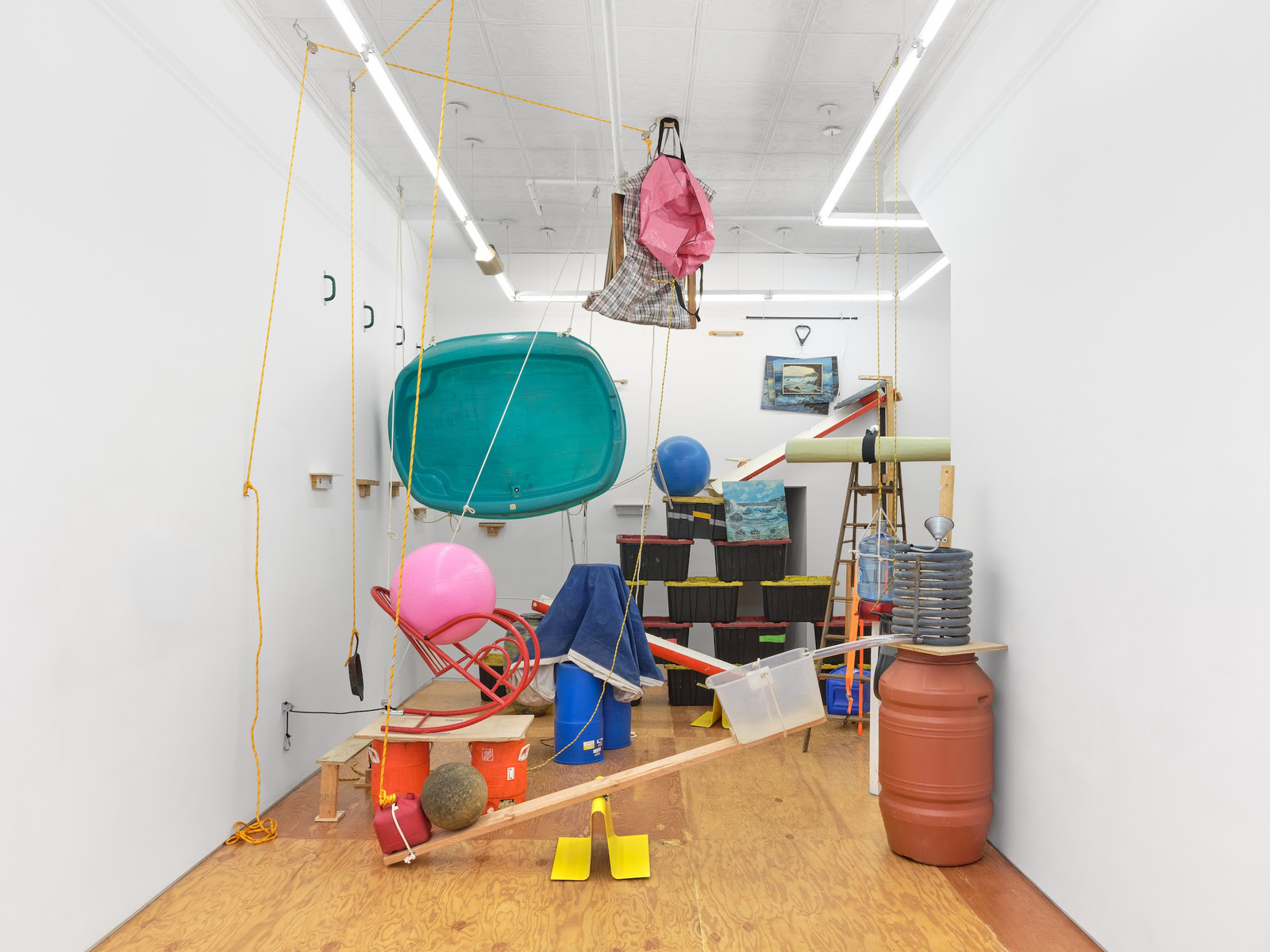
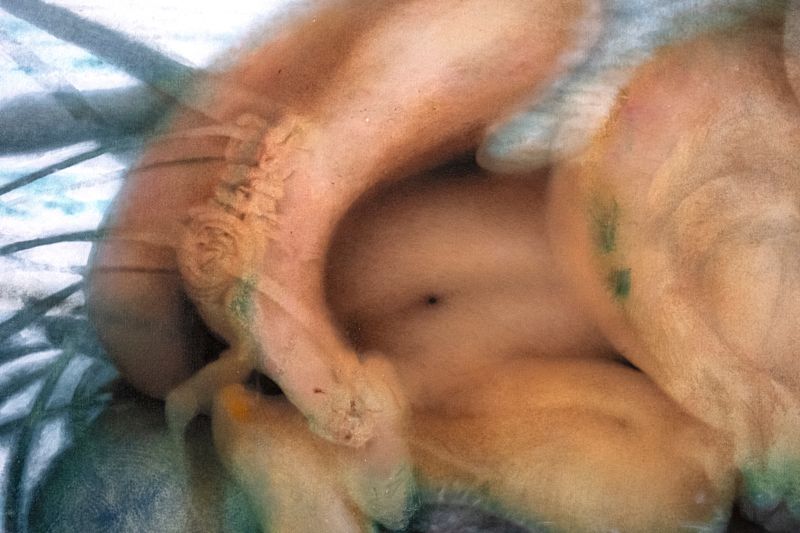
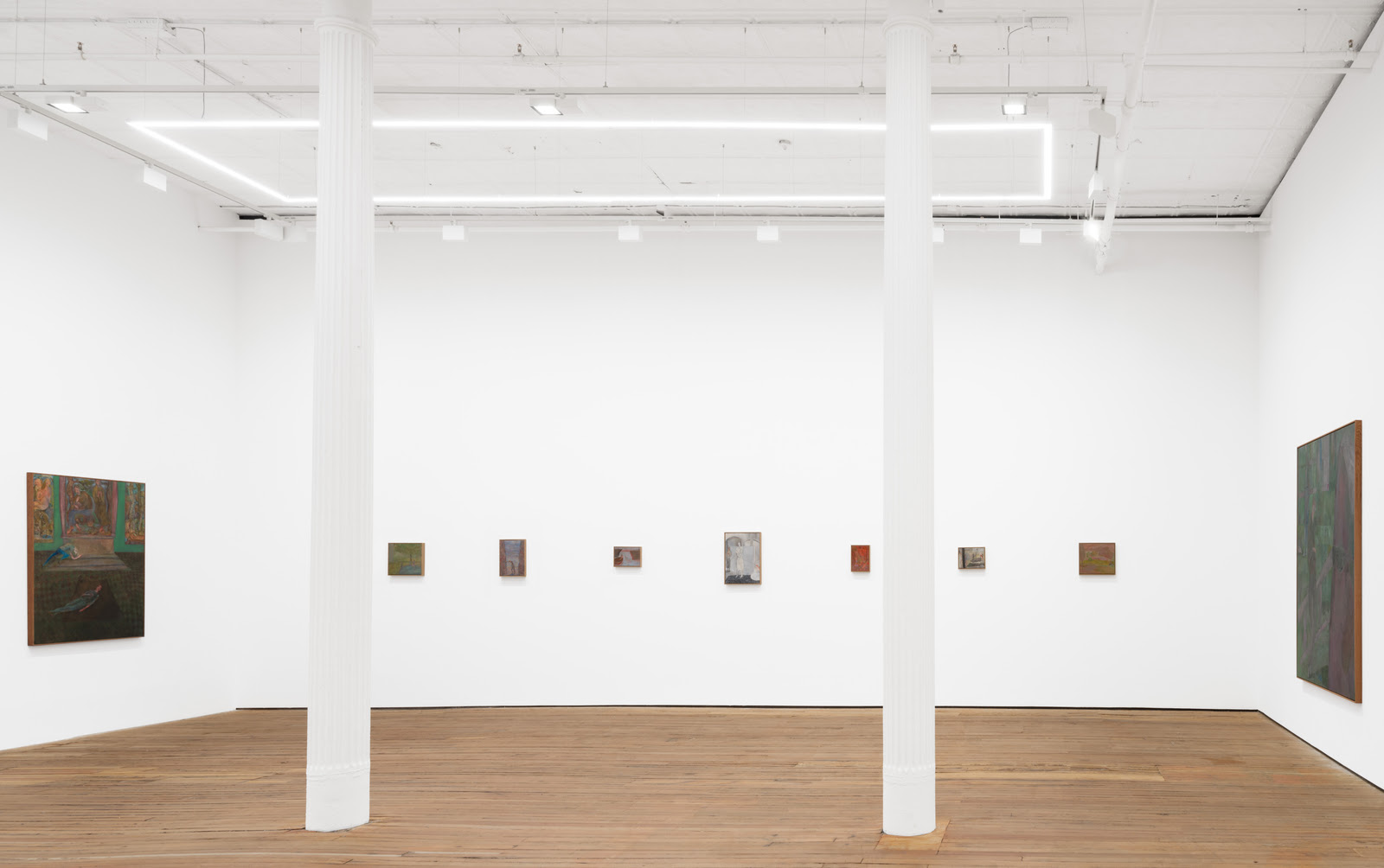
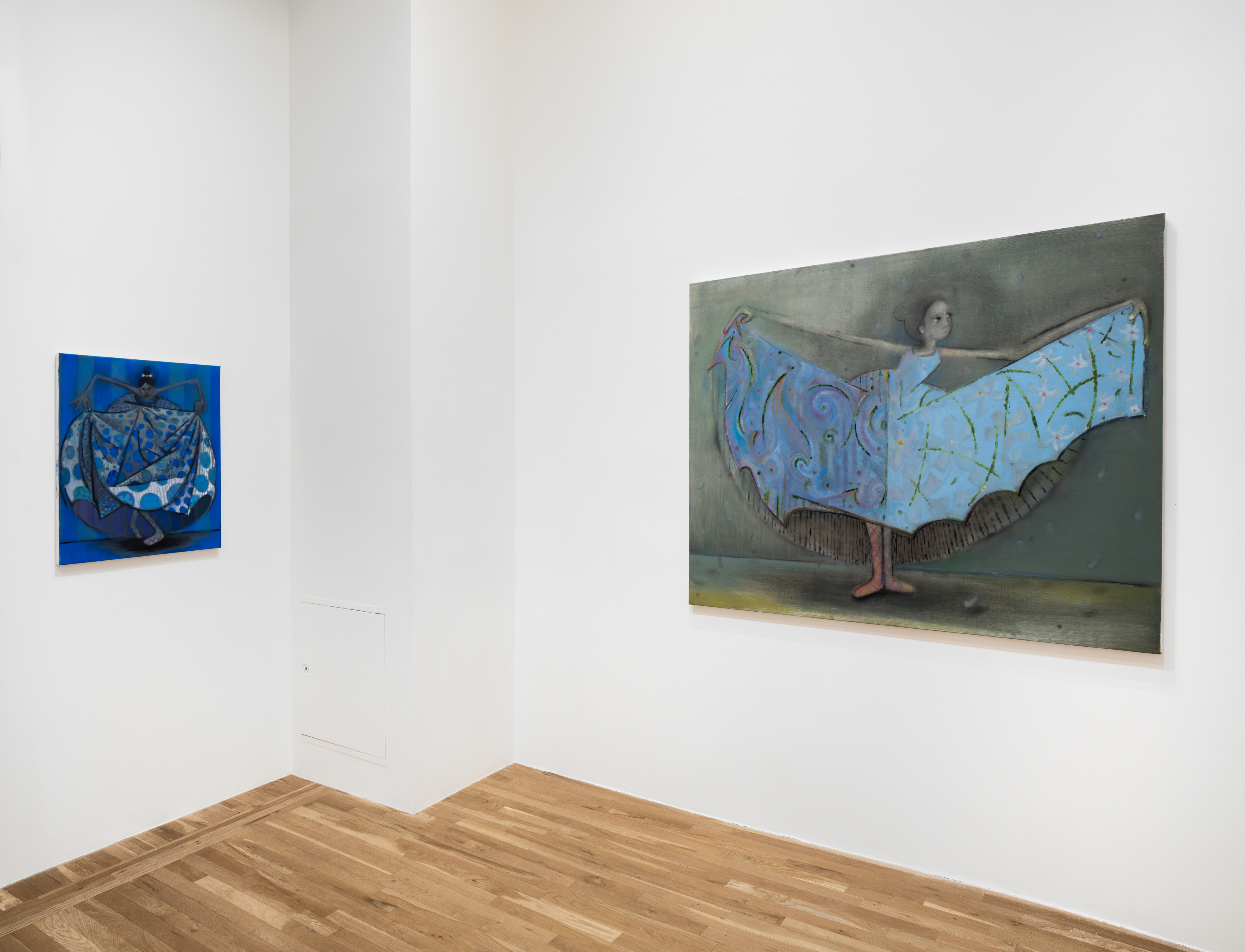
Today, many of the artists of this generation are no longer with us. For some, this passing means that their stories are in danger of slipping away from collective memory. Others are the subject of renewed interest. The thesis of Don’t You Miss Us? at Deli Gallery is to pay tribute to the self-organized shows that animated the careers of the women who laid the groundwork for the current generation of artists—to remember them, their art, their action, their impact.
By placing different generations of artists in conjunction with one another, the hope is that the older artists—the Camille Billops’s and the Vivian Browne’s and the like—elevate the younger artists into the ranks of art history. And, in exchange, the mid-career or emerging artists whose brilliant careers are only just taking off—artists like Alison Saar, Devin Morris, Brianna Rose Brooks, and Lex Brown—bring those that came before them into the contemporary dialogue, and keep their legacy alive. Each of the artists in this exhibition are a chain; none could be here without the other.
—Ethel Renia
1 Emma Amos, “Contemporary Views on Racism in the Arts,” essay, in M/E/A/N/I/N/G: An Anthology of Artists’ Writings, Theory, and Criticism (Durham & London: Duke University Press, 2000), 204–8.