
Ended
Robert Rauschenberg
Exceptional Works, 1971-1999
May 3 – Jun 11, 2022
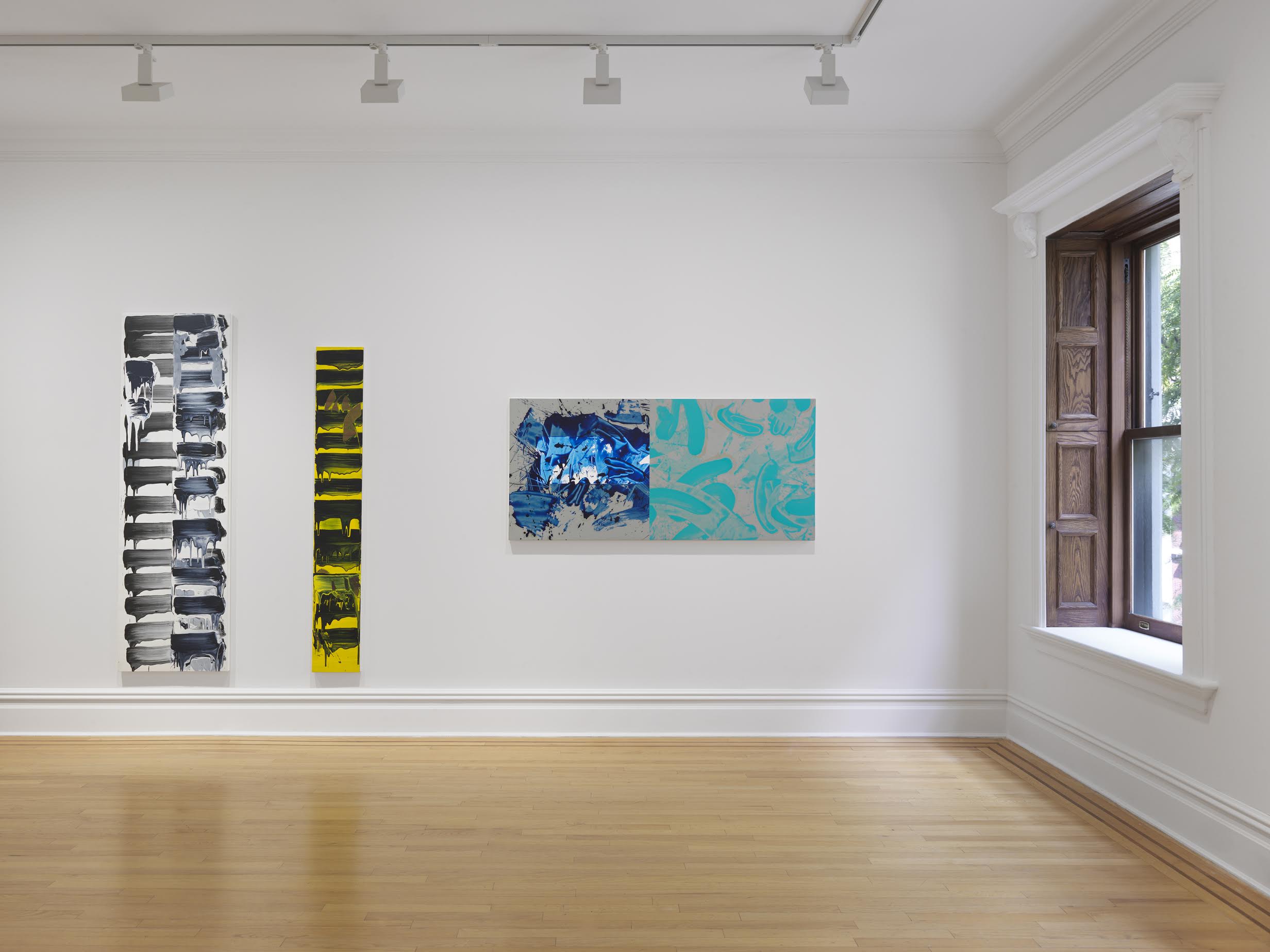
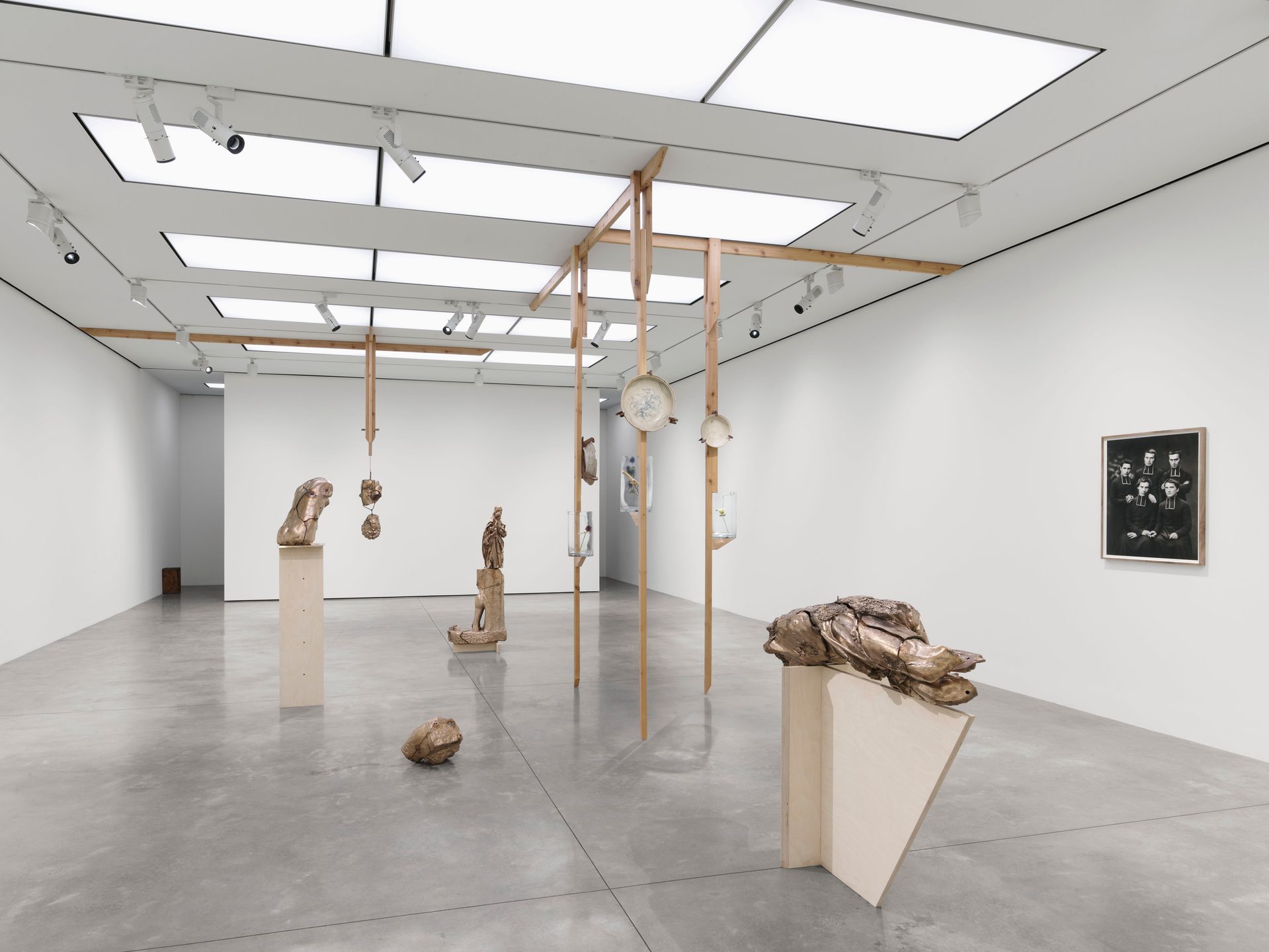
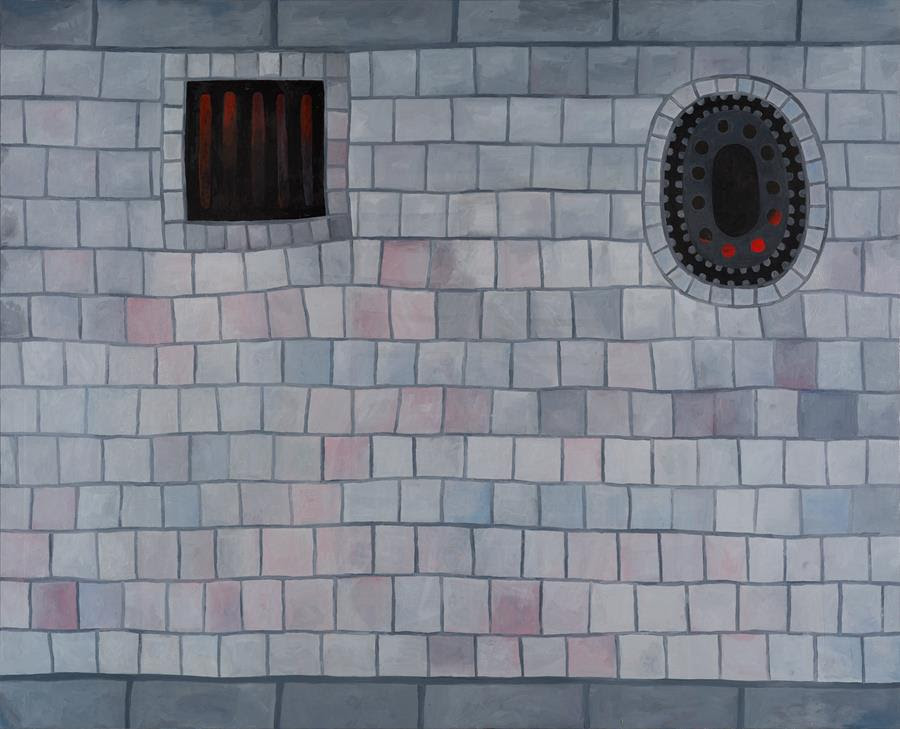
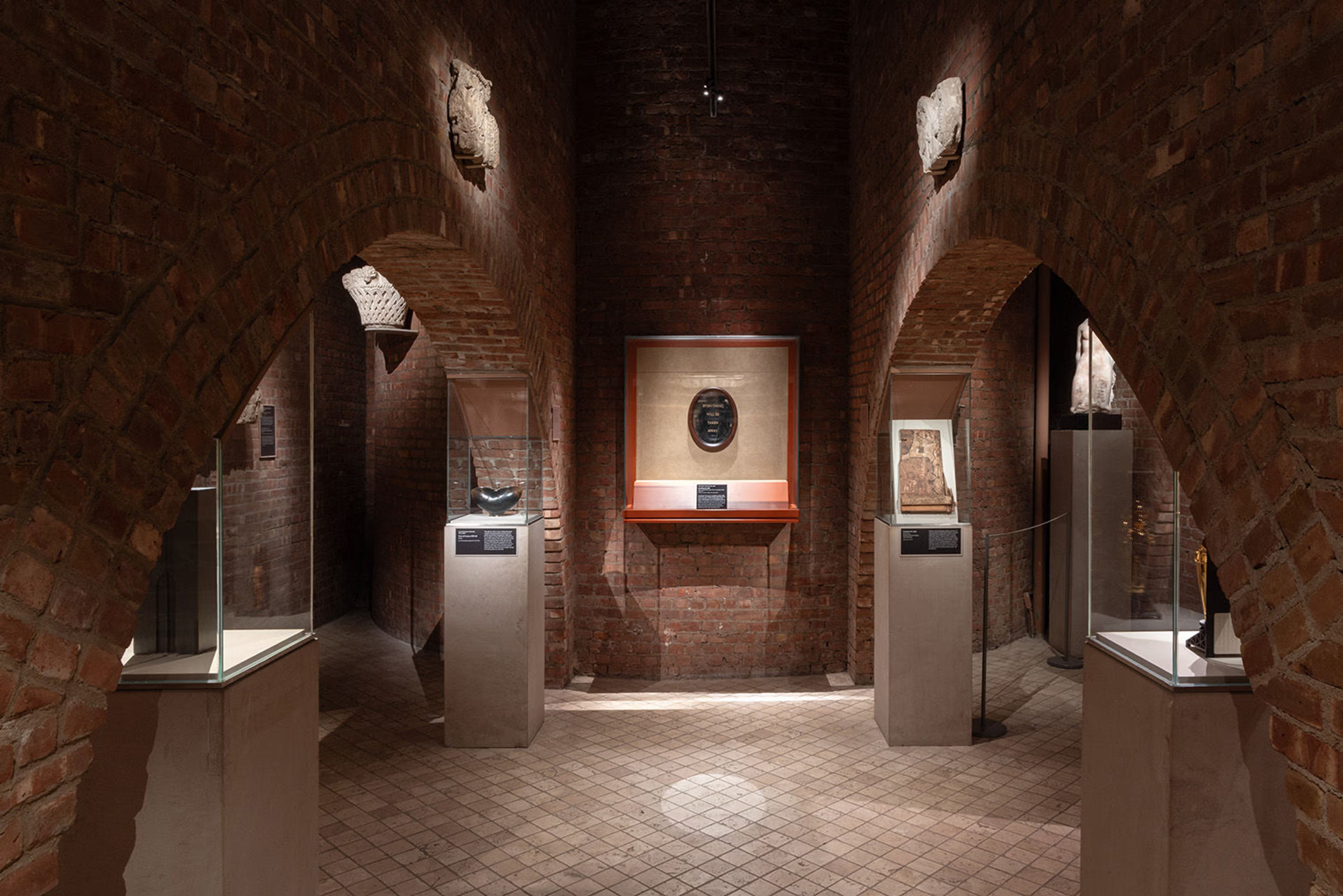
Mnuchin Gallery is delighted to present Robert Rauschenberg: Exceptional Works, 1971-1999, the gallery’s first exhibition dedicated to Robert Rauschenberg. The show is accompanied by a fully illustrated catalogue featuring a conversation on Rauschenberg between curator and critic Jeffrey Weiss and artist Kevin Beasley, with an introduction by Christopher Rauschenberg.
Robert Rauschenberg is rightfully situated as one of the most influential artists of the twentieth and twenty-first centuries. His use of found and experimental materials, collapsing of distinct artistic categories, and an eye towards collaboration and political activism have been inspiration for younger artists for generations. Paradoxically, the breadth of his multidimensional and perpetually ambitious oeuvre has yet to be adequately examined, and his later experiments have been given less acclaim as a result. With examples from fourteen different series, Robert Rauschenberg: Exceptional Works, 1971-1999 aims to provide a new avenue through which to appreciate this innovative artist. In juxtaposing these works, viewers can see how themes Rauschenberg first touched on in early works such as the White Paintings (1951) or the Combines (1954–64) remained anchors in his practice while evolving to meet each present moment.
The exhibition’s earliest work is Castelli / Small Turtle Bowl (1971) from the Cardboard series (1971–72), made shortly after his consequential move to Captiva, off the coast of Florida. Here, the choice of found cardboard illustrates many things at once: a continued preference towards readymade, readily available materials, and a fascination with the history of each chosen object; a reflection on consumerism and globalization; and Rauschenberg’s personal experience of moving and traveling. These themes continue and morph in the Hoarfrost (1974–76) and Jammer (1975–76) series, both of which are represented in the exhibition. Each take hung and draped fabric as their starting point, but to different ends. The Hoarfrosts, such as Untitled (Hoarfrost) (1974), revisit the solvent transfer technique Rauschenberg first developed while traveling with Cy Twombly in the early 1950s, imparting faint and haunting imagery onto the fabric. Meanwhile, the series title is pulled from Dante’s Inferno, a nod to his earlier body of Dante Drawings (1958–60) also made with the solvent transfer process. As the Hoarfrosts evolved into the Jammers—whose name is taken from the term “windjammers,” again inspired by his move to Captiva—Rauschenberg radically removed nearly all imagery to allow the fabric to take center stage. Inspired by a visit to India in 1975, the Jammers make plain Rauschenberg’s turn towards a global outlook that would culminate in the Rauschenberg Overseas Culture Interchange (ROCI) project (1984–91)—represented in this exhibition by My Panare Dream With Yutaje / ROCI Venezuela (1985).
The Jammers went on to inspire the set design for Merce Cunningham’s 1977 performance, Travelogue (1977). Rauschenberg’s interest in the collaborative nature of theater and the fluid movement of dance was a continuous thread throughout his career and features in another work in the exhibition: Balcone Glut (Neapolitan) (1987), part of the Neapolitan subset of the Glut series (1986–89 and 1991–94). Originally conceived as part of a last-minute set design for a Trisha Brown performance in Naples, the work hung above the dancers’ heads as they moved across the stage, creating a fractured relationship between set and performer. Again, made of found material, this time recycled industrial parts, the artist assembled Balcone Glut at a time of cultural shift away from the hand-made towards a more digital, computerized presence. Ever the progressive, Rauschenberg quickly latched on to the possibilities offered by bourgeoning technologies such as Photoshop and Iris printers, culminating in works such as S (Apogamy Pods) (1999) from one of his final bodies of work made during the dawn of the twenty-first century and the internet boom.
These pieces, along with other works from the Spread (1975–83), Kabal American Zephyr (1981–83, 1985, 1987–88), Salvage (1983–85), Galvanic Suite (1988–91), Urban Bourbon (1988–96), Borealis (1988–92), Spartan (1991), and Vydock (1995) series, offer a visual representation of the range and freedom that Rauschenberg maintained while upholding a persistent continuity towards material exploration, collaboration, the breaking of boundaries, and global and local activism.
This exhibition is presented in cooperation with the Robert Rauschenberg Foundation. Two other gallery exhibitions coincide with Robert Rauschenberg: Exceptional Works, 1971-1999 at Mnuchin Gallery, Robert Rauschenberg: Venetians and Early Egyptians, 1972-1974 at Gladstone Gallery, New York from May 4-June 18, 2022, and Robert Rauschenberg: Japanese Clayworks at Thaddaeus Ropac, Salzburg from April 8-July 9, 2022.