Ended Jul 16
Paul P.
Bacchante with Lowered Eyes
Jun 8 – Jul 16, 2021
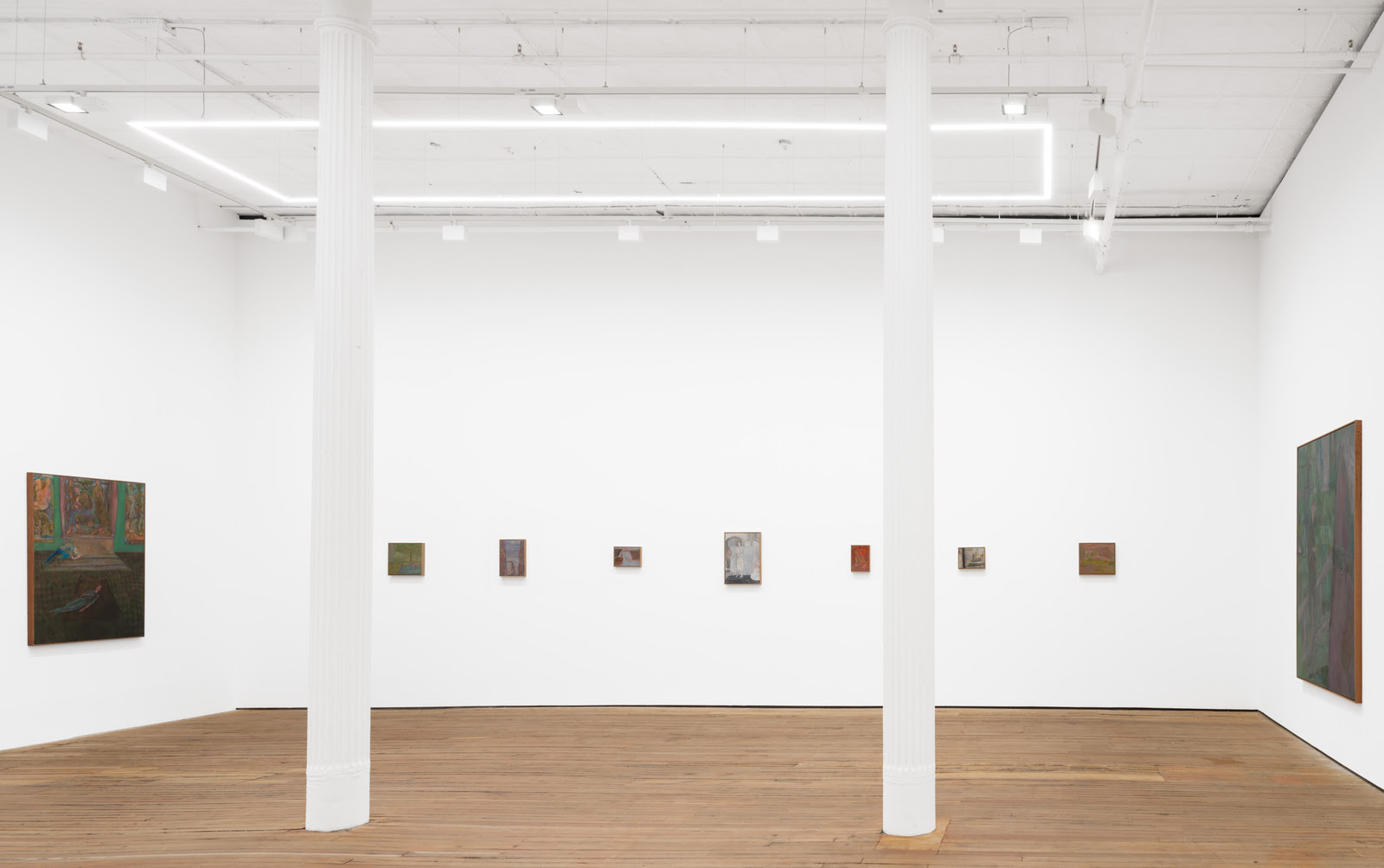
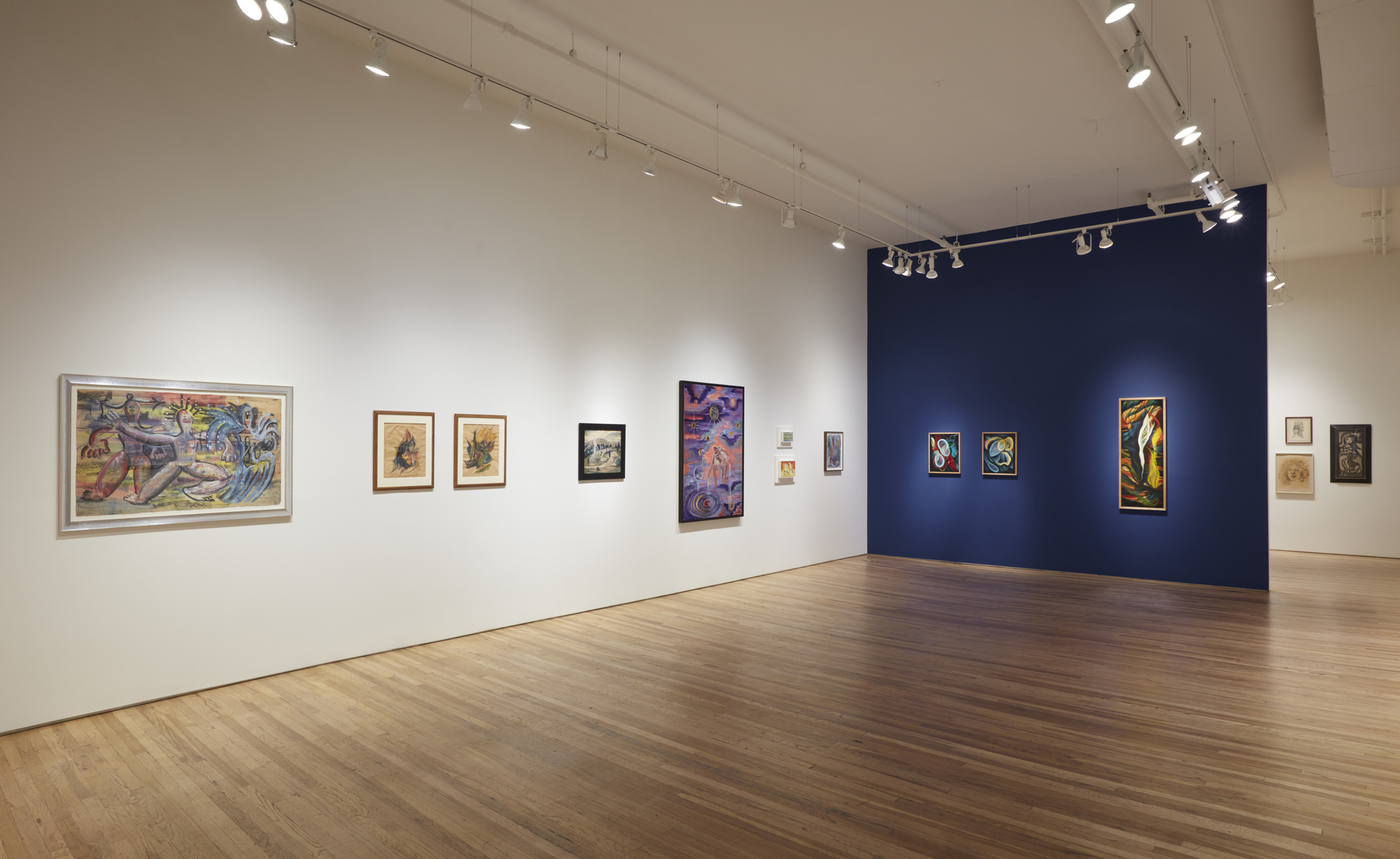
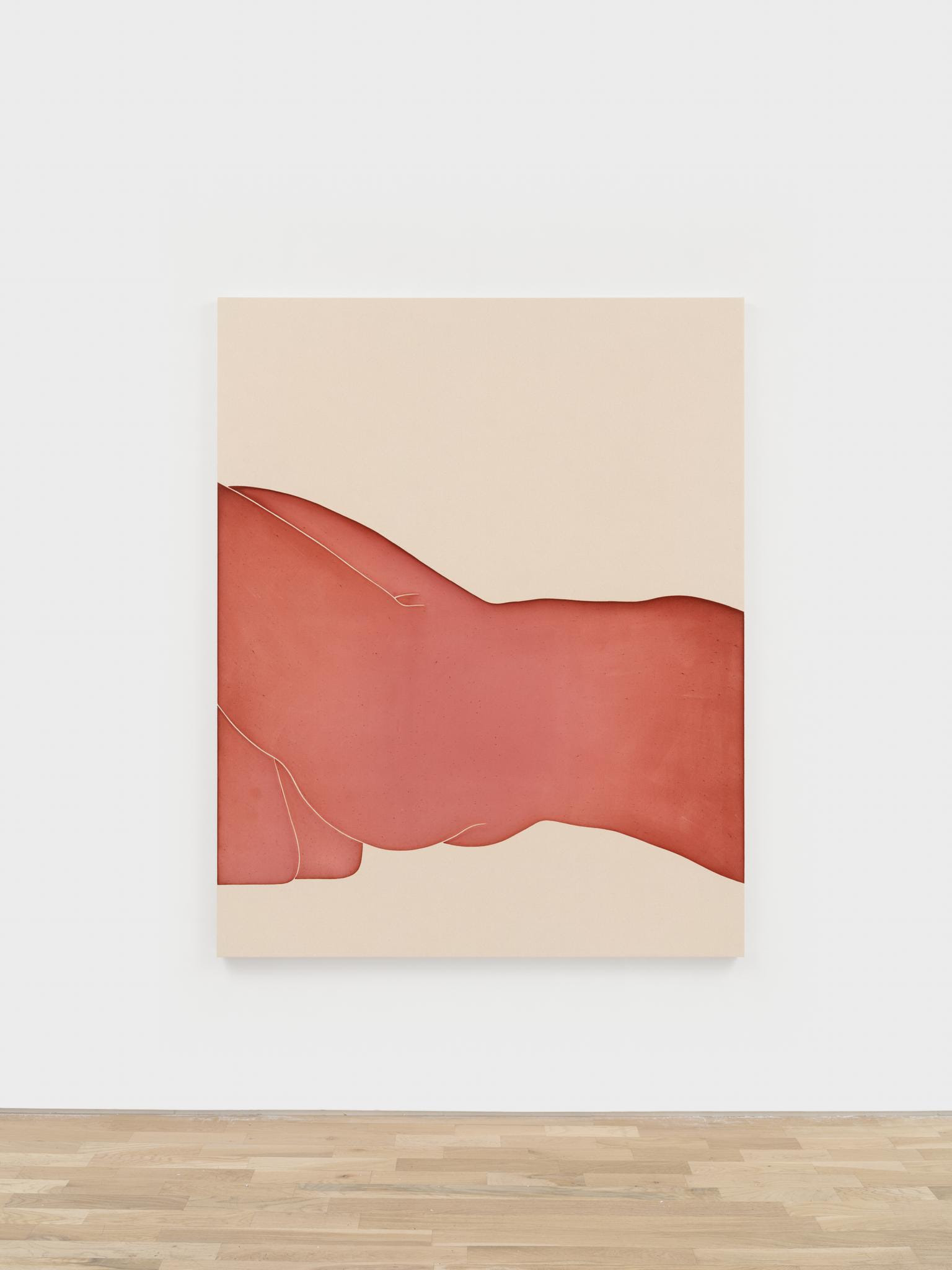
With heavy lids and an air of somnolence, the images in Bacchante with lowered eyes recall the momentary weariness of a tired celebrant; an expression of exhausted bliss tinged with despair. In this selection of Paul P.’s oil paintings, watercolours and ink drawings, the depicted figures share the knowingly downcast gaze of one dispossessed by pleasure and given to rest. Two horizontal paintings of reclining young men anchor the exhibition and evoke the myth of Endymion, a beautiful shepherd bound to eternal slumber and visited nightly by his lover the moon, a succubus who lustfully bathed the youth’s acquiescent flesh in moonlight. A frequent subject in Romantic painting, the myth may analogize the asymmetric relationship of a sitting model before the camera’s lens, so unilaterally implemented in the creation of the erotic images from which P.’s anonymous subjects are rendered. The source material used by the artist in his ongoing series of portraits is culled from gay erotica specifically created in the period between Stonewall and AIDS, a discrete era of provisional freedoms bookended by repressive violence and tragic loss.
P.’s multivalent and allegorical strategy for presenting his subjects traces a constellation of recurrent aesthetic tendencies across historical epochs marked by cultural tragedy and criminalized or outlaw homosexuality (which, as an identity, exists always in relation to its criminality). A conceit of P.’s work has long been its linking of the languor of the artist model, or muse in late- Victorian art with a parallel body language he locates in gay male printed erotica from the 1970s. The explicit imagery of that period is reframed by the artist within more implicit pictorial modes from eras of necessarily clandestine queer desire, giving safe passage through time to the wayward waifs in the magazines. Indeed, to receive the gaze, or be desired, or made an object, might contain a fleeting sort of safety (though always deferred), as well as a specious sort of freedom.
The artist’s carefully chosen subjects and meticulous historical references are in this exhibition sublimated toward the experience and contemplation of an aesthetic, an affectation, or a mood. The reclining male nude is employed here as a cipher for indolence as an aesthetic category in itself (a form of strike), often taken up by the artist, amongst a dandified artistic lineage before him. As a student of the categorical appearances of queer desire within the history of artistic invention, P.’s images are received as disassociated transmissions through viscous and watery mediums. Their vaporous, subaqueous compositions are pooled with micaceous flecks of pigment like the historical sediment of the artist’s sources.
A parallel body of work also presented are a series of pen and ink portraits drawn from life of statues in museums, made with a fountain pen on paper, over which washes of the same grey ink are sometimes later added. Two works depict a bust of the French artist Louise Abbéma (1853-1927), housed in the Musée d’Orsay, and sculpted by the Belle Époque’s best known star of stage, the French actress Sarah Bernhardt. The two women were lifelong friends, and almost certainly at one point lovers, and the bust functions as a relay of queer desire: their mutual fascination, as well as their ardent proto-feminism, are suspended within the work’s neoclassical style. A second set of drawings depict a Roman copy of a Greek Hermes in marble, from the Metropolitan Museum of Art. This ancient Hermes is a wellspring from which thousands of such images were copied, instances where young men put on the trappings of an alleged deity, and the homoerotic figure is given shelter within a conservative canon. Both sets of drawings reprise the same motif over different intervals of time spent by the artist in the temporally disjunctive site of the museum. Repetition and atmospheric reinterpretation are hallmarks of the artist’s systemic approach to representing his subjects and environments, and like in plein air drawing, there is an ever-changing atmosphere, or weather, within the museum that is reflected on the subject.
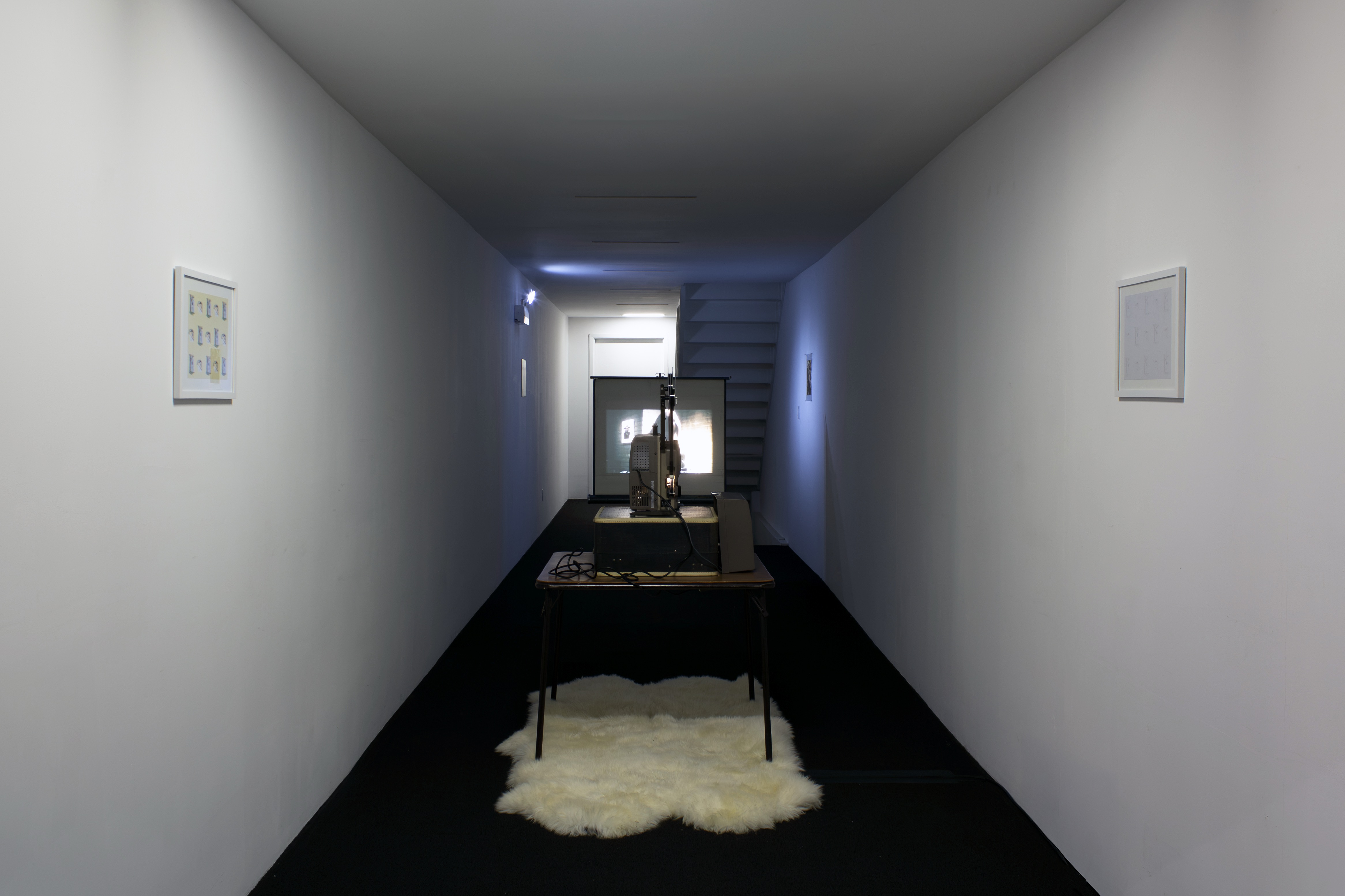
In the gallery’s office hangs a small collage on blue note paper depicting three pairs of delicately slippered feet, a xeroxed reference to the Bright Young People, a coterie of careworn youth in interwar England who employed dandyism as a strategy of resistance to homophobia and war. The xeroxed image echoes the artist’s own methodology for collecting erotic material from the ArQuives, where photocopies are made from the remnants of licentious publications, consigned to slumber peacefully in the queer archive’s care. The xerox also alludes to the punk and zine aesthetics native to P.’s own artistic genesis, yet another historical dimension of queer alterity and defiance. As elsewhere, repetition of the subject is a foundational gesture, alluding to an essence communicated in its multiform aspects, and to signal the devotional importance of a subject’s countenance. And like the mercurial atmospherics of the museum, the xerox also contains an internal ‘weather’, apparent in the degradation of images transferred to black and white within a halftone matrix. Working directly from the copies (of copies), P. inhabits the exhausted image, capriciously reconfiguring the subject towards oneiric presence.
—SL
Paul P. participated in the 2014 Whitney Biennial, New York and the 2018 Front International Cleveland Triennial. Recent solo exhibitions include Maureen Paley, Hove; Cooper Cole, Toronto; and Lulu, Mexico City. P.’s work is in the collections of the National Gallery of Canada, the Museum of Modern Art New York, the Los Angeles County Museum of Art, the Hammer Museum, the Brooklyn Museum, the San Francisco Museum of Modern Art, the Art Gallery of Ontario, and the Whitney Museum, among others. This is his second solo exhibition with the gallery.