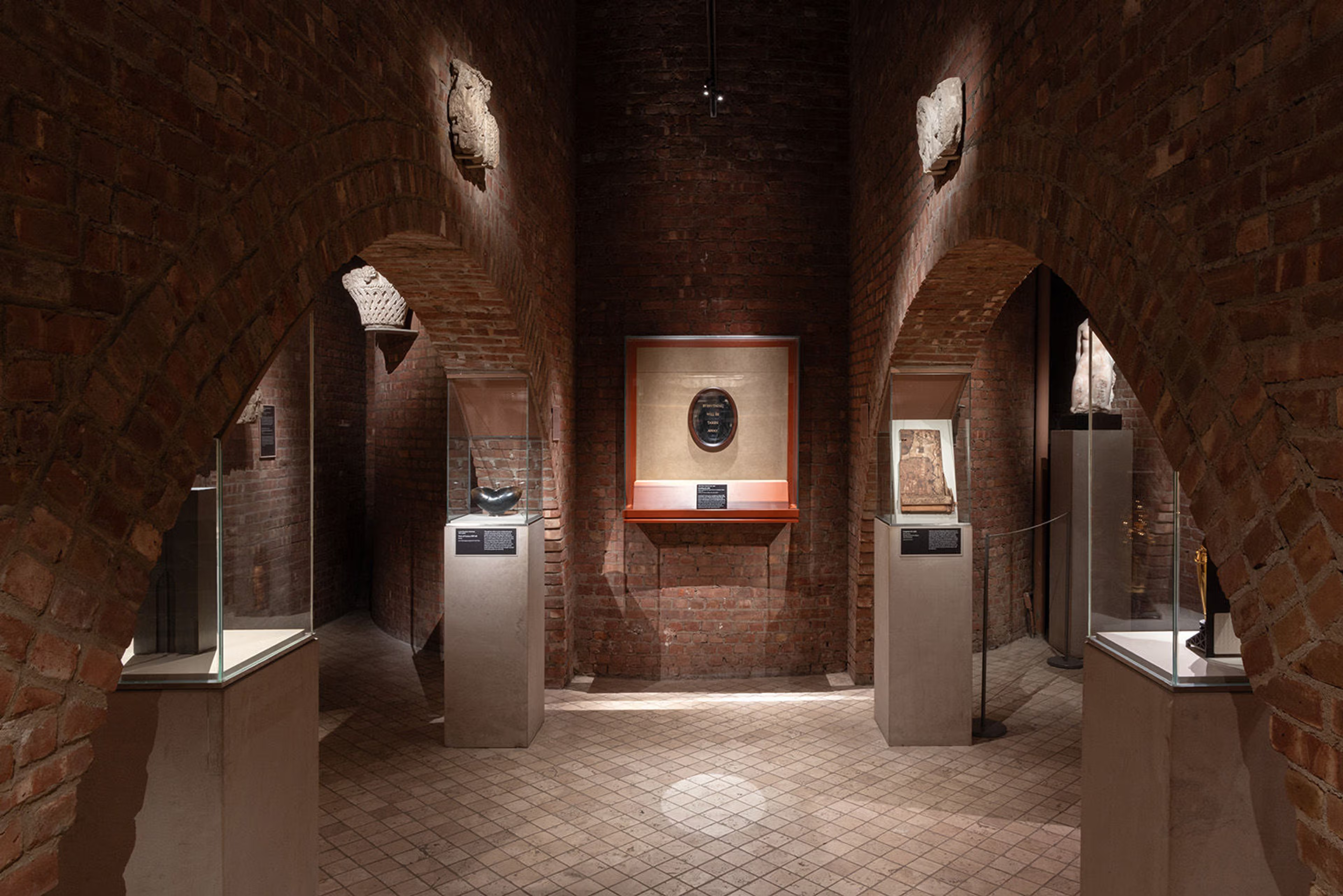
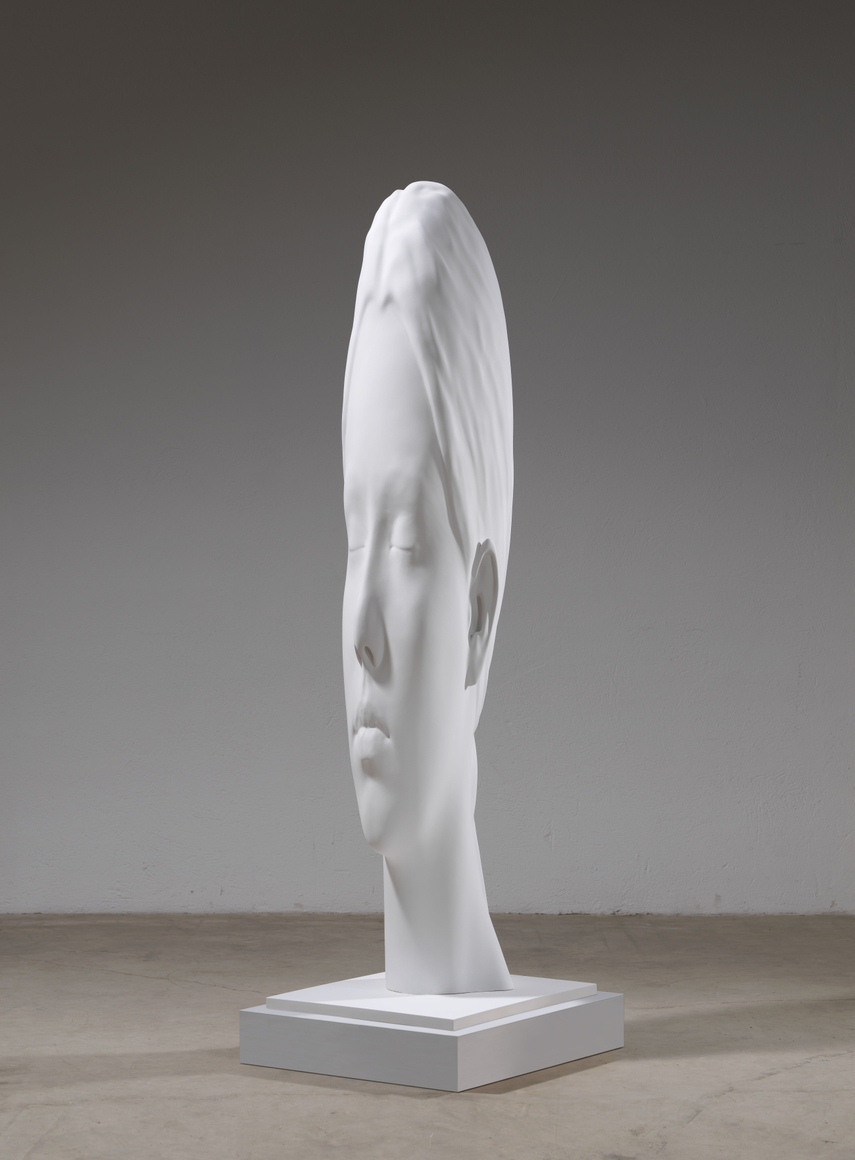
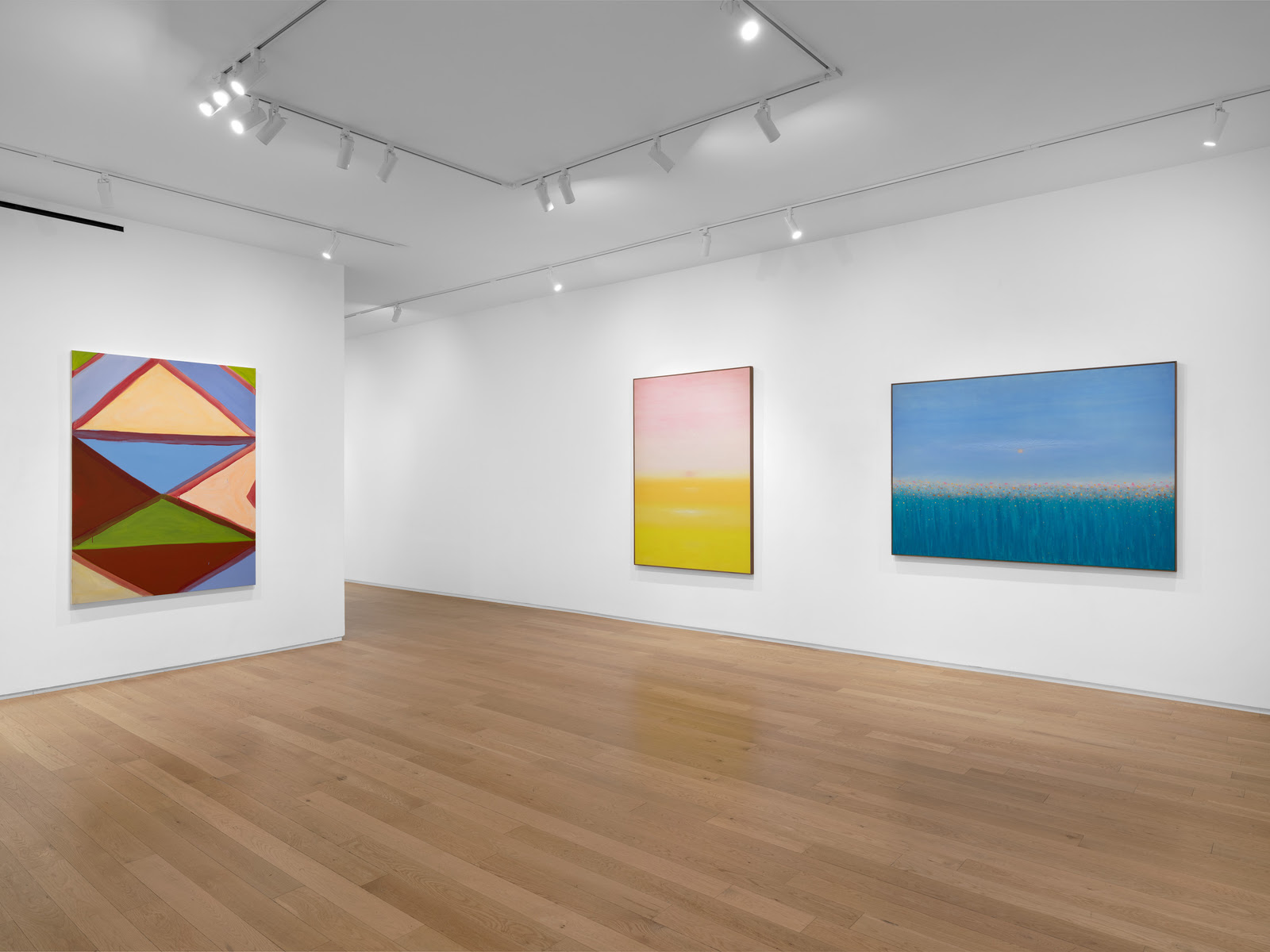
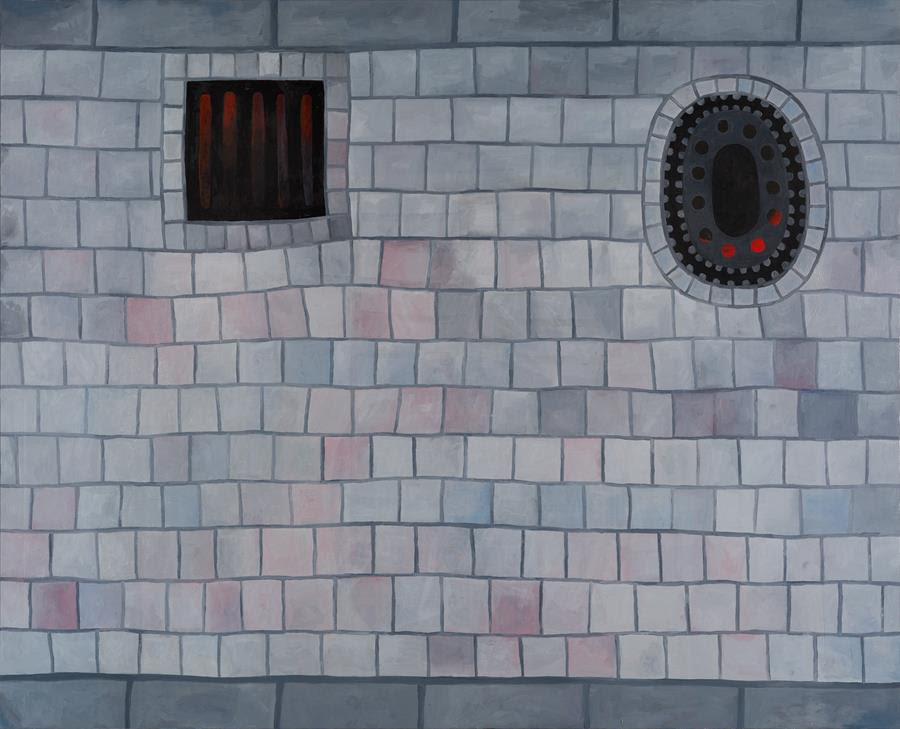
Ended Mar 5
Henrik Olesen
Jan 24 – Mar 5, 2016
More from Henrik Olesen on Gallop
Dear
There is nothing to do but read. That is to say I want to write
but can fix with words only the desire itself ...
As you might have heard, I have 2 exhibitions in Sycophitic
City, opening the same day. It is a little eccentric, I know.
One show is opening at the B-- gallery uptown, and one is
opening in New Chinatown at --. The show at -- is still not
done. I will work here in the space for the next month ...
still a long way to go...
.. ..We have only now heard the news of David's passing.
This changes everything. The exhibition uptown was to be
installed on the remnants of the former exhibition. I would
return the walls to their original formation. The space itself
would not be otherwise renovated. The walls would not be
painted; they would hold holes, traces, and living bacteria from
that very interesting show.
In this one of two events, I had pictured a two pronged
arrangement. Two sets of novelties within two against the chaos
of these times.
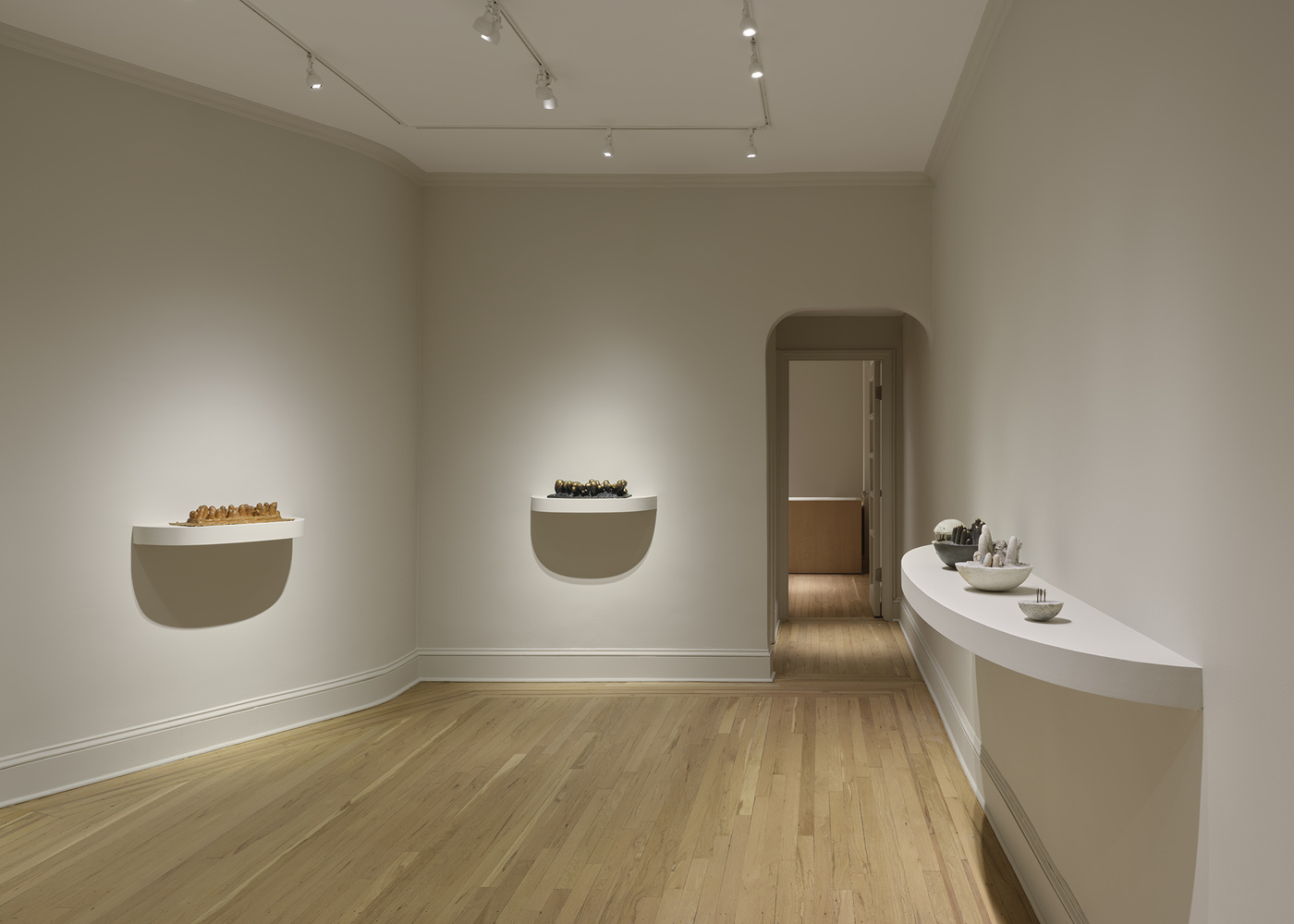
1. “Corners” Site specific works, consisting of negative casts
of the proliferation of corners in the gallery. I imagined this,
as you know, pictured from above.
2. “After Dhalgren '75” Wall pieces.
Here things become more poignant. My Lord how incredibly
prescient that text seems today. How that city of possible
nomads Bellona was the exact opposite of 1970s Manhattan,
mirrorwise? And how now I had thought of introducing it into an
entirely more different sort of different New York? I once
figured it was San Francisco. Katherine Mansfield once described
San Francisco, in a letter to Murray, as living on the inside of
a pearl. Because of all the fog. Well it seems I only introduced
it to itself, after all, or meant to. New York in those days was
its opposite, or shall we say its own facing, point of
reference. The Genovese family owned the Stonewall Inn. The
burning city squatted on weak, inverted images of its fires.
What moved became smoke, lobbling from a windowsill set with
glass teeth like an extinguished jack-o-lantern.
I'm sorry. I observe a new mechanics. I am the wild machinist,
past destroyed, reconstructing the present. I resort to honesty;
I employ cut-ups, of the interventionist Burroughsian sort.
Dhalgren came out in '75. What a year for faggots that was. And we took down Nixon too. But man was no longer on the moon and we didn't understand that yet as the parabolic fact it proved to be. Our culture shooting outwards and up had hit the nadir. And now we see it is falling down upon us. First step, indeed. The whole exhibition was going to look the way words looked in those days. Or how they did on that particularly spectacular cover when it first found me.
And who exactly else would have remembered these corners; these points of no return invisible at the time? Kidd never cared
about the previous occupants of the hallways he explored. His
Bellona was a city that cared not about its past, whose
squatters were the current scene. They made their poems from
within, made each corner its own.
Is this nostalgia? To those from the Age of Hogg, we say search the smoke for the fire's base. Read from the coals neither success nor despair. We say try Dhalgren. This edge of boredom is as bright. This is the deceiving warmth that asks nothing. And look what we're left with today. What use can any of us have for two moons? The miracle of order has run out. This circle in all, this change in changing winterless, a dawn circle with an image of, an autumn change with a change of mist.
Did you hear that story that SRD lost an original notebook of a
late draft in San Francisco? I read it in my old papers. Or was
it AskJeeves? I won't even say where I found it. This is so
strange, but in the interview it's treated like nothing:
INTERVIEWER: Forty years ago, when you were traveling on the West Coast, you lost a notebook with some forty-two pages of a late draft of Dhalgren. What was it like to reconstruct the novel? Did the story change as a result?
DELANY: I plan things out pretty meticulously. It was simply
three weeks of hard, boring work, re-creating the lost pages. If
the National eighty-page spiral notebook had ever turned up in
the back balcony of the Empire theater on Market Street in San
Francisco, where inadvertently I'd left it, many of the
paragraphs would be, I suspect, all but word-for-word identical
with the reconstructed version of the book.
Well that's interesting. For we couldn't help wondering of
course when we were reading it if it might be the author's own
notebook which Kidd finds, keeps and transforms into poetry. But
now that doesn't make sense on several levels. Almost nothing
now makes sense. Remember that scene in the department store
when Kidd seemingly saves the day in a conflict started for no
reason that has no particular outcome whatsoever, except this
one: He sees himself in the mirror?
Kidd's not at all as we expect, or he expects either (though of course we accept that from a character who can't remember his own name). I mean there's only really a beard and glasses and that ear-ring -- but it strikes us as odd as it does him. We had to assume it was Samuel R. Delany himself beaming into his character's brain through a mirror, straight from Edgar A. Poe's 1844 Extra Sun. So yeah that must have been it. He was looking for that notebook all along, creating this whole book in that process.
Except for this new small matter of it being a "late draft" in a
notebook in which nothing was actually lost....
Well that returns us only to our mirror I'm afraid. As to whom Kidd sees reflected in instead of himself, why it must only be One rather despicable beast of a man altering that world which he could possibly see. So it is said by some. Others compare him to a second moon impossibly beheld in the sky behind our own. It's he who is seen there, either way. Remember? George Harrison is the author of the real notebook.
You know, George Harrison, the big colored man? On the corner, wearing black-framed glasses [my italics], workshoe heels wedged in a deep tenon, elbows on the knees of soiled khaki coveralls, and reading The Times, sat George Harrison. Big Brother himself (and a small brass ring in one ear!). On a billboard, some six by sixteen feet, George Harrison, naked, in near silhouette before a giant lunar disk, craned his head to search or howl or execrate the night. George Harrison as the moon. George in cycle drag. George in the forest. The three aspects of George. I remember you telling me he was the very opposite of G-d. You attached every horrible thing to him. You asked: "Why -- I still don't understand -- are you so hung up on him?"
Shortly after midnight, the moon and something called George, easily enough to mistake for a moon, shone briefly on Bellona. Well now you see, don't you? George Harrison as the new moon. George in the light of an extra sun.
Mark von Schlegell for Henrik Olesen at Galerie Buchholz, New
York, 2016.
citations from Samuel R. Delany, Dhalgren. 1975, et. al.