Ended Jan 28
Melvin Edwards, David Hammons, Reginald Sylvester II
Sensibilities
Nov 14, 2023 – Jan 28, 2024
Artists: Melvin Edwards, David Hammons, Reginald Sylvester II
Melvin Edwards
David Hammons
Magdalene Odundo
Reginald Sylvester II
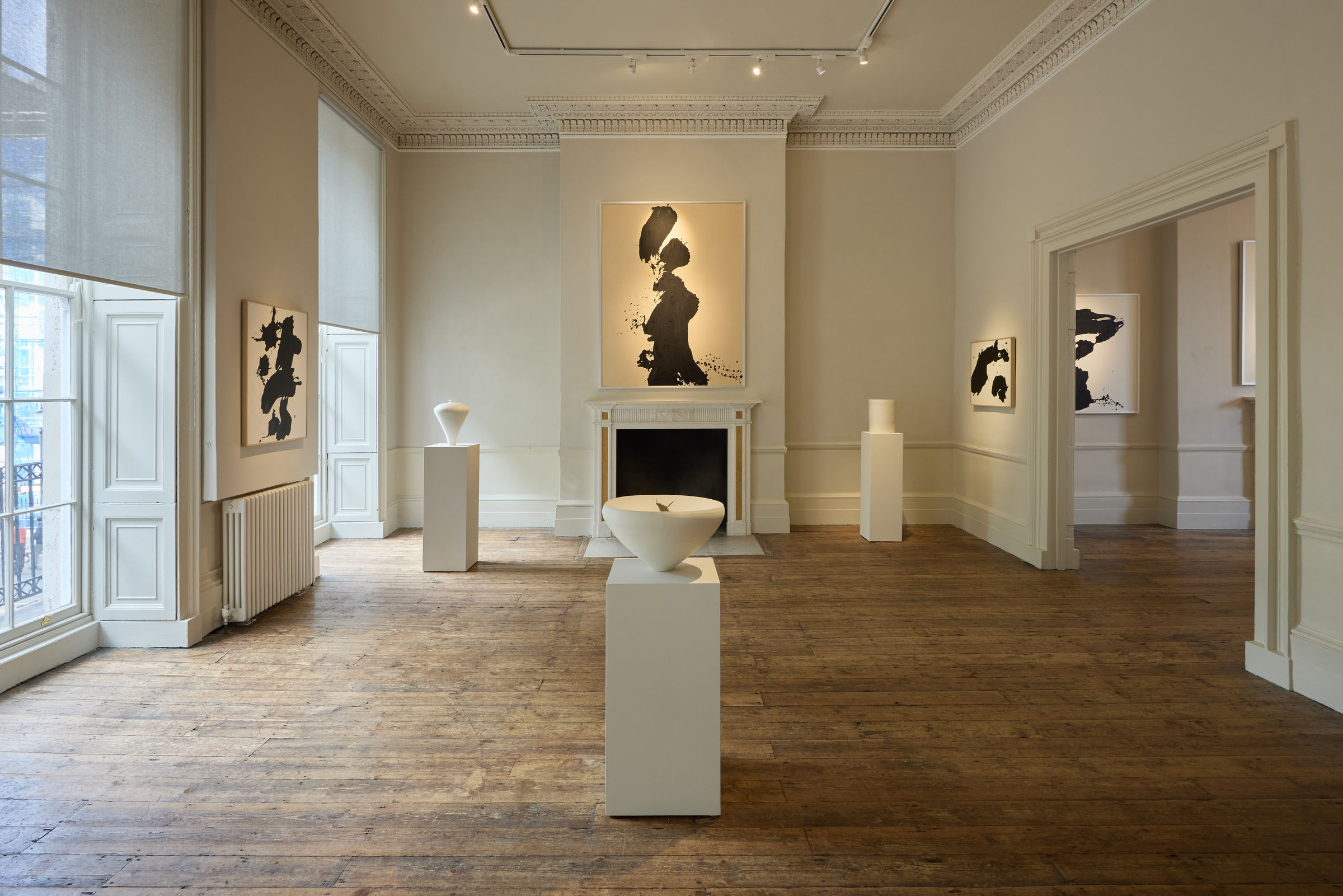
Maximillian William, London, is pleased to present Sensibilities. Through experimentation each artist continually processes, refines, and kicks about their formal language, eschewing an entrapment of style in favour of a feeling, an attitude, an indelible sensibility.
The exhibition emerged from a talk by Reginald Sylvester II at the Kemper Museum of Contemporary Art in March of 2023. Sylvester noted that his “favourite artists are those that don’t have a style, they have a sensibility”. He explained, “I want to have a sensibility rather than a style because then I can continue to search.” The three artists presented alongside Sylvester never affix themselves to a mode, instead, they develop an instantly recognisable vernacular across forms.
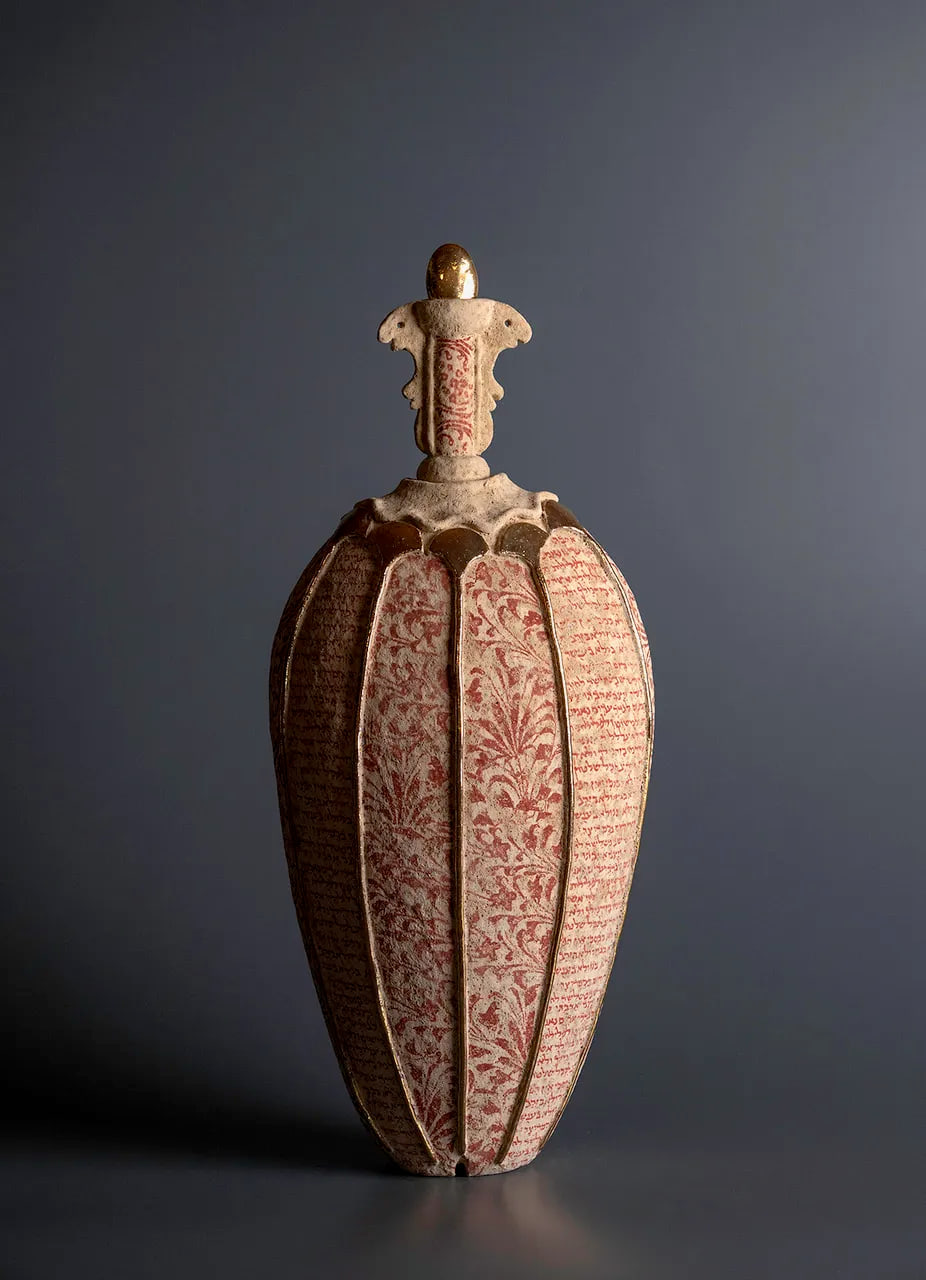
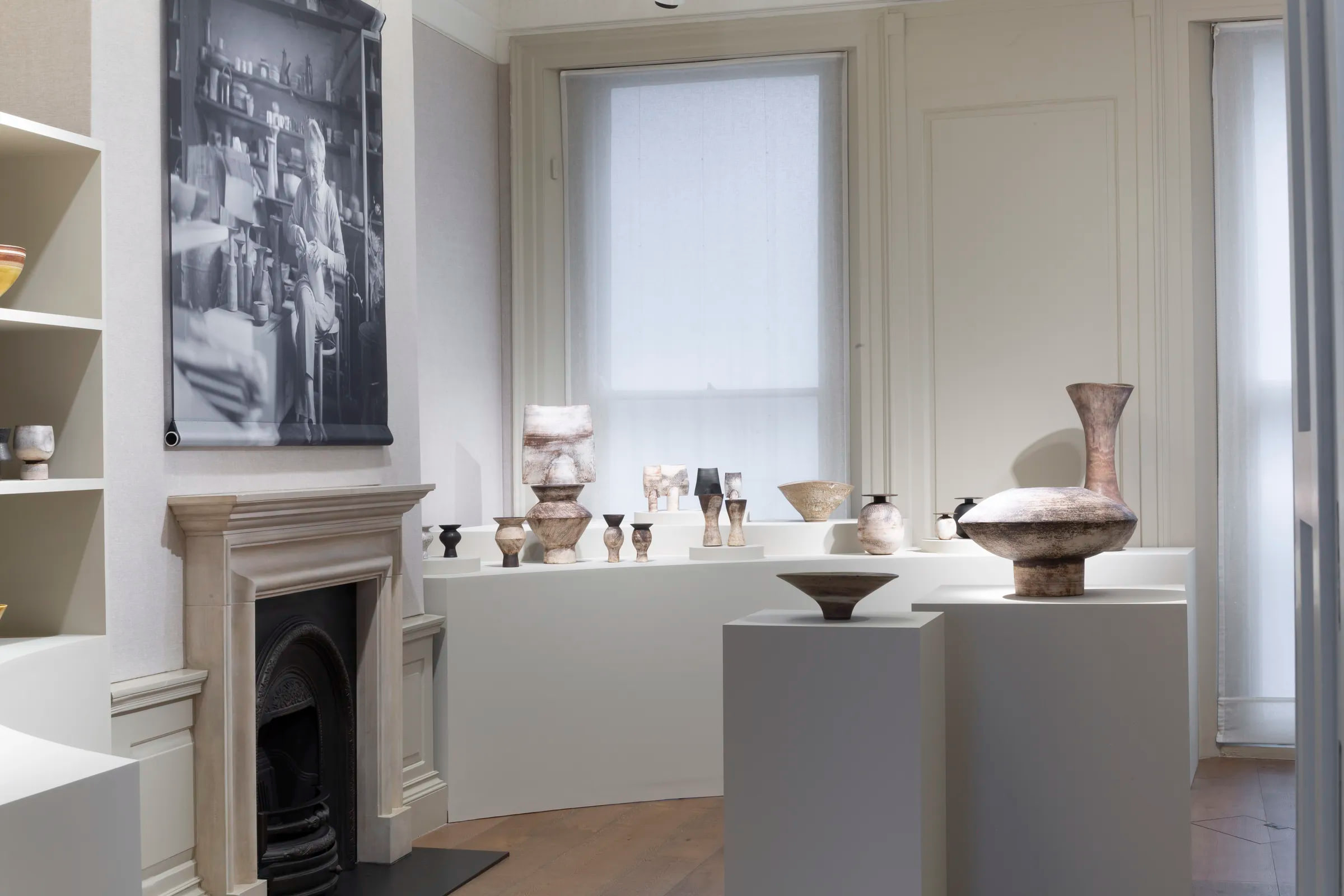
Dame Magdalene Odundo’s lexicon is informed by a deep knowledge of traditional processes, such as the Gbari method she learned while studying at the Pottery Training Center in Abuja, Nigeria. Built and coiled rather than thrown, and primarily practised by women, this technique is fused with Odundo’s characteristic hand-burnishing to produce a new sculptural language for a timeless medium.
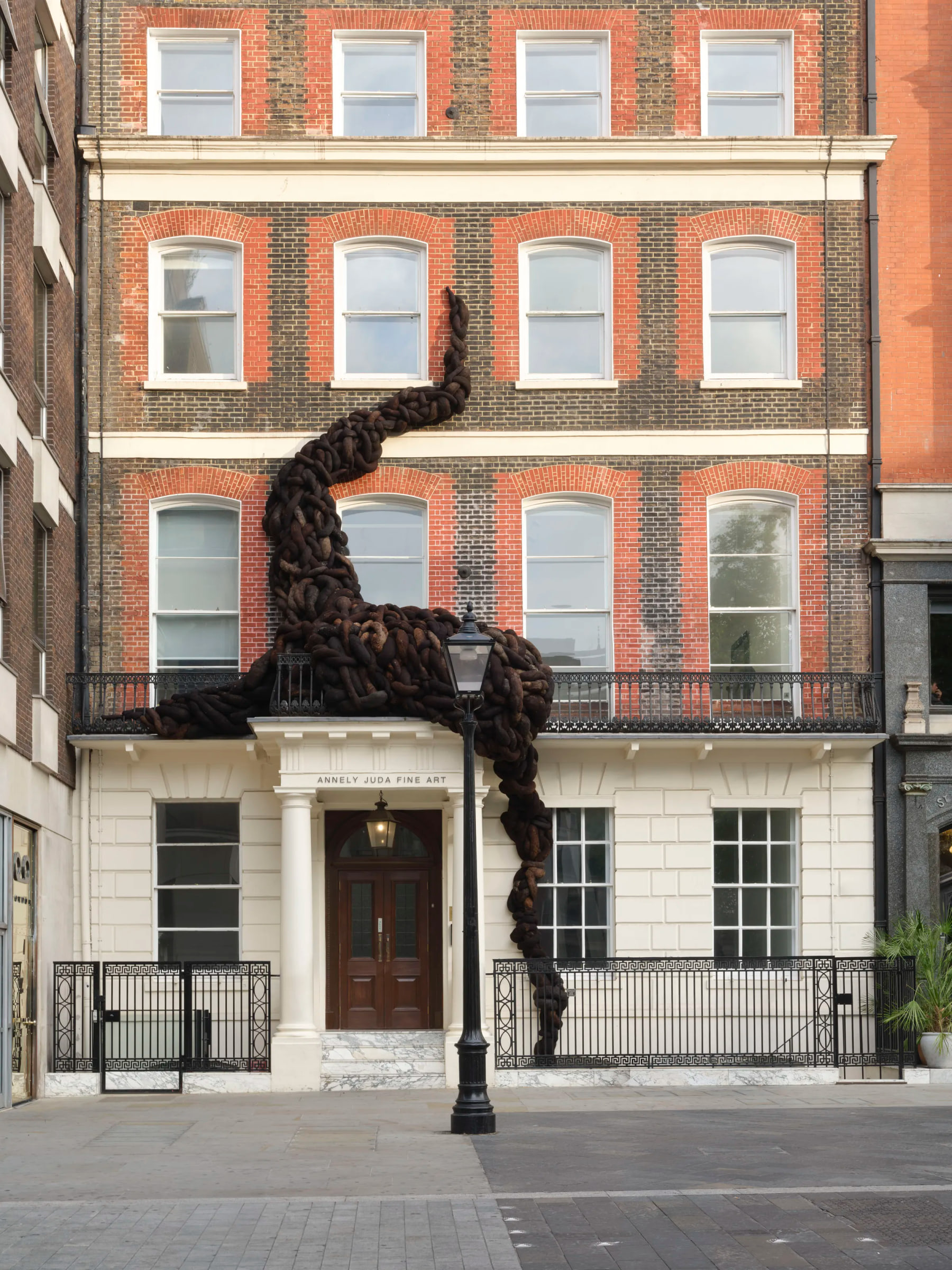
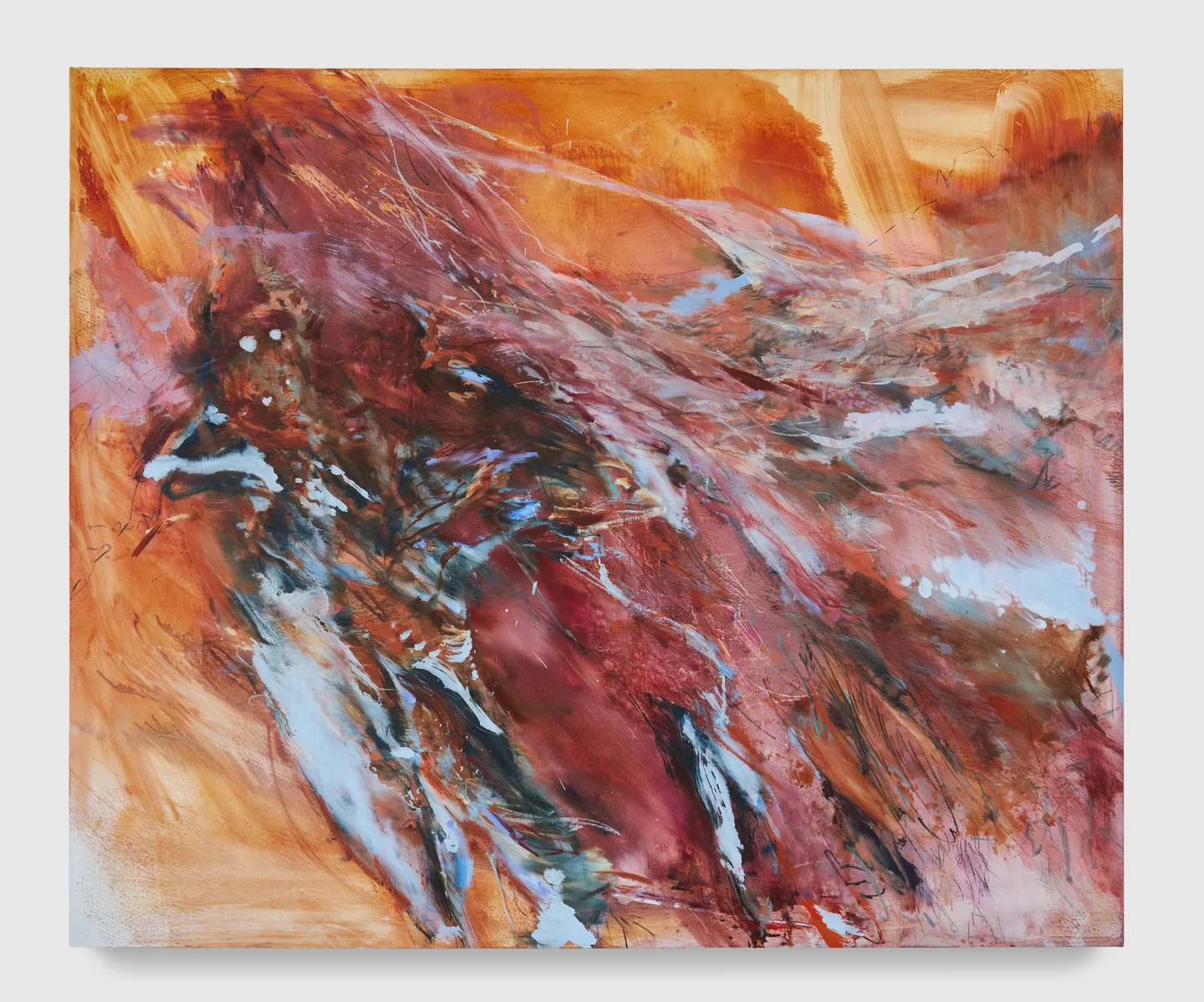
A haptic engagement with surfaces is continued in Reginald Sylvester’s new work, T. Part of an ongoing series, the artist manipulates ductile materials such as tarpaulin and rubber to emulate immutable surfaces like aluminium or steel. Combining a painter’s sensibility with a sculptural presence, Sylvester’s large-scale work sustains his interest in the transformative potential of materials.
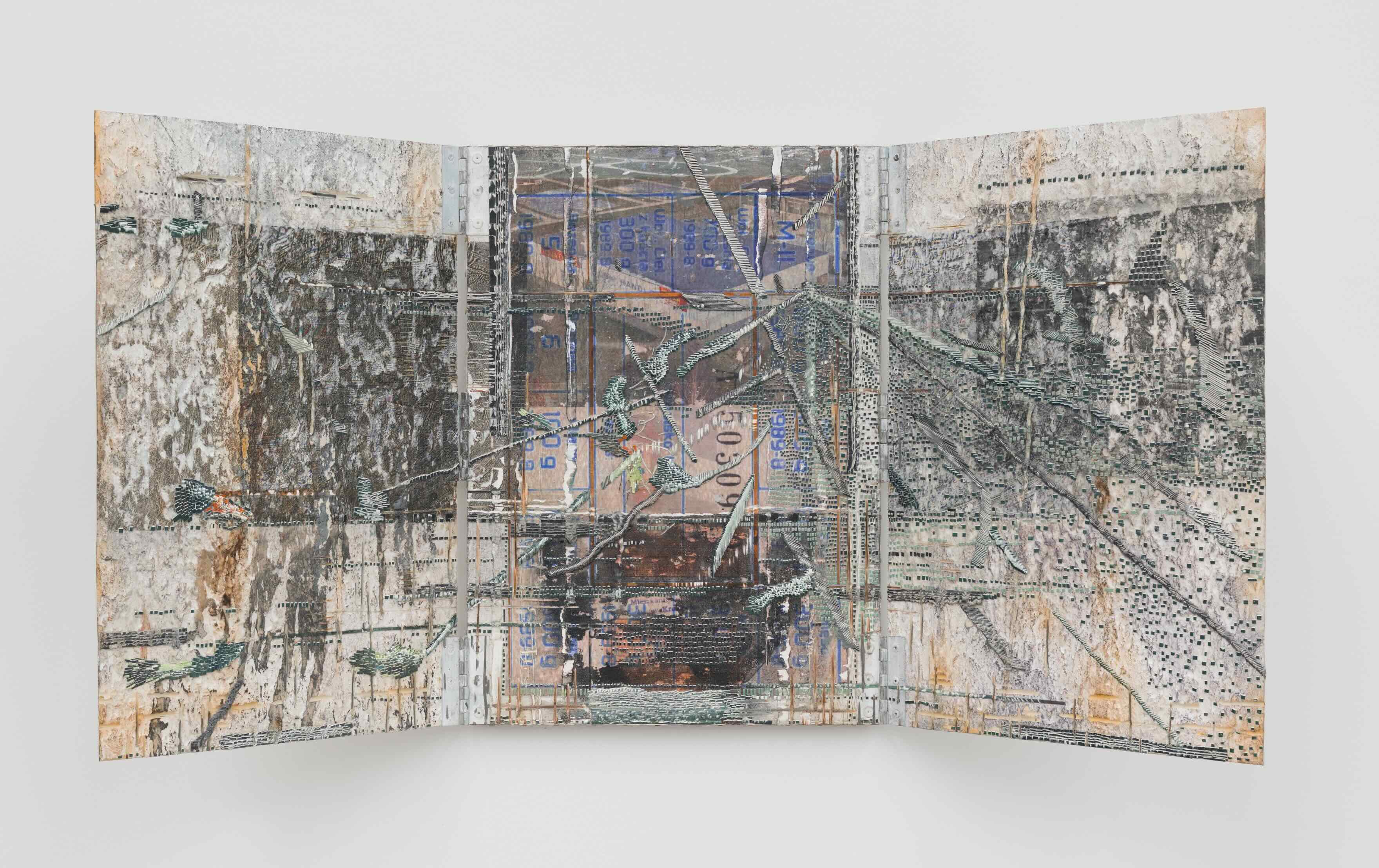
In Melvin Edwards’ sensitive welding, locks, horseshoes, and chains emerge from amalgamations of otherwise unidentifiable steel elements. These wall reliefs form part of his Lynch Fragment series, illustrating Edwards’ consistent interest in African-American history and his experience growing up in a segregated United States in the 50s and 60s. Edwards’ masterful metalwork interrogates both emblems of brutality and the poetic affect of abstraction.
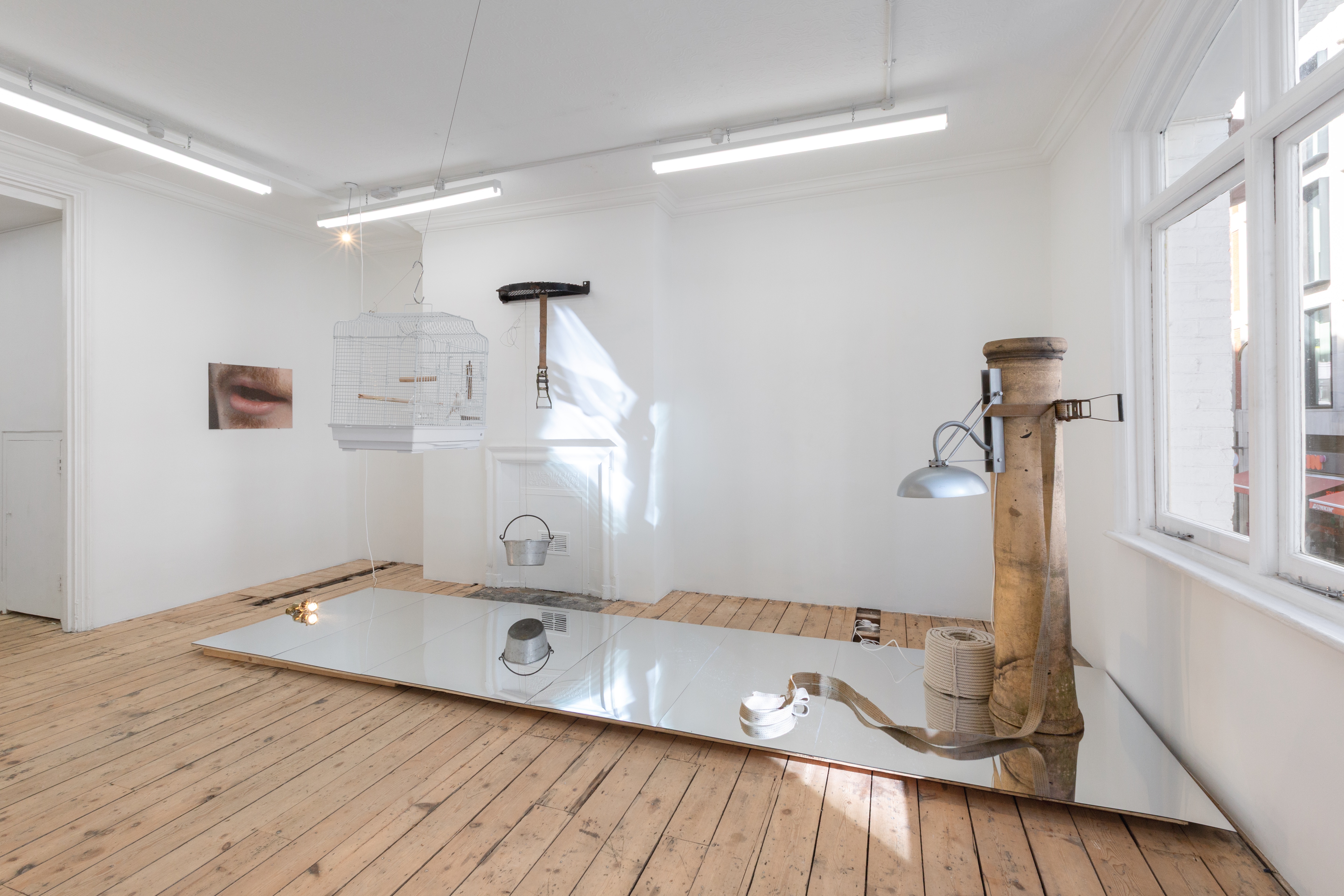
On seeing Edwards’ work at the Whitney Museum of American Art in 1970, David Hammons remarked that it was “the first abstract piece of art that I saw that had cultural value in it for black people... I didn’t think you could make abstract art with a message.” Hammons’ film Phat Free documents a performance from 1995 when the artist kicked a metal bucket through a streetscape. His proclivity for satire, wordplay, and a biting wit have come to define his practice, and in Phat Free David Hammons’ tactics of evasion are present in full.
Melvin Edwards (b. Houston, Texas, 1937) lives and works just outside of New York, USA and in Dakar, Senegal. Edwards is celebrated for his distinctive sculptures and three- dimensional installations created from welded steel, barbed wire, chain and machine parts. While the artist’s formal language clearly engages with the history of abstraction and modern sculpture, Edwards’ work is born out of the social and political turmoil of the civil rights movement in the United States. Themes of race, protest and social injustice permeate the artist’s practice. In 1970, Edwards became the first African-American sculptor to have a solo exhibition at the Whitney Museum of American Art in New York, presenting a ground-breaking installation of work made from barbed wire.
David Hammons (b. Springfield, Illinois, 1943) moved to Los Angeles in 1962, attending CalArts from 1966-1968, and the Otis Art Institute from 1968-1972, where he was inspired by artists such as Bruce Nauman, John Baldessari, Charles White, and Chris Burden. In 1974, Hammons settled in New York City. Over the past five decades, Hammons has created a versatile body of work that explores the experience of African-American life and the role of race within American society. He began his career in Los Angeles in the late 1960s, where he was influenced by the politically charged imagery of the Black Arts Movement, the found-object assemblages of Dada, and the humble materials of Arte Povera.
Dame Magdalene Odundo DBE (b. Nairobi, Kenya, 1950) is internationally recognised for her elegant and evocative vessels that straddle the gap between abstraction and subtle figuration. Odundo’s pots are not thrown but built; she uses her fingertips to shape the clay, in a process known as coiling. Her pots are then smoothed, polished, and covered in slip before being fired, giving them their distinctive black and orange markings. Her work features prominently in the permanent collections of the British Museum, London; the Metropolitan Museum of Art, New York; Cooper Hewitt Smithsonian Design Museum, New York; the Smithsonian National Museum of African Art, Washington D.C.; and the Art Institute of Chicago.
Reginald Sylvester II (b. Jacksonville, North Carolina, 1987) lives and works in New York. Working predominantly in abstraction, Sylvester II makes large-scale paintings and sculptures which often include found objects. Sylvester II opens his debut West Coast solo exhibition at Roberts Projects, LA, in November 2023. This will follow his second solo institutional exhibition in a North American museum in March 2023, Green Gate at the Kemper Museum of Contemporary Art in Kansas City, MO. Prior to this, Painter’s Refuge: A Way of Life opened in 2022 at the Harvey B. Gantt Center for African-American Arts+Culture in Charlotte, NC. Sylvester II’s work is held in public collections including Nasher Museum of Art, NC; Harvey B. Gantt Center for African-American Arts+Culture, NC; and Fondazione Stelline, Milan, Italy.