Ended Jan 11
Chronique du Trouble: Solos
Nov 28, 2019 – Jan 11, 2020
Antoine Catala
Jan Kopp
Gustavo Speridião
Curated by Thierry Raspail
[Scroll down for French version / Veuillez trouver ci-dessous la version française]
"The drawing of a line cuts the paper in two parts. The drawing of maps and borders turns neighbors into strangers."
- Marlène Dumas, 2010
Chronique du Trouble is deliberately optimistic. Each of the three protagonists makes something of another poetry, a silent way of screaming shapes and not letting it be said ...
The exhibition brings together three artists of the same generation. One, German, works in France, the other, French, works in the United States, the third, Brazilian, when he is not at the end of the world, works in Rio. Everything in their work brings them together, nothing in their form is alike.
The exhibition works on the premises of the trouble, the small forewarning disorders, those who, from a butterfly scale, causes at the end of the chain, the distant catastrophes that one can not imagine yet. It’s a way of antidote!
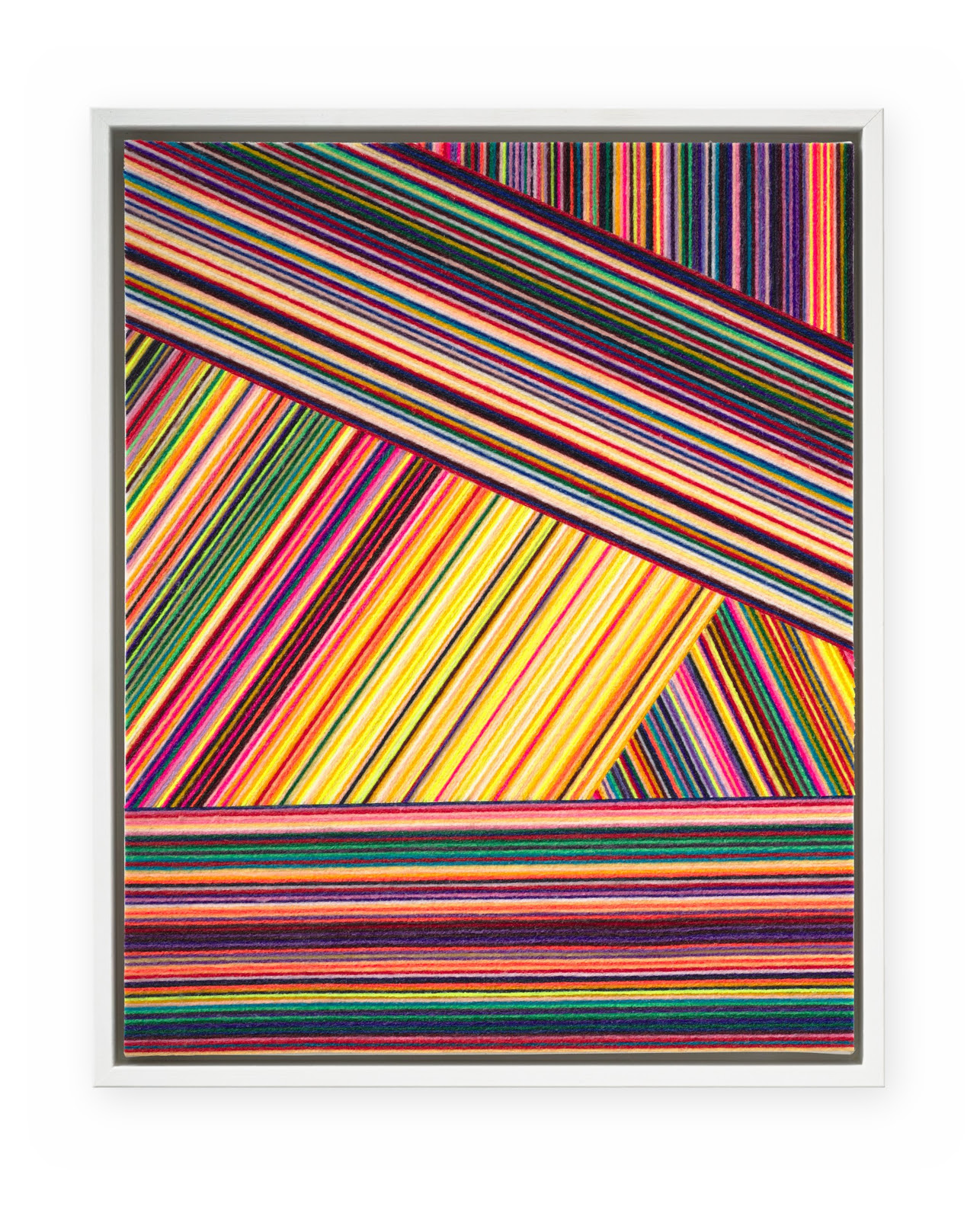
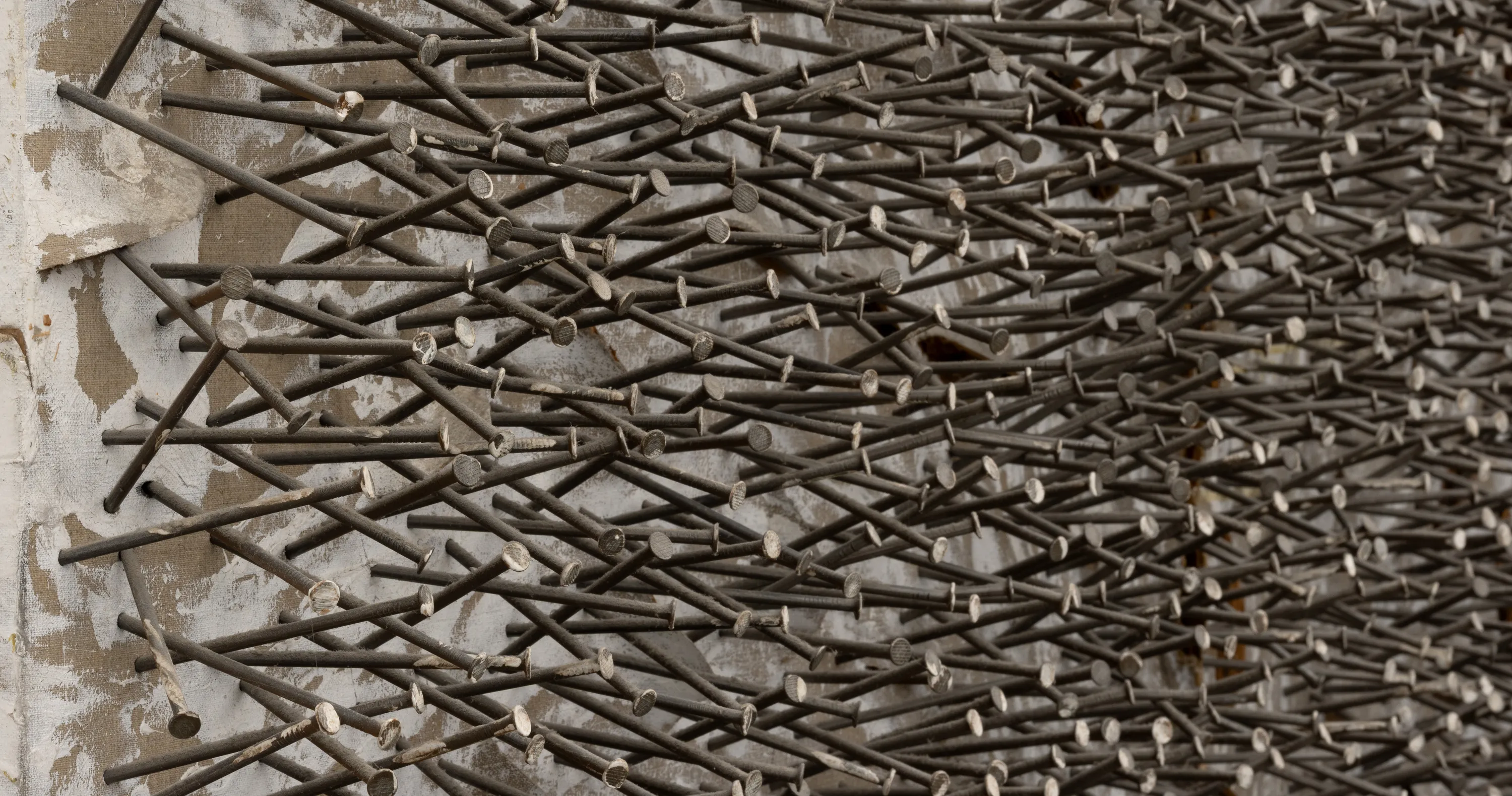
Jan Kopp is interested in what is missing from an image, a place of incompleteness, what the words hide and unveil, what in repetition is endowed with irreducible singularity, and the strangeness of time that crosses, passes and escapes while at the quantum scale, it probably does not exist. Jan Kopp alternates between studio work and collective work, films, drawings, performances, installations. He creates for the exhibition an installation in situ in which the cycle of time and its motionless trace will be the modest heroes.
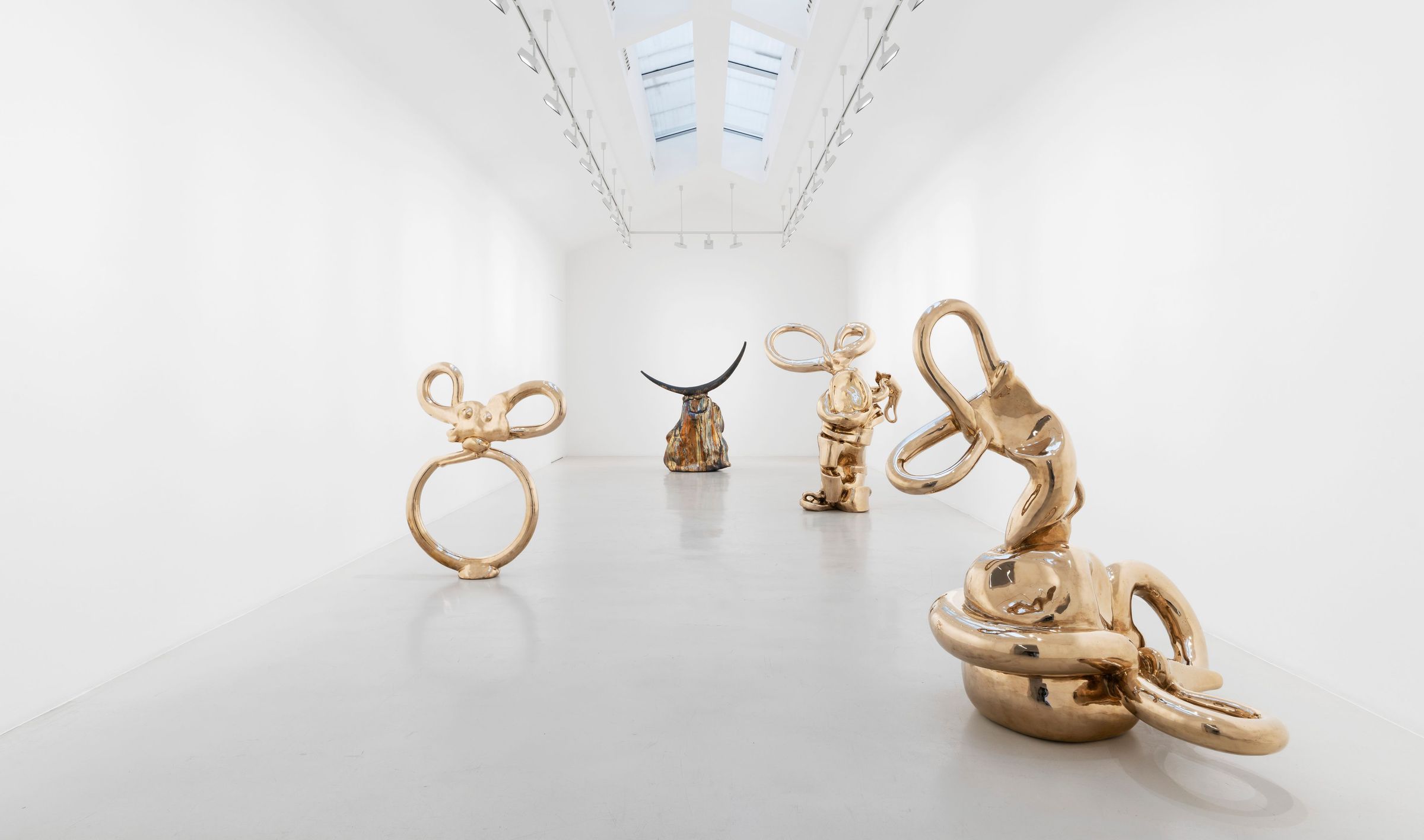
Antoine Catala tinkers with extremely serious gadgets and low-cost technologies: crawling logos, pneumatic aphorisms or sinuous rebus. The words crumble to say something of the world. The paintings breathe. Humor comes out between two or three potential tragedies. A profiler of empathic technologies, he reconciles, on the assumption that they are angry, the two sides of absurdity and efficiency.
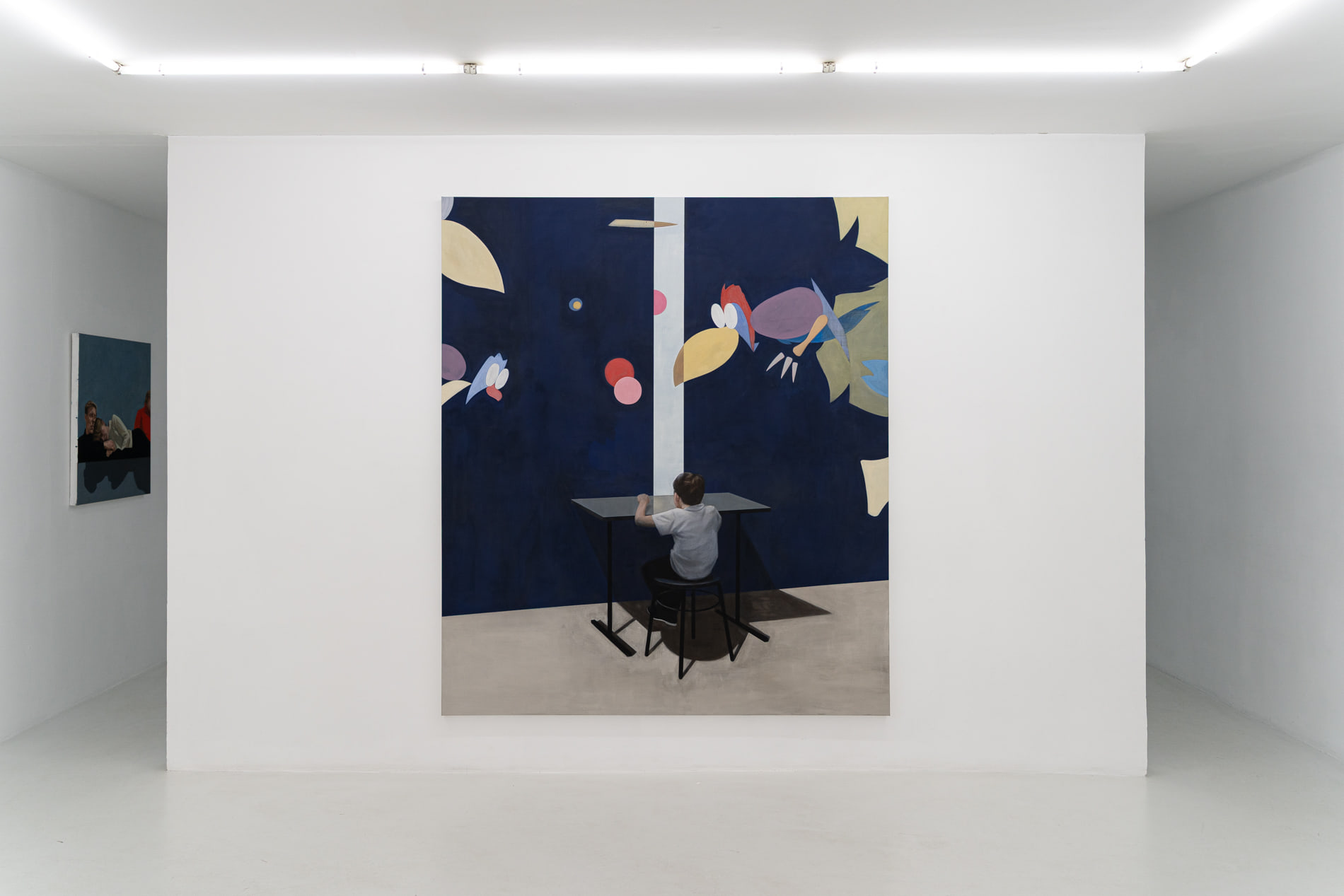
Gustavo Speridião interferes between history and art history by appropriating famous images of tragic events, to make scenes signed Picasso or Fontana. His sources of inspiration, when they are not simply taken in everyday life, are on the side of Courbet, Malevitch, Chris Marker or simply in the corners of graffiti walls of cities. Filmmaker, painter, photographer, orator, he believes that action can change the world and that painting is action. Both image and message, canvas, sign and banner, the work has the effectiveness of a sharp blade and evidence of success. By turns poet and politician, his form wanders in the light of the time of debates and convictions. Gigantic formats or tiny collages, the poetics of words and the richness of the colors found there, claim the strength of the present. And the message, literal or metaphorical, recalls, and appeals, to the time of convergences.
The three Solos of the exhibition, all three, trace a path through the multiple expanses that are works, which emanate, as always, an inexhaustible quantity of causes. What interests us here are less «inexhaustible causes» than the multiple consequences of their association, that is, the nature of the path and the poetics of the moment. Everything begins with the primitive arrangement of images and words, and it begins for us in the Neolithic, and ends at the end of the chains of interpretation to magical simultaneities and combinatorics recomposable at will. What about the Anthropocene?
The work as a search engine. Exhibition as a sympathizing disorder..
- Thierry Raspail
*****
"Le dessin d’une ligne coupe le papier en deux. Le dessin des cartes et des frontières transforme des voisins en étrangers."
- Marlène Dumas, 2010
Chronique du Trouble est délibérément optimiste. Chacun des trois protagonistes fabrique quelque chose d’une autre poésie, une manière silencieuse de hurler les formes et de ne pas s’en laisser conter…
L’exposition rassemble trois artistes de même génération. L’un, allemand, travaille en France, l’autre, français, travaille aux États Unis, le troisième, brésilien, quand il n’est pas au bout du monde, travaille à Rio. Tout dans leur œuvre les rassemble, rien dans leur forme ne se ressemble.
L’exposition travaille les prémisses du trouble, les petits troubles avant-coureurs, ceux qui, à l’échelle papillon, provoquent tout au bout de la chaîne, les lointaines catastrophes que l’on n’imagine pas encore. C’est une manière d’antidote !
Jan Kopp s’intéresse à ce qui manque à une image, lieu d’incomplétude, à ce que cachent et dévoilent les mots, à ce qui, dans la répétition, se dote de singularité irréductible, et à l’étrangeté du temps qui nous traverse, passe et s’enfuit alors qu’à l’échelle quantique, il n’existe probablement pas. Jan Kopp alterne travail d’atelier et œuvre collective, films, dessins, performances, installations. Il réalise pour l’exposition une installation in situ dans laquelle le cycle du temps et sa trace immobile seront les modestes héros.
Antoine Catala bricole des bidules extrêmement sérieux aux technologies low cost : logos rampants, aphorismes pneumatiques ou rébus sinueux. Les mots s’effritent pour dire quelque chose du monde. Les toiles respirent. L’humour affleure entre deux ou trois potentielles tragédies. Profileur de technologies empathiques, il réconcilie, à supposer qu’ils se soient fâchés, les deux versants de l’absurde et de l’efficacité.
Gustavo Speridião s’immisce entre l’histoire et l’histoire de l’art en s’appropriant des images célèbres d’actualité tragique, pour en faire des scènes signées Picasso ou Fontana. Ses sources d’inspiration, quand elles ne sont pas tout simplement prises dans la vie de tous les jours, sont du côté de Courbet, Malevitch, Chris Marker ou simplement dans les coins des murs graffités des villes. Cinéaste, peintre, photographe, orateur, il a la conviction que l’action peut changer le monde et que la peinture est action. À la fois image et message, toile, pancarte et bannière, l’œuvre a l’efficacité d’une lame acérée et l’évidence d’une réussite. Tour à tour poète et politique, sa forme erre à l’aune du temps des débats et des convictions. Gigantesques formats ou minuscules collages, la poétique des mots et la prégnance des couleurs qui s’y trouvent, revendiquent la force du présent. Et le message, littéral ou métaphorique, rappelle, et en appelle, au temps des convergences.
Les trois Solos de l’exposition, l’ensemble des trois, trace un chemin à travers les étendues multiples que sont les œuvres, qui émanent, comme toujours, d’une quantité inépuisable de causes. Ce qui intéresse ici, ce sont moins les « causes inépuisables » que les conséquences multiples de leur association, c’est à dire la nature du chemin et la poétique du moment. Tout commence avec l’agencement primitif des images et des mots, et ça commence pour nous au néolithique, et s’achève tout au bout des chaînes d’interprétation aux simultanéités magiques et aux combinatoires recomposables à l’envi. Quid de l’anthropocène ?
L’œuvre comme moteur de recherche. L’exposition comme trouble sympathisant.
- Thierry Raspail