

Exhibition · Lisson
José Leonilson
José Leonilson
Sep 15 – Oct 24
23 images · swipe
About the show
"I think I'm an inquisitive person. And I am ambiguous, completely. My pieces are all ambiguous. They don't deliver the truth directly, but show an open vision."
—Leonilson, 10 December 1992
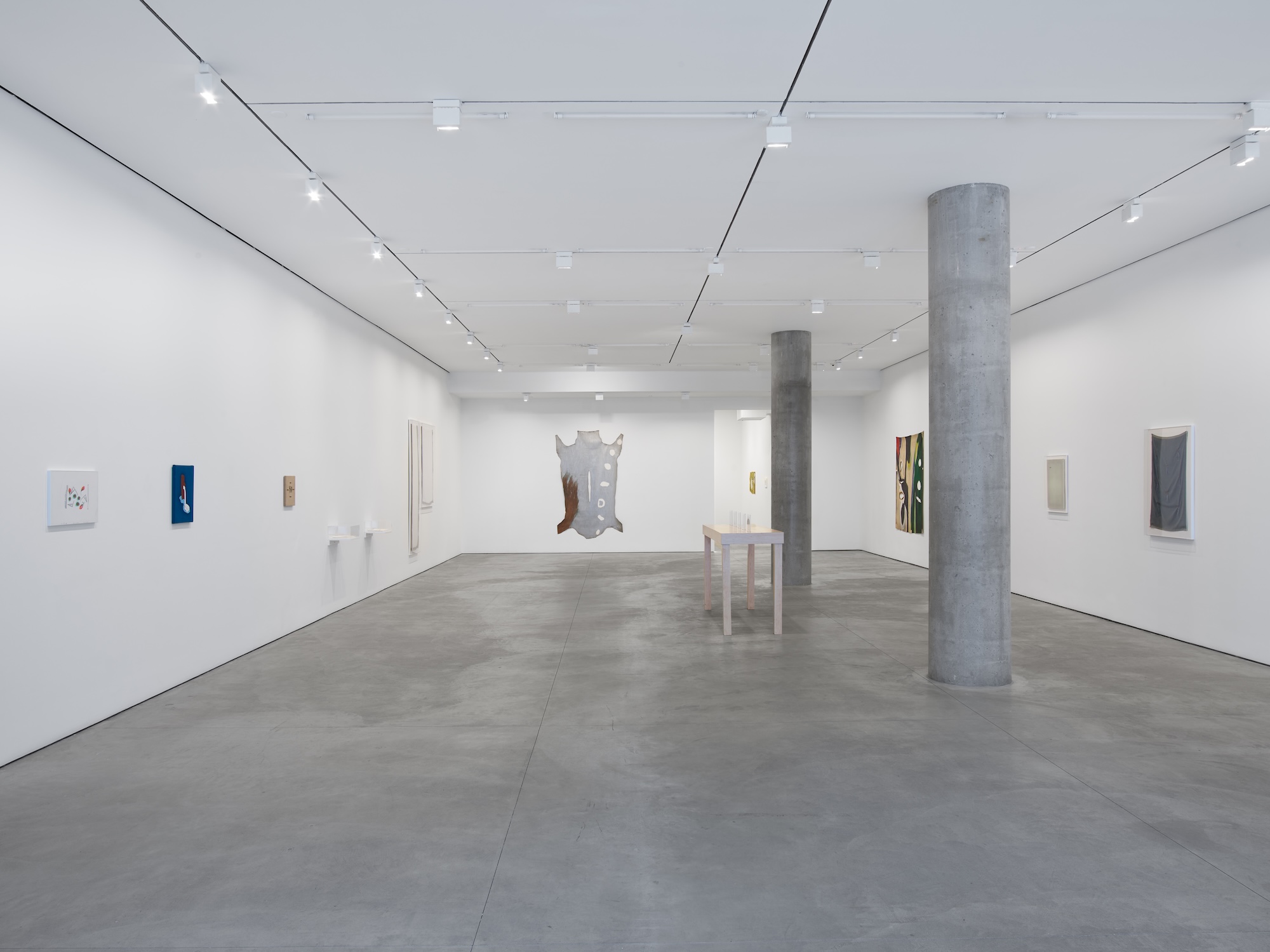
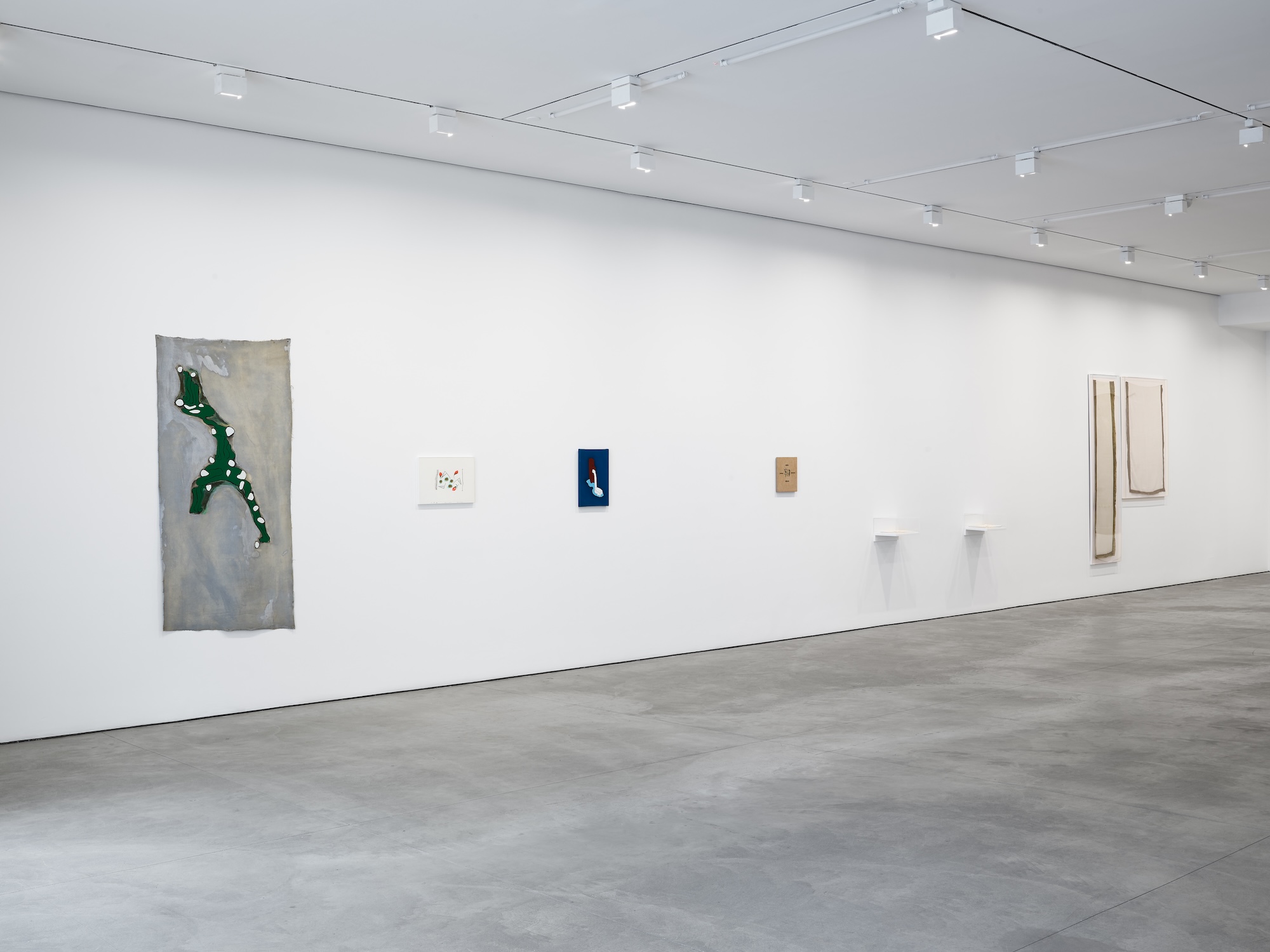
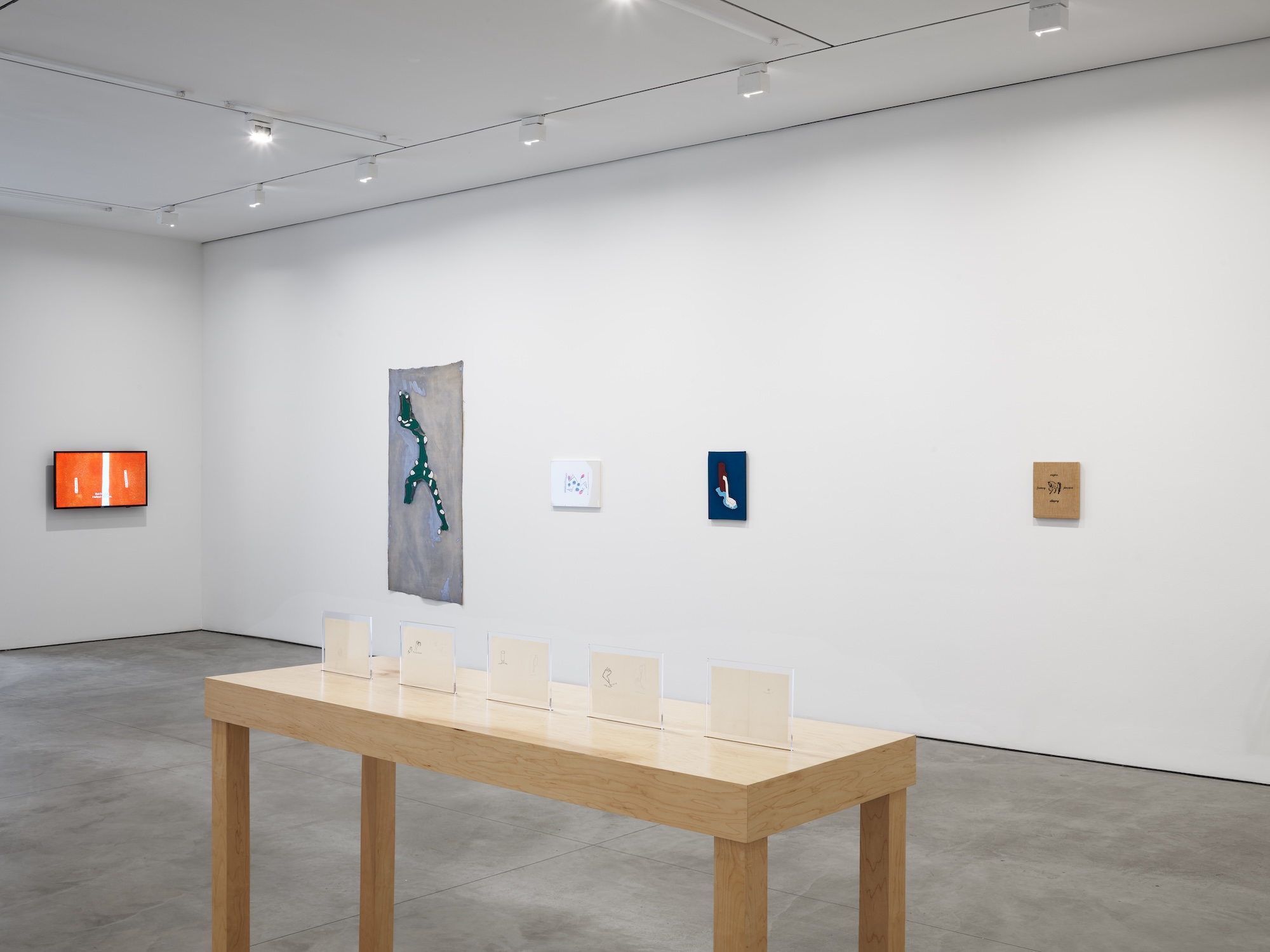
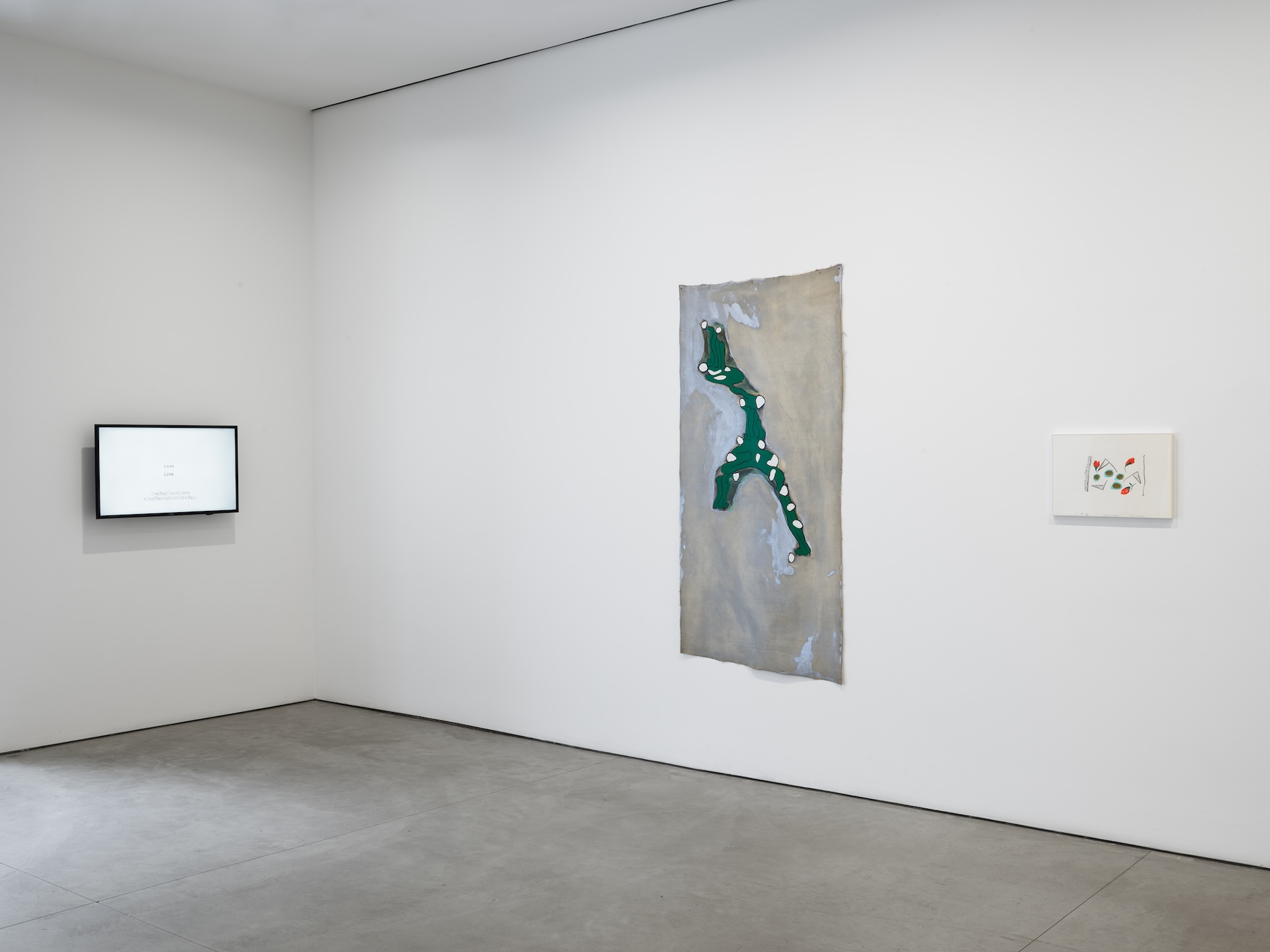
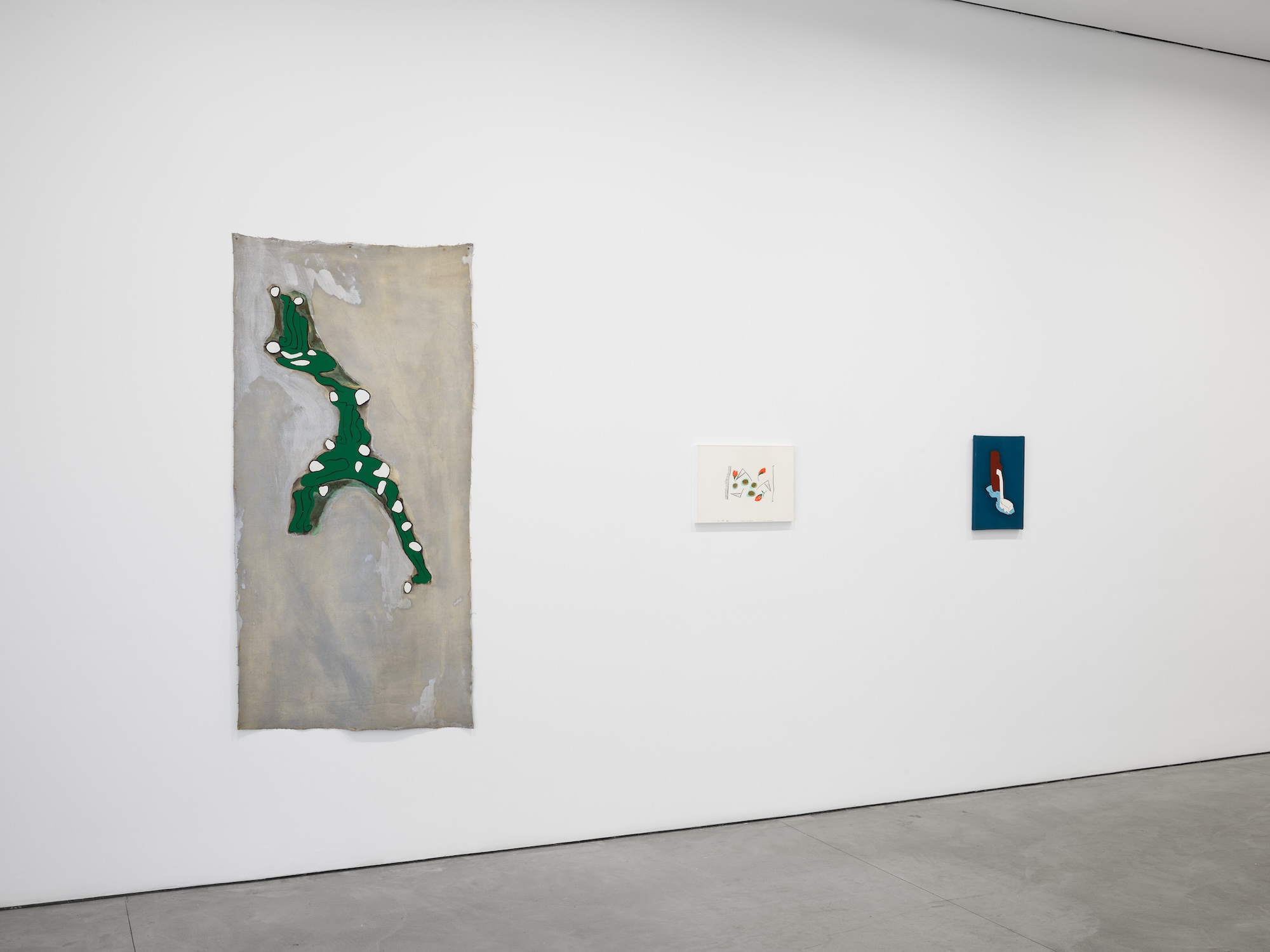
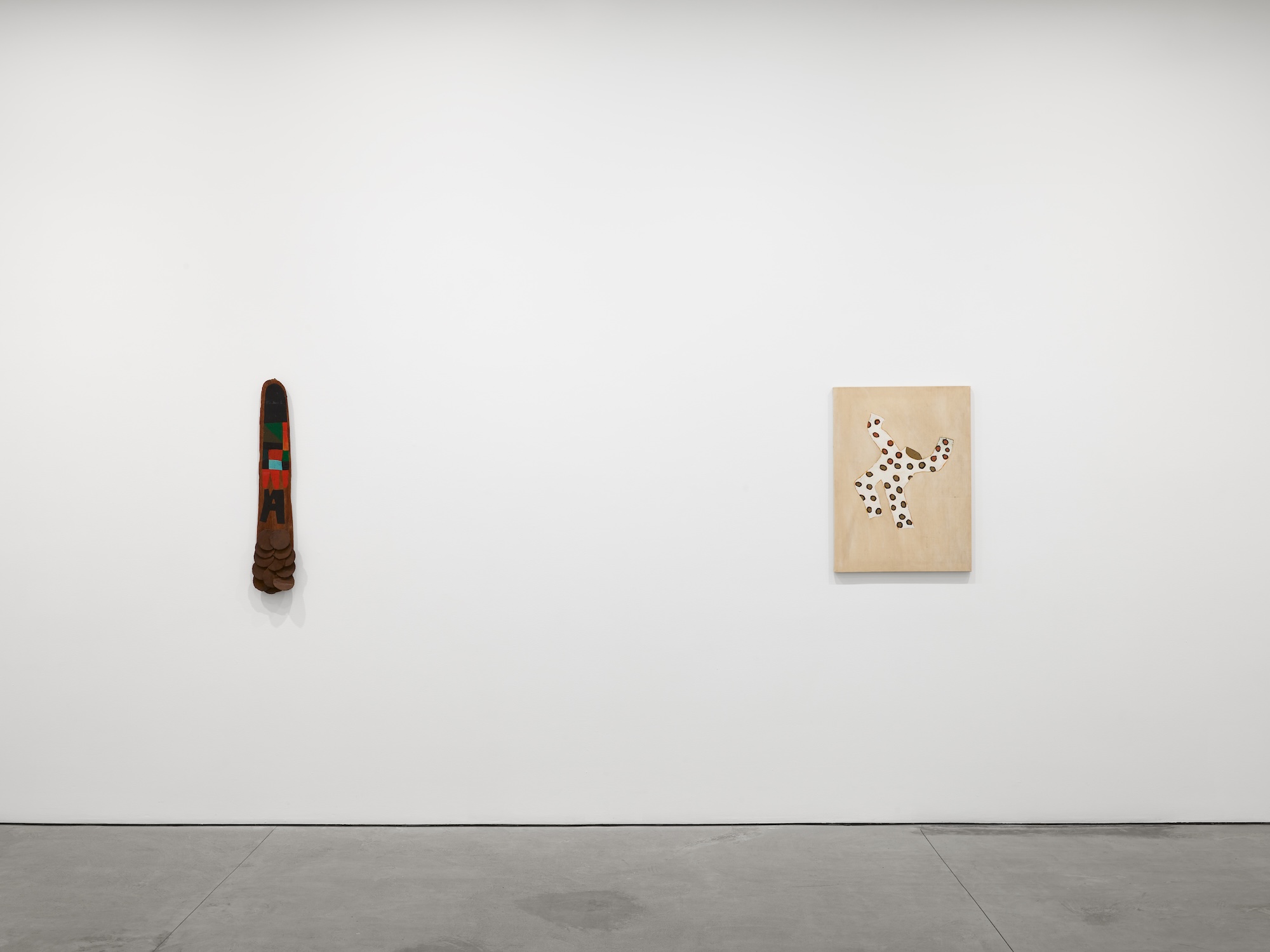
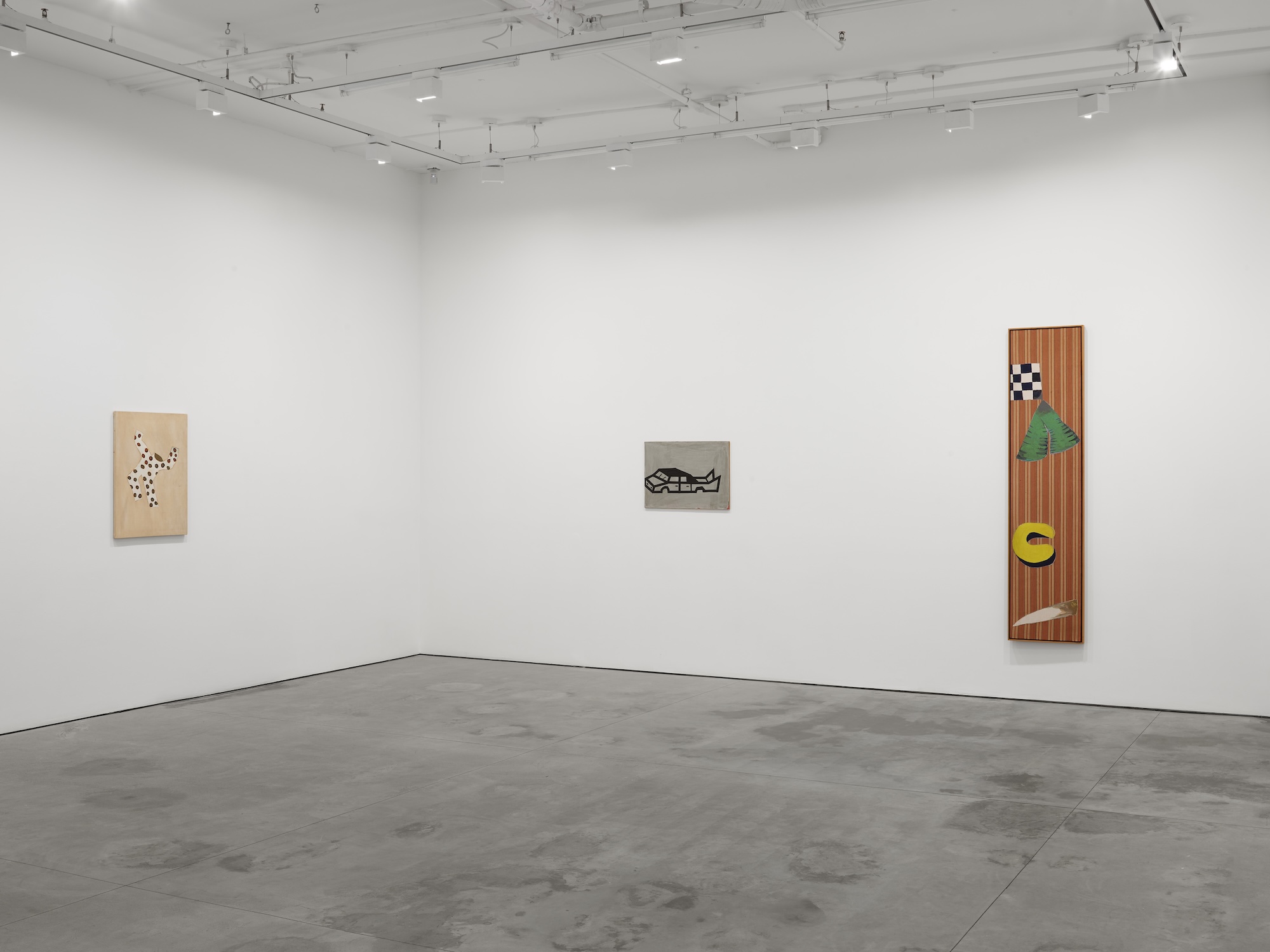
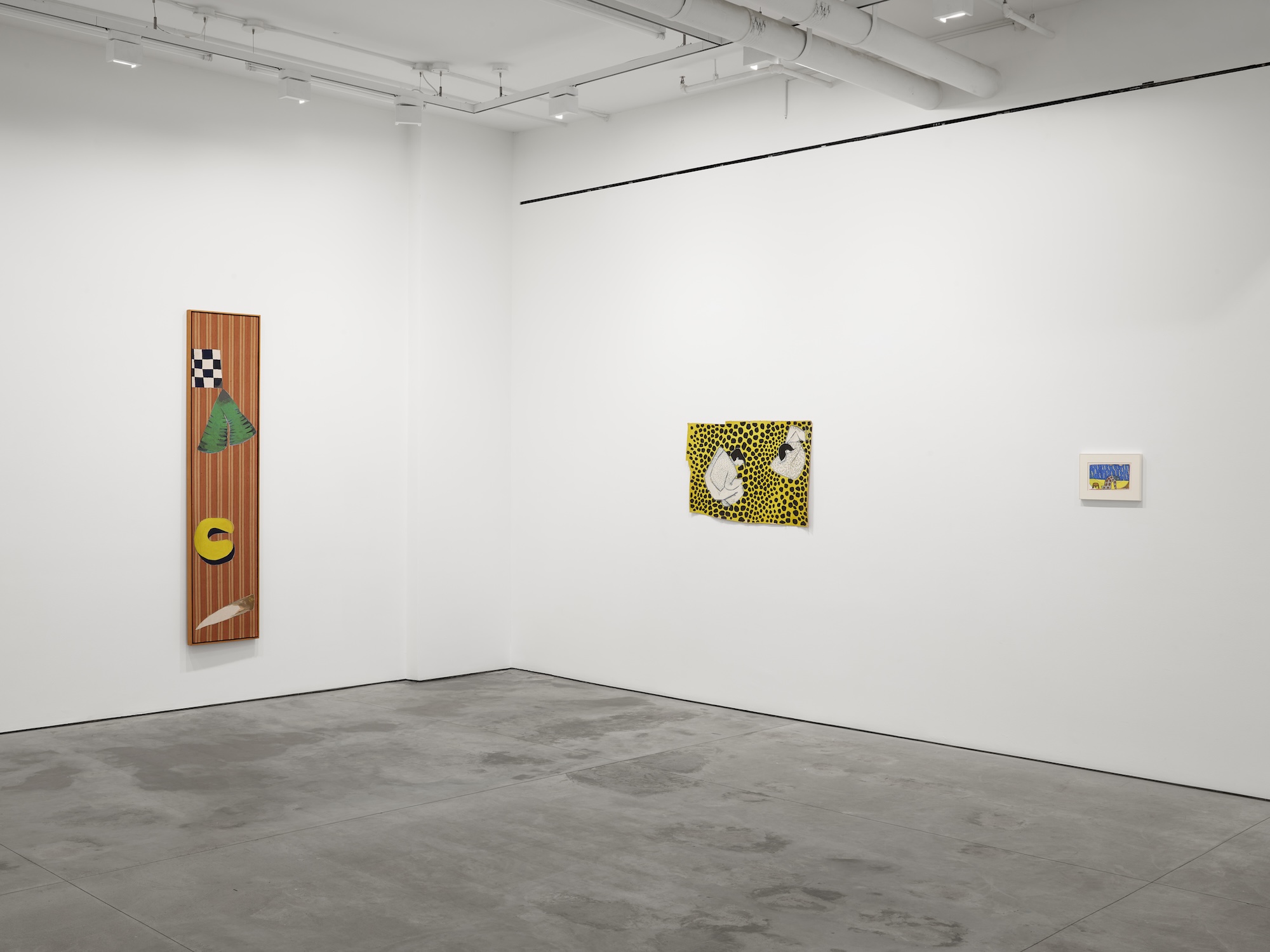
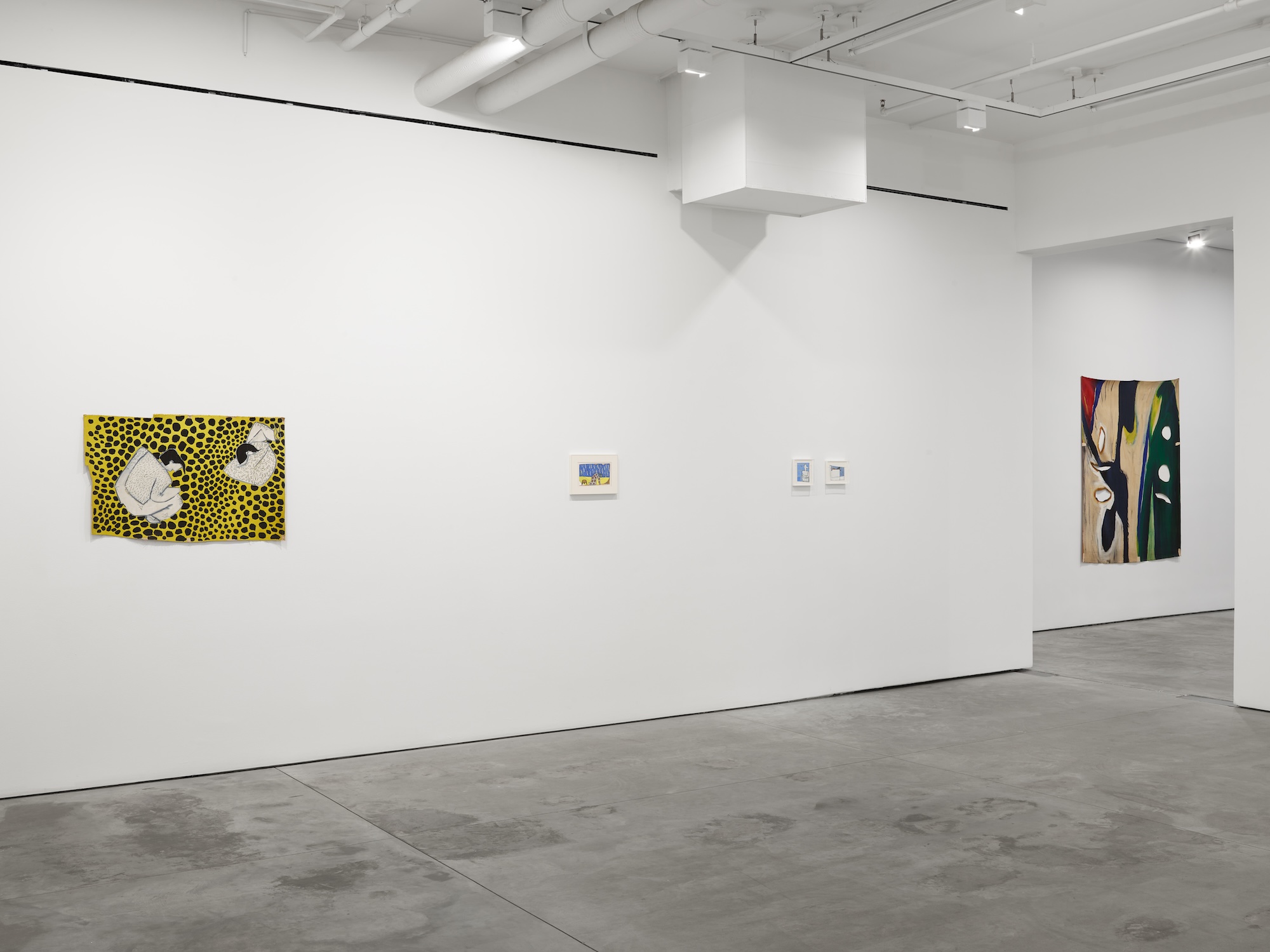
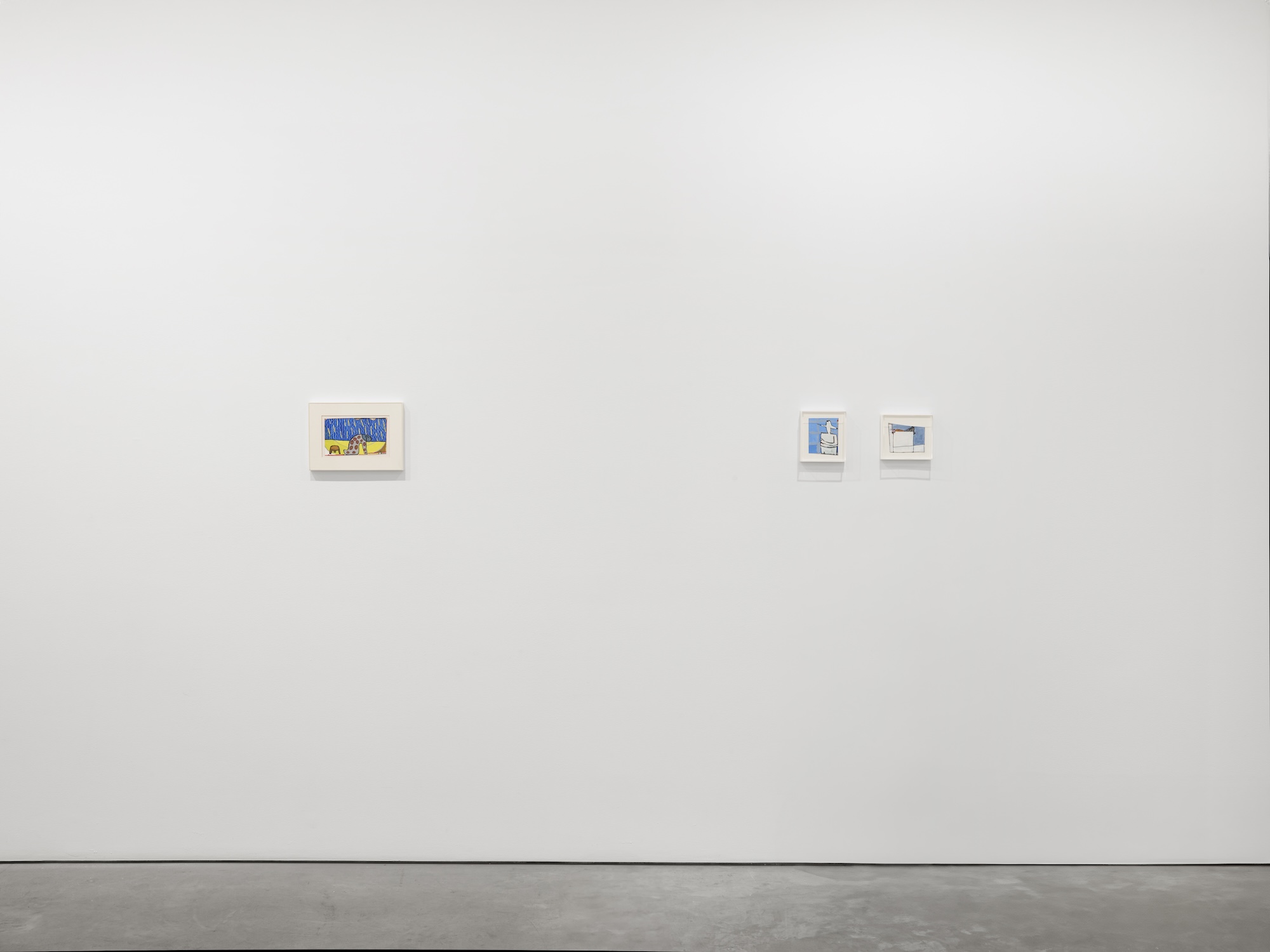
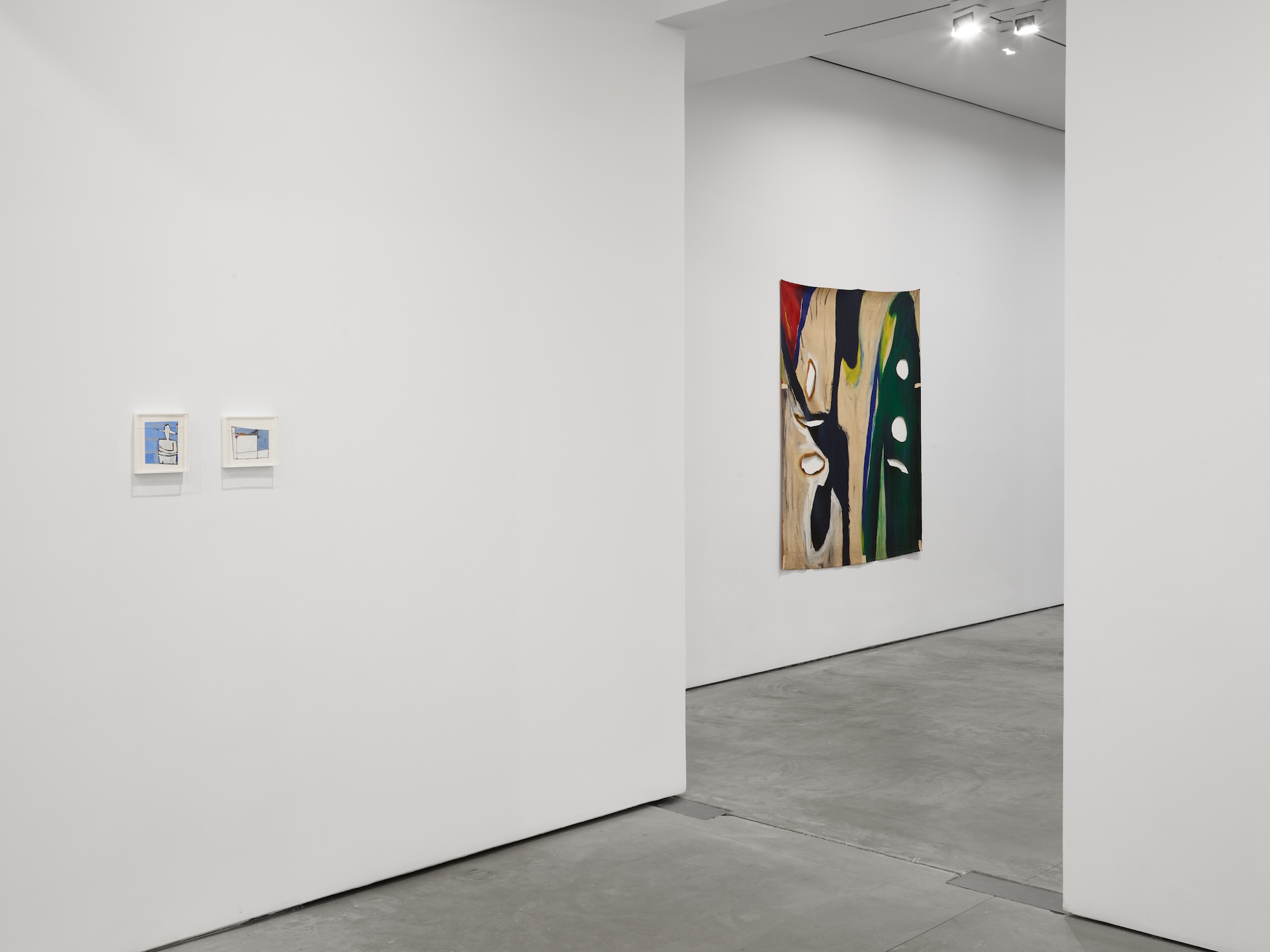
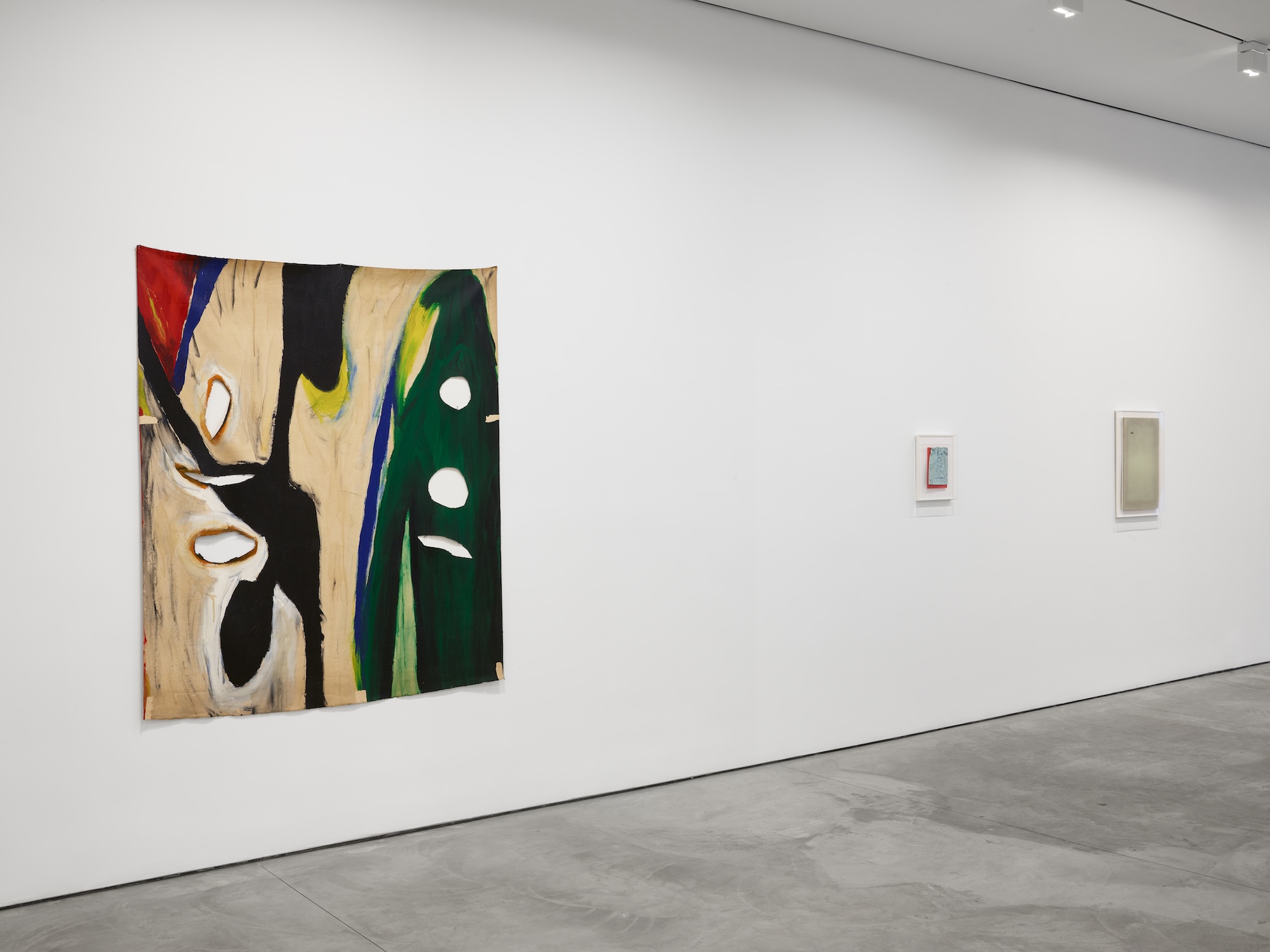
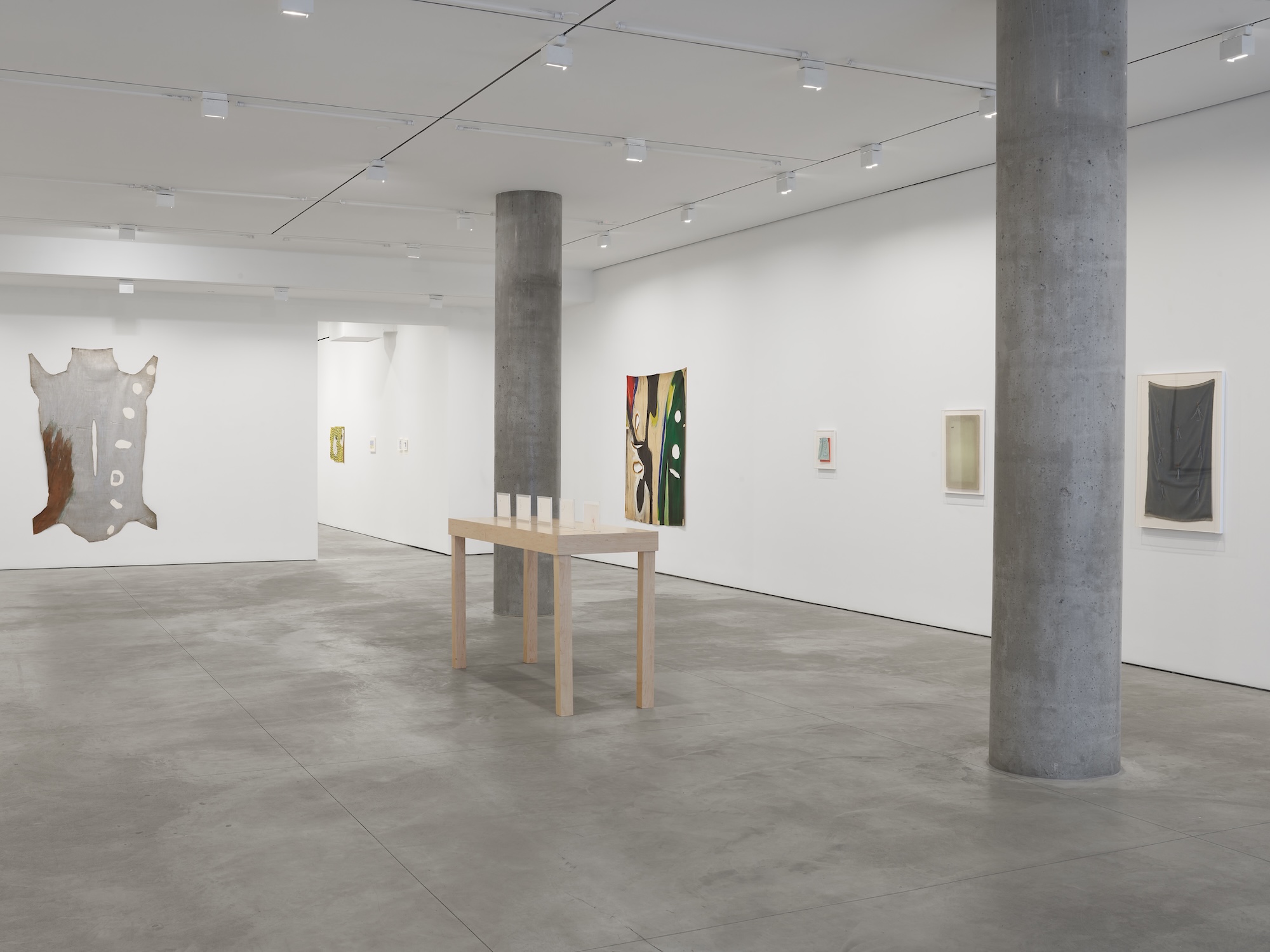
Lisson is pleased to present an exhibition of works spanning the short, prodigious career of Brazilian artist José Leonilson (1957-1993). Organized in collaboration with Projeto Leonilson and Almeida & Dale, the presentation traces the origins and evolution of his art, from the mixed-media assemblages of the mid-1970s, to the stylistic plurality of his drawings and paintings of the 1980s, through to the small-scale embroidery works that followed his HIV diagnosis in 1991.
Generally known—in his lifetime and since—as singularly Leonilson, the artist came of age during a formative period in Brazilian art and society. From an early age, he was influenced by the experimentalism of a previous generation of artists including Hélio Oiticica, Lygia Clark and Mira Schendel. Along with contemporaries associated with the Geração 80 movement, such as Leda Catunda and Beatriz Milhazes, Leonilson built on these forbears' gradual turn away from the conceptualist precepts of the 1960s toward a more poetic, subjective mode of expression.
Across two decades of production, Leonilson drew freely from literature, travel, art history and his own lived experience, creating an iconography that is at once intimate and universal. His works weave together references to artists including Eva Hesse, Joseph Beuys, Blinky Palermo and Paul Klee. Throughout the exhibition, motifs of maps, vessels, windows, bodies, and handwritten text emerge as recurring symbols through which the artist explores longing, vulnerability, spirituality and belonging.
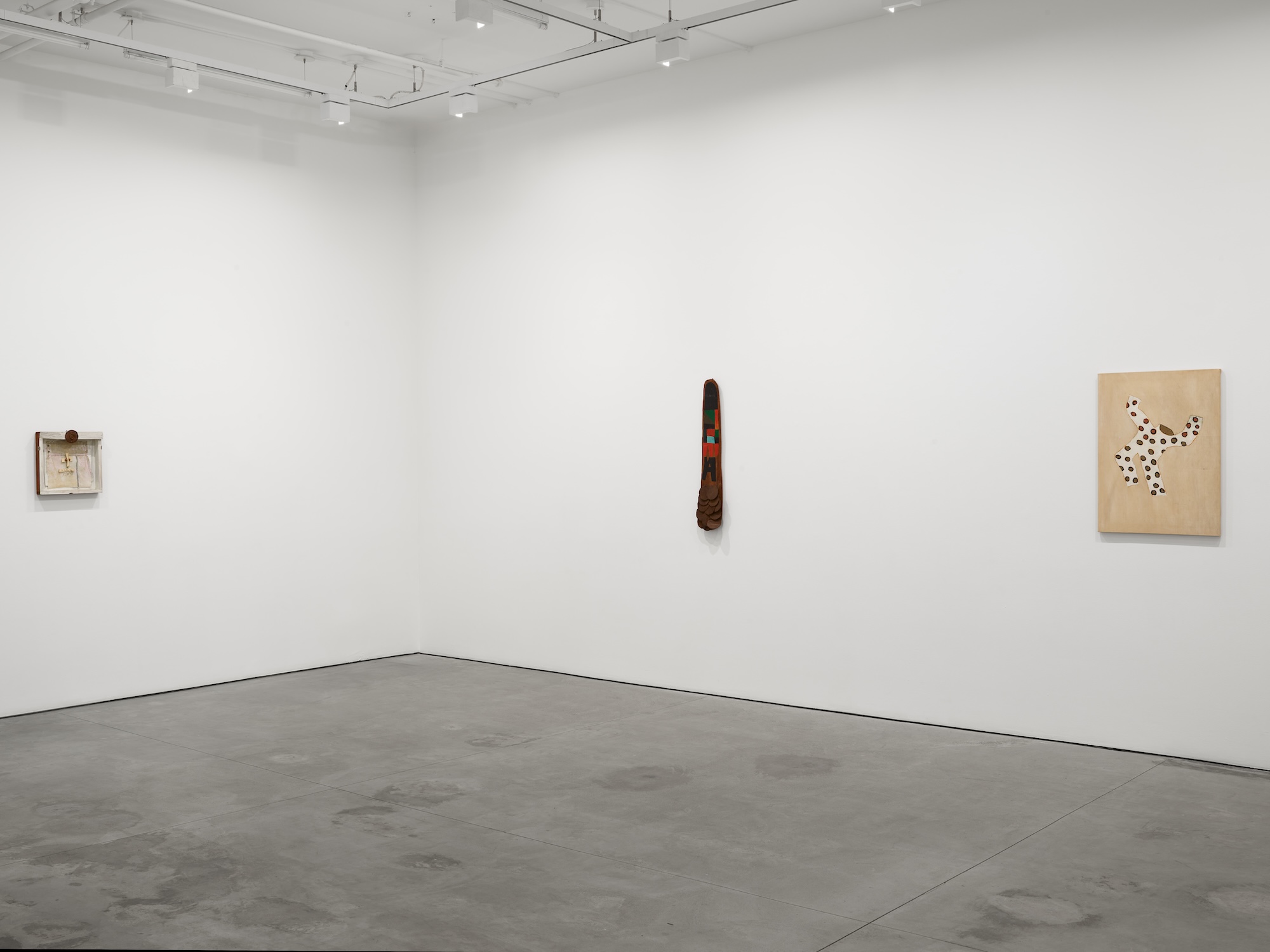
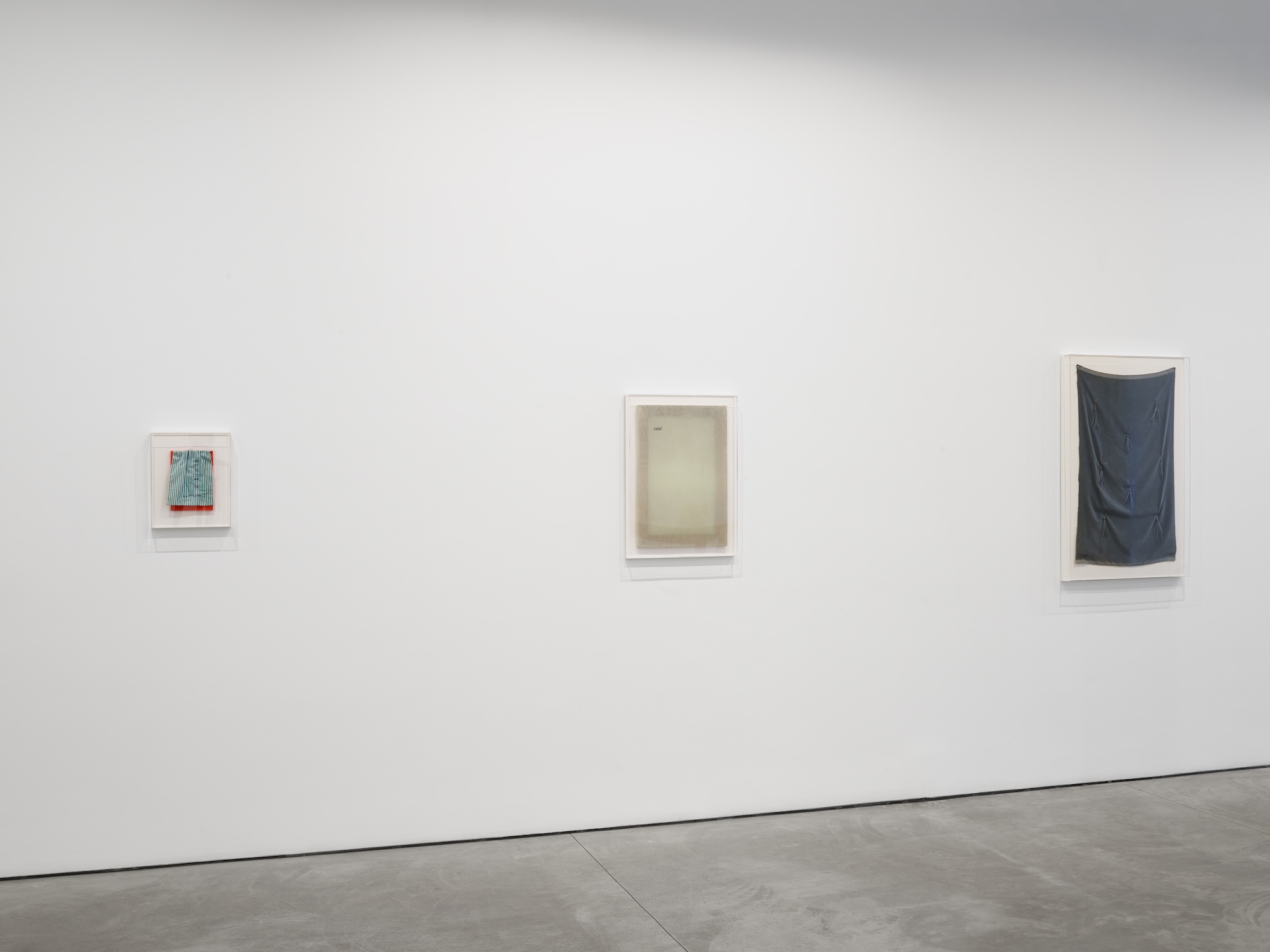
Textiles occupy a central place within Leonilson's practice. The son of cloth merchants, the artist was fascinated from early childhood by textiles and sewing: close to the end of his life, he spoke of the formative influence of "my mother's embroidering at home every day." He made his first assemblage in 1972, aged in his mid-teens. Mirro [Mirror] (1975) is a close approximation of this first work: a fragment of a pair of jeans has been fixed to the base of a shallow wooden box. Embroidered into the fabric are two pieces of felt, arranged in a cruciform. On a separate piece of felt, the embroidered word MIRRO (a corruption of the French 'mirroir') appears upside-down. Glazed to form a sealed container, the assemblage suggests a reliquary or one of the shadow boxes of Joseph Cornell. The scrap of clothing has transfigured into a symbolic, faintly sacralised double of the artist's real life.
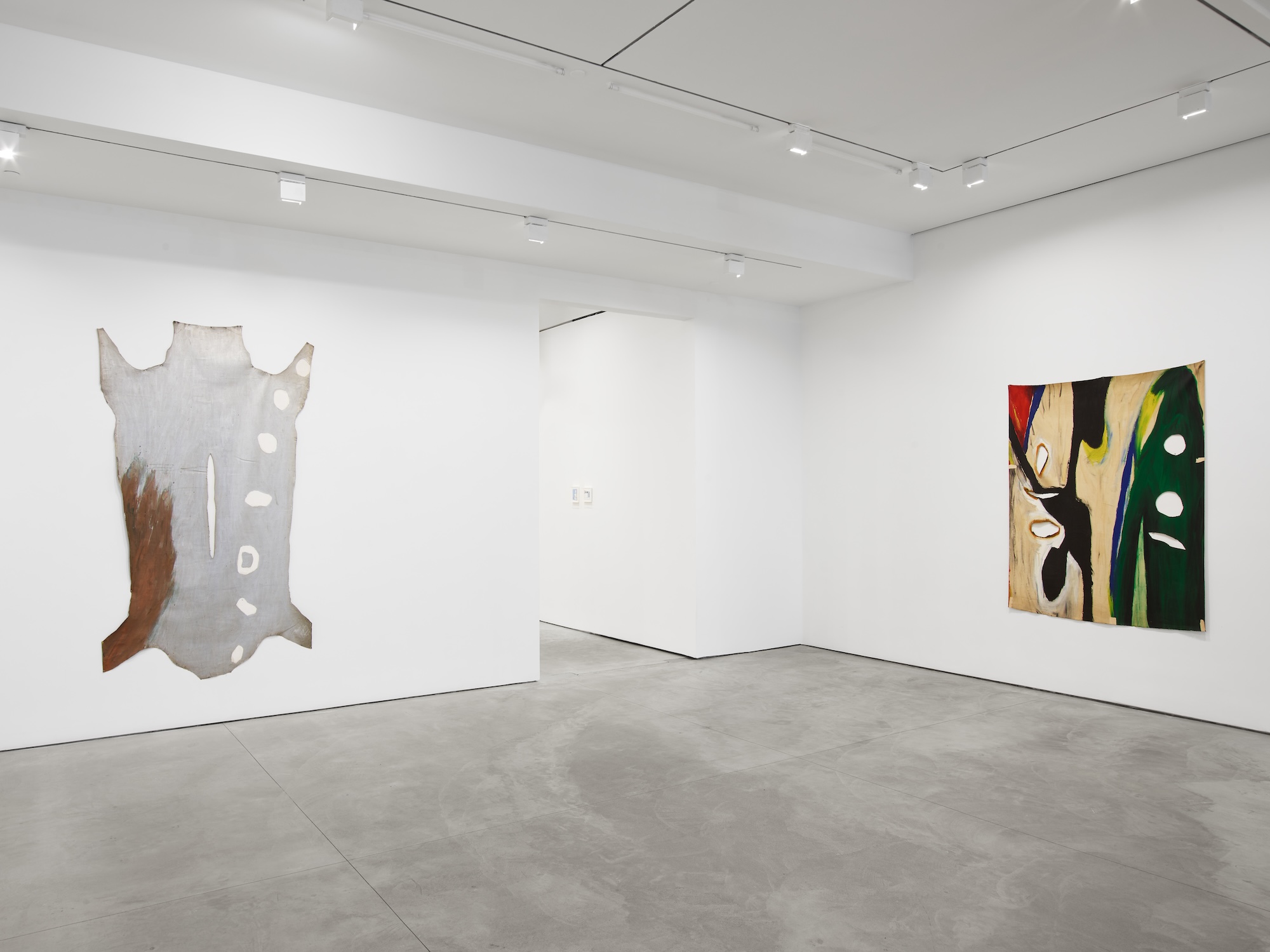
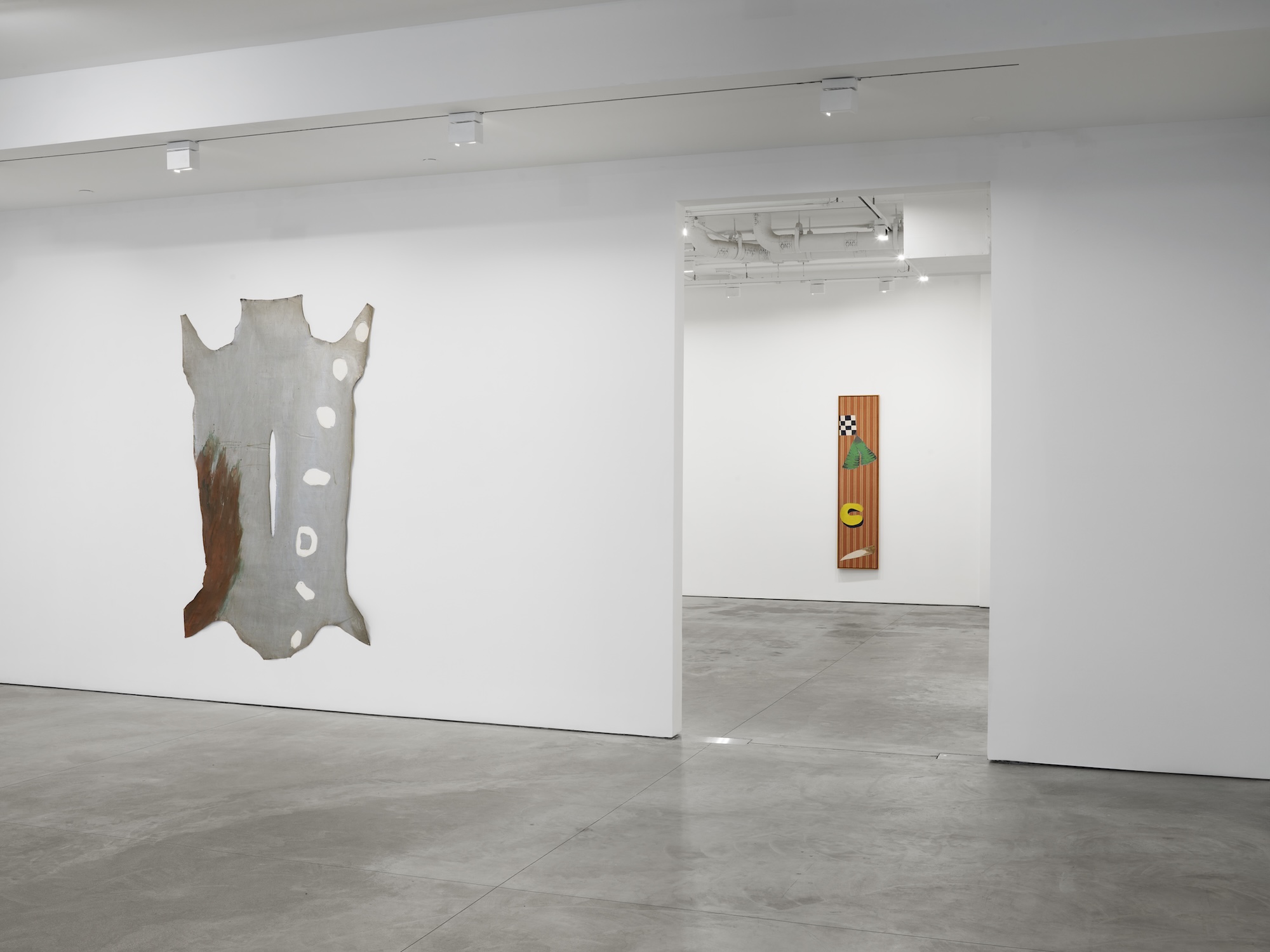
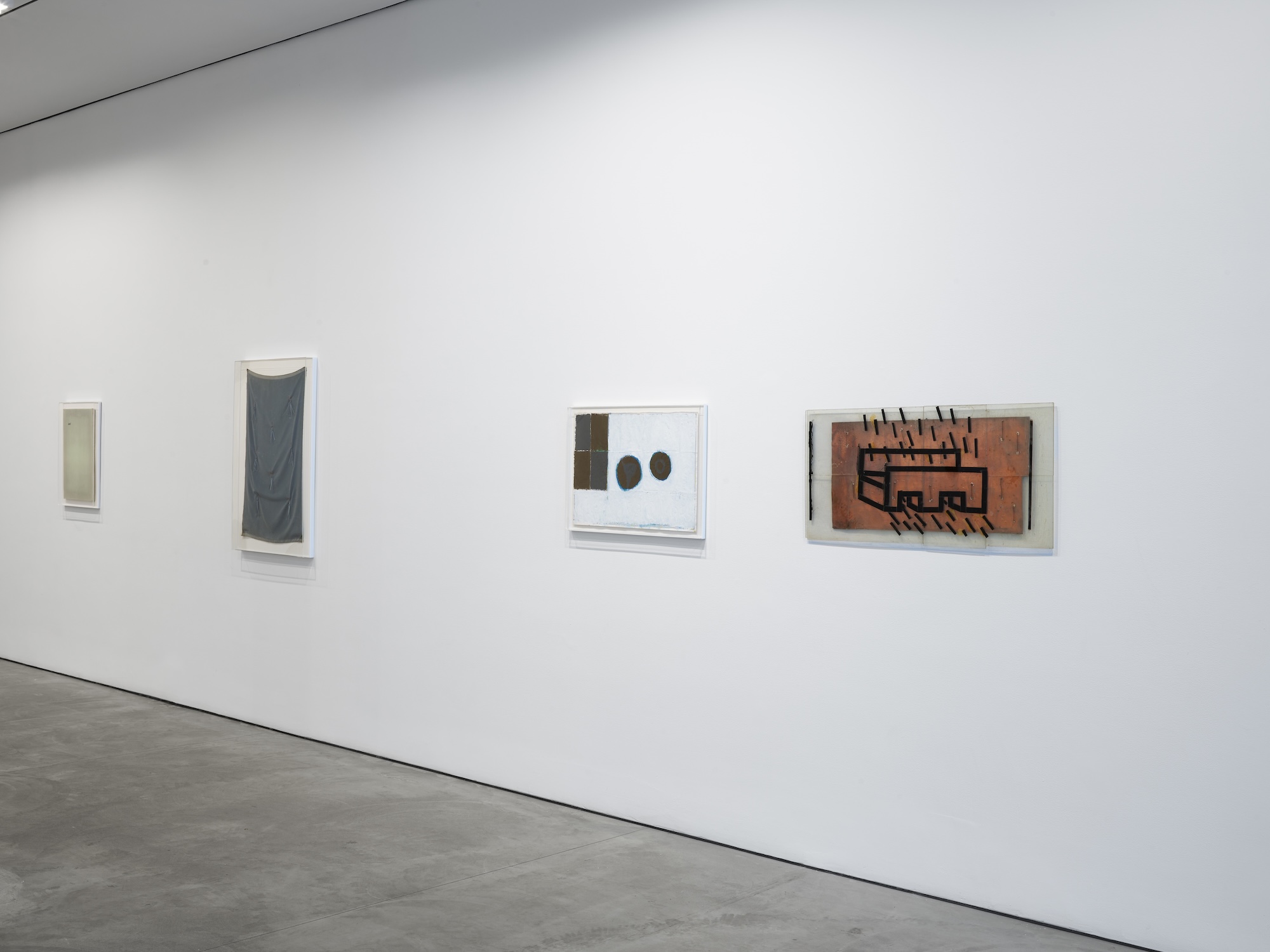
Leonilson developed a personalised iconography that was by turns romantic, dreamlike and quotidian. His drawings and paintings of the 1980s bear witness to a restlessly inventive approach. Frequent travels to Europe and the United States during this time exposed Leonilson to the work of Keith Haring, Jean-Michel Basquiat and Kenny Scharf, whose graphic visual languages and synthesis of personal symbolism, popular culture and urban experience informed his own evolving vocabulary. Works of this period translate daily and earthly spectacles— a car with giant tailfins, a patterned figure in a wallpapered room, rushing green rapids—into self-contained emblems, in styles ranging from the diagrammatic to the heraldic to the sensuously coloristic.
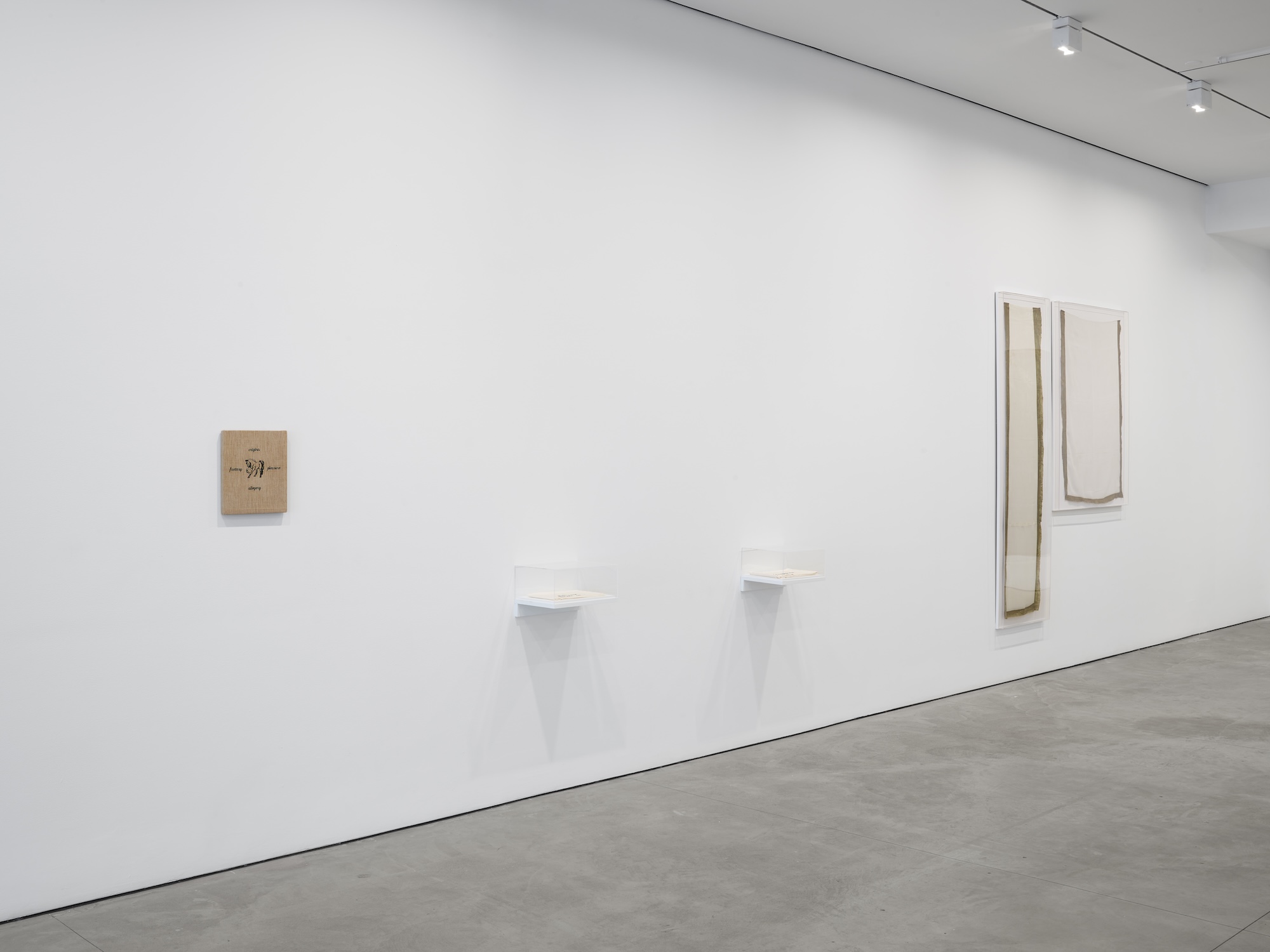
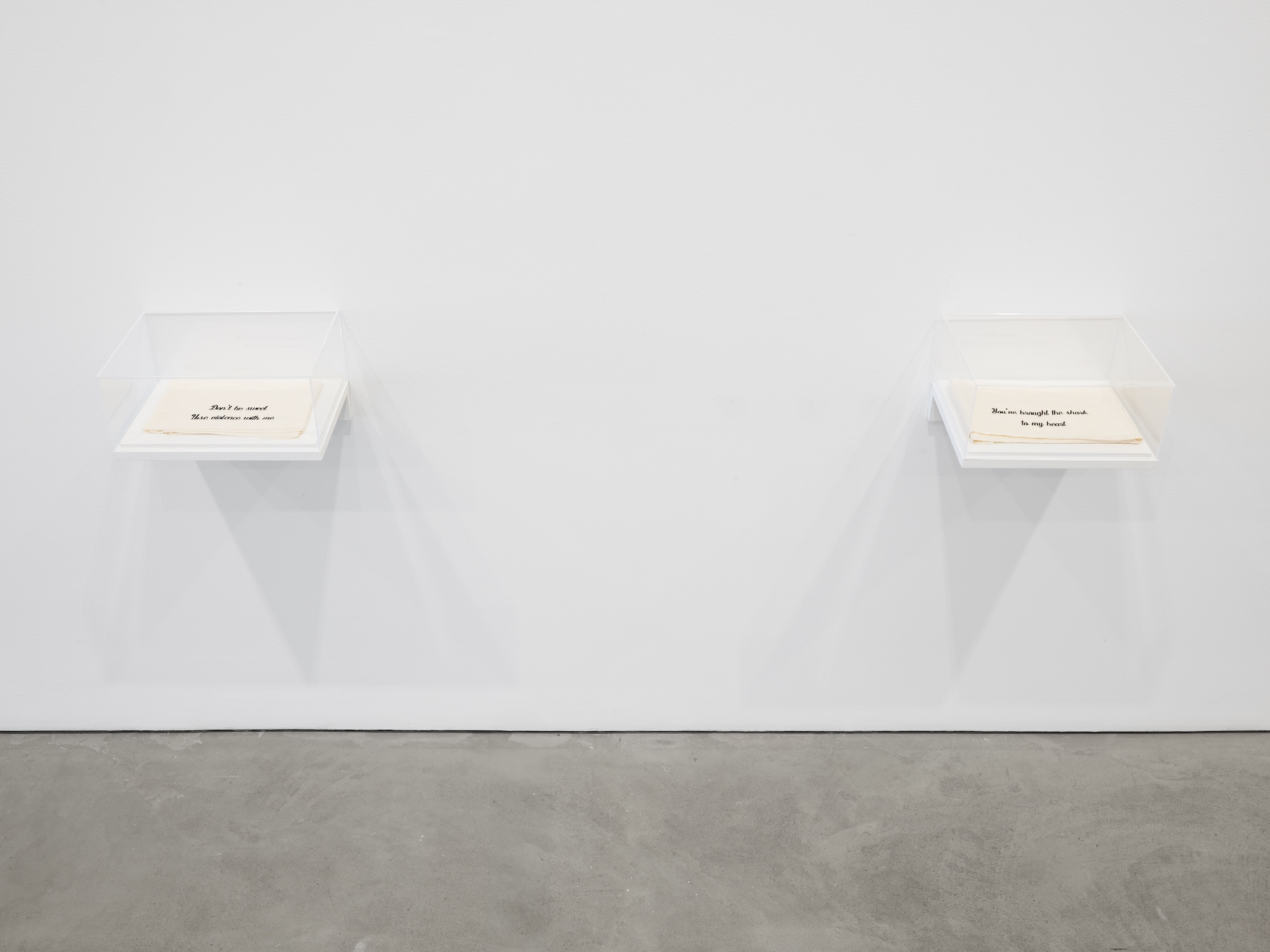
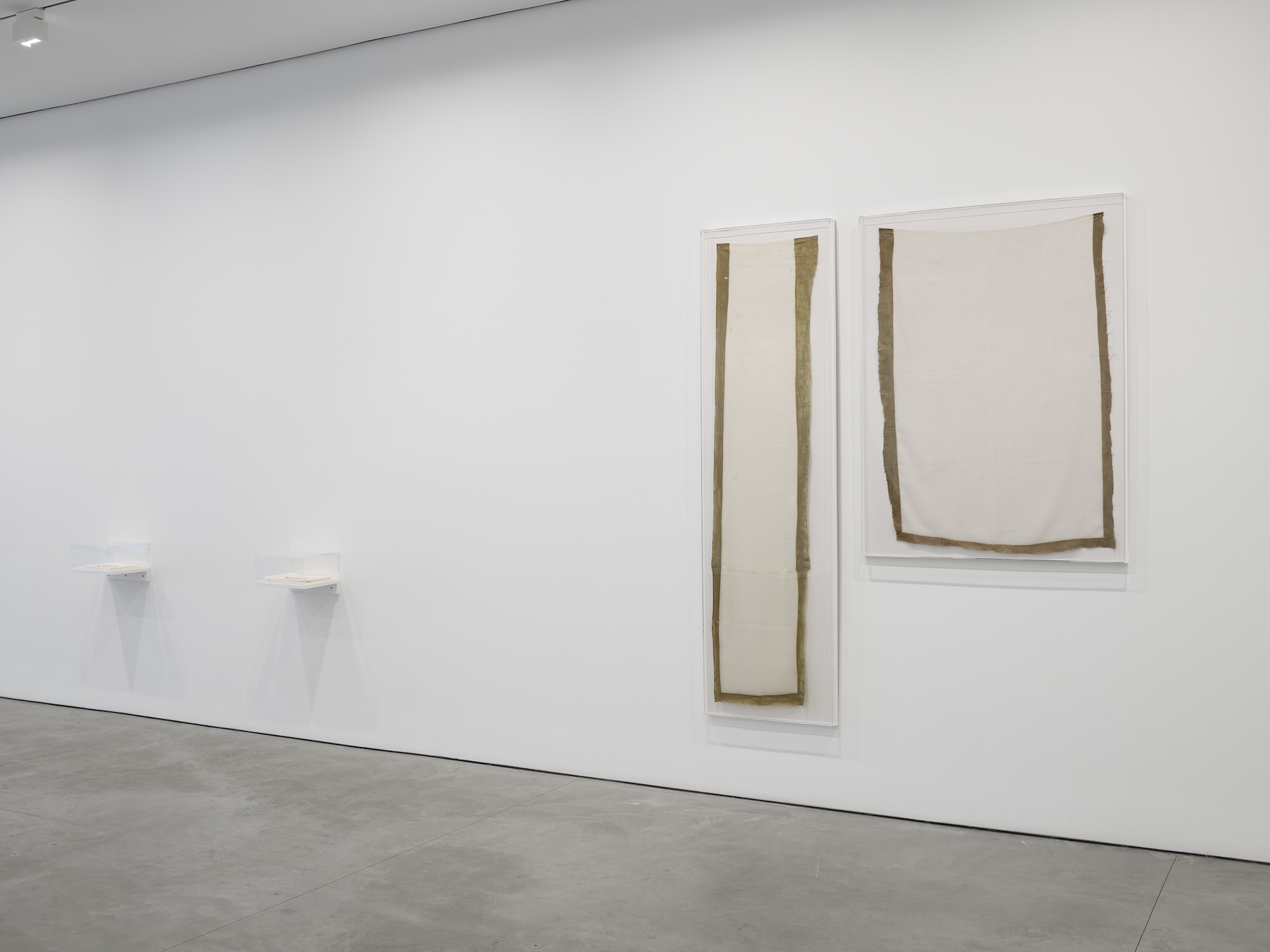
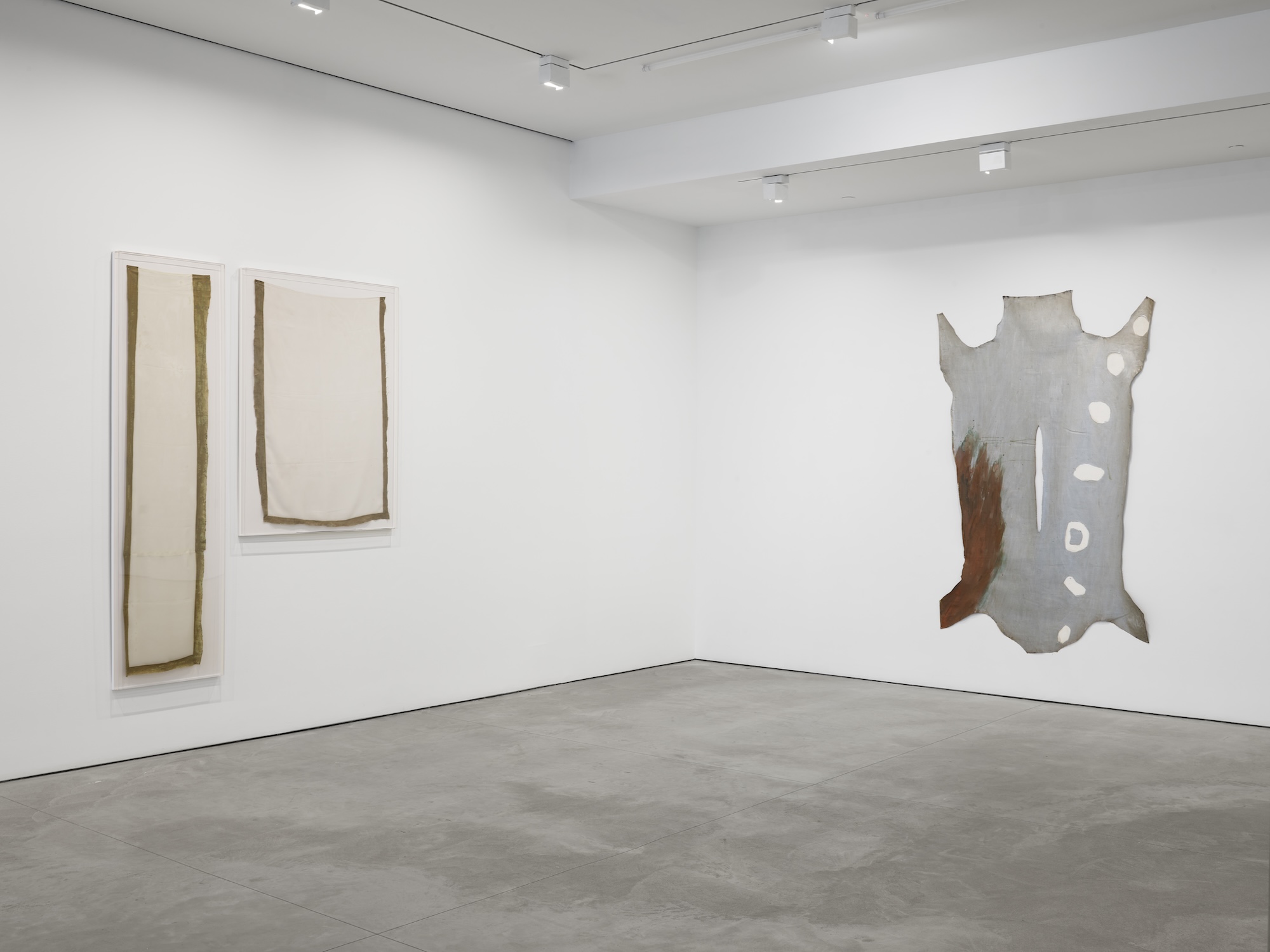
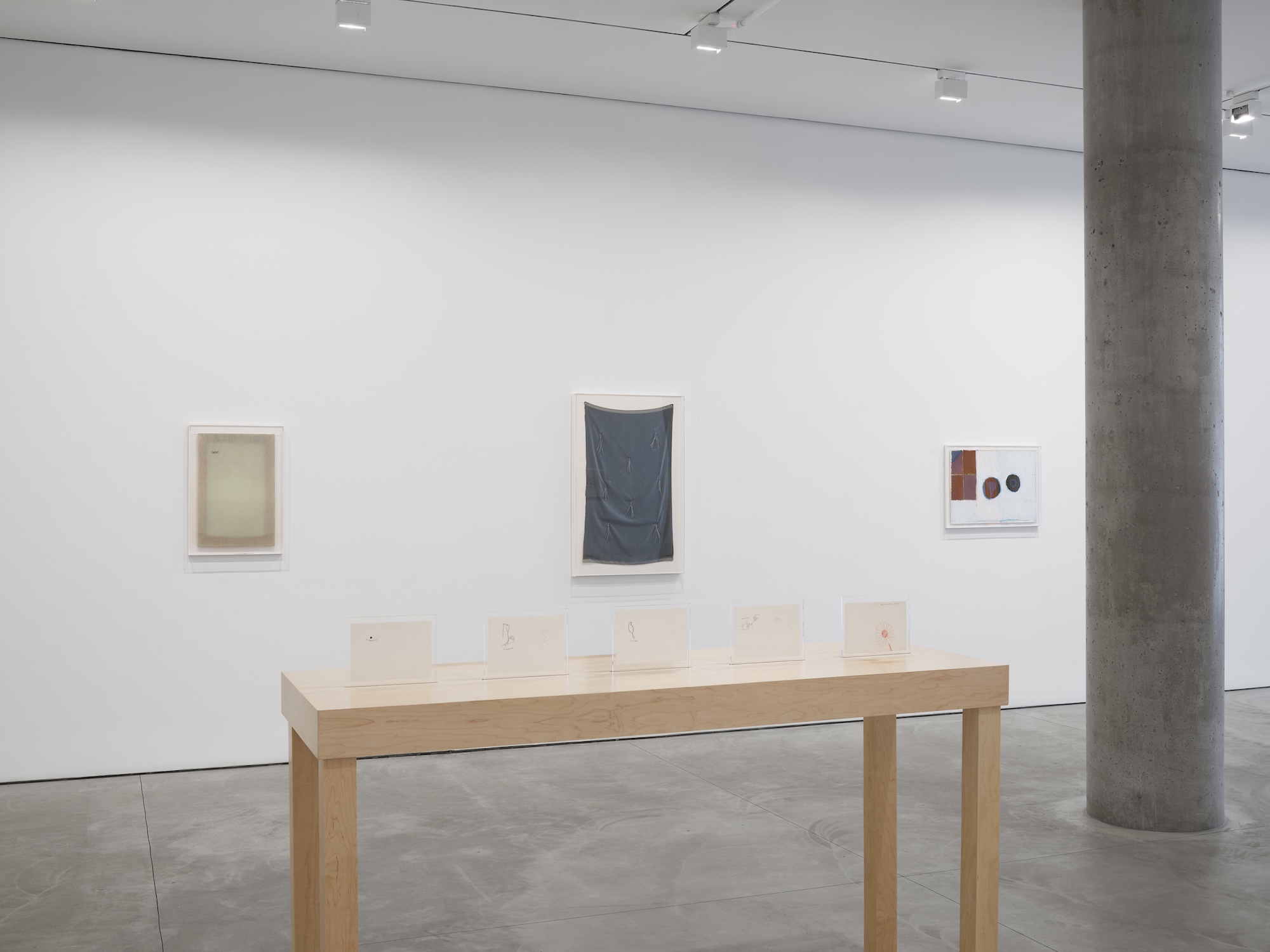
In his final years, following his HIV diagnosis, Leonilson's work turned increasingly inward without abandoning the symbolic imagery that had defined his paintings and drawings of the previous decade. Instead, the personal iconography of the 1980s became more explicit, politically charged and deeply intertwined with text as he embraced embroidery, textiles (including felt, velvet, silk, taffeta and everyday cotton sheets) and drawing after being forced to abandon toxic paints and work on a smaller scale. A series of works on view from 1990 exemplifies his use of embroidered words as a vehicle for intimate reflections on memory, identity and desire. Concurrently inspired by the work of Brazilian outsider artist Arthur Bispo do Rosário, whom he encountered in a landmark 1989 exhibition in Rio de Janeiro, Leonilson transformed Minimalist forms into deeply personal symbols. His late works embody the tension between isolation and defiant self-assertion: José (1991), for example, bears his name embroidered discreetly into one corner of a blank sheet of voile, while A.P. (díptico) (1991) features gold-painted, three-sided rectangles on translucent voile that evoke windows or empty vessels, balancing tactile presence with charged absence.
Together, these works highlight the remarkable consistency of Leonilson's vision, revealing how his distinctive language of images, text and textiles holds multiple contradictions in harmony: ambiguity and intimacy, pleasure and pain, freedom and restraint.
José Leonilson was born in 1957 in Fortaleza, Ceará, and grew up in São Paulo. In the late 1970s, he studied at the Ecole Pan-Americana de Arte, Fundação Armando Alvares Penteado, and the Ecole de artes Aster. He is widely considered one of the leading figures of Brazil’s Geração 80 (the 1980s Generation), a loosely affiliated group of artists associated with the post-military dictatorship era in Brazil and the revival of painting, which featured an expressive and pop-inflected visual language. An avid traveler during the 1980s, Leonilson spent extended periods in Europe especially Spain and Germany, where he encountered the work of artists such as Eva Hesse, Joseph Beuys, and Robert Ryman. Beginning in 1987, he went to New York once a year until his death. By the late 1980s, his practice shifted to include text, mapping, and cartographies of the body, forming a complex universe of references and graphic symbols. From 1989 onward, Leonilson’s work adopted an increasingly intimate and restrained tone as he embraced new techniques, particularly sewing and embroidery, a skill he learned as a child through his parents’ work with textiles. Leonilson died in 1993, at the age of 36, from complications relating to AIDS.
His work is in the collections of MoMA, LACMA, Art Institute of Chicago, Inhotim, Centre Pompidou, Tate, MASP, Serralves, and MALBA, among others. Recent major solo exhibitions include Leonilson – agora e as oportunidades, curated by Adriano Pedrosa, MASP, São Paulo (2024); Leonilson: Drawn 1975-1993, Malmö Konsthall, Malmö, Sweden (2021); which travelled to KW Institute.
About Lisson
Lisson Gallery is one of the most influential and longest-running international contemporary art galleries in the world. Today the gallery supports and promotes the work of more than 70 international artists across spaces in London, New York, Los Angeles and Shanghai.
More about Lisson →