
Exhibition · Gavlak
Maynard Monrow
Absurdist Logic
Nov 2 – Jan 26
3 images · swipe
About the show
Gavlak Los Angeles is pleased to present Absurdist Logic, an exhibition of recent text works by New York-based artist Maynard Monrow. This is the artist’s first solo exhibition in Los Angeles, and his second solo exhibition with the gallery.
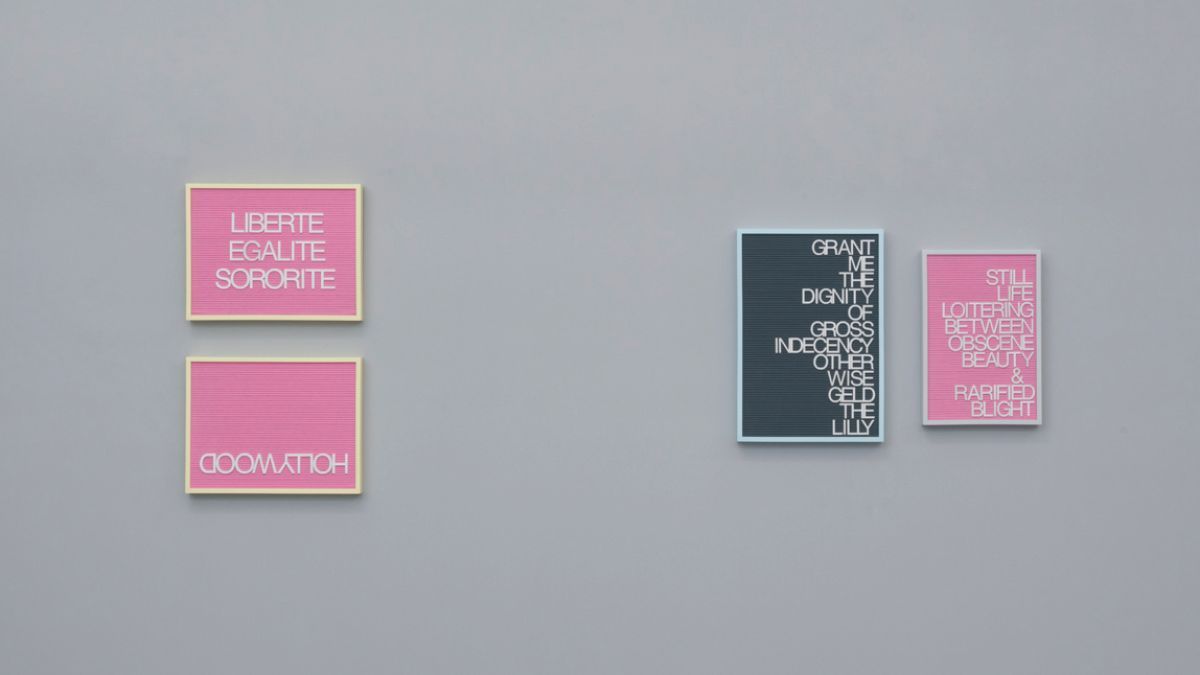
Informed by his interest in art history, critical theory, and culture, Monrow’s work features bon mots and apothegms ranging in tone from the sardonic to the polemical. Playing off the staidness of traditional visual genres (a quality typically reflected in the titles of paintings, for example), the humor in his work stems in part from an attempt to visualize abstract ideas, paradoxes, and malapropisms.
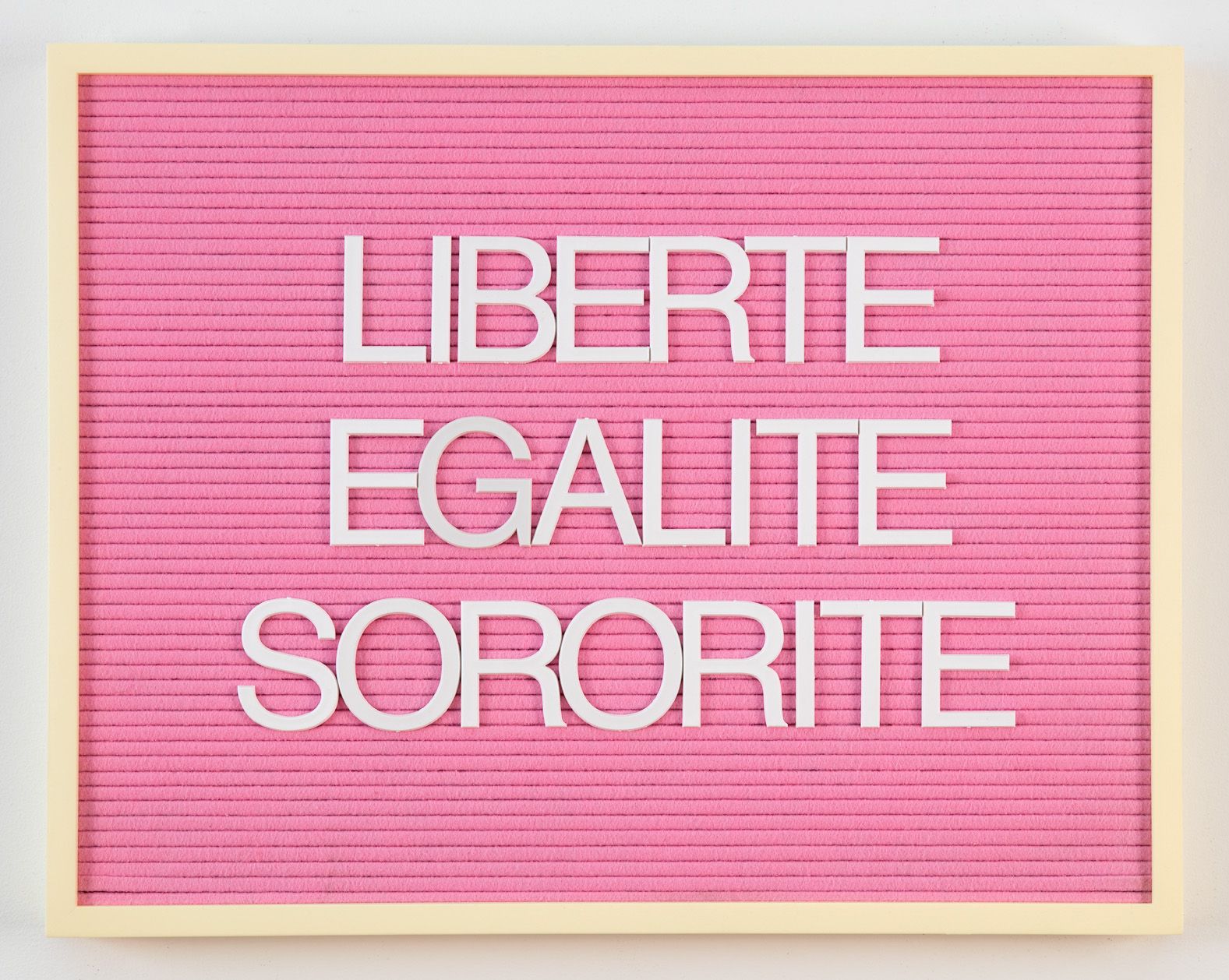
Contrasting a droll urbanity with earnest functionalism, Monrow’s work is presented in readymade industrial signage formats, such as “café boards,” and neon. Heavily influenced by the prose of the late New York bohemian poet, René Ricard, Monrow has always gravitated toward text in his work. A strong admirer of political text-based artists such as Jenny Holzer and Felix Gonzalez-Torres, and conceptual artists Lawrence Weiner and Joseph Kosuth, Monrow creates his own socio/political hybrid within this art historic tradition. Working with three possible options for his café boards (18 x 12 inches, 14 x 18 inches, or 22 x 15 inches) the amount of text, and line breaks, are determined by these physical parameters.
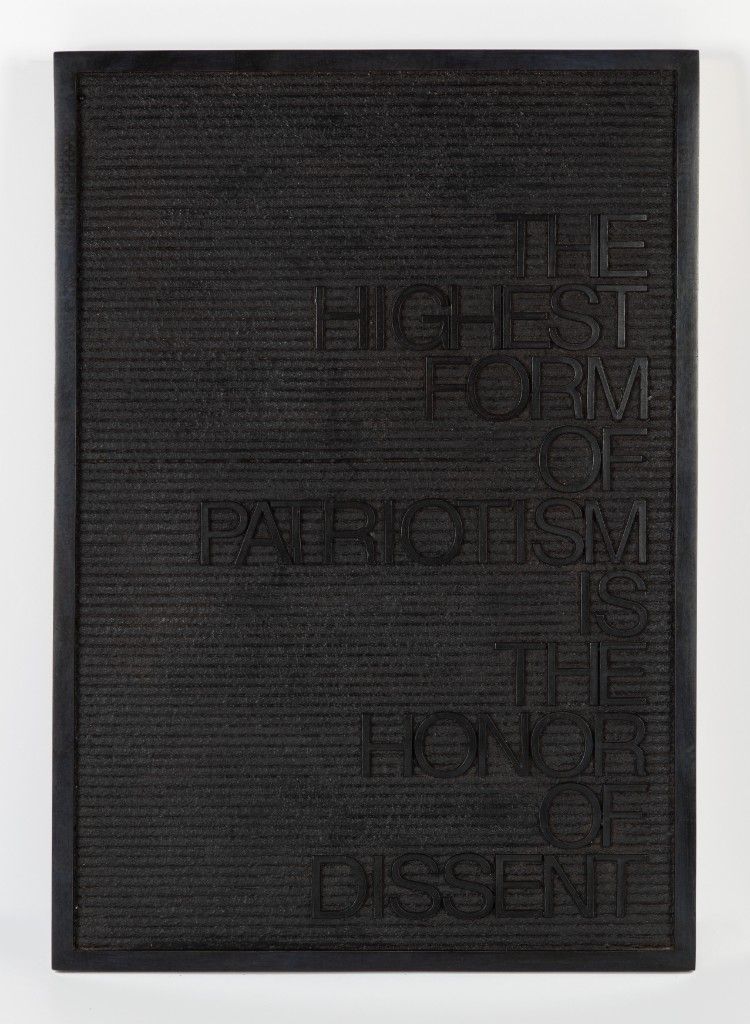
Each work in Absurdist Logic acts as a call to arms, a small, domestically scaled monument to truth. Monrow’s use of fragmented verse conveys substantial ideas in a very digestable, poetic format. Monrow’s otherwise quotidian signage, paired with his purposeful aesthetic choices (be it a beautiful patina, a playful mix of pastels, or a formal use of black and white) create a socially conscious, avant garde body of work that allow viewers to easily devour the artist’s clever turns of phase. For this exhibition, Monrow has worked in broze for the first time, giving litteral weight to his phrases. Referring to placqards usually reserved for historic designations on buildings, or other “important” information, Monrow has cast the most urgent and timely statements in either matte black or gold polished bronze. One bronze sign reads, “Twas Never About Restrooms Just Like It Was Never About Water Fountains,” which draws a parallel between racial injustice and sexual prejudice, but also speaks on the persistence of both in America today.
Twenty-five of Monrow’s colorful felt café board pieces using prefabricated plastic letters, are installed on the gallery walls or arranged by way of a stand on the gallery floor. The politically charged text, “Hear Ye Hear Ye There Will Be Nothing Left of the Great Society Unless We Exhibit Courage To Become a Nation of Conscientious Objectors,” is the singular work fabricated in Monrow’s formal black and white finish. All other felt and wood works in the exhibition, such as “Don’t Tread On Me Without Permission,” have been fabricated in the artist’s specific palette of pastel hues. Monrow’s use of color puts a new spin on the readymade object, mixing formality with playfulness. The paradox that exists between the whimsical presentation and the messages