Ended May 25
Elana Bowsher
Pas de Deux
Apr 23 – May 25, 2022
More from Elana Bowsher on Gallop
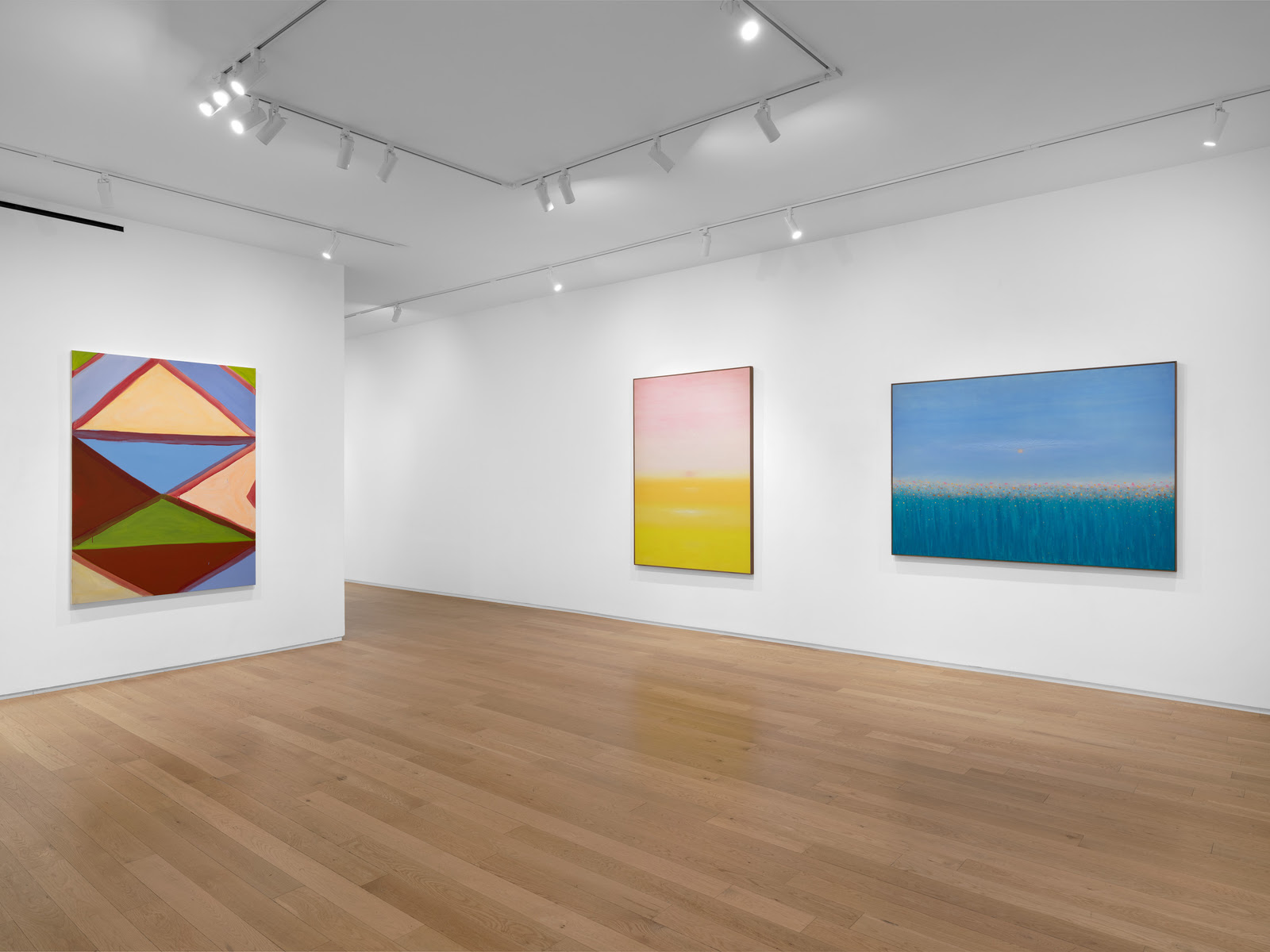
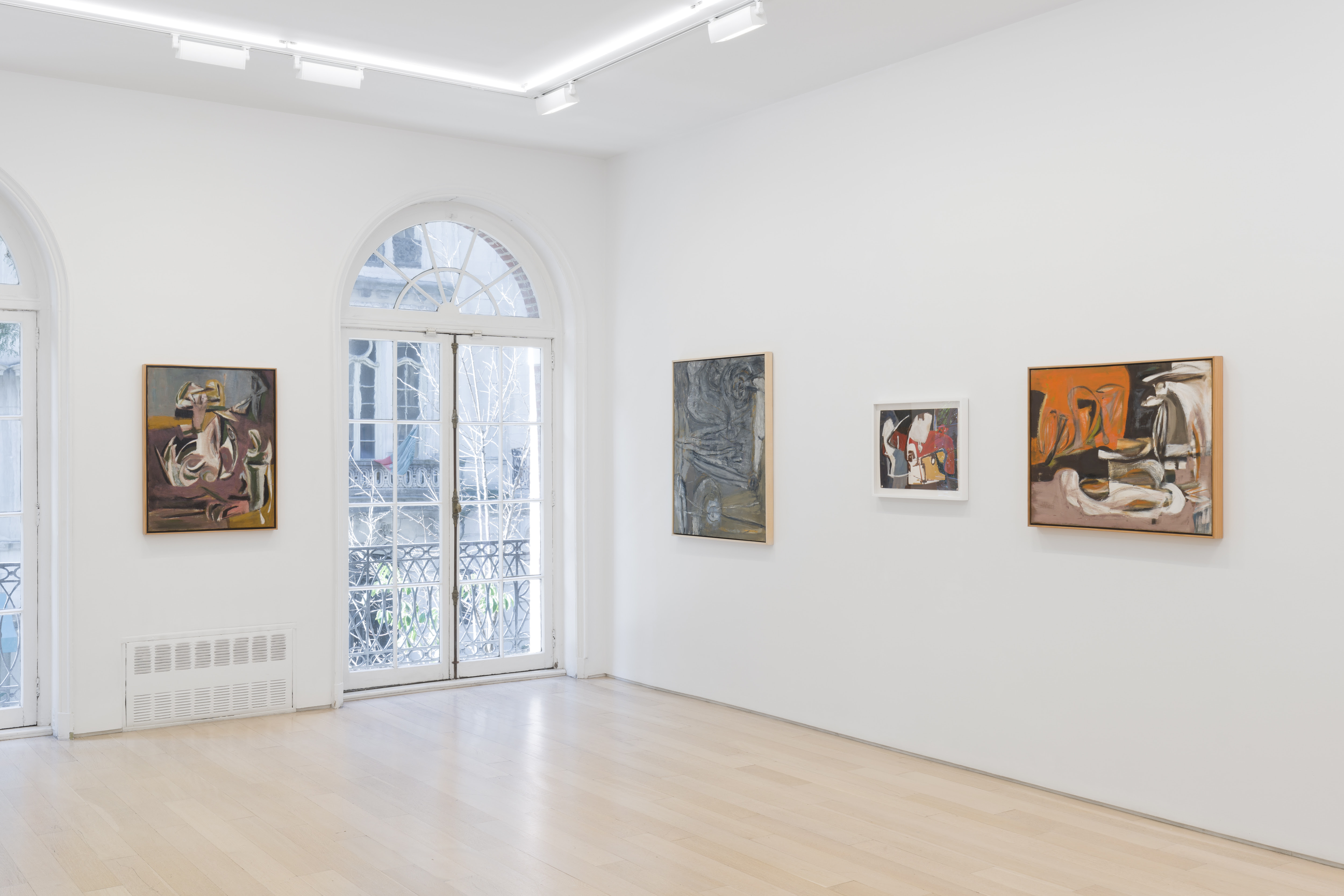
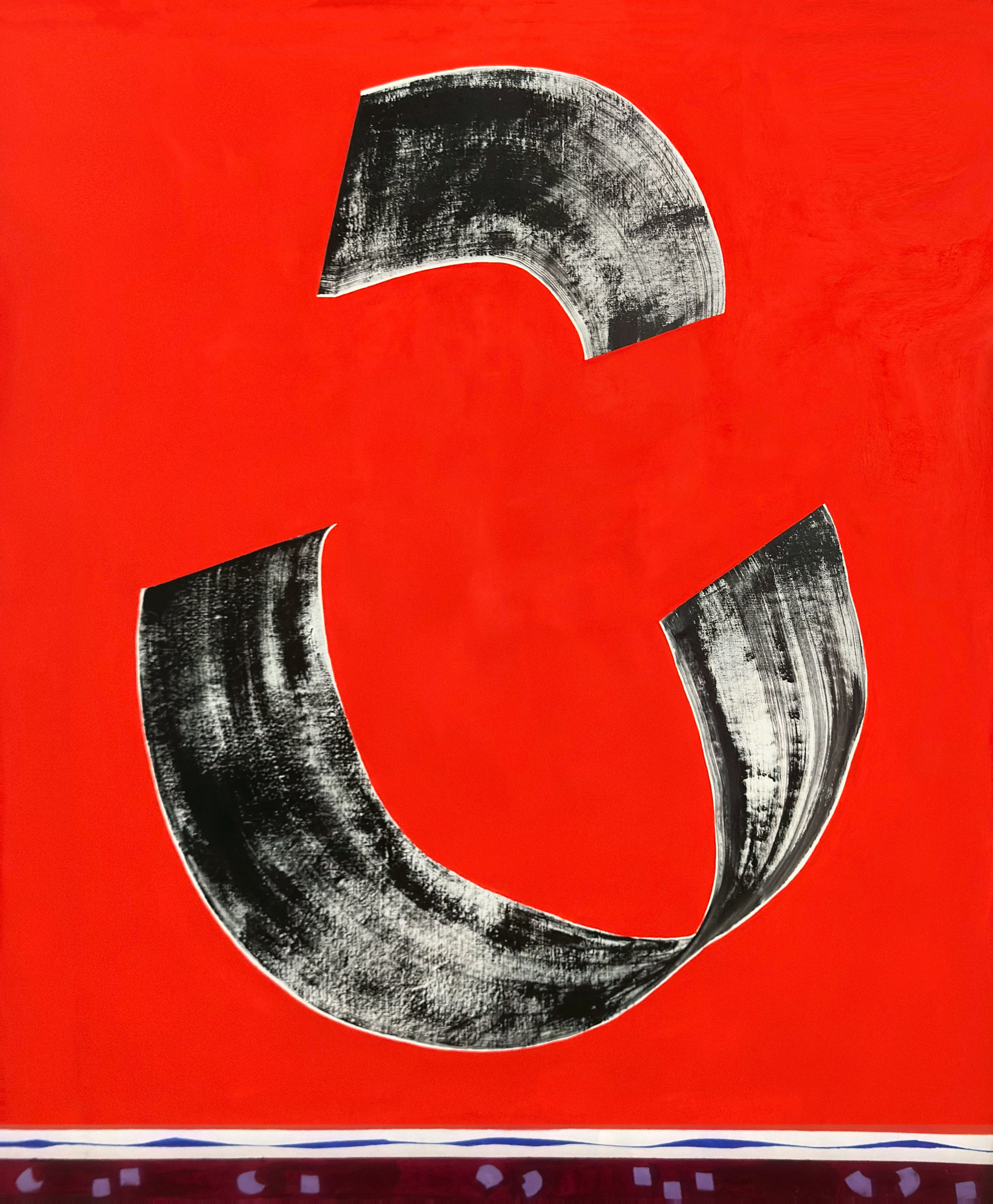
Alexander Berggruen is pleased to present Elana Bowsher: Pas de Deux.
On the occasion of Elana Bowsher: Pas de Deux, Chloe Benjamin–distinguished writer and close friend of Bowsher–meditates on the nuanced implications of Bowsher's tondo paintings. Benjamin offers unique insight into Bowsher's influences from her early years in dance, enriched by their shared experiences and ongoing artistic relationship.
Chloe Benjamin is the author of The Immortalists, a New York Times bestseller, and The Anatomy of Dreams, which received the 2014 Edna Ferber Fiction Book Award. Originally from San Francisco, she now lives in Madison, WI.
—
In Pas de Deux, her first solo exhibition, Elana Bowsher explores the tension between a private body and a body seen—an age-old and primal dynamic that has been dramatized, with various degrees of equity and self-awareness, throughout the history of painted nudes. With influences that range from Renaissance sculpture to Pop Art painting, this series conveys a sense of self-awareness and reclamation. The postures in certain tondos are the artist’s own invention; in others, Bowsher has used her own body to mimic historical poses, including Michelangelo’s David and Modigliani’s Nu couché. The result is a coy dance between artist and viewer, present and past, cheek and cheek.
While this complexity gives the tondos a thoughtful and even feminist center, they also resist moralizing classification. David and Nu couché, of course, are bodies whole. Bowsher has chosen a single part, which takes as many shapes as it does nicknames: butt, bottom, ass, fanny, bum. Unlike body parts that are more or less overtly sexualized, the butt straddles genres: coy here, humble there, pert provocateur and gentle padding. Bowsher’s dreamlike color palette—ochre, periwinkle, burnt sienna, mauve—is similarly flexible in tone. In contrast to the figurative backgrounds of traditional nudes, negative space thrusts the body into unreality and creates separate, interpretive forms. Painted in soft shadow, it becomes unselfconscious and surprisingly tender.
Bowsher’s background in ceramics and sculpture is perceptible in the subtle nod to Greek figurative sculpture, as well as the tondo format itself. Encircled, the body is suspended not just in space but in shape. The interplay of flat planes and sculptural qualities calls to mind the process by which three-dimensional bodies are rendered two-dimensional by both painting and the digital era. Against the Zoom-heavy backdrop of the COVID-19 pandemic, these are zoomed-in images whose close cropping is both playful and revealing. One imagines a peephole; and one wonders who, exactly, is peeking. There is an undeniably voyeuristic element, but in the age of the selfie, it seems equally possible that the body and the onlooker are one and the same.
Bowsher’s interest in describing the body stems in part from her years as a ballet dancer. During high school, we both attended a rigorous preprofessional program at the Academy of Ballet in San Francisco. Academy, as we called it, was a small universe of bodies located in a larger one: the Castro neighborhood, a longtime symbol of sexual freedom, where the lines between public and private blurred. Sex was explicit, but impishly so: kink shops sat beside cookie stores; the resident pizzeria was called The Sausage Factory; and Academy’s pointe studio looked out over a gay bar whose neon lights flashed as we warmed up at a barre of a different sort.
In the studio, its walls paneled with mirrors, we learned early to evaluate our bodies. But the dressing room was our domain. No teachers ever entered. There I remember a physical intimacy and solidarity that felt rare as a teenage girl. We knew what each other’s bodies looked like, how they worked, and where they carried tension. We ran unselfconsciously to Walgreens in our leotards and tights to buy Munchies, which we devoured between classes, unashamed of our hunger. When I left for college, this is what I missed most—the body, critiqued alone but accepted in community—and I see in these tondos a similar combination of vulnerability and defiance.
Perhaps, if they could speak, they would not, in the end, say: Look at me.
Perhaps instead they implore: Look at us.
—Chloe Benjamin