Ended Jul 13
Ciprian Mureșan
Echoes of Sculpture
Jun 7 – Jul 13, 2023
More from Ciprian Mureșan on Gallop
[Scroll down for French version / Veuillez trouver ci-dessous la version française]
Gallery Hussenot is pleased to present a new exhibition by Ciprian Mureșan.
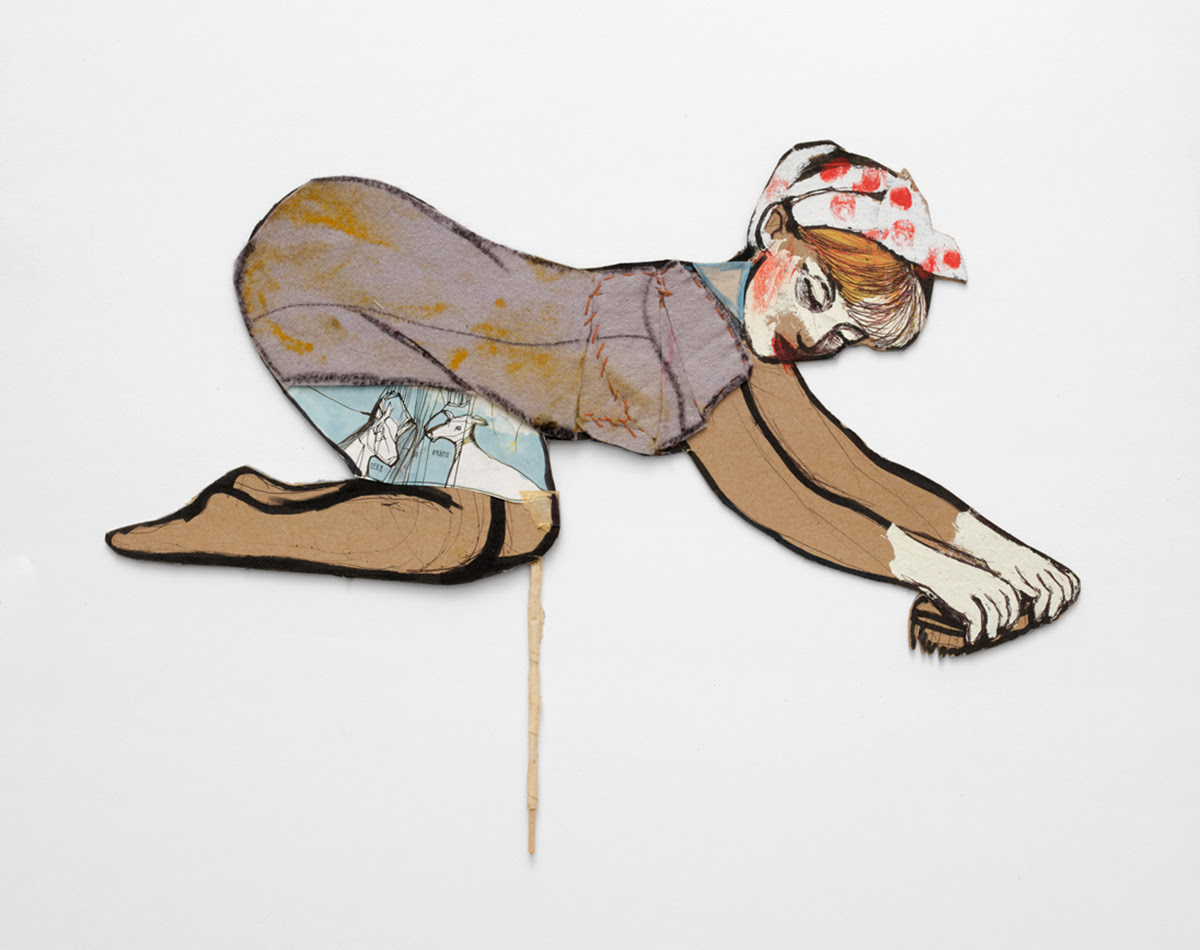
During the 50s, in the former communist countries, a complex mechanism was created for propaganda purposes, that would eventually produce a high amount of «official art » - standardized and gravitating around a central character: the proletarian worker. His figure was often used and abused, even if it did not serve him at all. Labour, therefore, was supposed to be the subject of that art. Abandoned after 1989, when we found ourselves with an unwanted heritage; the Socialist Realist sculpture. 30 years later, one could honestly wonder: where is the hero of yesteryear, where is the worker today?
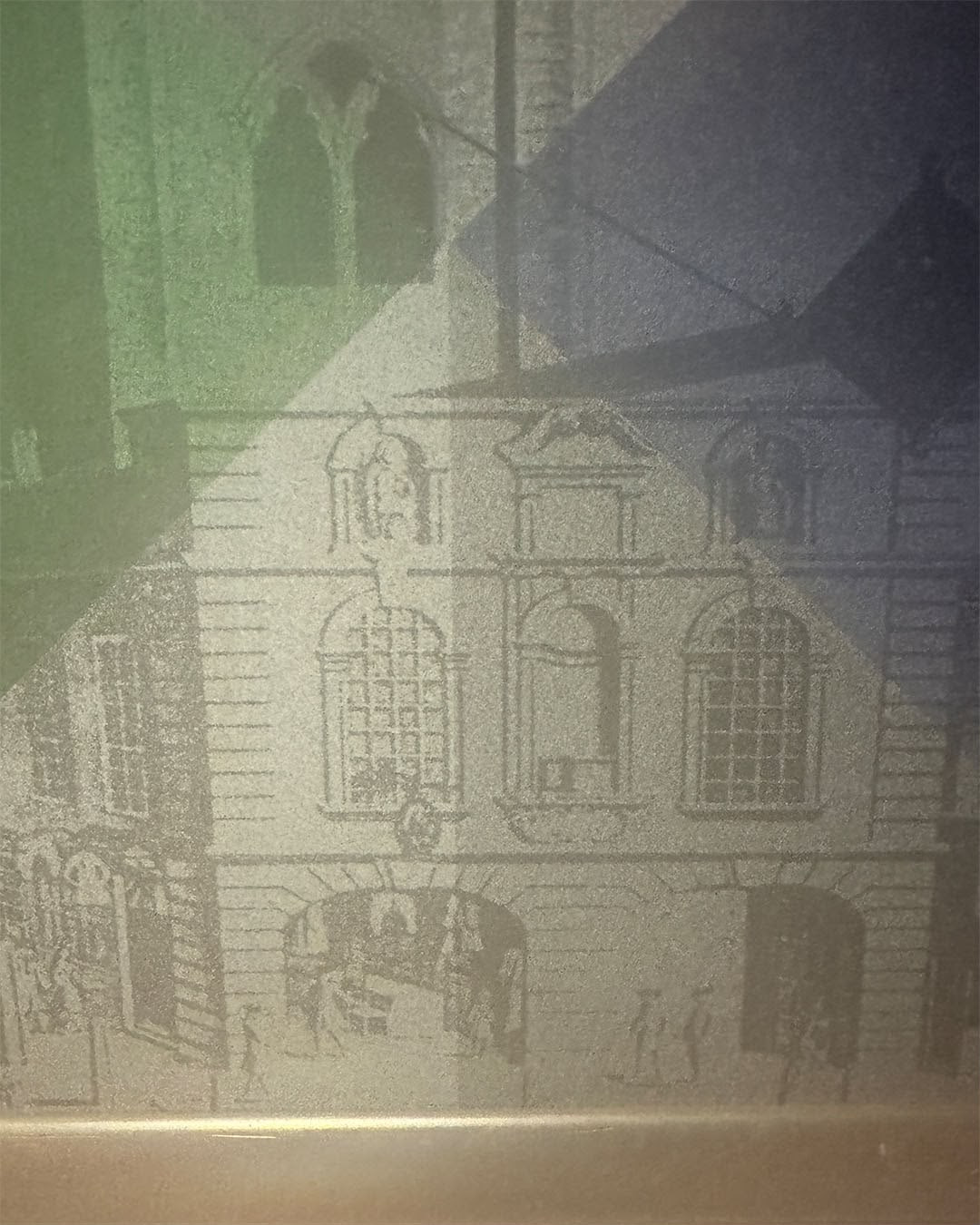
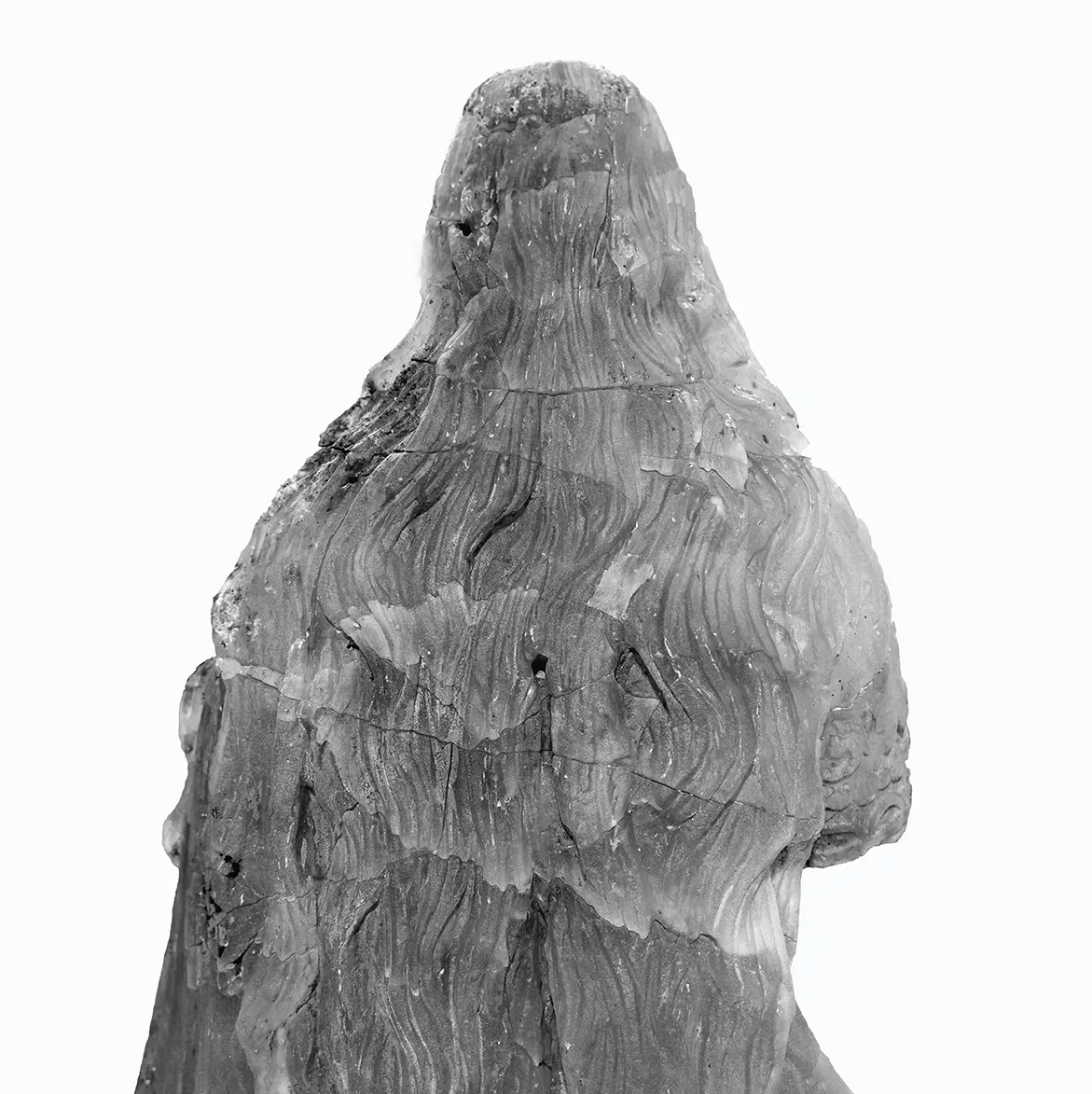
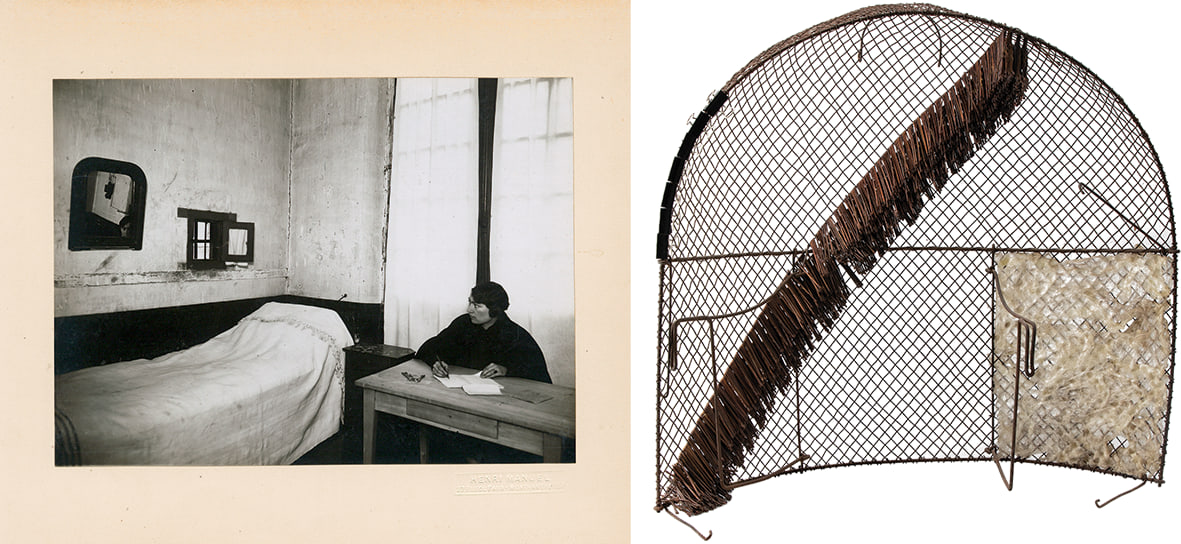
Trying to put myself in the artist’s shoes of that time, I decided to create some replicas in the same formal language, focusing on the symbol of the proletarian worker, with the main difference that I made the sculptures from white cotton paper, an extremely perishable substance. The paper’s materiality, with its texture and relationship to light, make the statues appear like ephemeral citations of some historical figure. Each of these "Ghosts" have a ”camera obscura” (pinhole camera) mounted with photosensitive paper inserted inside their heads at eye level, for the purpose of photographing everything they see. Thus, the statue is not merely an object: it becomes an eye witness, a fragile receiver of the context and its essential changes over time.
While working in my studio, I made some test photos with the pinhole camera. After an hour of exposure the camera captured the surrounding environment with all the objects in the room, all inert, well defined, while the human figure - the worker - was invisible, due to the movement. Yet you may observe some nearly imperceptible traces of the worker's presence, the final image is empty, devoid of heroes.
Similar to what Diego Velazquez did with Las Meninas, or Giulio Paolini in Portrait of a young man with Lamp de Lorenzo Lotto , by switching the roles between the subject and the object, or between the artist and the viewer, I try to reverse the roles between the viewer and the artwork. Now it is the artwork that looks at us and captures history.
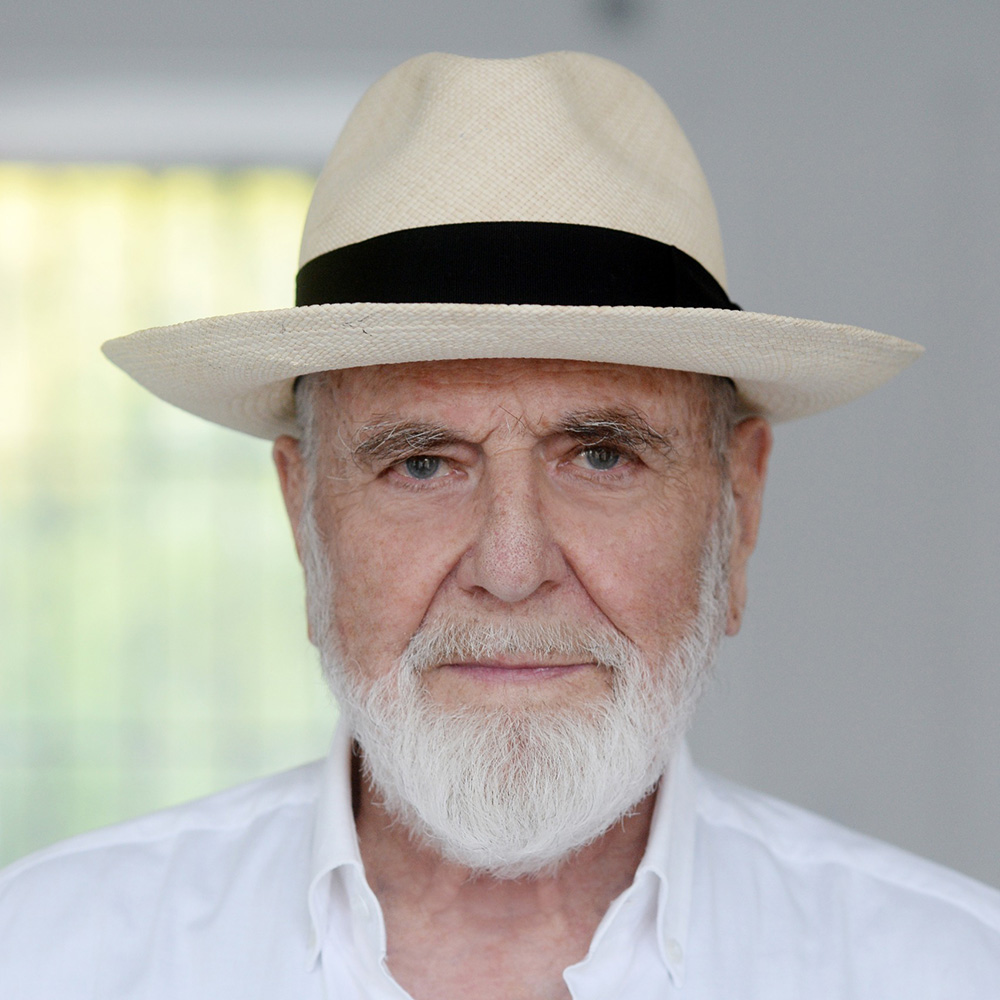
Ciprian Mureşan, born in 1977, lives and works in Cluj, Romania. Mureşan works with various media, including drawing, animation film, video installations, and sculpture. His work is catalogued and set in relation to overview research on post-Communist societies, globalization theory and their overlaps with aesthetic debates. Ciprian Mureşan's work has been exhibited worldwide in numerous solo and group exhibitions such as Centre Pompidou, Paris; S.M.A.K, Ghent; Tate Modern, London and Venice Biennale.
In 2017, Mureşan won the Daniel and Florence Guerlain Foundation's Drawing Prize. Ciprian Mureşan's work is included in the following collections: Tate Modern; Centre Pompidou; Kadist Art Collection; MoCA LA; The Sander Collection; The Collection of John Friedman; San Francisco Museum of Modern Art Collection.
*****
Au cours des années 50, dans les pays communistes, un mécanisme complexe fut mis en place à des fins de propagande, qui a fini par produire une grande quantité « d’art officiel", standardisé et gravitant autour d'un personnage central : le travailleur prolétaire. Le symbol fut souvent usé et abusé,, même si elle ne lui servait en rien. Le labeur était donc censé être le sujet de cet art. Abandonné après 1989, lorsque nous nous sommes retrouvés avec un héritage non désiré : la sculpture réaliste socialiste.
30 ans plus tard, on peut honnêtement se demander : où est le héros d'antan, où est le travailleur d'aujourd'hui ?
En essayant de me mettre à la place de l'artiste de l'époque, j'ai décidé de créer quelques répliques dans le même langage formel, en me concentrant sur le symbole du travailleur prolétaire, avec la différence principale que les sculptures sont réalisées en papier de coton blanc, une substance extrêmement périssable. La matérialité du papier, sa texture et son rapport à la lumière font apparaître les statues comme des citations éphémères d'une figure historique. Chacun de ces "fantômes" est équipé d'une "camera obscura" (chambre noire) montée avec du papier photosensible inséré à l'intérieur de sa tête, à la hauteur des yeux, dans le but de photographier tout ce qu'il voit. Ainsi, la statue n'est pas seulement un objet : elle devient un témoin oculaire, un récepteur fragile du contexte et de ses changements essentiels au fil du temps.
En travaillant dans mon atelier, j'ai fait des essais avec l'appareil à chambre noire. Après une heure de temps de pose, l'appareil a capturé l'environnement avec tous les objets de la pièce, tous inertes, bien définis, tandis que la figure humaine - le travailleur - était invisible, en raison du mouvement. Bien que l'on puisse observer quelques traces presque imperceptibles de la présence du travailleur, l'image finale est vide, dépourvue de héros.
Comme Diego Velazquez dans Les Menines, ou Giulio Paolini dans Portrait du Jeune Homme à la Lampe de Lorenzo Lotto, en inversant les rôles entre le sujet et l'objet, ou entre l'artiste et le spectateur, j'essaie d'inverser les rôles entre le spectateur et l'œuvre d'art. C'est maintenant l'œuvre d'art qui nous regarde et qui capture l'histoire.