
Exhibition · Snow Gallery
Soul Controller
Jun 20 – Aug 10
3 images · swipe
About the show
A. Anastajia, Alexander Barton, Tom Delaney, Bruna Denegri, Andrew Durgin Barnes, Pilita Garcia, Julien Langendorff, Sabrina Mansouri, Zeljko McMullen, Elly Minagawa, Reece Francis Perkins, Silky Shoemaker
"Abuse of power comes as no surprise"
—Jenny Holzer
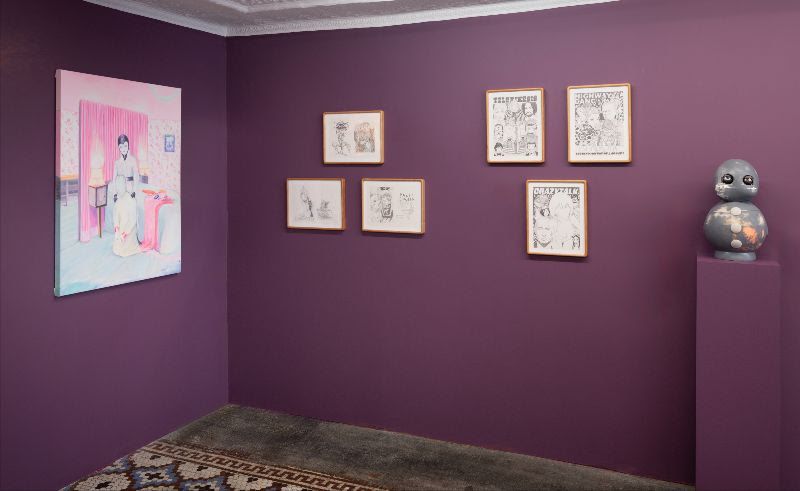
Snow Gallery is pleased to present Soul Controller, opening on-- the summer solstice-- which reminds us to rejoice in the nourishing light of the sun and the light within each of us.
“Soul Controller” is a 1996 song by Ghostface Killah as well as a term that originated in the 80s— slang for someone who pimps or deals drugs.
Our last exhibition, Shadow’s Mirror, opened the week of Easter and centered on themes of death and rebirth. As with many of our shows, sometimes life imitates art. Relationships, beliefs and old patterns die and others are reborn. This process, equal parts delicious and dreadful, can feel like an exorcism. Sometimes the shadow doesn’t like what it sees in the mirror and it revolts. But as Jung theorized, when the shadow is integrated we become whole and the soul returns to the body. Sometimes we have to break ties in order to reclaim our selves. May 12th brought us a full moon in Scorpio and the opportunity to release past burdens. Upon awakening from a fever dream, and with recent events as inspiration, this exhibition focuses on abuse and survival of abuse. Abuse can come in many forms, from emotional abuse, physical abuse, spiritual abuse, financial abuse, medical abuse, coercive control, gaslighting, shame and humiliation.
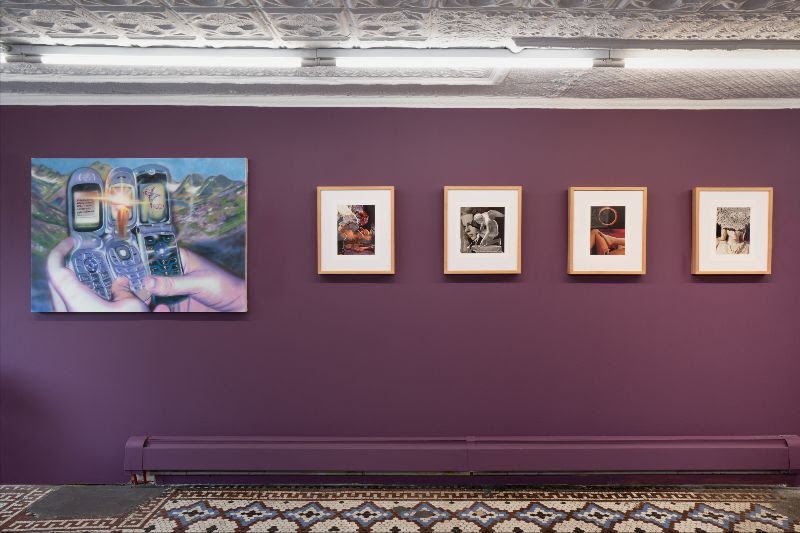
Abuse of technology is ubiquitous in recent news, whether it’s AI deepfakes or machine learning that exploits consumers via algorithms all in the name of increased revenue. Robots are taking over human jobs and bots are employed as trolls in smear campaigns, even influencing politics. A growing movement of young people have abandoned smart phones in favor of flip phones to protect their privacy amid distrust of the government and tech industry.
The Uncanny Valley phenomenon proposes that the eeriness of encountering humanoid entities— the replicants in Blade Runner being a prime example— arouses feelings of unease in a different way than experiencing say Duane Hanson’s startlingly lifelike human sculptures. The theory of the Sublime links the feeling of wonder and inadequacy in the face of that which is powerful, terrifying and awe inspiring with the pleasurable experience of observing beauty and coming to terms with that which is beyond our control. Friedrich Schiller claimed in “On the Sublime” (1801) that while the beautiful is valuable only with reference to the human being, the Sublime is the way the “daemon” within man reveals itself. Einstein said long ago that our technology had surpassed our humanity. When humans lose their humanity— often when they are seizing or grasping for a sense of power or control— they become abusive and destructive towards those around them. Cue the video of raccoons destroying a Tesla truck because it looked like a dumpster.
Some common trends among emerging painters are the use of airbrushing, fragmentation and inspiration from anime. Distortion of reality in painting is everywhere right now. This is also known as Surrealism and yes, that gum you like is totally coming back in style. When taken as metaphors, these techniques or styles draw many parallels to tools for surviving trauma from abuse. Airbrushing is a literal blurring of the lines, anime a form of fantasy, escape and a regression to childhood— to innocence before it was destroyed. Surrealism in art is a way of exorcising the trauma caused by the experience of abuse. It’s a way of twisting and distorting that which IS human, bringing back a sense of agency and self autonomy through the exploration of fantasy and world-building, and reminds us that although we are all having the same experience— the human experience— that we all see things differently. It also reminds us—as with Francis Bacon’s distorted depiction of the human form— that there is beauty in imperfection, and again we remember to appreciate the absurdity of life and the importance of embracing the shadow rather than running from it.
Abuse in the form of gaslighting and manipulation comes not only from partners (whether they be intimate, creative or work partners) but from rulers of nations. That’s if we even have access to internet and are not living in a cultural blackout, cut off by dictators who are themselves beholden to the tech magnates, arms dealers and cartels that funded their campaigns. The way immigrants are being treated in this country must be addressed. We cannot allow history to repeat itself and one way to bring awareness is through representation. This exhibition features artists who are either first or second generation immigrants to the US from Venezuela, Iran, and what was Yugoslavia as well as artists from France and Peru.
Christian cults, new age “wellness” cults, the Rajneesh movement, even certain factions of Hare Krishnas— see Monkey on a Stick— and many more have all been exposed for their corruption and abuse. Abusive partners like Sean Combs and Dominique Pelicot and abusive parents like the Turpins and Ruby Franke/Jodi Hidebrandt have dominated the media. These stories have also served as inspiration, as each of these abusers were brought to light by the brave survivors who managed to escape. In days as dark as these, we need stories like this. Often it’s one person who survives, then shines a light on the abuser, allowing others to come forward and heal.
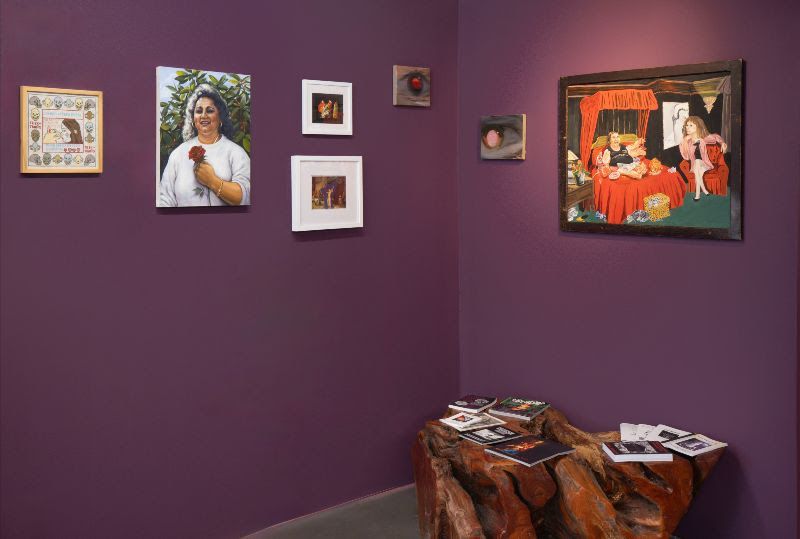
Each of the artists in this show have created work that has touched on these themes in some way. More importantly, the work is good. It’s original, it’s provocative and it does what art is supposed to do-- it evokes an emotion. The subject matter may be dark but there are moments of levity and even humor.
Coincidentally, Ghostface— arguably rap’s greatest Surrealist— is reportedly dropping a new album the day before the opening: the long awaited sequel to his classic, “Supreme Clientele.”