
Ended
Sheroanawe Hakihiiwe
Ihirama (Drought)
May 3 – Jun 29, 2024
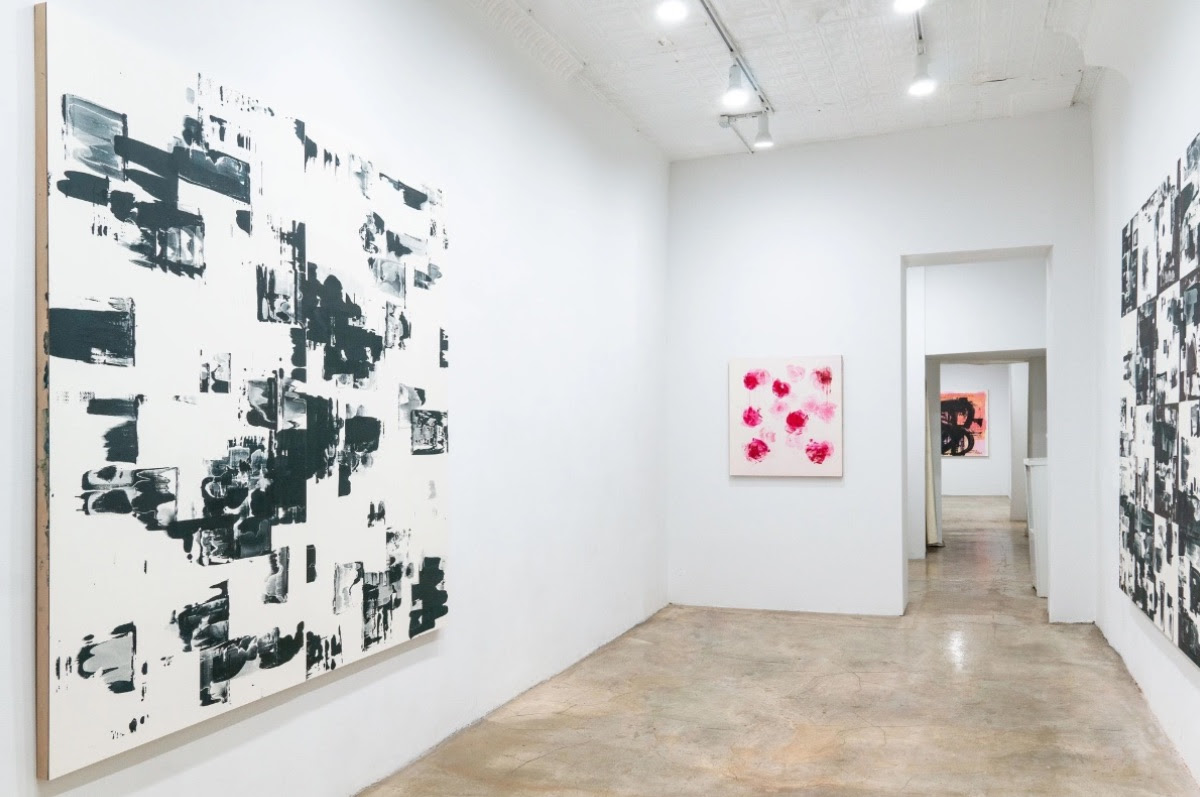
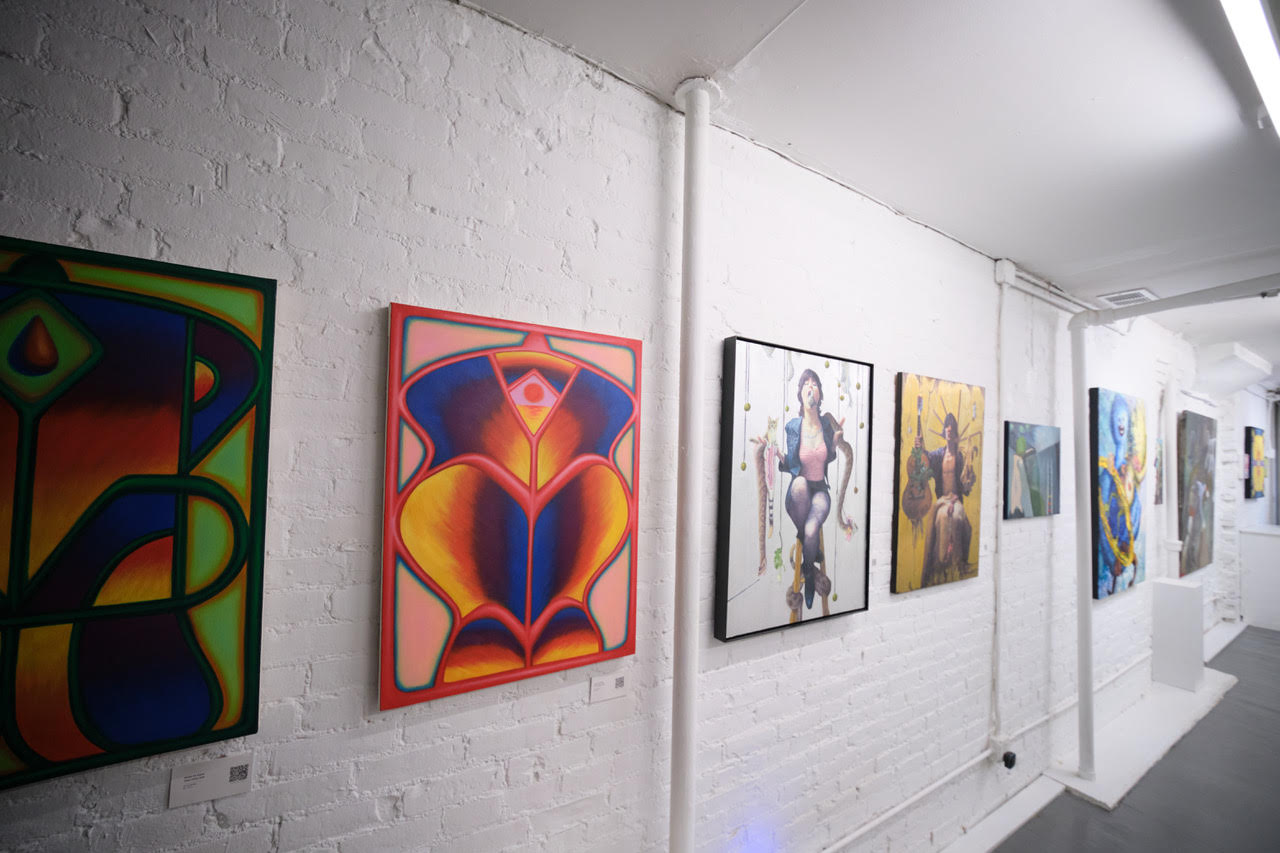
Proxyco Gallery and Abra are pleased to present a solo exhibition by Sheroanawe Hakihiiwe: Ihirama The work of Sheroanawe Hakihiiwe (Sheroana, 1971) returns to New York in his solo exhibition Ihirama (Drought).
Sheroanawe Hakihiiwe (b. 1971, Sheroana) is an indigenous Yanomami artist who lives and works between Caracas and Platanal, Venezuela. Beginning in the 90’s, Hakihiiwe has been developing a visual language that traces and memorializes indigenous landscapes, cosmogony, and ancestral traditions.
The drawings in this exhibition are part of a series that explore the theme of drought and the fragile state of our ecosystem. Hakihiiwe aims to raise awareness about the ongoing climate crisis and profound impact of drought on the environment and indigenous ways of life. When in Platanal, a Yanomami community in the Upper Orinoco near Mahekoto-Teri, he observes firsthand how the Amazon rainforest has been drastically altered by climate change, deforestation, and industrialization. Exacerbated by recurrent fires in the region, the reduced water levels of rivers are forcing animals to seek new habitats which disrupts natural symbiotic relationships, diminishing the wildlife available for hunting – and, consequently, diminishing the quality of life for the Yanomami in this region.
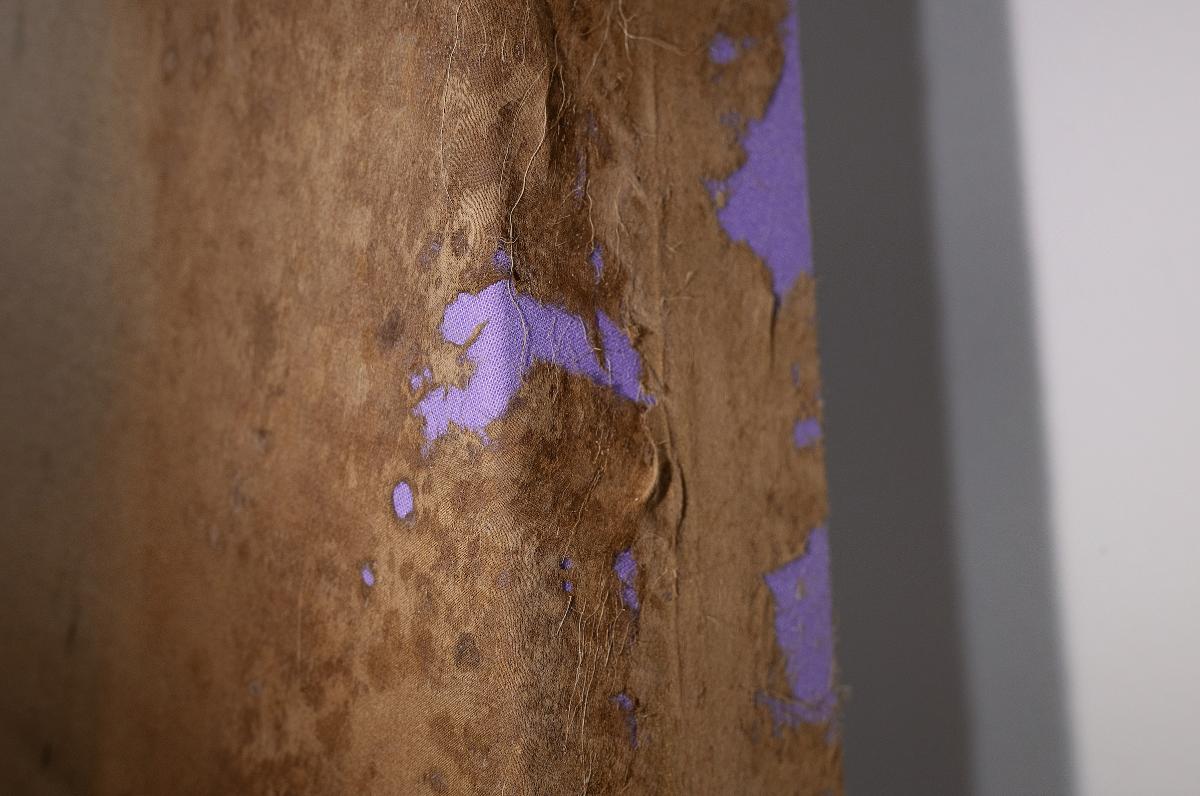
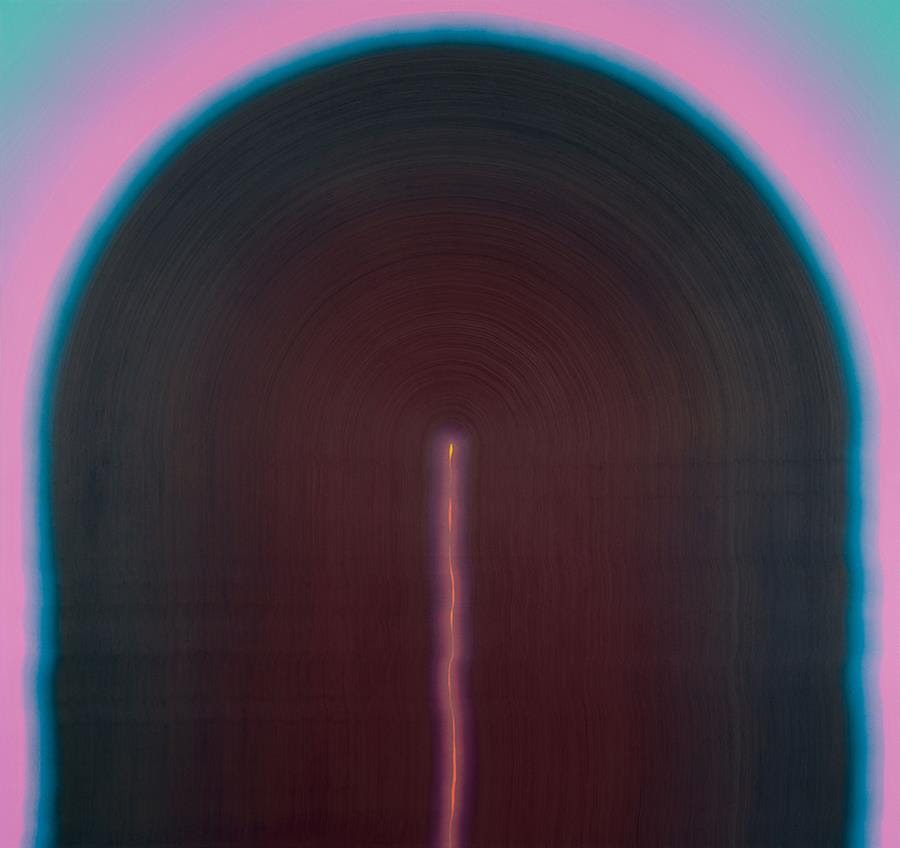
Indigenous peoples have historically been custodians of the environment and protectors of biodiversity. In parallel, Hakihiiwe uses drawing as a tool to represent the most diverse aspects of Yanomami life, embedding details of the jungle in every mark and symbolic gesture. Using oral histories as an inspiration, he creates an alternate mode of archiving, preserving, and promoting indigenous Yanomami aesthetics. Drawing particularly on his observations of changes in the Amazon region, Sheroanawe Hakihiiwe uses his distinct minimalist iconography of Amazonian animals and plant life to lament the effects of the climate crisis. His works in the exhibition are made with acrylic on natural fibers including cotton and paper made from sugarcane and nepal.
Hakihiiwe’s works are conceived as an expression of knowledge passed through generations and as a foundation that unites the ancestral with the present. As he aims to recover the oral memory of his people, the contemporary works of Hakihiiwe disrupts the linear time framework by having motifs of the past and present coexist with imagined futures.
—Dejá Belardo, 2024, Assistant Curator – Visual Arts and Civic Programs, The Shed
Sheroanawe Hakihiiwe (b. 1971, Sheroana), is an indigenous artist residing in Platanal, a Yanomami community in the Upper Orinoco near Mahekoto-Teri, who since the nineties has been developing a work aimed at recovering the oral memory of his people, of its cosmogony and ancestral traditions. Hakihiiwe uses the elaboration of craft paper, the edition of books elaborated together with his community, and more recently drawing as a tool to represent the most diverse aspects of Yanomami life.
Hakihiiwe develops through drawing a synthetic, concrete and minimal language on the vast and intense relationship of its community with the landscape that surrounds it. These links permeate the realm of the personal and the collective, his work being a contemporary revision of the cosmogony and the Yanomami imaginary.
His art evokes the archive of a preserved memory and promotes, at the same time, an aesthetic response in which time and space are subjective aspects. His works are conceived as the expression of knowledge and as the foundation that unites the ancestral with the contemporary in a fragmented time in which past and present coexist, consciously and unconsciously, in a heterochronic impulse that inhabits two or more universes. Today, -from the center of the debate on the contemporary in art-, these representations claim their visibility in the broad and complex artistic circuit, no longer as a strategy of alterity, as a theme or content at the margin or the center of, but thought and accepted as an alternative canon to cultural hegemony.