
On view
Lee Ufan
Apr 22 – Nov 22, 2026
Opens Saturday, May 9
Tickets available at tinyurl.com/2nez5x8d
Dia Art Foundation presents a major solo presentation of work by Lee Ufan at SMAC Venice (San Marco Art Centre), an official Collateral Event of the 61st International Art Exhibition – La Biennale di Venezia. The landmark exhibition is curated by Jessica Morgan, Dia's Nathalie de Gunzburg Director.
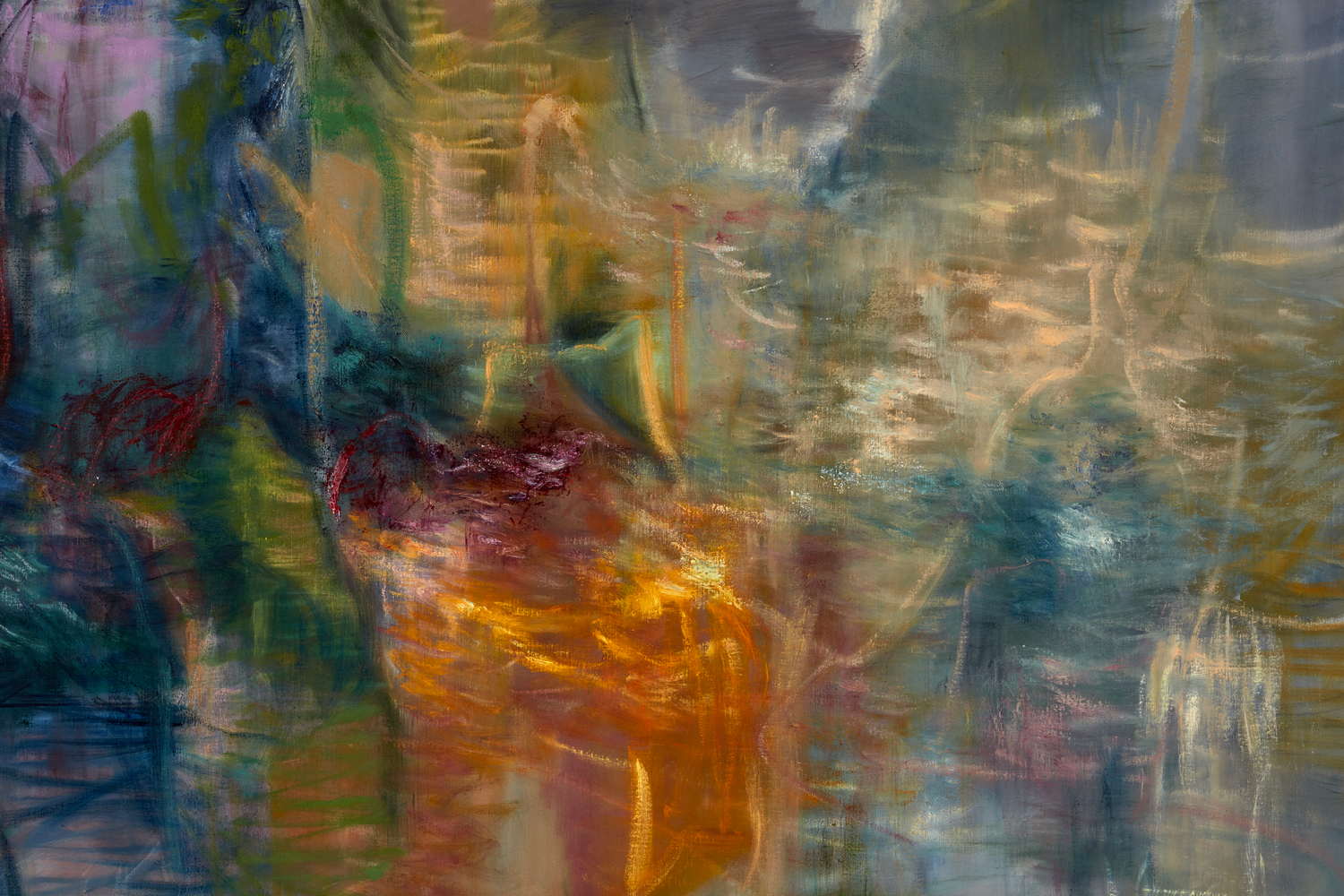
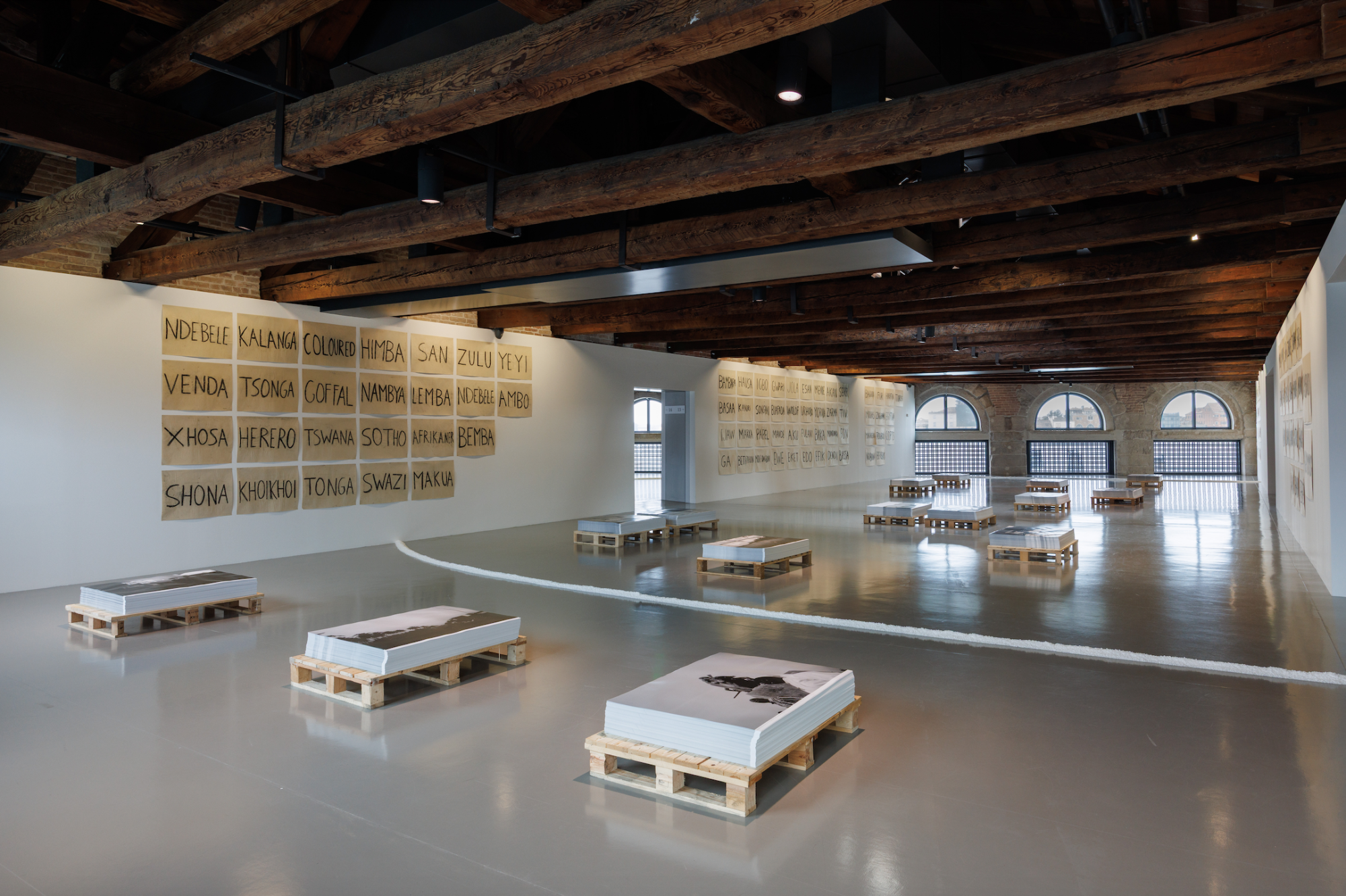
Developed in close partnership with the artist, the exhibition traces the evolution of his iconic visual language with works ranging from new and historical paintings to large-scale installations and a new site-specific commission. The display is staged across eight of SMAC Venice's galleries at the Procuratie in Piazza San Marco, bringing together a striking selection of works from over seven decades. Holistically, the presentation is designed to reflect both Lee's long-standing dialogue with architectural space and his continued commitment to creating environments that prompt reflection and heightened awareness.
Lee, one of the foremost figures of the Japanese Mono-ha (School of Things) as well as a key contributor to the Korean Dansaekhwa (Monochromatic Paintings) movements, has long explored the possibilities of embodying and representing space and time through painterly gestures on canvas.
Concurrently with the Venice presentation, Dia Beacon in Beacon, New York, unveils a new display of Lee's paintings and sculptures. Together, these two exhibitions celebrate the artist's 90th birthday, underscoring his extraordinary contribution across disciplines and geographies.
Lee Ufan was born in Gyeongsangnam-do, Korea, in 1936, while the country was under Japanese occupation. In 1956, following training in traditional ink-brush techniques at Seoul National University High School, he moved to Tokyo, where he studied philosophy at Nihon University. In 1967, he had his first solo show at Sato Gallery, Tokyo, and, in 1968, his work was included in Contemporary Korean Painting at Tokyo Museum of Modern Art. In 1969, Lee staged an ephemeral happening and made contingent structures for the 9th Contemporary Art Exhibition of Japan at Tokyo Metropolitan Museum of Art, which signaled a departure from his earlier optical, discrete paintings. This show brought together Japanese artists identified with Mono-ha (School of Things). Throughout the 1970s, the artist participated in several exhibitions that juxtaposed North American, East Asian, and European artists to highlight their shared concern with material, process, and site. A dedicated teacher and prolific cultural critic, Lee published 17 books. In recent years, acclaim for his work has brought him exhibitions worldwide. In 2010, the Lee Ufan Museum, designed by Tadao Ando, opened in Naoshima, Japan. Increasingly distilled and monumental, the artist's sculptures continue to combine natural and industrial materials, in keeping with his relational philosophy. Lee lives in Kamakura, Japan, and Paris.
Taking its name from the Greek word meaning "through," Dia was established in 1974 with the mission to serve as a conduit for artists to realize ambitious new projects, unmediated by overt interpretation and uncurbed by the limitations of more traditional museums and galleries. Dia's programming fosters contemplative and sustained consideration of a single artist's body of work, and its collection is distinguished by the deep and long-standing relationships that the nonprofit has cultivated with artists whose work came to prominence particularly in the 1960s and '70s.
In addition to Dia Beacon, Dia Bridgehampton, and Dia Chelsea, Dia maintains and operates a constellation of commissions, long-term installations, and site-specific projects, notably focused on Land art, nationally and internationally.
Lee Ufan is presented by Dia Art Foundation at SMAC Venice (San Marco Art Centre) as official Collateral Event of the 61st International Art Exhibition – La Biennale di Venezia. Significant support provided by Samsung Foundation of Culture, Pace Gallery and Mennour.