Through Nov 7
Koak
Still Weather
Oct 2 – Nov 7, 2026
A radio dial tunes to BBC News, searching for the familiar, unbroken voices channelling the airwaves to deliver the latest news. In Still Weather however, the dial rewires and diverts, finding instead a language of weather and nature. A bird is calling out, a low thunder rumbles, wind gently whispers through the airwaves. The signal refracts as though through a prism, splitting into a chorus of sound and its component colours. Everything in Still Weather is a variation of that same principle.
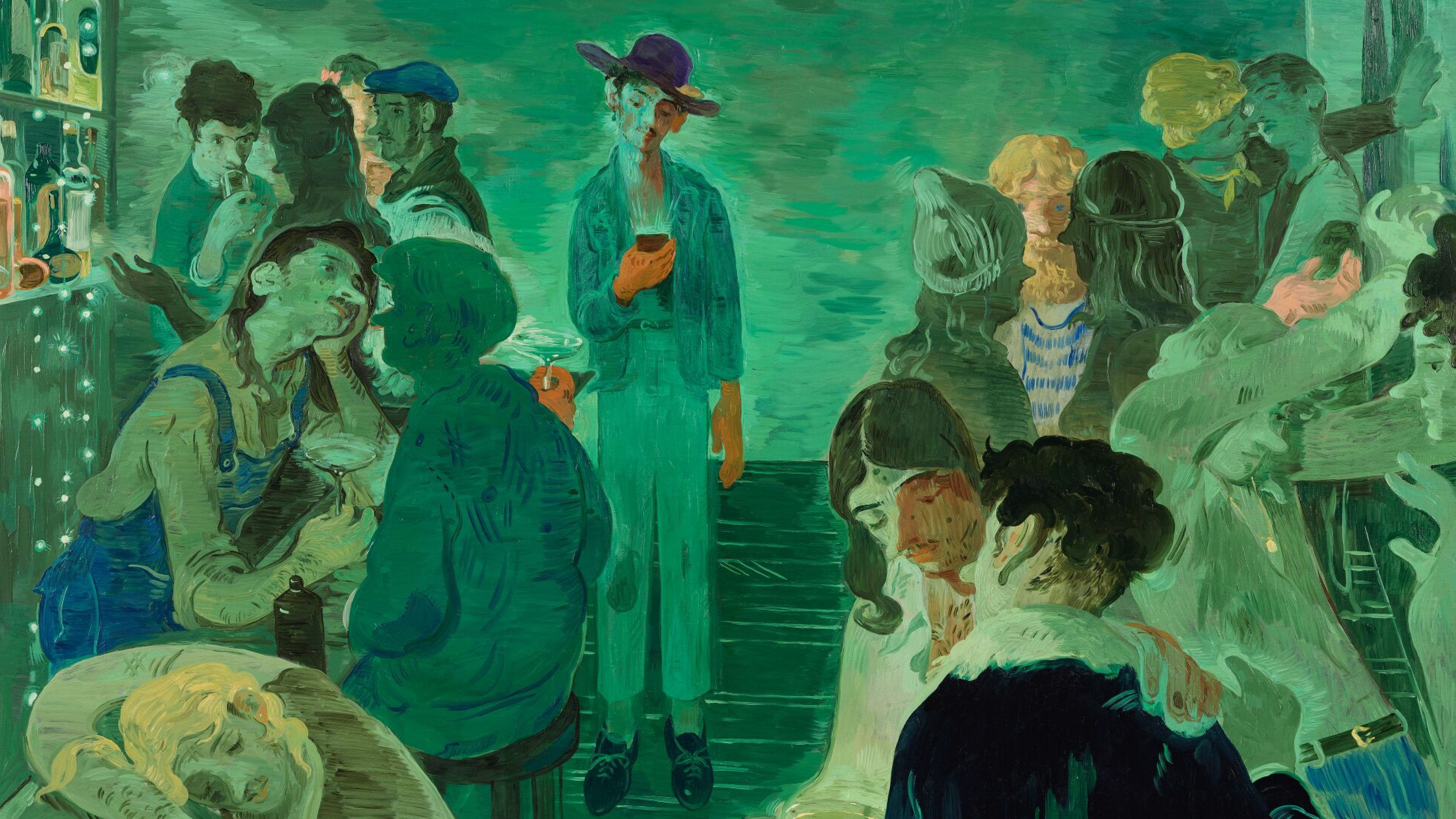
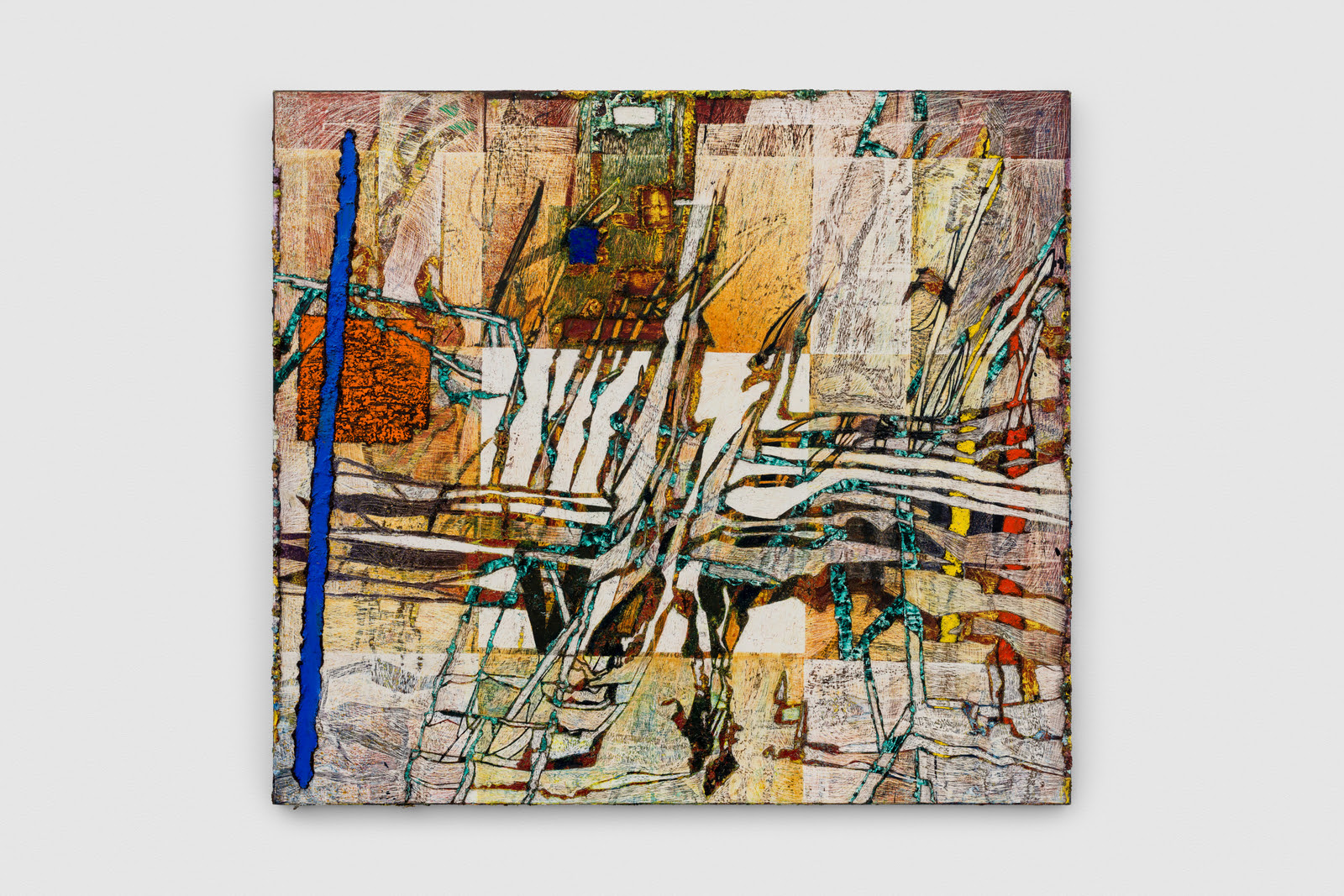
The full spectrum of colour disperses across the exhibition’s paintings. But the colour is filtered, run through silt, as if clarity itself had become a kind of dishonesty. Koak began thinking towards this exhibition in the strange interval after the last U.S. election in November 2024. A stomach-drop of realising what is ahead, a slow release of dread. It is a peculiarly modern condition of living inside a future you already anticipate, with no choice but to wait for its arrival.
That expectation is not passive, in Koak’s account, and this is the distinction the whole exhibition turns on. A pause is the last interval in which more than one outcome is still technically possible. Before something sets, or before the changing of the seasons occurs, there is a narrow window in which the future is still plural. Koak’s paintings are, in a sense, attempts to hold that window open a little longer than it wants: to paint the moment just before consensus, before the weather has decided what kind of day it is going to be.
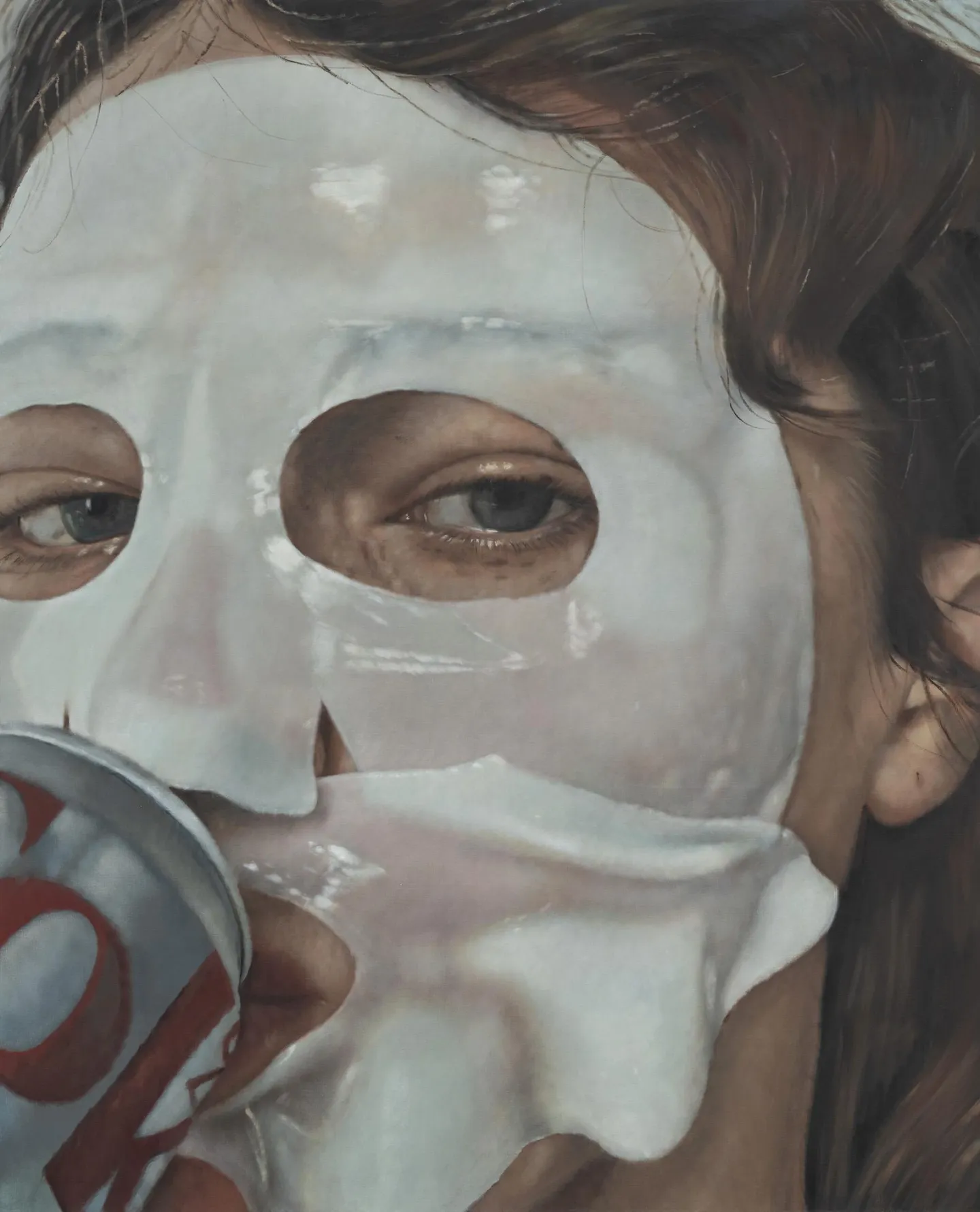
The sequencing of the paintings across the room performs the same idea physically. The works compress, moving from a wide, atmospheric landscape toward tighter, more internal figuration. They enact a visual crystallisation that mirrors what the whole show is describing: the way an open field of possibility gradually narrows and thickens into a single, embodied moment of feeling.
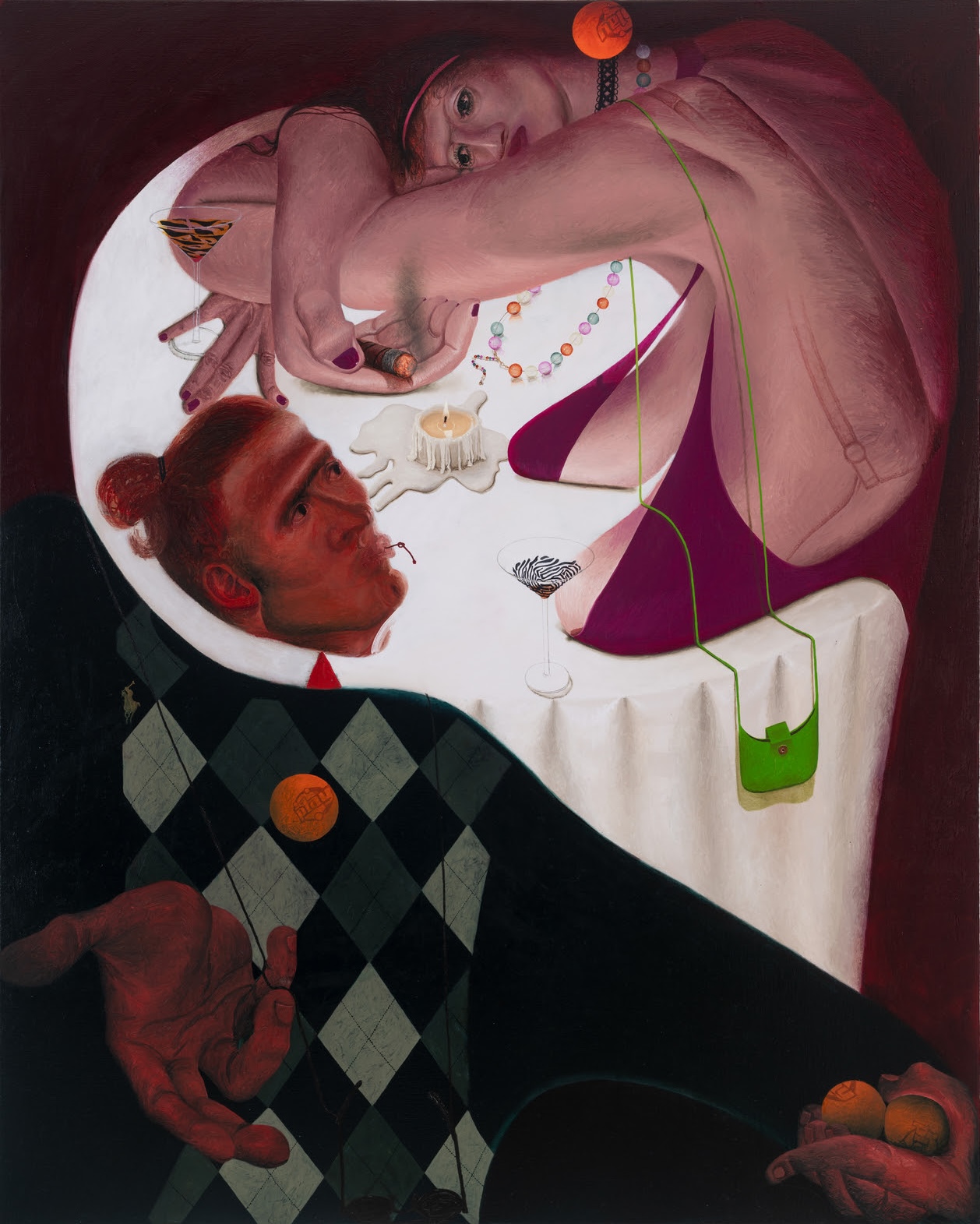
Each painting takes cues from art history. California Landscape, November Dawn takes its composition from Charles Burchfield’s 1926 watercolour of the same title, made in the decades he spent chronicling how industrialisation was affecting America. Sea of Space and Time borrows its title and cosmology from William Blake’s 1821 painting, made two years after Peterloo, when demands for political reform were met with increasing repression. The Reader reworks Antoine Wiertz’s 1853 painting of a woman reading fiction by candlelight while a devilish hand pushes more books toward her, painted in a young Belgium gripped by panic over what the increasingly widespread act of reading might be doing to the supposedly pure minds of women. Each work was made inside a moment of public anxiety, and each one, in its own way, is an attempt to absorb the news of that time.
Koak is asking for a kind of attention contemporary life rarely allows: the capacity to stay inside an unfinished pause. Every device in the show is a way of slowing a signal down long enough to look at it. The exhibition leaves the room the way weather leaves a landscape: constantly changing, and leaves us anticipating whatever the horizon is about to bring.
—Sofia Hallström