

Exhibition · Castle
Kai Jenrette
Fever
Jan 10 – Feb 15
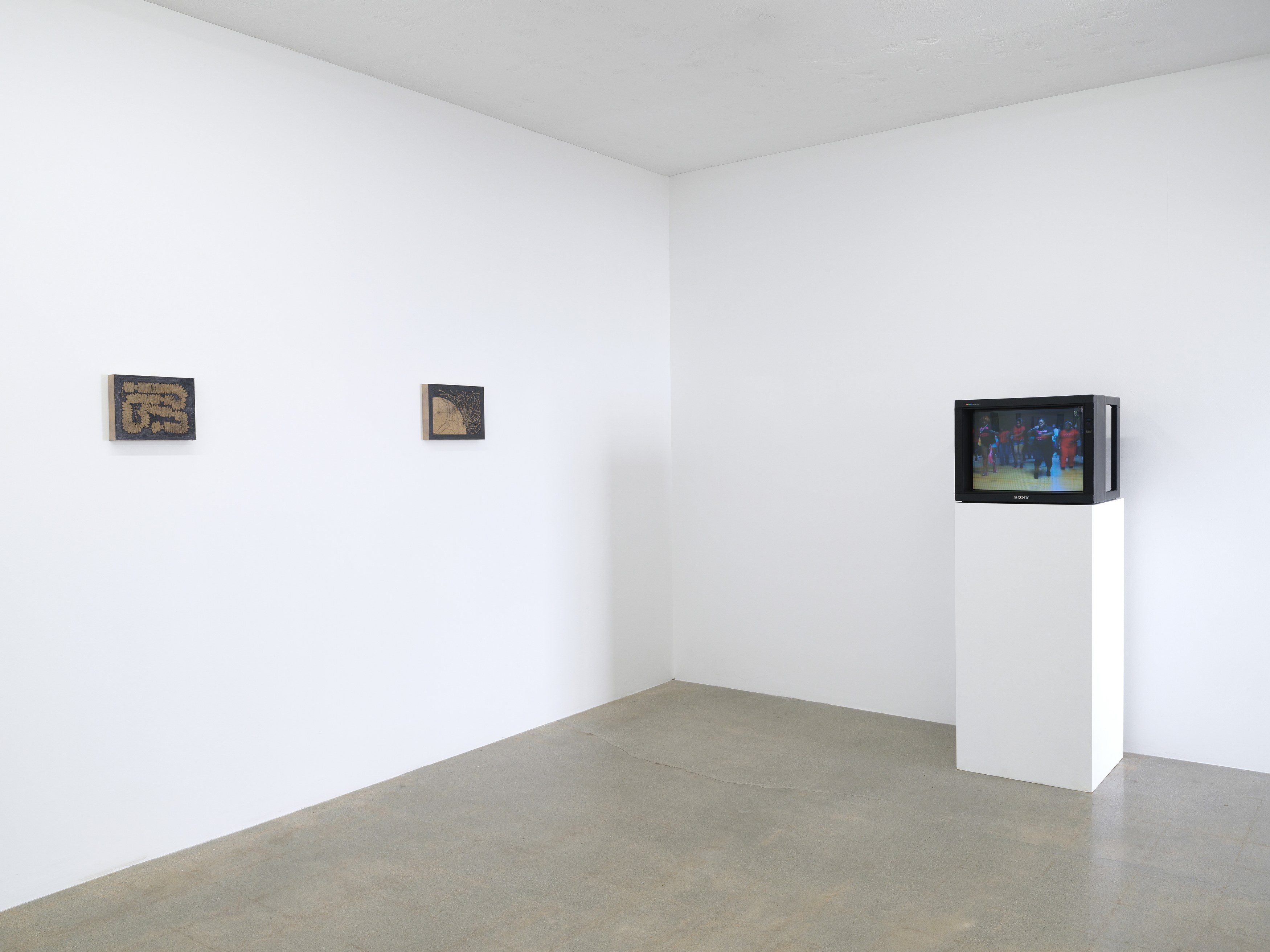
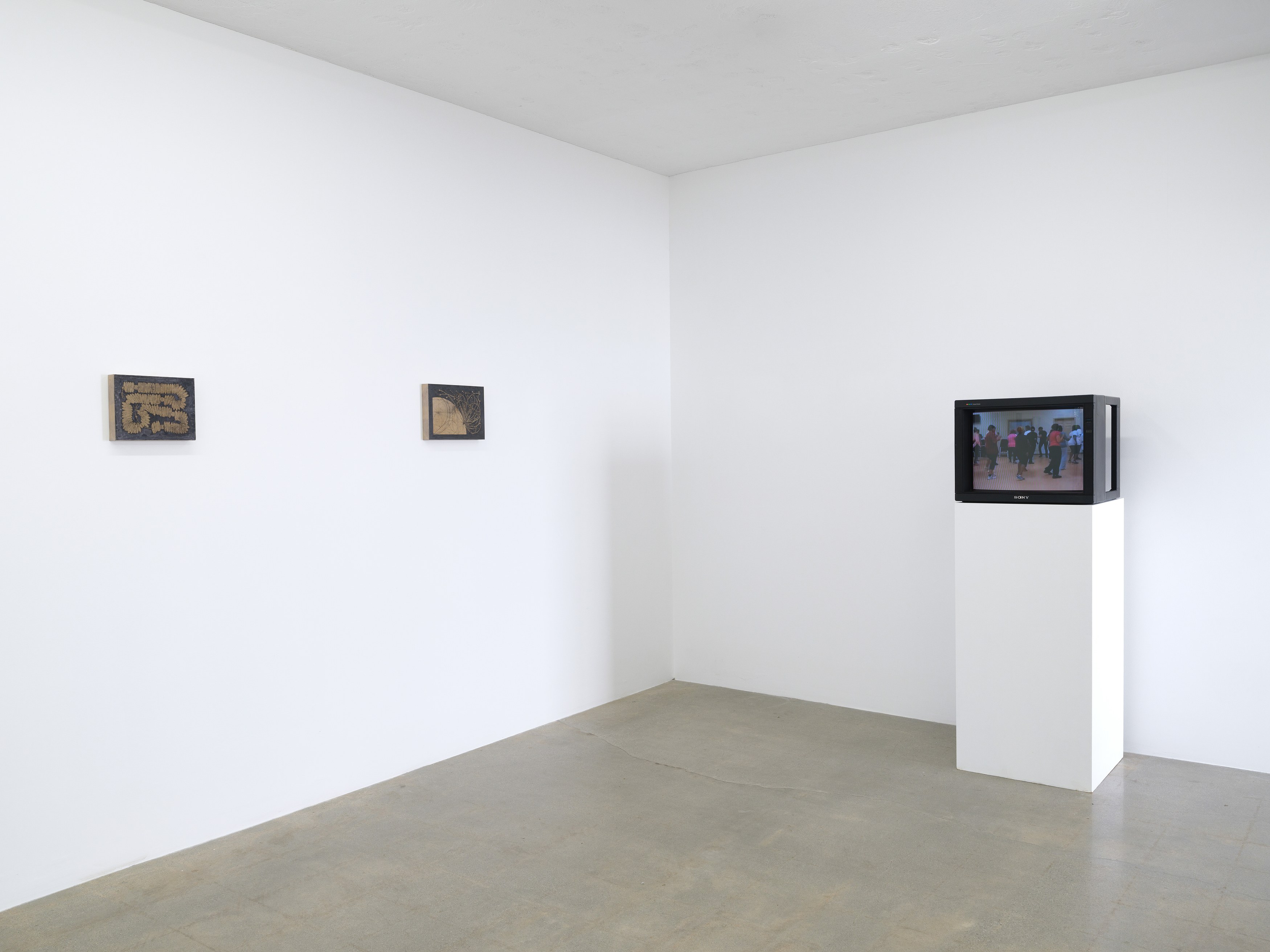
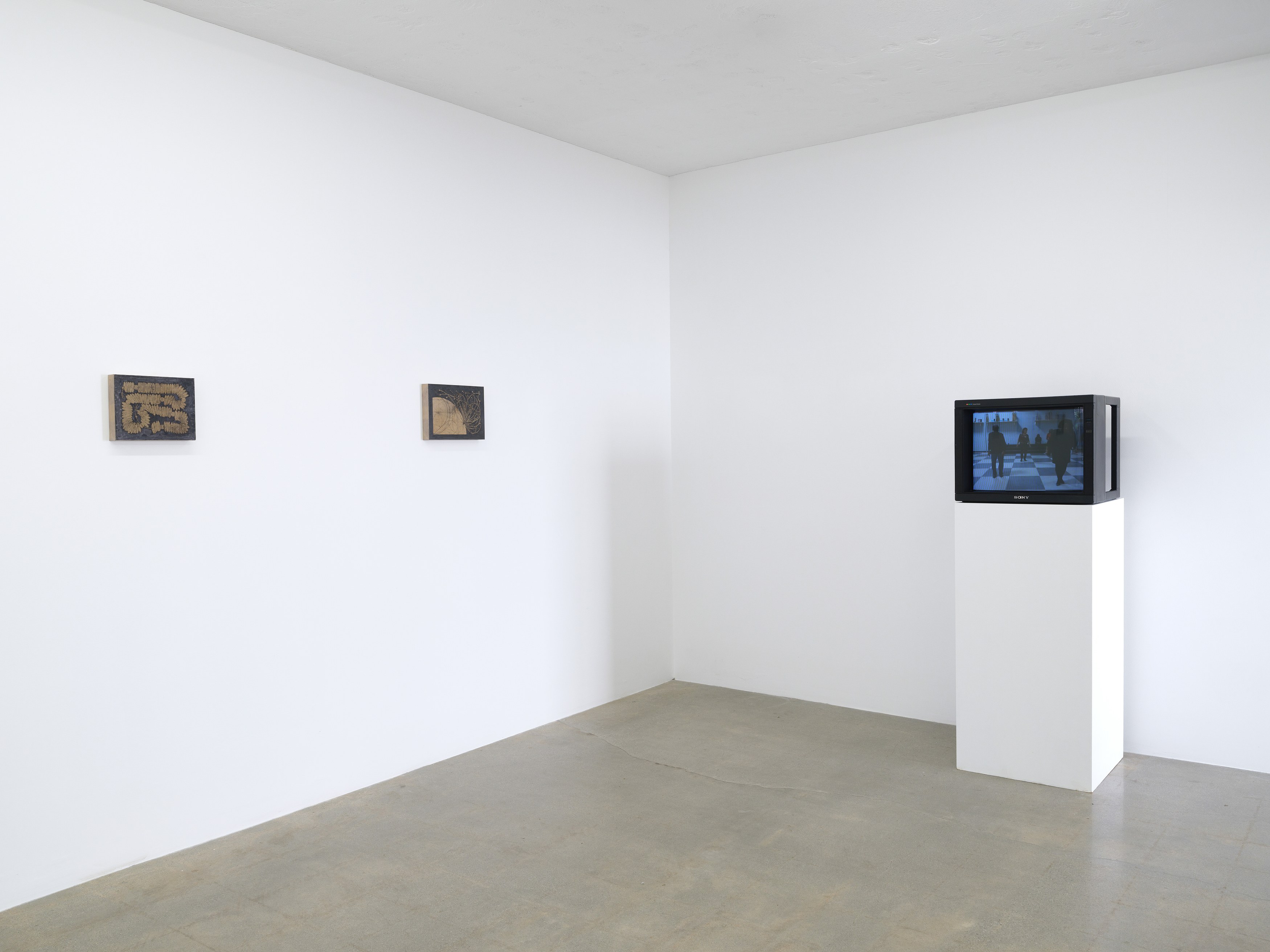
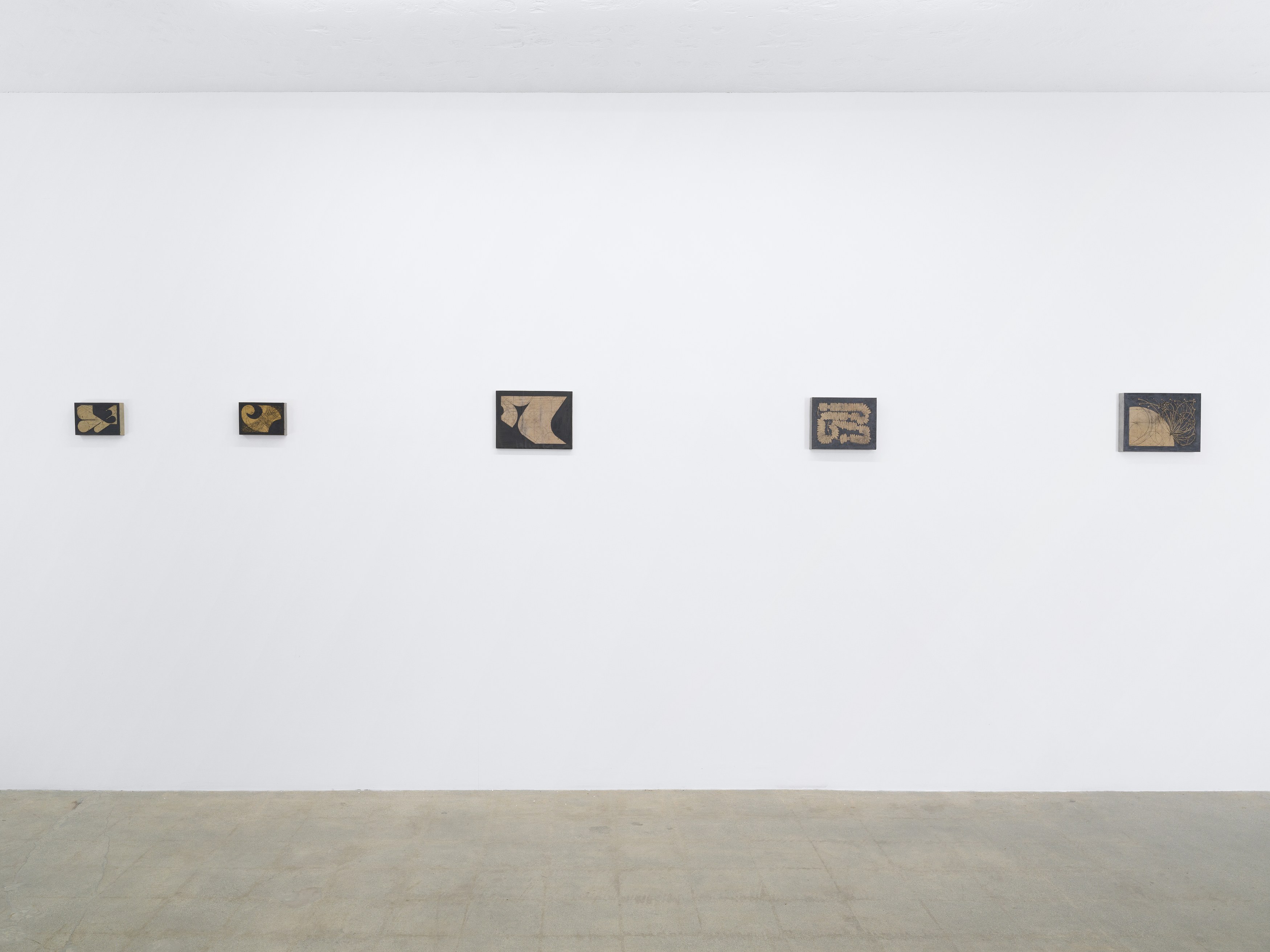
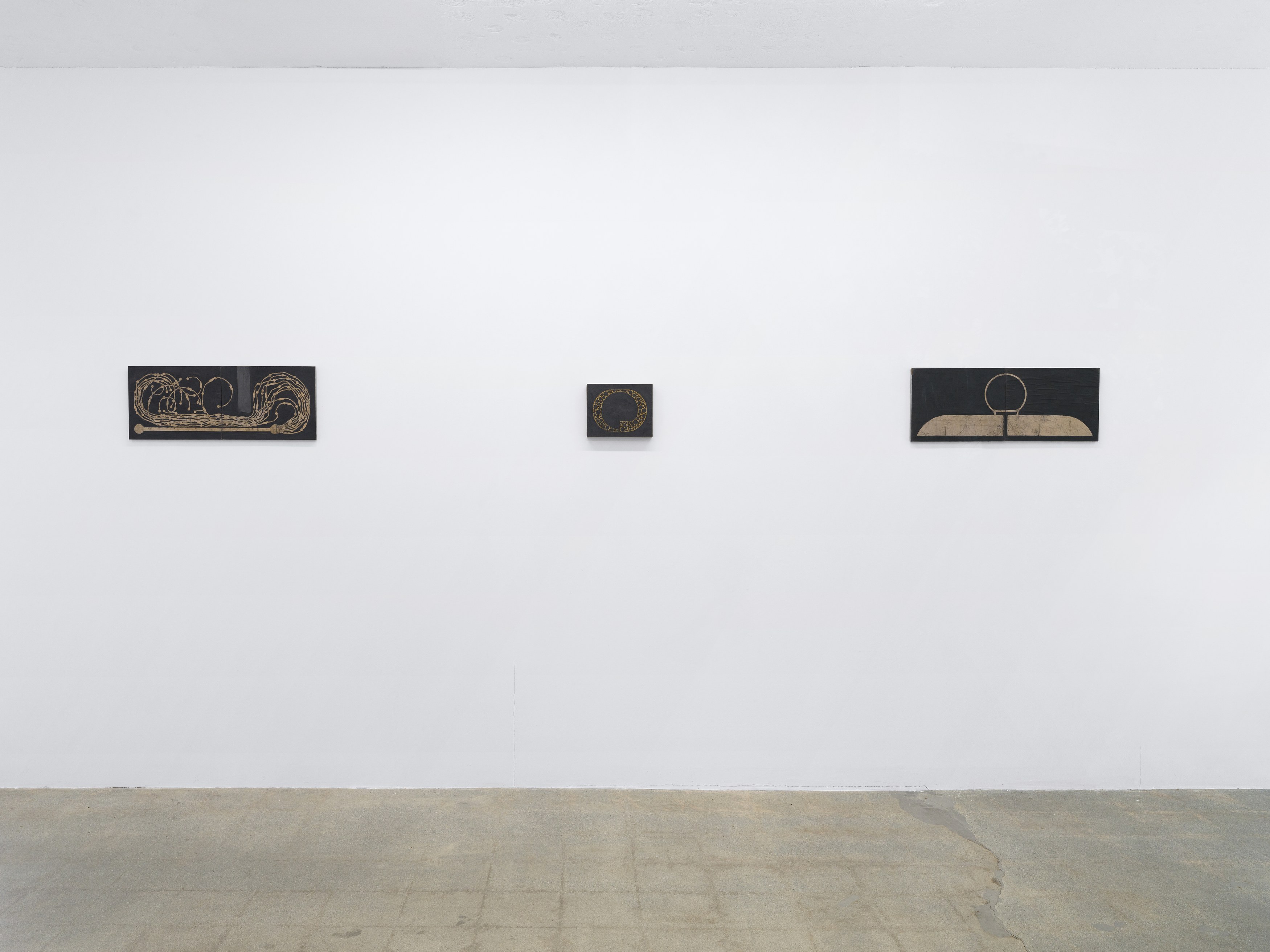

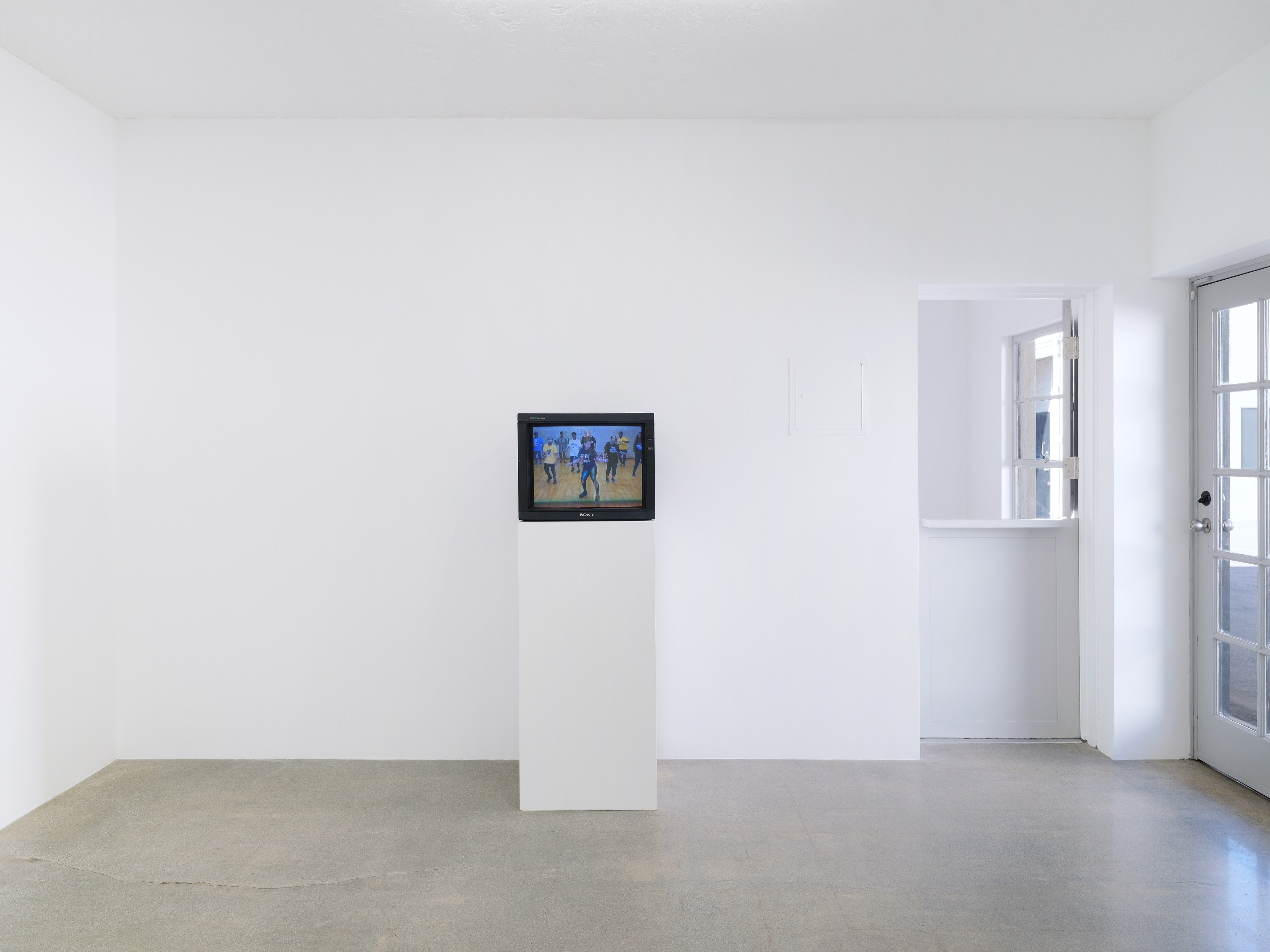

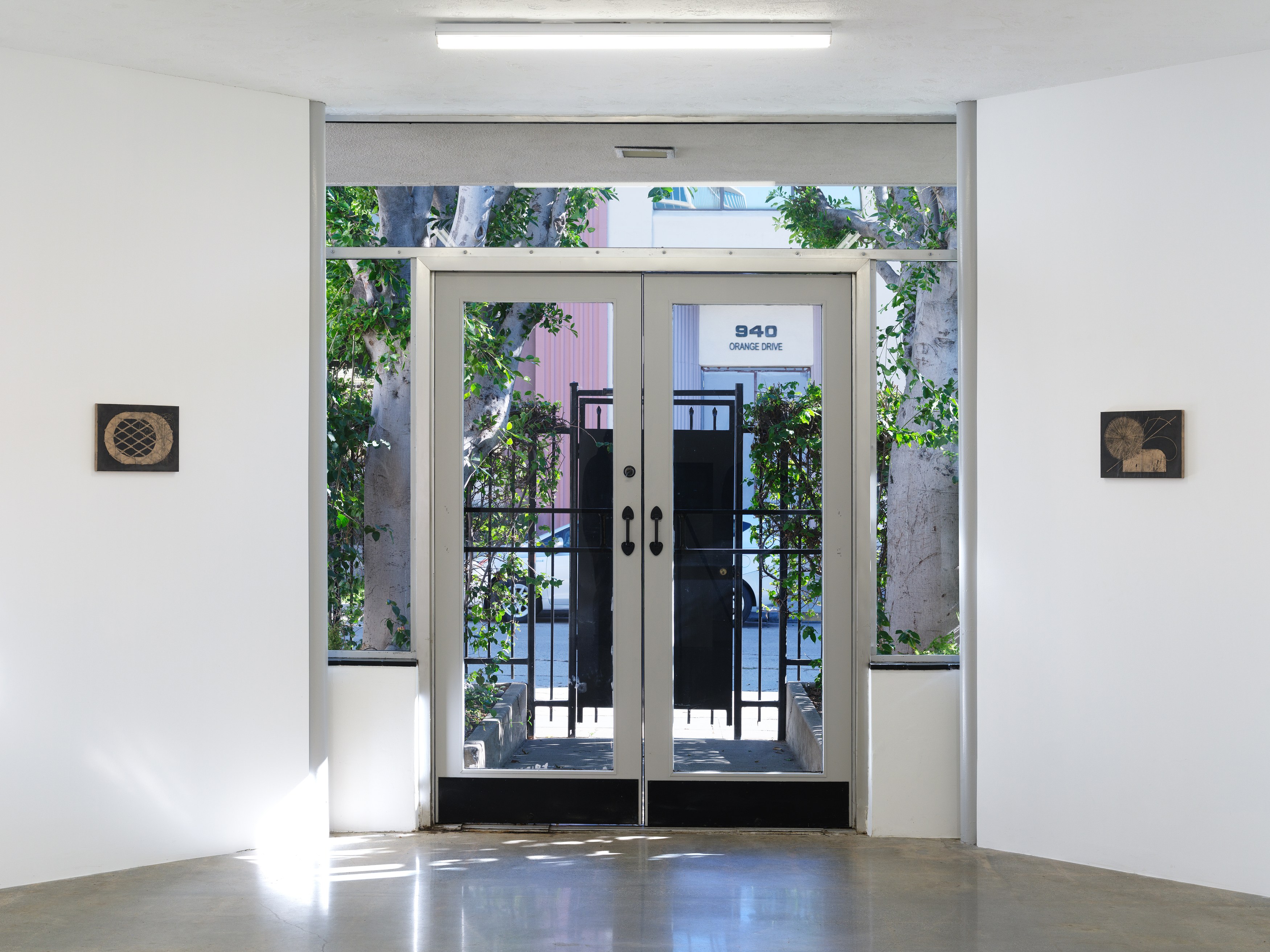


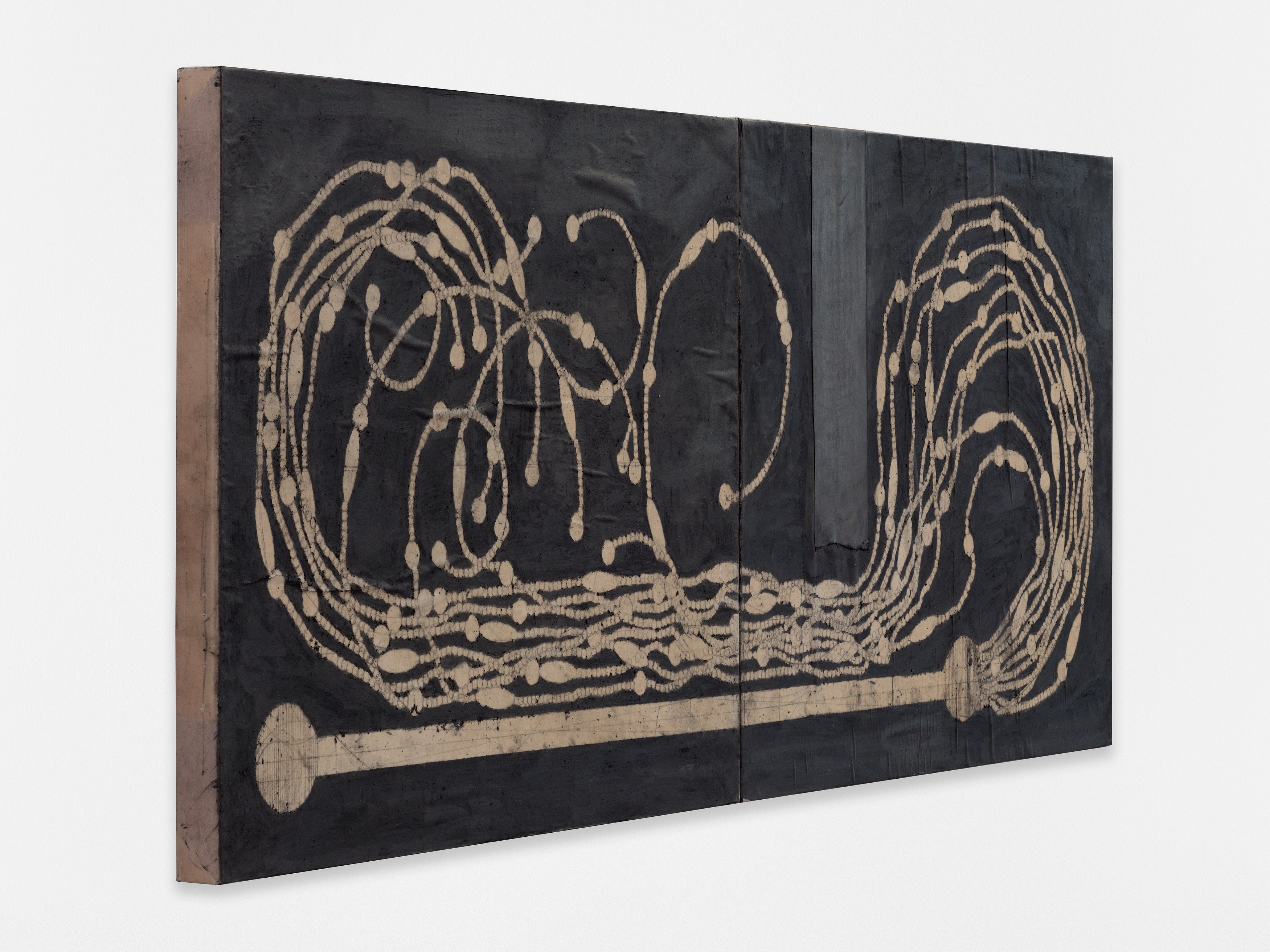
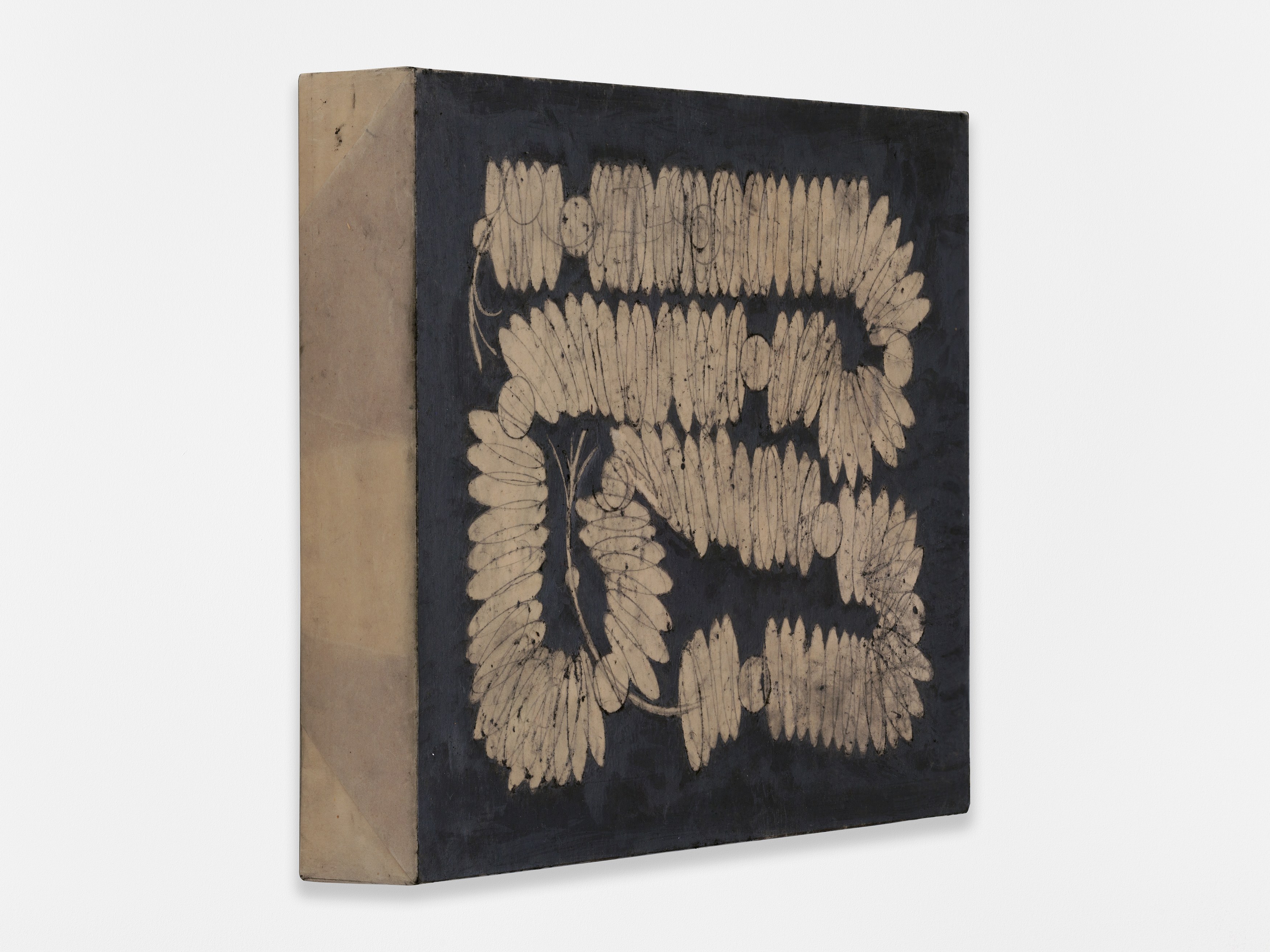

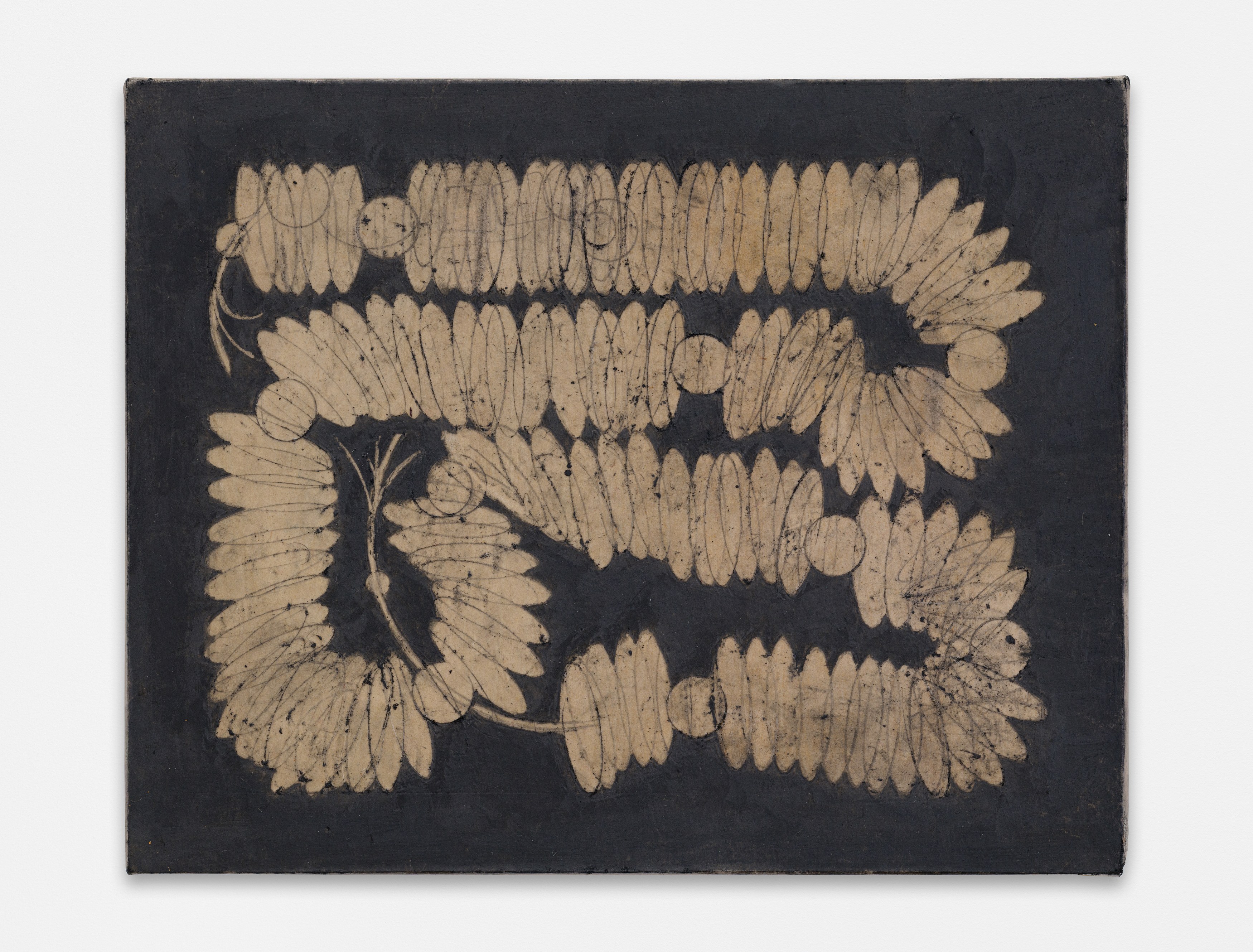
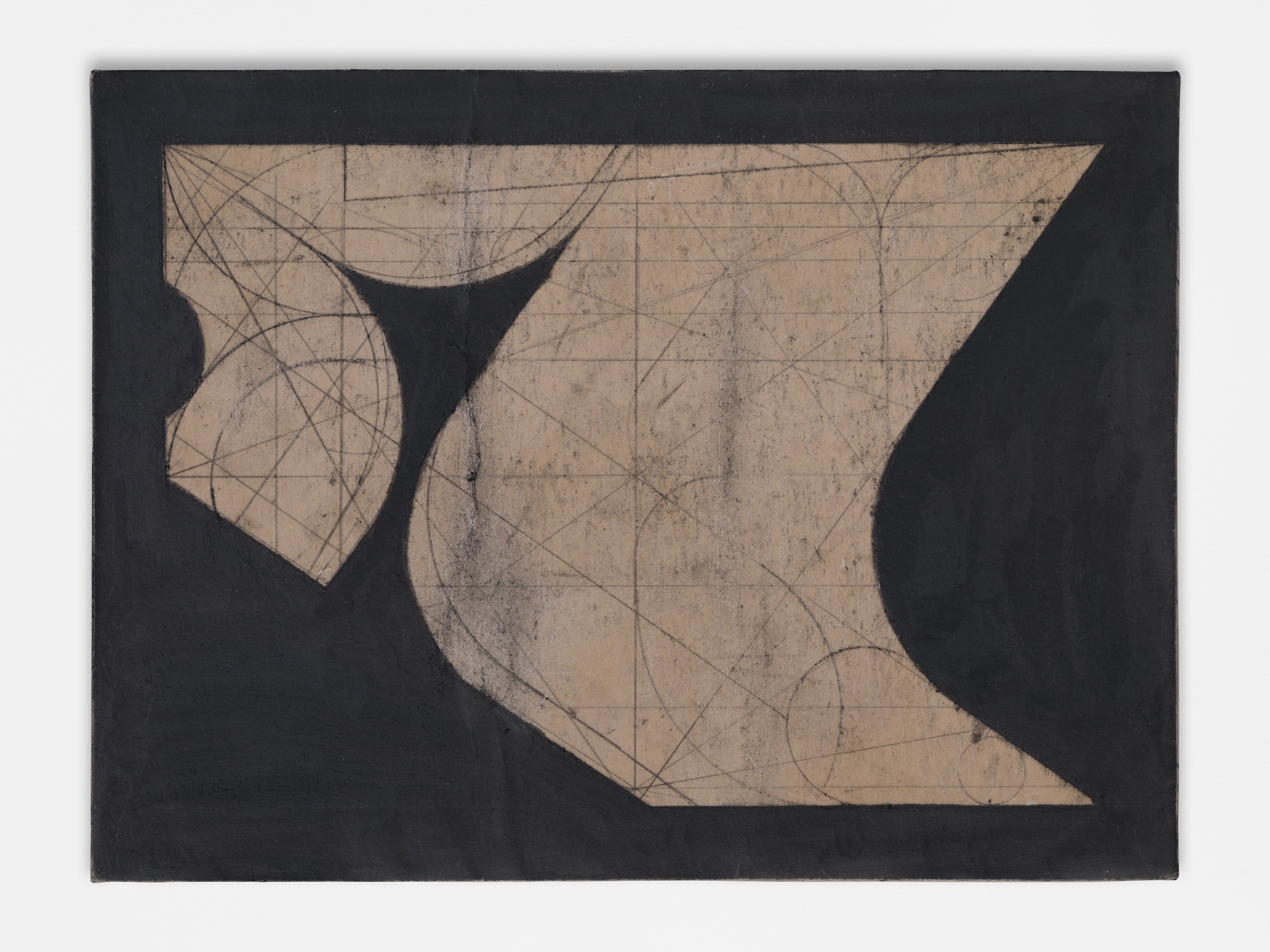
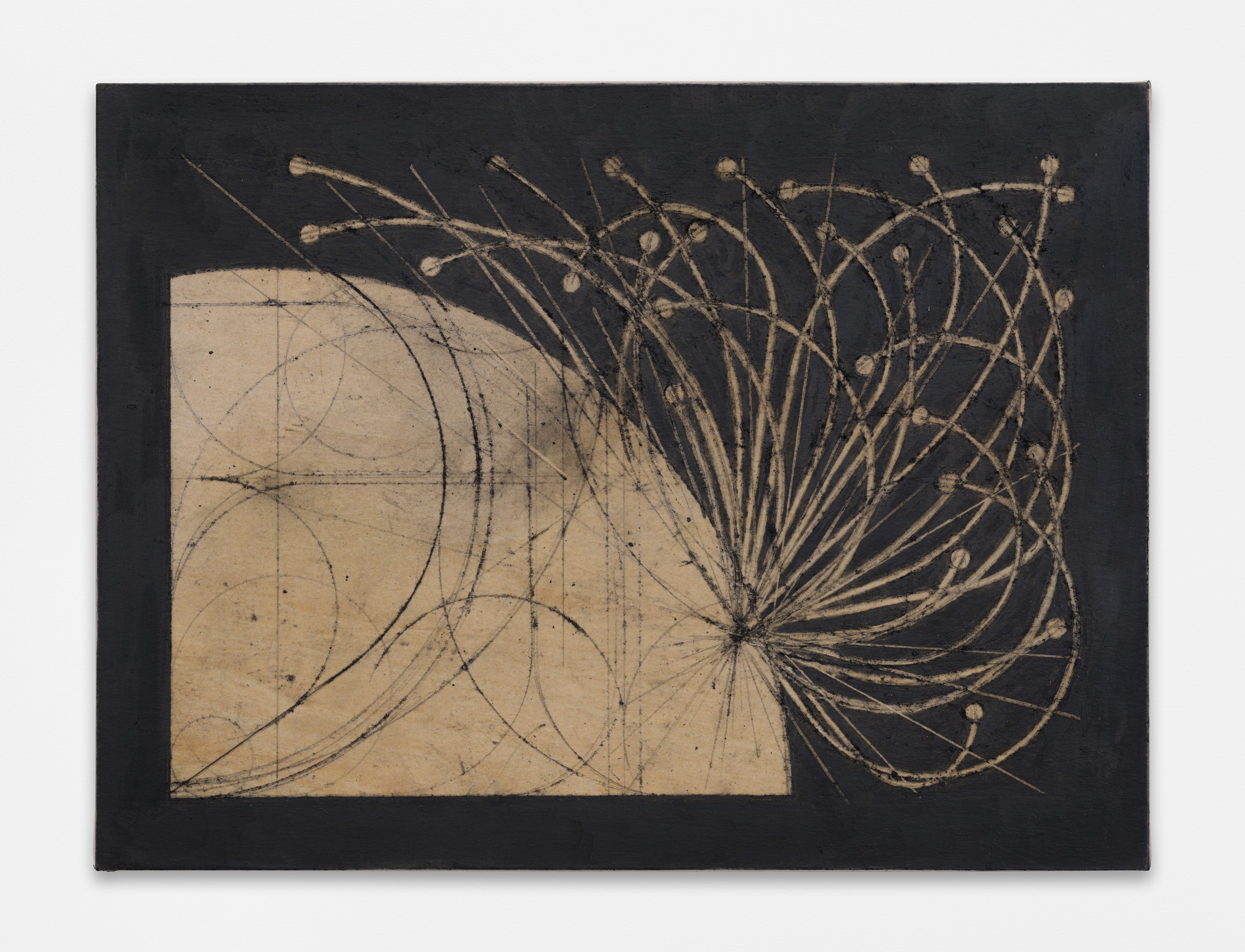
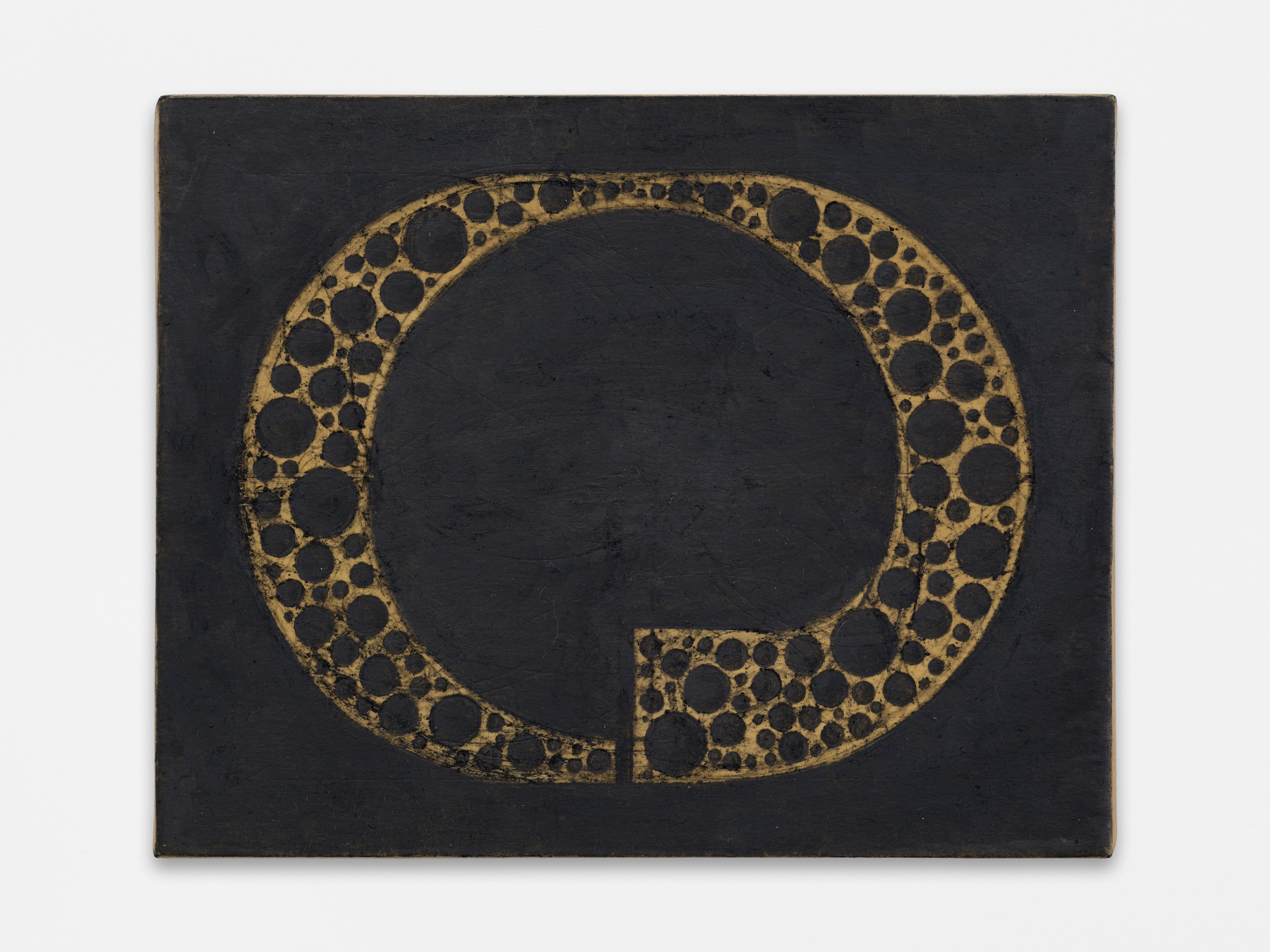
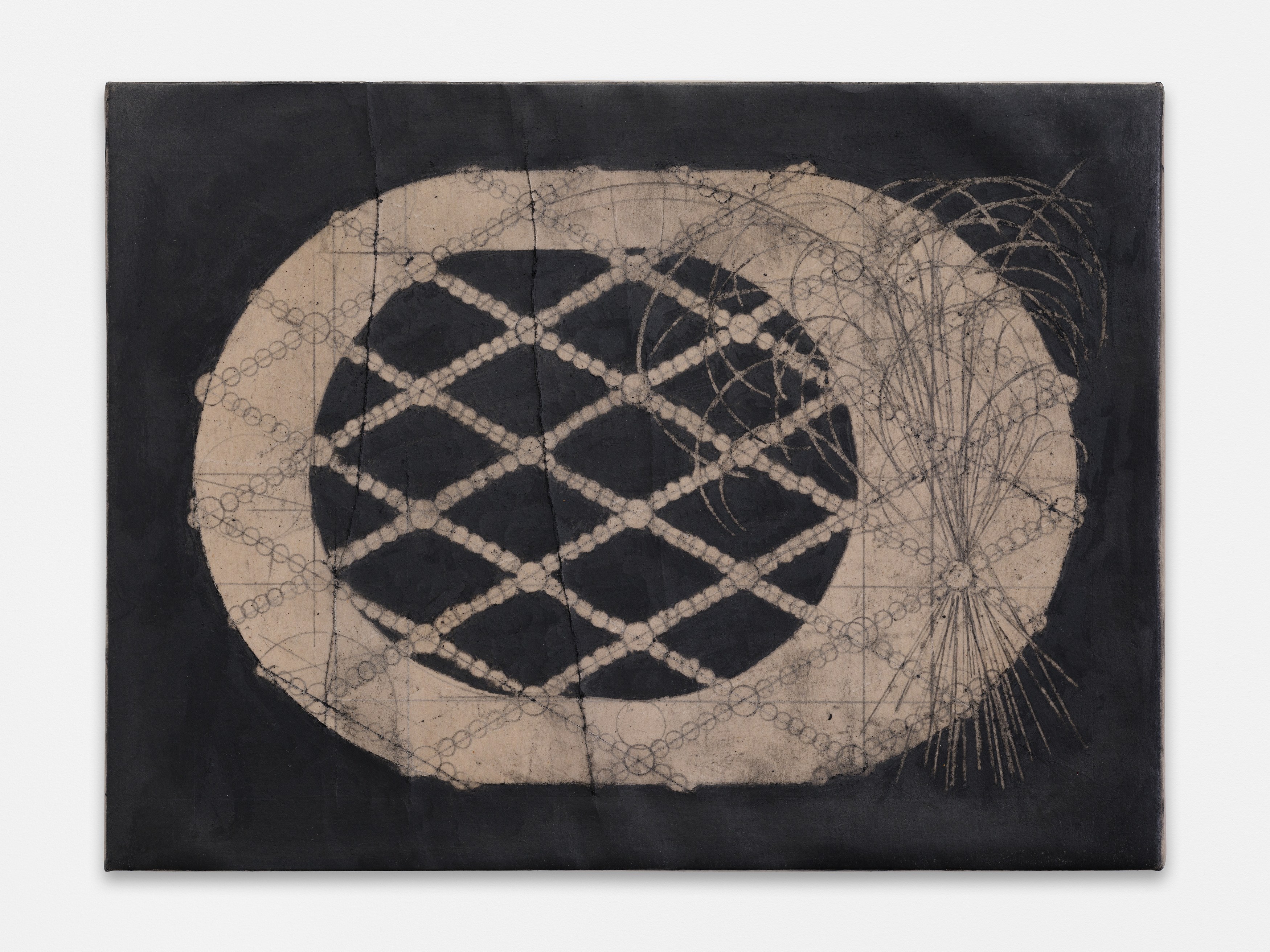
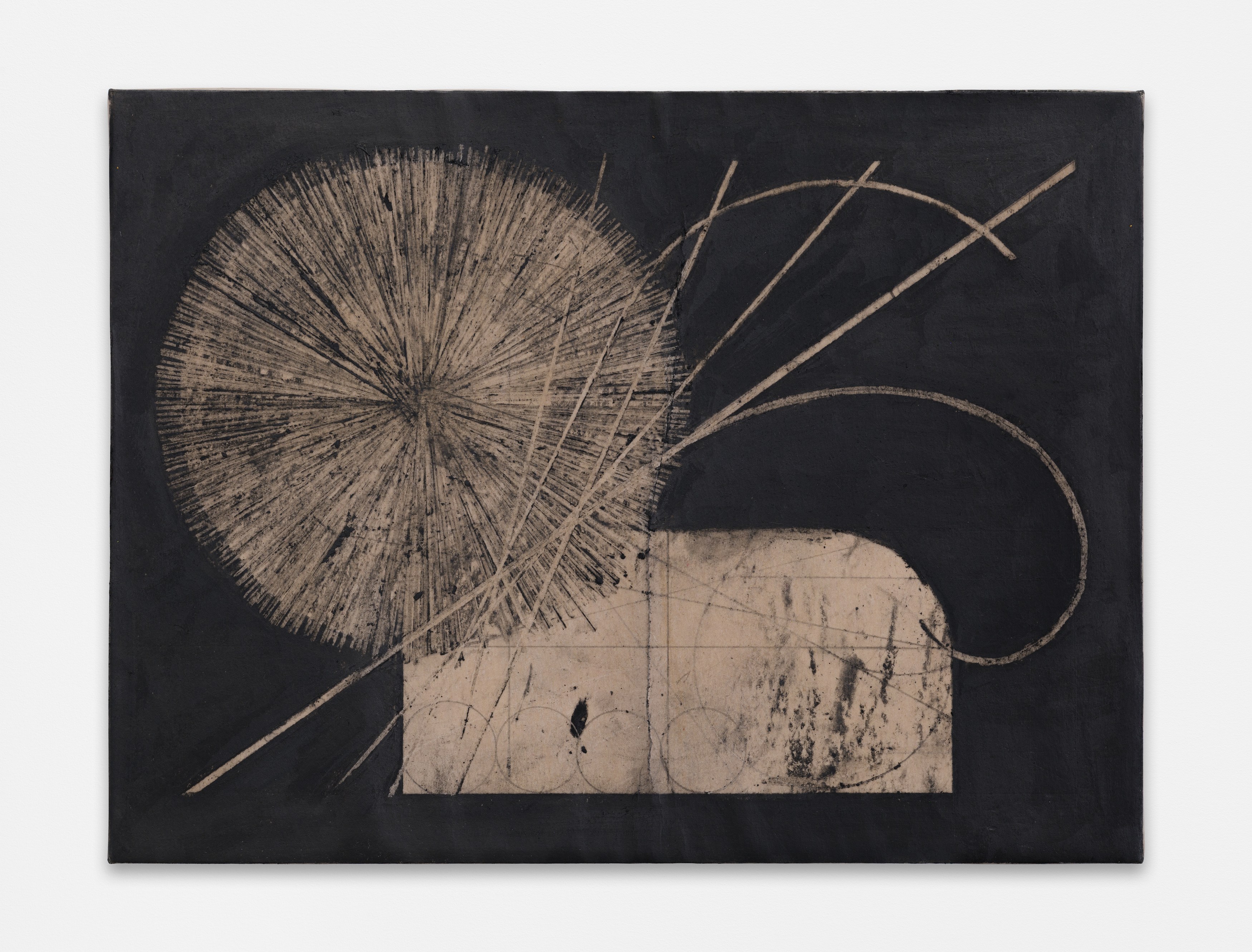
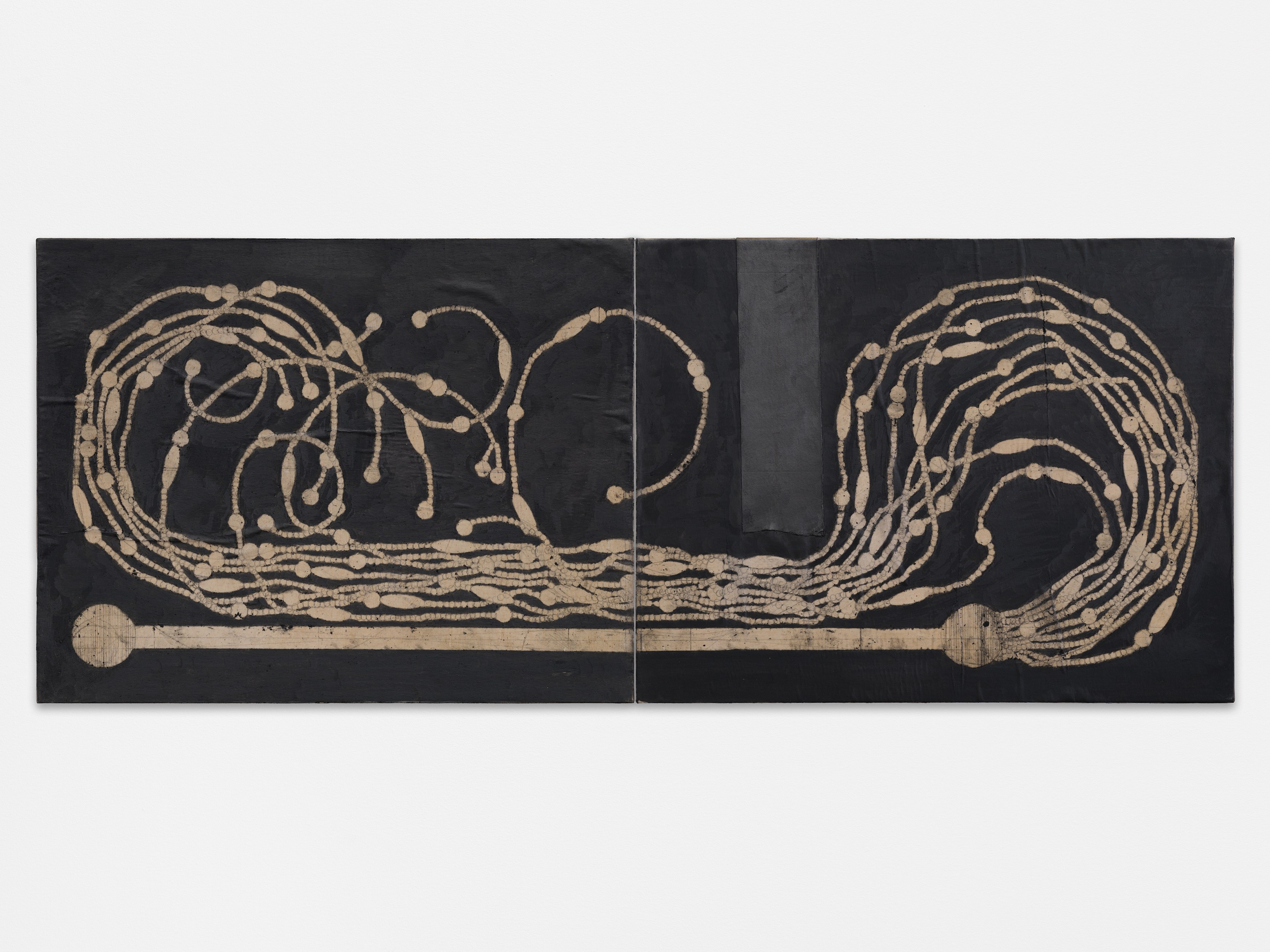
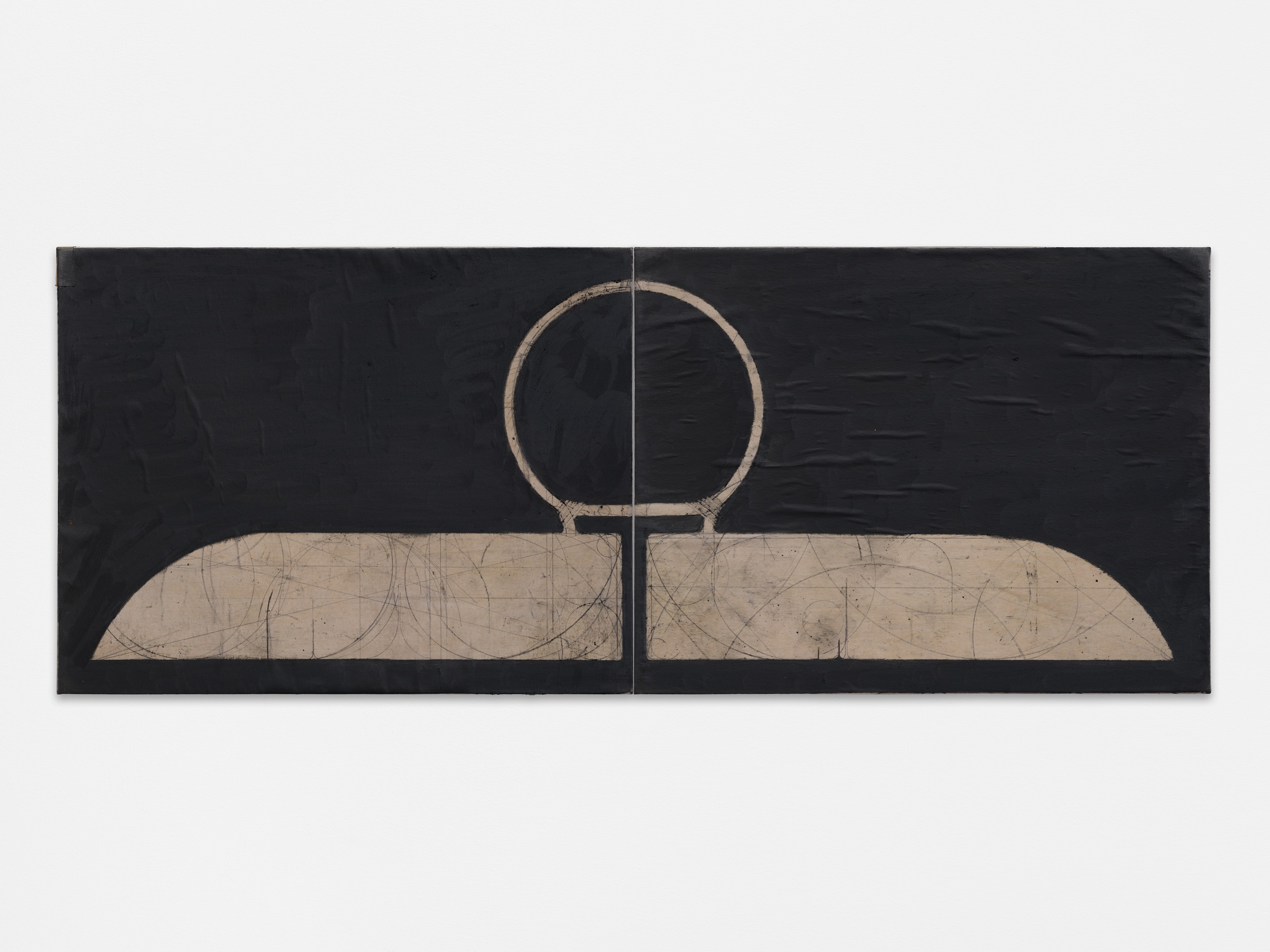
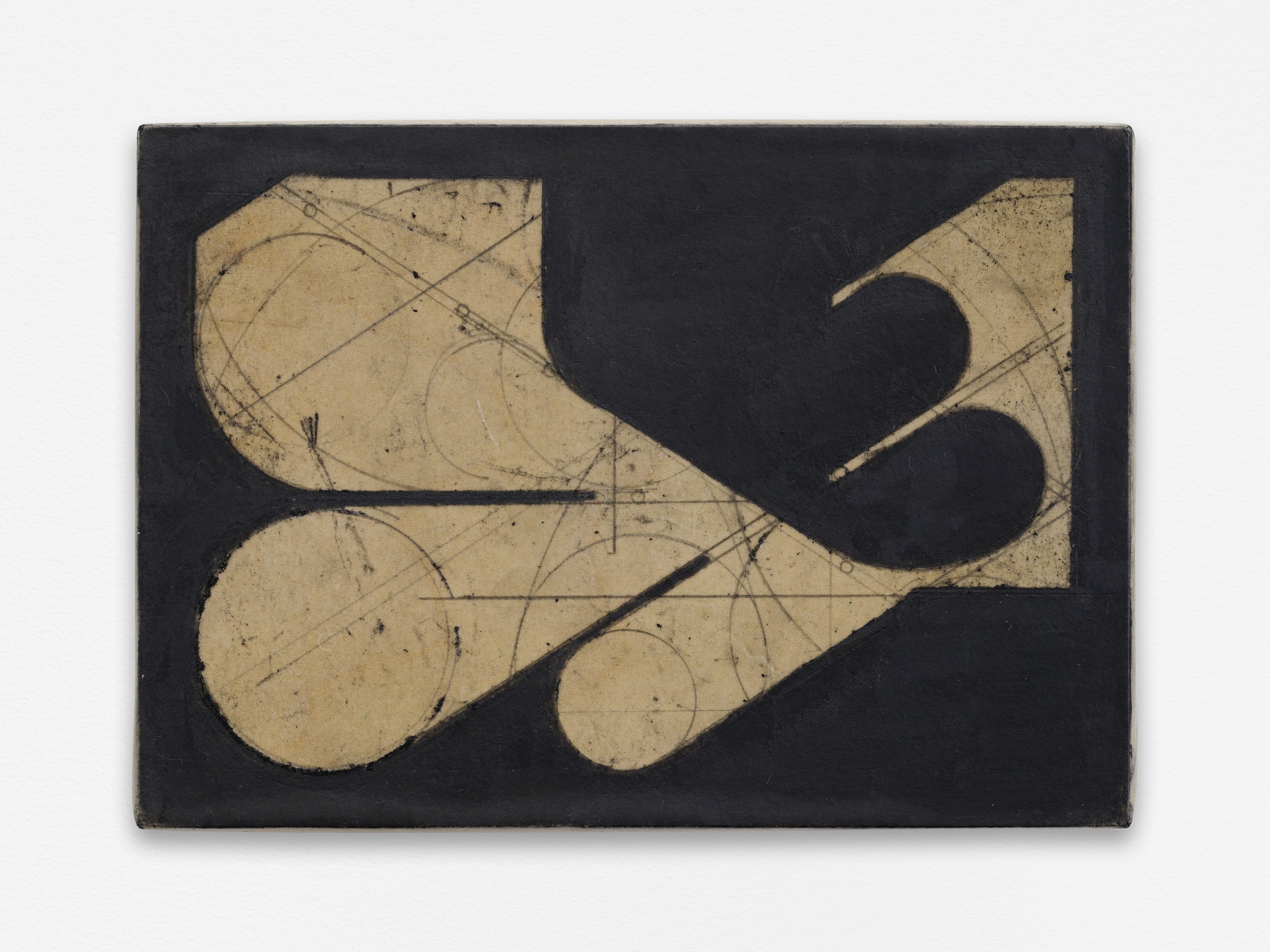
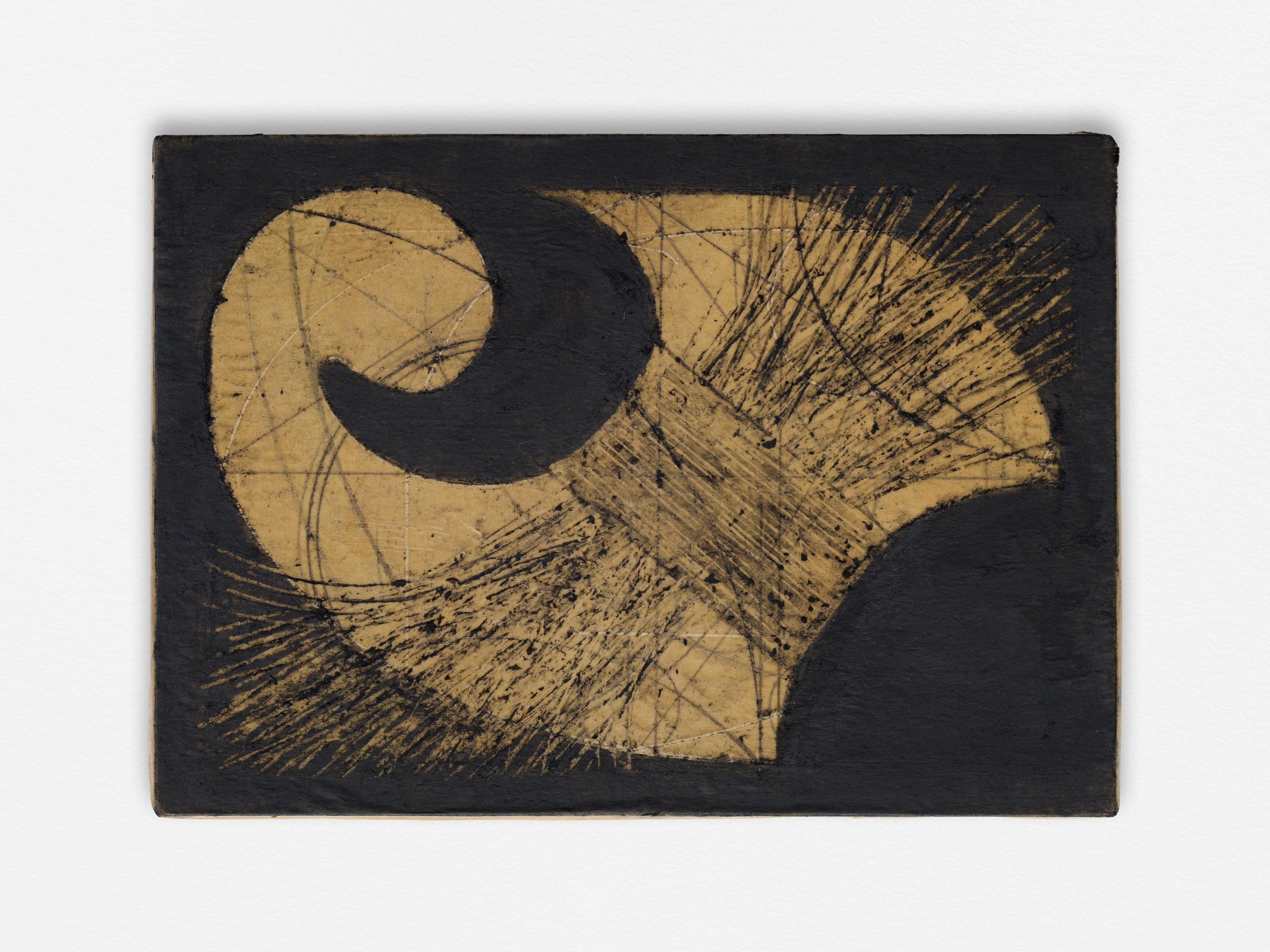
24 images · swipe
About the show
"The dance circle is a permissive circle. It protects and empowers. At a fixed time and a fixed date, men and women assemble in a given place, and under the solemn gaze of the tribe launch themselves into a seemingly disarticulated, but in fact extremely ritualized, pantomime where the exorcism, liberation, and expression of a community are grandiosely and spontaneously played out through shaking of the head, and back and forward thrusts of the body. Everything is permitted in the dance circle."
—Franz Fanon, Wretched of the Earth
In 1975 the Los Angeles R&B group The Sylvers released their hit single “Boogie Fever” about a rising sickness that causes people to dance uncontrollably. The song helped secure a place for disco music within popular culture and yet the genre was villainized and treated as an epidemic met with mitigation attempts and disavowal. In its rise, a similar rhetoric was attributed to jazz music by polite society who called it a threat to health and public safety, arguing its divergent sounds were antithetical to nature and produced potentially negative effects.
Papa Lebas, the protagonist in Mumbo Jumbo, points out this dialectic between the two cultural and historical realities in the book’s epilogue. He recounts his experience of the 1920’s, set against the backdrop of another infectious outbreak personified as jazz that also caused people to fiercely dance and spread joy. Seen as a threat to the dominant order, this cultural and spiritual force is something that the Sylvers share with Lebas. Both articulations of illness can instead be understood as opportunities to embrace deviance and rebellion as an intellectual breach amidst a regimented system.
With jazz, this breach takes the form of improvised choreographies that echo covert rhythms of becoming. In the music and subsequent dancing that follows, a presence is asserted outside the bounds of which we have been taught—free, uncensored and ecstatic. This provides an opportunity to orchestrate unique soundtracks using intuition to navigate constraints and aesthetic ideals no longer subject to restrictions of respectability. The scratches, scuffs and other forms of residue picked up along the way leave impressions and it’s these impressions that act as lessons for liberation.
—Keko Jackson
Kai Jenrette (b. 2001, Atlanta, GA; raised in Baltimore, MD) lives and works in New York. He received his BFA from The Cooper Union for the Advancement of Science and Art. Recent solo exhibitions include Loose Rap, Silke Lindner, New York, NY and Tenacity, Mamoth Gallery, London, UK. His work has been included in group exhibitions at Hamiltonian Artists, Washington, D.C.; Derosia, New York; Silke Lindner, New York; april april, Pittsburgh; LVL3, Chicago; and Gated, Ridgewood. He recently completed a residency at the Haystack Mountain School of Crafts, and published I’m Perfect with Du-Good Press, Brooklyn. Other past publications include Kenny + Penny, recently acquired by the National Gallery of Art Library.