Ended Sep 30
Ella Rose Flood
These Are Just the Words You Know the Feeling
Sep 7 – Sep 30, 2023
More from Ella Rose Flood on Gallop
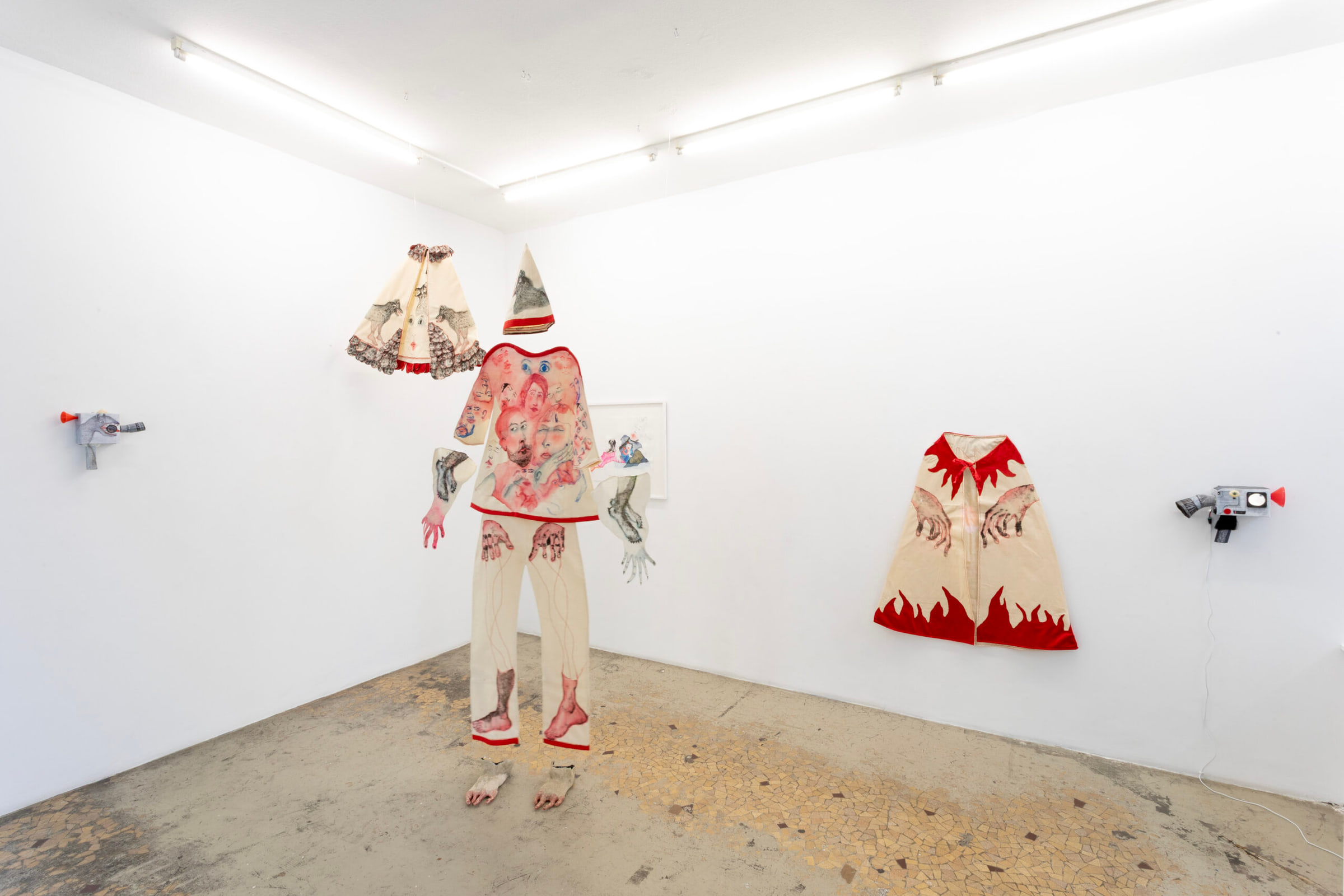
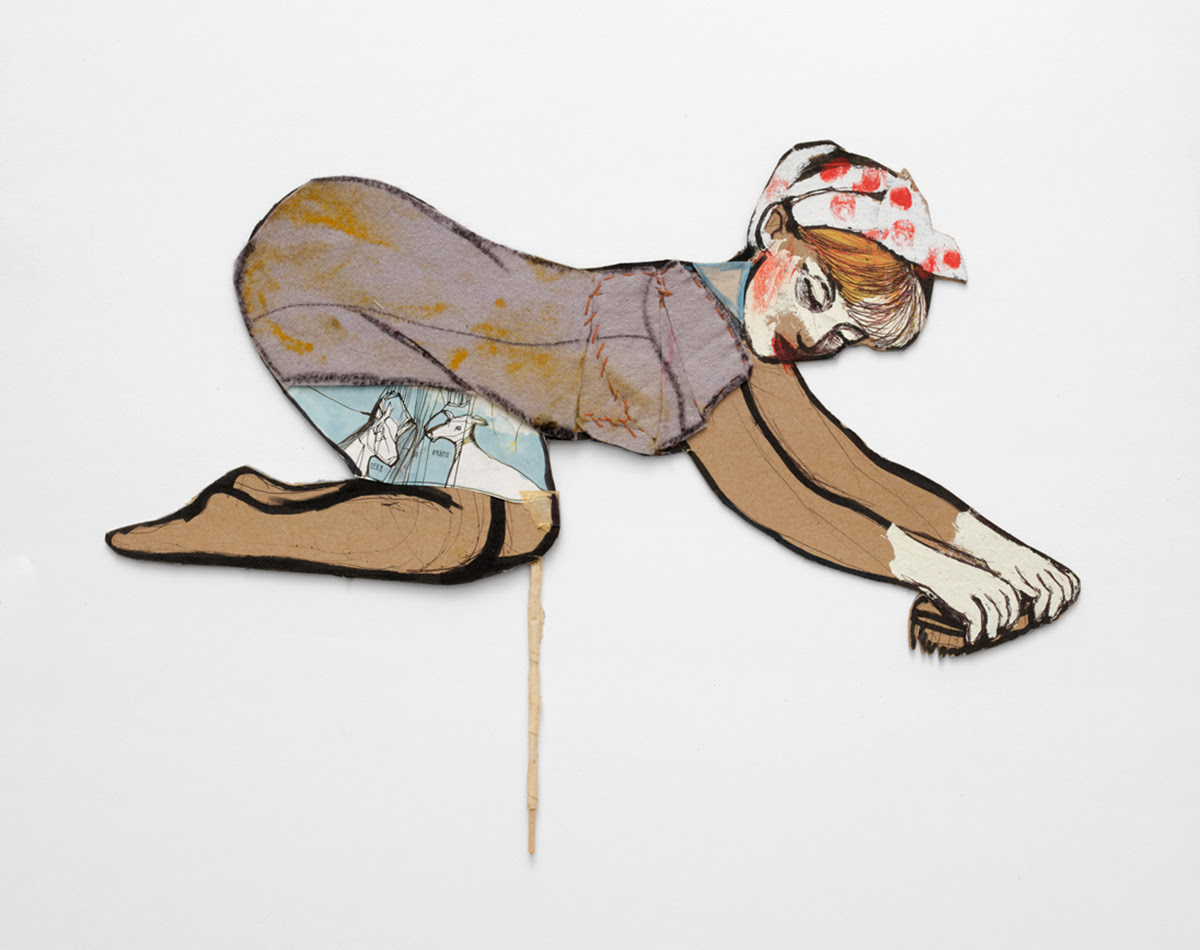
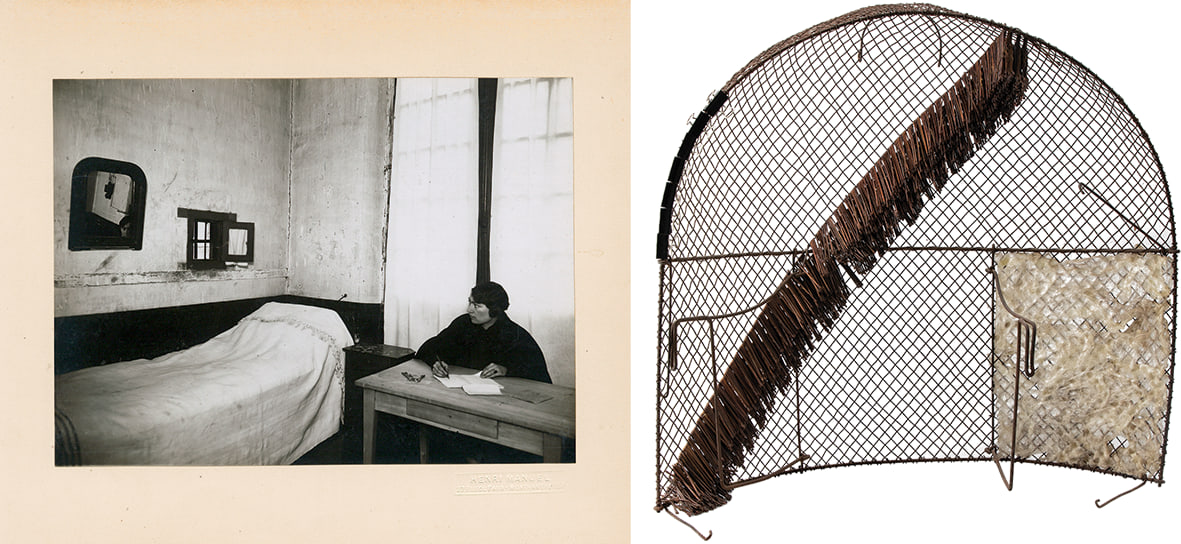
Galerie Hussenot is pleased to present These are just the words you know the feeling, an exhibition of new paintings by Chicago-based artist Ella Rose Flood. This is Flood’s first presentation with the gallery, as well as her first in Europe.
Here Flood wades through a vein of realism which does not function so much as a vehicle for representation or fidelity as it does a means of imprinting memory. Through the cathartic act of fixing these images in paint, objects are turned into icons then transformed once again into objects. In doing so, an internal code is spread across the works. There is a personal reverence inherent in the treatment of these object-subjects that lends itself to a certain kind of reading of the work, and memorialization and remembrance certainly have their place alongside the more clinical task of creating a mnemonic impression. However, the desire for that intimate kind of knowledge often acts as its own roadblock, and betrays any attempt at true interpretation. These paintings are not puzzle pieces that lead towards resolution, but a series of sentences that weave a myth which is crucial to their creation in the first place.
Consisting almost exclusively of imagery created by Flood herself, the works in this exhibition develop a language that is deeply tied to the tradition of still life painting. As subjects drift from portraits to plover birds to text suspended in non-space, they are ltered through the omnipresent and democratizing space of the studio. Suddenly, viewers are confronted by the physical presence of this environment. Light streams through the cracked church windows and is itself ltered by the rags that hang on the stairs’ banister. Object and subject are now in harmony. A sunspot gleams in your eye and burns in an afterimage that lingers as you move on.
—Ethan Kennemer
"These are just the words you know the feeling"
—Ella Rose Flood
One recalls Kirsten Dunst who, in her brief time at NYU, became an ersatz scholar of Herodotus. The Father of History famously claimed to have witnessed this symbiotic event whereby the Plover fed on the leftover food between the crocodile’s teeth. Dunst, who took this tale to be true and glamorous, became preoccupied with reproducing this symbiosis for herself. With a pair of local Eastern Towhees, she repeated this ritual once a week until she became uninterested (in both the birds and Herodotus). In an interview with The Atlantic’s Laura Secor, she had asked Dunst — in a strange moment of empathy for both the Towhees and their master — if the birds’ diet had consisted of anything else other than what she hadn’t swallowed. Dunst responded: “When the skull has no worms left to wrest, let them eat cake.”
There is a humidity which causes the image to fall out of focus or objects to drift from themselves. Something is in excess of the object, of the edge, which cannot be expressed without deception. With each crop, or blur, or overexposure this soft sepulcher of works appears as an exigency of memory’s failure, of aphantasia’s impasse. Here, the character of loss may outgun the association with the concrete instance of the funeral if it is that nothing of it can be conjured in representational thought. If one struggles to picture the subject of loss, then perhaps we have been invited to mourn that which was never there or is here only insofar as it is a blurred impression. (The image of) History fails her and so disappearance and its crestfallen heir, devotion, becomes her method. In rhinestone lettering we might say: Herodotus, a thief of the interior, the jailor of what (never really) happened, demands the incarnation of events through practice, through an outside comprised of what may only ever be substitutions for what cannot be recalled to the hilt, if at all. Every endeavor consigns itself to its own grave (with a wink to be sure). Glamour bedews this limit, polishes its impossibility to reveal — dare we say — the bouquet of its necessity.
A scythe-like beak scores up to the gum-line of the crocodile’s fang and a tombstone is made of each. The practice becomes a morbid dentistry; the Plover bird, a reaper. The dead are attended to during this grace period wherein the mouth of the leviathan hangs open and the winged steward is, for a moment, something other than a meal. It is a care which does not flinch at the thought of death’s imminence nor the uncertainty of whether these histories remain wholly untouched by the impulse to ornament. They are all worthy of safekeeping. And so despite or perhaps precisely because of this deathless ambiguity, cureless suspicion and all, she misses him so.
—Boz Deseo Garden, August 2023