
Ended
Remembrance of Things Past
Jul 13 – Sep 28, 2023
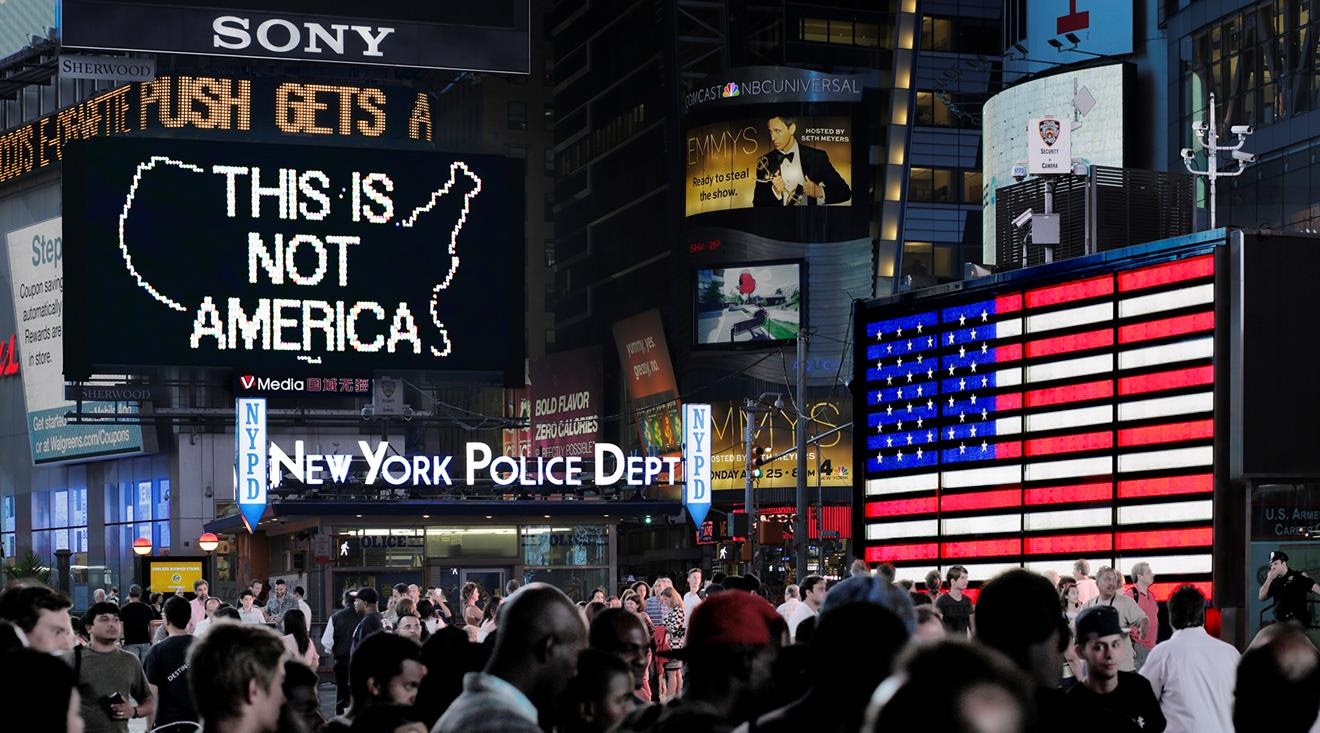
Graham Gillmore
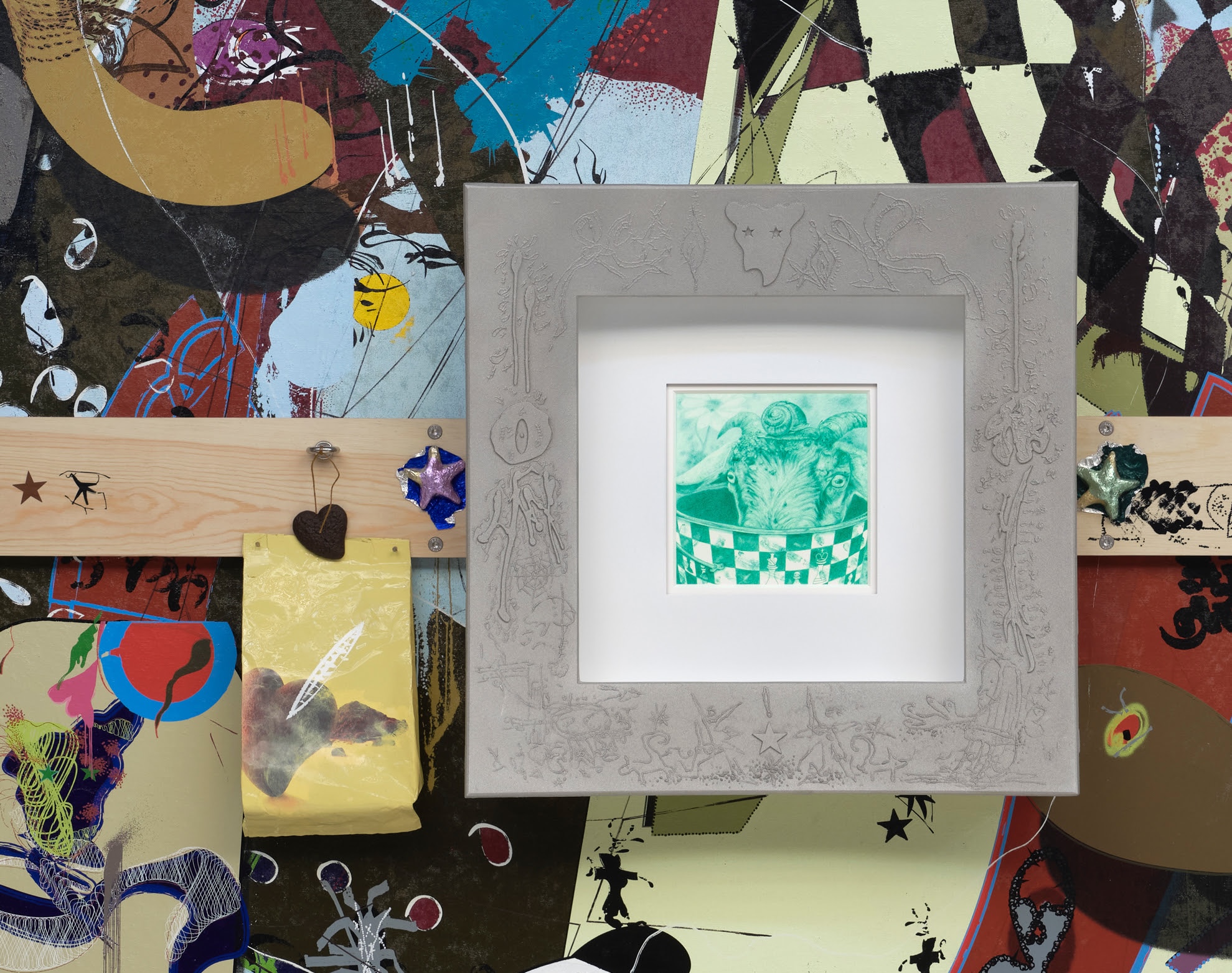
Stan Narten
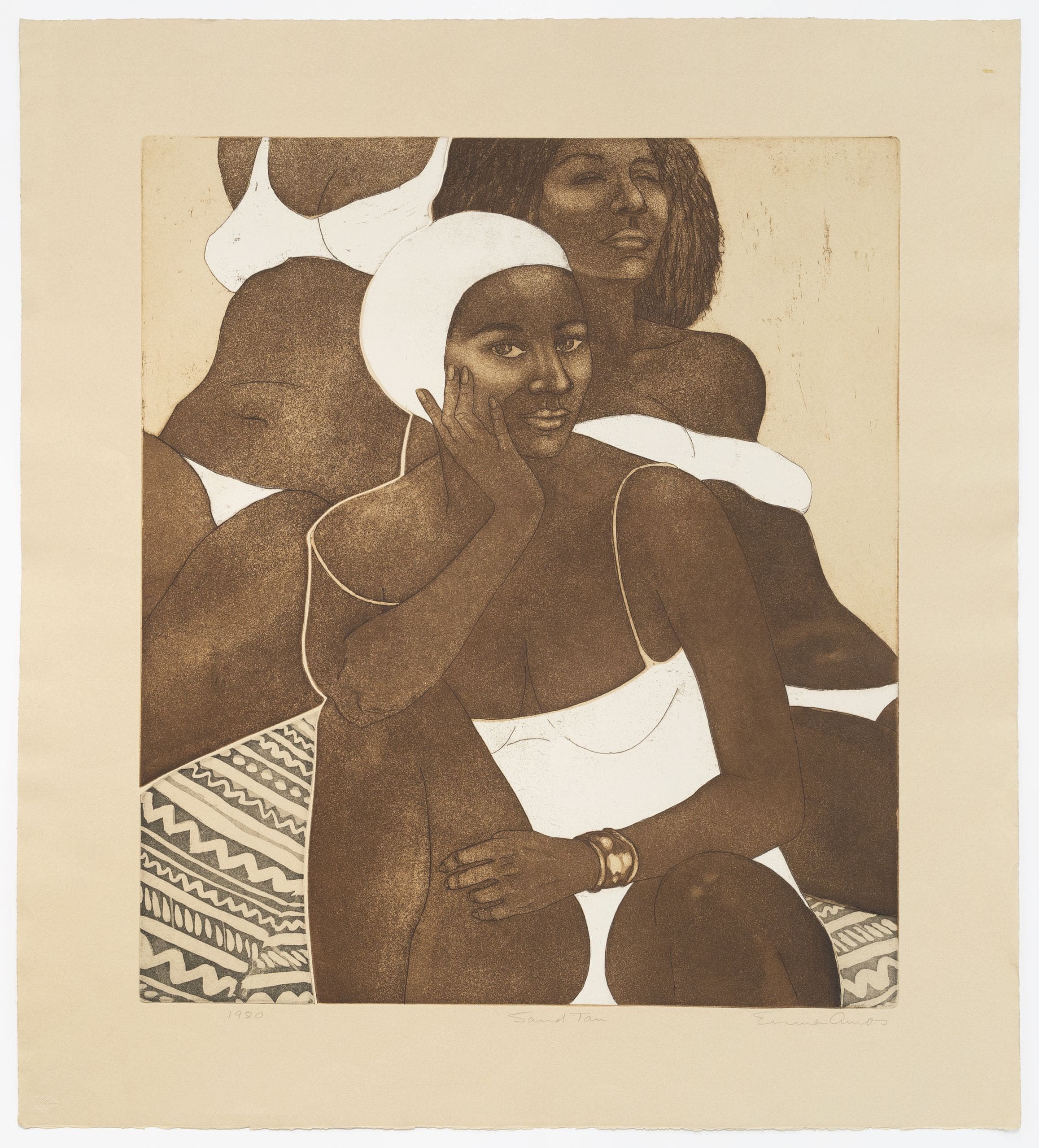
Ebenezer Singh
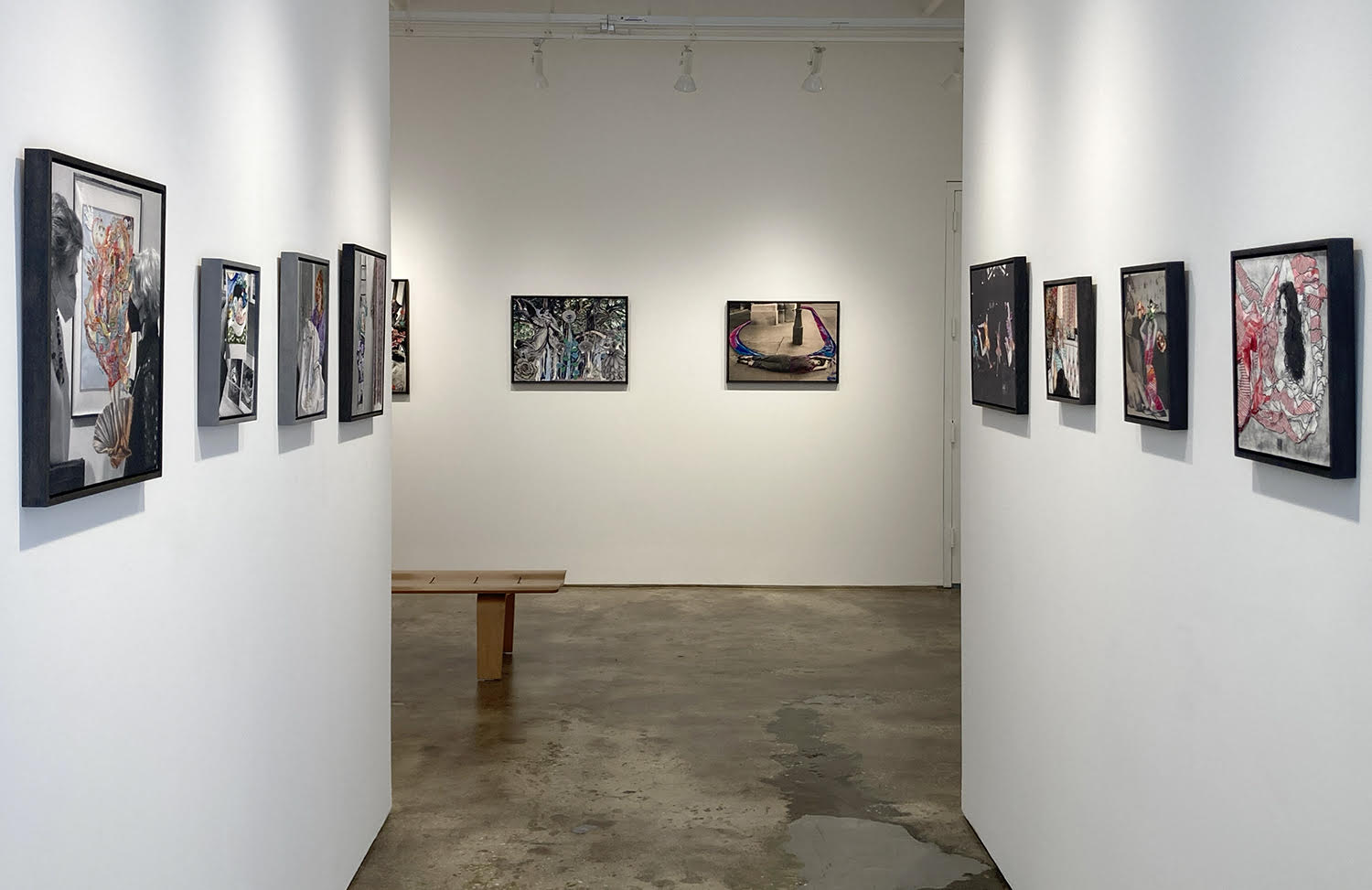
Rosebud Contemporary is proud to present its inaugural summer exhibition Remembrance of Things Past.
The exhibition contains three new paintings from each of our artists. Every work reverberates with this theme: remembering pushes us forward. French author Marcel Proust got it right with the title of his most famous work: human nature is a study in ‘remembrance of things past’. Consider the stucco-grey American flags of Jasper Johns, or Cimabue’s golden crucifix hanging from a Florentine church nave. Art reveals that the symbols we traffic in depend on our collective memory of history. Our everyday structures, even the buildings holding us up and the flags fluttering outside our homes, are a result of collective memory. War blooms across the world in terrific variety. Battlefields look only slightly different. The Sonoran Desert at the US-Mexico border. Grimdark-grey fallout shelters in Odesa, Mariupol, Kyiv. The entire Mediterranean Sea. A planet’s past is being remembered, with untenable violence and displacement.
Everything in the past is always waiting, waiting to detonate, said architectural historian Vincent Scully. For these artists, the past detonates daily on their canvases, as it does outside their studio windows. We exorcise history every day by keeping things from the past, by remembering. Rosebud Contemporary’s exhibition Remembrance of Things Past contains a body of work that reverberates with this theme. The artist’s lived experiences transfigure their canvas as an irrepressible ‘anima’. This anima is a proxy for Proust’s madeleine, in its ability to recall childhood memory through the inchoate prisms of adult post-modern experience. Everyone has a madeleine, that plain French biscuit that involuntarily summons a host of powerful childhood memories for Proust in Remembrance of Things Past.
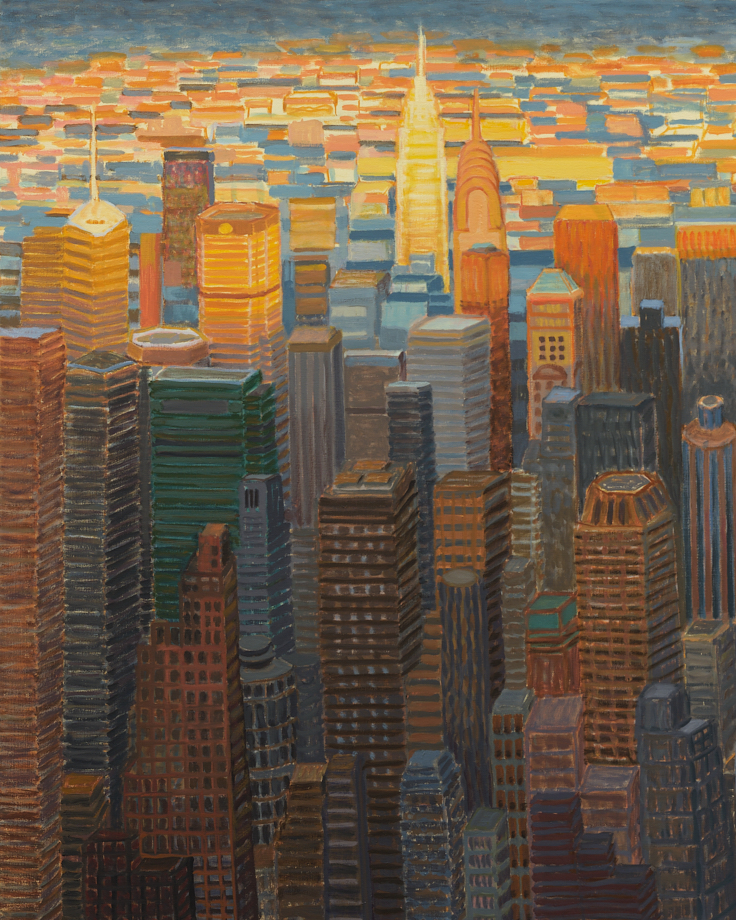
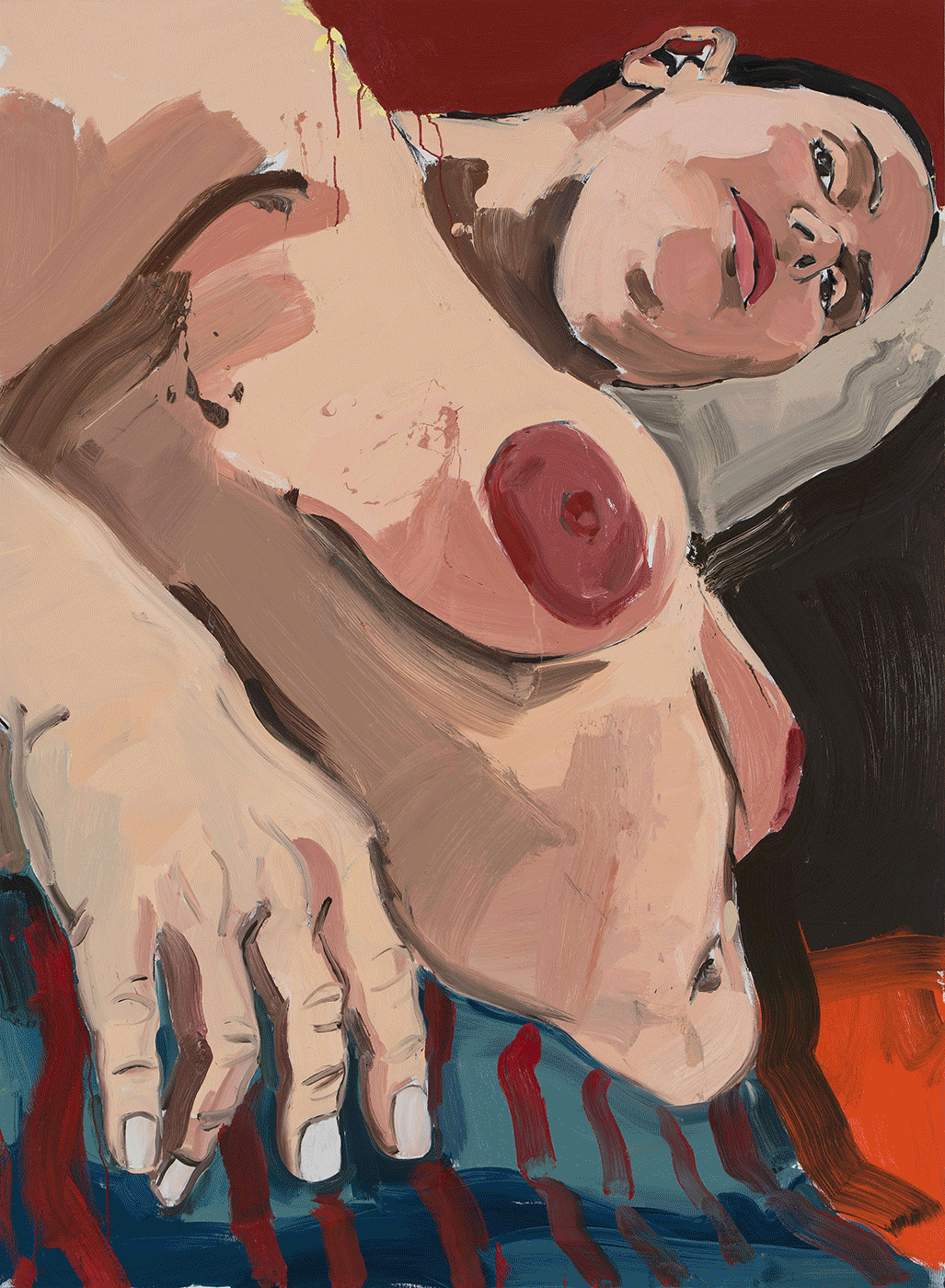
For Gillmore, the past is exorcised through the terse elegance of word-as-image. For Narten, there is a droll disillusionment in the motley memories of his urban life, even as potential light sources dance everywhere. For Singh, his anima occupies the female spirits of his life, those potent madeleines that conjure up memories of nature, sensuality and the supernatural. For all three artists, their present canvases tumble through memory and ford streams of remembrance. What we as viewers are left with, are gorgeous palimpsests of their collective past.
Graham Gillmore lived in New York for over 25 years and has positioned himself internationally. His reputation extends across Canada, the United States and in Europe with recent exhibitions held in Toronto, Vancouver, Mexico City, San Francisco, New York, Miami Beach, Madrid, and Berlin. Earlier exhibitions include “Learn to Read” at the Tate Modern alongside John Baldessari and Carol Bove. His work is collected by the Museum of Modern Art, New York, Audain Art Museum, British Columbia, the Ghent Museum, Belgium, Gian Enzo Sperone, Rome, the Museum of Contemporary Art, Toronto, RCA Records, New York, The Royal Bank of Canada, The Bank of Montreal, The Vancouver Art Gallery, and numerous other institutions and private collections worldwide.
Stan Narten was born in Sofia Bulgaria and immigrated to the United States in 1986, settling in Knoxville, Tennessee. He graduated from the University of Tennessee, Knoxville with two Batchelor’s’ degrees in Mechanical and Industrial engineering. While he always practiced drawing and painting, he went on to pursue painting full time after a post-graduation trip to the great museums of Europe. After two years of intensive studio and art history classes and exhibiting in Knoxville, he moved to New York in 2006. He received an MFA from the School of Visual Arts in 2008 and has had numerous exhibitions since in New York and Paris.
Ebenezer Singh was born in the temple town of Tirunelveli, Tamil Nadu in India and later immigrated to the United States. His formative years were influenced by the twin heritages of his hometown, which houses both Christian cathedrals and the Hindu Temples. Singh went on to graduate from College of Fine Arts, Chennai, where he had begun to show his work in state-level exhibitions. Singh received his MFA in Visual Art from the Lesley University College of Art and Design, where he studied photography and video art under Julia Scher and Judith Barry.
Singh’s primary visual influences were initially based on Dravidian temple art and its mythological capacity for figuration. Singh was chosen to represent India in 1998 at the International Artists Camp held in Sri Lanka. The following year, Singh received the Charles Wallace Grant and traveled to England, where his work saw him drawing on metaphysical themes of redemptive resurrection and transcendentalism.
Museum für Asiatische Kunst in Berlin, Germany acquired twelve of Singh’s paintings and sculptures for its permanent collection, as did the National Gallery of Modern Art in New Delhi, India, which collected three of his paintings. Singh was awarded the Artist’s Fulbright Fellowship as part of the Fulbright Program and studied the cathartic symbolism of religious iconography in the context of the east-west subaltern dialogue. Singh has continued to exhibit his figurative works in venues like Barcelona, Budapest, Munich, New York, and Mumbai.