
Ended
In the Midst
Jun 24 – Jul 25, 2025
Samira Abbassy, Barrow Parke, Miriam Cahn, Victoria Dugger, Kim Dingle, Julia Felsenthal, Clare Grill, Whit Harris, Lucia Love, Abby Leigh, Marianna Peragallo, Elbert Joseph Perez, Nathaniel Robinson, Kathy Ruttenberg, Bea Scaccia, Kiki Smith, Alessandro Teoldi, Tecla Tofano, Nicola Tyson
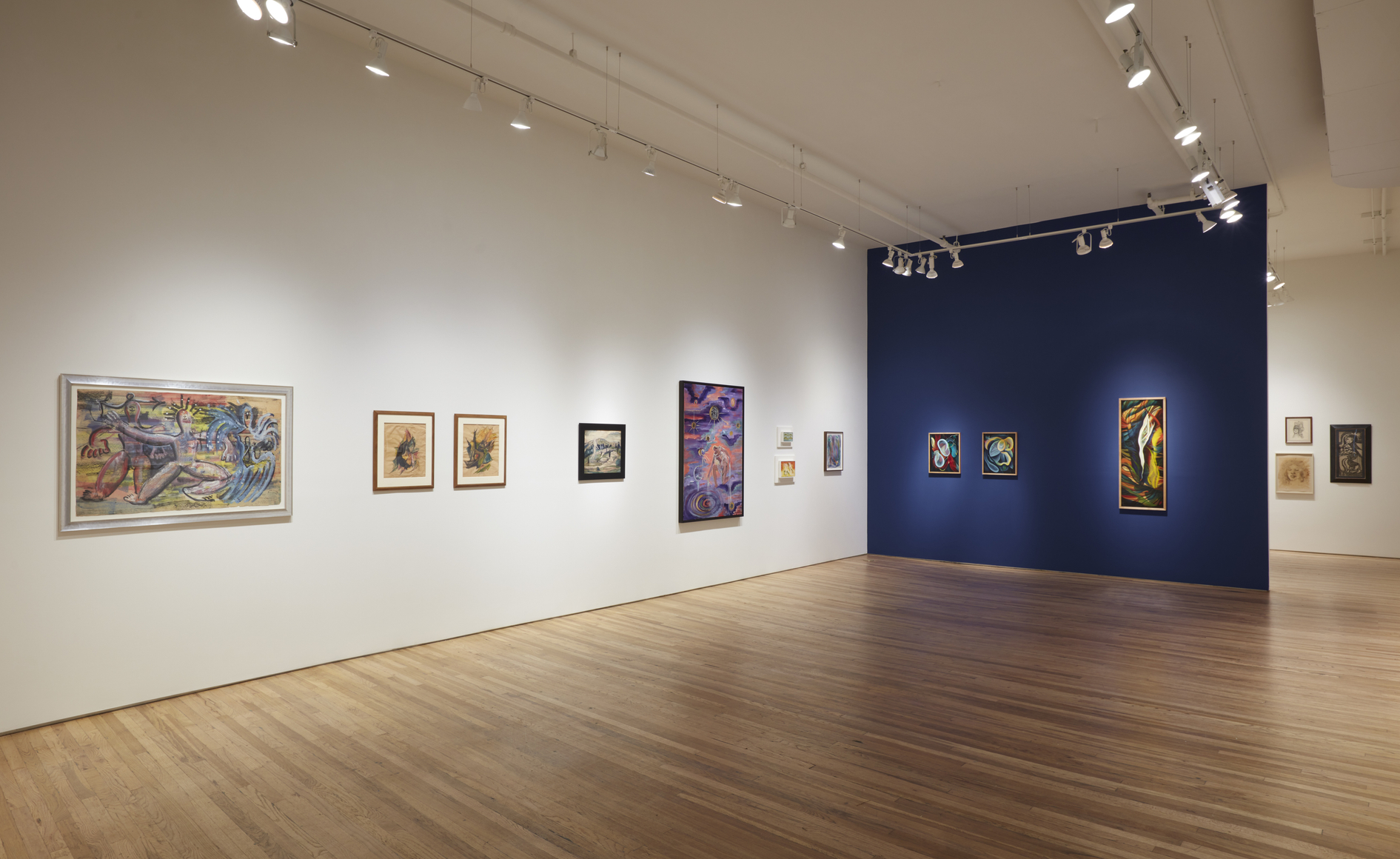
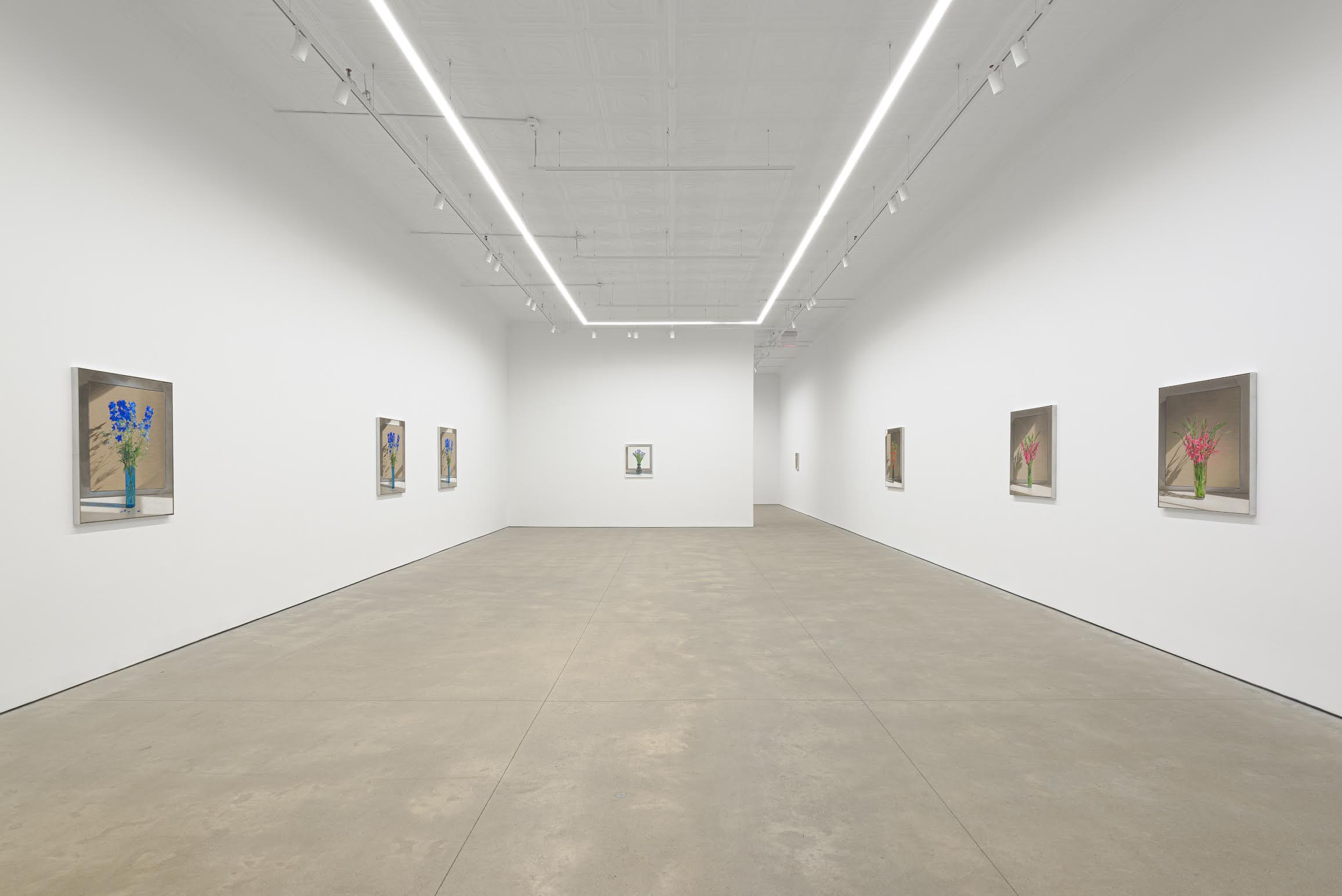
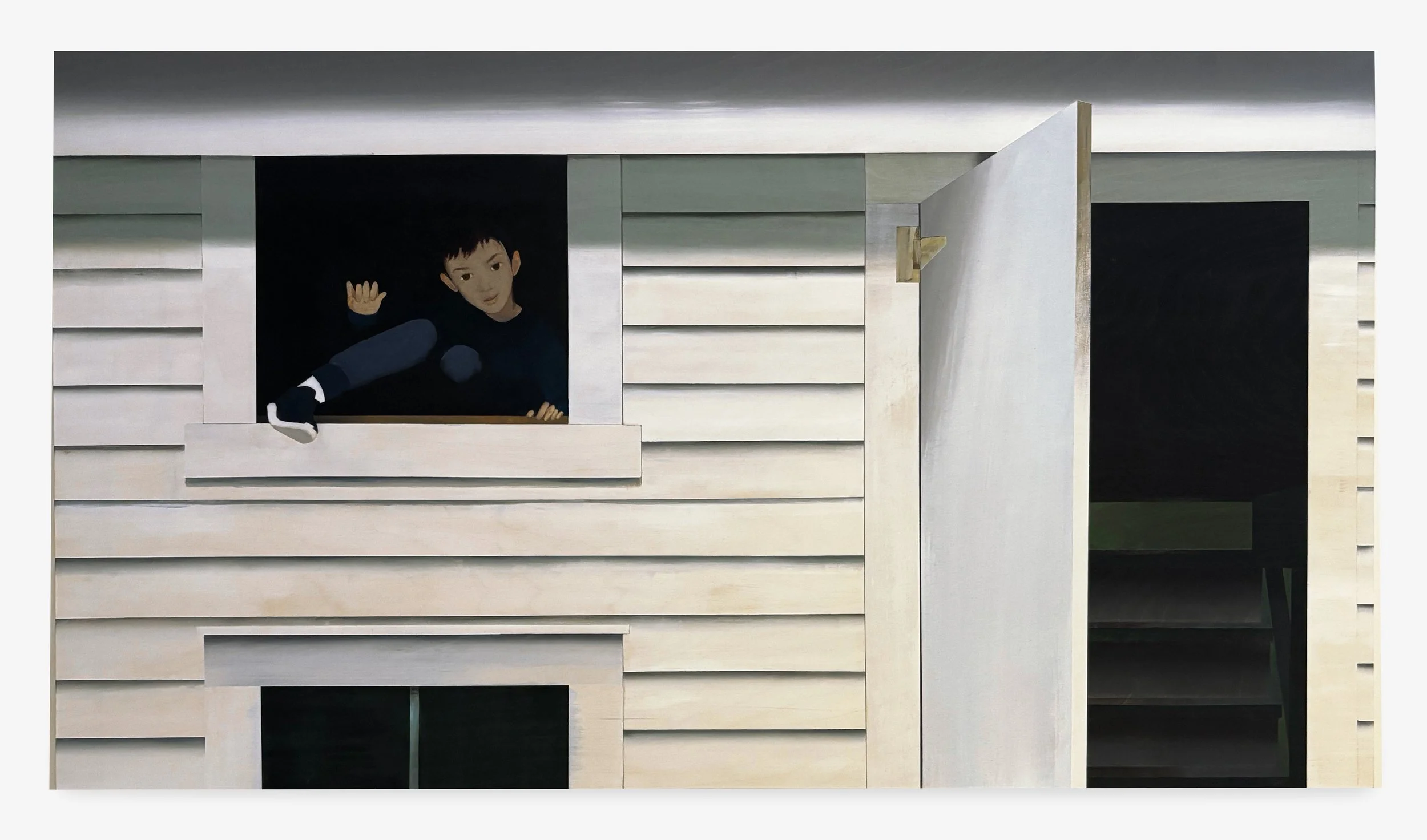
Curated by Jayne Johnson with Bea Scaccia, In the Midst brings together an intergenerational group of artists whose work captures the essence of liminality. A sense of in-betweenness can conjure contradicting feelings: from uneasiness and instability to excitement about the potential for transformation and change. The works in this exhibition, be they figurative, terrestrial, atmospheric, or symbolic, evoke this transitory quality.
“Somehow our bodies wouldn’t hold us back the way they do here. Somehow our bodies wouldn’t determine our lives, the lives of others, the ways in which one life could or could not meet the life of another.”
—Catherine Lacey, Pew
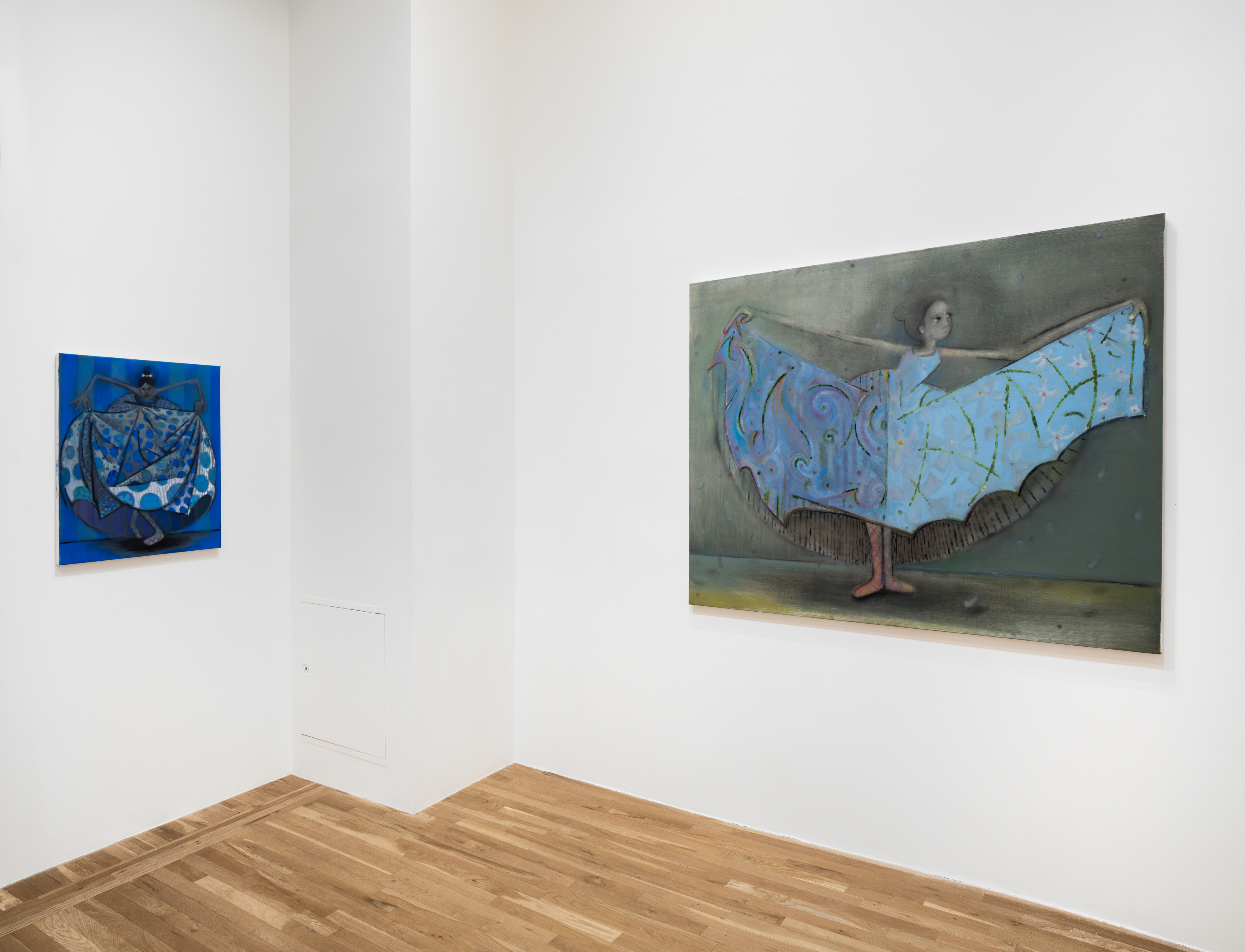
An intergenerational group of artists in this exhibition use figuration as a metaphor to critique patriarchal or societal norms, or to explore psychological states. The Italian-born Venezuelan radical artist and writer Tecla Tofano (1927-1995) is represented here with two sculptures, one of which was included in the 2022 Venice Biennale exhibition The Milk of Dreams, curated by Cecilia Alemani. Initially influenced by performance art and feminist movements of the 1960s & 1970s, Swiss artist Miriam Cahn uses the body as inspiration for an emotive sensibility or force that cannot be contained by its boundaries. Her paintings use vibrant, electrifying color to convey intense emotion, as though the figures in her works have a palpable inner life.
Kiki Smith’s photographic self portraits are deeply introspective explorations of the human body, and one of her most well known works in this series is included here. Kim Dingle provocatively blends humor and subversion, depicting frilly- dressed, mischievous girls engaged in chaotic acts that challenge traditional notions of femininity, identity, and American cultural myths. Whit Harris’ figures are metaphors for the artist’s psychological adaptation to unpredictable and hostile environments born out of sexist and racist social structures, reflecting the tenacity and ingenuity of Black femme imagination as political resistance. Alessandro Teoldi uses painted and collaged linen to articulate the skin and musculature of a nude torso. Nicola Tyson’s psychologically charged, distorted figurative paintings explore identity, gender, and the human body through expressive, surreal forms.
Bea Scaccia and Samira Abbassy’s paintings emit a deep psychological charge, and their protagonists have a feminine yet monstrous presence. Abbassy’s flattened perspective and vibrant palette, which takes inspiration from Persian Qajar court paintings from the 18th century, shows a harpy-like figure watching over the creation of man. In contrast, Bea Scaccia’s richly textured, highly detailed figure, overwhelmed by its feminine accoutrements, emerges from the depths—its gold and red plumage also hinting to its harpy identity.
“I was with them for all of it, but more like an echo than a participant.”
—Aimee Bender, The Particular Sadness of Lemon Cake
The surreal, anthropomorphic form in Scaccia’s painting is echoed in three dimensional form by Victoria Dugger’s floor sculpture, which incorporates pearls, nylon stockings, and tutus into a form that references notions of identity and disability reimagined through a Southern Gothic lens. Brazilian-American artist Marianna Peragallo’s take on anthropomorphism uses everyday objects that are designed for human consumption or disposal, like plastic bags, but makes the material misbehave, or subvert their assigned roles.
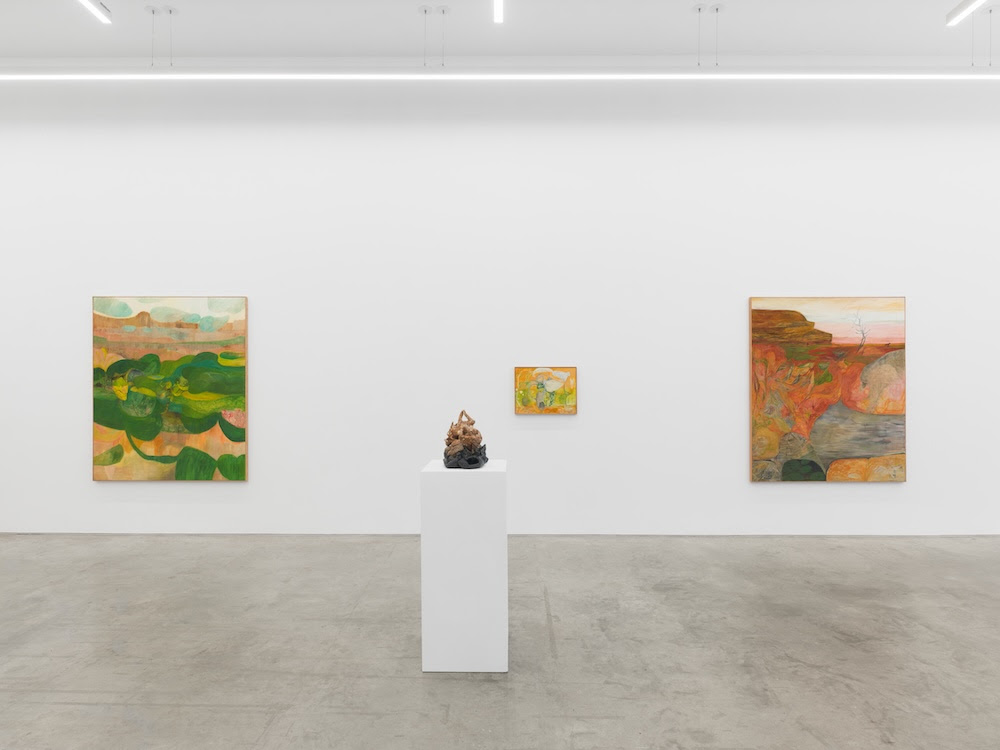
Barrow Parke, Lucia Love, and Kathy Ruttenberg fuse figuration with landscape in three different mediums. The central figure in Barrow Parke’s narrative-rich painting, which emerges from the pattern in the hand-woven fabric on which it is painted, symbolizes the connection between the role women played in the domestication of plants, which led to the development of civilization. Kathy Ruttenberg’s surreal, glazed ceramic sculpture fuses the figure of a woman with a landscape, highlighting the interconnectedness between humankind and nature. Lucia Love’s most recent work is exemplary of her signature painting style and celebrates that same interconnectedness.
“I wanted to be physically erased and start over again. I didn’t want to be here. I didn’t want to be there. I guess I wanted to be nowhere, I wanted to listen to my brain talk inside of nothingness. I wanted to be untouchable and have no need.”
—David Wojnarowicz, Close to the Knives: A Memoir of Disintegration
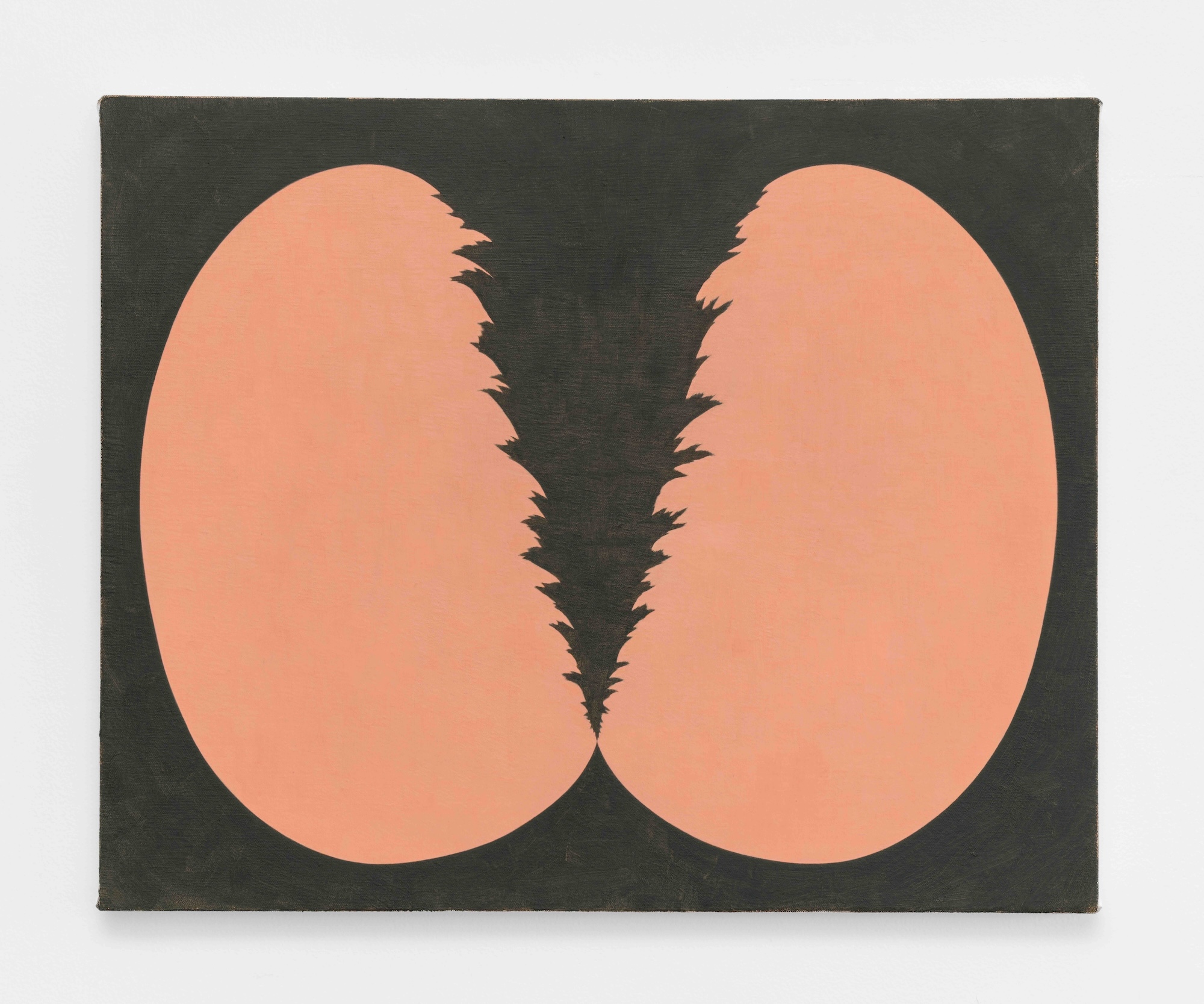
Elbert Joseph Perez and Julia Felsenthal contribute a pair of surreal seascapes. Felsenthal’s highly rendered watercolor paintings on paper, presented as a triptych, reference the ambiguous journey of Odysseus, protagonist of the eponymous Homerian epic. In these paintings, both time feels suspended between something fleeting and eternal. Elbert Joseph Perez takes the metaphorical symbolism of the egg and cracks it open in his painting, in which he uses symbolic imagery to consider the French philosopher Gilles Deleuze’s theory of the plane of immanence, or that everything we are and think comes from within life, not from something above or beyond. Nathaniel Robinson also takes on the egg as subject matter in his still life painting. His sparse yet incandescent palette, careful brushstrokes, and clean lines conjure an almost meditative quality to the composition.
“Will I ever be done, transformed in the past tense, or will I always be transforming, better and better until I die?”
—Carmen Maria Machado, Her Body and Other Parties: Stories
Clare Grill’s luminous, layered compositions teeter between recognizable forms and something familiar but abstract. Born out of intuitive decisions which are frequently guided by natural occurrences like daylight and shadow falling across the surface, Grill’s paintings are documents of marks made with brush or with fingers, of colors added or removed. In essence, they tell the story of the artist’s process and the passage of time. The unstable organic and geometric forms in New York-based Abby Leigh’s abstract painting seem to take self-possessed delight with their precarity.
“How puzzling all these changes are! I'm never sure what I'm going to be, from one minute to another.”
—Lewis Carroll, Alice's Adventures in Wonderland