Ended Feb 16
Genesis Breyer P-Orridge
Towards An End of Biological Perception
Jan 10 – Feb 16, 2019
More from Genesis Breyer P-Orridge on Gallop
Viewing Room
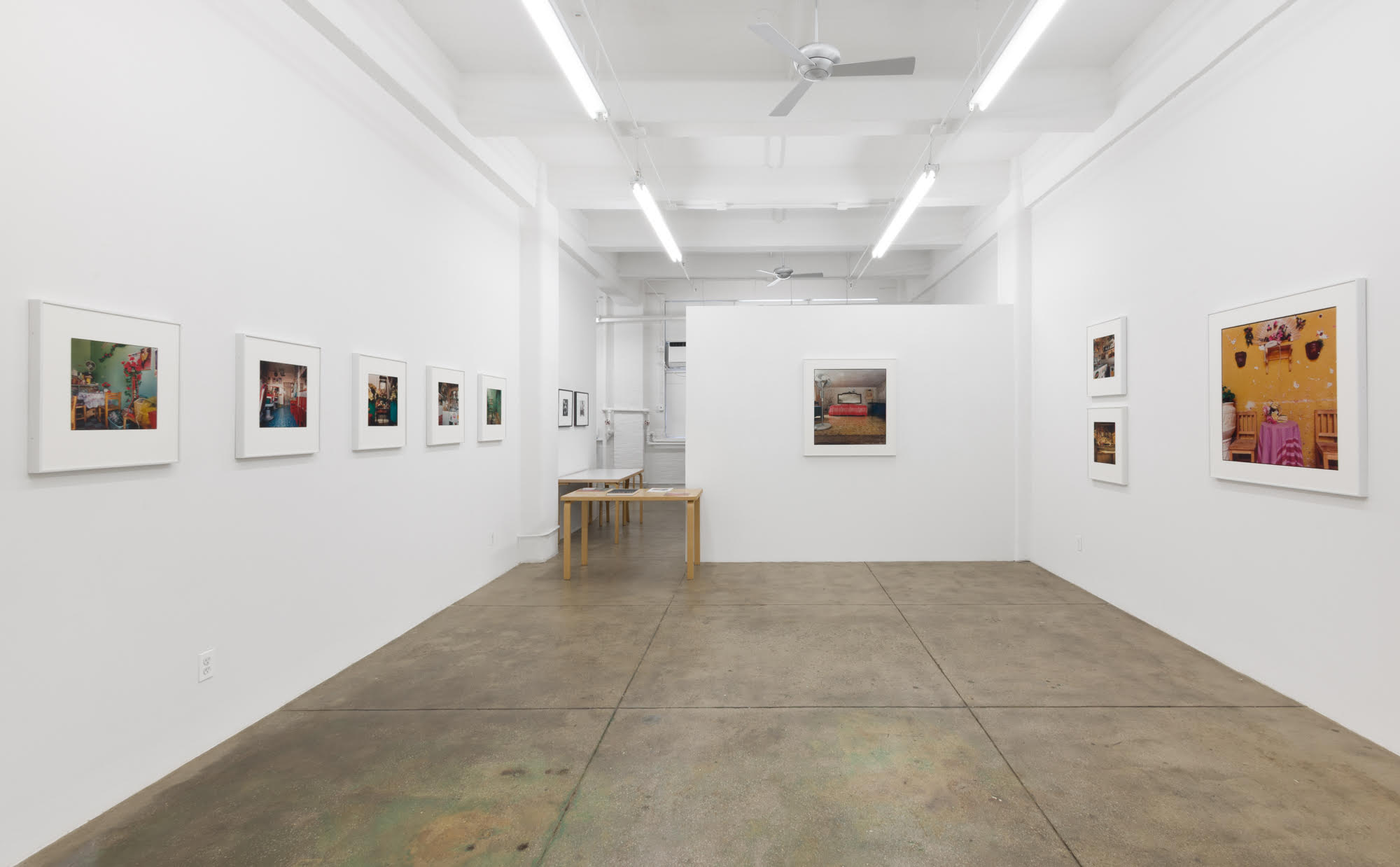
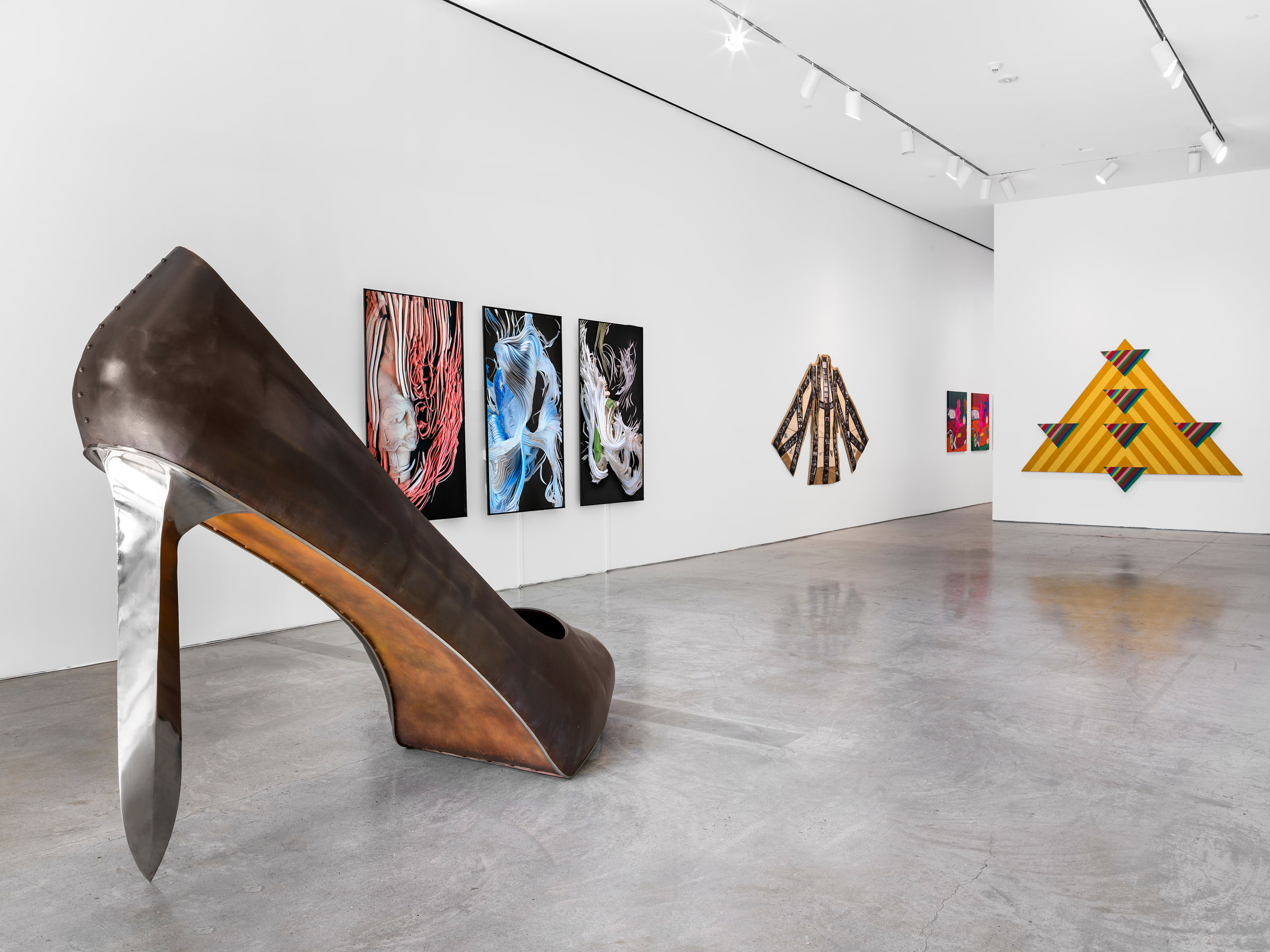
Marlborough Contemporary is pleased to present Towards An End of Biological Perception, a new exhibition of work by Genesis Breyer P-Orridge.
Genesis Breyer P-Orridge is a legendary, avant-garde visionary, having spent literally a half-century interrogating the malleability of identity. A quick summary of an unsummarizable career: s/he was deeply involved in European Fluxus and the founder of COUM Transmissions (in 1969), the performance collective which spawned Throbbing Gristle (in 1975) whose sound s/he named Industrial Music; conceived of the notorious 1976 ‘Prostitution’ exhibition at ICA London, which had Genesis branded by Parliament a “wrecker of civilization”; a Mail Art pioneer and collaborator with William S. Burroughs and Brion Gysin from 1971 until their deaths in the 1980s; and, beginning in the 1990s, the co-creator of the now-mythic Pandrogeny project, in which s/he and he/r now-late other-half, Lady Jaye, endeavored to merge both their genders and their identities— making their bodies the very vessels of the avant-garde imperative to re-imagine and reinvent the self as one “third being,” a Pandrogyne.
Breyer P-Orridge is an artist who fully embraces the rhetoric of transgression, someone who transforms completely the shape of what seems possible, and canonized pathbreaking radicals. This exhibition in particular is centered around he/r “shoe horn” sculptures, objects that illustrate the countless and conflicting signals towards both established mores and alternative practices. Neither the associations with propriety and control (aristocracy and bound feet), nor activities that are marginal to society (bondage) dominate. The wearer’s comfort or discomfort, the degrees of control and self-expression, all remain in the balance. Altered, adorned, and refitted with the talismans and details and other ephemera of h/er physical and spiritual life, the sculptures become interdependent dualities; suturing parts of two others forms new, third entities. What is incomprehensible and impressive is her/ his commitment to a radically simple project. collaborated continually until her death in 2014. Since then, the nature of drawing and its connection to loss, and the nature of dust in itself as essential element became the artist’s existential obsession.