Ended Aug 2
Drift
Jun 27 – Aug 2, 2025
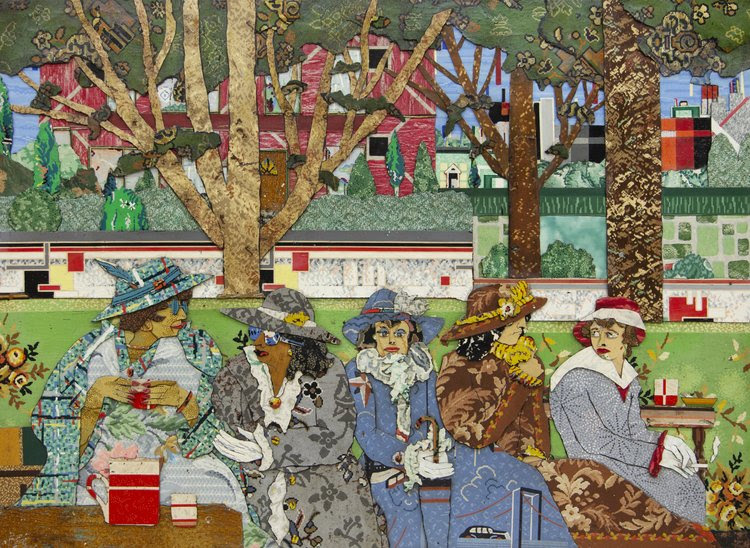
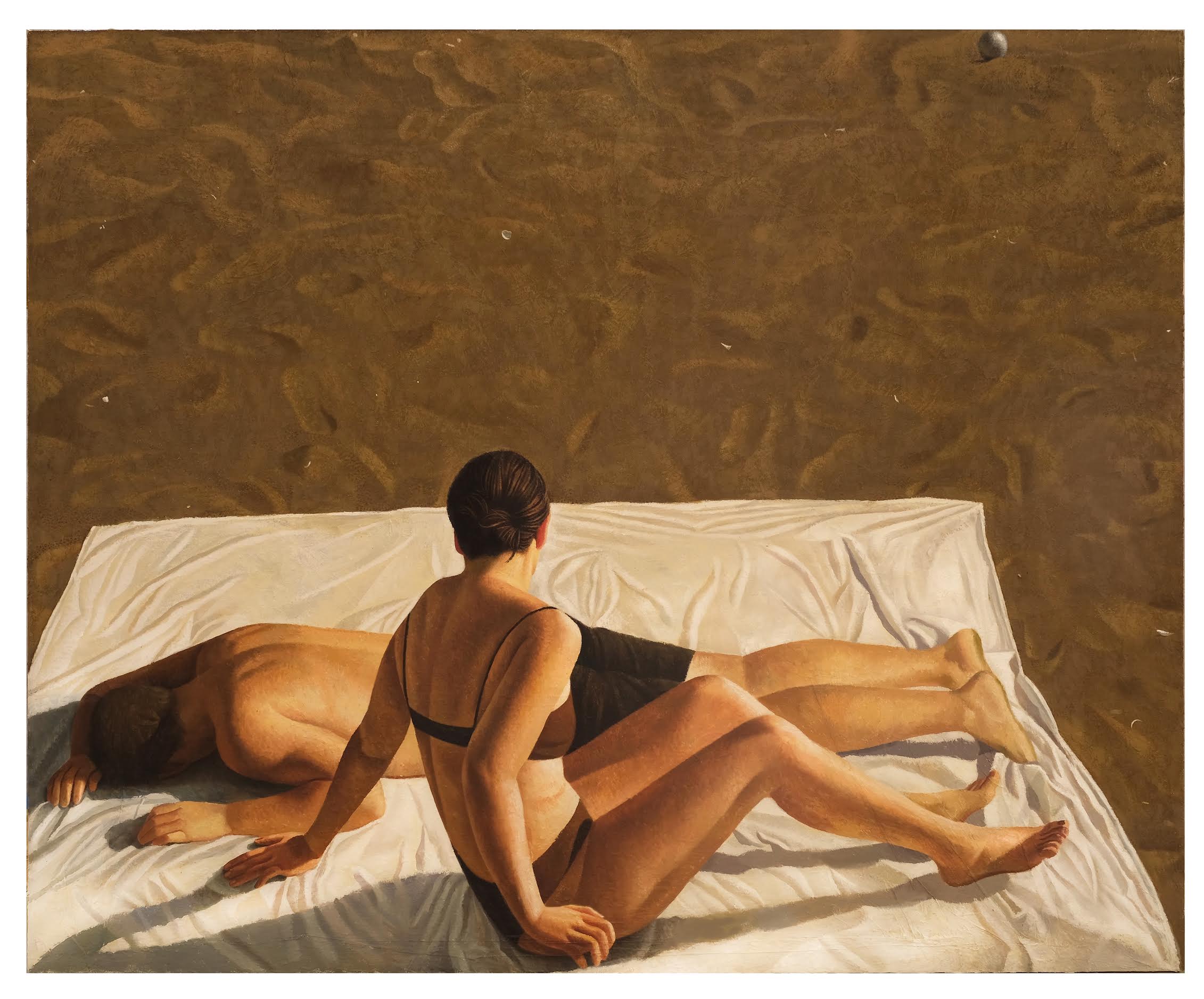
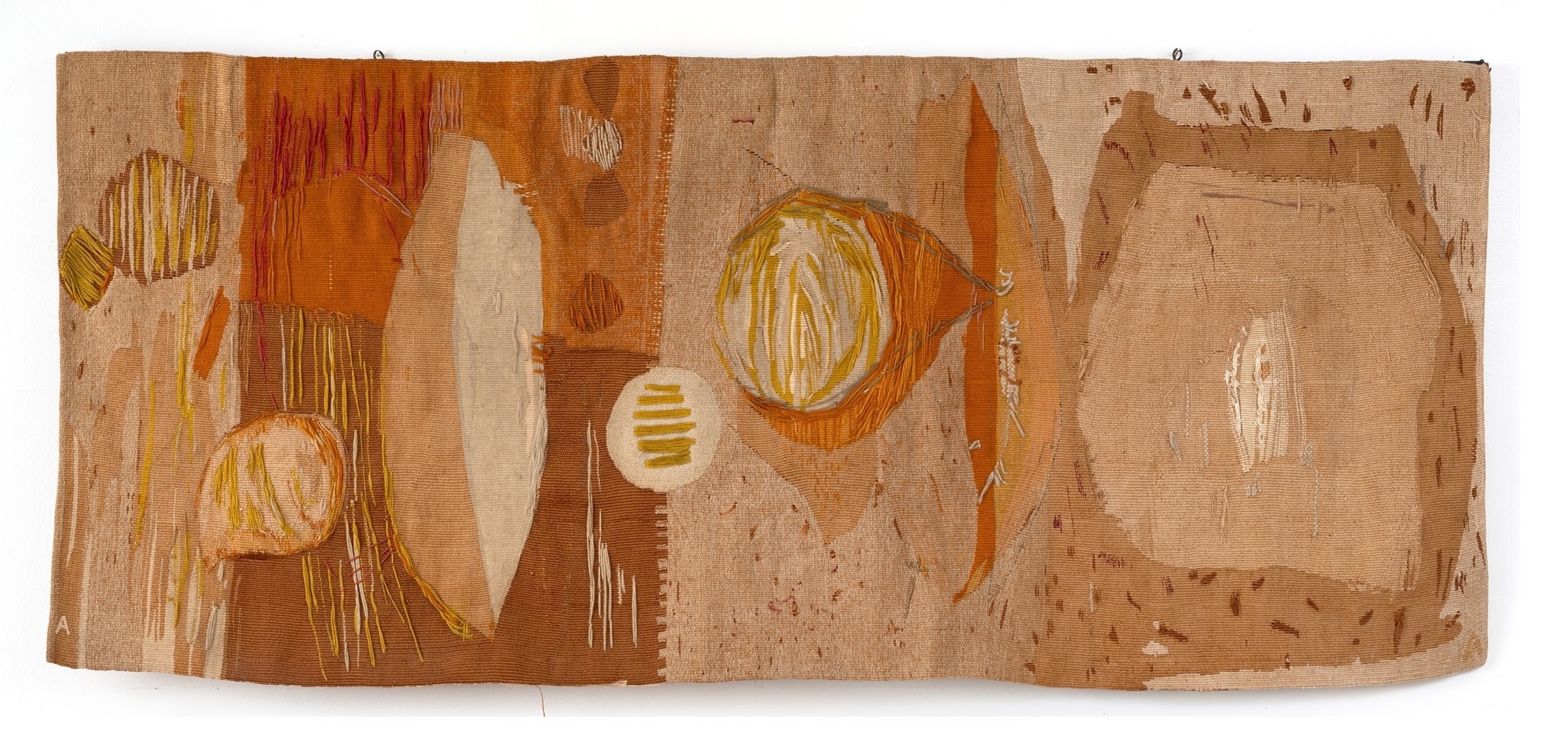
John Divola, Sebastián Espejo, Paulina Freifeld, Anatole Heger, Louise Lawler, Betty Parsons
In his slim 1962 book The Shape of Time, George Kubler invents an art history of drift. According to Kubler, artworks live among the lumbering mass of all man-made things. Every form emulates another imperfectly and propels an aimless tide of mishewn copies. Over time, the "drift is perceived and brought to order by an artist," who slogs through the accretion and creates a new model, awash in idle foam.[1]
Later that decade, drift is invented again. On the other side of the planet, Kunimitsu Takahashi oversteers his Nissan GT-R, screeching through hairpin turns. Keiichi "Drift King" Tsuchiya perfects the stylish, illegal art in the ‘80s on the switchbacks looping Mt. Fuji.[2]
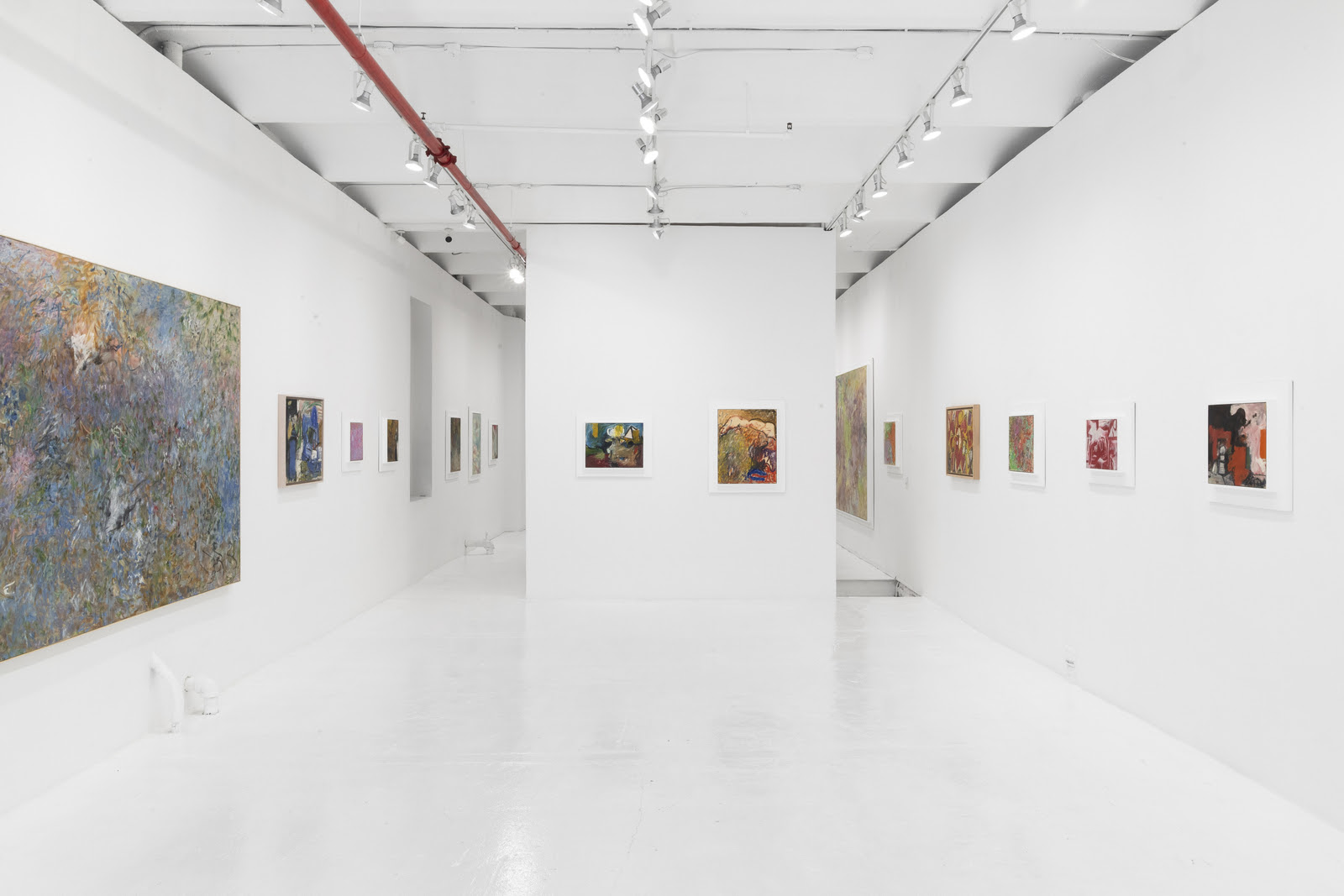
At Slip House, Drift is fast and slow. The exhibition gathers six artists who gently shape the fleeting imprints of accumulated presence, and who disturb spatial logics through clandestine strategy. Across photography, painting, sculpture, and installation, the show explores how surfaces hold evidence by fine-tuning collected memories and burning tracks of contact and transformation.
Sebastián Espejo's precisely weathered sculptural scenes hum with the charged quiet of places once occupied. Window sills, weeds, and brush organize traces of inhabitation and wilderness. John Divola's California interiors meet Espejo's gentle framings tête-à-tête, unsettling picturesque oceanscapes with blunt proof of dereliction. Sanctioned and illicit interventions scramble surface and depth—collapsing architect, inhabitant, vandal, and photographer.
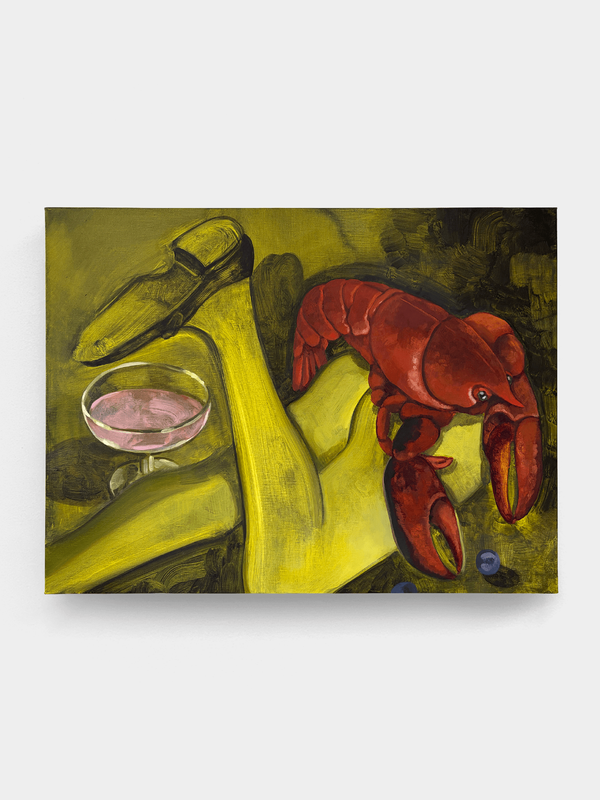
Paulina Freifeld and Anatole Heger sift personal narrative and cultural memory. Freifeld's lightbox drawings on rice paper layer painterly marks over a family photo taken in Chipultapec and a jaguar slumped into carrion by the Yucatán's controversial Tren Maya. Downstairs, her deep blue sleepers lie in the same limbo between suspended snapshot and mortal wound. Heger's twilight lagoon half-remembers, half-imagines his nomadic childhood in a parallel swerve from spellbinding recollection to dislocating dejá vu.
For Betty Parsons, legendary gallerist and early promoter of Abstract Expressionism, color and line wash in at highwater. Informed by the "sheer energy" of transatlantic travels and the mana of the midcentury avant-garde, her aquatic stripes surface in vibrant islands and slip over beached driftwood chunks.
Around the corner, Louise Lawler warps and re-photographs a Gerhard Richter painting, stretched to fit the wall and "distorted for the times." Richter's original image of Mustang Bombers ripples like a verdant mirage from Lawler's drift, tires smoking.
—Emeline Boehringer
1 - George Kubler, The Shape of Time, Remarks on the History of Things (Yale University Press, 1962), 43.
2 - Interview with Keiichi Teuchiya, Toyota UK Magazine, June 2012.