
Ended
Embodied Spaces: The Body as Architecture (Part II)
Oct 20 – Nov 18, 2023
Hunter Amos, John Denniston II, Justin Emmanuel Dumas, Ambrose Rhapsody Murray, Yaw Owusu, Lamar Peterson, Daniel Shieh
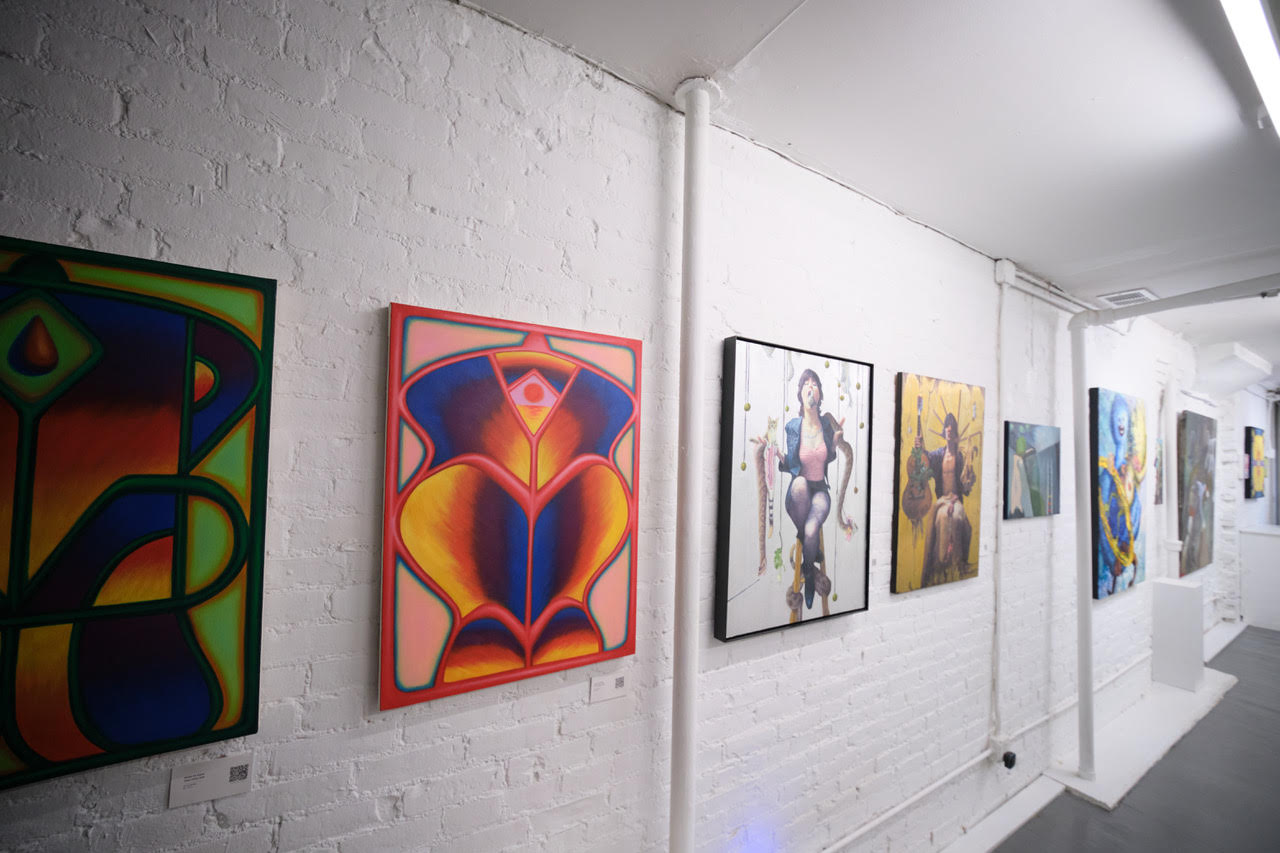
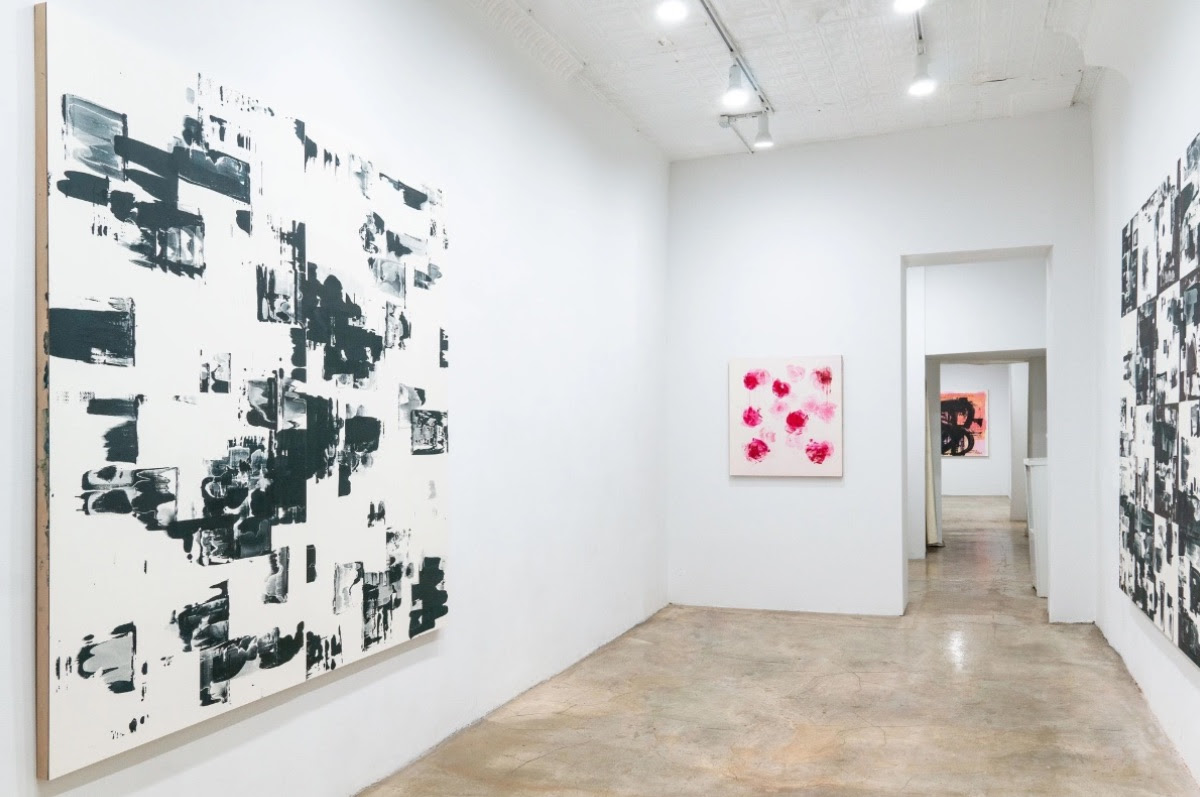
Strada is delighted to present Embodied Spaces: The Body as Architecture (Part II) at their new space on Broome Street.
Historically, our bodies have represented compositions of cultural and biological codes that help us communicate with complex systems of power; while clothing has performed as a primary veil that capsulizes the expression of these codes–interpreting our curiosities, desires, and discontents. Exploring this symbiosis, Embodied Spaces breaks traditional codes of conduct, per se, to challenge reductive parameters of access. What happens when one’s veil appears distorted, dysfunctional, obsolete; or when one’s body is rendered intolerable, invisible or unknown altogether?
Where can a body move without recognition?
Embodied Spaces culminates with a group of artists who transform the gallery space into a laboratory for dissecting conventional notions of form and function. They ask us to consider the impact of architecture on identity and the environment: who does it work for and against; when does it accelerate or disable navigation/mobility; what is the viability of a “safe” space? Much like the spatial boundaries we encounter in our daily lives, these questions, along with the artworks, provoke a reevaluation of what constitutes “good” architecture and, further, what expectations are appropriate to the history and future of the discipline.
Embodied Spaces: The Body as Architecture (Part II) was curated, actualized and envisioned by Paul Hill, Founder and Director of Strada, with Java Jones, Curatorial Assistant, and Roy Kim, Curatorial Assistant.
Hunter Amos, (b. Australia) a fine artist from rural Australia, brings a unique voice to the art world of New York City. Now immersed in the city-scape, working out of his Bowery studio, Hunter has expanded his practice from portraiture into abstract figuration. Infusing each piece with a revitalised significance through dynamic compositions, intricate abstractions, and nuanced juxtapositions of form, his practice is exploration of selfhood and inner expression. The integration of diverse materials, such as cement and sand, with traditional painting mediums, such as oil and acrylic, has been a defining aspect of his oeuvre, yielding works that are both visually stimulating and texturally immersive. With a history of solo shows in Australia and participation in international group exhibitions, each has been a testament to his growth, commitment, and to pushing the intentionality behind his work, to reveal the depth embedded in his creations.
John Denniston II (b. 1999) uses oil paint as a medium to improvise within realistic picture-making structures. By staging scenes of chaotic abstraction from classic formulas, he challenges the ideological implications founded in historic painting practices, opening within them a surreal scene of figurative possibilities. In taking on the discourses of philosophy and anthropology with an artist’s introspection and imagination, he pressures the ability of paint to evoke the conceptual out of the formal, generate new commentaries, and lighten the weight of burdensome logic. Denniston II’s work has been presented recently in solo exhibitions at Swivel Gallery and The Emerson (2022), and has also featured in group shows at Swivel (2022), Pratt Institute galleries (2022, 2021, 2020) and Gallery House (2019, 2021). He received his BFA in painting from Pratt Institute in 2022, and has taken intensive courses with The Art Digger Lab (2021), MICA (2016), Academy of Art University (2015) and Art Center College of Design (2013-2014).
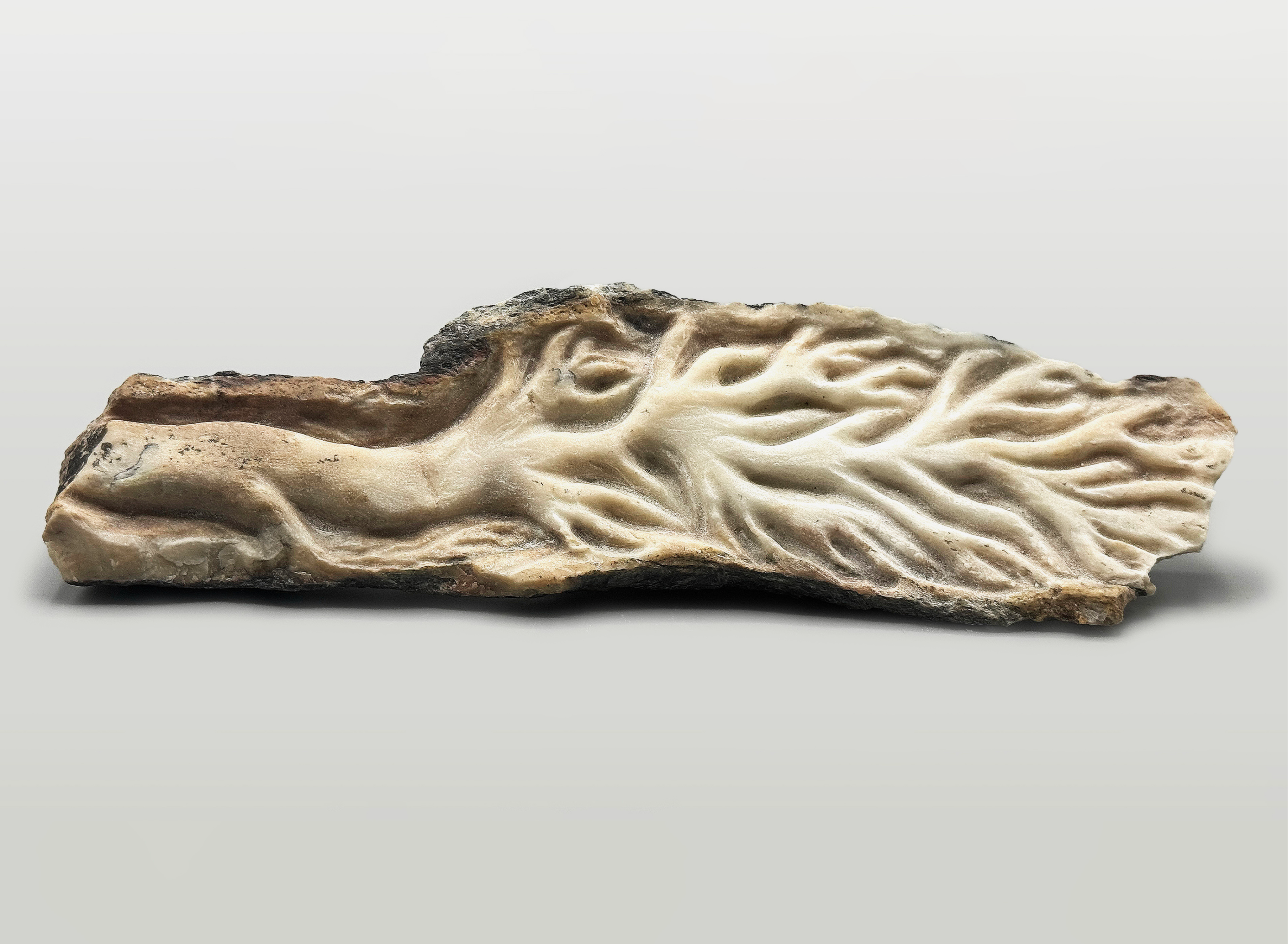
Born and raised in Pittsburgh PA, Justin Emmanuel Dumas has always been compelled to engage with the infrastructural and the post-industrial. In a 260+ year old city like Pittsburgh, with the most bridges globally, the crisis of infrastructural decay is a pressing matter. Dumas understands the material condition of his home, and others like it, and uses it as a primary influence on his practice - the gathering of fragments, the legibility of patina, and the gradation of one form into others, and old beliefs into new. Dumas is struck by the parallels of self transformation, and the evolution of place. Using the body and architecture as a fixed point of reference, he engages with notions of the "container" and its boundaries, which denote sites of transformation.
Ambrose Rhapsody Murray is a self-taught artist with roots in Florida and Asheville, NC. Through sewing, painting, material experimentation, film and collaborative projects, they create stories to investigate our relationships to the colonial undercurrents of our lives, the charged symbology of black feminine bodies, and the ephemeral and layered qualities of memory and remembering. Ambrose received their Bachelor’s in Black Studies from Yale University and briefly studied art at Central Saint Martins in London. Their work lives in the permanent collection of The Studio Museum in Harlem, and has exhibited across the US and abroad.
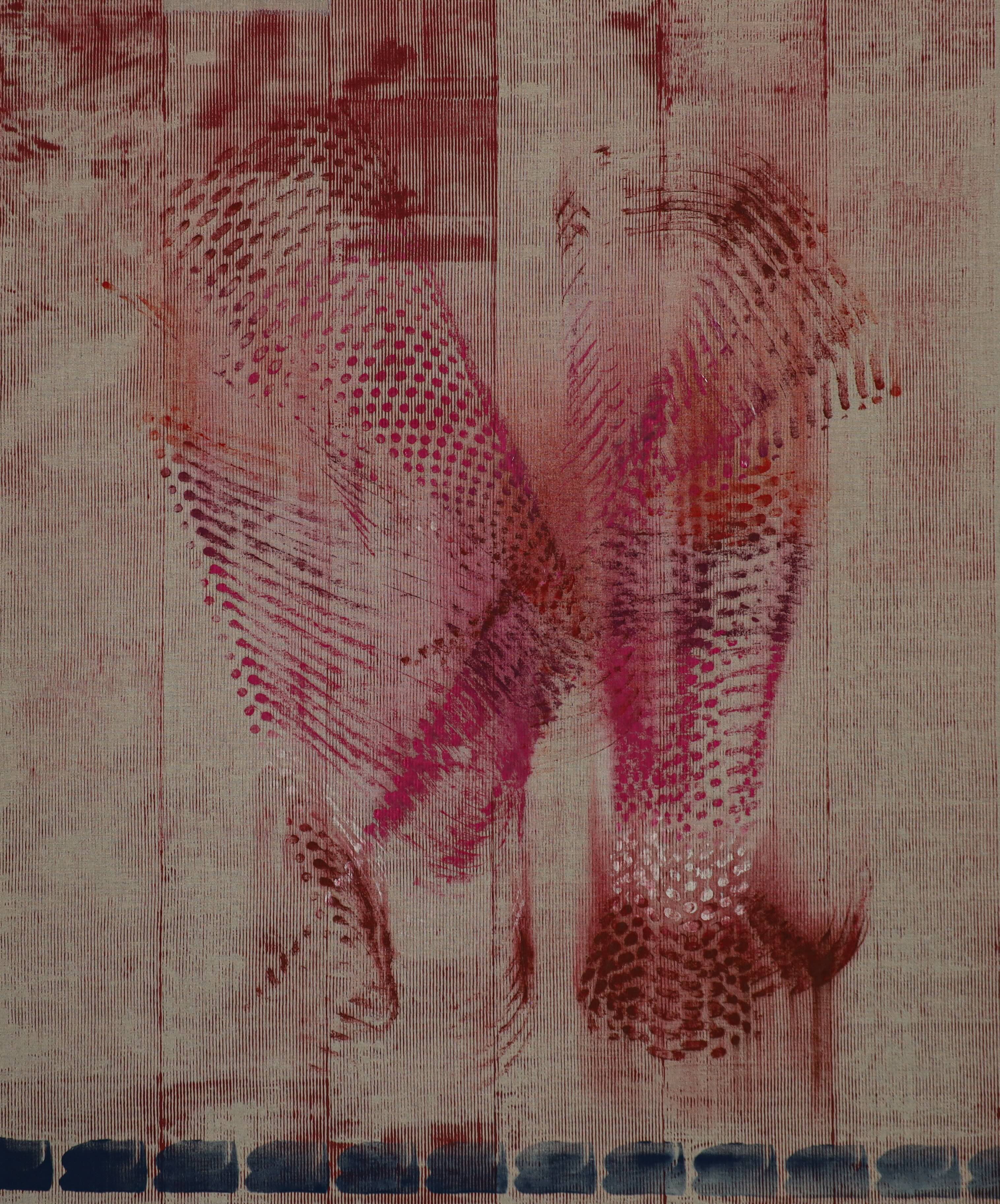
Yaw Owusu began his artistic career as a more traditional painter, producing portraits of political figures, popular culture, and royalty. Having spent this time honing his technical skills, Owusu set out to create more symbolic representations of the political and socio-economic narratives he has always been interested in. His more recent oeuvre speaks to shifting meaning of value across economic, ecological, and socio-historical registers. Owusu is most known for working with pesewa coins, which were introduced in Ghana in 2007 to address rampant inflation. The ongoing nature of the economic crisis signals the failure of this measure, and today these copper coins bear little value. Central to Owusu’s process is having to negotiate with Ghana’s Central Bank to procure enough pesewas and not heeding their stipulations that the coins be left intact. By performing various chemical treatments on them (e.g., using salt from Ghana’s south coast or vinegar from the central and eastern regions to signify local industries), he reveals the various ways in which currencies age and transform with use. The use of pesawas specifically calls into question Ghana’s economic and political independence.
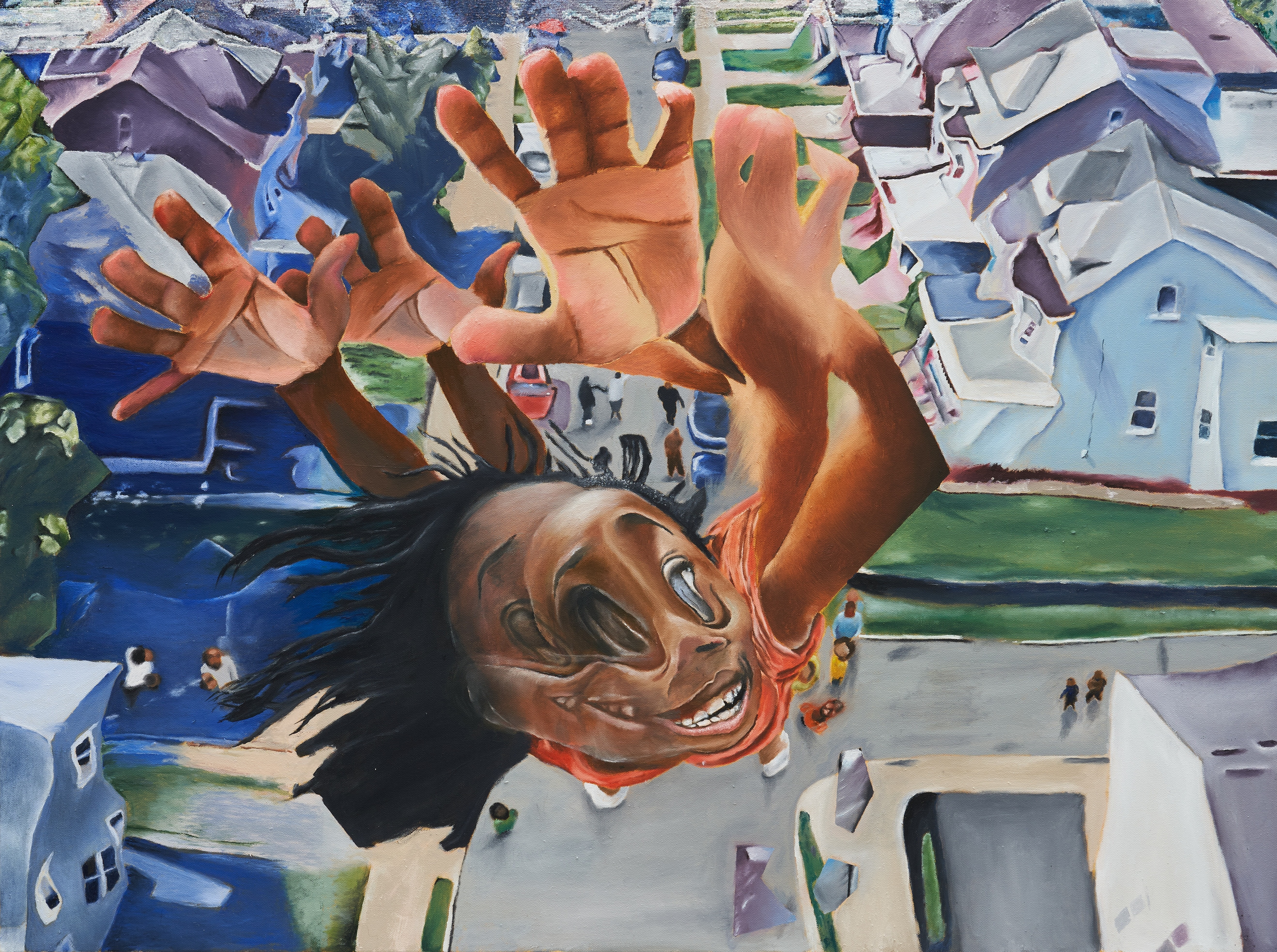
Lamar Peterson (b. 1974 in St. Petersburg, Florida) received his MFA from Rhode Island School of Design in 2001. He has had previous solo exhibitons at The Studio Museum of Harlem, New York; Rochester Arts Center, Minnesota; Orlando Museum of Art, Florida; University Art Museum at SUNY, Albany; Deitch Projects, New York; and Franklin Art Works, Minneapolis, MN. He has exhibited in numerous group shows including the FiCh Interna-onal Site Santa Fe Biennial 2004, Santa Fe, NM; The Drawing Center, New York, NY; The Kemper Museum of Art, Kansas City, MO; the Katonah Museum of Art, Katonah, NY, Oakland University Art Gallery, Rochester, MI, Mennello Museum of American Art, Orlando, FL; Black Pulp curated by William Villalongo and Mark Thomas Gibson at the IPCNY, New York and Yale University Art Gallery. Peterson is an Associate Professor of Drawing & Pain-ng at the University of Minnesota, and is represented by Fredericks & Freiser, NY.
Daniel Shieh (b. Taiwan) creates installations that seemingly lead to otherworldly places, altering the viewer’s perception of each other and their surroundings. His work has been exhibited by LMCC Arts Center, Socrates Sculpture Park, Wassaic Project, Franconia Sculpture Park, and Josephine Sculpture Park. He has participated in residencies at Cité Internationale des Arts, Lighthouse Works, ACRE, Anderson Ranch, Millay Arts, Bronx Museum of the Arts, and Fountainhead. His work has been featured in Hypebeast, Frieze, and Interior Design Magazine.