
Ended
Sharon Poliakine
Between Two Temples
Sep 5 – Oct 10, 2024
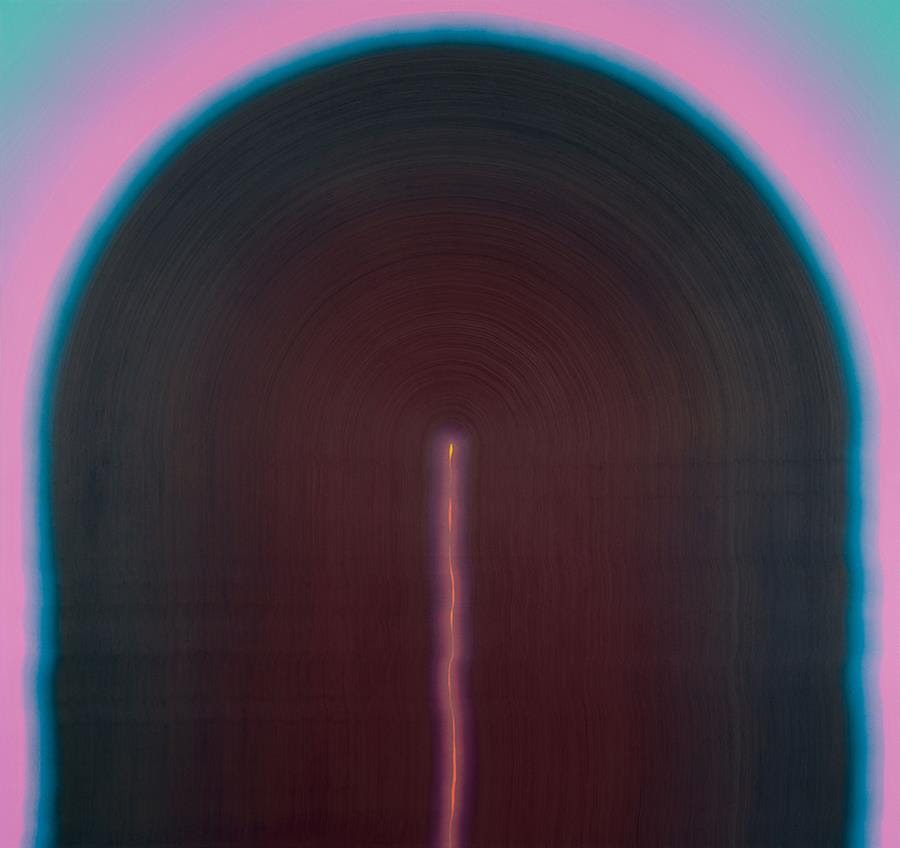
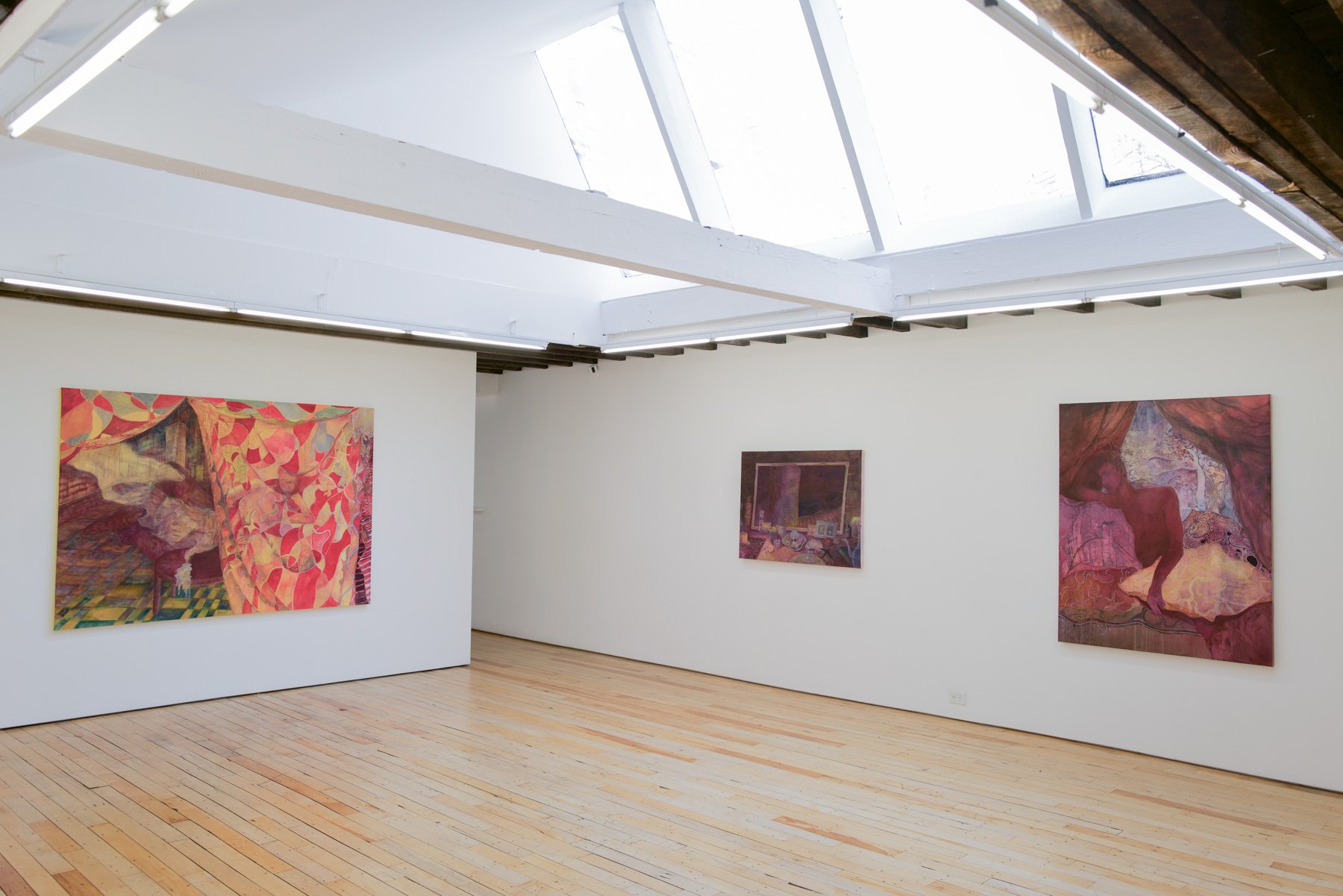
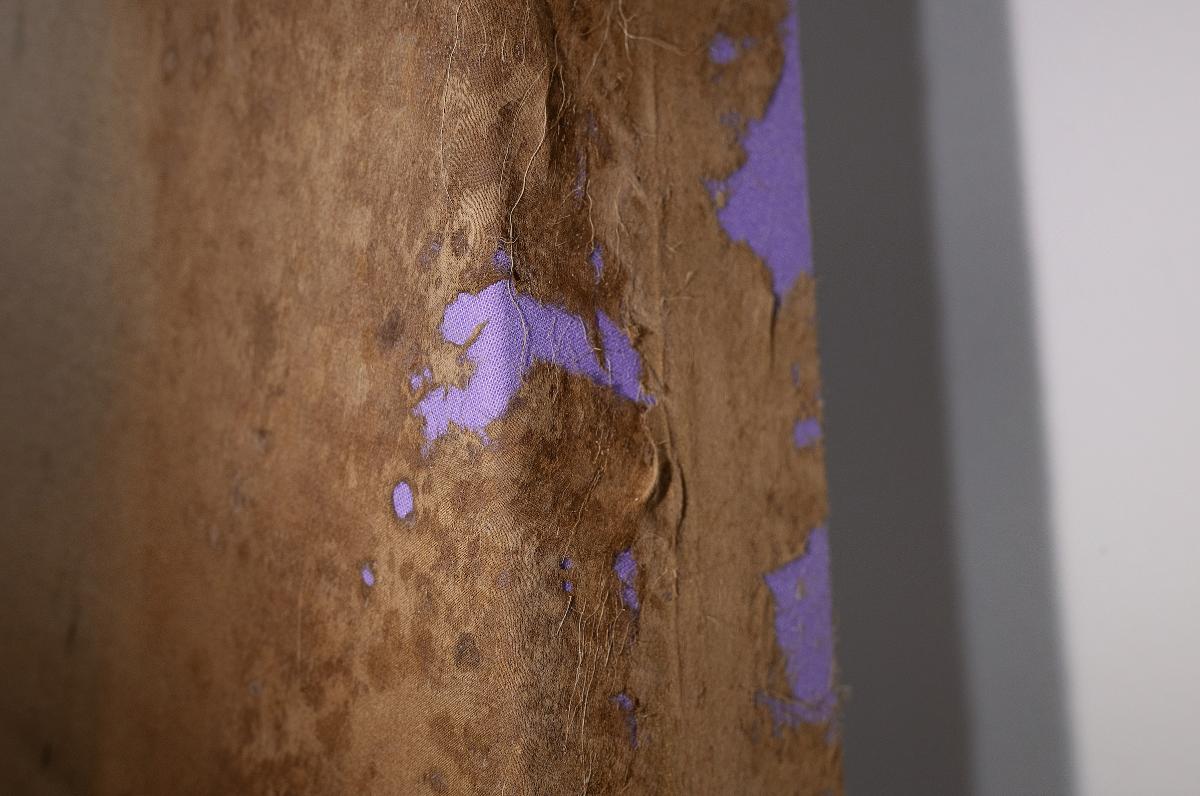
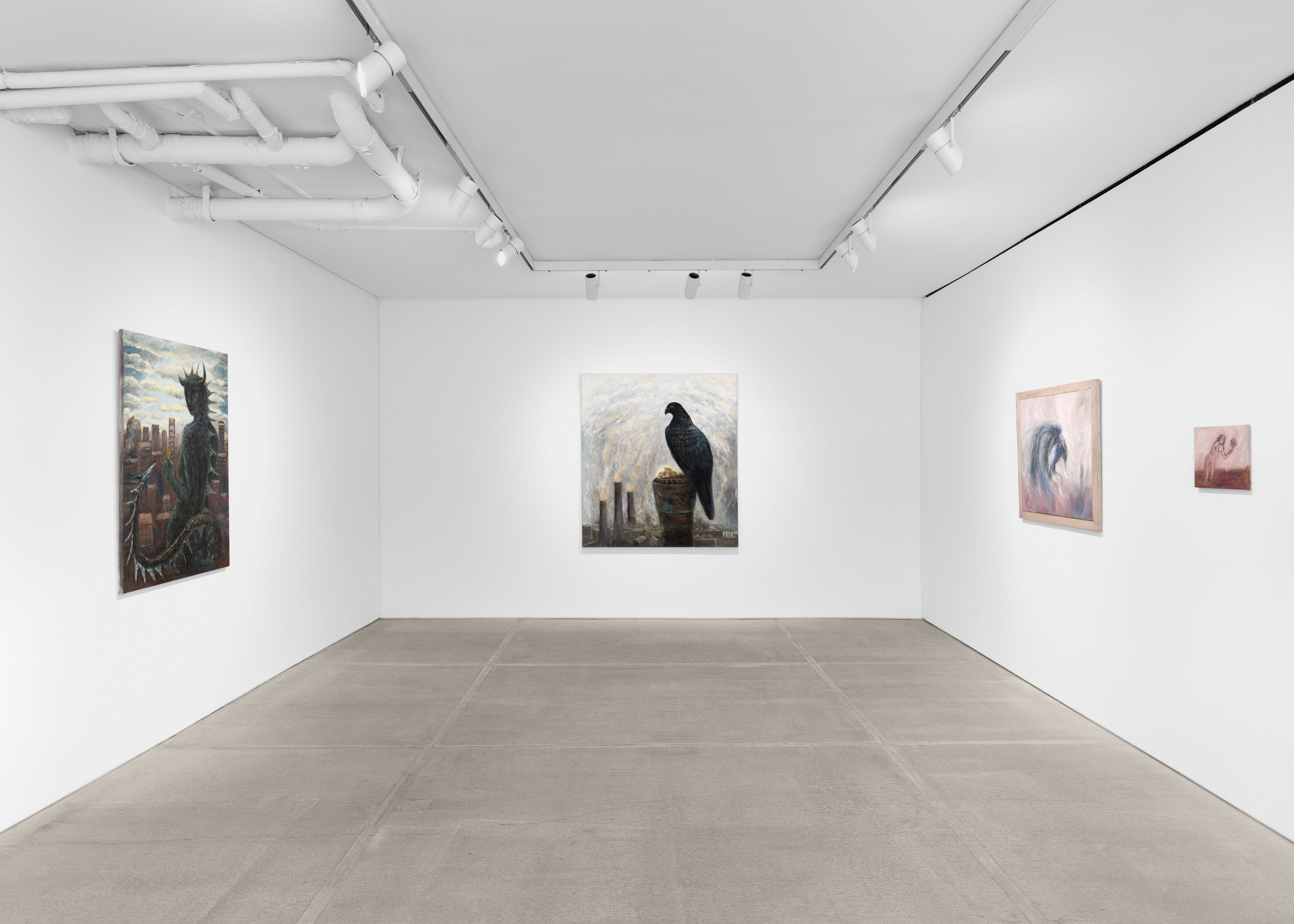
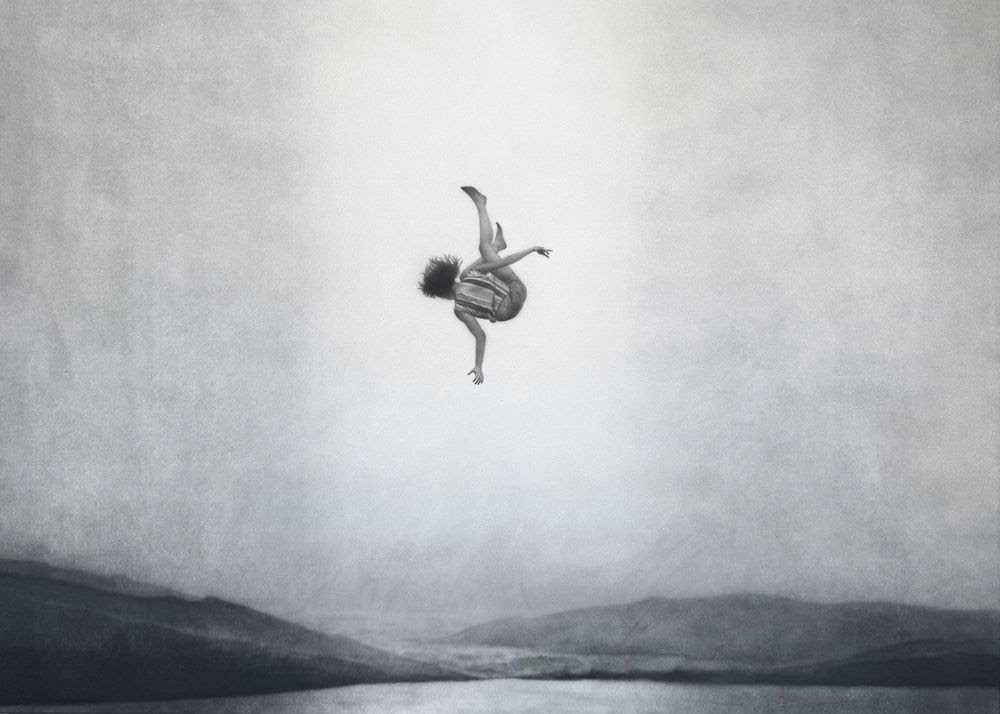
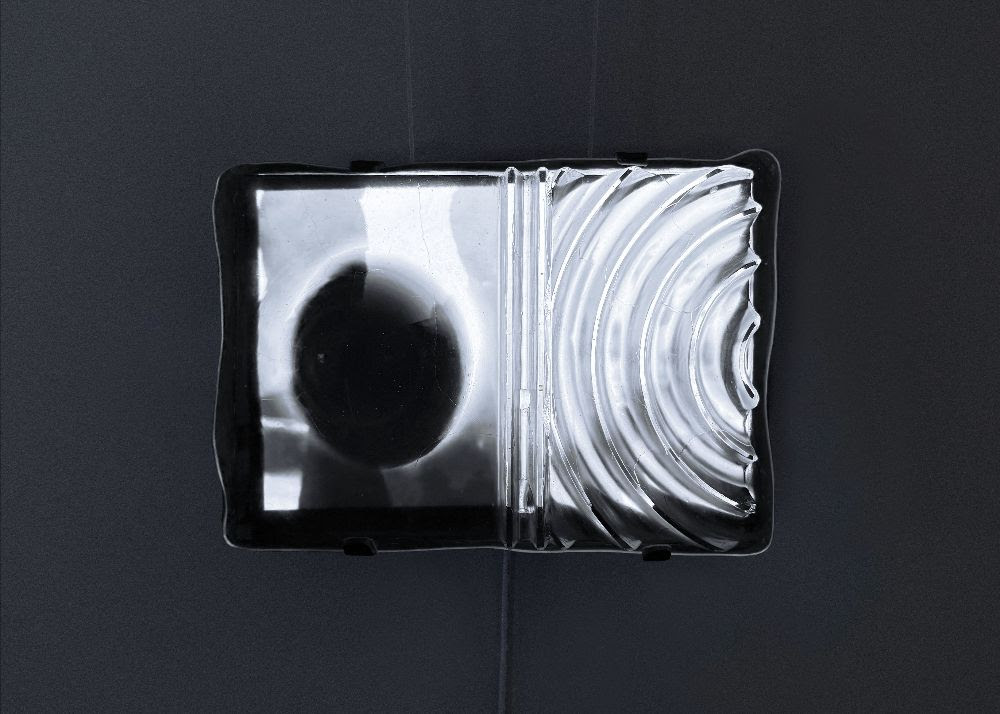
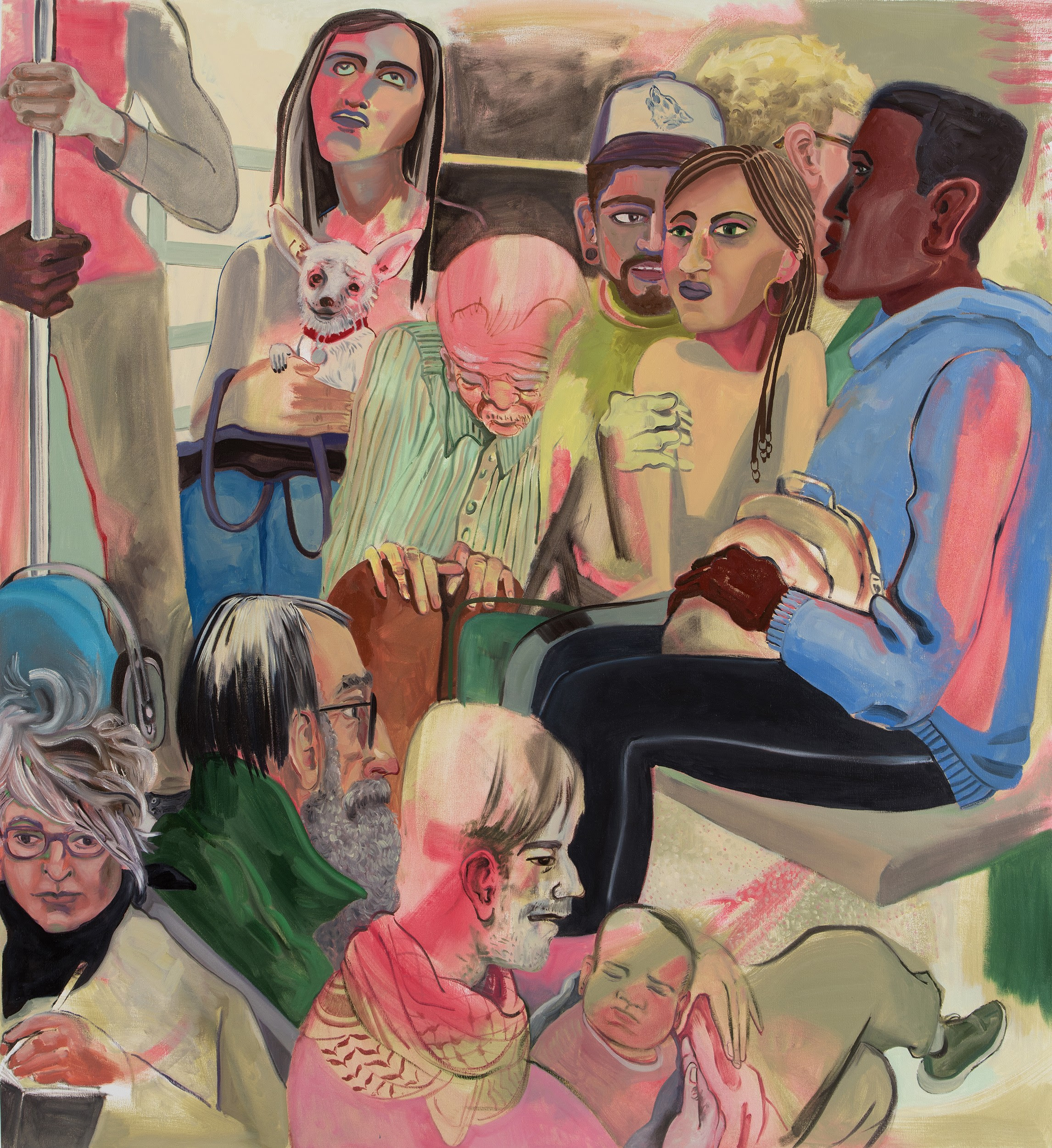
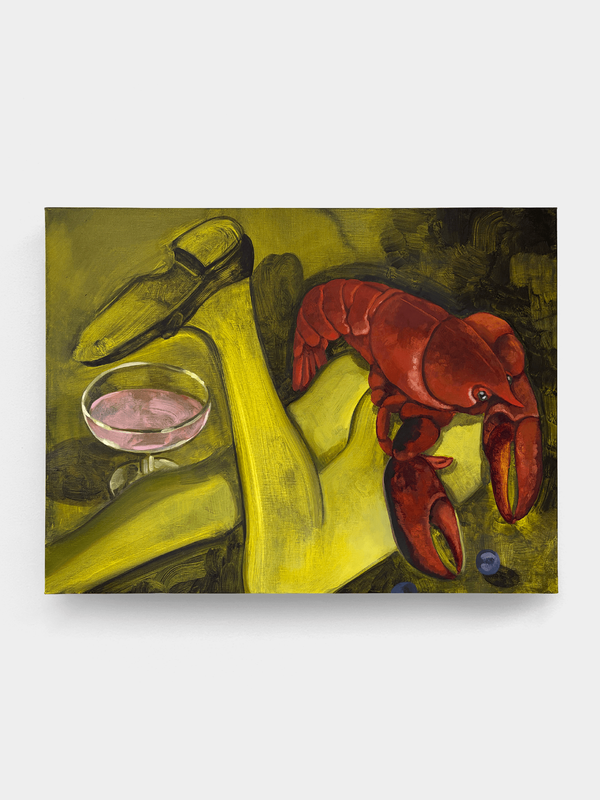
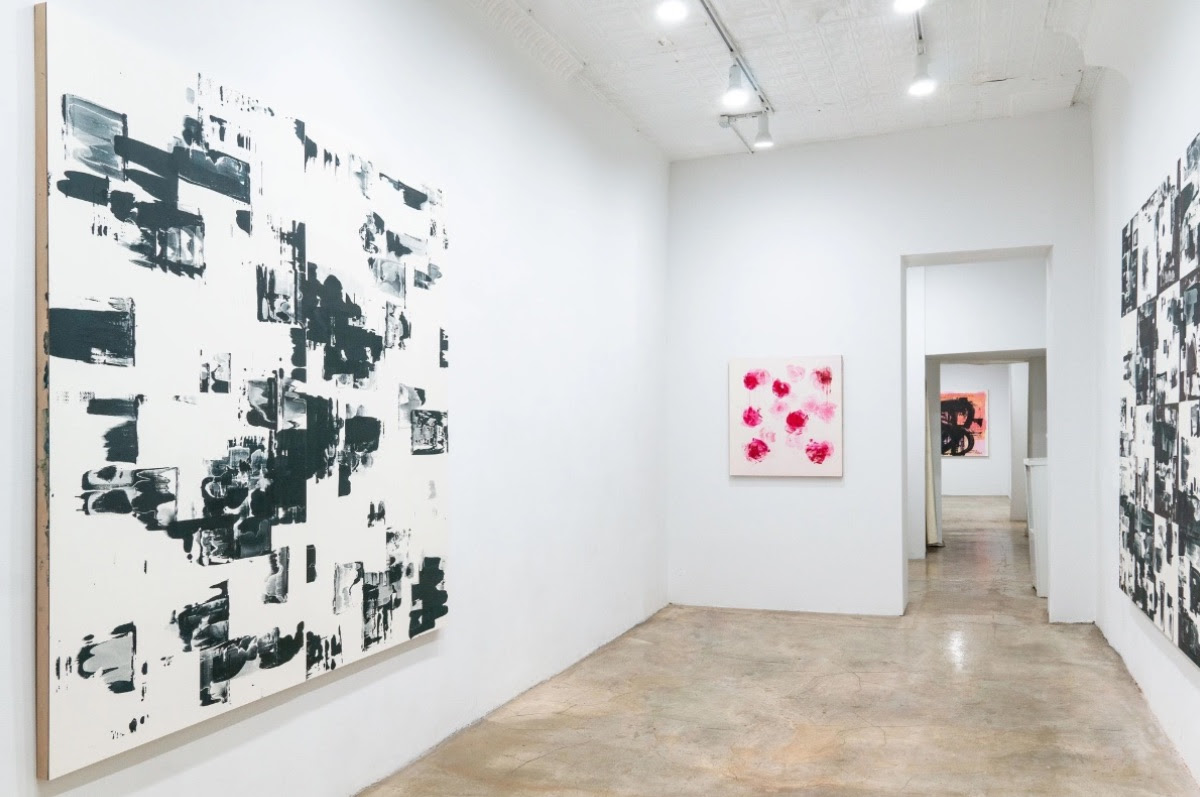
Looking at Poliakine's works is an experience akin to trying to decipher a palimpsest. The images and layers dissolve into one another, like the pages of a weathered traveler’s journal, fused together by the elements and the passage of time. They record the histories of their making through reworked, scarred surfaces, and traces of motifs buried under layers of paint.
The paintings are unstable, constantly oscillating between two (or more) states - embodying the uncertainty that is the definitive condition of our times, marked by destruction.
The exhibition title derives from the double meaning of the word temple. According to the Oxford Dictionary, it is defined as (1) a building or place used for religious worship or regarded as the abode of a god or gods, and (2) the flat part of either side of the head between the forehead and the ear.
In meditation, which Poliakine practices, one is guided to place their awareness between the two temples. Shifting focus from the outside world to find inner peace, transforming the body into a temple of one's own.
In Jewish tradition, the two temples refer to two successive buildings on the Temple Mount in Jerusalem, the most sacred place of worship for the ancient Israelites. According to tradition, the first Temple was destroyed by the Neo-Babylonian Empire because of idolatry, incest, and bloodshed among the people of Israel, with other sources pointing to the corruption of those in power as the cause. The destruction of the second Temple by the Romans, according to the Sages, was due to gratuitous hatred.
Following these destructions, the Temple Mount ceased to serve as a spiritual and political center for the people of Israel, who were led into exile. This history of political instability and uncertainty gains renewed resonance today. In a world that seems increasingly chaotic and devoid of truth and trust, people turn to spirituality and ritual to find solace. Sans-temple, one can try and find those within oneself, or through art.
Poliakine works are like geological strata--multi-layered, they build over time. They are created in cycles of markings and erasures, creation and destruction - like those that created the complex reality of Temple Mount. Her works contain quotes from diverse sources: Maps of the Judean mountains near Jerusalem; meticulous depictions of flowers and bouquets in different states of decay; and the head of Velázquez's Rokeby Venus, her hair morphed into something akin to a topographic map - their superimposition reflect the complex entanglements of thought, culture, language, and history.
Sharon Poliakine (b. 1964, Haifa) lives and works in Tel Aviv, Israel. She graduated from the Bezalel Academy of Arts and Design in 1989. From 1987 to 2006 she worked as a master printer at the Jerusalem Print Workshop and is renowned as an expert in the art of etching. Poliakine’s body of work includes paintings, objects, site-specific installations, and prints.
Poliakine is a professor at Haifa University, serving as the head of the MFA program. Previously, she served as Haifa University's chief curator (2012-2020), the Head of the Art department (2007-2012), and the head of the School of the Arts (2012-2016).
She has received numerous awards and grants including the Machida City Museum of Graphic Arts Prize, Tokyo (1992), the Pollock- Krasner Foundation Grant, USA (2003), The Rappaport Prize for an established Israeli painter (2010), and the Pins Award for Israeli Printmaking Artist, Israel Museum (2018).
She had solo exhibitions at the Israel Museum, Jerusalem (1993), Ein Harod Museum of Art (2004), Tel Aviv Museum of Art (2002, 2010); Ashdod Museum of Art (2012), Jerusalem Print Workshop (2002, 2017, 2018), Herzliya Museum of Contemporary Art (2018) and more. Her works are included in public and private collections, including the Israel Museum, Jerusalem, Tel Aviv Museum of Art, Ein Harod Museum of Art, Brooklyn Museum, New York, The Public Library, New York, The British Museum, London.