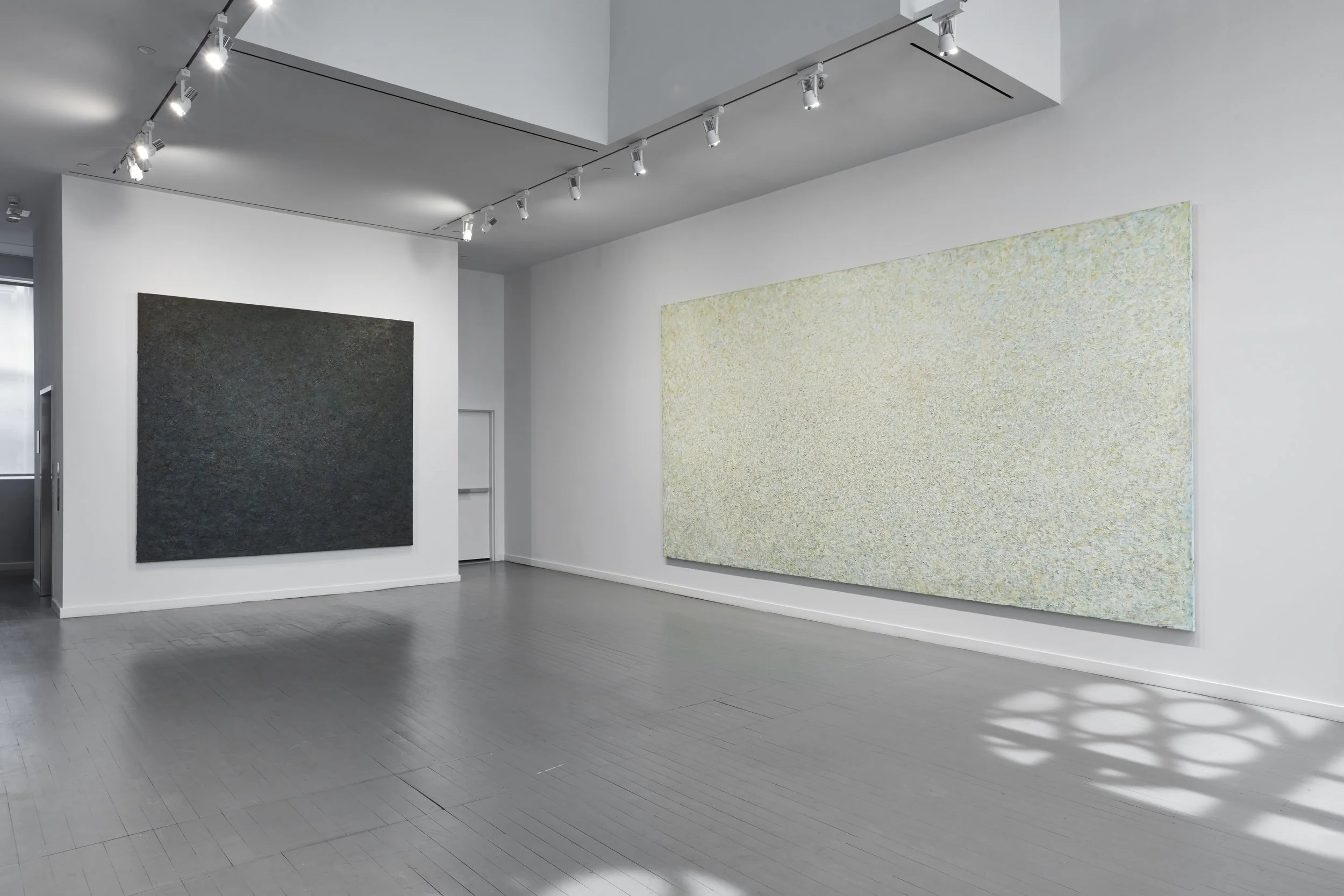
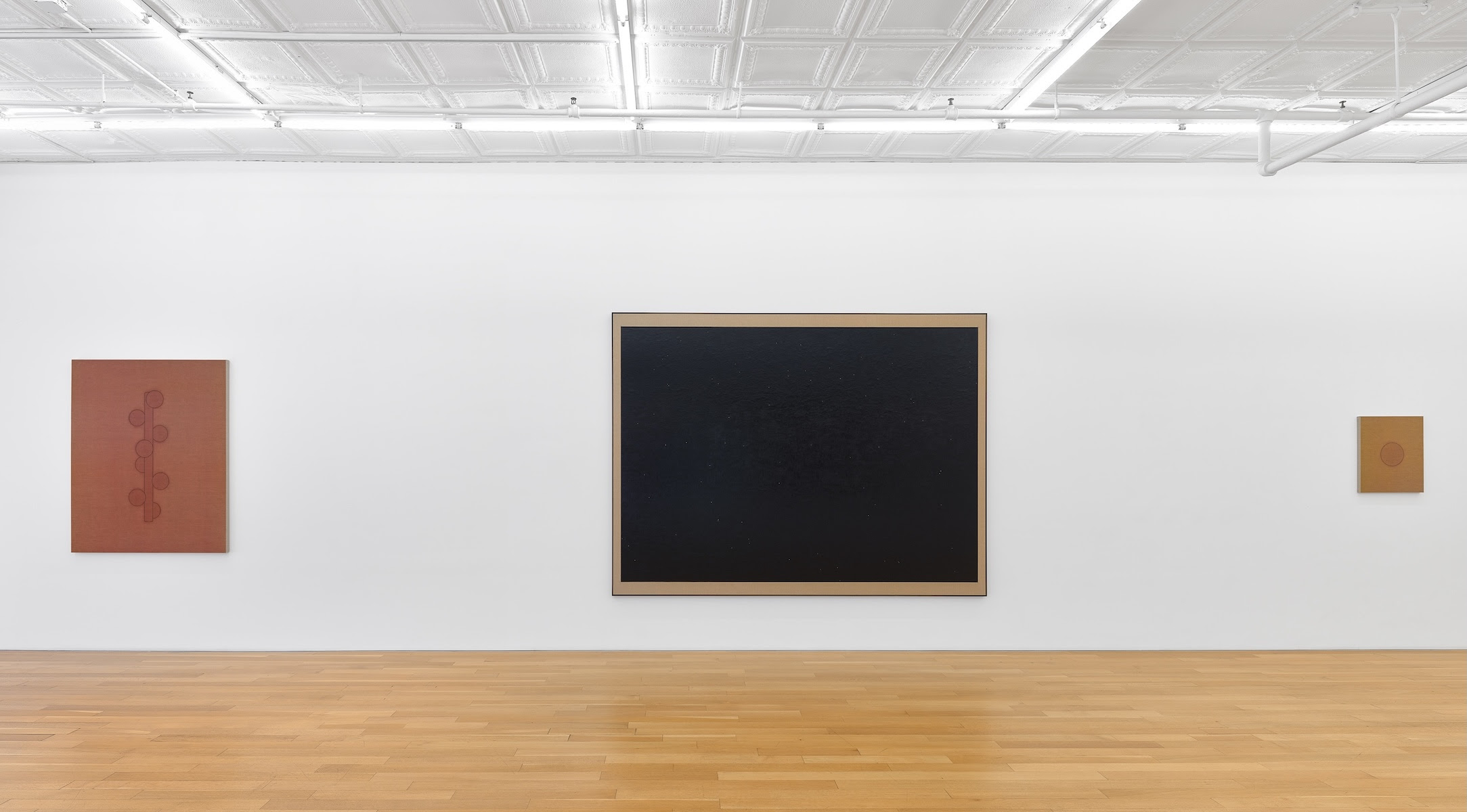
Ended Jul 2
Maggie Lee
May 21 – Jul 2, 2017
More from Maggie Lee on Gallop
There’s a callous, savvy tone to the 1965 New York Times article, “The Bowery Blossoms with Artists’ Studios.” The writer makes streetwise, casual references to huddled men, sex workers, and cheap sherry, and reasons that of course this has depressed rents along the avenue, which in turn has lured more than one hundred artists in search of cheap space. Several of these artists are quoted in the article, celebrating the Bowery’s good light, decent lofts, and laissez-faire landlords. Recalling the number of homeless men he’d seen killed by speeding cars, the sculptor Irwin Fleminger speaks a different reality about the Bowery: “Artists are supposed to be sensitive, yet you have to be more than tough to get through this.”
Fleminger goes on to describe his strategy for working on the Bowery: “You go in the door, and close the door, and you close the Bowery out.” The artists who settled along the avenue in the 1960s mostly echo this mindset. Their lofts existed as secret spaces, laboratories of profane work removed from the city below. Limits could be pushed as the stakes were low – at $50/month, artists didn’t have to scramble much to pay their rent. In quick succession, the most vital and progressive movements in art found their home along the Bowery – abstract expressionism, minimalism, pop art. Among the key participants in these moments were a group of friends and artists that Lucy Lippard labeled “the Bowery Boys,” a group that included Sol LeWitt, Robert Mangold, Sylvia Plimack Mangold, Robert Ryman, and Eva Hesse.
Hesse exemplified the withdrawn, backstairs way of working on the Bowery. At the end of a narrow set of steps, 134 Bowery contained both her living quarters and studio. A friend who visited her at the studio in 1968 recalled that the artist had multiple works in progress, signaling a kind of round-the-clock compulsion to work. Describing this space in a letter, Hesse wrote, “It is really crowded with work and tools and all sorts of paraphernalia. Feel less lost and lonely there that way.” Keeping everything unified in this way was perfectly suited to Hesse. At the end of her life, she said as much in an interview with Cindy Nemser: “Art is an essence, a center… My life and art have not been separated. They have been together.”
This togetherness would’ve followed Hesse everywhere, but is particularly located at 134 Bowery. Lippard’s memory of the loft recalls the horror of Fleminger’s experiences but also reiterate the importance of this building for the artist. “Her friends urged her to leave her loft,” Lippard writes in her 1976 book about Hesse. “She was often alone in the building; two sculptors across the street masturbated at their window, and someone was shooting at her back windows with a BB gun. She was frightened and unhappy there, but also psychologically rooted to the spot. It was still her home when she died.”
-Ethan Swan