
Exhibition · PS Center
Naresh Kumar
March to March
Aug 26 – Sep 13
7 images · swipe
About the show
March to March is an homage to repetition, ritual through life, and the tension and solidarity that emerge in the interconnected and conflictual world. The exhibition title refers both to the cyclical passage of months and to the act of marching. In India, March marks a moment of transition—from winter to spring and summer. It is also the month of Holi, the festival of colours that celebrates new beginnings, as well as the close of the fiscal year and the opening of yet another cycle. The artist draws attention to this threshold, suggesting that each gesture of our everyday lives accumulates into a march of resistance, and that within such repetition and cycles, human dignity and social solidarity are revealed.
The exhibition traces a path from Patna, the artist Naresh Kumar's hometown in eastern India, to Colaba in Mumbai, where he currently lives and works amidst its layered and bustling landscape. Patna, the capital of Bihar, is a city with more than 2,500 years of history, marked by the rise and fall of dynasties, entrenched caste conflicts, and colonial conflicts and confrontations. During British rule, it served as a key centre of administration and commerce, yet was also a site of severe oppression and exploitation. In this region—steeped in history and the traces of India's independence movement—the artist was born a son of a farmer. As he moved across different cities, his experience as a migrant informed his practice, embedding within it both a sharpened political consciousness and an enduring desire for a more just society.
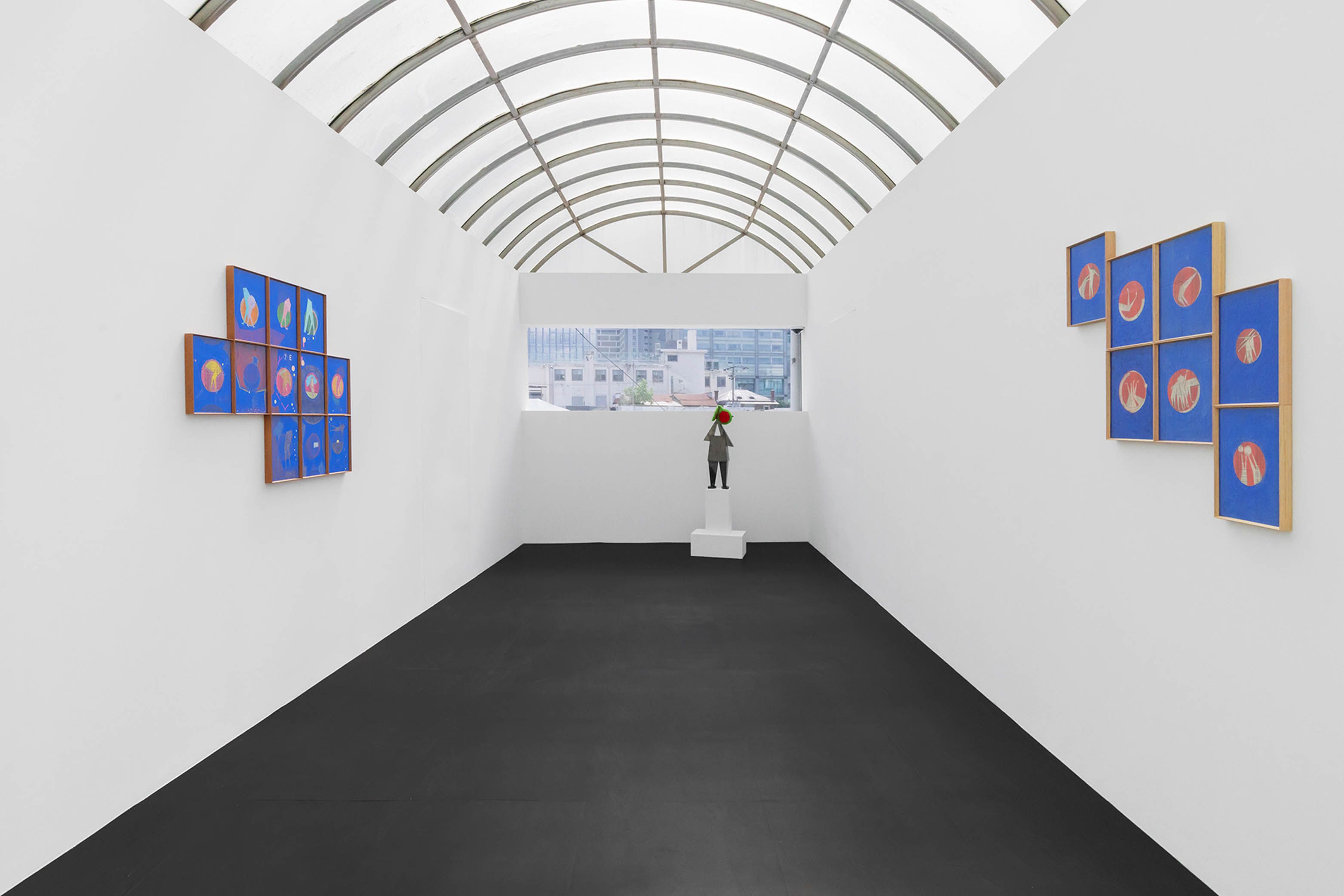
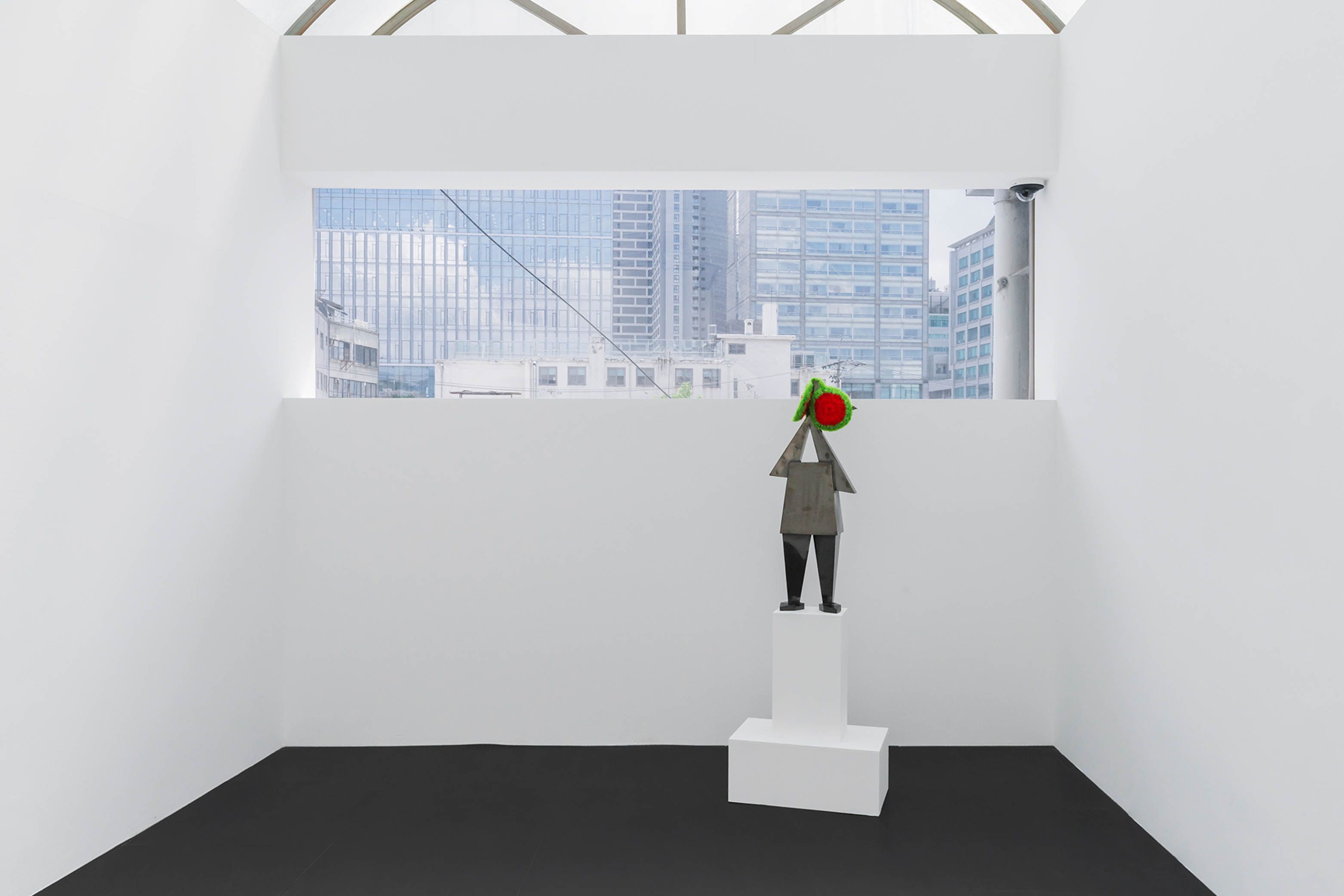
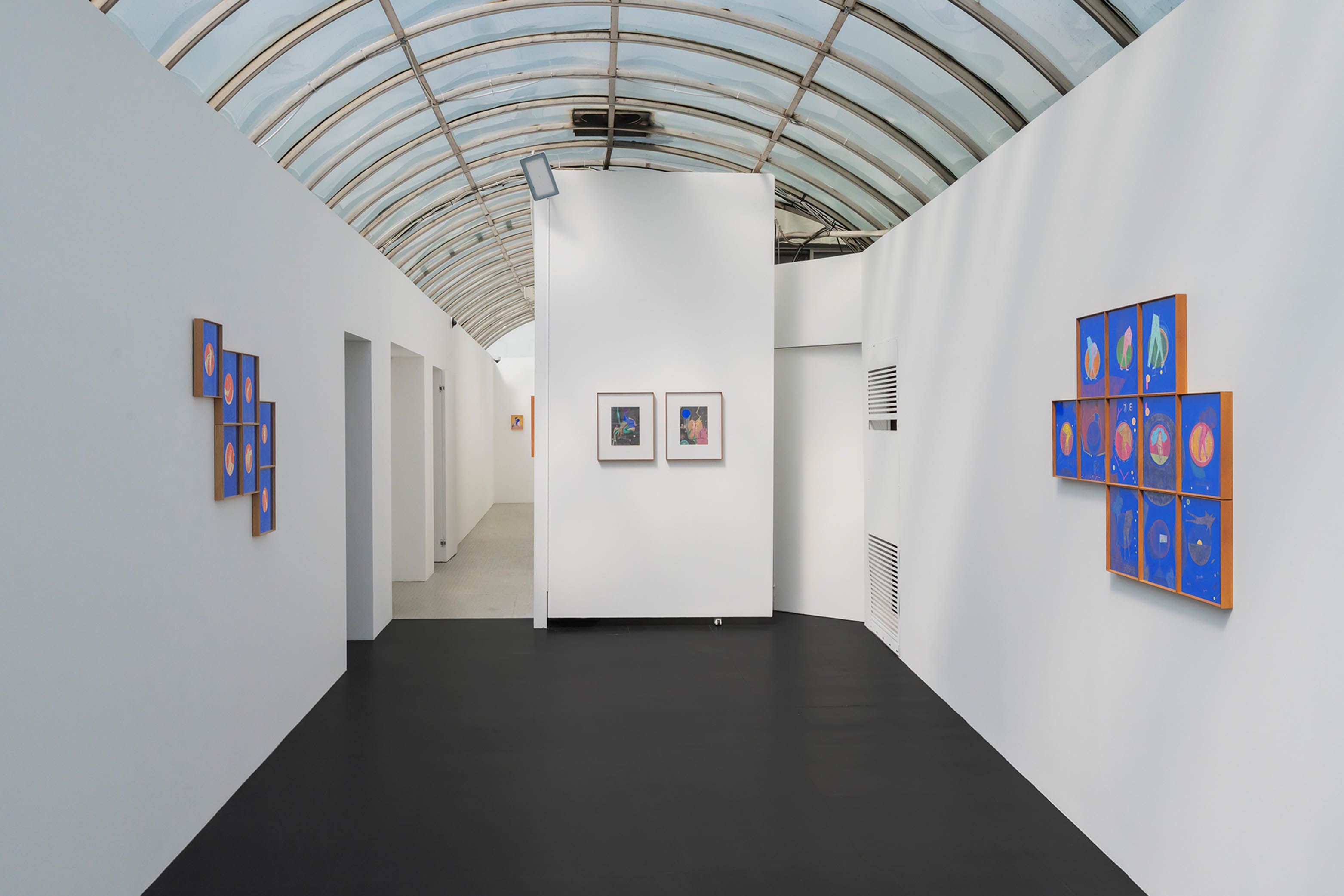
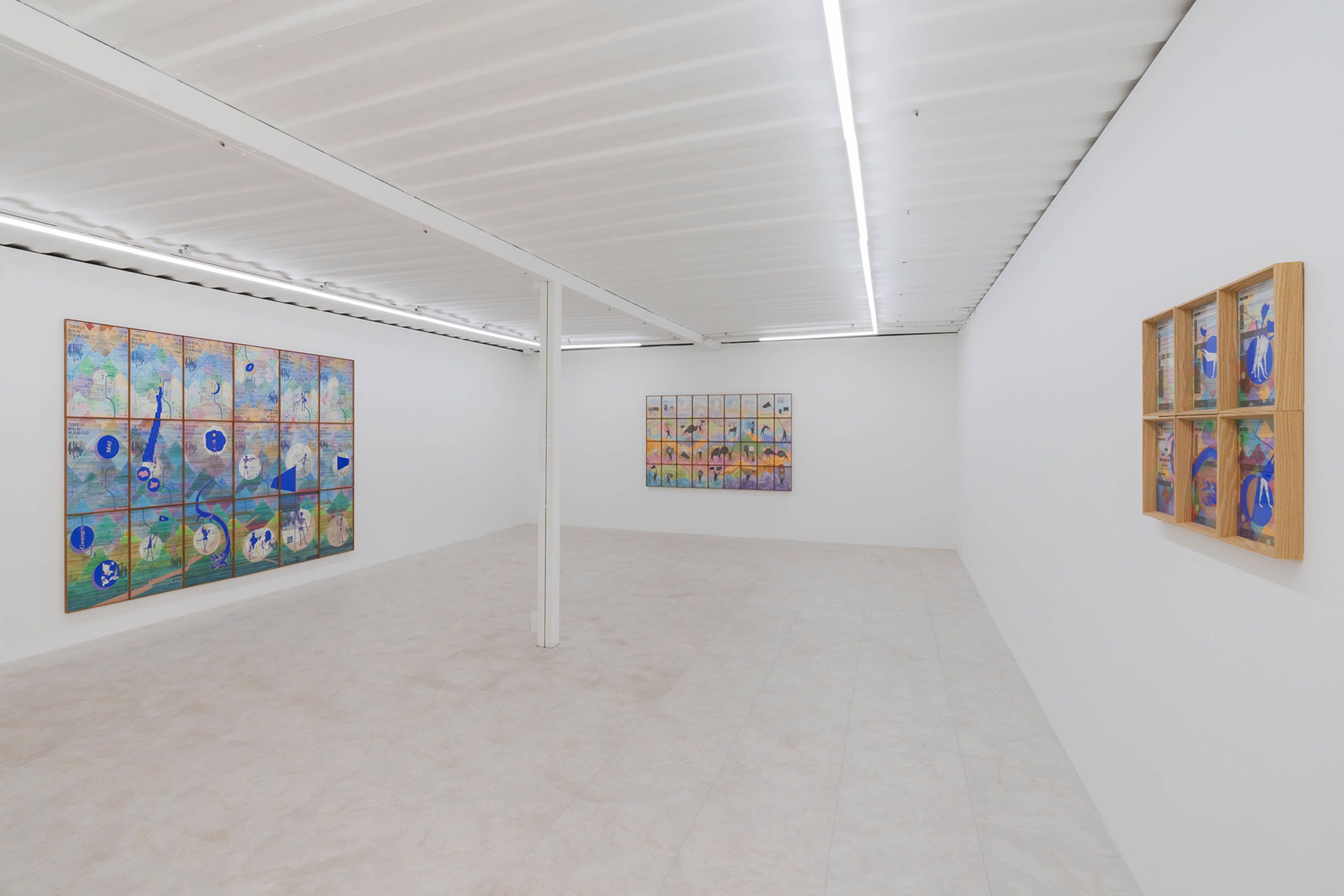
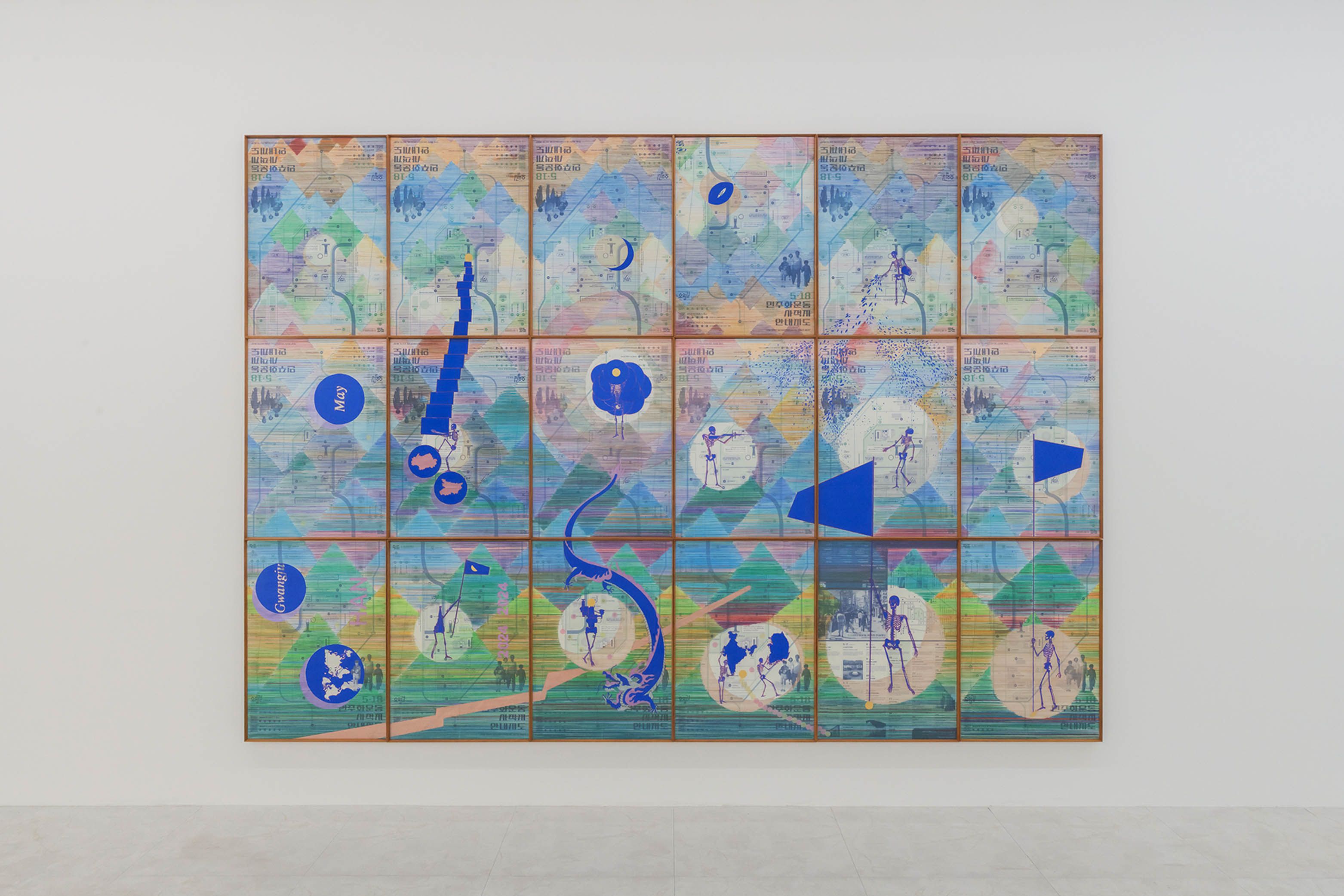
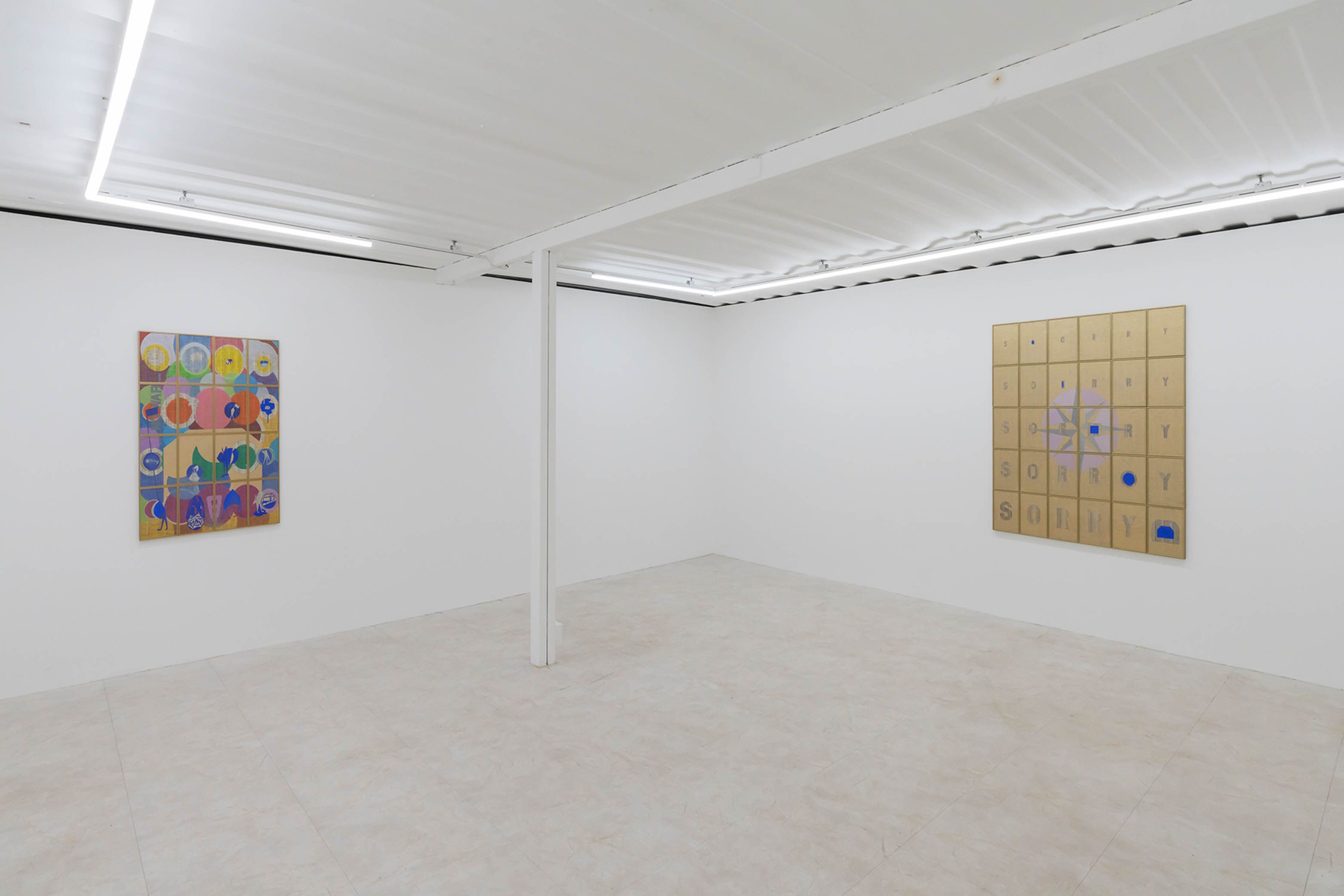
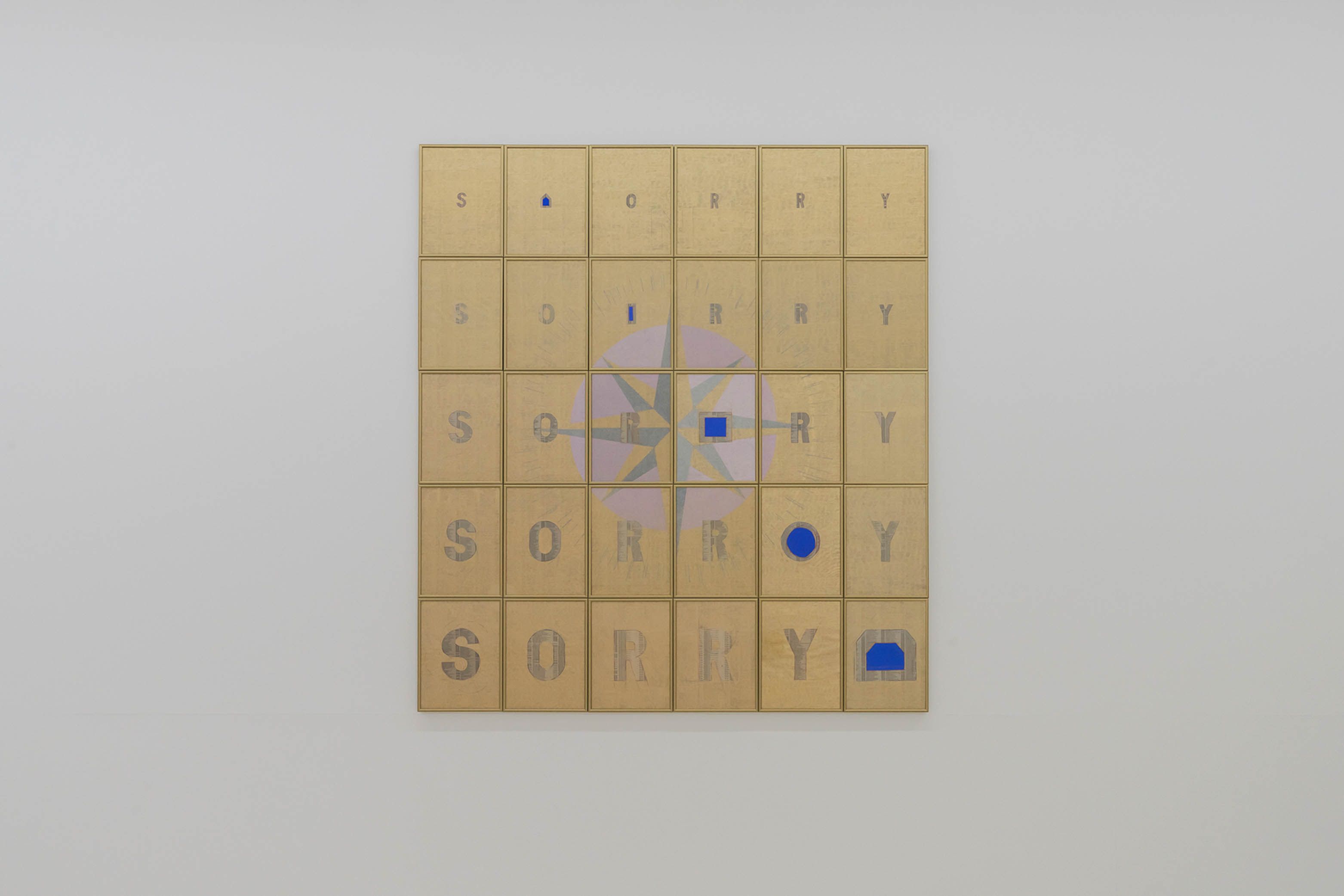
Naresh Kumar moves between the material and the metaphorical world, weaving his own narrative. In this exhibition, composed of four rooms, the Protesters series reveals the desire for life through standing shoulder to shoulder and gestures of resistance. Hometown–Anatomy explores the landscapes of Patna and the embodied memory they carry. Our Gwangju, created following the artist's residency in Gwangju in 2023, recalls the memory of the Gwangju Uprising, extending its resonance into the present and broadening the solidarity of resistance. Finally, The Lamp of the East borrows its title from a 1929 poem by Rabindranath Tagore, who, in the Japanese Colonial Period, envisioned Korea as a beacon of hope. In this series, however, the title opens onto new possibilities and collective imagination in the East. Each of the four series embodies distinct registers—gestures of resistance, an anatomy of memory, wounds held in common, and a philosophy of light—yet together they form a single, unfolding journey through time, place, politics, and his personal body.
The works are created by layering repetitive and metaphorical elements—ritual gestures, colours connected to the artist's growing up—documented to bear personal traces and social memory, such as old telephone directories. Fragile sheets of paper, when aligned, coalesce into expansive compositions that resemble maps or symbolic landscapes. Along this journey of migration and memory, the artist records a world where repetition and ritual coexist with conflict and connection. As political theorist James Scott once described as the "weapons of the weak," everyday acts of resistance become, in Kumar's hands, subtle gestures and encrypted images—a language in their own right. For him, ritual is a micro-act repeated in the urban sphere, which in turn becomes a marker of memory, resistance, and existence. Across the trajectories of Bihar, Delhi, Paris, Gwangju, and Mumbai, he shapes the traces of resistance and the sense of solidarity into a contemporary artistic language.
Born from a desire to gather strength for recovery in an unsettled age, this exhibition unfolds as a migrant's diary, a traveller's log, and fragments of a world witnessed by Naresh Kumar. His work conveys sharp political critique while sustaining a human tenderness and a quiet sensibility of peace. The colours and textures are at once translucent and soft, composing an atmosphere where unease and serenity coexist. On 18 May, the day he began his Gwangju residency, he found himself coincidentally marking the anniversary of the Gwangju Democratic Uprising. There, he layered the daily lives of people in his hometown in India upon the spirit of resistance in Gwangju. This memory expands into a solidarity that connects distant lands and disparate times. Personal experiences, urban landscapes, and historical traces accumulate layer upon layer, revealing resistance not as a grand outcry, but as the quiet resistant gestures through which one endures everyday life.
Curator: Park Jiin, Gil Sua