Through Dec 1
Danielle Enzo & Marin Sardy
Psychic Telephone
Nov 5 – Dec 1, 2026
More from Danielle Enzo & Marin Sardy on Gallop
All Street Gallery is pleased to present Psychic Telephone, a collaborative exhibition by New York-based visual artist Danielle Ezzo and Denver-based writer Marin Sardy, on view November 5 through December 1, 2026, at the gallery’s East Village location (77 East Third Street, New York, NY 10003). An opening reception will be held Thursday, November 5, from 6 - 8 pm.
Combining photography and literary nonfiction, Psychic Telephone considers what happens when an experience moves between people, mediums, and systems of interpretation. Beginning with Sardy’s interviews with people who identify as psychics, intuitives, channelers, or mediums, the project unfolds through writing, artificial intelligence, photography, and an ongoing exchange between its two collaborators. Ezzo then translates that text into photographs, extending the project's engagement with the transformation of meaning.
The project’s title refers both to the familiar experience of thinking of someone just before they call and to the children’s game in which a message changes as it is whispered from one person to the next. In Psychic Telephone, meaning travels through a similarly unstable chain: from lived experience to spoken testimony, testimony to writing, writing to algorithm, algorithm to photograph, and photograph back into language–– never transferred intact, each intermediary changing what it receives.
Sardy’s interviewees include professional practitioners, teachers, artists, spiritual figures, and members of her own family, whose accounts encompass prescient dreams, bodily sensations, encounters with spirits, intuitive impressions, and forms of ceremonial practice. Working from these conversations, Sardy condenses and reorganizes her subjects’ speech into prose pieces that preserve the specificity of individual voices while inevitably introducing another layer of interpretation. The process makes visible one of the project’s central tensions: perception is intensely personal, yet every attempt to communicate an experience requires translation.
Ezzo translates Sardy’s passages into early-generation text-to-image AI programs, intentionally working with systems whose visual interpretations were often imprecise, strange, or incomplete. These “seed” images operate as prompts: speculative visual fragments that Ezzo responds to with a camera.
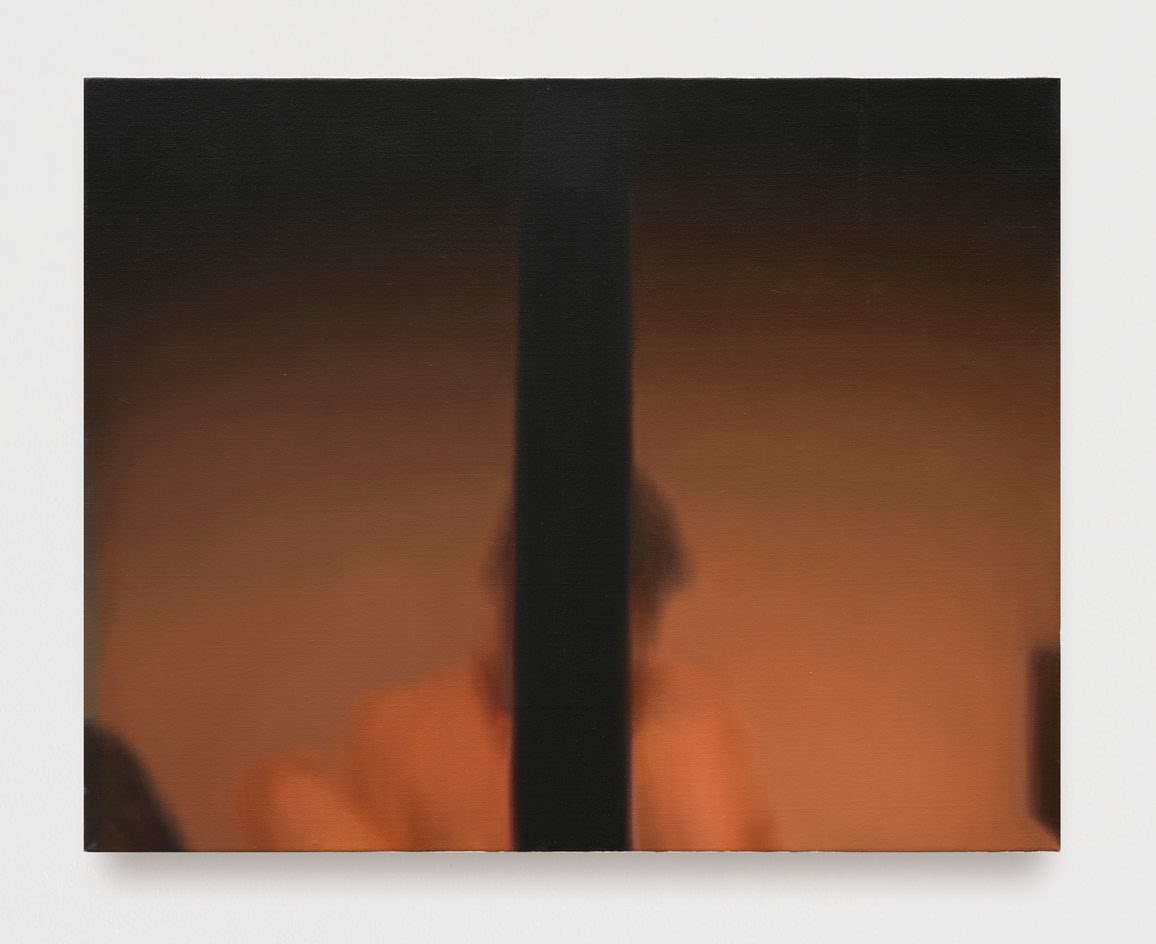
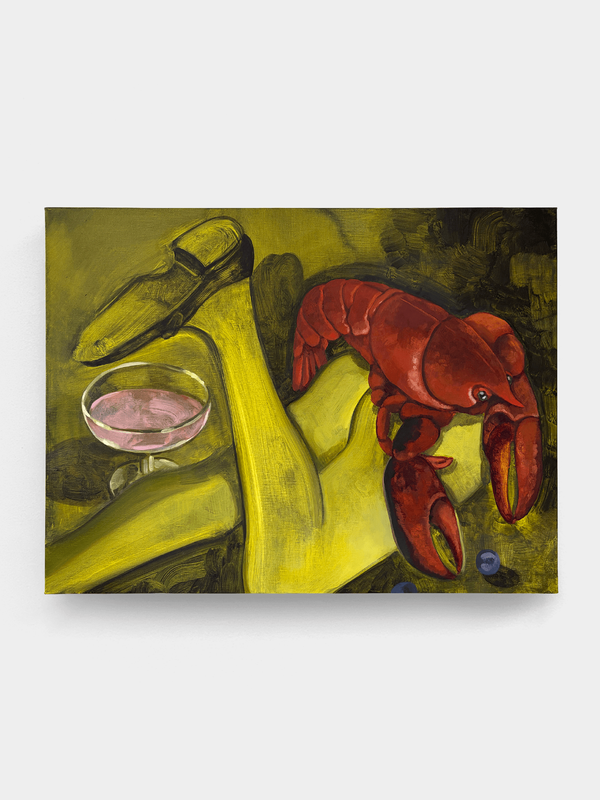
In Ezzo’s photographs, ordinary objects, fragments of bodies, studio materials, architecture, shadows, and reflections become unfamiliar, uncanny, or strangely charged. The photographs move between observation and construction, at times appearing evidentiary and at others slipping toward apparition, visual puzzle, or dream.
Within this process, the gaps between one interpretation and another become spaces where new meanings can emerge. A mistranslation by a machine, a writer’s choice about which detail to preserve, or a photographer’s response to an ambiguous image can all redirect the project in ways that could not have been predetermined. In this way, an inquiry that begins with psychic experience gradually opens onto broader questions of how people make meaning from what they cannot fully explain.
This openness extends to the exhibition’s treatment of psychic experience itself. Psychic Telephone asks what becomes possible when an experience can be taken seriously without being conclusively explained. Psychic practice emerges not only as a claim about extraordinary perception, but as a framework through which people interpret sensation, memory, fear, intuition, coincidence, and relationships with others.
In this sense, the psychic becomes closely aligned with the artistic. Both depend, to different degrees, on an ability to attend to impressions before their meaning is entirely clear—to notice associations, images, sensations, or ideas that arrive without obvious explanation and to remain with them long enough for something to take shape. Neither requires abandoning skepticism. Instead, the project suggests that creativity may depend upon temporarily withholding the demand for certainty.
Questions of perception also surface through the concept of umwelt: the subjective world constructed through an individual’s particular sensory experience. Within the project, no account remains fixed as it moves between different perceivers. What begins as one person’s experience is newly encountered by Sardy, an algorithm, and Ezzo’s camera. The project’s circular structure then carries those altered interpretations back to their starting point.
At a moment when technology increasingly mediates how images, information, and even personal experience are produced and interpreted, Psychic Telephone places seemingly disparate forms of transmission alongside one another, ultimately proposing mystery not as an absence of knowledge, but as a condition within which perception, imagination, and discovery can occur. By allowing certainty to remain temporarily unresolved, Ezzo and Sardy create space for experiences that cannot be neatly classified and for forms of understanding that emerge precisely because no single person, medium, or system has the final word.