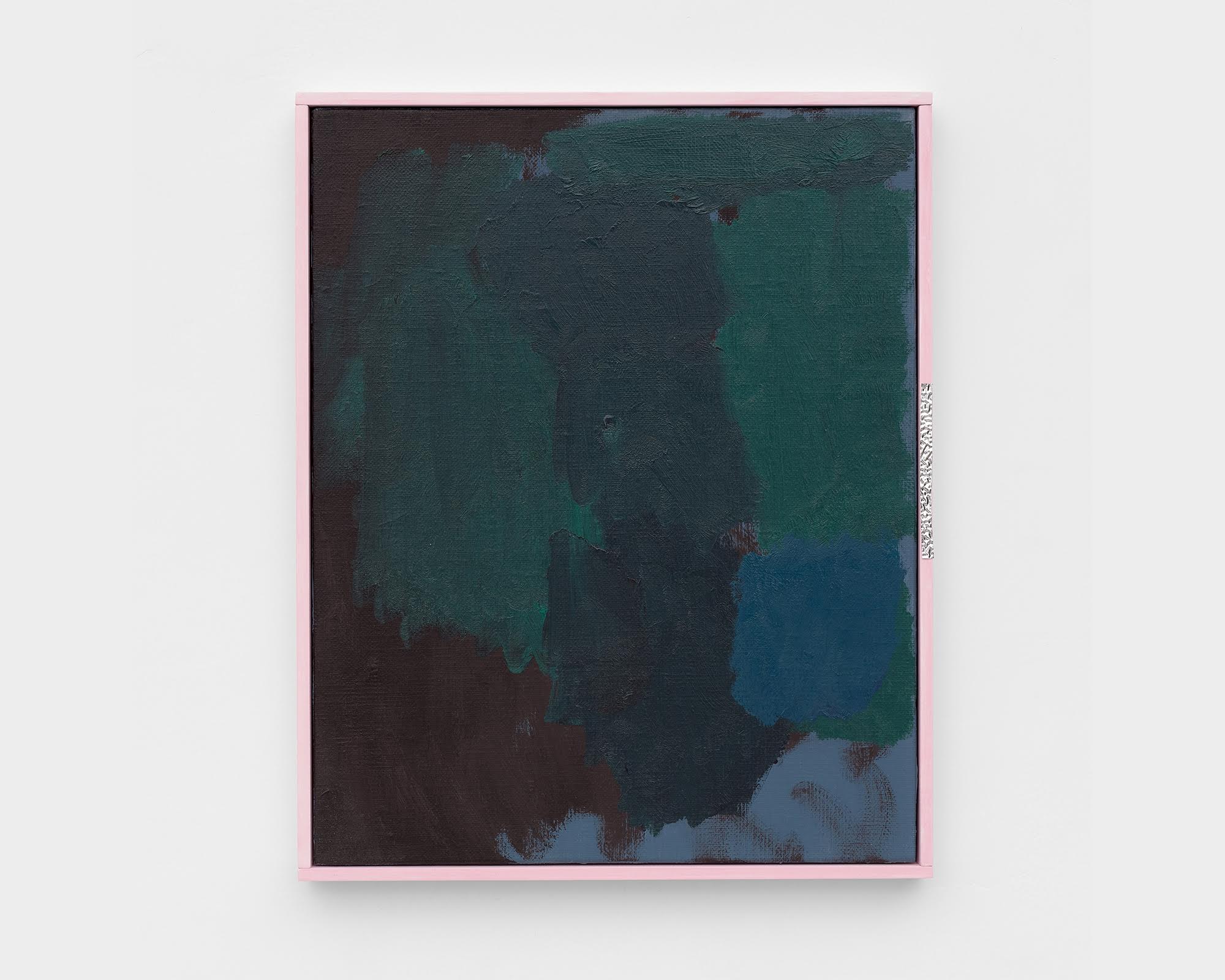
Through Jan 9
Emergent Phenomena
Nov 4, 2026 – Jan 9, 2027
Anni Albers, Richard Artschwager, Tauba Auerbach, Felipe Baeza, Glen Baldridge, Lee Bontecou, Abraham Bosse, Louise Bourgeois, Vija Celmins, Bruce Conner, Tacita Dean, Eugène Delacroix, Peter Doig, Tara Donovan, Albrecht Dürer, Nicole Eisenman, James Ensor, Amelia Akiko Frank, Francisco de Goya, Ann Hamilton, Stanley William Hayter, Grégoire Huret, Jasper Johns, Wassily Kandinsky, Brice Marden, Marisol, Chris Martin, Roberto Matta, Peter Thomas Mayer, Julie Mehretu, Linn Meyers, Martin Puryear, Krishna Reddy, Susan Rothenberg, Peter Paul Rubens, Analia Saban, Katia Santibañez, Richard Serra, Kate Shepherd, James Siena, Kiki Smith, Sarah Sze, Richard Tuttle, Terry Winters, Daniel Zeller, and one Unknown Artist
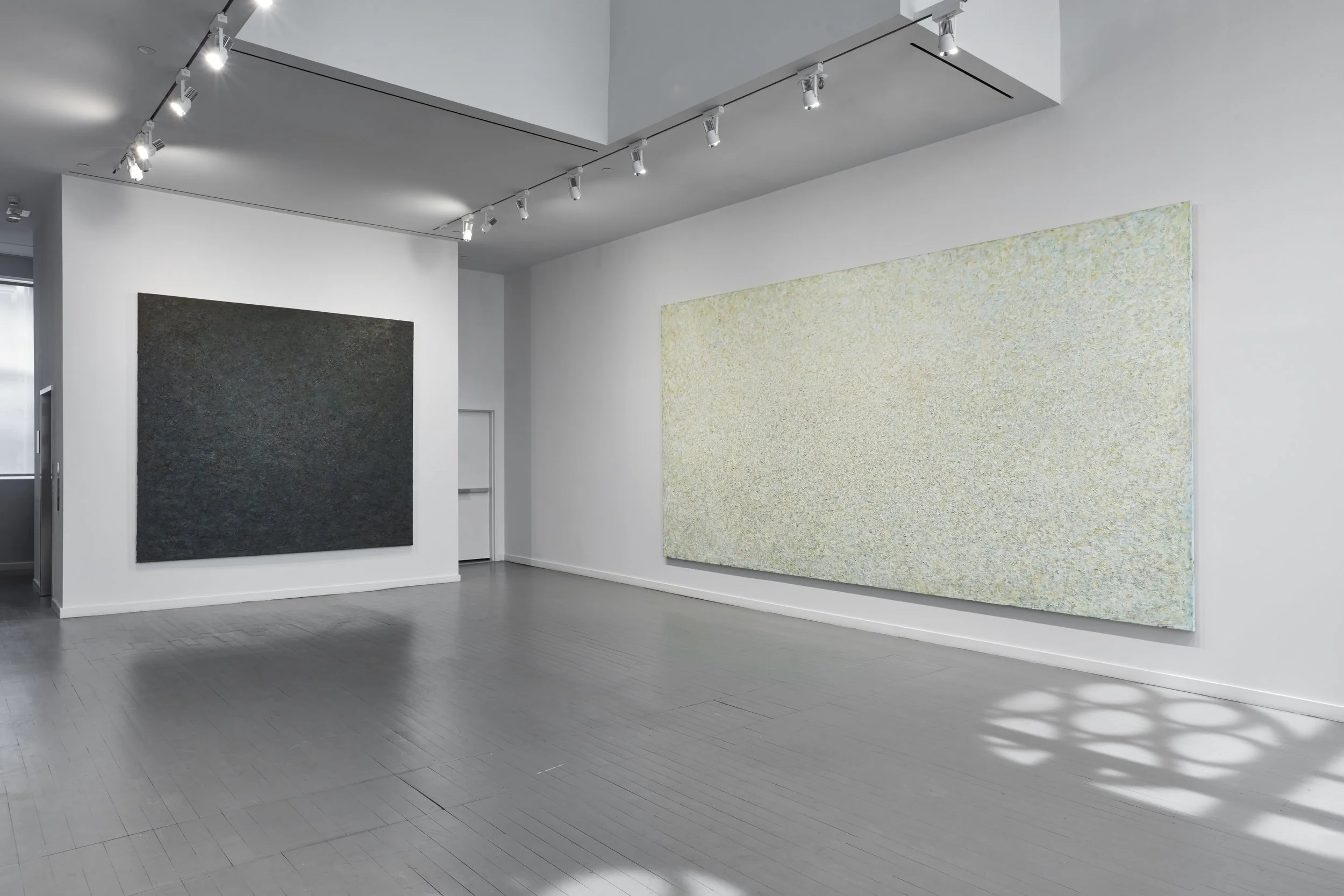
Kim and Gupta Gallery presents Emergent Phenomena, an ambitious group exhibition of prints curated by Chris Santa Maria. This exhibition brings together works by 46 artists, editioned with over 20 publishers and master printers, across a wide range of printmaking media spanning nearly 400 years.
Scientists use the term "emergent phenomena" to describe large-scale patterns that arise from innumerable interactions between smaller parts. A flock of birds, a weather system, or a growing crystal has properties that none of its individual components possesses alone. Emergent Phenomena also explains a quieter kind of wonder: why visual similarities exist between seemingly disparate objects. From the air, canyons resemble frozen crystals. Waves on the sea move like the wind that flows over dunes of sand. Mushroom spores are structured like the scaffolding of the cosmos.
Emergent Phenomena takes that resemblance as its starting point. The exhibition is drawn to the moment an image recalls an archetypal, primordial, or even mystical and spiritual forms. As nature sorts all of its beauty and chaos by obeying a complicated set of infinitely repeatable rules, this exhibition proposes that printmaking itself offers a parallel understanding through the multiplicity derived from the singularity of a printmaking matrix. The tradition of printmaking as a means to copy and disseminate information is its own form of cultural emergence, a means of making our histories visible.
The installation is built to mirror its subject. Rather than grouping works by artist, time period or technique, Emergence lets connections form through visual echoes of shape, texture, rhythm and process. Etchings, lithographs, woodcuts, screenprints and other processes sit side by side, so that the pattern of the whole extends beyond the individuality of each print. As curator Susan Dackerman explains, exhibiting old and new prints side by side “allows us to see their historical connections and entanglements by exploring themes that have been fundamental to artistic expression for centuries.”
The artist Bruce Conner described a related aim when explaining why his works often carried no name or moniker. He wanted art to be met on its own terms:
“I like the works to be seen as phenomena. It’s one of the reasons you don’t see a signature. I don’t want the signature to predispose you as to an attitude about what this is. And that if it looks like it came out because of a chemical reaction, whether it’s a mineral event or whatever, or whether it’s by somebody who you’ve never heard of before, I want that piece to be seen on that same level.” -Bruce Conner, artist
That openness runs through the exhibition, and viewers are invited to encounter each image before its attribution.
Curator Hans Ulrich Obrist has written that an exhibition makes it possible, through arrangements, associations, connections and wordless gestures, "to speak." Emergent Phenomena is offered in that spirit: a conversation among prints across generations, conducted not only in what each image says but in the patterns that appear between them.