Ended Aug 12
Hypervision
Jun 29 – Aug 12, 2023
Artists: Sascha Braunig, Sara Cwynar, Cameron Martin, Matthew Metzger, Raha Raissnia, Stan VanDerBeek
Sascha Braunig, Sara Cwynar, Jeremy DePrez, Cameron Martin, Matthew Metzger, Raha Raissnia, Stan VanDerBeek
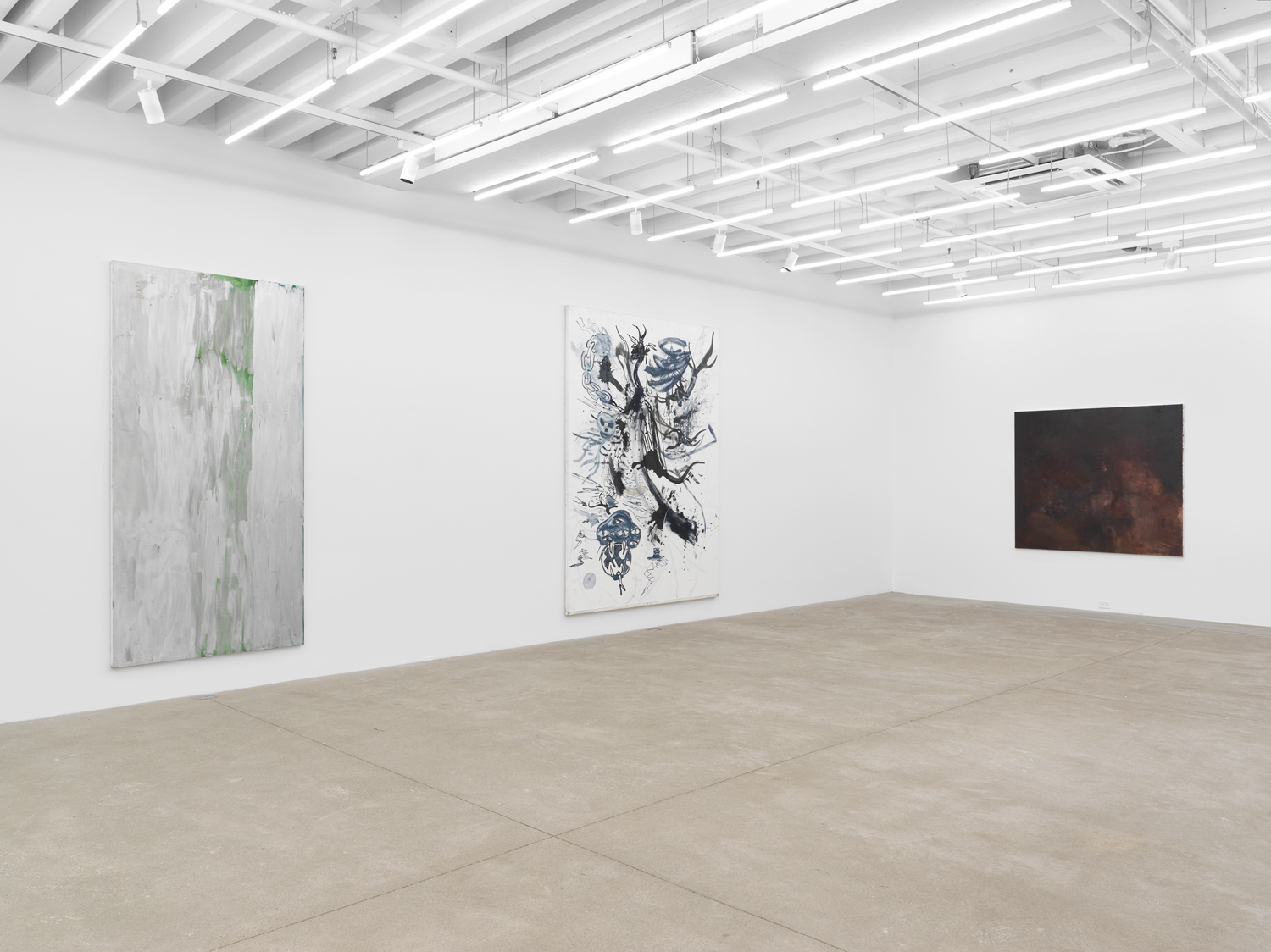
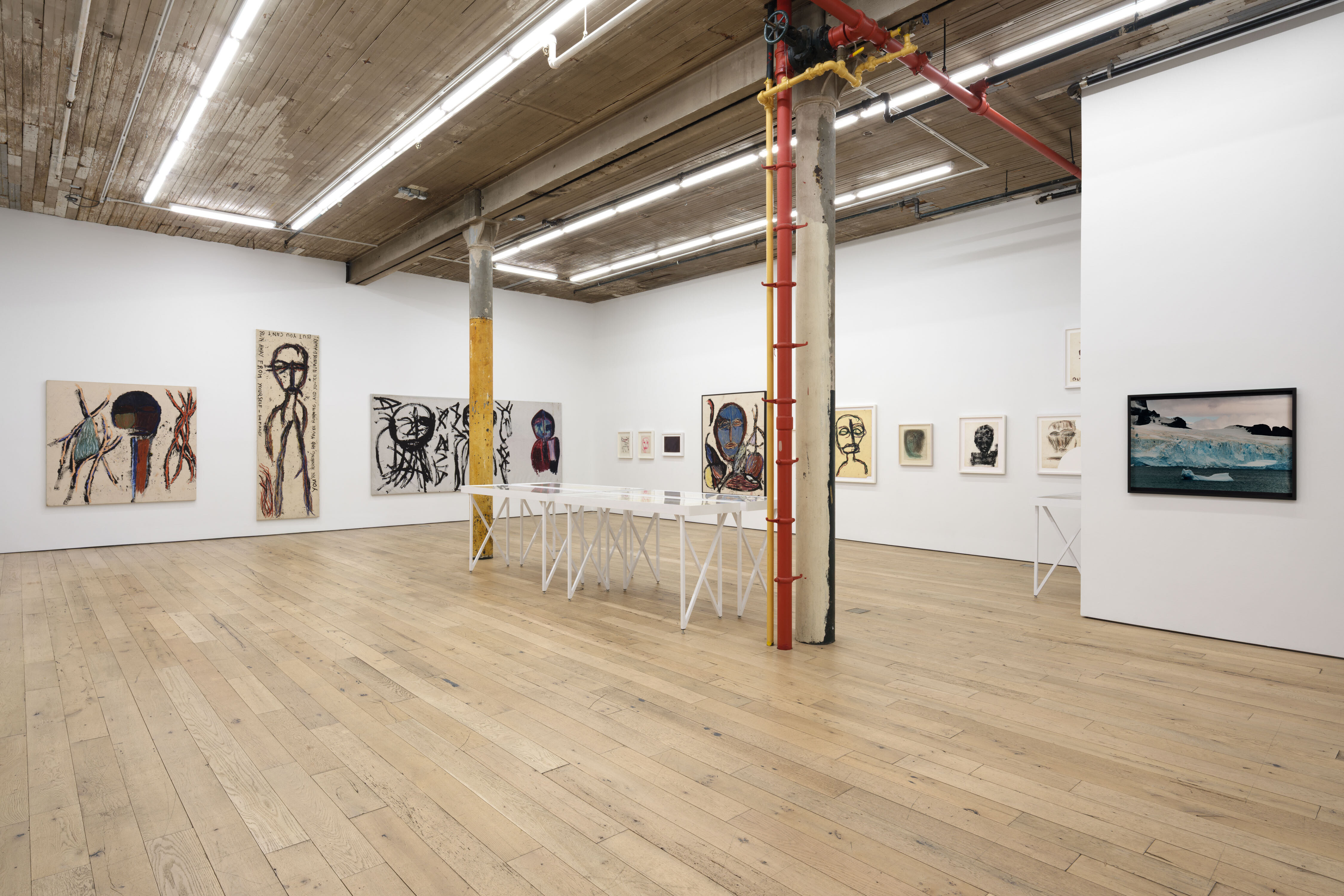
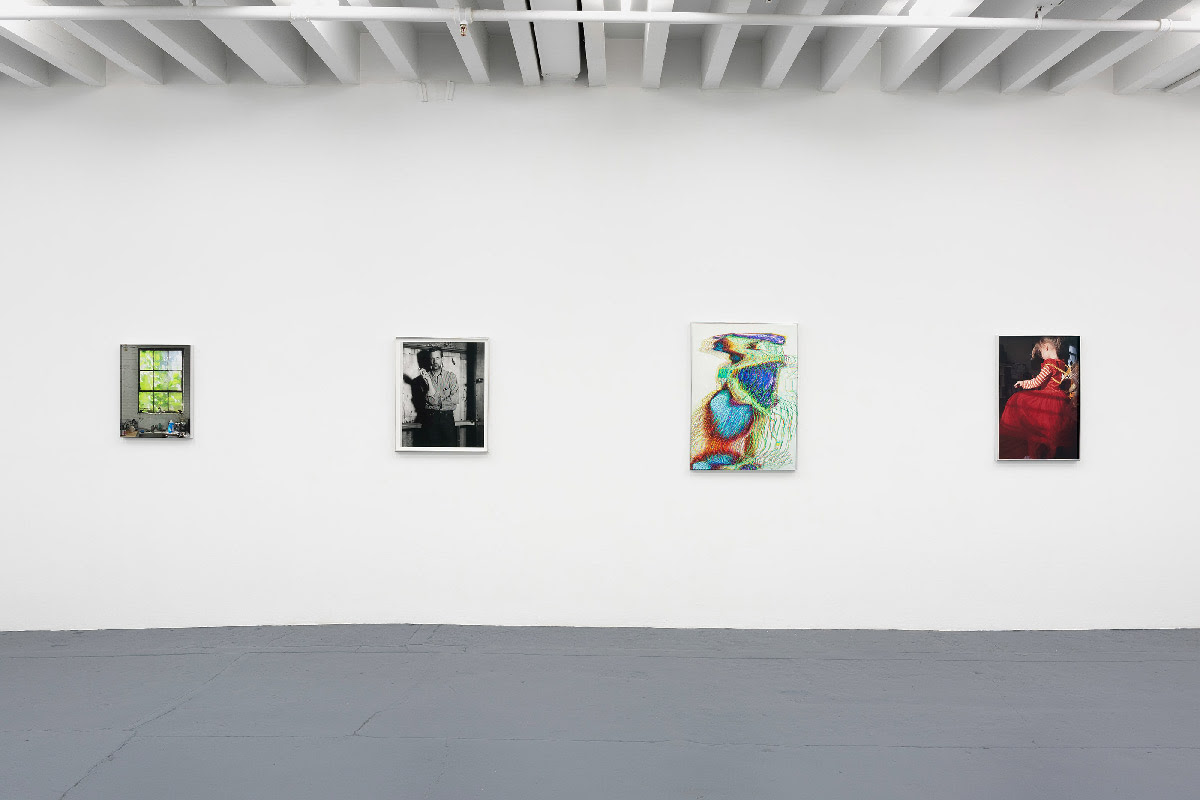
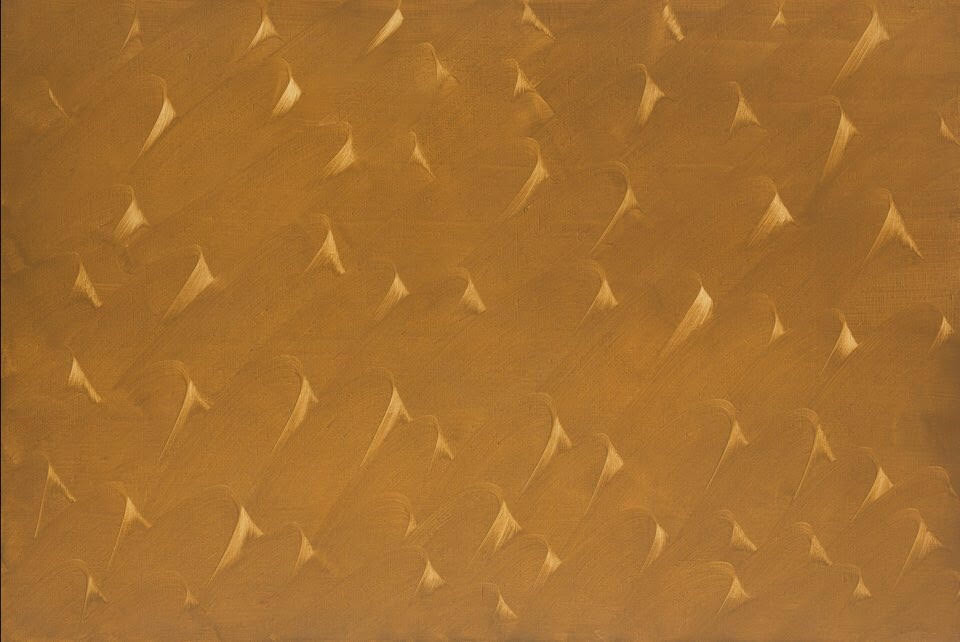
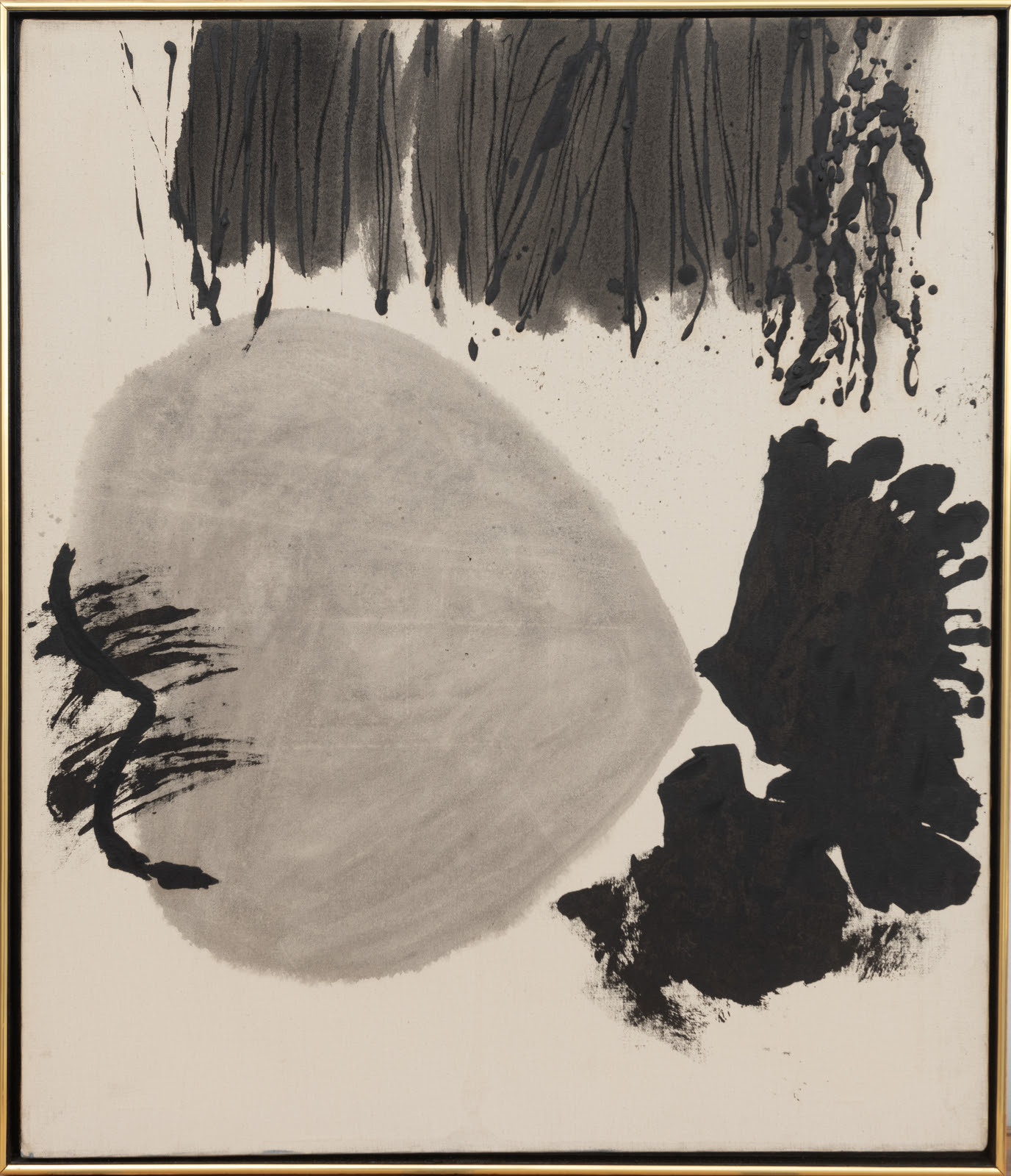
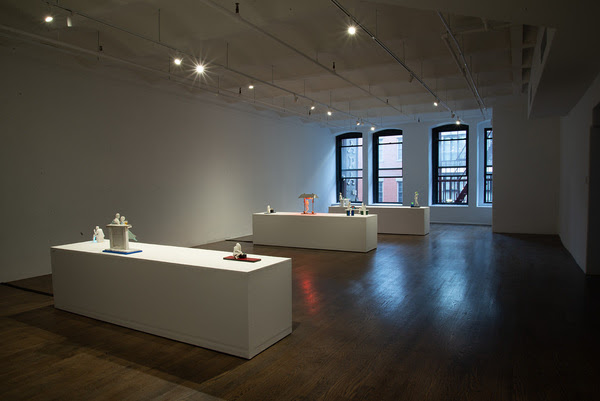
Magenta Plains is pleased to present Hypervision, a group exhibition of paintings, photography, and collage exploring the mechanics of vision and the overburdening of our sensory apparatus in the increasingly dense, complex and important digital informational environment we live in today. Each of the artists included in this exhibition engage “looking” at the intersection of long-standing compositional strategies from traditional artistic disciplines and the advent of new technology designed to alter and expand our modes of perception. Considering the conditions of power and subjection in ‘the gaze’, illusion and realism, optical devices and patterning, photographic and imaging advances, and information ecology, Hypervision brings together a suite of works which suggest various pathways for how we negotiate the shift to technology in our visual culture.
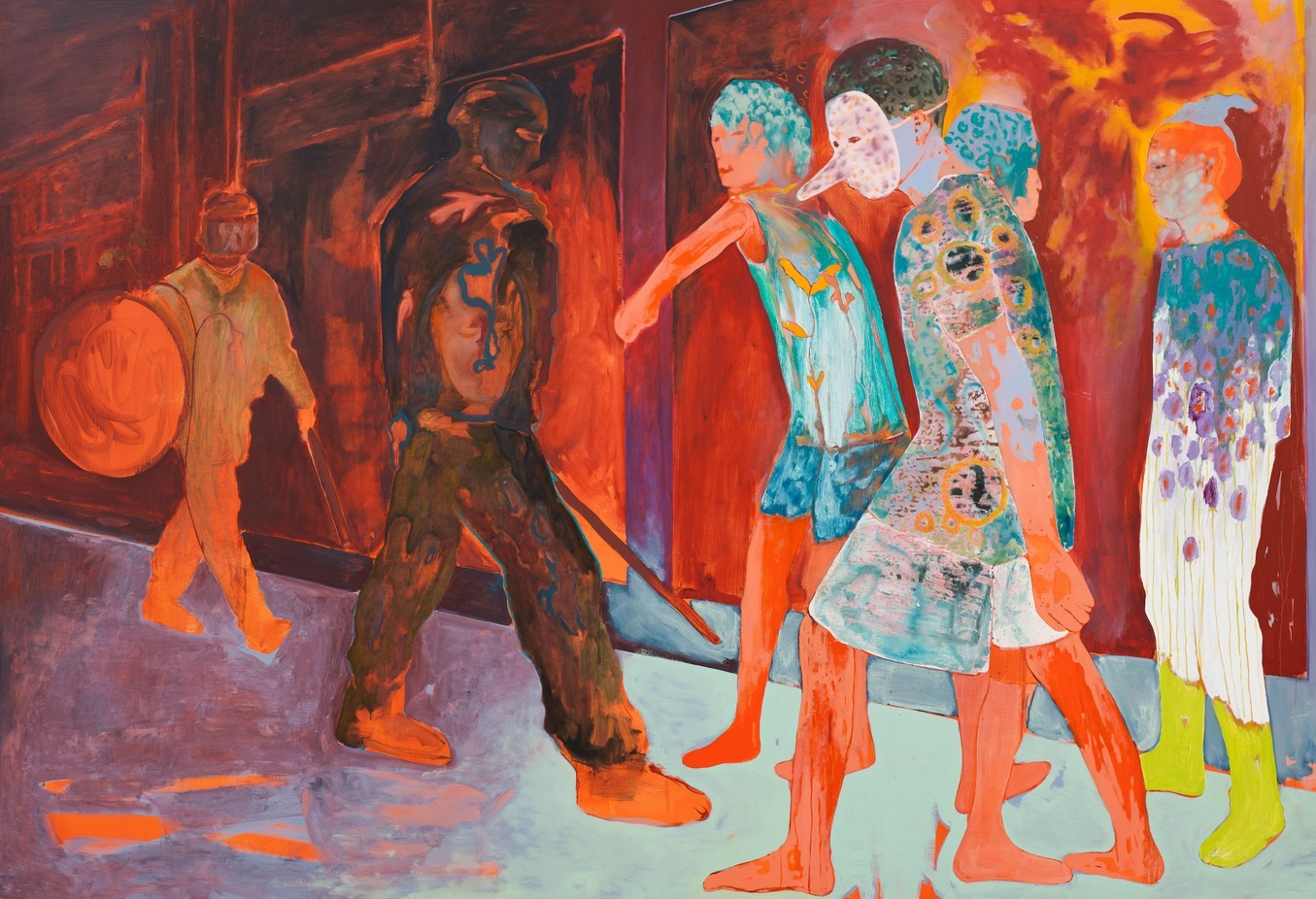
Stan VanDerBeek’s (b. 1927, New York, NY) unique work on paper, Untitled (1978-83), is a prime example of his interest in the gaze as related to gendered advertisements as well as optical illusions. Depicting a female form in pastel, marker, and collage on Ben-Day dotted billboard paper with a pastoral line drawing across a woman’s facial features, the image speaks to the enigmatic overlay of technology compacting our day-to-day and the utopian humanism the artist so frequently espoused. Similarly figurative, Matthew Metzger’s (b. 1978, Chicago, IL) photorealistic painting, Still (2021)—a profile of a mannequin form in the style of a photo negative—relates the corporeality of a human to advances in medical imaging. While imbued with an uncannily anatomical aspect, the painting at once emphasizes its explicit artificiality, armless and empty. The controlled realism with which Metzger paints erases any expression of the brush, rendering the plasticity of the paint indecipherable while simultaneously highlighting its synthetic form. A cinched dress-form in latticed orange suggests the outline of a body crushed by the pressures of traditional femininity and delicacy in Sascha Braunig’s (b. 1983 Qualicum Beach, BC) Antennae (2023). Braunig’s relationship to patterning and Op illusion is apparent in the vibrant undulating background, while the depersonalized armature calls to mind robotics or the disembodiment of immersive technologies. As with most of Braunig’s paintings, a light source from “offscreen” theatrically alludes to clay modeling and animation.
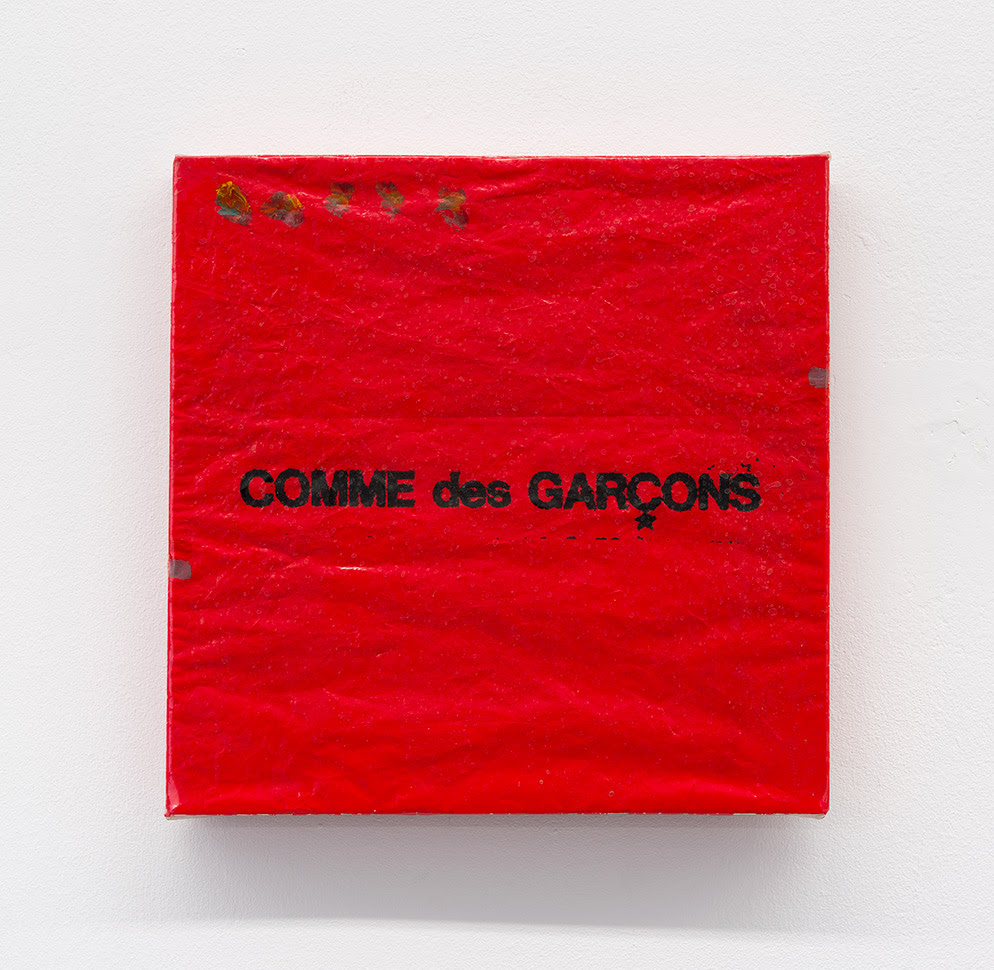
Meanwhile, Jeremy DePrez (b. 1983, Portland, ME) engages in a transmutative process in his painting, bringing three-dimensional objects into the two-dimensional world. Patterns, forms, and colors flatten multifaceted objects into single, trompe l’oeil planes. His painting, Y.S.T.S. (2021), distorts a grid pattern generating the effect of a diagnostic tool detecting visual disturbances, marking an independent visual form internalizing the essence of its source. Sara Cwynar (b. 1985, Vancouver, BC) is interested in the way that images accumulate, endure, and change in value over time. Her visual assemblages meditate on how vernacular images shape collective world views, and how those ideals can change through time and contextual manipulation. Her conceptual films and photographs juxtapose old and new, analog and digital, nostalgic and futuristic, recontextualizing found obsolete objects and photographs that recall vintage ads and catalogs. Raha Raissnia’s (b. 1968, Tehran, IR) painting Ichor (2015), is borne from the artist’s long-standing dialogue between the modes of still and moving image, blending visual tropes from temporal and experiential conditions. Raissnia’s densely textured work draws in equal measure on the gestural and photographic, the figurative and abstract. As her films render these boundaries ambiguous through layers of manipulation and reference, so too does her two-dimensional work present a world that contains aspects of both but belongs properly to neither. Rather than deferring to gesture, however, Raissnia orchestrates these scapes by steadily tracing a configuration of intersecting vectors in space. Cameron Martin’s (b. 1970, Seattle, WA) paintings feature overlapping and undulating forms in varying transparencies, patterns, and geometries, producing visual phenomena that tap into histories of abstraction and present-day digital interfaces. Using a vivid chromatic palette, Martin meticulously applies paint to the canvas using techniques that intentionally complicate the distinction between the handmade and the mechanical, working from the foundation of abstraction towards the possibilities of representation.