Ended Apr 28
Philip Pearlstein
Figures, Props, Objects and Other Things
Mar 8 – Apr 28, 2024
More from Philip Pearlstein on Gallop
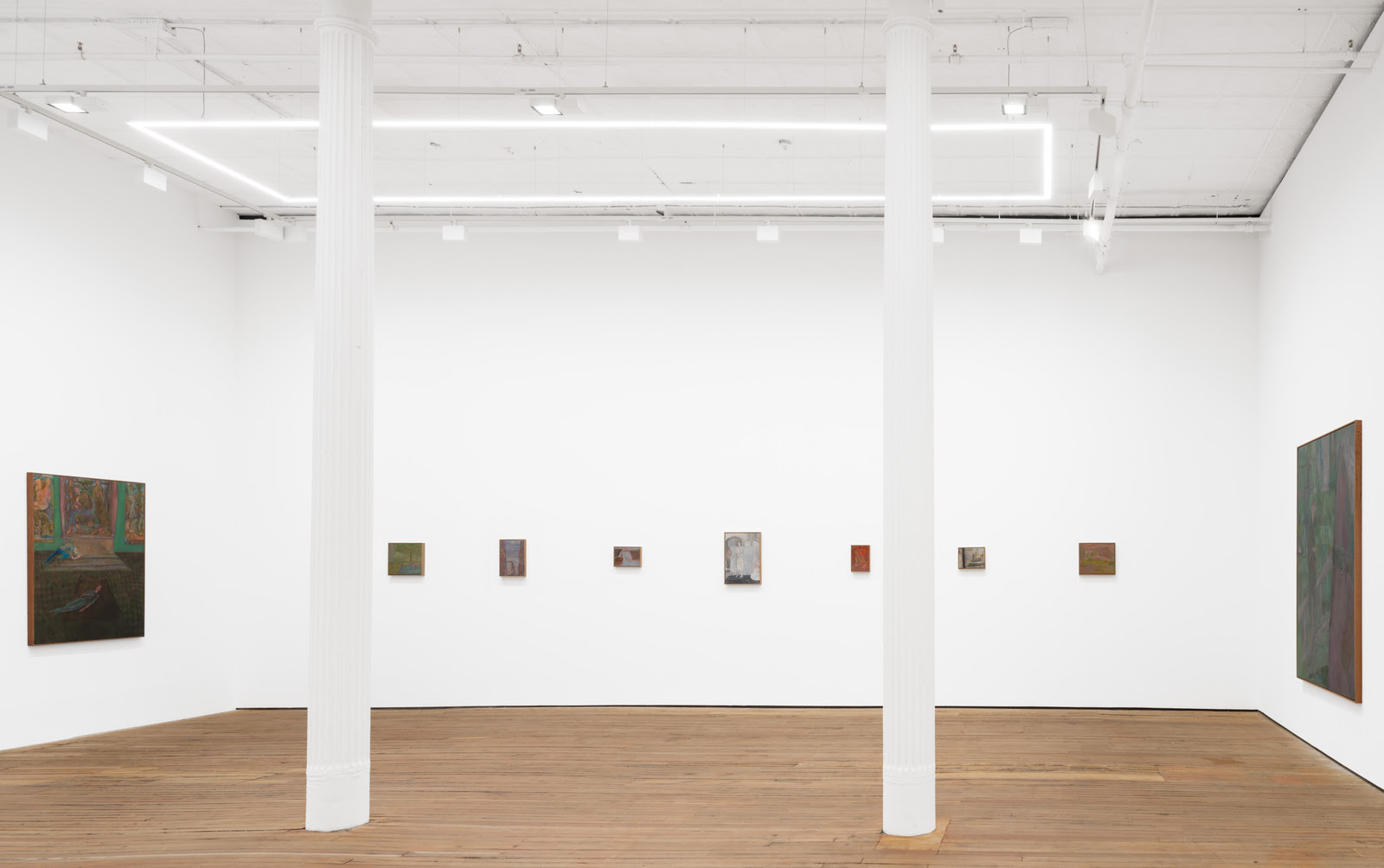
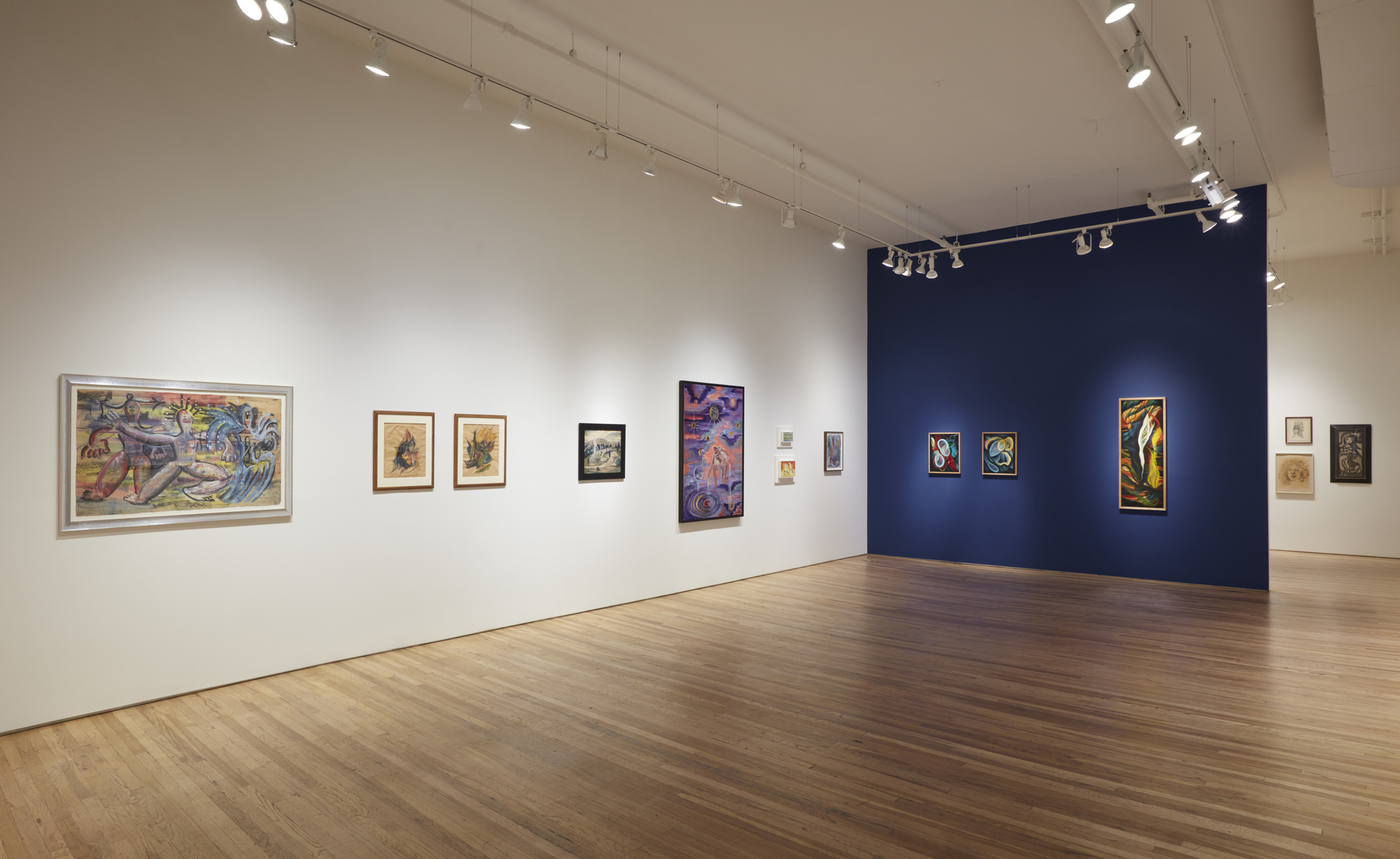
Bortolami Gallery is pleased to present a solo show by Philip Pearlstein (b. 1924, d. 2022) featuring paintings, watercolors, drawings, and other works on paper spanning 1962 to 2018. For the first time, these works are exhibited alongside his encyclopedic collection which populated his paintings; from pre-Columbian and African sculpture to Mid-century furniture and Americana. This exhibition provides a concise history of Pearlstein’s oeuvre and offers a fuller picture of this scion of contemporary American figurative painting.
Born in Pittsburgh, Pearlstein found early support for his artistic practice. After enrolling in Carnegie Institute of Technology (now Carnegie-Mellon University) in 1942, he was drafted into the Army, later finishing his studies in Pittsburgh, and moving to New York in 1949, where he shared an apartment with childhood friend Andy Warhol.
In New York, Pearlstein initially found inspiration in Abstract Expressionism, achieving critical success with his expressionistic landscapes, exhibiting at Tanager Gallery in the East Village and Peridot Gallery uptown. Yet as the 1950s progressed, Pearlstein grew disillusioned with the movement’s parameters and having his work relegated to “second generation Abstract Expressionism.” In 1958, he joined the drawing club organized by Mercedes Matter, which included the likes of Lois Dodd, Alex Katz, and Philip Guston, amongst others. It was here that Pearlstein began drawing figures from life.
Although the general turn to the nude figure marks the beginning of Pearlstein’s signature subject, he cements his mature style in 1963-64. He began applying sharp cropping, close viewpoint, a subdued palette, manifold shadows created by fixed floodlights, and steady, flat brushstrokes. In the 1970s and ’80s, Pearlstein’s style, often contextualized within the larger New Realism movement, began to fully take shape as a mélange of the traditional elements of realist painting and his depictions of the depersonalized figure as object.