Through Nov 28
Grace Chang & Amos Kang
Scenic Route
Oct 22 – Nov 28, 2026
More from Grace Chang & Amos Kang on Gallop
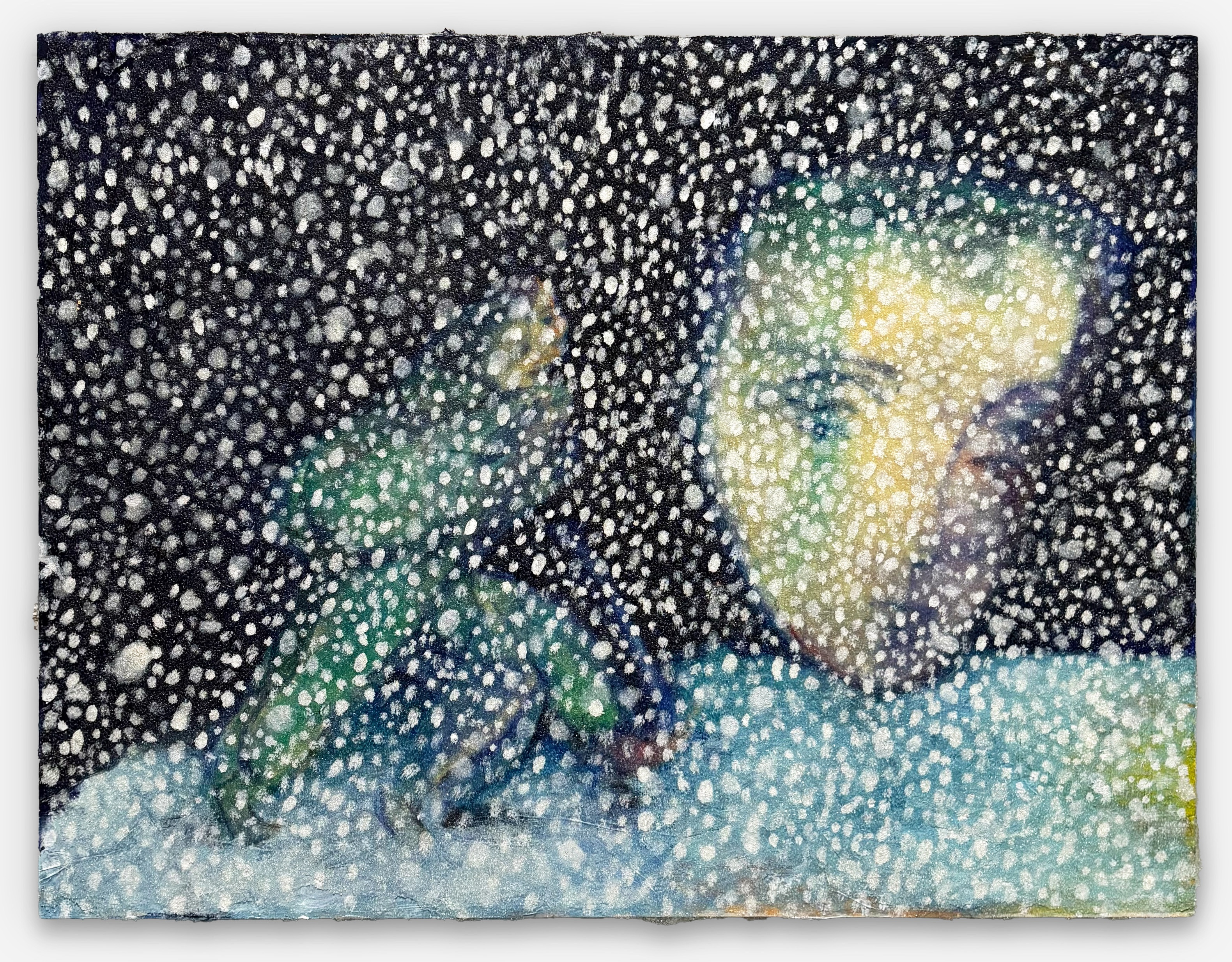
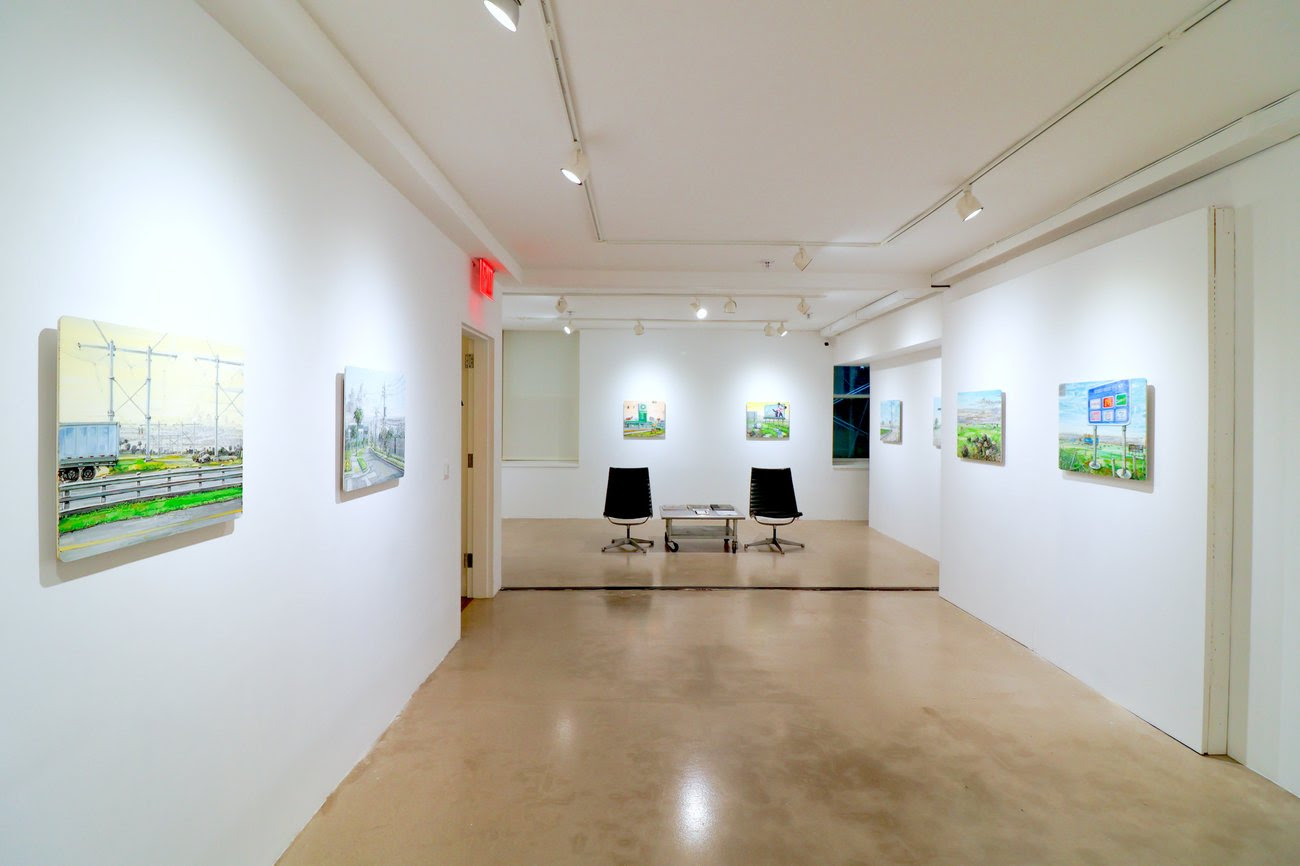
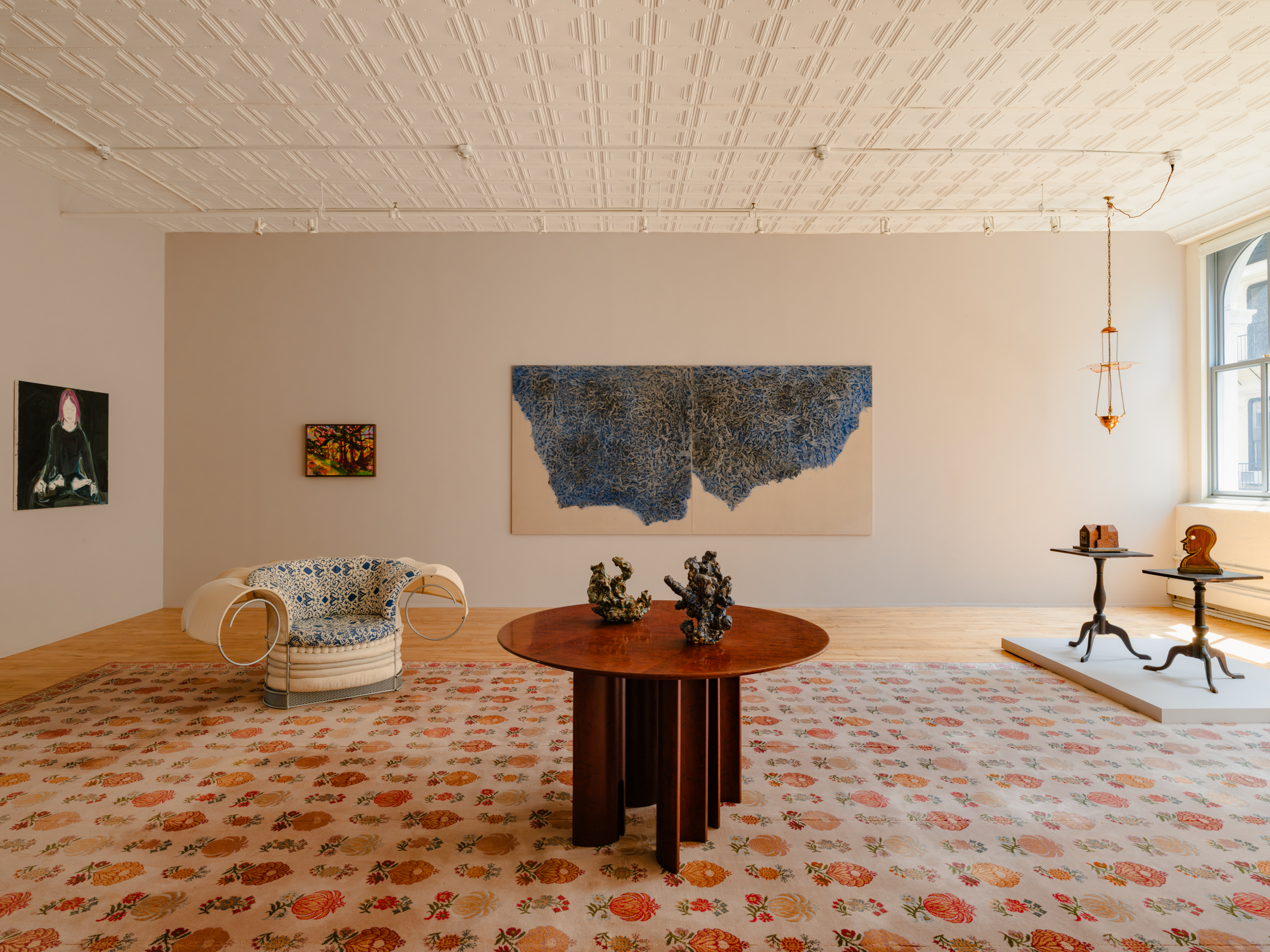
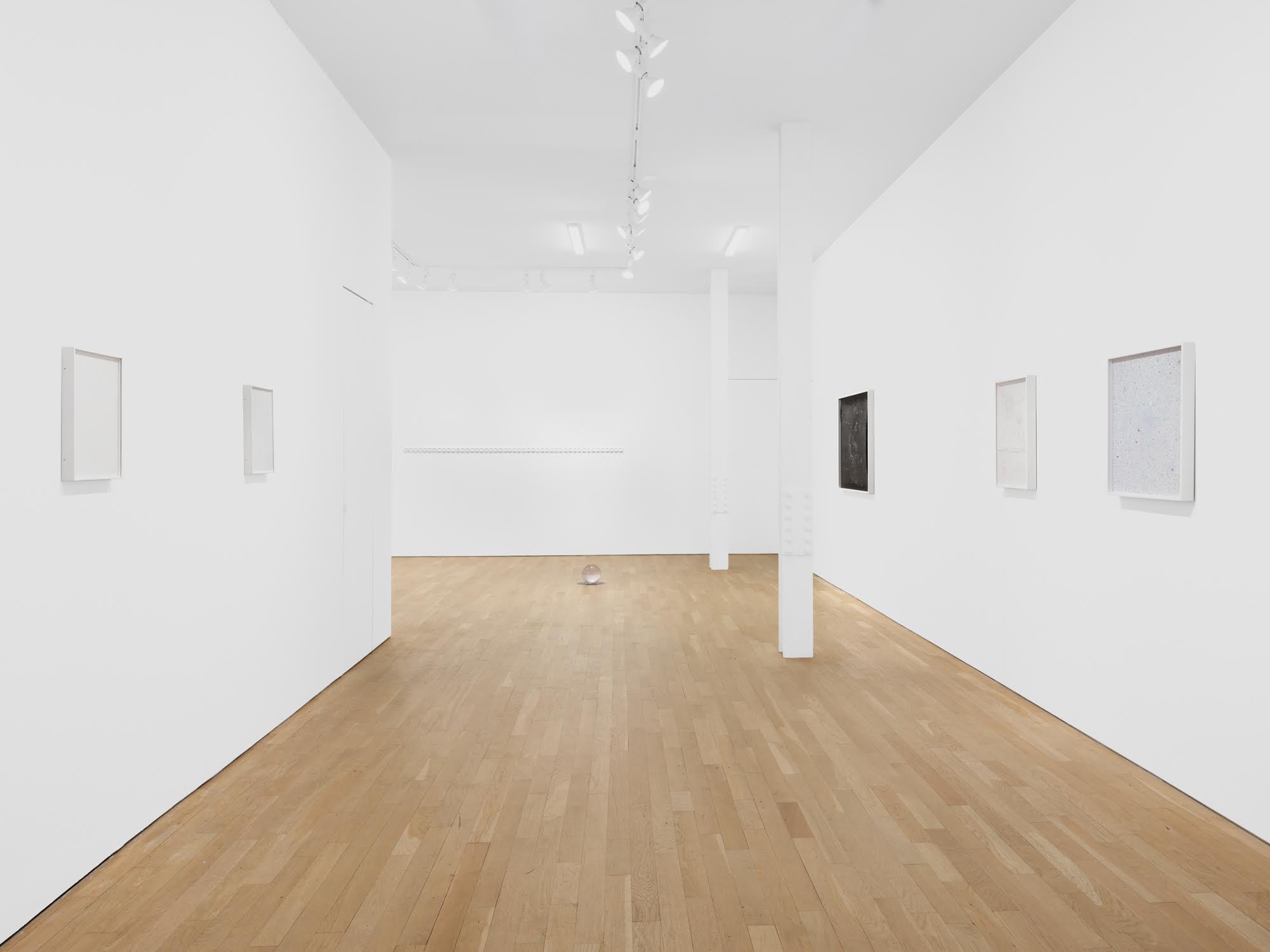
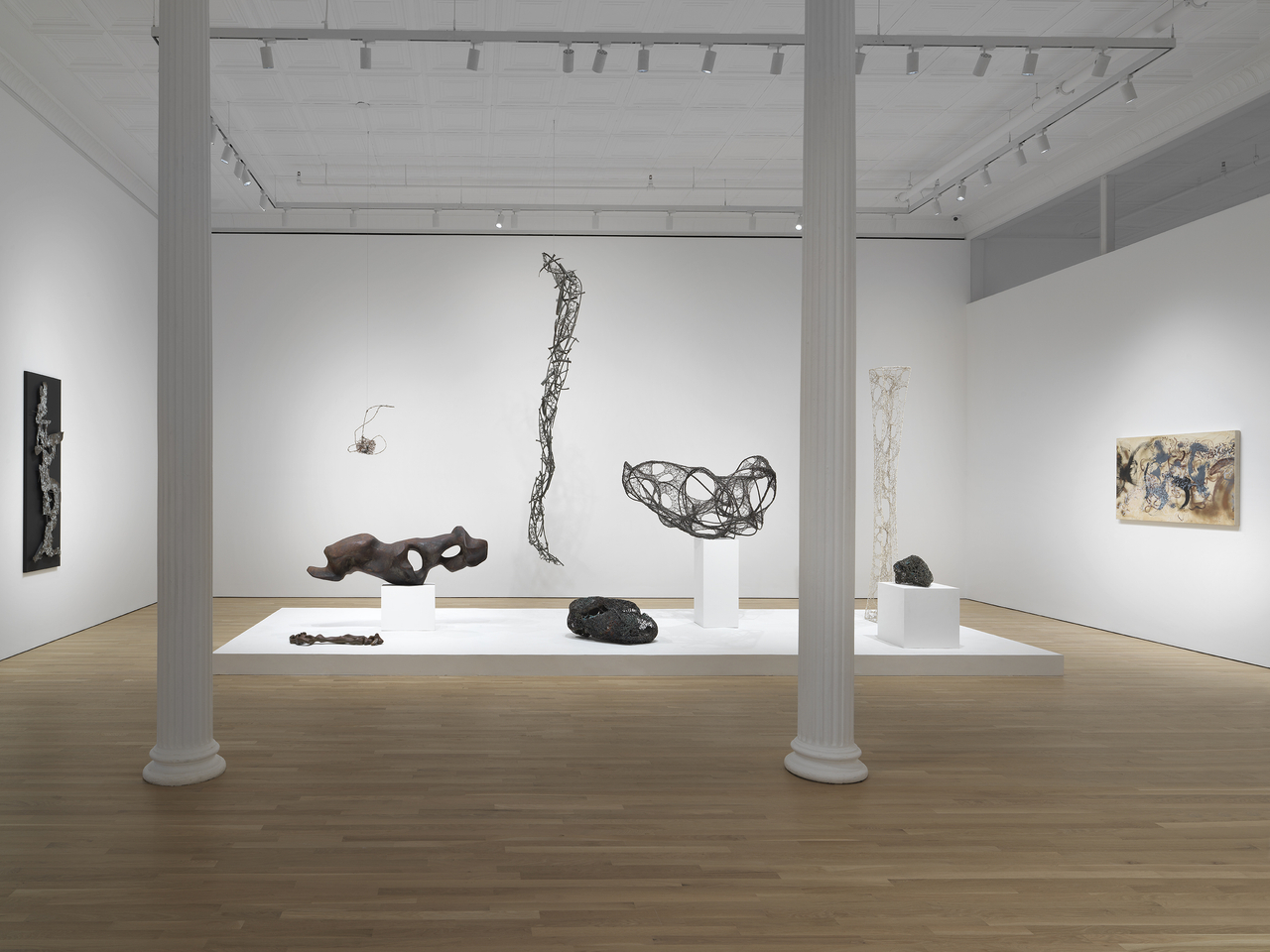
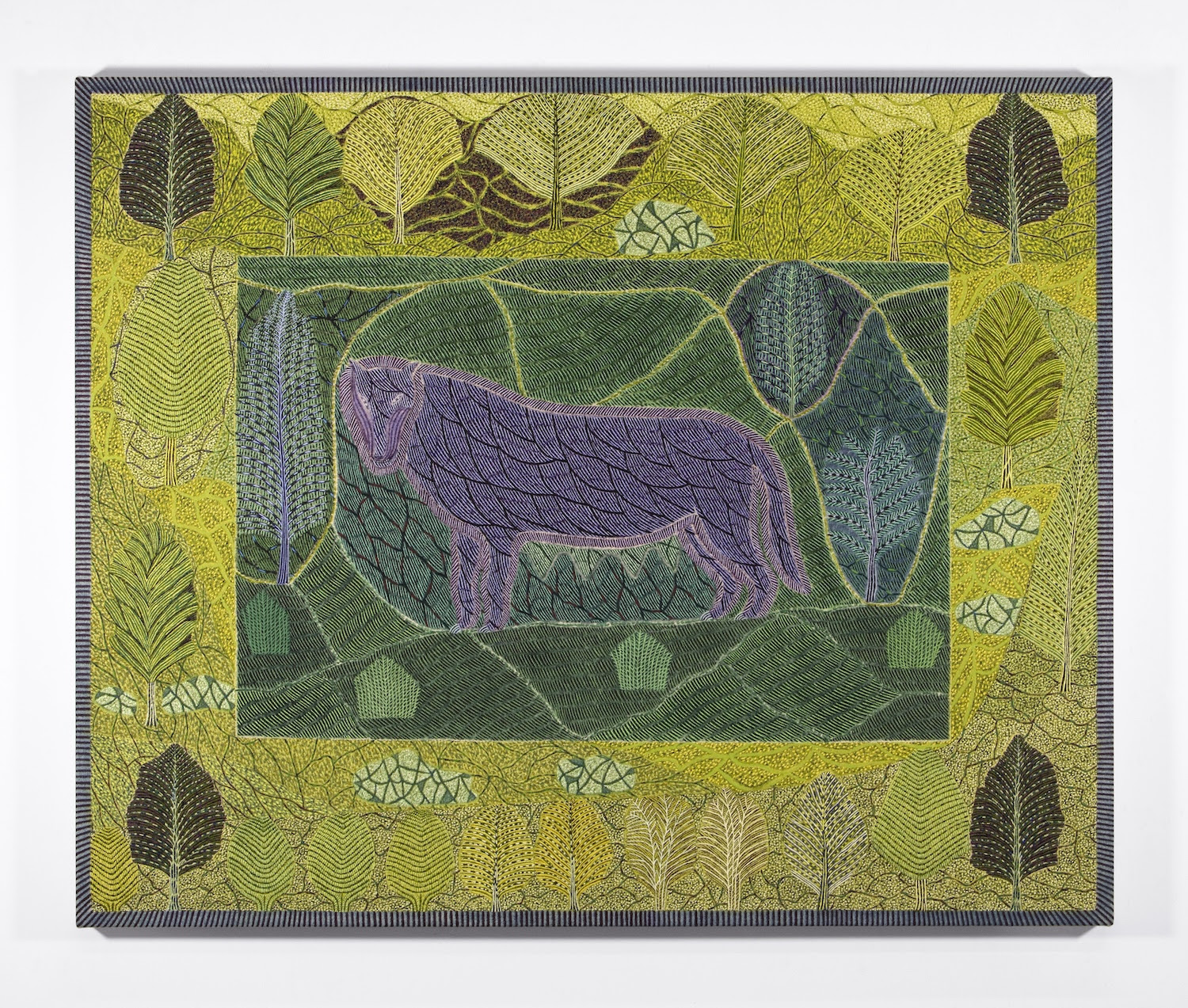
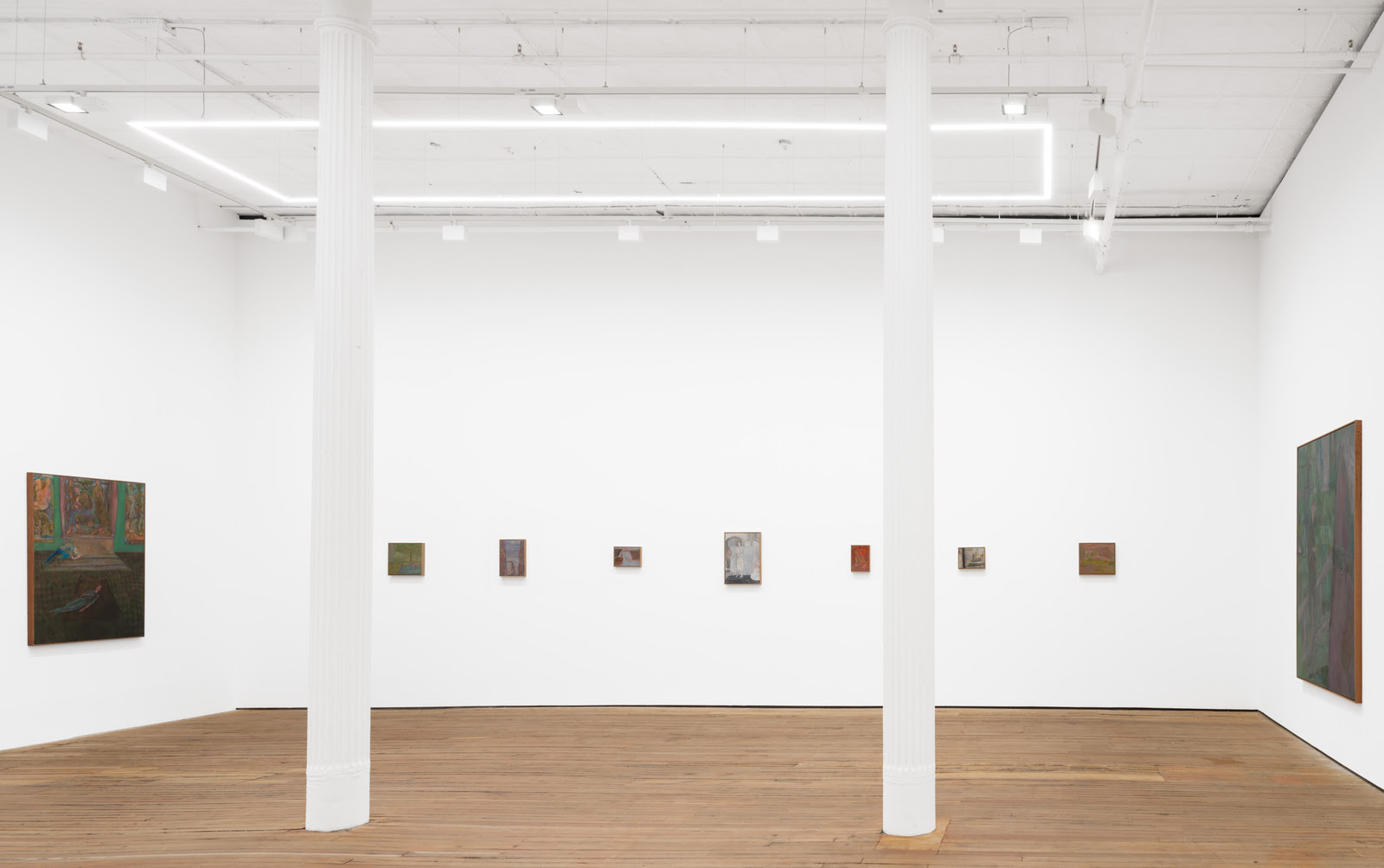
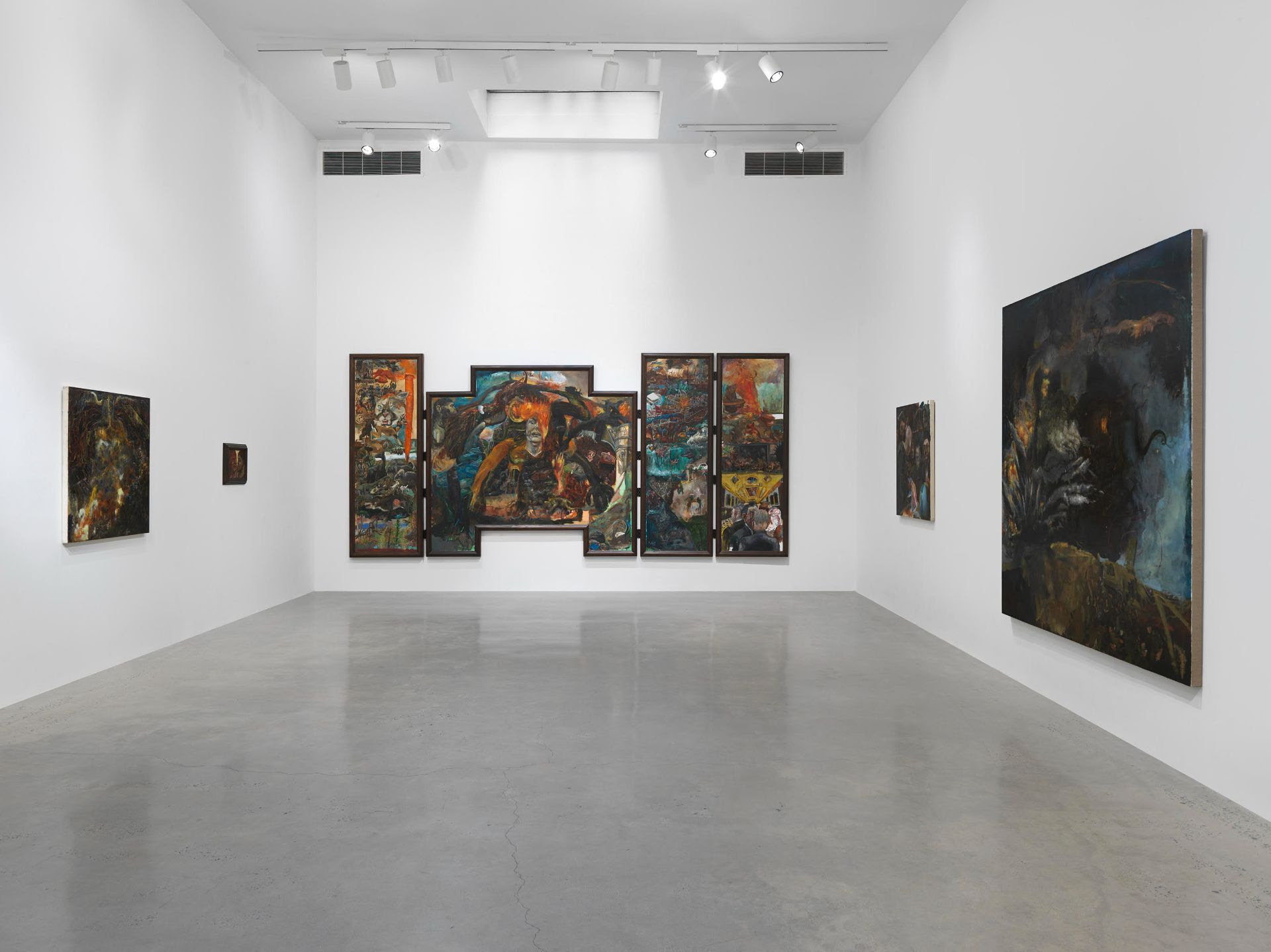
Latitude Gallery is pleased to present Scenic Route, a duo exhibition featuring new works by Brooklyn-based artists Grace Chang and Amos Kang. Through painting, sculpture, and installation, the exhibition explores the theatrical nature of storytelling, the instability of representation, and the evolving relationships between humanity, nature, and cultural identity. Drawing upon personal symbolism, popular mythology, and the material language of consumer culture, both artists construct imaginative worlds in which familiar objects acquire unexpected agency and meaning.
The title Scenic Route suggests a journey that privileges experience over efficiency, embracing the unfamiliar, the circuitous, and the seemingly incidental. A scenic route may be deliberately chosen or recognized only in retrospect, when an unintended deviation reveals its own unexpected value. “Scenic” refers to a picturesque view, but it also describes what belongs to the stage. The exhibition takes up this second meaning, approaching narrative as a kind of performance whose meaning is built as it goes and remains open to interruption and revision.
At the heart of Scenic Route lies an alternative understanding of humanity's relationship with nature. Scenic Route proposes a different understanding of how people relate to the natural world. In Dialectic of Enlightenment (1944), Max Horkheimer and Theodor Adorno took up Max Weber's idea of the “disenchantment” of the world to argue that Enlightenment reason came to know nature by classifying and calculating it, and in doing so made it available for control. Rather than treating nature as passive scenery, Scenic Route proposes a more reciprocal and enchanted relationship between human experience and the material world. Throughout the exhibition, natural forms and manufactured objects take an active part in how memory is held and how stories of place and belonging are told.
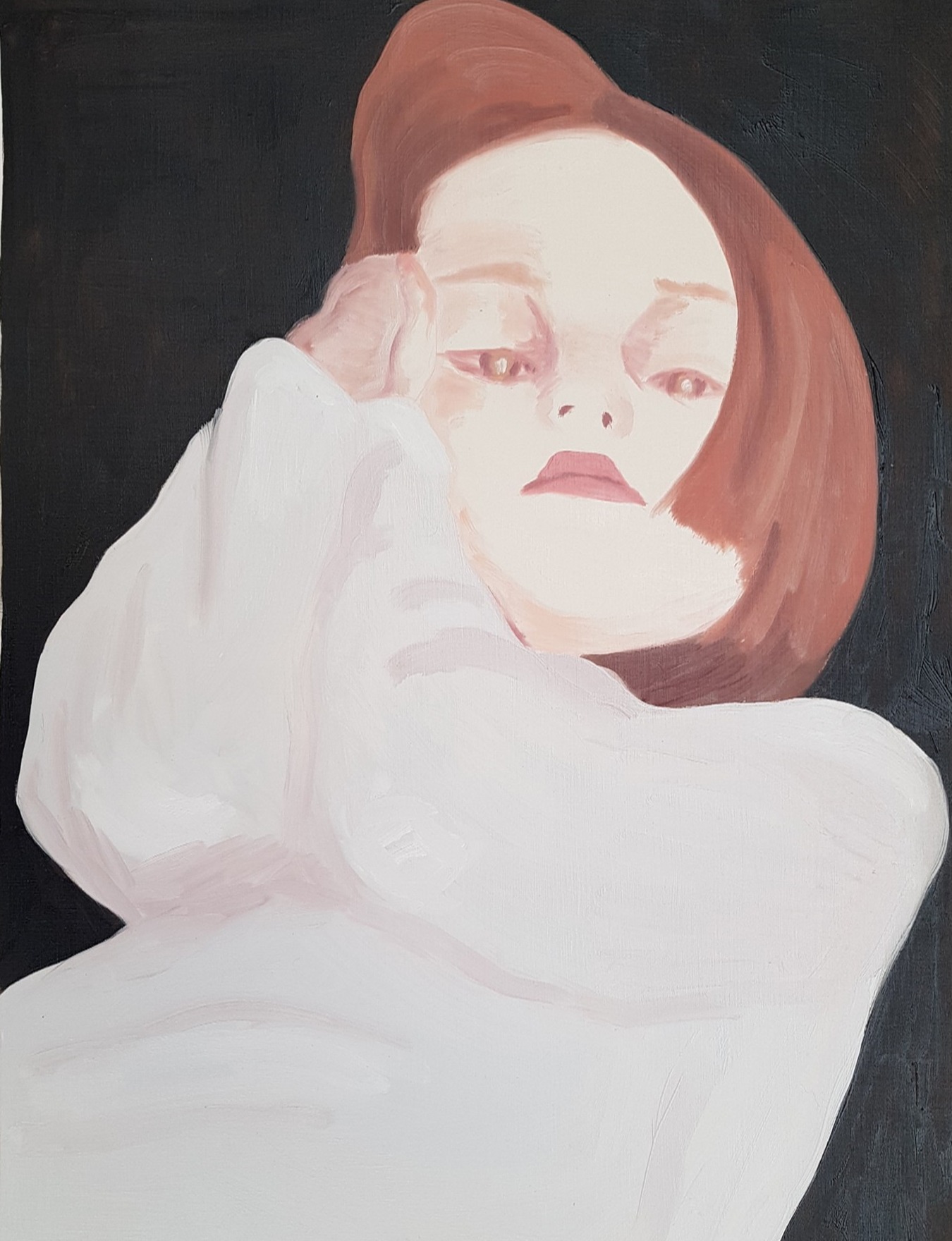
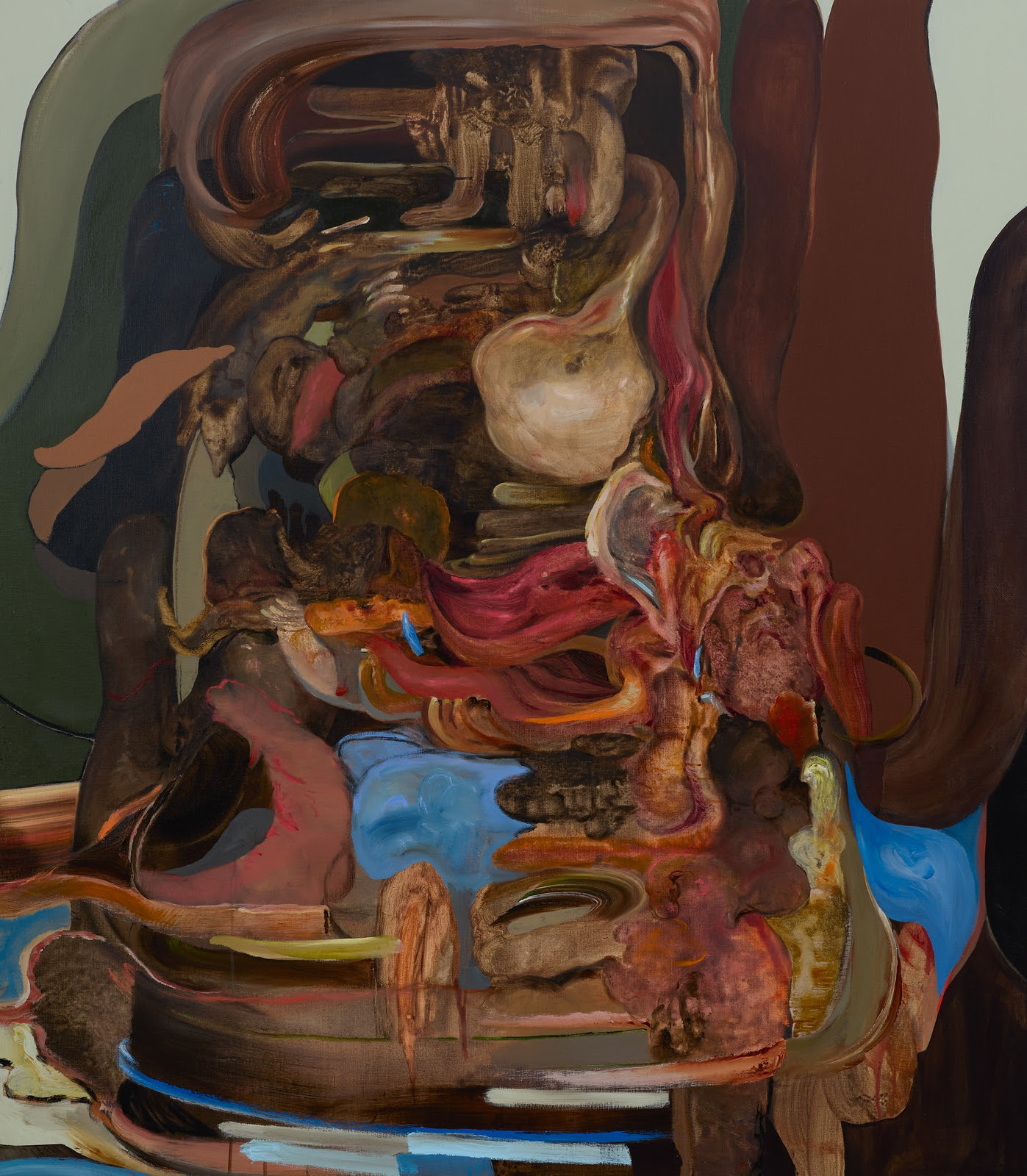
Grace Chang constructs enigmatic pictorial environments that resemble theatrical sets, where figures, objects, and natural forms occupy shifting positions within carefully staged compositions. Drawing from interpersonal relationships, emotional tensions, and personal symbolism, Chang transforms familiar gestures and materials into scenes that feel simultaneously intimate and estranged. Through flattening, distortion, and the manipulation of visual hierarchies, she challenges conventional distinctions between foreground and background, protagonist and supporting character.
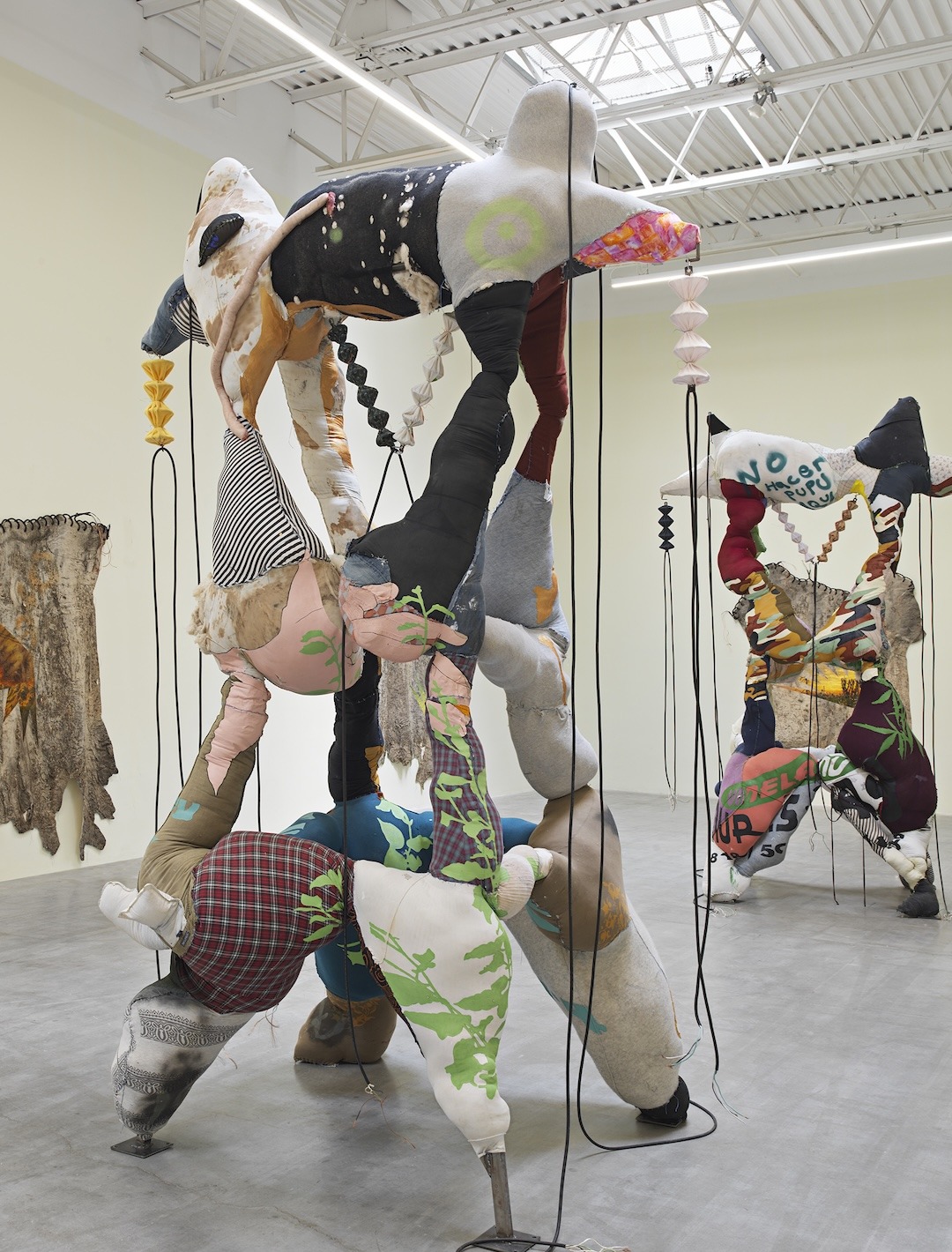
Amos Kang approaches storytelling through speculative objects and installations that draw upon East Asian visual culture, American mythology, and the aesthetics of cuteness. His anthropomorphic sculptures, often fabricated through synthetic materials and processes that imitate wood, gold, and other familiar surfaces, become performers within narratives shaped by cultural consumption, reproduction, and representation.
Although their practices differ in medium and visual language, Chang and Kang share an interest in the constructed nature of experience. Both artists treat representation as a form of staging, where objects become actors, familiar symbols assume unfamiliar roles, and narratives unfold through selective acts of inclusion and omission. In Chang's paintings, natural forms become vessels of memory and sensation; in Kang's sculptures, manufactured objects assume anthropomorphic identities that complicate conventional distinctions between people and things. Their practices invite viewers to reconsider how meaning is assigned, performed, and continually renegotiated.
Scenic Route ultimately proposes that the value of a journey may lie precisely in its diversions. In a culture increasingly oriented toward immediacy, productivity, and resolution, the exhibition offers an alternative rhythm—one that embraces uncertainty, sustained attention, and the imaginative possibilities of taking the longer way around. Through these encounters, viewers are invited to reconsider not only how stories are told, but also how humanity understands its place within a world of interconnected beings, objects, and environments.
Grace Chang (b. 1999) is a multimedia artist based in Brooklyn, New York. She received her BFA in Printmaking from RISD in 2021. Chang’s work plays with visual hierarchies by flattening and distorting figures and objects. Visual cues invoke a feeling of artifice and suggest they are more like actors and props inhabiting roles in a play, rather than literal representations. While absurdity or formal qualities such as harsh lighting might elicit an immediate (even familiar) response, the work also rewards a slow viewer with more obscured, unclear ties between the elements in each image. These reveal the initial collaging process that recontexualizes objects onto stage-like planes: folds of a plastic sheet act as a sky or backdrop in one painting, while spindles of a courting chair transform into large columns in another. The logic of depth in each piece is fickle and uncanny; it prompts viewers to bridge the gaps and imagine what kind of reality might allow some of these spaces to exist.
Amos Kang (b. 1999, NJ) is an artist based in Brooklyn, NY and has received a BFA from the Rhode Island School of Design in 2021 and is currently pursuing an MFA at Hunter College 2029. Kang, in the form of speculative objects and installations, explores East Asian cultural lexicons embodying the aesthetics of cute, investigating themes of cultural consumption and reproduction. Crafted from synthetic materials and processes like faux wood and gold, Kang creates anthropomorphized objects that serve as representations of “asianized” bodies.