

Exhibition · Mendes Wood DM
Kishio Suga
Kishio Suga
Mar 26 – Jun 5
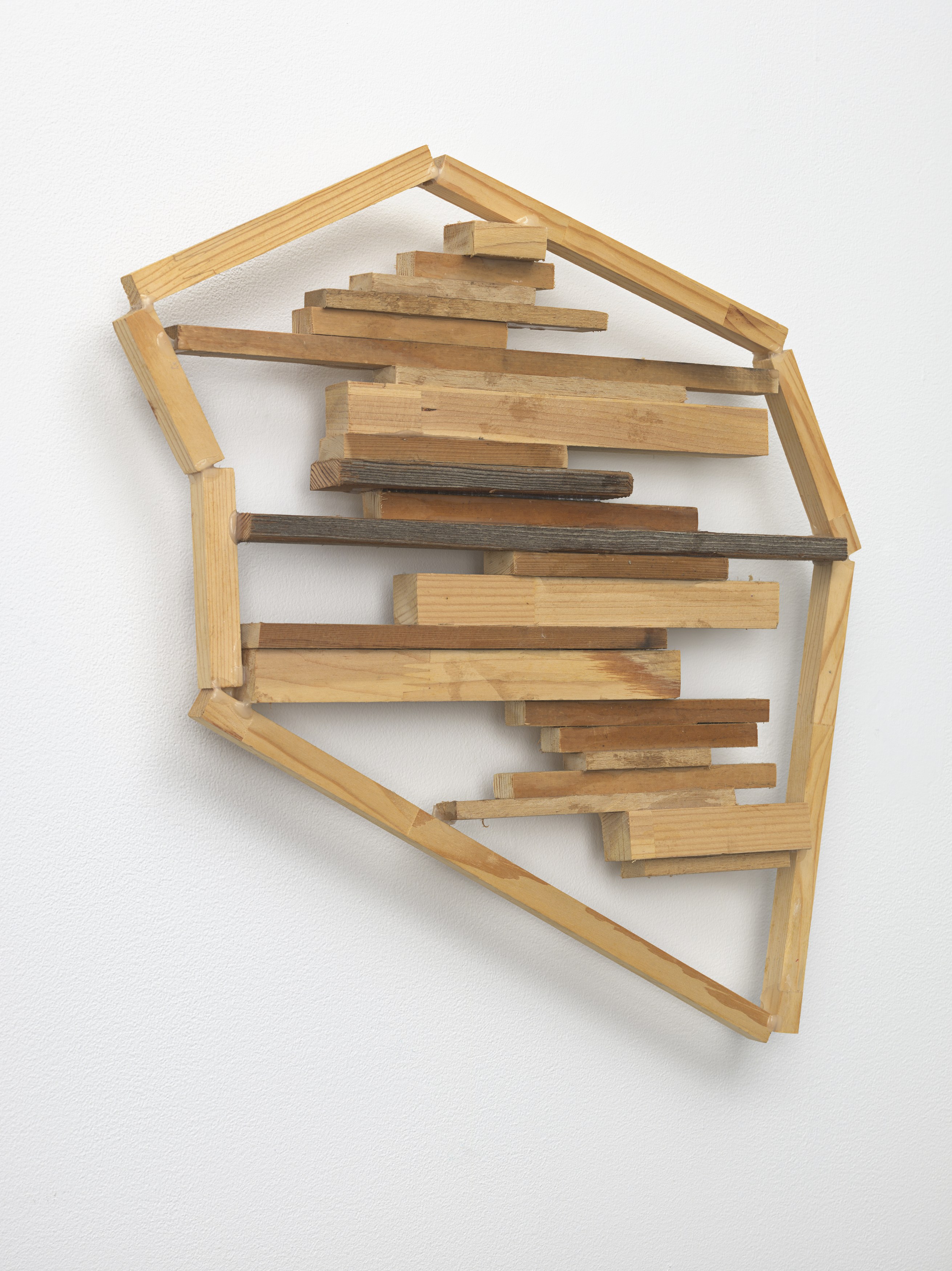
29 images · swipe
About the show
Kishio Suga is one of the most important figures of the Japanese contemporary art scene. After studying painting at the Tama Art University, from 1968 he began working with elements drawn from reality, organic or artificial. Through their manipulation, he seeks to express the fundamental nature of the world around him and to make visible the relationships between that world and the individual.
The works he develops are not qualified as installations just yet, but seek nonetheless to move beyond both painting and sculpture. They exist in an unidentified zone of practice and theory, allowing Suga to approach matter outside the constraints imposed by the anthropocentric philosophy inherited from Western thought.
Suga's practice investigates the intrinsic possibilities of matter once it is no longer regarded as inert or passive, but as an interlocutor - if not a subject in its own right. His artistic investigation, alongside that of artists such as Nobuo Sekine, Lee Ufan, Susumu Koshimizu, and Kōji Enokura, is retrospectively associated with an informal movement active primarily between 1968 and 1973 known as Mono-ha, or the "School of Things."
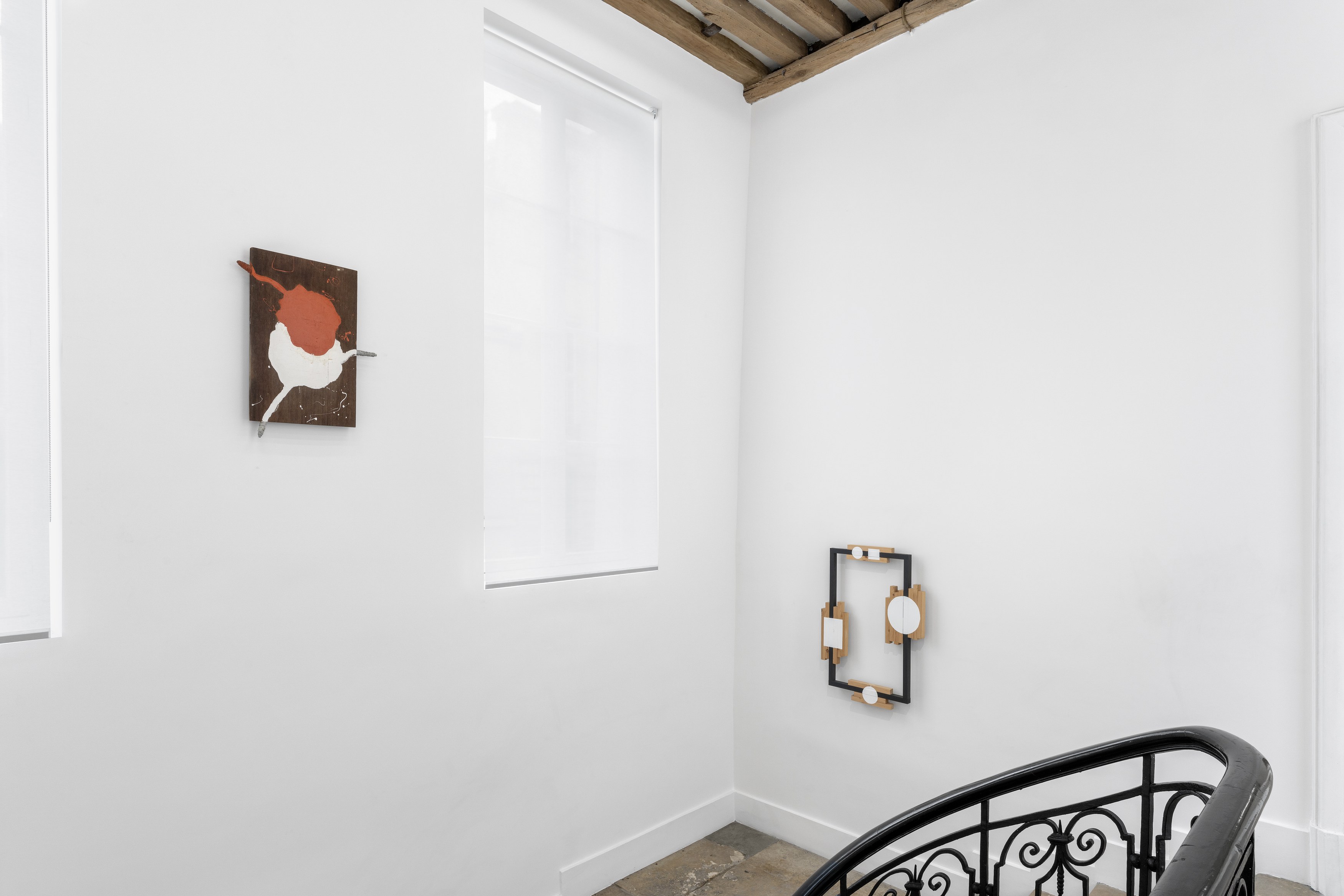
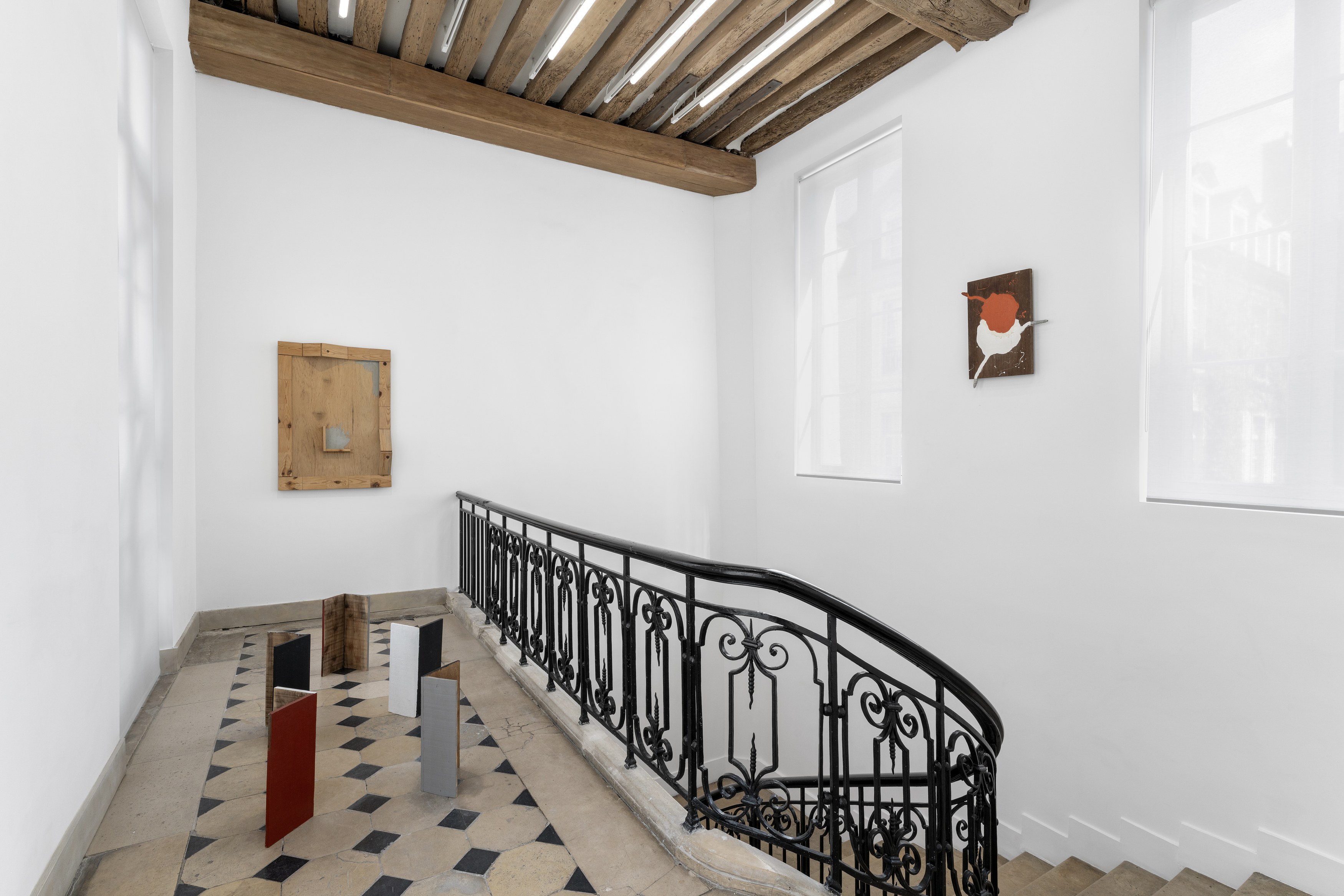
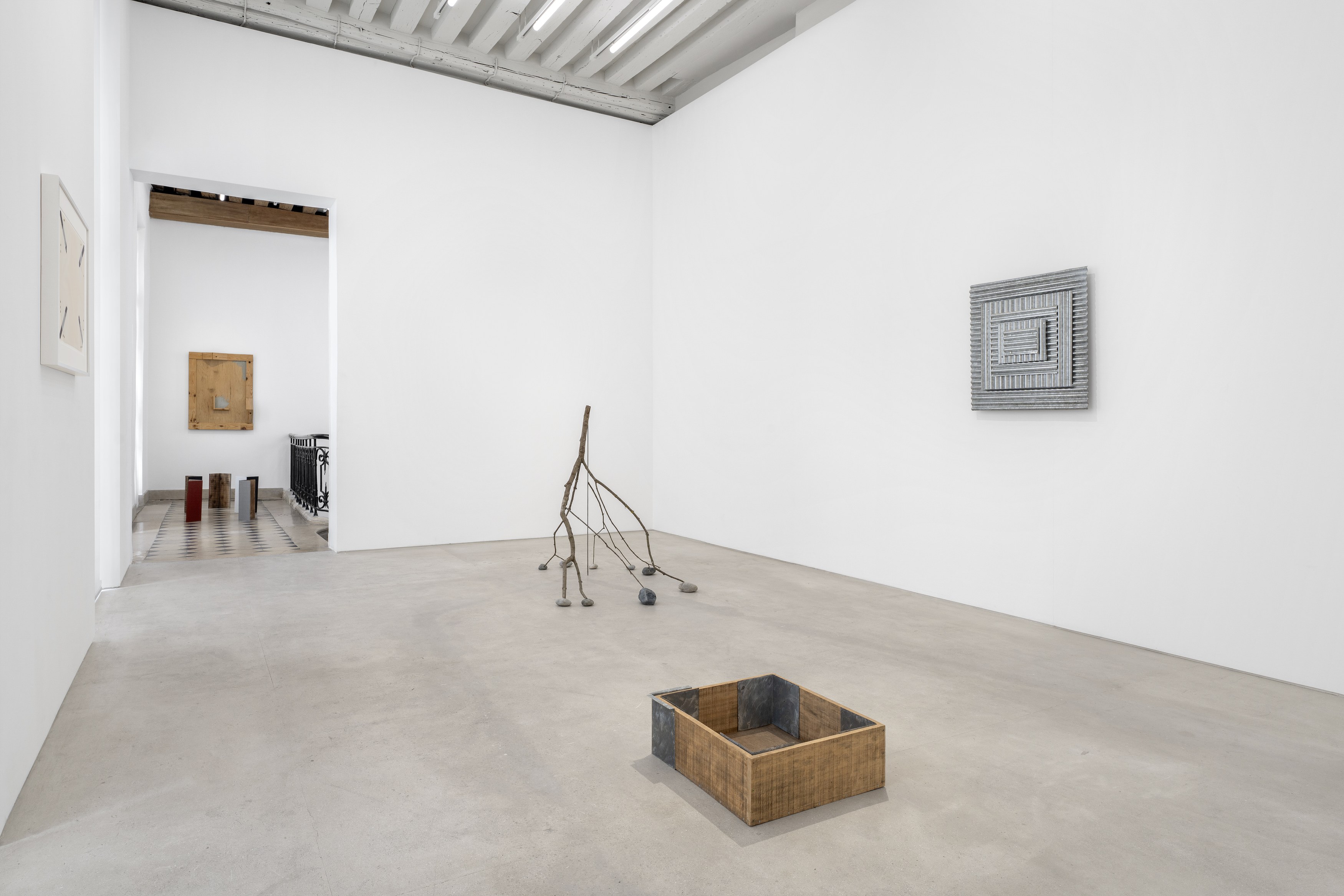
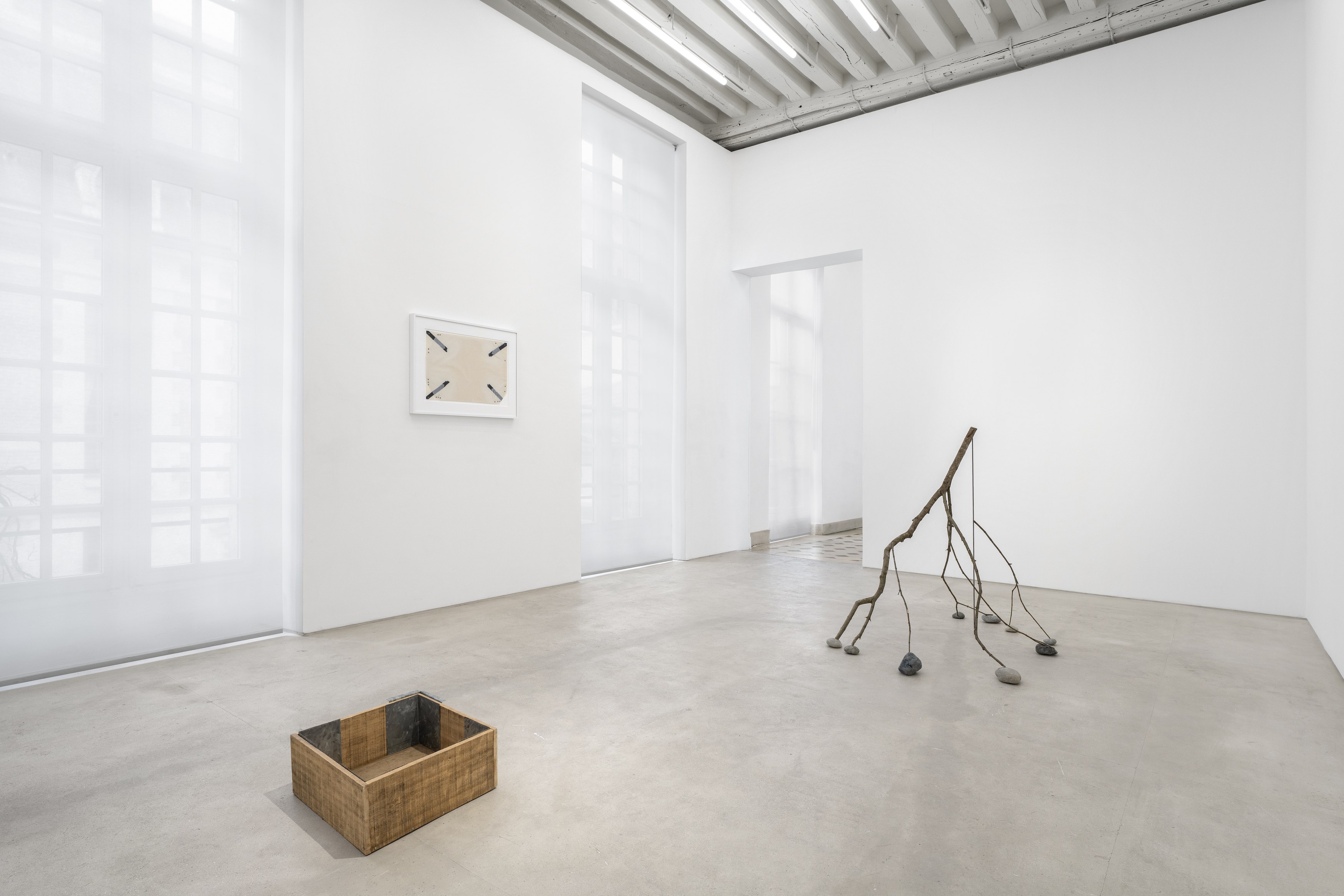
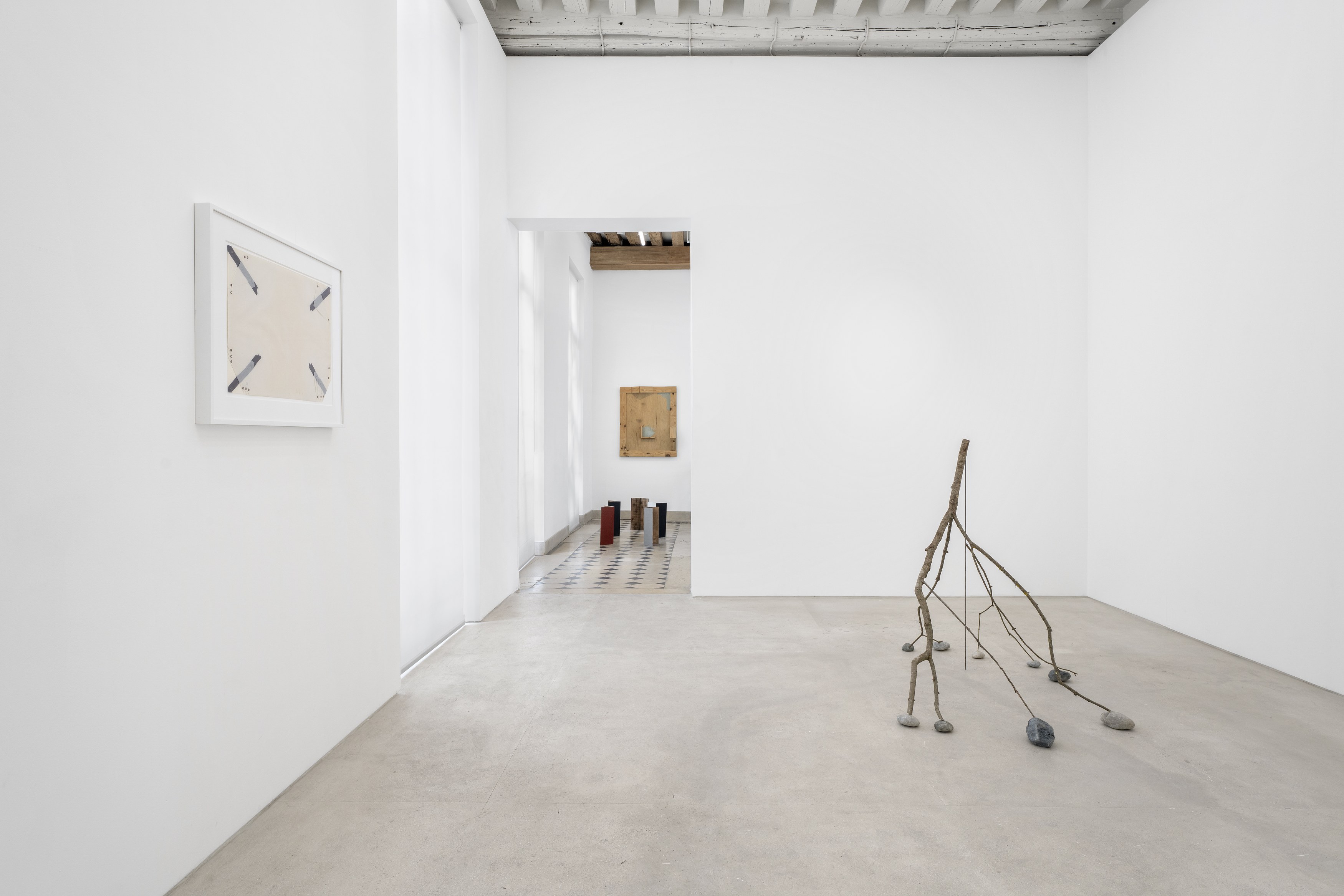
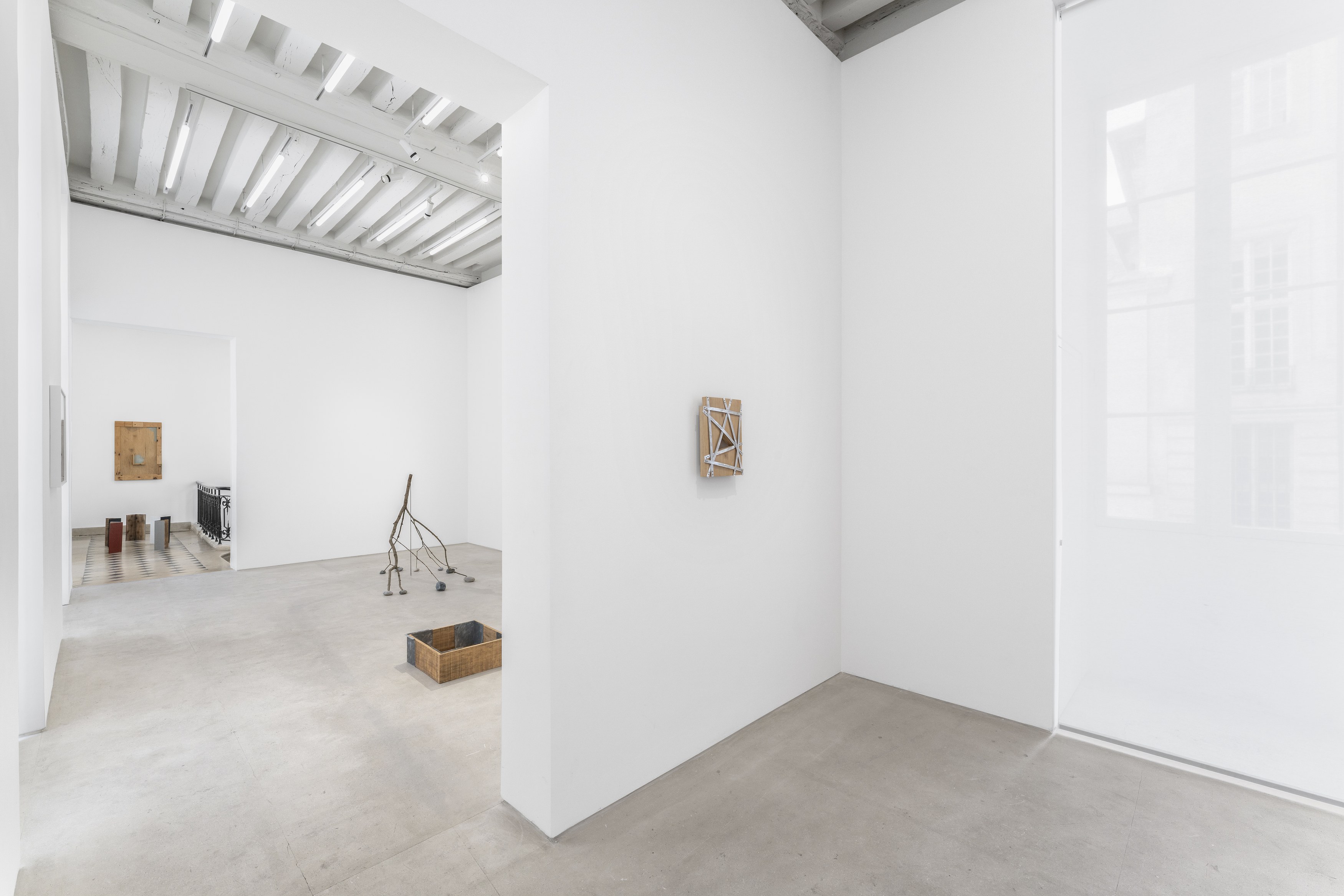
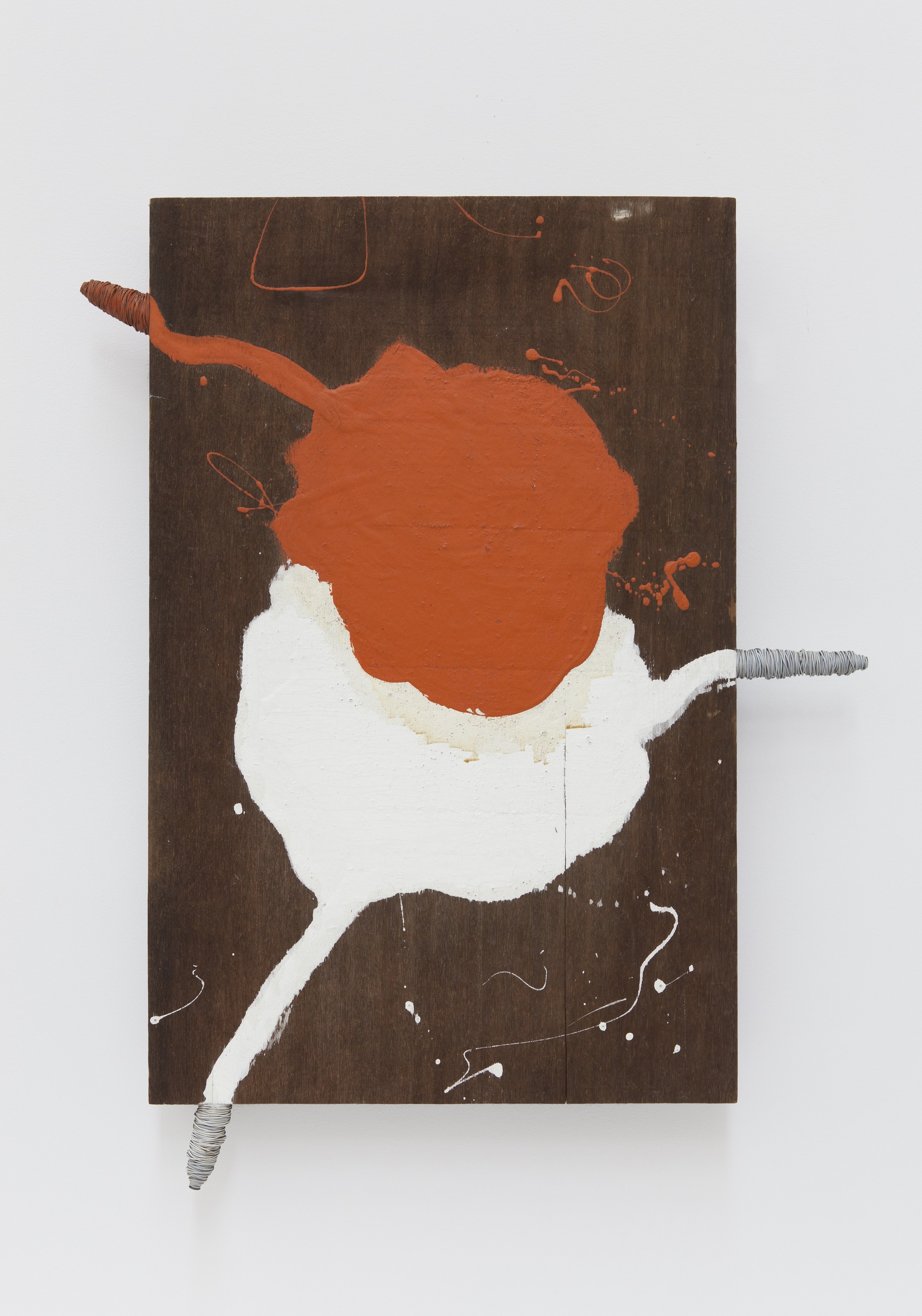
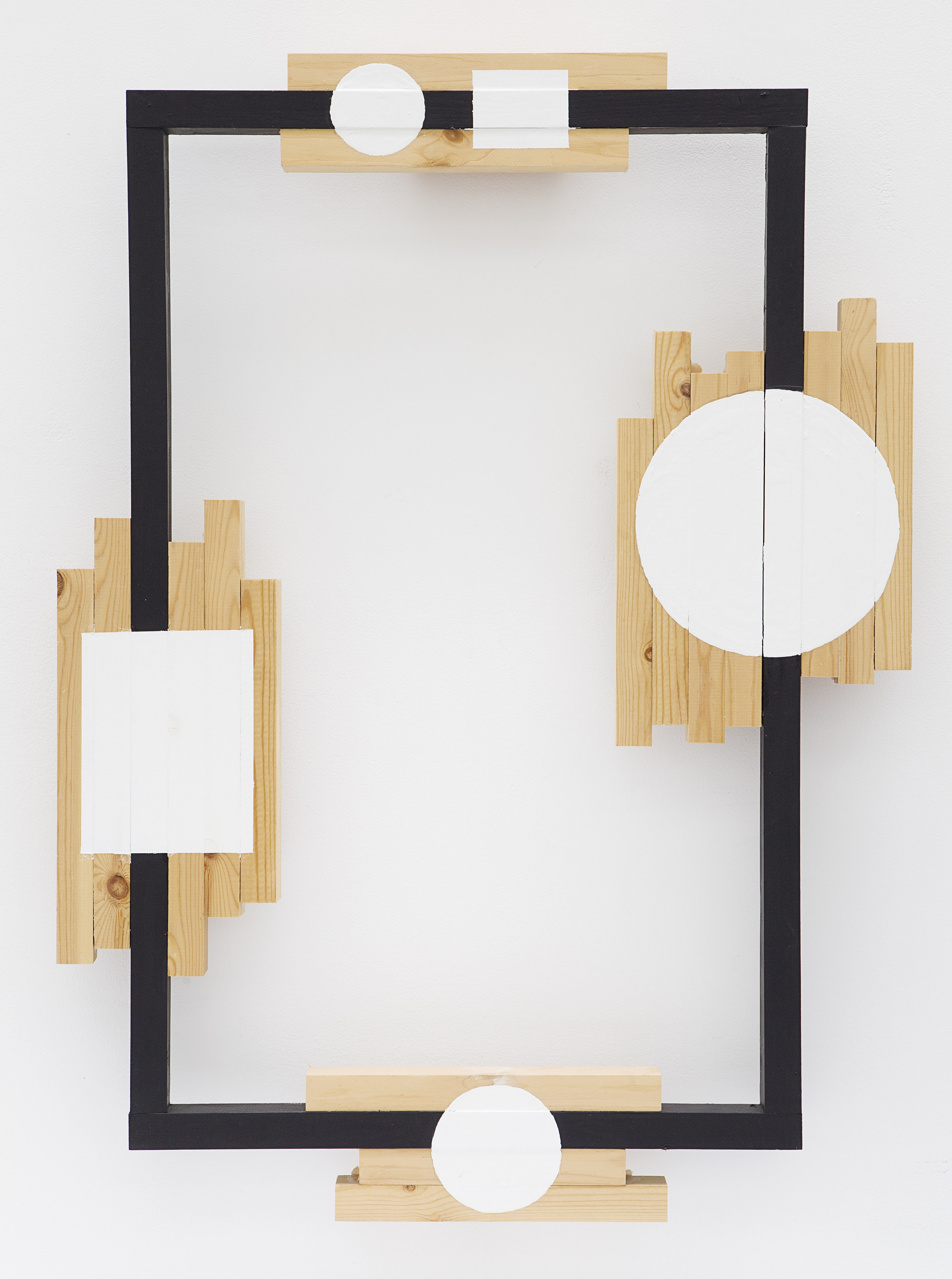
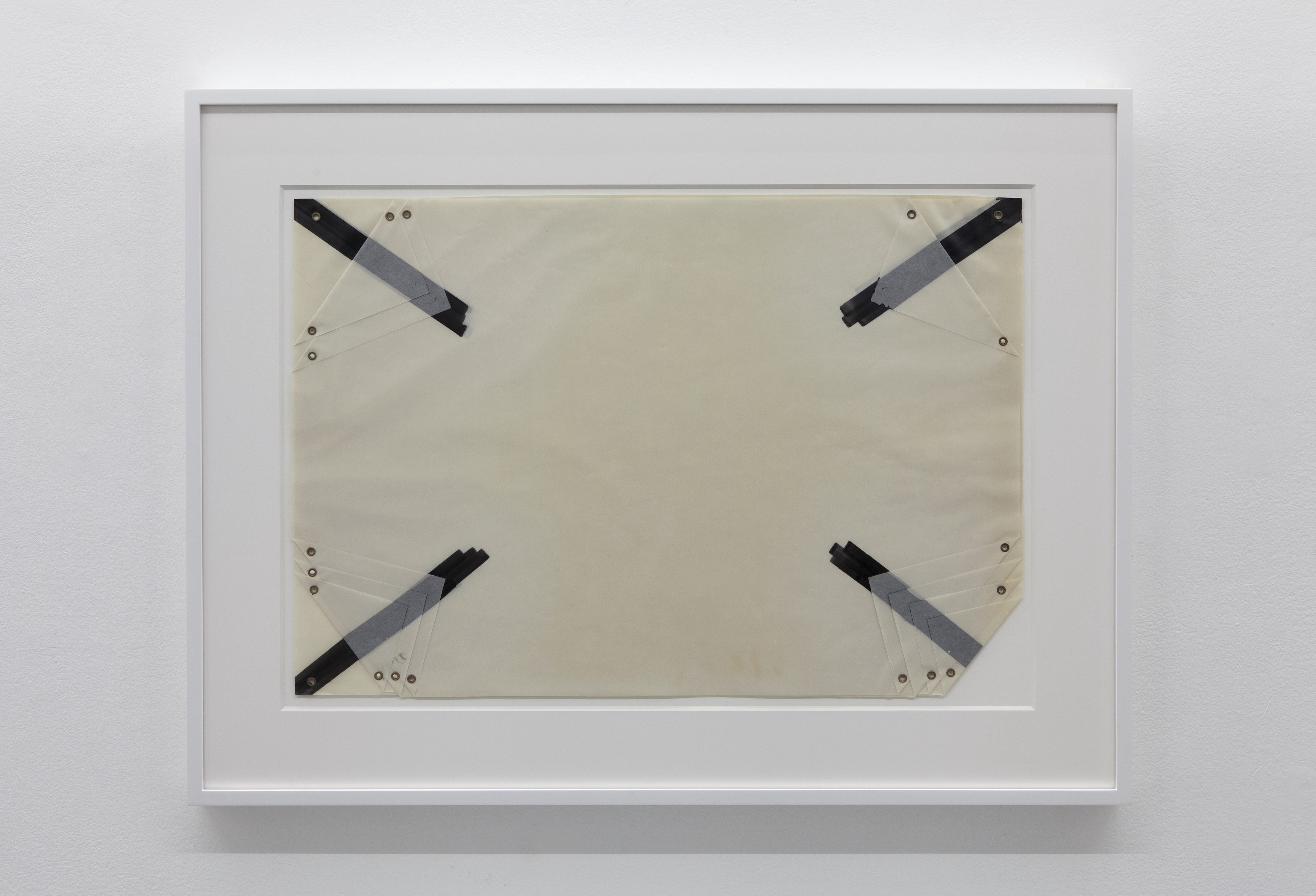
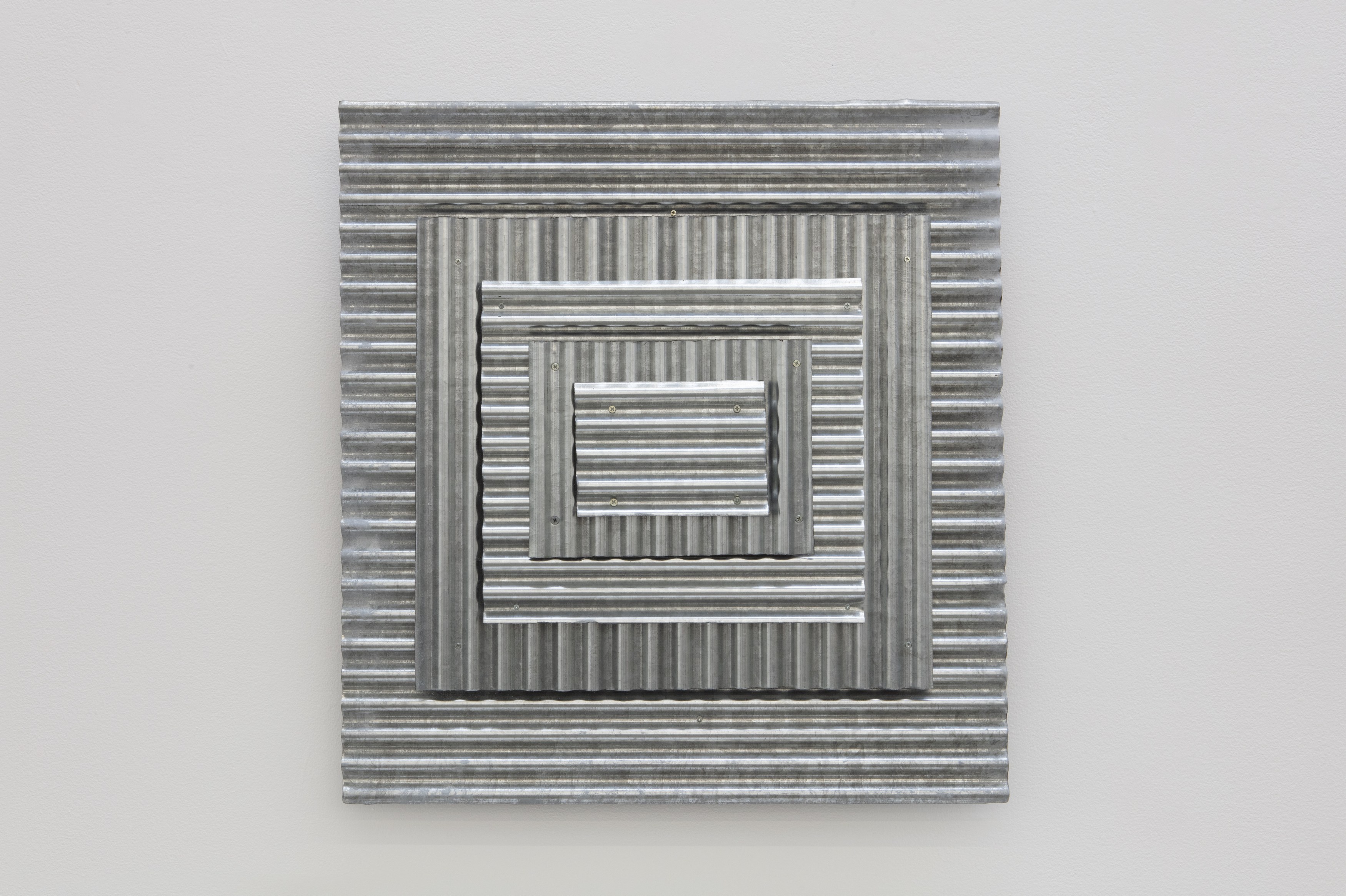
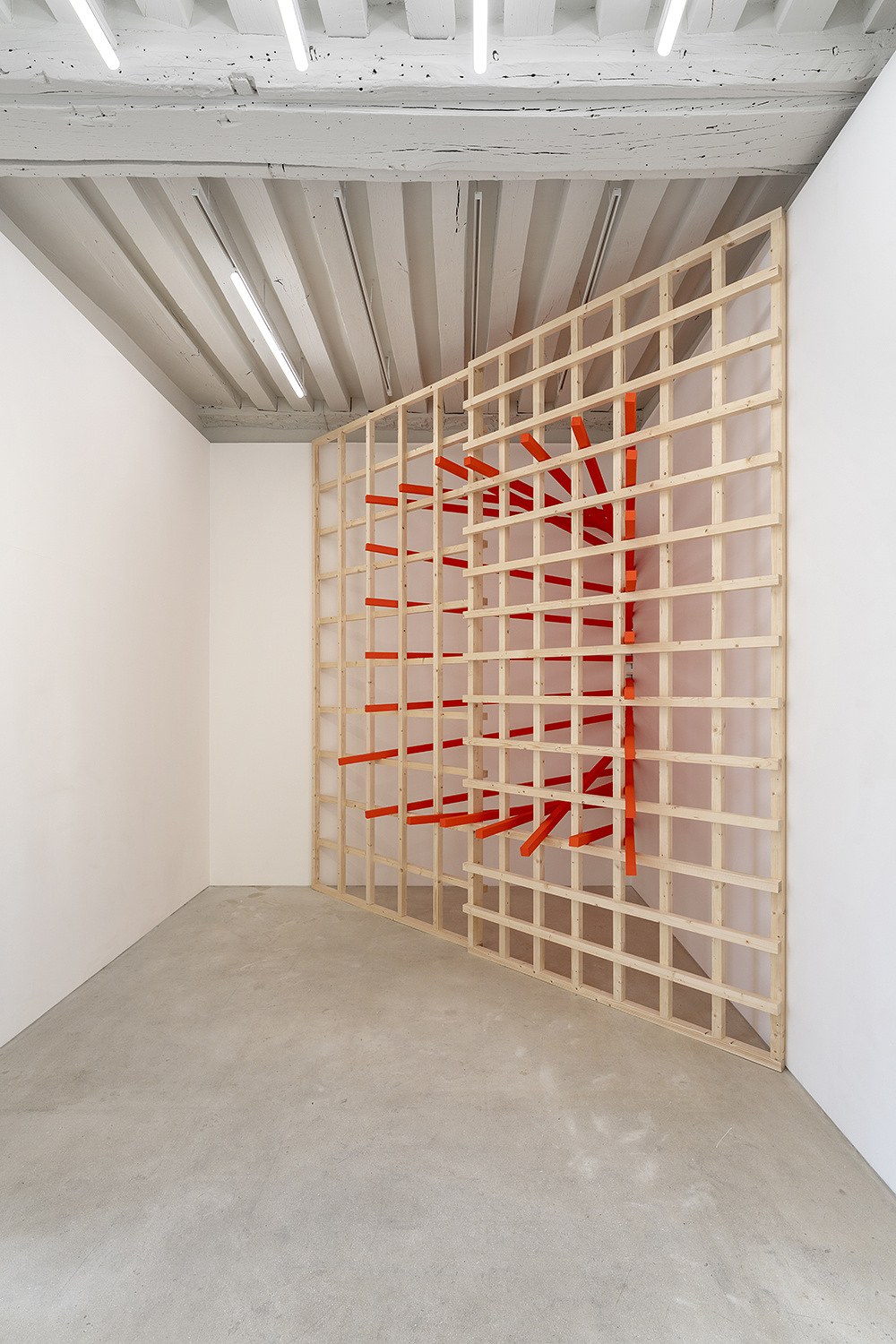
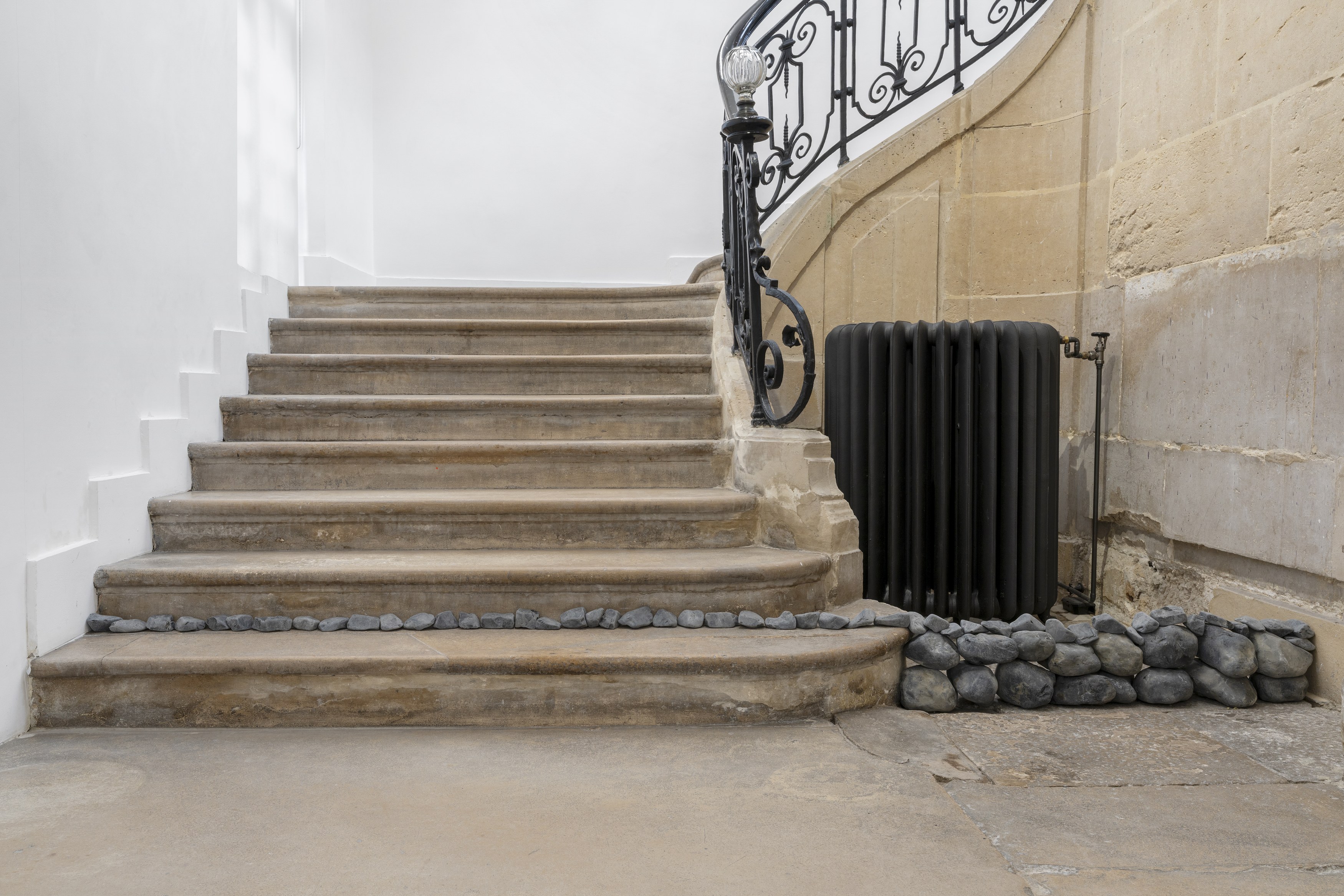
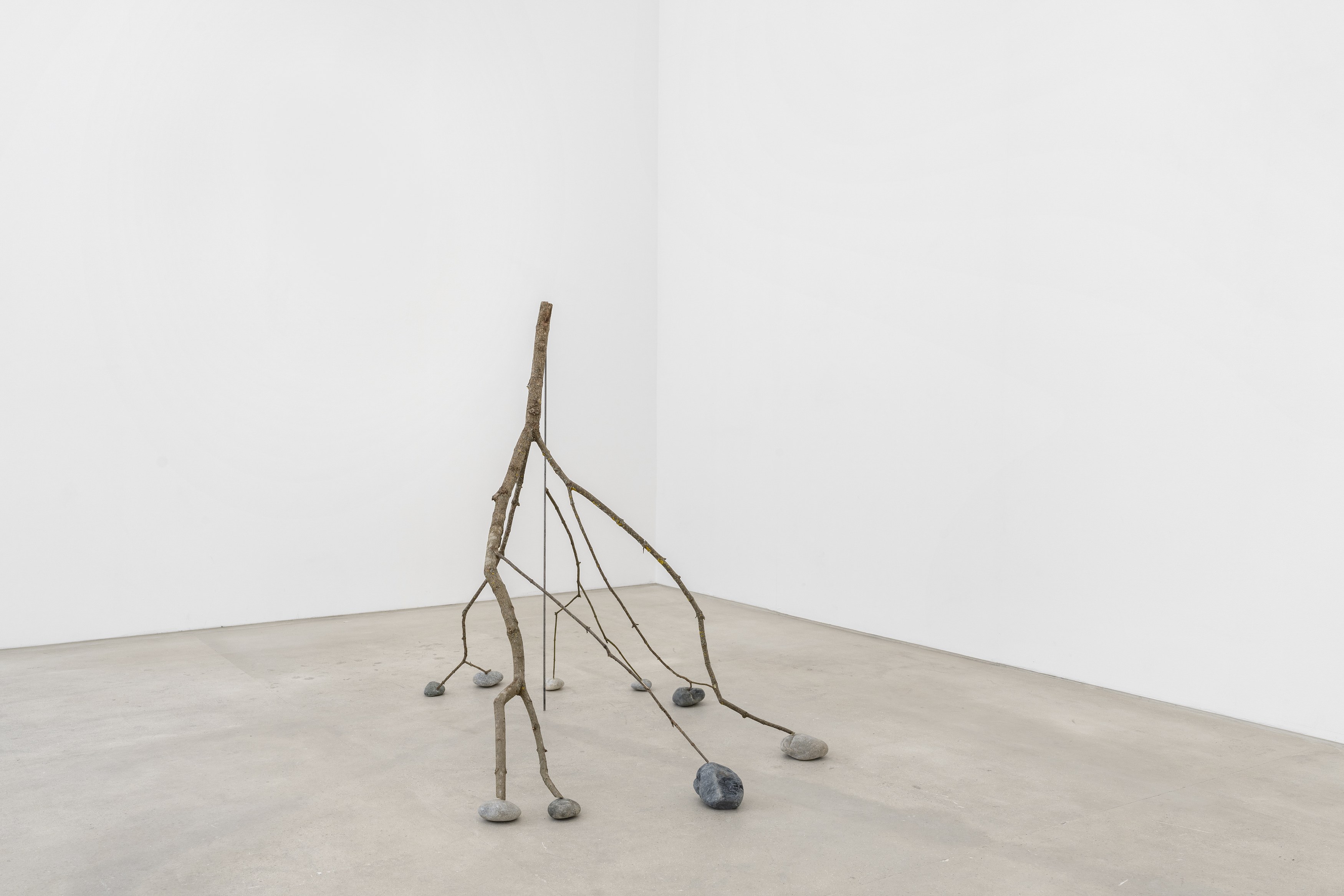
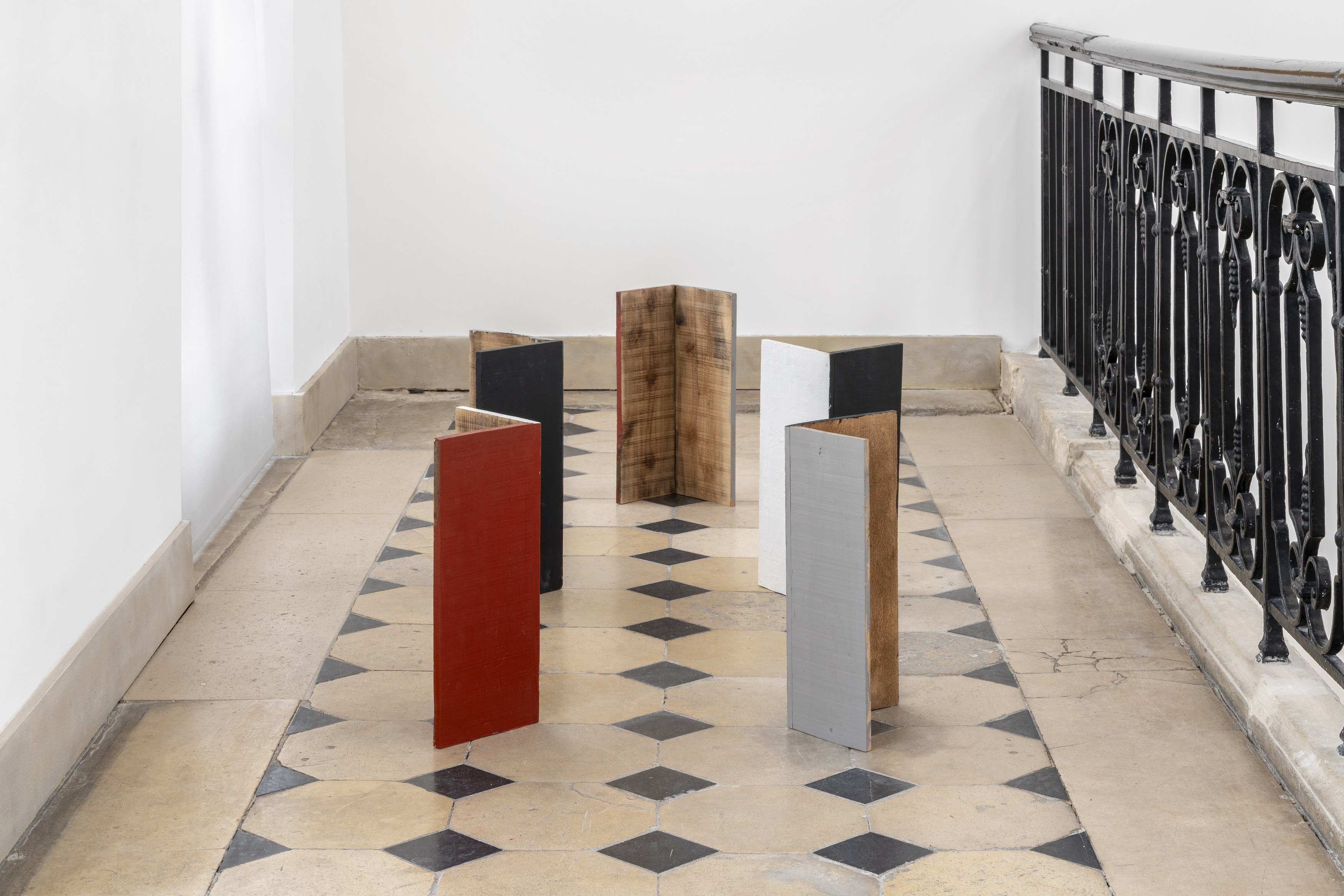
The dual exhibition organized by Mendes Wood DM in Paris and New York City presents two directions in Suga's work: his two-dimensional work and his installations.
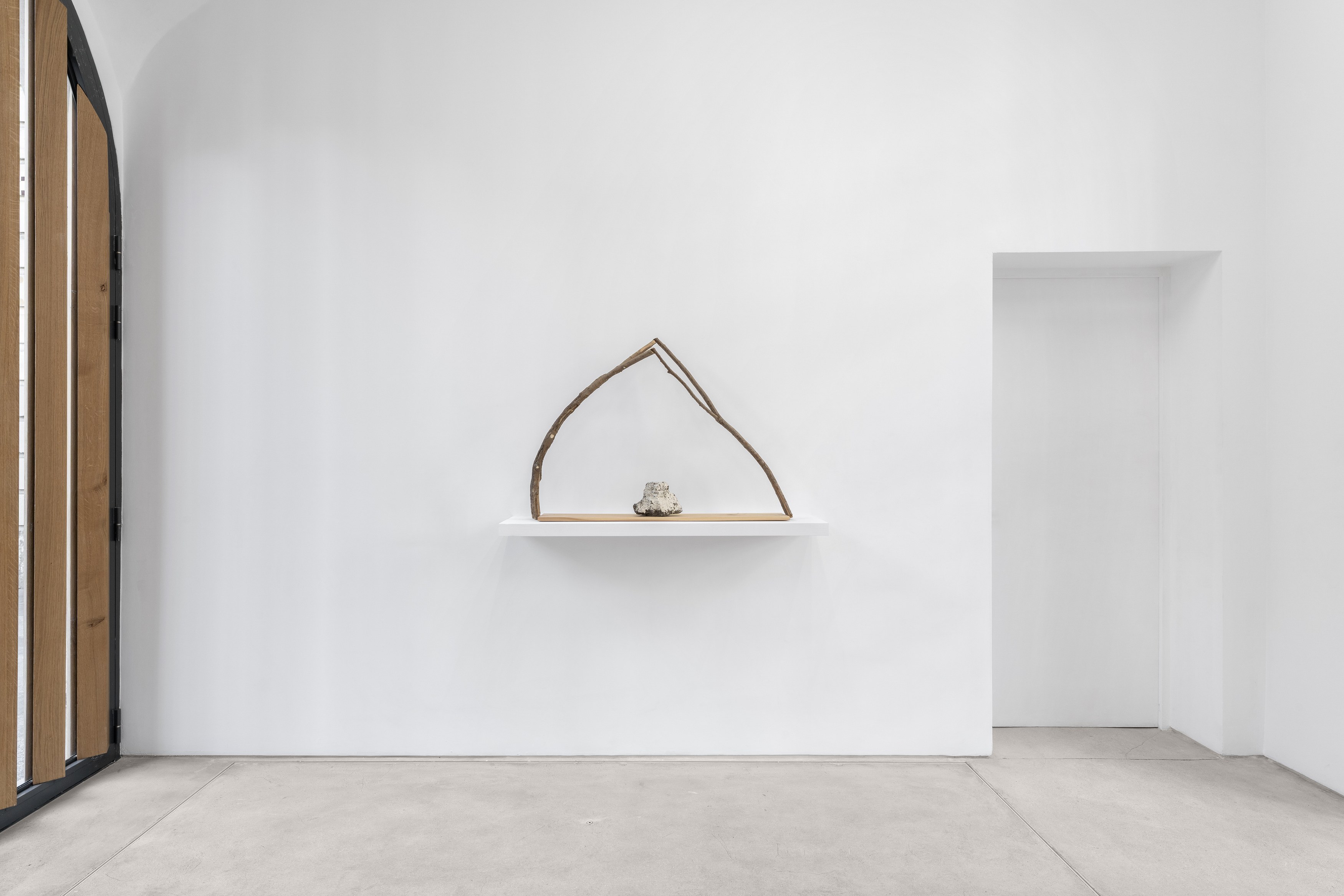
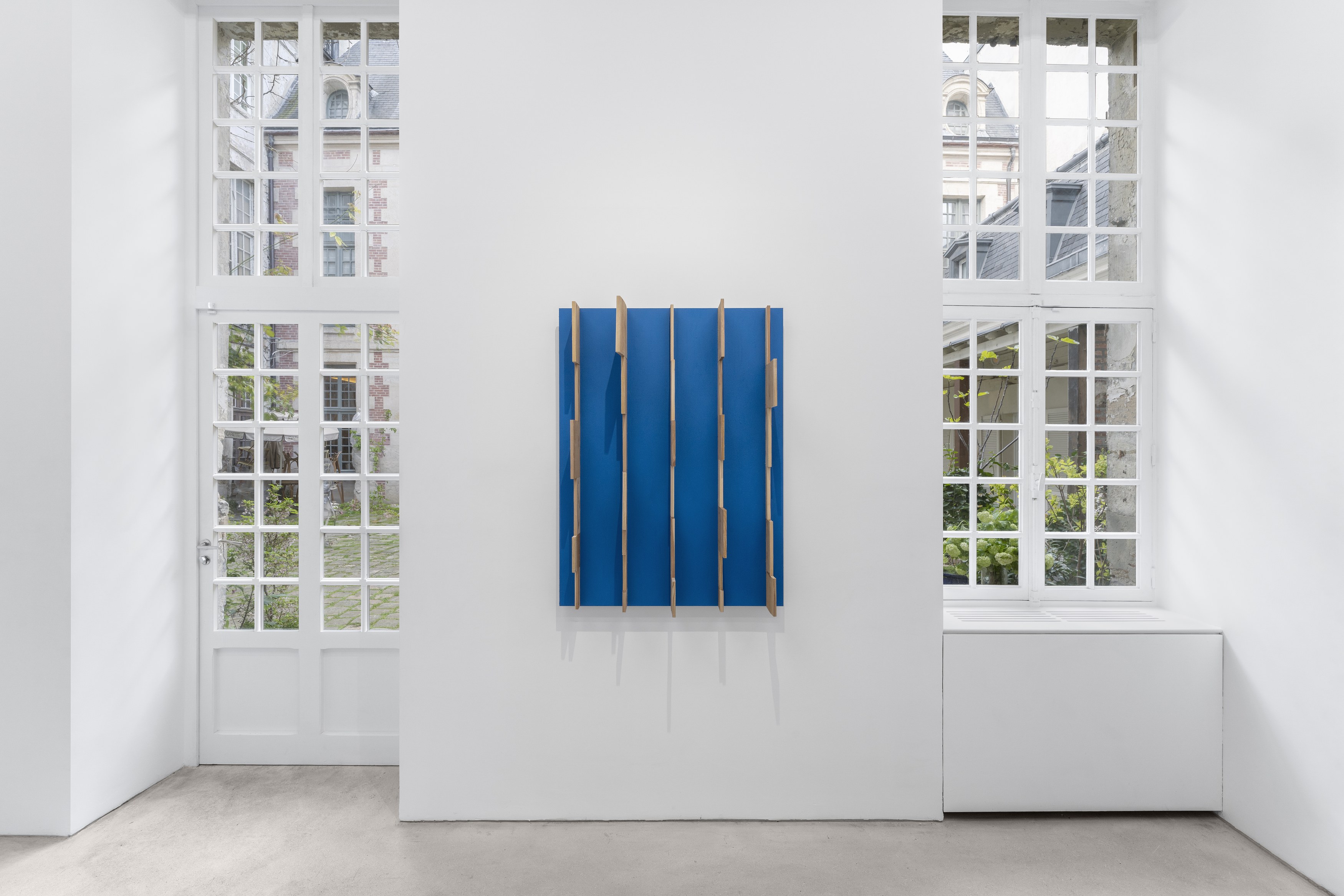
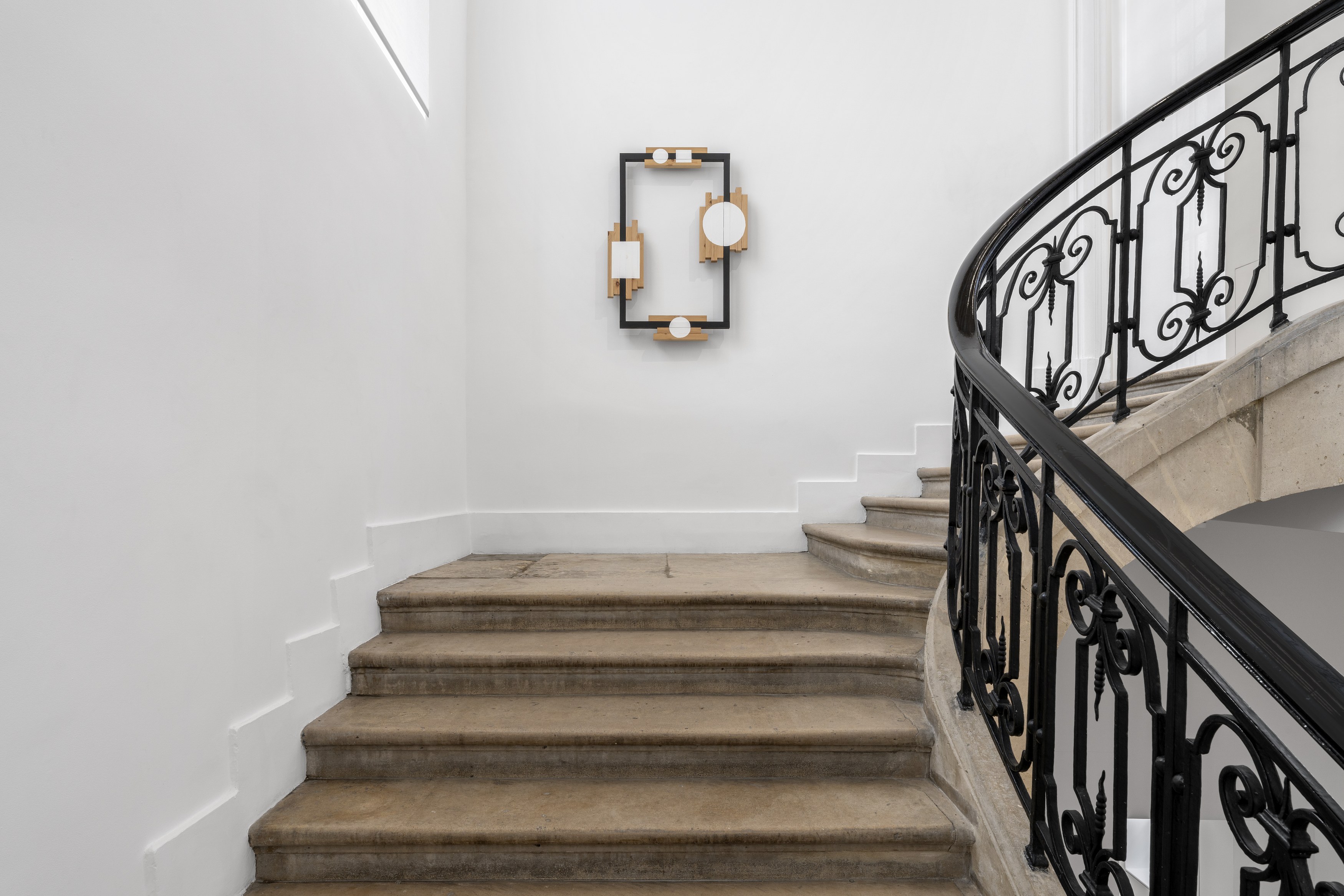
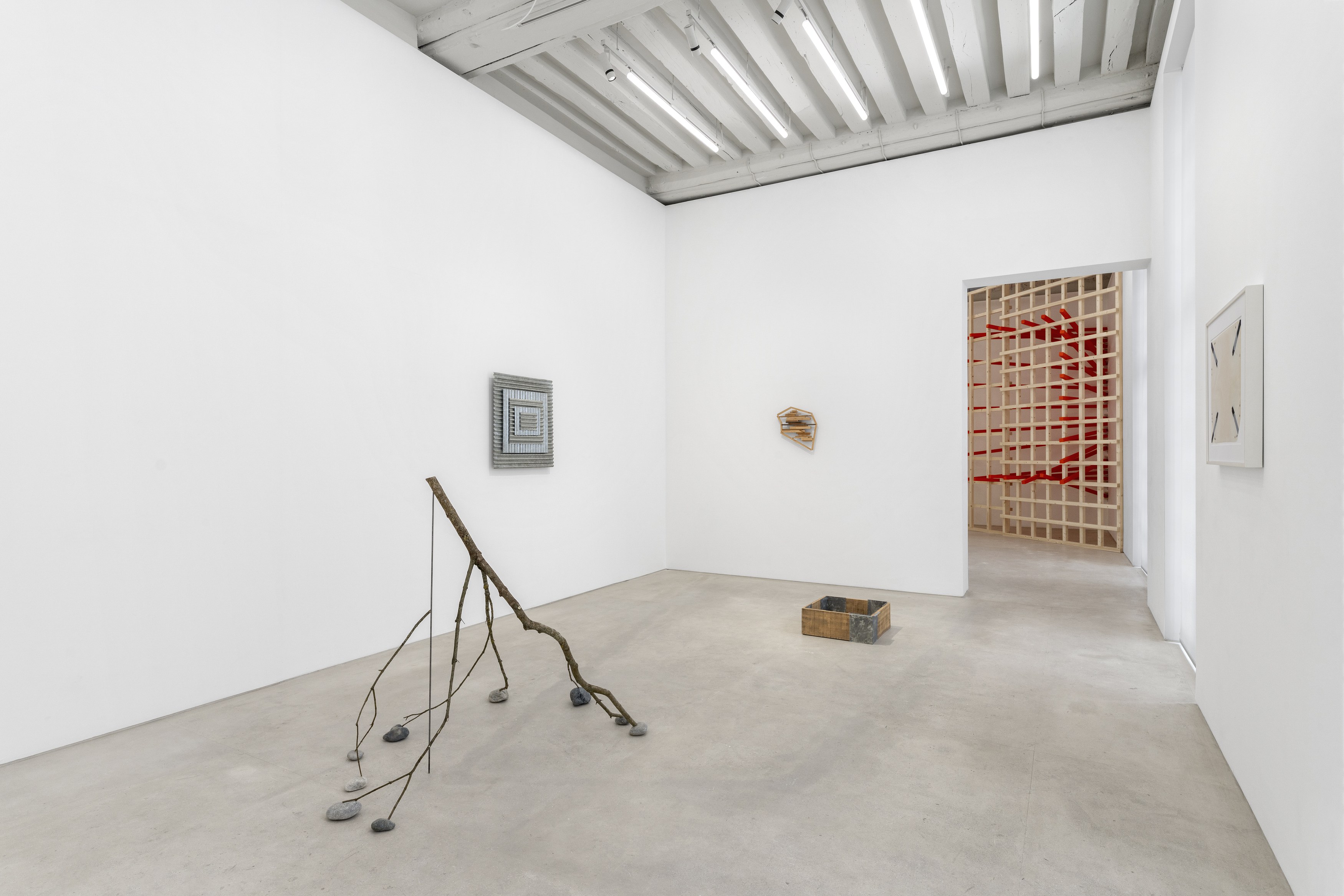
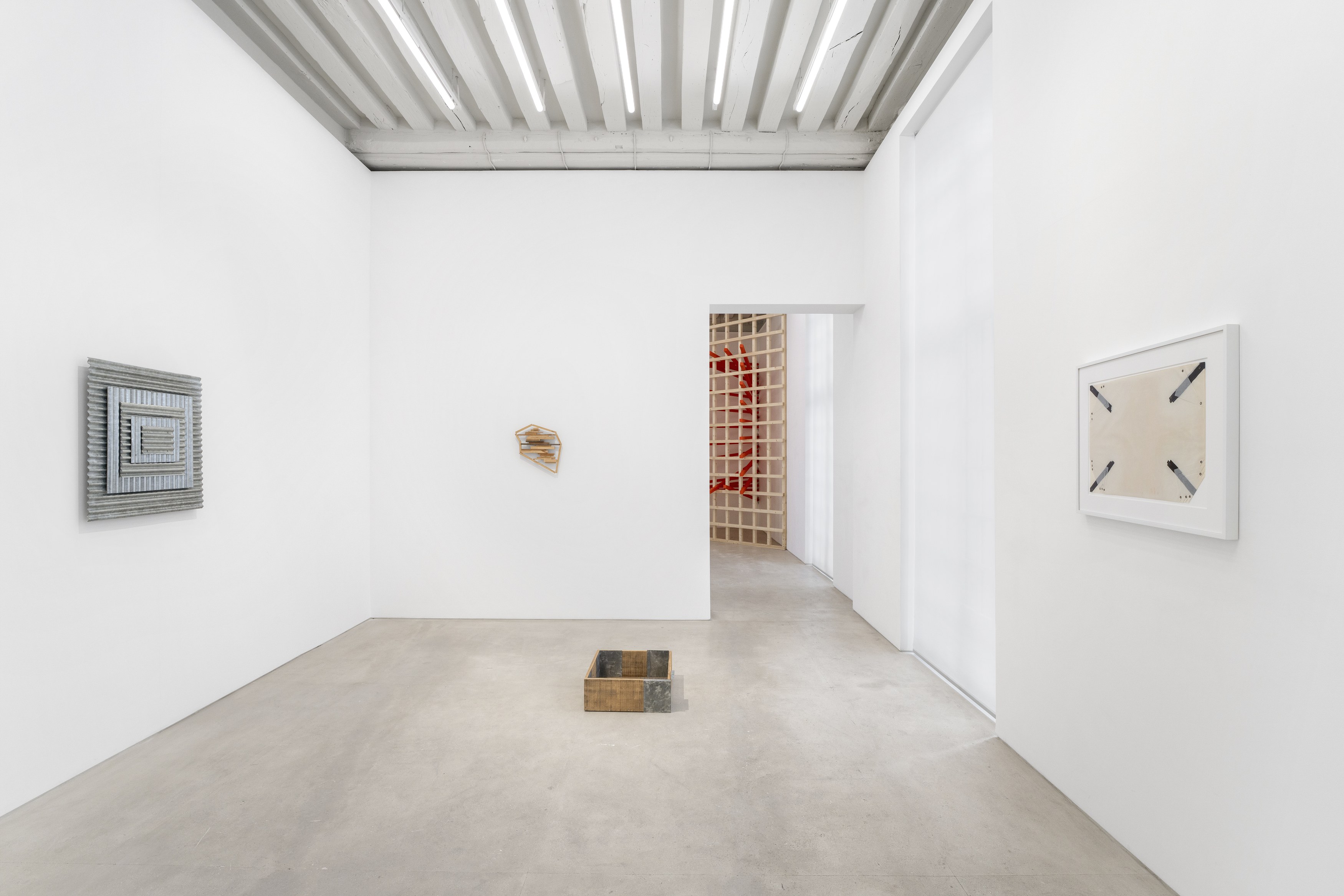
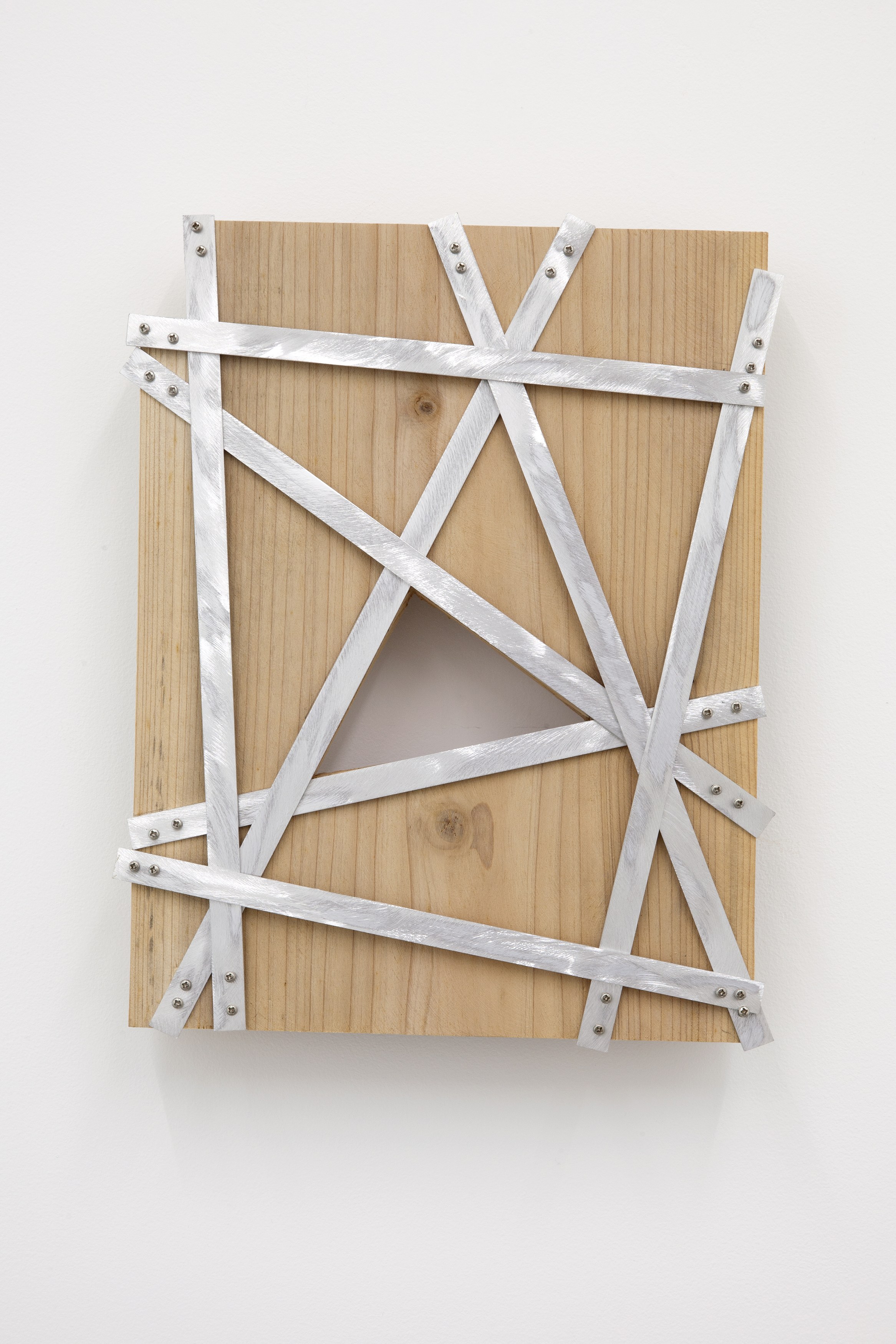
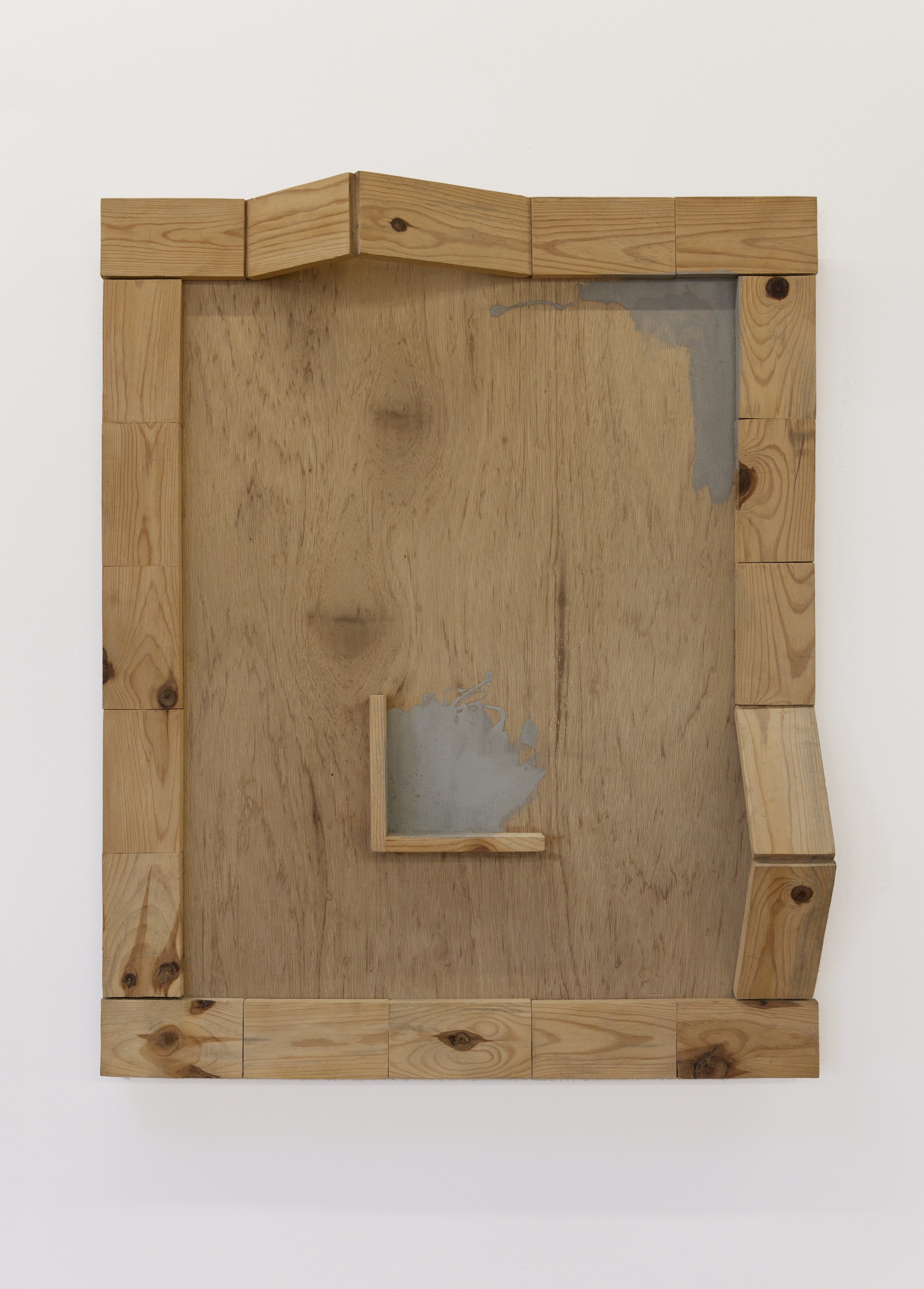
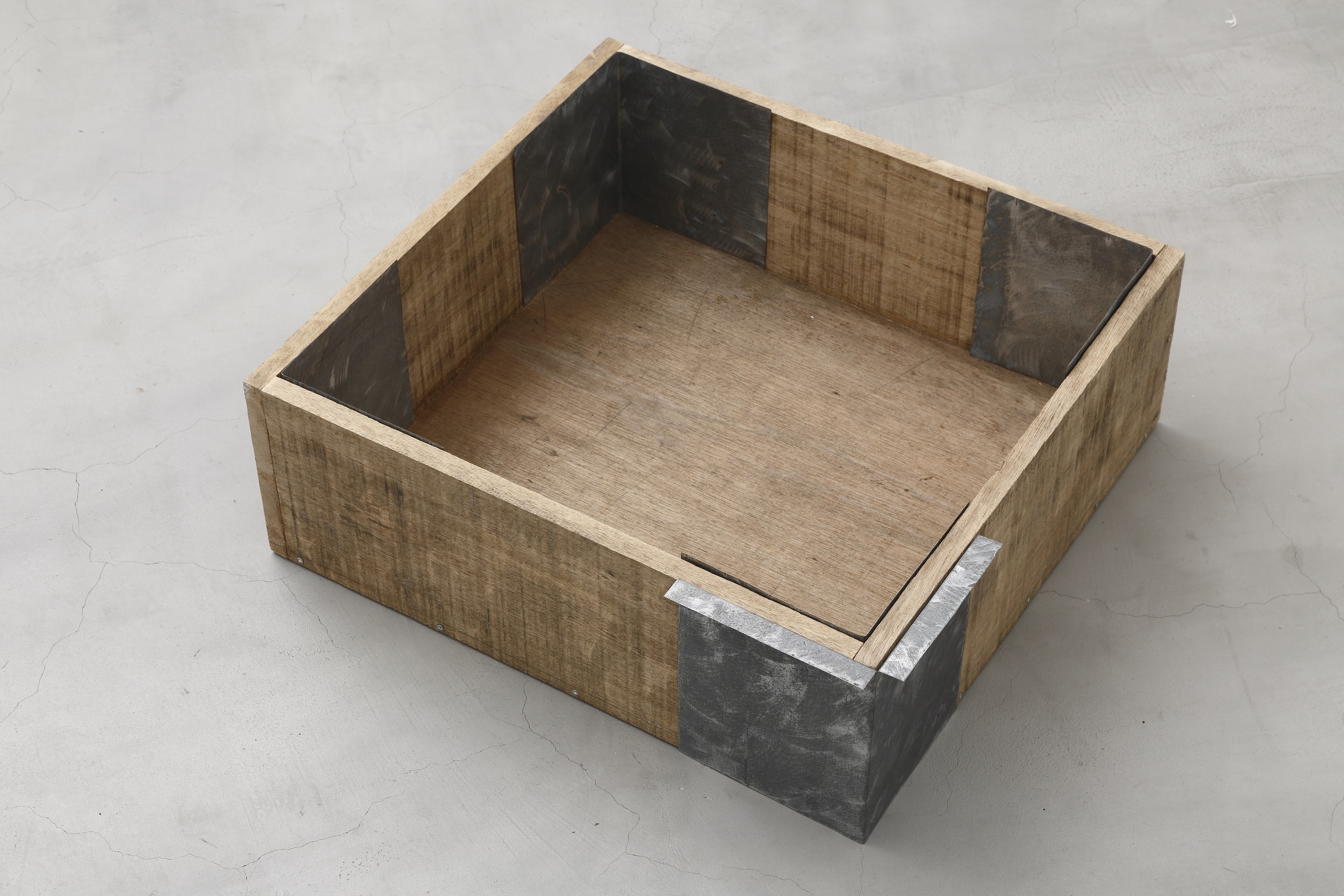
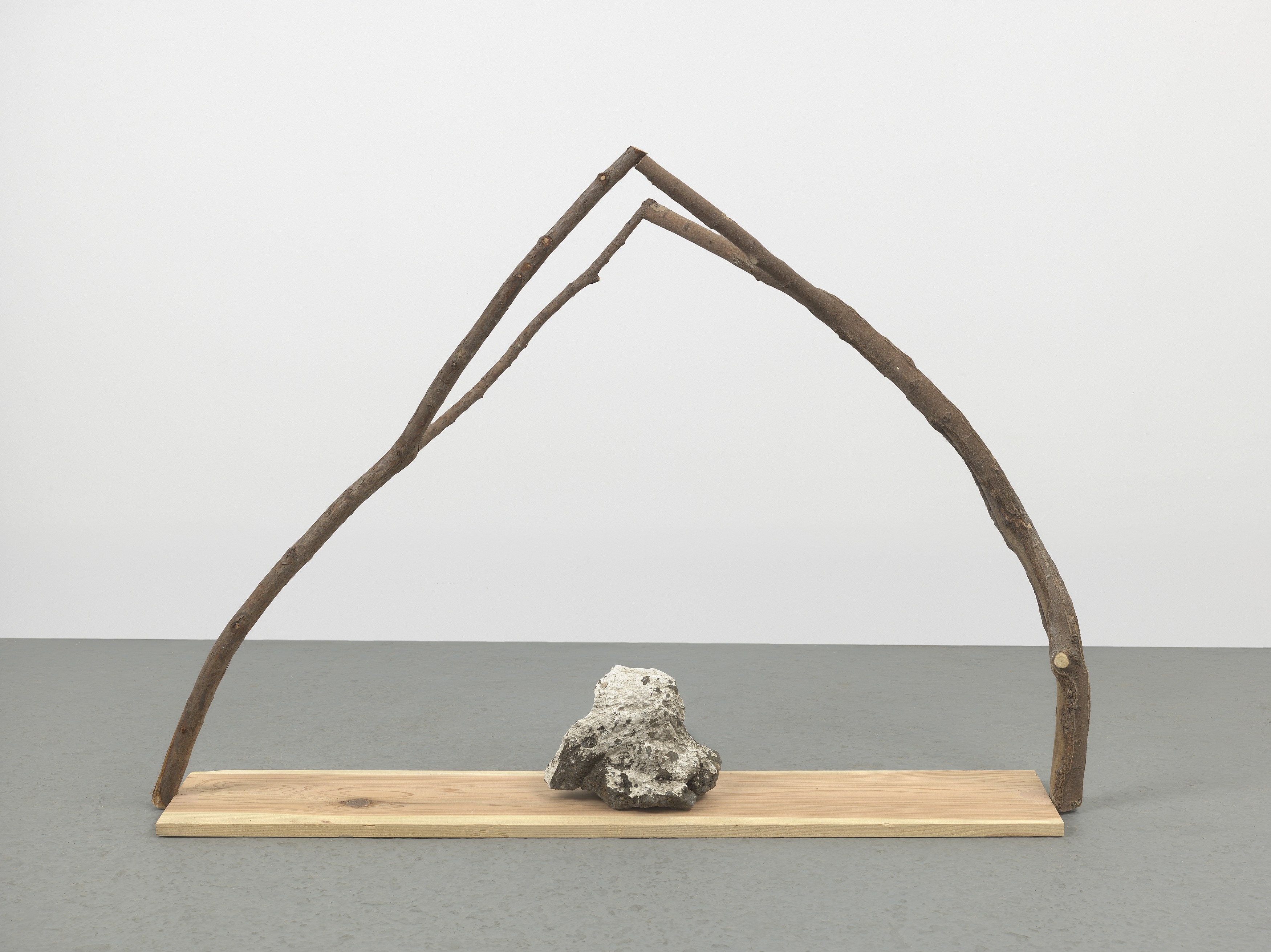
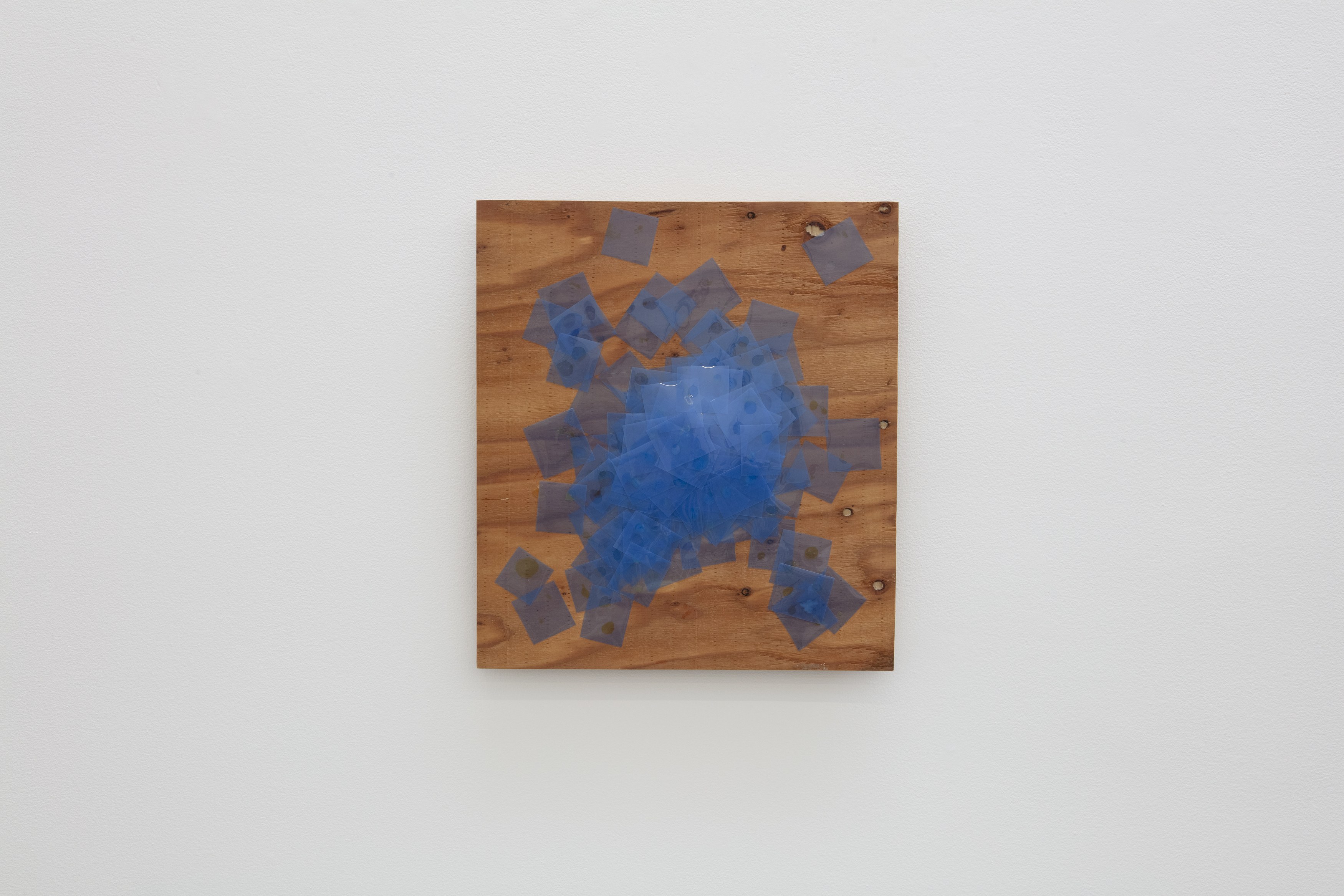
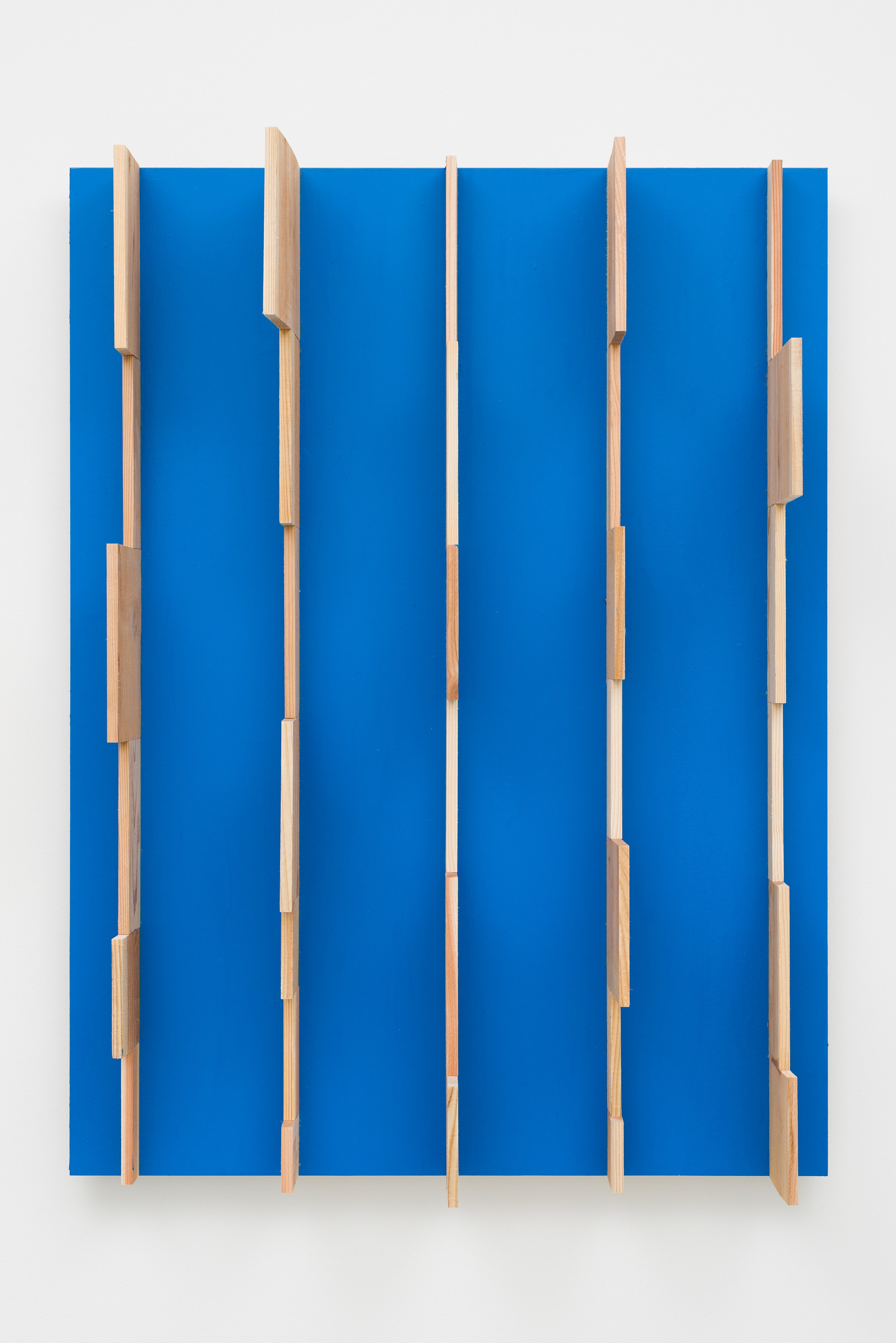
The first brings together two types of practice - works on paper and assemblages - each functioning as an investigation into the very notion of space. From the outset, Suga rejects the idea that the two-dimensional nature of a work should imply a conventional relationship to the image. These works are neither representations nor symbolic constructs; rather, they activate the actual dimensions and qualities of a given space. Through the interplay of fullness and emptiness, the alternation of flat, hollow, and relief surfaces, and the relationships formed between forms and the surrounding negative space - often allowing the wall itself to appear - Suga materializes what he calls kyokūse (shared space), in which every element is visibly dependent on the others.
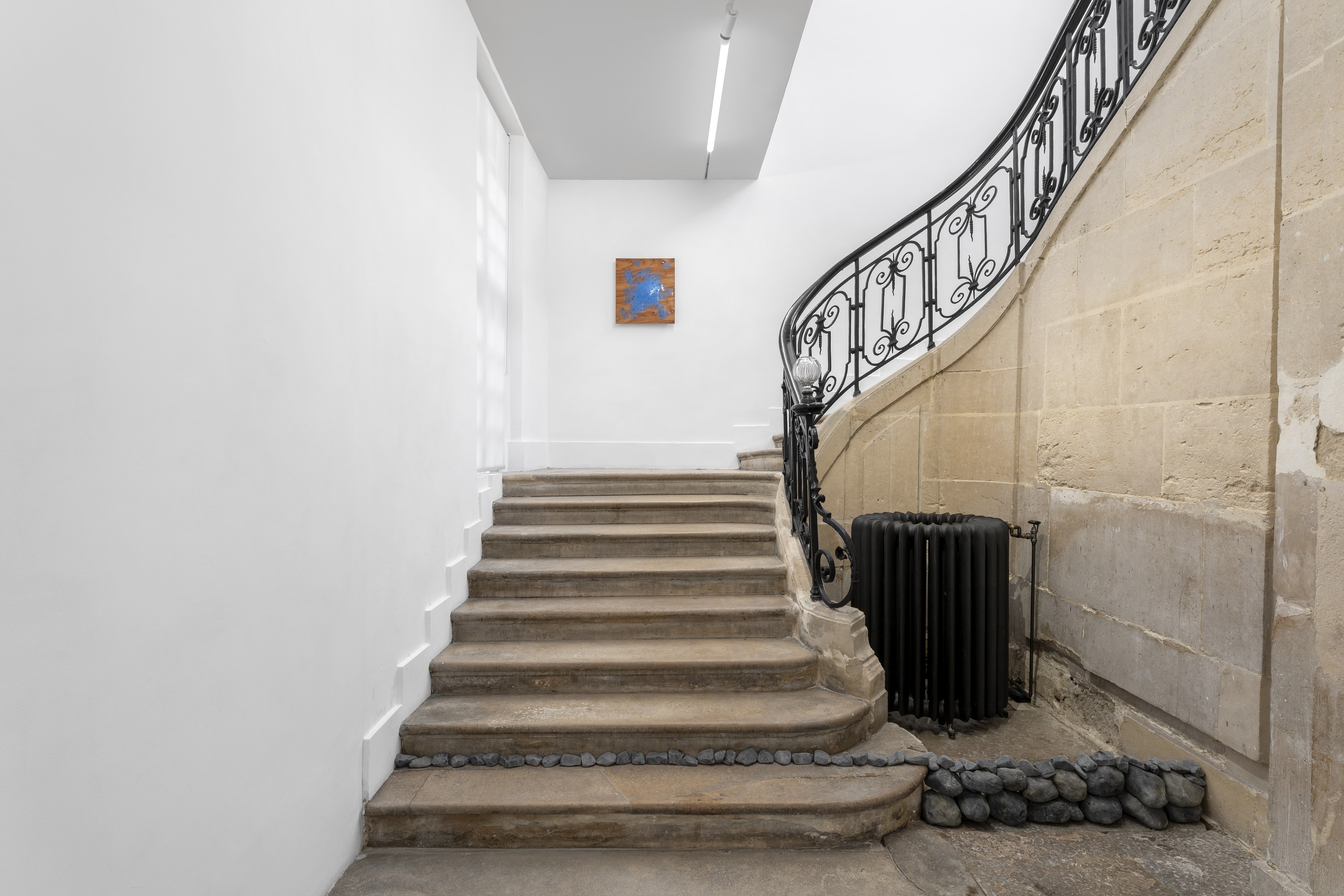
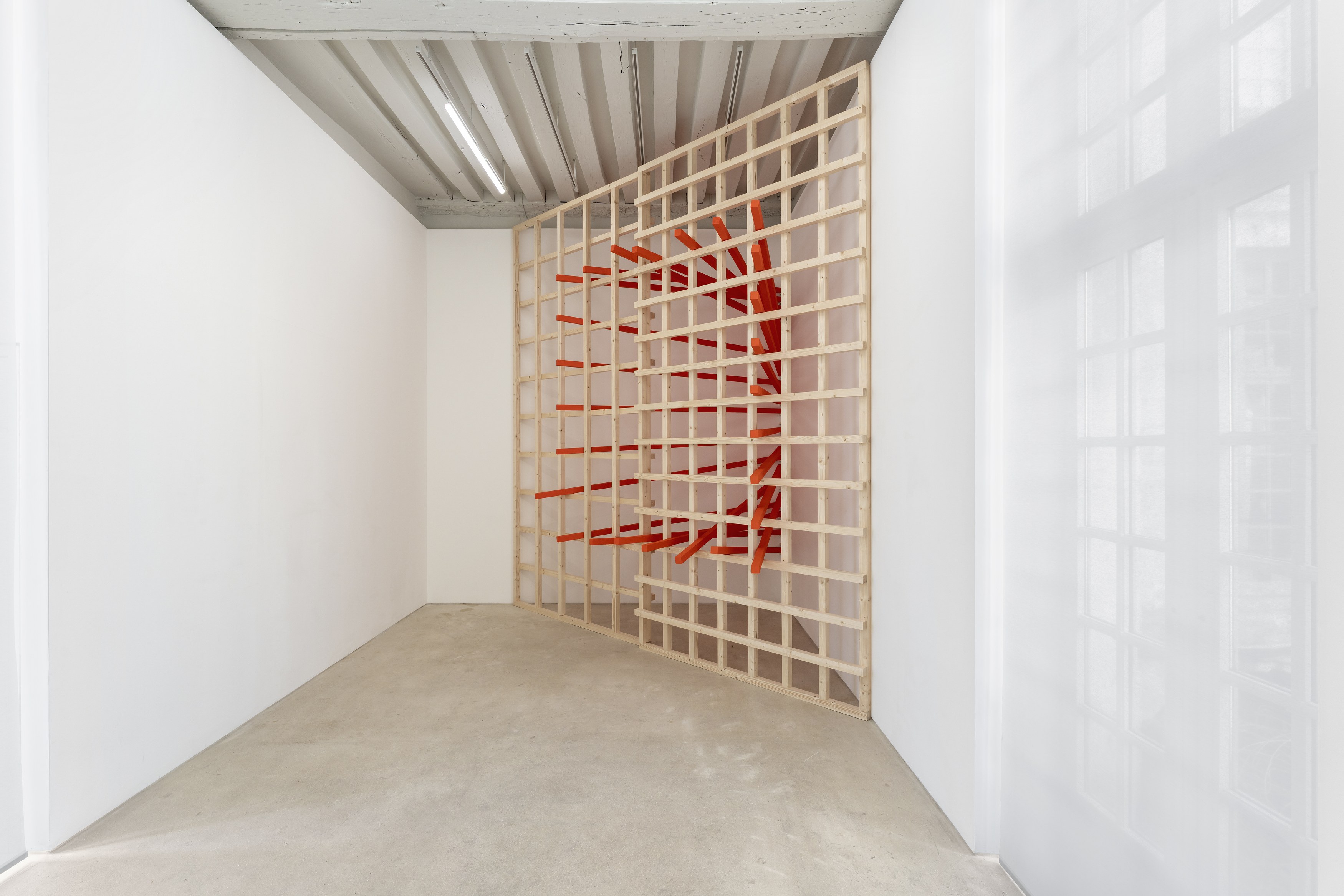
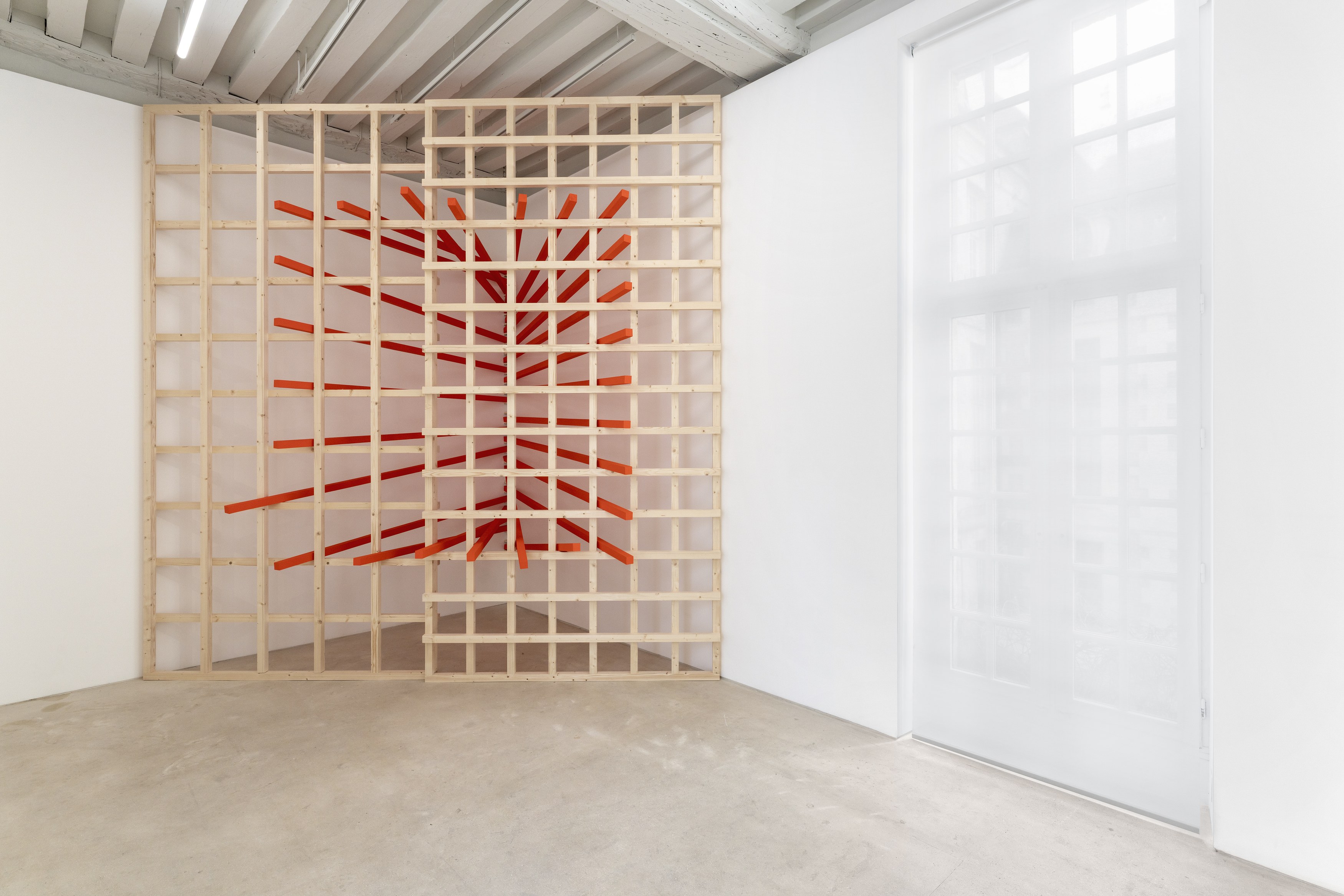
In both his two-dimensional works and his three-dimensional situations, Suga's use of geometry, together with the irregular presence of branches and other organic elements, serves to keep the expression of his own interiority at a distance - an essential principle shared by all artists associated with Mono-ha. By diminishing what has defined the identity of the artist in Western modernity since the Renaissance, Suga opens the possibility for another form of interiority to emerge: that of the mono (the thing) itself, or of space. Rejecting the term "composition" in favor of "action," Suga seeks to produce a jōkyō (situation): a space in which things appear in their essential condition, beyond both conceptualization and human perception. His installations, always adapted to the sites in which they unfold, highlight the immanent characteristics of space and point to the very place in which the viewer stands. Contorted Positioning (1982 - 2026), presented in New York, and Boundary of Marginal Scenery (1994 - 2026), installed in Paris, do not replicate their original configurations but instead respond to the specific conditions of the exhibition space. In Suga's practice, the work is never confined to a fixed project; it is conceived as a situation informed by a particular space-time with which the artist actively engages. In seeking to free art from all forms of human fiction, Suga lays the groundwork for an aesthetic that moves beyond the human. Rather than expressing the turmoil of the artist's interior life, his work restores to the things that surround us the full force of their fundamental otherness. By revealing the subjecthood of things-in-themselves and allowing their "intentionality" to emerge, Suga lets them exist as agents - as our equivalents. Initiated in 1968 and pursued without interruption ever since, Kishio Suga's practice stands as one of the most radical transformations of our relationship to matter in recent art history.
—Nicolas-Xavier Ferrand
Kishio Suga is one of Japan’s most celebrated artists, whose diverse and influential practice spans site-specific installation, assemblage, and performance. His career began in 1968 when he started making temporary installations out of natural and industrial materials such as wood, metal, wire, and concrete. By introducing an incongruous yet defined structure of raw material into the gallery space, he sought to reveal the reality of mono (things/materials) and the jōkyō (situation) that holds them together. Suga was identified as a critical theorist within a loose group of like-minded artists that later came to be known as Mono-ha (School of Things). Though short-lived, this movement was a significant turning point in postwar Japanese art history, echoing the concurrent development of Land Art, Arte Povera, and Supports/Surfaces in the United States and Europe, yet rooted in a specifically Japanese intellectual and cultural context.
Kishio Suga (b. 1944, Morioka, Japan) lives and works in Itō.
About Mendes Wood DM
Mendes Wood DM was founded in São Paulo in 2010 by Felipe Dmab, Matthew Wood, and Pedro Mendes to exhibit international and Brazilian artists in a context conducive to critical dialogue and the cross-pollination of ideas.
More about Mendes Wood DM →