Ended Dec 17
Martin Dammann
Exfreundin
Oct 16 – Dec 17, 2020
More from Martin Dammann on Gallop
[Please scroll down for German version / Für Deutsch bitte scrollen Sie nach unten]
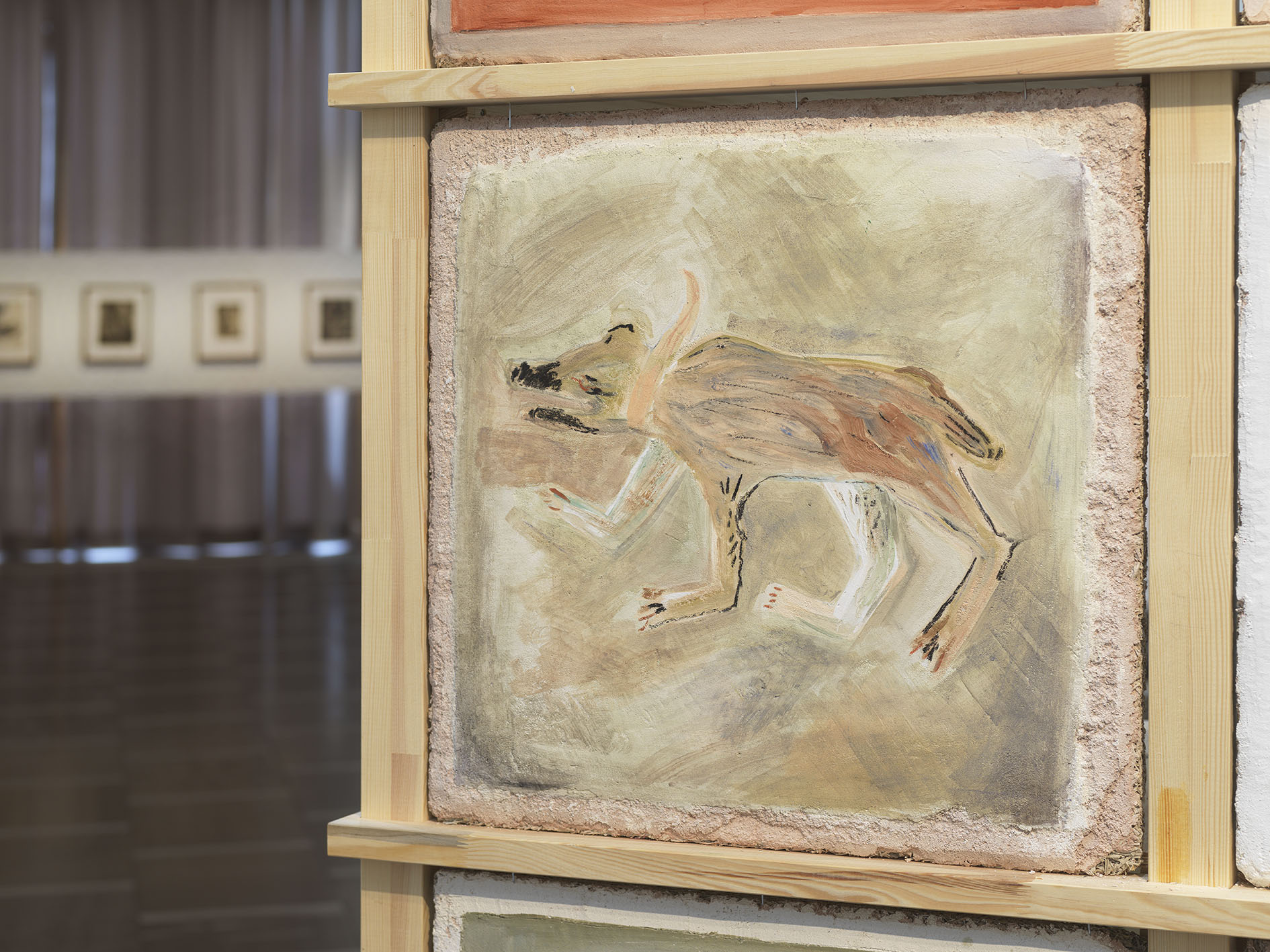
At the beginning of the year, I had basically had enough of all the blinky blinky going on about me. And so I thought to myself, now you’ll do things the other way round, make it really personal. I told a colleague that I wanted to do an exhibition about my ex-girlfriends. She laughed and said that she had just done a drawing of her ex-boyfriend. She took out her sketch pad and showed me – a gorilla.
Quite funny, but I wouldn’t be able to get away with it.
After all, as a man you’re not supposed to do that kind of thing. Bam – my house, bam – my car, bam – my girlfriend. The clichés immediately start rolling. Male clichés. That’s strange, but it’s typical, too: I’m planning an exhibition about ex-girlfriends, and the problem is trying to avoid not clichés about women, but clichés about men. The consequence: inhibitions, doubts, concerns. Also: what will my exes’ reactions be? And: will anyone else be interested?
This may sound like one of those points at which you should just turn around and do something else instead. But on the whole this proved to be a really good approach. After all, problems, vacillations, being torn between wanting and not wanting to show, as well as fears – these are all things that can be negotiated using images. They operate in pictures and in the act of painting, especially in watercolour with its constant oscillation between substantiation and dissolution, between piling up and leaving out. I was curious myself what the results would be. So I made a start.
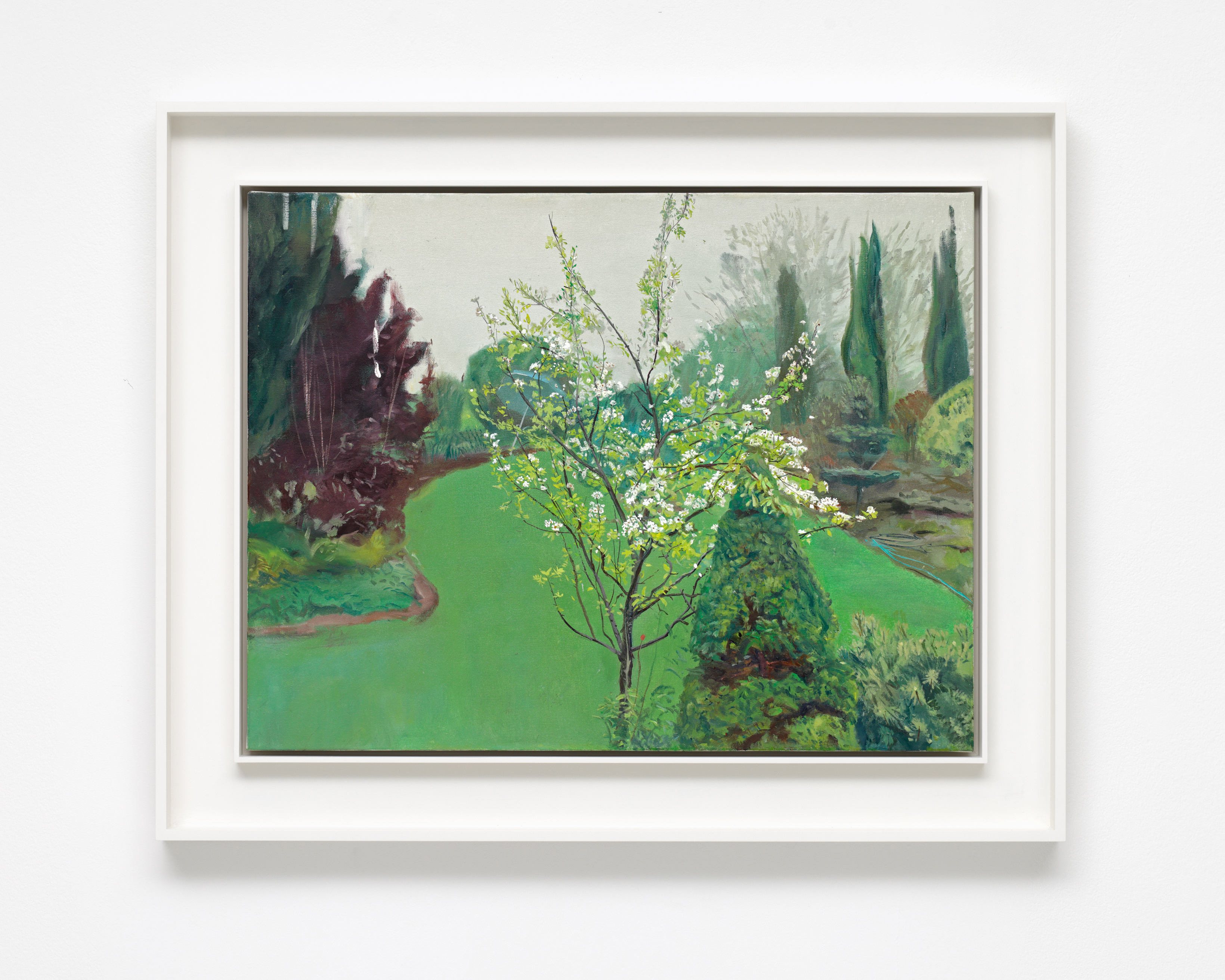
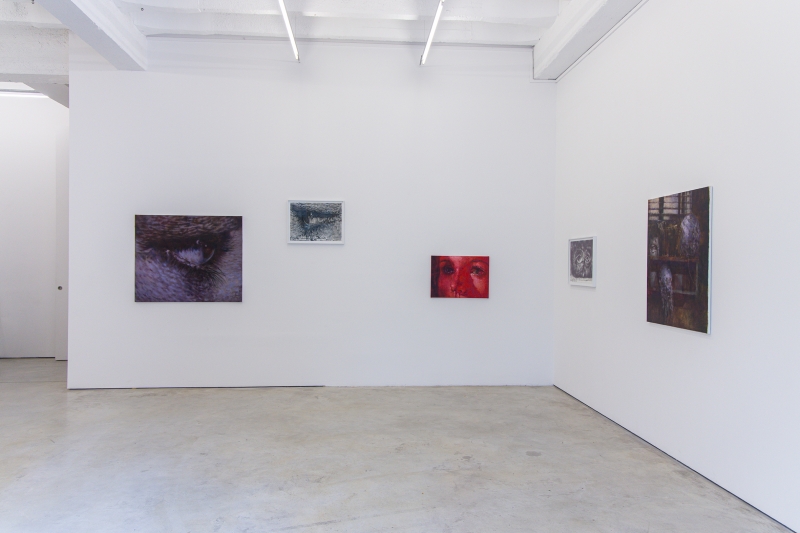
Now I am standing in front of the finished works. I’ve never understood what a narrative image is supposed to be. Pictures don’t tell stories. There is nothing before or after the moment. Nevertheless, there are photos (surprisingly few, given the vast quantities I took over the course of those years) that contain a lot of what was. What these relationships were. At least to me. Traces, likenesses of moments that happened.
The present works try to track these moments down, not the photos. They (the images of this exhibition) are themselves moments that are associated with but do not become what took place. I can see them as independent images, detached from the moments to which they refer. But they still contain those moments. I also can see the images side by side with those moments and compare them with one another. Sometimes the images even seem to slide in front of my memories, as if seeking to replace them.
Who knows what will happen when you see them. Will they really communicate something personal? Will you be able to get close to those moments, or to similar moments of your own? Perhaps my moments will become yours. Just for a moment.
That would be fine by me.
—Martin Dammann
*****
Anfang des Jahres war ich ein wenig satt von all dem blinky blinky um mich herum. Da dachte ich mir; jetzt machst Du es mal anders herum, ganz persönlich. Ich erzählte einer Kollegin dass ich eine Ausstellung zu meinen Exfreundinnen machen wollte. Sie lachte und meinte, sie hätte gerade ihren Exfreund gezeichnet. Holte einen Skizzenblock heraus und zeigte mir - einen Gorilla.
Ziemlich lustig - aber so würde ich wohl nicht durchkommen.
Denn eigentlich macht Mann ja so etwas nicht: Paff - mein Haus, Paff - mein Auto, Paff - meine Freundin. Sofort rieseln die Klischees. Männerklischees. Was kurios ist, aber auch bezeichnend: Ich plane eine Ausstellung über Exfreundinnen und das Problem sind nicht Frauen- sondern Männerklischees, in die ich nicht rutschen will. Folge: Hemmungen. Zweifel, Bedenken. Auch: Wie werden sie reagieren, die Verflossenen? Und: Wird das irgend jemanden sonst interessieren?
Klingt vielleicht nach einem jener Punkte, an denen man sich einfach umdrehen und etwas anderes machen sollte. Aber im Grunde war das ein sehr guter Ansatz. Denn Probleme, Schwankungen, Hin - und Hergerissen sein zwischen Zeigen wollen und nicht, auch Ängste, das sind alles Dinge, die mit Bildern verhandelt werden können. Die in Bildern, beim Malen wirksam sind, besonders im Aquarell mit seinem ständigen Oszillieren zwischen Konkretisierung und Auflösung, Aufschichten und Auslassen. Ich war selber neugierig, was dabei herauskommen würde. Also habe ich losgelegt.
Jetzt stehe ich vor den fertigen Arbeiten. Ich habe nie verstanden was ein narratives Bild sein soll. Bilder erzählen keine Geschichten. Es gibt nichts vor oder nach dem Augenblick. Dennoch sind da Fotos (erstaunlich wenige eigentlich bei den Unmengen, die ich in diesen Jahren gemacht habe) in denen viel von dem enthalten ist, was war. Was diese Beziehungen waren. Für mich zumindest. Spuren, Abbilder von Momenten, die sich abgespielt haben.
Die jetzigen Arbeiten spüren den Momenten nach. Nicht den Fotos. Sie (die Bilder dieser Ausstellung) sind selber Momente, die mit dem Geschehenen verbunden sind, aber nicht zu ihm werden. Ich kann sie sehen als eigenständige Bilder, losgelöst von den Momenten, auf die sie sich beziehen. Aber die Momente sind dennoch in ihnen enthalten. Ich kann die Bilder auch neben den Momenten sehen und beide miteinander vergleichen. Manchmal scheinen die Bilder sich sogar vor die Erinnerungen zu schieben, als wollten sie sie ersetzen.
Wer weiß, was passiert, wenn Ihr sie seht. Teil sich tatsächlich etwas Persönliches mit? Kommt Ihr den Momenten nahe, oder ähnlichen, die Eure eigenen sind? Vielleicht werden meine zu Euren. Für einen Moment.
Wäre in Ordnung.
—Martin Dammann