Closes Saturday
Hilton Als
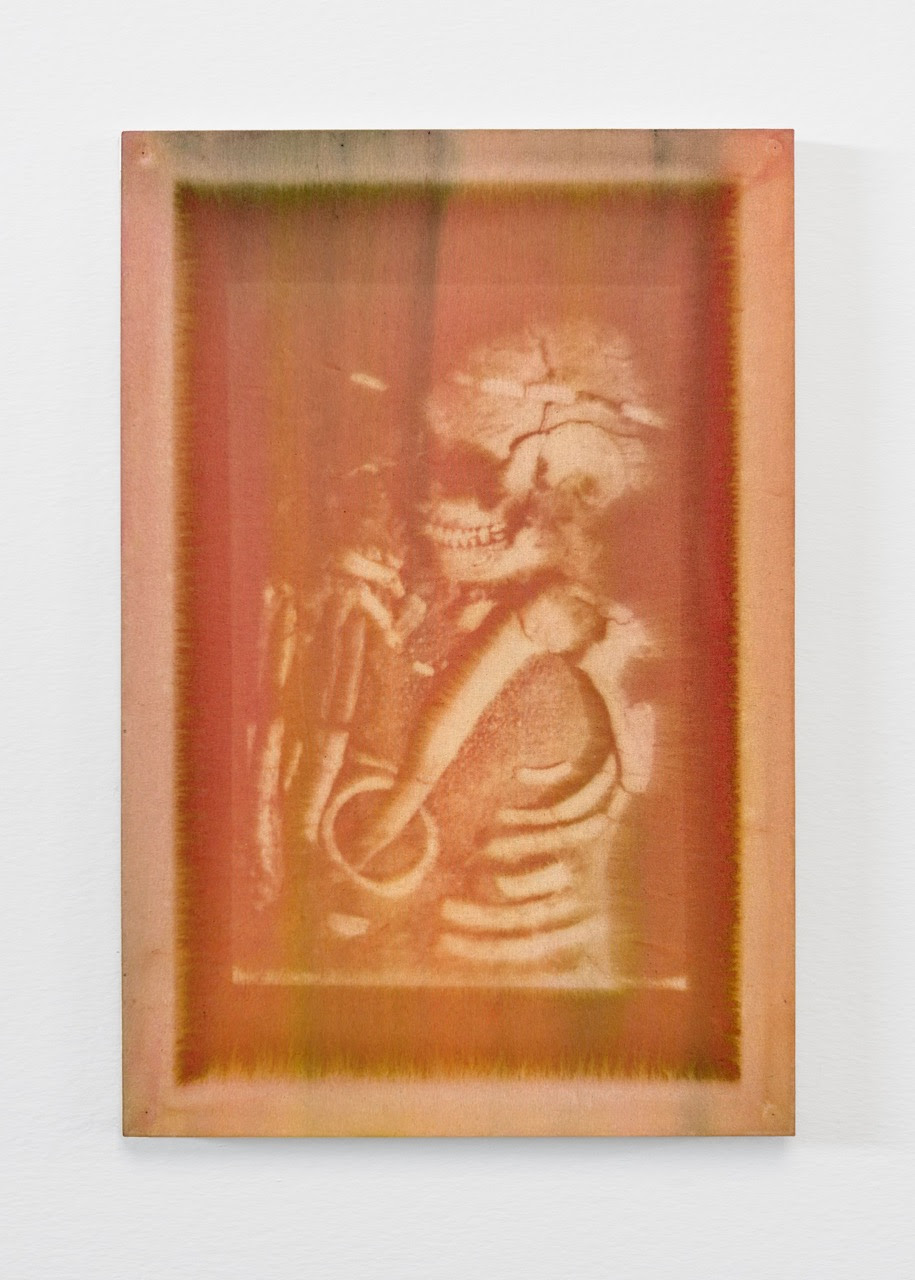
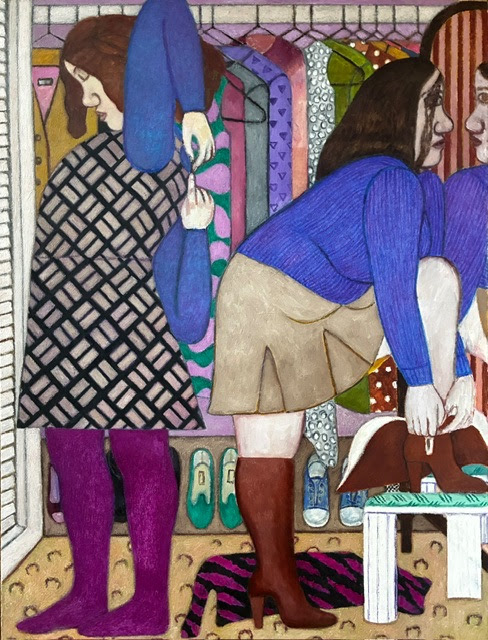
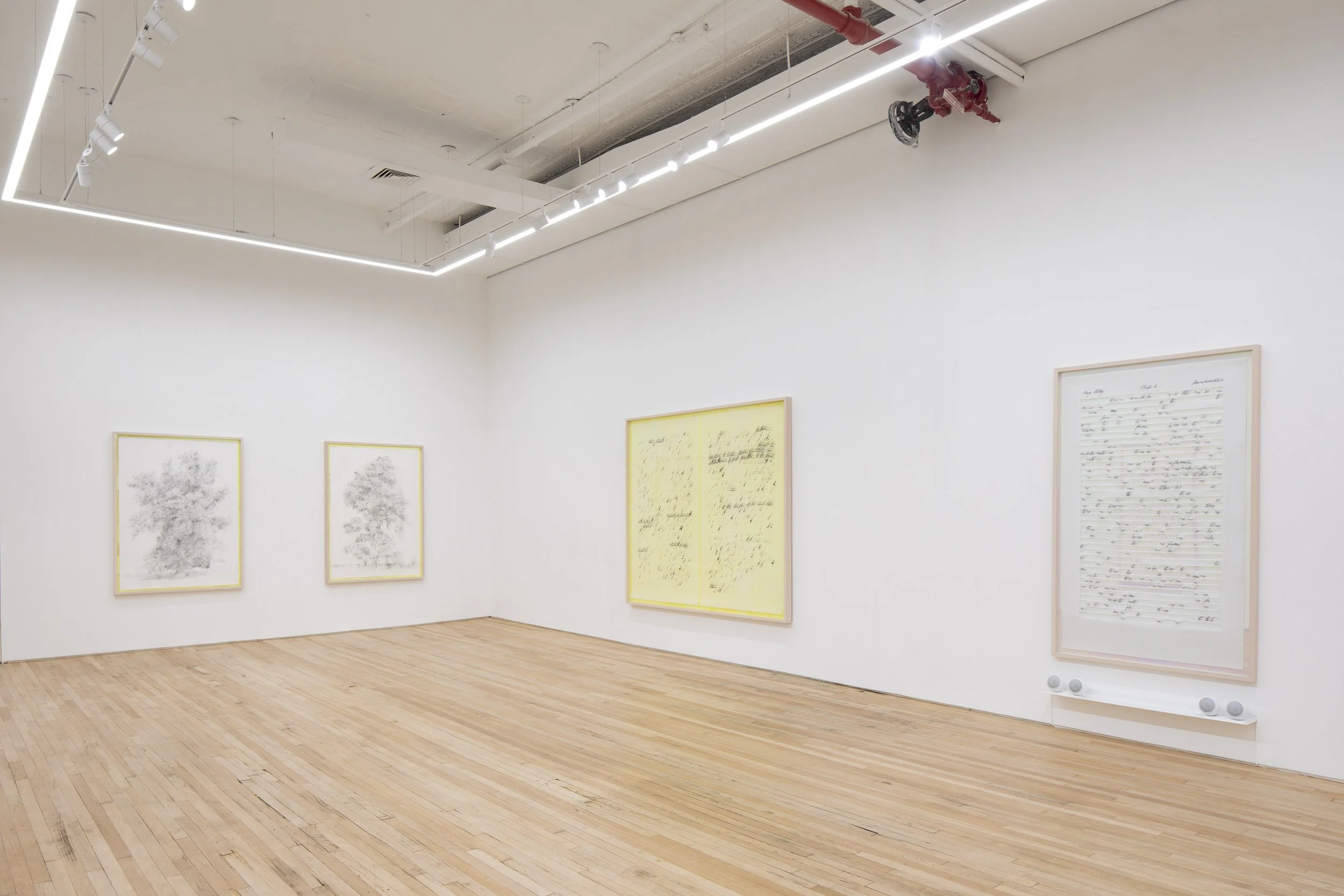
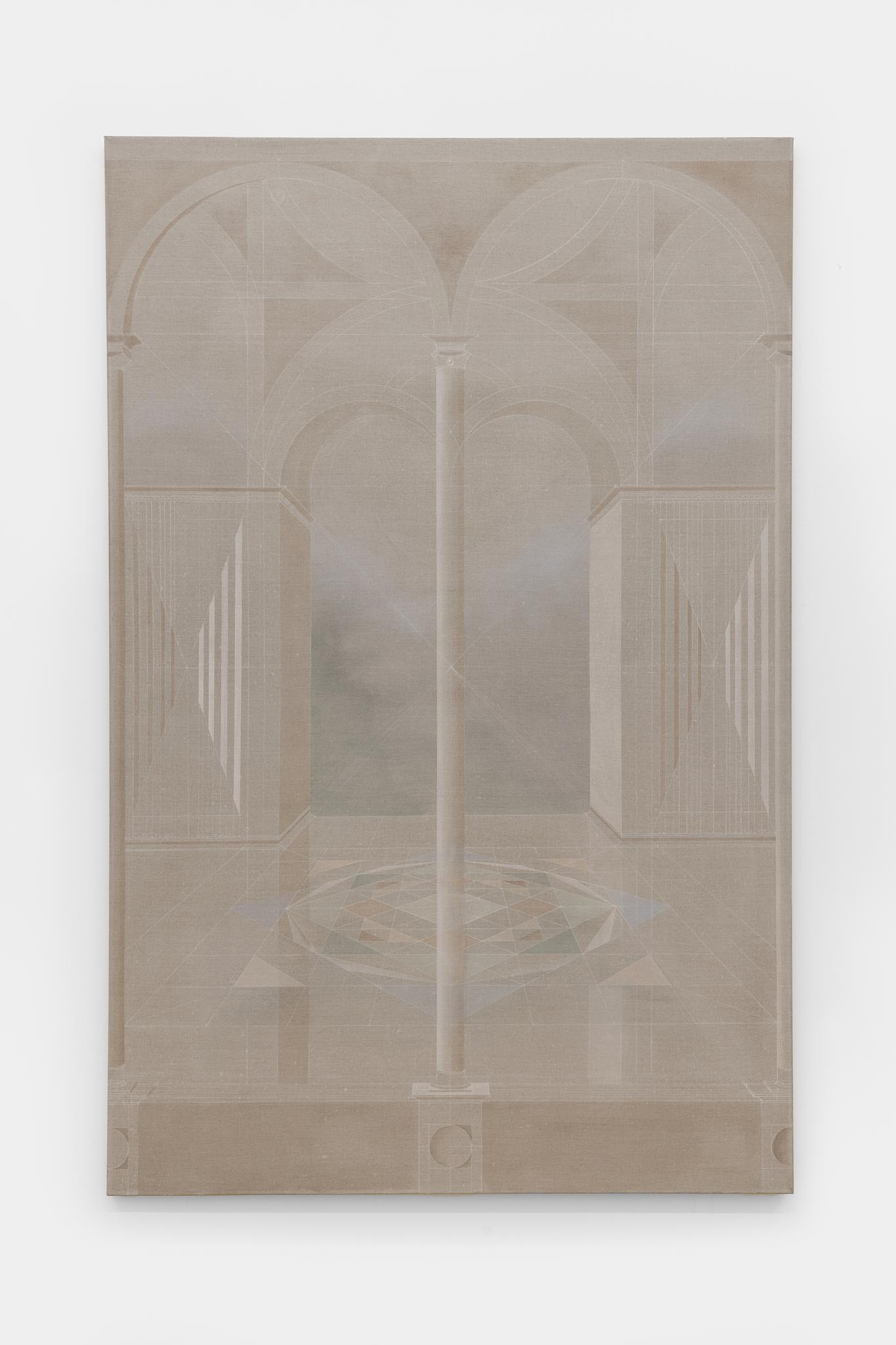
Looking for Mr. Goodbar
Oct 17 – Nov 21, 2026
Closes Nov 21. Get a reminder before it closes.
 or scan for the iPhone app
More from Hilton Als on Gallop
I grew up in Brooklyn in the 1970s. Manhattan was very far away, another world entirely, but one I loved visiting with my father and little brother. The tawdry thrill of Times Square, the wrecked bohemianism of folks who stayed too long in Washington Square Park-all of this I saw and remembered on our subway ride back from "Fun City," as New York was then called. Journalists coined the ironic moniker from a remark made by John V. Lindsay, the city's handsome mayor from 1966 to 1973, during the 1966 transit strike. Surveying the chaos, Mayor Lindsay still found New York to be a "fun city."
I longed to live there when I grew up. But in the meantime there were several disturbing views of "Fun City" in movies, in records, in magazines that filled my head and heart with fear and excitement. I had four older sisters; I enjoyed babysitting for one in particular because she had Richard Pryor albums. Her place was also where I first heard David Bowie. With Pryor, I learned that race and sex were part of an intertwined narrative-the very thing I saw in Times Square, in the Village, worlds that were less segregated than the one I knew back in Brooklyn. But the implication was that miscegenation caused danger and chaos. Pryor joked, but underneath the jokes there were true stories I read elsewhere, such as the murder of Roseann Quinn, who taught at a school for the deaf and frequented a singles bar on the Upper West Side. Quinn, it was said, preferred the company of Black men. And when she was found mutilated and murdered in her apartment at the start of 1973, a number of men of color were the prime suspects and were rounded up until the murderer was found in his brother's home in Indiana. He was a twenty-three-year-old gay white man who subsequently took his life in prison in the spring of 1973. Judith Rossner based her 1975 bestseller, Looking for Mr. Goodbar, on the Quinn case. In 1977 the movie was released, starring Diane Keaton.
All of these thoughts and images and true stories then turned into fiction and rolled around in my head for years, and would have gone somewhere else if race and sex and the inherent "otherness" of single life, particularly for women, did not still make up a large part of the narrative of danger, of threat, of the ultimate "otherness" one finds in "Fun City" in Manhattan today. It's just the language around it that has changed. But not entirely. I wanted to share with you some of the language I knew back then, language that stays with me still, revealing how our collective myths about place and bodies affect the imagination.
—Hilton Als
Visits 1

Barr visited · 3 days ago