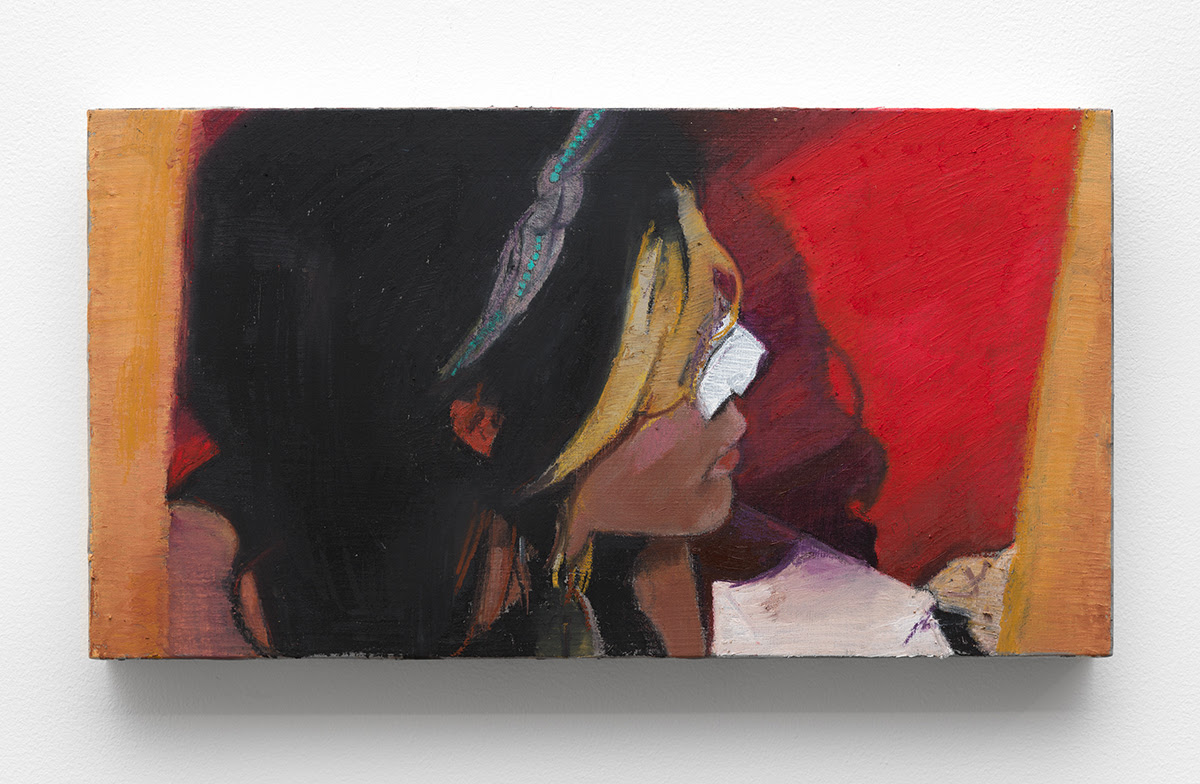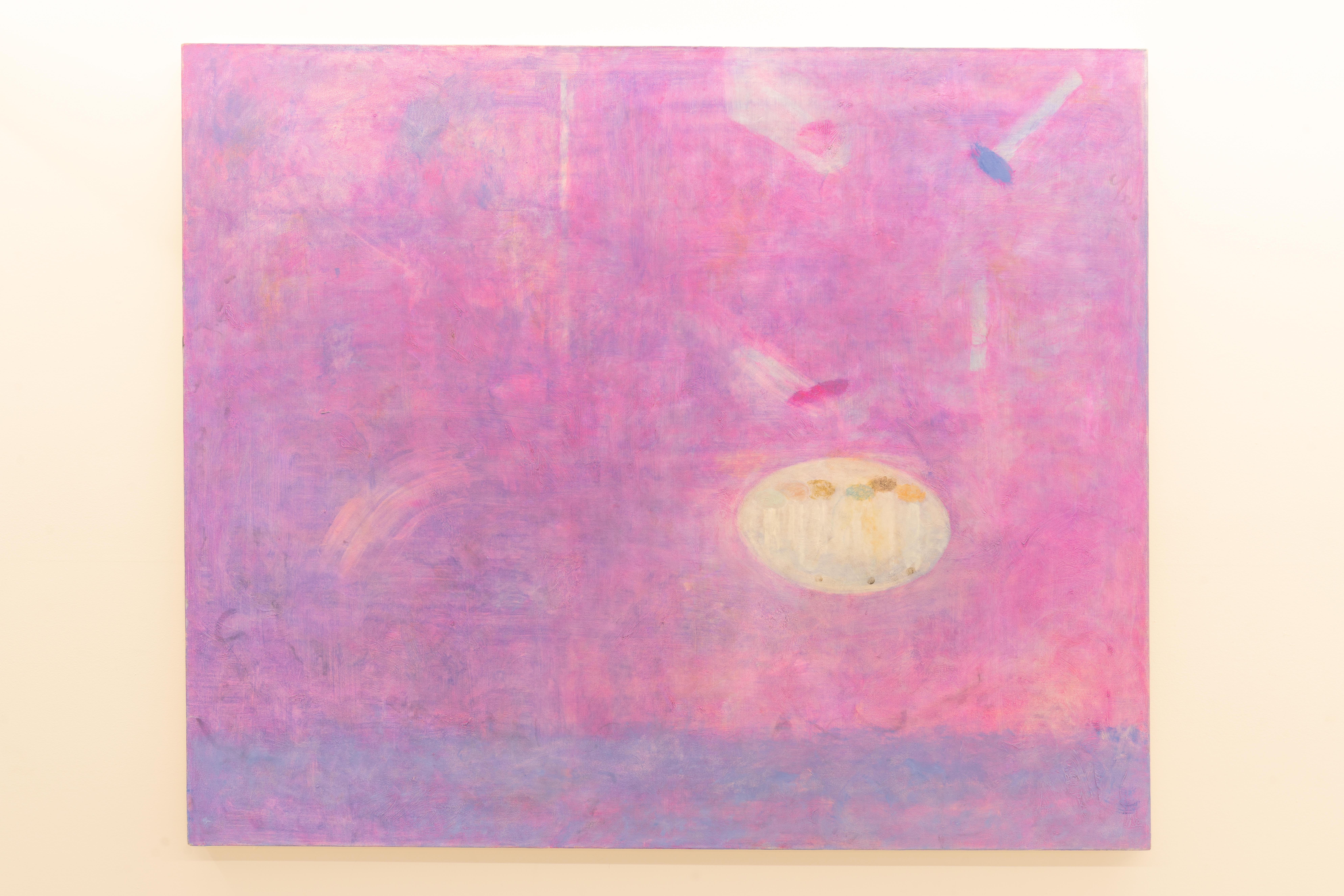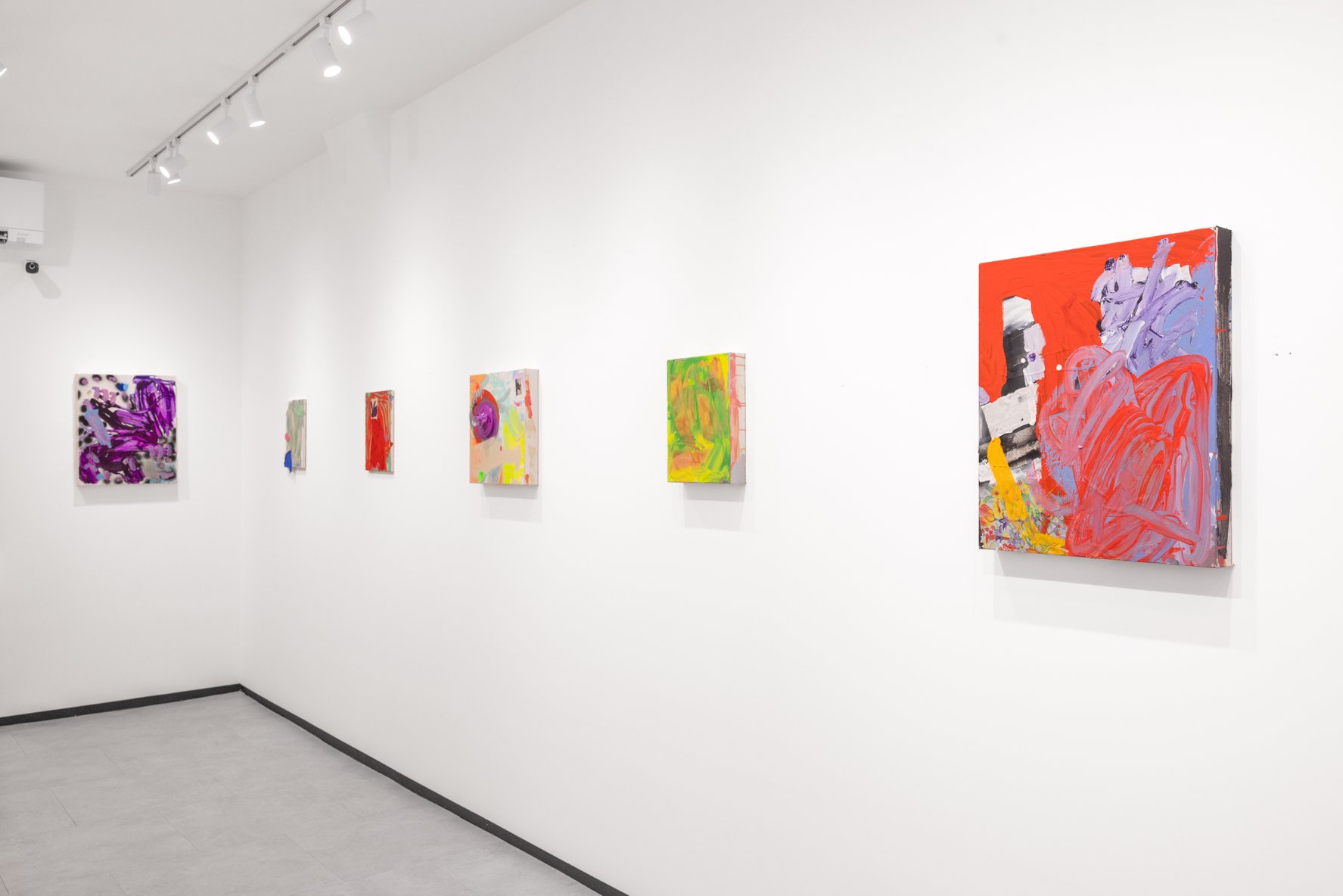

Ended
Isaiah Davis
Confessions of Fire
Nov 6 – Dec 21, 2025
The title Confessions of Fire comes from the debut of rapper Cam’ron. I remember finding the album around the time I was starting to understand my position in society. In 1998, I was only six years old, but I was registering that I was a boy who was going to become a man. The image printed onto my psyche: a man, Black like me, in heavy leather, with heavier equipment at work in a rugged steel mill environment.
For a little kid, that image was tough, like a superhero. Cam’ron, I found out later, thought it was corny. It was the label’s idea. The image set a course of who I became, but it’s also fraught with the politics of the Black artist working under capitalism. The long history of the shuck and jive.
The consumption of the image of the Black artist does not happen in a vacuum. Slavery meant the economic exploitation of Black bodies but also their literal and metaphorical consumption, through cannibalistic desire and erotic fixation. This culture of consumption shapes how masculinity is constructed, embodied, and experienced (for further reading: Vincent Woodard’s The Delectable Negro: Human Consumption and Homoeroticism within U.S. Slave Culture). It shapes the spectrum of masculinity from non-conforming to hyperhetero machismo.
By his third album, Cam’ron was able to exercise more control over his persona. And a major component of his new image was wearing pink. So masculine and so straight, he was confident enough to claim a color traditionally coded as feminine. At the same time, he put into the pop culture lexicon, the East Harlem vernacular of saying “no homo” (and later “pause”) to punctuate any behavior that could be perceived as less than masculine. With this performative flexibility, there was an almost camp reassertion of the rigid codes of heteronormative masculinity.
There’s a contradiction at the heart of the codes of “no homo” and “pause.” You are calling attention to the possibility of behavior being interpreted as homosexual by asserting “no homo.” Slang is always fugitive and improvisational. But there’s something specific in “pause” where it demarcates a disruption. It is a stoppage, a delay, an empty space to be filled with (voided) activity. In its indeterminacy, the speech act carries a recognition of absurdity, lack, instability, and the limits of understanding. It is an opportunity and occasion for straight men to laugh at this rigidity, even as they are bound by it.
I re-read Pope.L’s Hole Theory thinking about whether I could write a theory of pause. Hole Theory suggests that from lack there is possibility, that imagining nothingness and what cannot be seen is a conduit for engaging everything. Pause aspires to diagnose an absence (of homo) and in doing so identifies infinite possibility: masculinity is genderless and homosexuality is ever-present in heterosexual space.
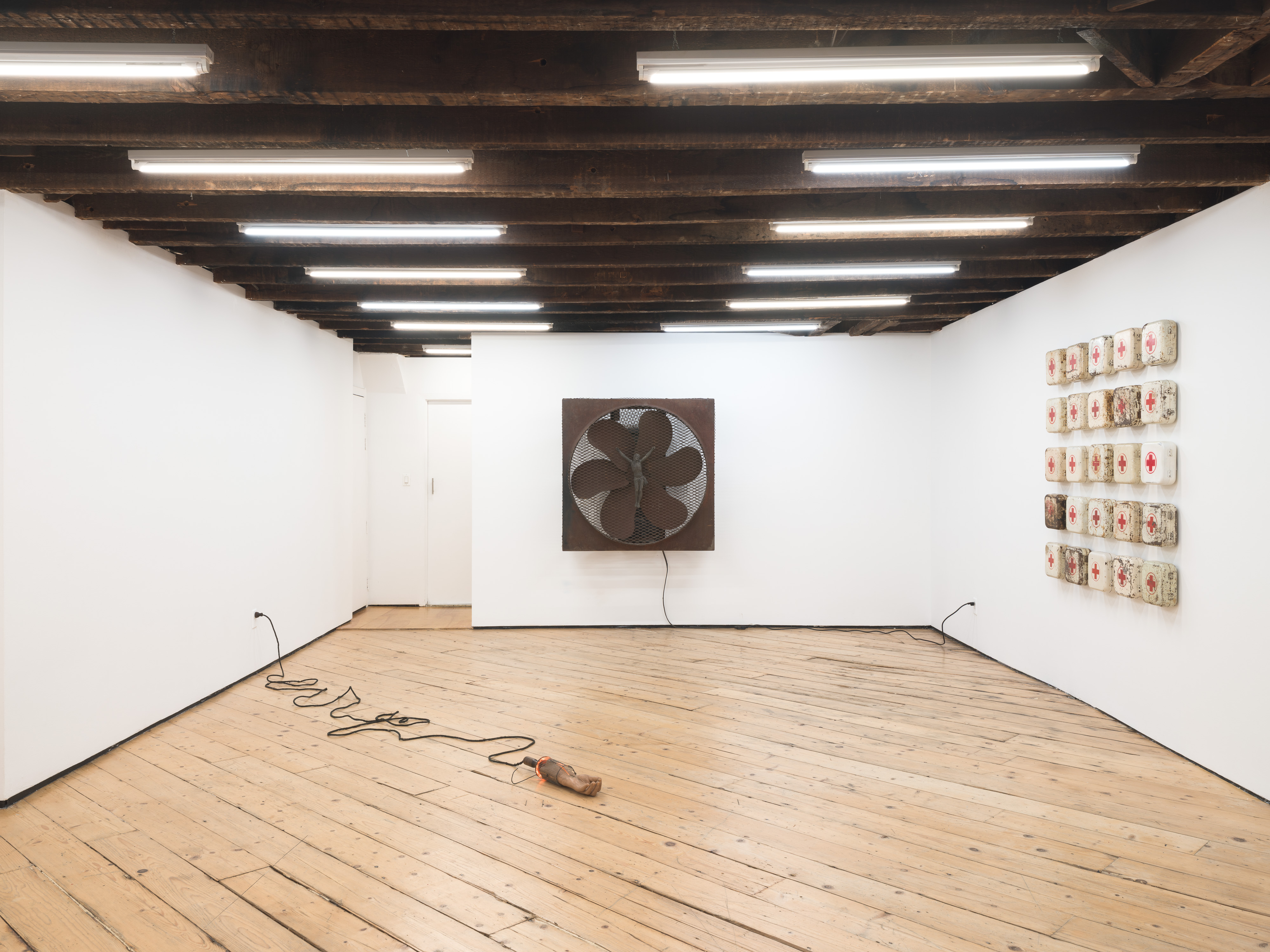
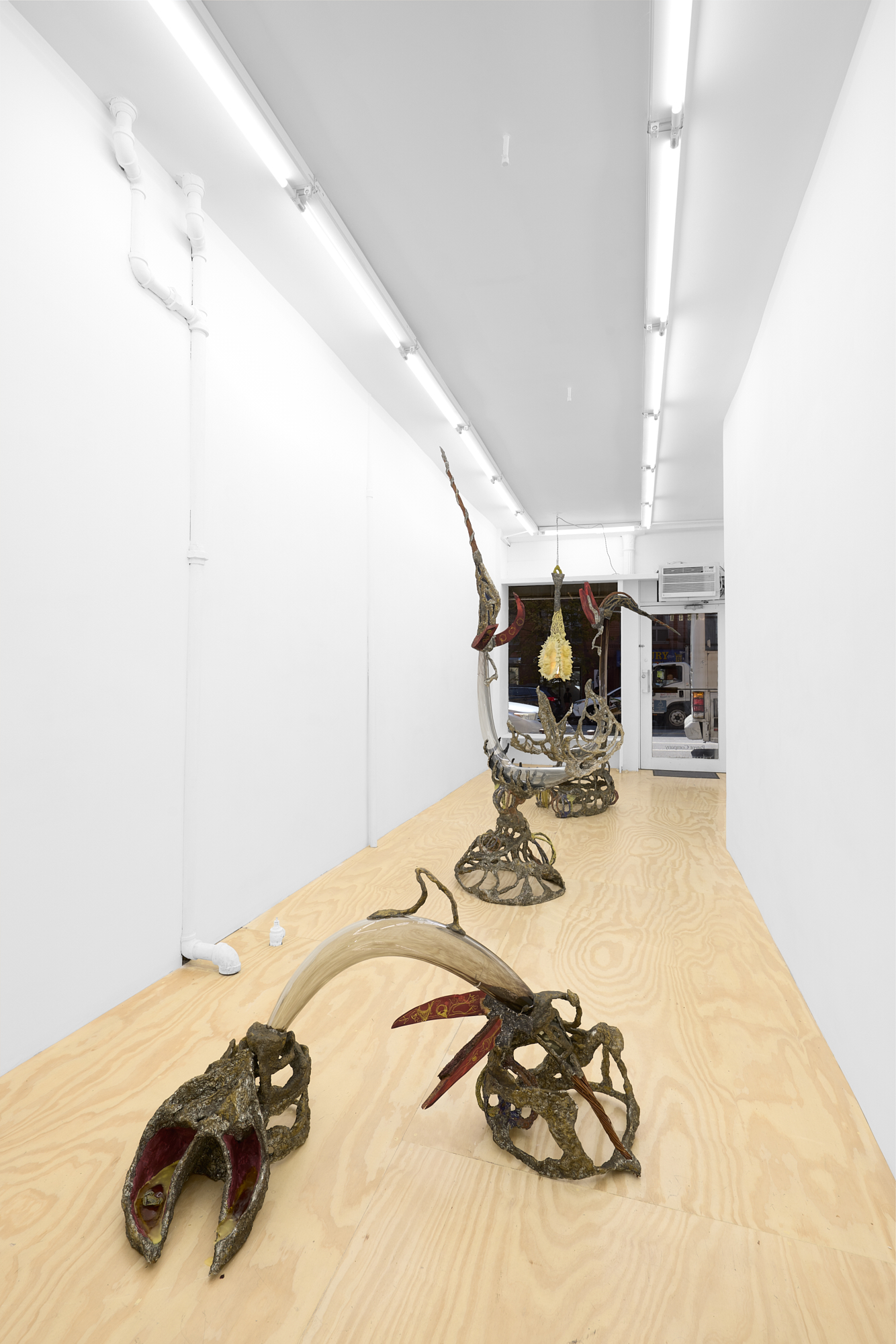
In the metal shop working with steel, what motivates me is a confrontation with the self. I’m battling against this rigidity. The sculptures I’ve made for this show are a formal study of the enclosure. How is an enclosure like a pause?
Isaiah Davis (b. 1992, Bronx, NY) lives and works in New York. Davis received his MFA from Columbia School of the Arts and his BFA from The Cooper Union. Confessions of Fire is Davis’s first solo exhibition at King's Leap, following his participation in the gallery's group exhibition, Exquisite Corpse, in January. His film, Marlow Fazon Featuring Yesterday, debuted at MoMA Doc Fortnight earlier this year. Solo exhibitions include Participant Inc. (New York, NY), and Love Gallery (New York, NY). Selected group exhibitions include Kasmin for Artistic Noise: Benefit Auction 2025, SK Gallery (New York, NY), Wallach Art Gallery (New York, NY), Gallery Albany (Albany, NY), and Housing Gallery (New York, NY).