Ended Jan 27
Karl Horst Hödicke
030
Dec 15, 2023 – Jan 27, 2024
More from Karl Horst Hödicke on Gallop
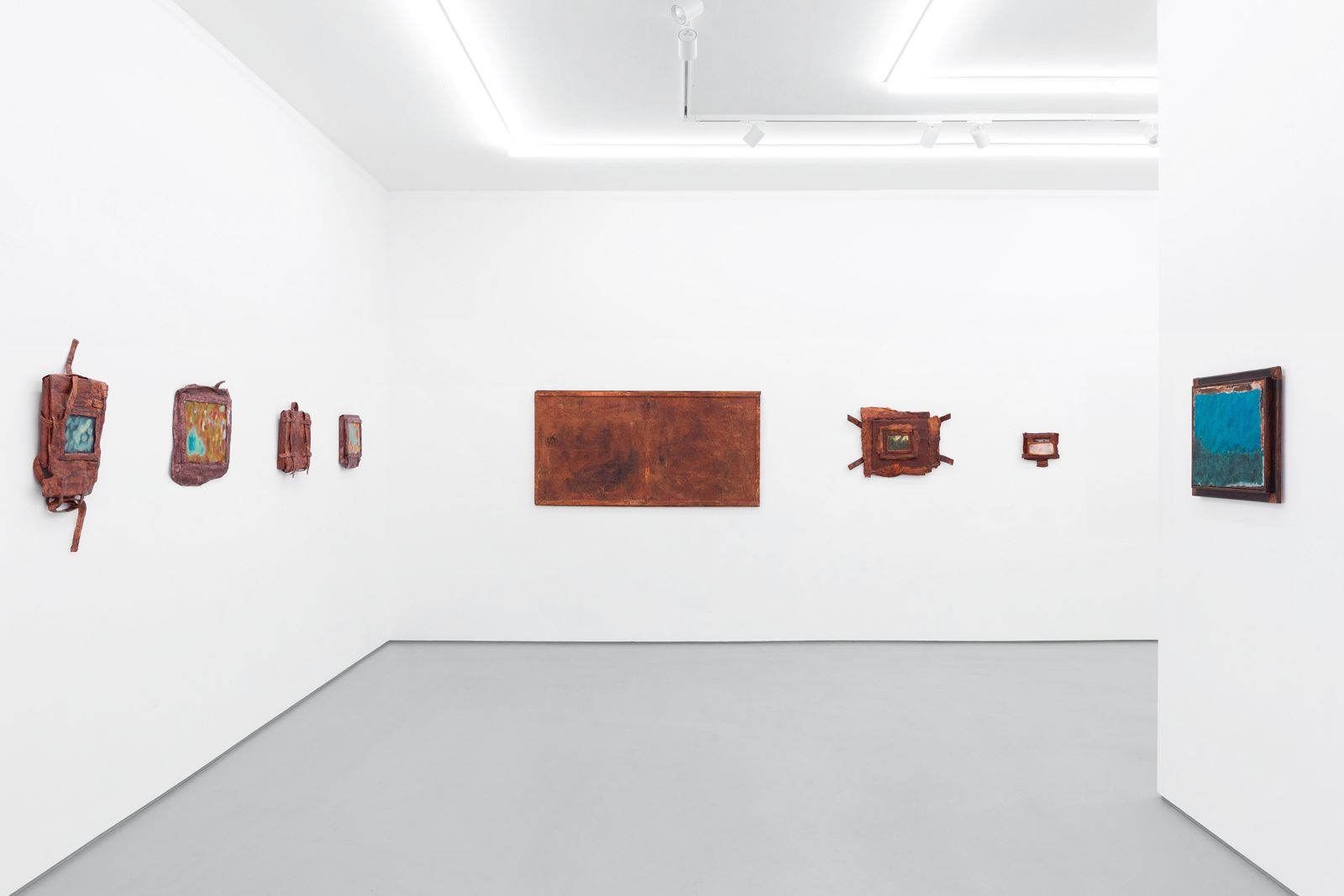
We are pleased to open König Telegraphenamt, our second exhibition space in Berlin. Adjacent to Museumsinsel and housed within the premises of Telegraphenamt, the new location will present artists from inside and outside the gallery’s roster, alongside group exhibitions. The first exhibition on view is 030 by Karl Horst Hödicke.
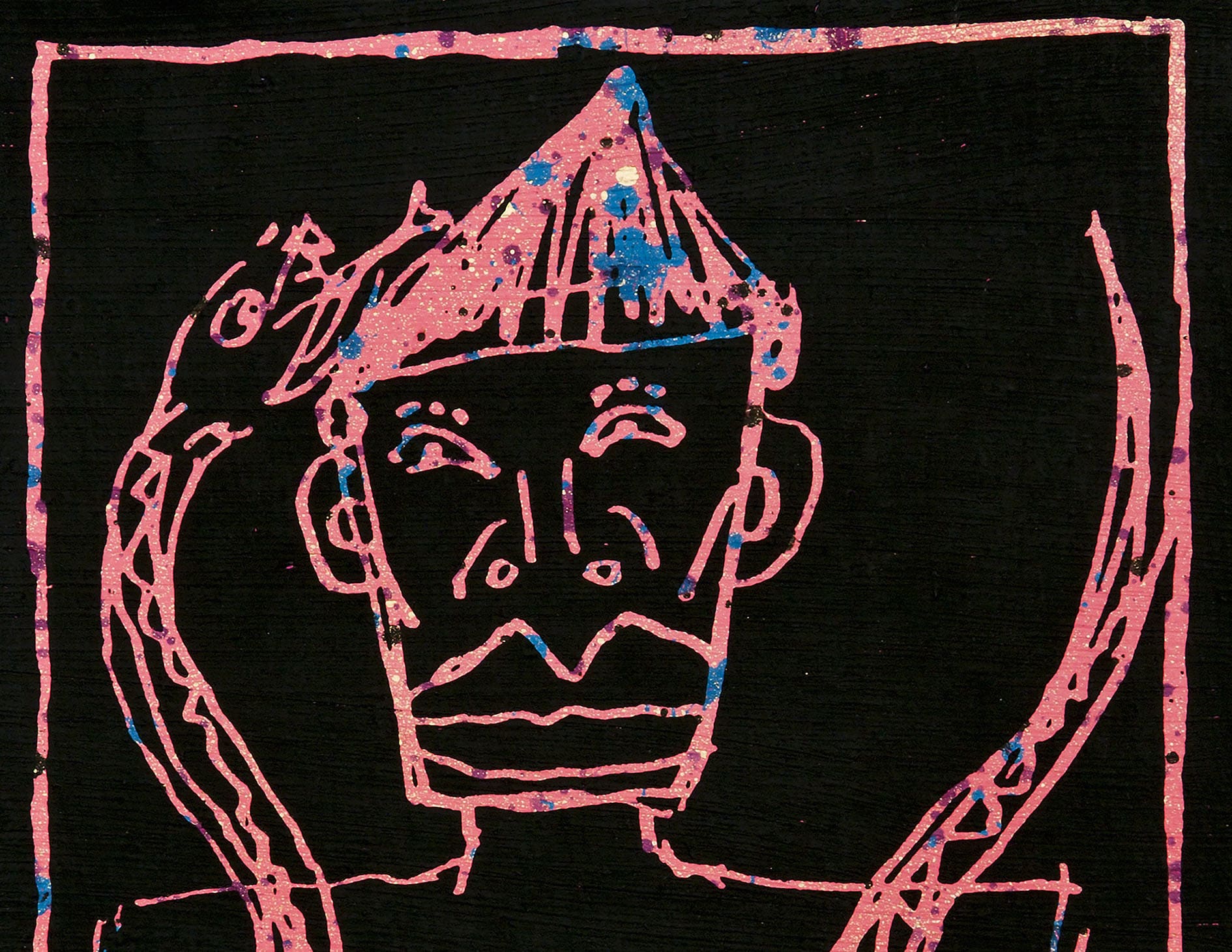
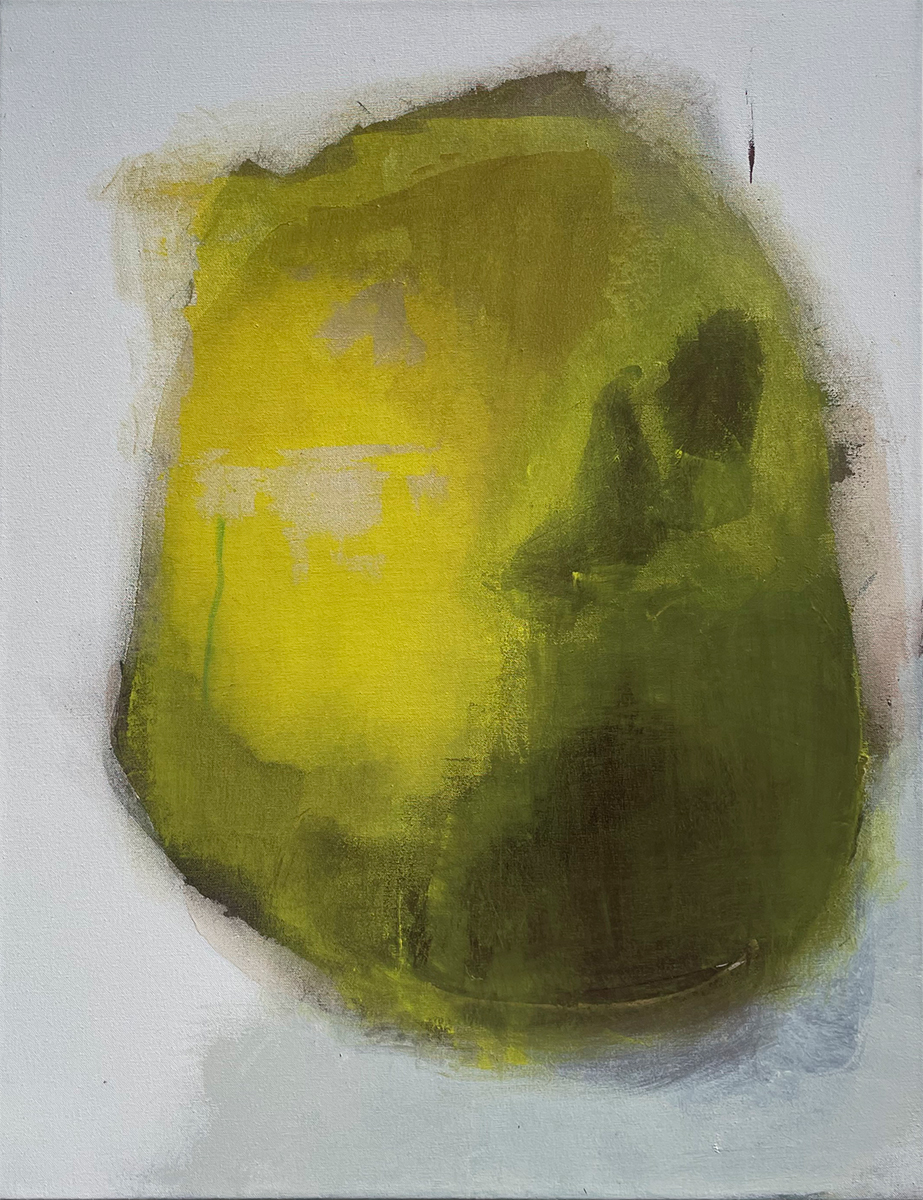
Hödicke is one of the leading figures of German Neo-Expressionism and New Figuration. As a member and co-founder of the Neue Wilde movement, beginning in 1978, he consciously opposed the abstract, minimalist, and conceptualist strategies currently prevalent in much of West Germany at that time. The broad brushstrokes and bold color palette lend his works the feeling of seeing a place through memory – Berlin and its ever-changing urban landscape in particular is a central motif in his work.
It is, therefore, a great opportunity to present Hödicke's biographical connection to the German capital and Berlin's history since the 1980s in the spaces of a historically significant location such as the Telegraphenamt. From the middle of the 19th century, this building housed Germany's central postal and communications center before it opened as the main telegraph office in 1916, with one of the world's largest pneumatic tube systems in its basement. Bombed during the Second World War, the basic structure was preserved and officially operated as the main telegraph office during the GDR until the 1950s. Operations were finally discontinued in 1992 and the building has remained a protected historical site ever since.
From today's perspective, Hödicke's multi-layered work, spanning several decades, can be read as a critical and ironic commentary on the social upheavals and political developments of his time and his adopted home, Berlin.
Karl Horst Hödicke (b. 1938 in Nuremberg, Germany) is a contemporary German artist known for his Neo-Expressionist paintings. The artist’s broad brushstrokes and specific colour palette provide his works with a sense of seeing a place through memory – specifically Berlin with its ever-changing cityscape is a central motif in his work. Having moved to Berlin in 1957, Hödicke became one of the spokespeople for a small group of impetuous young lateral thinkers who wanted to revolutionise painting. No sooner had German post-war modernism rejoined the international artistic trend towards the abstract than they revolted against this new doctrine with a revival of figurative painting, which had been declared obsolete. Hödicke was subsequently a pioneer of German Neo-Expressionism and New Figuration with Georg Baselitz, Jörg Immendorf, and A.R. Penck. He was one of the main protagonists and drivers of the New Savages or Junge Wilde movement in 1978, which arose in the German-speaking world in opposition to established minimal and conceptual strategies.
In 2019 Hödicke had a retrospective of his works at Staatliche Graphische Sammlung in Munich, Germany, which in 2020 was on view at Palais Populaire in Berlin. The exhibition was accompanied by a comprehensive publication in 2 volumes.
Hödicke’s works were part of group exhibitions at institutions like Kunstmuseum Bonn, Bonn, Germany (2022 and 2018); Hamburger Kunsthalle, Hamburg, Germany (2022), Kunsthalle Emden, Emden, Germany (2021 and 2015); Kunsthalle Helsinki, Helsinki, Finland (2020); Museum Brandhorst, Munich, Germany (2020); Kunstmuseum Luzern, Luzern, Switzerland (2018); Art Gallery of New South Wales, Sydney, Australia (2016); Schirn Kunsthalle, Frankfurt am Main, Germany (2014) and others.